

What is the National Animal of Switzerland?
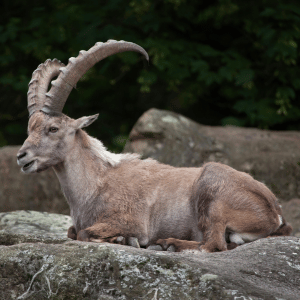
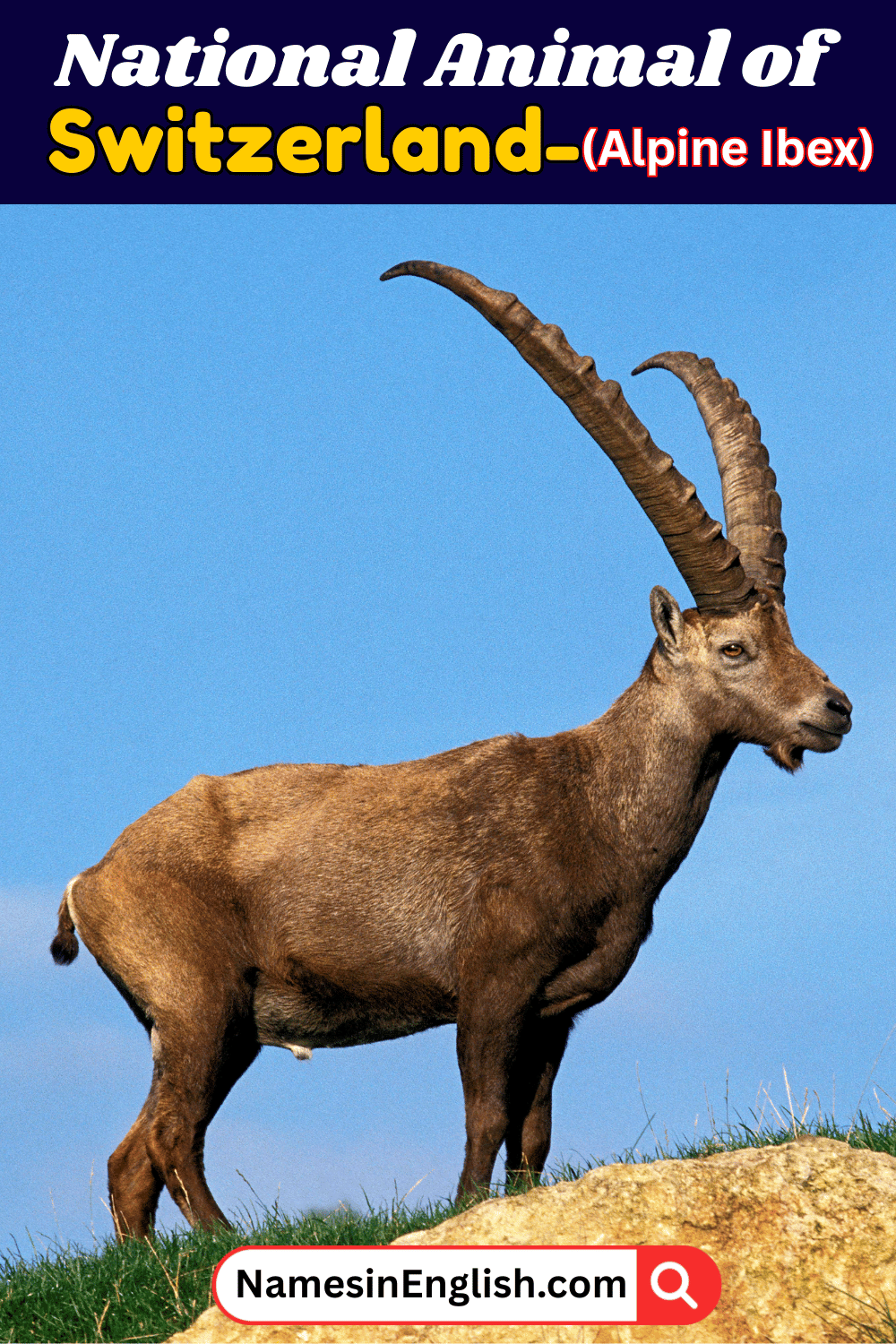
The official national animal of Switzerland is the Alpine Ibex (Capra ibex). It is a wild mountain goat species that lives in the rocky alpine regions of Europe, especially in the Swiss Alps.
Why Was the Alpine Ibex Chosen as Switzerland’s National Animal?
The Alpine Ibex was chosen as Switzerland’s national animal because it reflects the country’s natural landscape and values. Switzerland is famous for its high mountains, and the ibex thrives in these harsh environments.
Key reasons for its selection include:
- It symbolizes strength and endurance
- It represents the Alpine environment of Switzerland
- It reflects survival and independence in extreme conditions
- It is a native and historic species of the region
Physical Appearance and Unique Features of the Alpine Ibex
| Feature | Description |
|---|---|
| Scientific Name | Capra ibex |
| Body Size | Medium to large-sized wild goat with a strong, muscular build |
| Height | حوالي 65–105 cm (at the shoulder) |
| Weight | Males: 65–120 kg, Females: 40–70 kg |
| Coat Color | Brown to grayish-brown; lighter underparts |
| Fur Type | Thick and coarse, becomes denser in winter for warmth |
| Horns (Males) | Very large, curved backward; can grow up to 1 meter long |
| Horns (Females) | Much shorter, thinner, and slightly curved |
| Hooves | Wide and flexible with a rubber-like grip for climbing الصخور |
| Legs | Strong and short, ideal for jumping and balancing on steep cliffs |
| Tail | Short and less noticeable |
| Lifespan | Around 15–20 years in the wild |
| Climbing Ability | Exceptional; can climb near-vertical rock surfaces |
| Distinct Feature | Impressive horns and ability to survive in extreme mountain conditions |
Habitat and Distribution in Switzerland
The Alpine Ibex mainly lives in the Swiss Alps and other mountainous regions of Europe. It prefers:
- Rocky cliffs and steep slopes
- High altitudes above forests
- Cold and dry alpine climates
These animals are expert climbers and can easily move across dangerous mountain terrain where predators struggle to reach.
Symbolic Meaning
The Alpine Ibex holds deep symbolic value in Switzerland:
- Strength and courage – due to its ability to climb steep mountains
- Freedom – living in wild and remote areas
- Balance and stability – navigating dangerous cliffs with ease
It reflects the spirit of the Swiss people, who are known for resilience and independence.
Cultural Importance in Switzerland
The Alpine Ibex appears in Swiss traditions, folklore, and regional identity. It is often associated with:
- Alpine heritage and mountain life
- Wildlife conservation efforts
- Tourism branding and souvenirs
In some regions, the ibex is also featured in local emblems and artwork.
What Does the Alpine Ibex Eat?
The Alpine Ibex is a herbivore. Its diet mainly includes:
- Grass
- Herbs
- Leaves
- Moss and lichens
During winter, when food is scarce, it can survive on very limited vegetation, showing its remarkable adaptability.
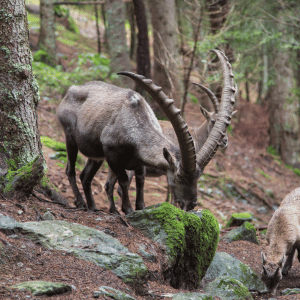
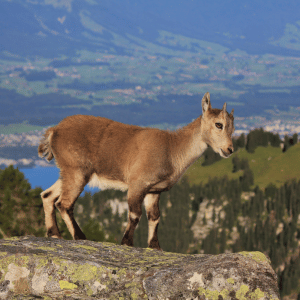
Baby of Alpine Ibex
A baby Alpine Ibex is called a kid, just like domestic goats. Female ibex usually give birth to one kid in spring after a gestation period of about 5 to 6 months.
Tourism and National Identity
The Alpine Ibex plays a major role in Swiss tourism. Visitors from around the world travel to Switzerland to:
- See ibex in their natural habitat
- Explore the Swiss Alps
- Experience wildlife photography
National parks and protected areas help preserve this species and attract eco-tourists.
Environmental Importance
The Alpine Ibex contributes to the ecosystem by:
- Maintaining vegetation balance
- Supporting biodiversity in alpine regions
- Playing a role in natural food chains
It is also a success story of conservation, as the species was once nearly extinct but has been successfully reintroduced and protected.
Interesting Facts about Alpine Ibex
- The Alpine Ibex was once extinct in Switzerland but was reintroduced in the early 20th century.
- It can climb almost vertical الصخور (rock faces) with ease.
- Male ibex use their horns to fight for dominance during mating season.
- Their hooves have a special grip that prevents slipping.
Name of National Animal of Switzerland
Learn More Helpful Articles