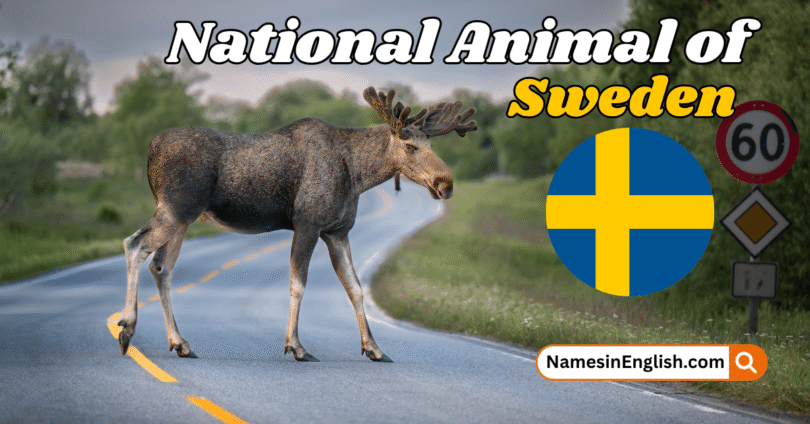

A national animal is a species officially or popularly chosen to represent a country’s natural heritage, cultural identity, and national values. The National Animal of Sweden is not just a symbol—it is a living part of the country’s everyday environment and tradition. In this article, you will learn the National Animal of Sweden with Name and Picture, why it was chosen as a national symbol, its cultural and environmental significance, and some fascinating facts that make it one of the most admired animals in the world.
What Is the National Animal of Sweden?
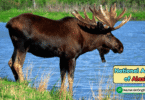
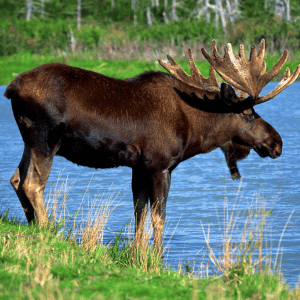
The national animal of Sweden is the moose, scientifically known as Alces alces. In Europe, it is commonly called the Eurasian elk, while in North America, it is known simply as the moose. This large herbivorous mammal belongs to the deer family and is the largest land animal in Sweden. It is widely found across the country’s forests and is a familiar sight in rural landscapes.
Why the Moose Was Chosen as Sweden’s National Animal
The moose was not selected through a single official declaration but has become a widely accepted national symbol due to its strong presence in Swedish life and nature.
Key Reasons Behind Its Status:
- Abundance in Swedish forests – Sweden has one of the largest moose populations in the world
- Deep cultural connection – The animal appears in folklore, art, and local traditions
- Symbol of wilderness – It represents Sweden’s untouched natural beauty
- National identity – Locals often refer to it as the “King of the Forest”
Physical Features and Characteristics of Moose
| Feature | Description |
|---|---|
| Common Name | Moose (Eurasian Elk) |
| Scientific Name | Alces alces |
| Family | Cervidae (Deer family) |
| Height | Up to 2.1 meters (7 feet) at shoulder |
| Weight | 380 to 700 kg (adult males can be heavier) |
| Body Color | Dark brown with lighter legs |
| Antlers | Large, flat, and broad (only males grow them) |
| Antler Span | Can reach up to 1.8 meters (6 feet) |
| Legs | Long and strong for walking in deep snow and water |
| Snout | Long and broad, helps in pulling leaves and aquatic plants |
| Diet Type | Herbivore (plant-eating animal) |
| Speed | Can run up to 56 km/h (35 mph) |
| Swimming Ability | Excellent swimmer; can dive underwater for food |
Habitat and Distribution in Sweden
Moose are found throughout Sweden, especially in:
- Dense forests
- Wetlands and marshy areas
- Northern and central regions
They prefer areas with abundant vegetation and access to water, making Sweden’s landscape ideal for their survival.
Symbolic Meaning of the Moose in Sweden
The moose is more than just a wild animal—it carries deep symbolic meaning.
What It Represents:
- Strength and endurance
- Independence and calmness
- Connection to nature
- National pride
Its quiet yet powerful presence mirrors the Swedish way of life—balanced, respectful, and deeply rooted in the environment.
Cultural Importance of National Animal of Sweden
The moose plays an important role in Swedish culture and everyday life.
- Featured in traditional stories and folklore
- Common symbol in souvenirs and tourism products
- Central to wildlife tourism and safaris
- Part of local cuisine in some regions
Visitors often travel to Sweden hoping to spot a moose in the wild, making it a key attraction for nature tourism.
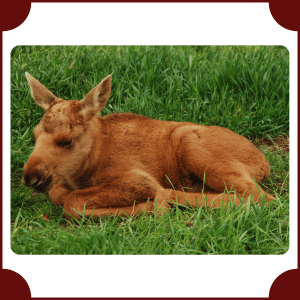
Baby of Moose
The baby of a moose is called a calf. A moose calf is born after a gestation period of about 7–8 months, usually in late spring or early summer. At birth, the calf is light brown with white spots, which help it blend into forest surroundings for protection from predators. Within a few hours, it is able to stand and walk, which is important for survival in the wild.
What Does a Moose Eat?
- Leaves and twigs from trees like birch and willow
- Aquatic plants such as water lilies (they often feed in lakes and ponds)
- Bark from young trees during winter
- Shrubs and grasses in warmer months
- Fruits and berries when available

Environmental and Economic Importance
Moose contribute significantly to Sweden’s ecosystem and economy.
Environmental Role:
- Help maintain forest vegetation balance
- Support biodiversity
Economic Value:
- Wildlife tourism generates revenue
- Controlled hunting supports local communities
However, managing moose populations is important to prevent overgrazing and road accidents.
Interesting Facts About the Swedish Moose
- A moose can run up to 56 km/h (35 mph)
- It is an excellent swimmer and can dive underwater for food
- Moose are mostly solitary animals
- Sweden has an estimated 300,000–400,000 moose
- Their antlers can span up to 1.8 meters (6 feet) wide
Present-Day Role in Sweden
Today, the moose remains a living national symbol of Sweden. It is protected and carefully managed to ensure a balance between nature conservation and human activity.
Efforts are ongoing to:
- Monitor populations
- Reduce wildlife-vehicle collisions
- Preserve natural habitats
FAQs About the National Animal of Sweden
1. What is the national animal of Sweden?
The national animal of Sweden is the moose, also known as the Eurasian elk (Alces alces).
2. Why is the moose important in Sweden?
It represents strength, wilderness, and national identity, and plays a key role in culture and tourism.
3. Where can you see moose in Sweden?
Moose can be found in forests and rural areas across Sweden, especially in the north and central regions.
4. Is the moose dangerous to humans?
Moose are generally calm but can be dangerous if threatened, especially during mating season or when protecting calves.
5. How many moose live in Sweden?
Sweden has an estimated population of 300,000 to 400,000 moose, making it one of the highest in the world.
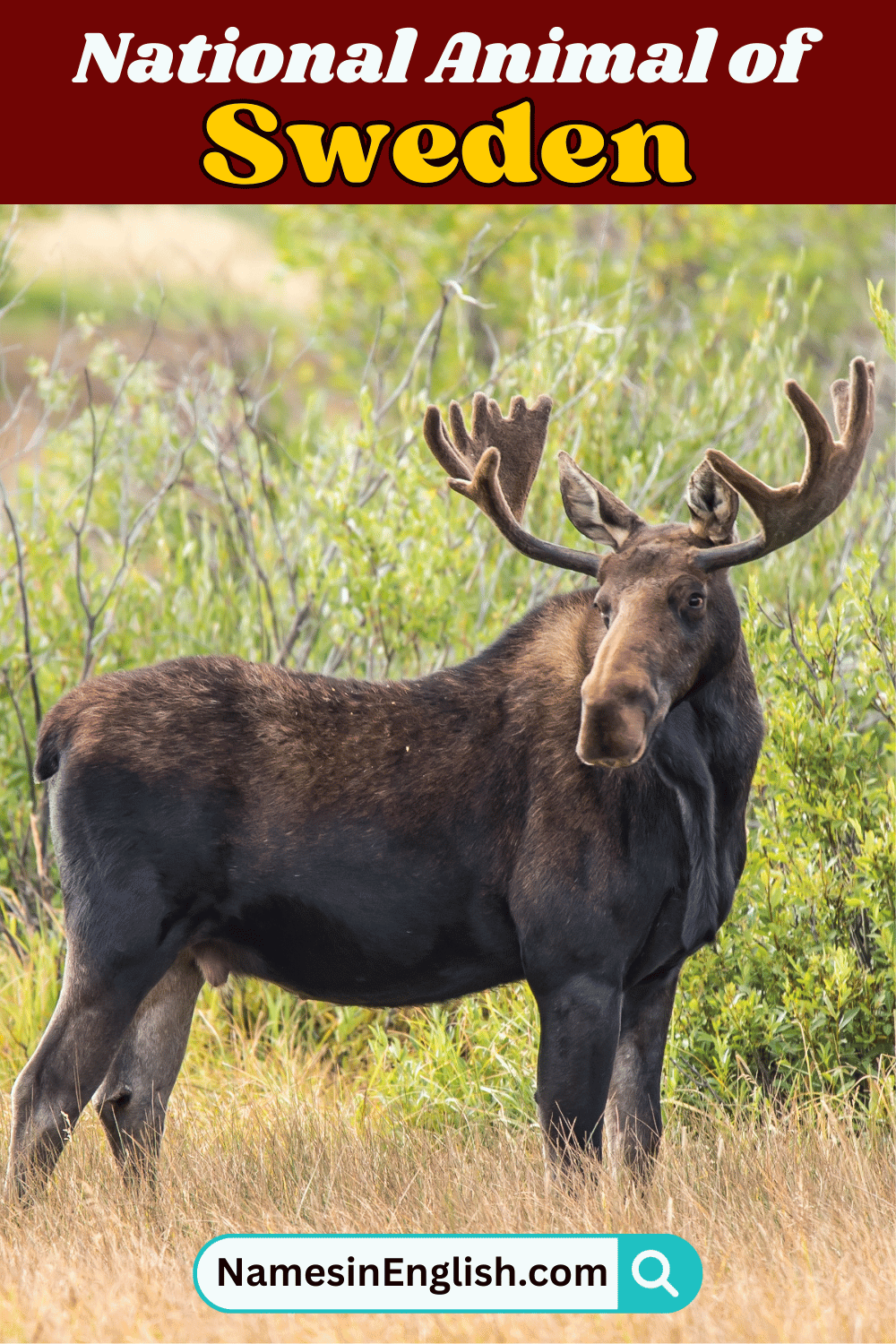
Name of National Animal of Sweden