
The Nevada state flower is a beautiful symbol of the state’s natural landscape, history, and unique desert environment. Chosen for its beauty and importance, it represents Nevada’s rich plant life and cultural heritage. Learning about state flowers is a great way to improve your English vocabulary while discovering interesting facts about U.S. state symbols. In this article, you will learn the Nevada state flower with its name, picture, and simple facts, helping kids, students, teachers, and English learners understand and remember this official state symbol with confidence.
What Is the Nevada State Flower?
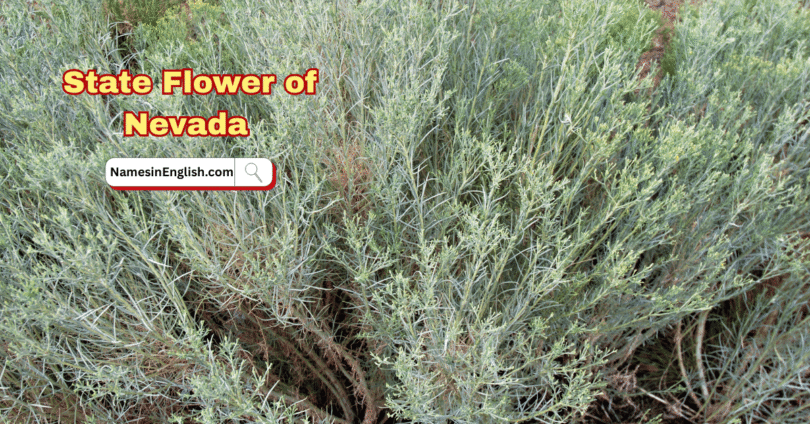
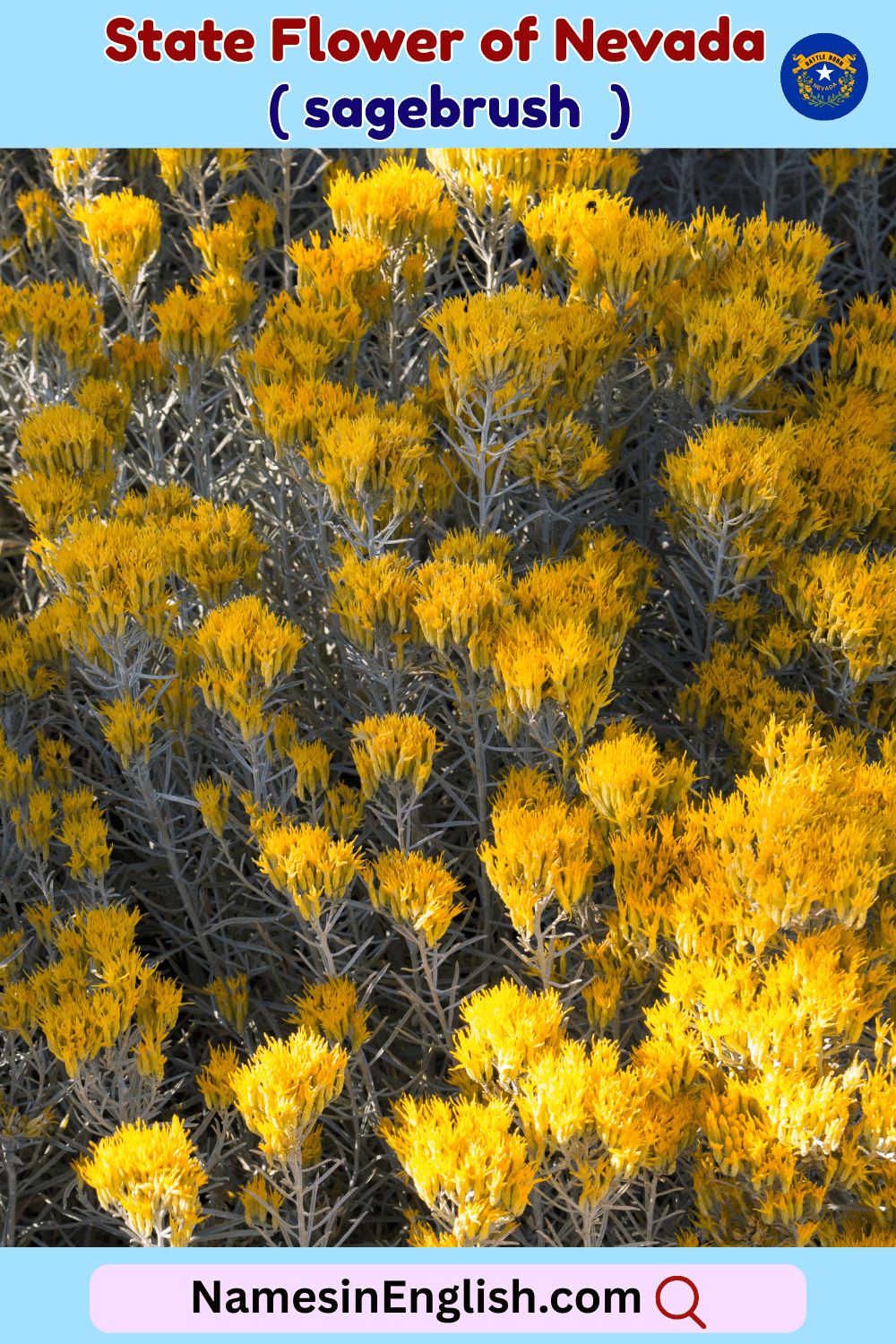
The Nevada state flower is the sagebrush (Artemisia tridentata). It was officially designated as the state flower in 1917. Despite its small yellow blooms, sagebrush is valued more for its ability to survive harsh desert conditions than for its appearance. Its silvery-green leaves and pleasant fragrance have become iconic symbols of Nevada’s open landscapes.
History of Nevada’s State Flower
Nevada adopted sagebrush as its official state flower in 1917 because it was already one of the most common and familiar native plants in the state. Early settlers and Native American communities used it for medicine, fuel, and shelter. Lawmakers chose it because it reflected Nevada’s landscape better than a decorative flower.
Why Was Sagebrush Chosen?
Sagebrush was chosen because it is deeply connected to Nevada’s identity and environment. It grows naturally across much of the state and survives extreme heat, drought, and poor soil. Its hardiness and usefulness made it a fitting symbol of Nevada’s desert character.
What Does Sagebrush Symbolize?
The Nevada state flower symbolizes strength, resilience, endurance, and independence. It also represents survival, hope, and the rugged beauty of the American West. These qualities match Nevada’s history and the spirit of its people.
Scientific Name and Classification
What Does Sagebrush Look Like?
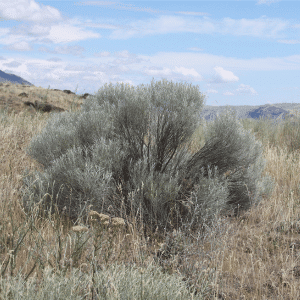
Sagebrush is a woody shrub with soft silver-gray leaves and small yellow flowers. Its leaves give off a pleasant herbal scent, especially after rain. Mature plants can grow several feet tall and create wide silvery stretches across Nevada’s dry landscapes.
Where Does Sagebrush Grow?
Sagebrush grows naturally throughout Nevada and much of the western United States. It thrives in desert valleys, high plains, dry mountain slopes, grasslands, and Great Basin ecosystems. Because it needs very little water, it is perfectly suited to Nevada’s arid climate.
Blooming Season
Sagebrush blooms from late summer to early fall, typically August through October. During this time, the plant produces clusters of tiny yellow flowers that provide an important food source for bees, butterflies, and other pollinators before winter arrives.
Growing Tips for Sagebrush
If you live in a dry climate, sagebrush is relatively easy to grow.
Soil: Well-drained sandy or rocky soil
Sun: Full sunlight
Water: Low water; drought tolerant once established
USDA Zones: 4–9
Avoid overwatering, as sagebrush prefers dry conditions.
Cultural Importance
Sagebrush has long been part of Nevada’s identity and heritage, symbolizing the state’s rugged landscapes and pioneering spirit. Indigenous communities traditionally used the plant for medicine, ceremonies, and daily life. Today, it remains a proud emblem of Nevada’s natural history.
Uses of Sagebrush
- Used in traditional Native American medicine to treat minor ailments.
- Burned in ceremonies and cultural practices for cleansing and purification.
- Provides food and shelter for wildlife, including birds and small mammals.
- Helps prevent soil erosion with its deep root system.
- Planted in land restoration and conservation projects in dry regions.
- Valued as an ornamental native shrub in drought-tolerant landscaping.
Educational Value
The Nevada state flower helps students learn about native plants, desert ecosystems, and environmental conservation. It is commonly featured in school lessons about state symbols and biodiversity. Studying sagebrush also highlights how plants adapt to dry climates.
Tourism Value
Visitors can see sagebrush across Nevada’s scenic deserts, valleys, and nature reserves. Its vast silvery landscapes add to the state’s unique natural beauty and outdoor experiences. Many travelers enjoy photographing sagebrush while exploring Nevada’s parks and wilderness areas.
Interesting Facts About Sagebrush Flower
- Sagebrush is actually an evergreen shrub rather than a typical flowering plant.
- Its fragrant leaves contain natural aromatic oils.
- It can live for several decades in the wild.
- Sagebrush ecosystems support hundreds of wildlife species.
- The plant has become one of the most recognizable symbols of the American West.
Name of State Flower of Nevada
Learn More Helpful Articles