
Every country has a national flower that reflects its history, culture, and natural beauty, and Jamaica is no exception. The National Flower of Jamaica, the beautiful Lignum Vitae, is admired not only for its striking blue-purple blooms but also for its deep cultural and historical significance. Understanding this remarkable flower helps us appreciate Jamaica’s rich heritage, unique biodiversity, and national identity. In this article, you’ll learn the meaning, symbolism, traditional uses, fascinating facts, and cultural importance of the National Flower of Jamaica, making it a complete guide for students, travelers, flower enthusiasts, and anyone curious about this iconic Caribbean symbol.
What Is the National Flower of Jamaica?
Jamaica’s national flower is Lignum Vitae. It is celebrated for its remarkable durability and long-standing presence on the island. It is officially recognized for its deep roots in the nation’s history, representing qualities that reflect the Jamaican spirit. The flower grows on a slow-maturing tree known for its strength, longevity and cultural importance. Today, it remains protected under national heritage guidelines to ensure its survival for future generations.
Why Jamaica Chose the Lignum Vitae
Jamaica selected this flower because the tree has historically been valued for its unmatched hardness and healing properties. Early communities relied on it to create durable tools and medicinal preparations, which eventually tied it closely to national resilience. Over time, it evolved into a symbol of endurance and pride, earning its place as a national icon.
Where You Can Find the Lignum Vitae Flower Today
The flower can still be found in pockets of Jamaica, especially in drier southern regions where the tree naturally thrives. Some protected areas and historical gardens preserve the species for educational and conservation purposes. Visitors who want to see it firsthand often explore heritage parks, ecological reserves or specialized botanical sites.
Lignum Vitae Meaning and Cultural Significance
The meaning of the Lignum Vitae in Jamaican culture revolves around strength, healing and permanence. Its wood and natural resin were traditionally used for remedies, which helped the flower earn spiritual and cultural importance. The national flower of Jamaica meaning is also tied to the island’s resilience through slavery, colonization and self-determination.
Connection to Jamaica’s Identity
Many Jamaicans view the national flower as a representation of the nation’s unwavering spirit. Its slow growth mirrors Jamaica’s steady historical progress, while its toughness symbolizes unity and collective strength. Because of this, the flower appears in cultural artworks, heritage events and documentary features about Jamaica’s national symbols.
Lignum Vitae Flower: Appearance, Growth, and Unique Traits
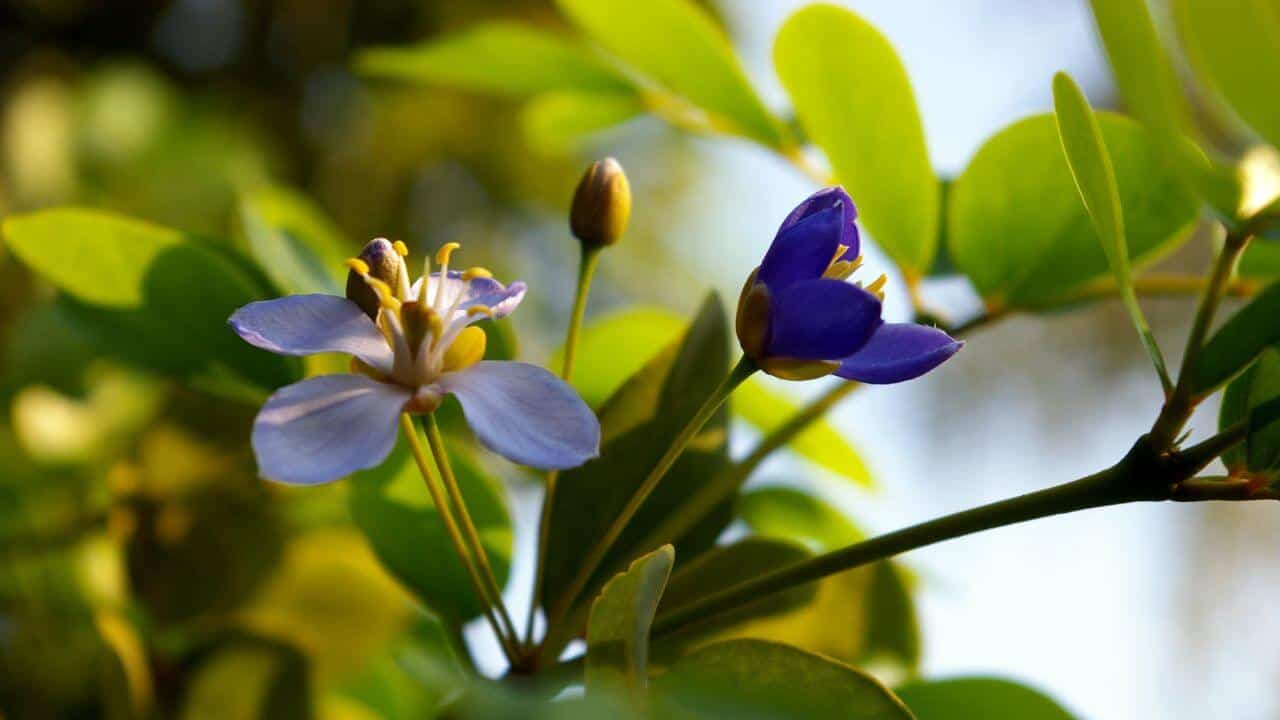
The tree grows slowly but produces exceptionally strong wood and resilient branches. Known for surviving tough weather conditions, it reflects the enduring character of the Jamaican people. The flower blooms in warm seasons and displays colors that make it stand out among native flora.
How the Lignum Vitae Flower Looks
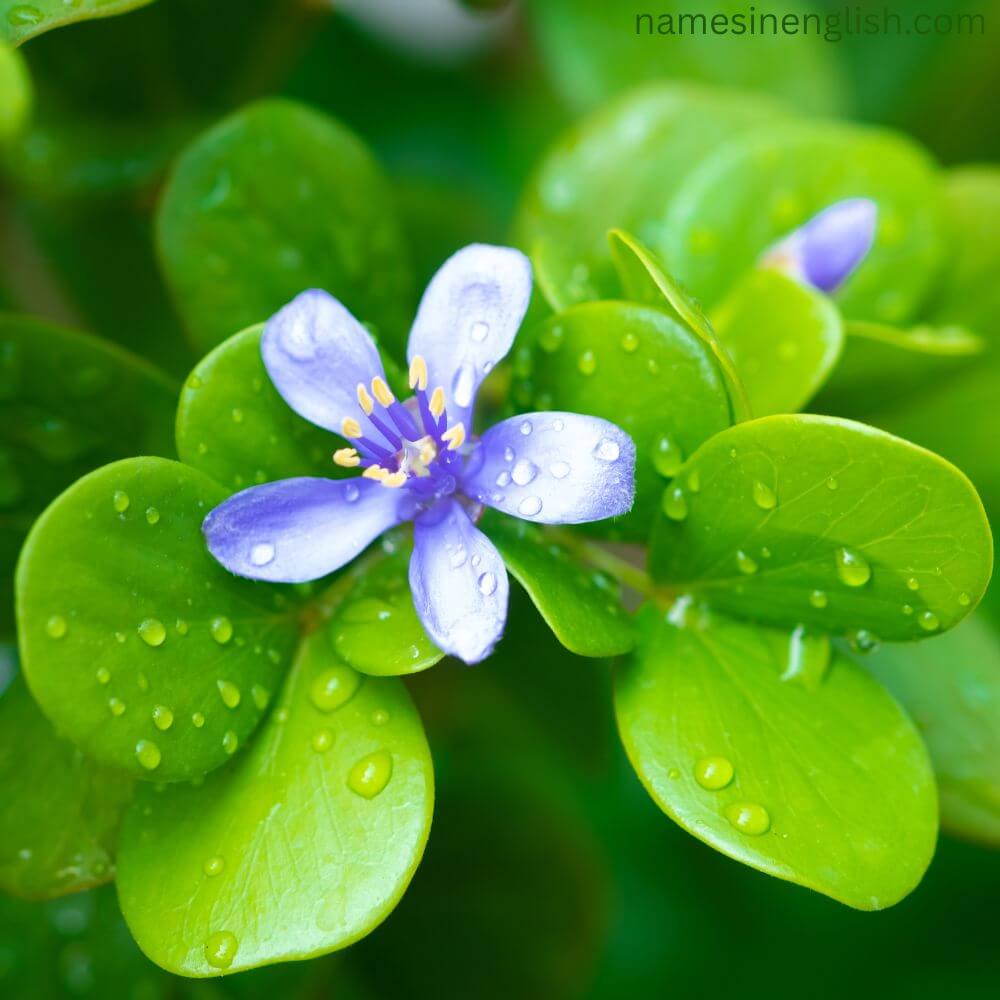
The flower typically shows purple to blue petals with a soft, delicate shape that contrasts with the tree’s solid wood. Its small size and bright tones make it an elegant sight in natural settings. When the bloom matures, it transitions into a fruit that contains multiple seeds.
Lignum Vitae Flower Benefits
The flower and tree have long been recognized for their medicinal properties. Traditional healers used its resin for natural treatments related to inflammation, joint discomfort and circulation support. Historically, its wood was used to make tools, bearings and instruments due to its unusual density and self-lubricating qualities. These benefits helped solidify its role as a valuable resource and symbolic emblem.
Clarifying the Hibiscus Confusion
Many people mistakenly believe the hibiscus is the national flower of Jamaica because of its popularity in Caribbean art and tourism. However, the hibiscus is not an official national symbol. This confusion arises mainly from its widespread presence in souvenirs, decorations and resort landscapes.
Differences Between Lignum Vitae and Hibiscus
The hibiscus is a large, colorful tropical flower commonly found across Jamaica, whereas the Lignum Vitae bloom is smaller, blue to purple and grows on a dense hardwood tree. The hibiscus is primarily ornamental, while the Lignum Vitae carries legal, historical and symbolic status as a national emblem. Their cultural roles remain distinct despite their shared visibility in Jamaica.
National Flower of Jamaica Tattoo Trend
The national flower has inspired tattoo designs for those who want to express a connection to Jamaican culture. Artists often incorporate the flower’s shape, its purple tones and the sturdy form of the tree into modern designs. These tattoos are frequently chosen by people celebrating heritage, personal strength or a tribute to the island.
Key Takeaways About the National Flower of Jamaica
Jamaica’s national flower symbolizes strength, healing and endurance.
It appears naturally in dry regions and protected ecosystems.
The Lignum Vitae is historically valued for its medicinal and practical uses.
It is often confused with the hibiscus, but only the Lignum Vitae is the official emblem.
Its cultural presence continues through art, tattoos and heritage displays.
Final Thoughts and What You Should Explore Next
The national flower of Jamaica is more than a bloom. It’s a reflection of the island’s history, values and cultural identity. Learning about it offers a deeper understanding of Jamaica’s roots and its appreciation for natural heritage.
If you’re exploring related topics, consider learning about Jamaica’s national symbols or its unique plant life to gain a more complete picture of the island’s story.
👉 If you enjoyed exploring the National Flower of Jamaica, you might also like these: