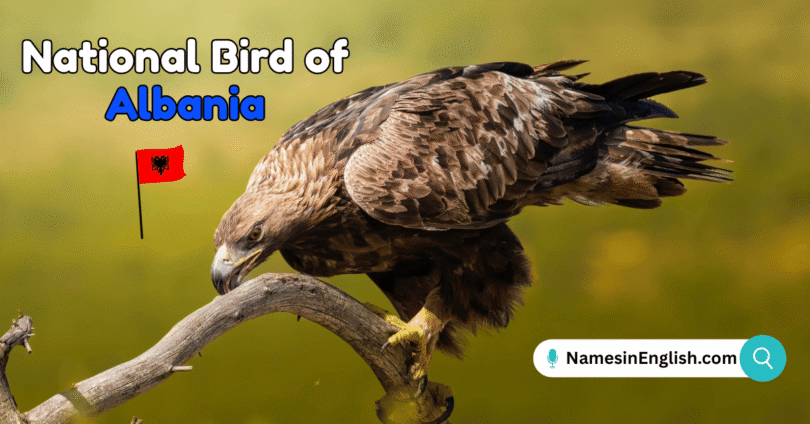

A national bird is a bird species that is officially chosen by a country to represent its identity, culture, and natural heritage. It is usually selected because it has special meaning, historical importance, or strong cultural connection with the people of that country. In this article, you will learn what the national bird of Albania is, why it was chosen, its symbolic meaning, and interesting facts that make it so important. It will also help you understand how this bird connects deeply with Albania’s identity and heritage.
What is the National Bird of Albania?
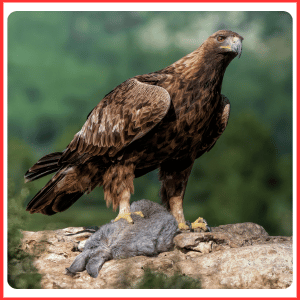
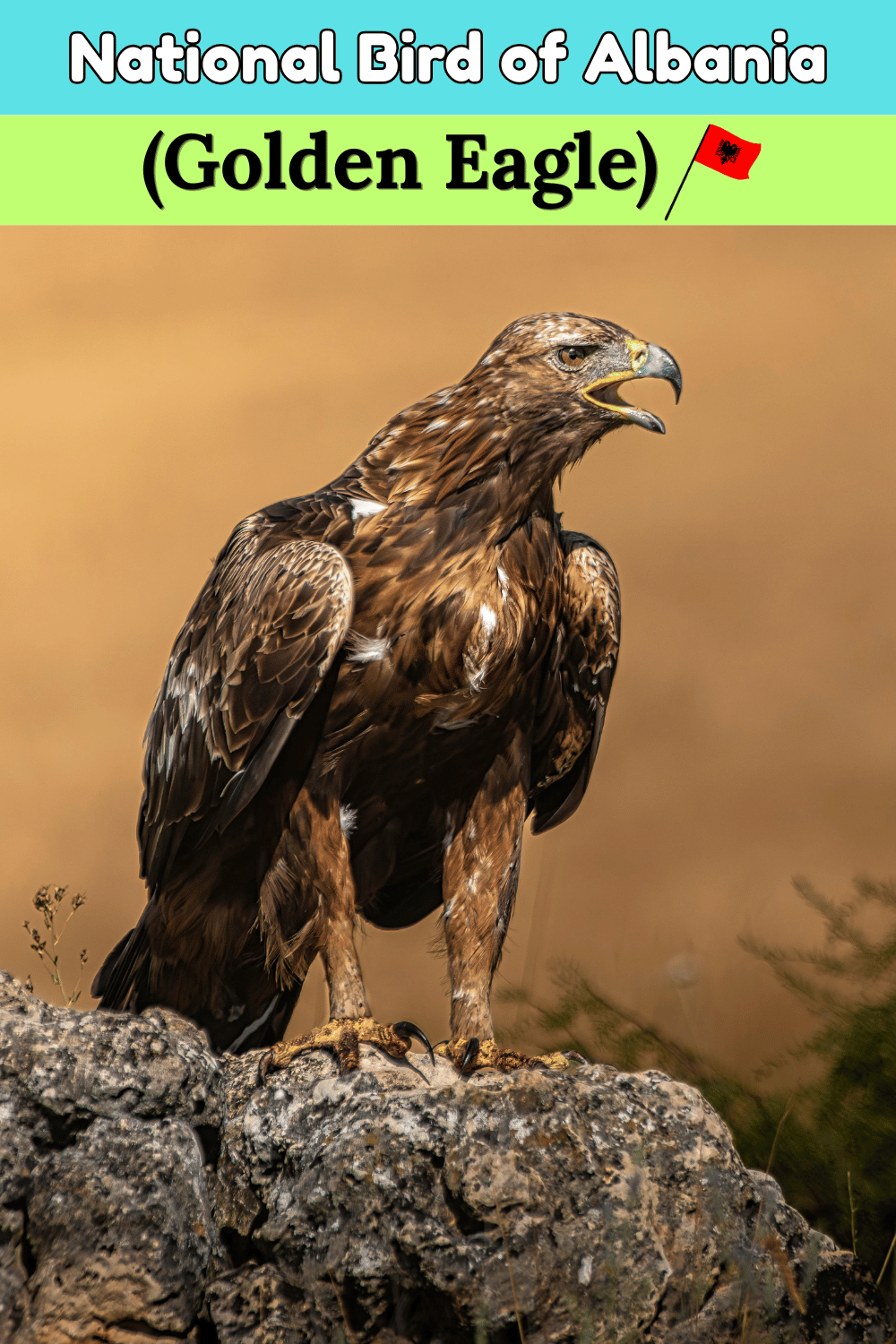
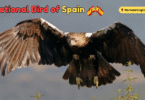
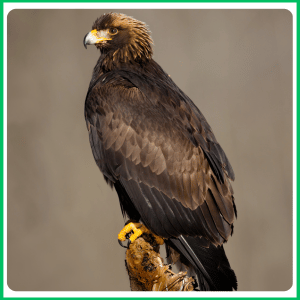
The national bird of Albania is the Golden Eagle (Aquila chrysaetos), a powerful and majestic bird of prey found across the Northern Hemisphere. It is widely admired for its strength, speed, and hunting ability, making it one of the most respected birds in the natural world. The Golden Eagle is known for its broad wings that allow fast and controlled flight, its extremely sharp eyesight that helps it spot prey from great distances, and its strong claws that make it an efficient hunter.
Historical Background of the National Bird of Albania
Ancient Origins of the Eagle Symbol
The historical background of the national bird of Albania, the Golden Eagle, goes back to ancient times when the eagle symbol was already present in the culture and identity of the region. Early Illyrian tribes, who are considered ancestors of modern Albanians, used bird symbols especially eagles to represent power, protection, and leadership. Over time, the eagle became a strong visual identity connected with bravery and independence.
The Role of Skanderbeg in Popularizing the Eagle
A major turning point in the history of the eagle symbol came during the 15th century with the national hero Skanderbeg. He used the double-headed eagle emblem on his flag while leading resistance against the Ottoman Empire. This symbol represented unity, strength, and the fight for freedom. Because of Skanderbeg’s influence, the eagle became deeply rooted in Albanian national consciousness.
The Eagle During Foreign Rule
During long periods of foreign domination, especially under the Ottoman Empire, the eagle continued to survive as a symbol of hope and identity among Albanians. Even when political independence was lost, the idea of the eagle remained alive in folklore, traditional art, and cultural memory. It served as a quiet reminder of the nation’s desire for freedom and self-rule.
Adoption After Independence
When Albania declared independence in 1912, the eagle symbol was officially adopted as part of the national flag. The black double-headed eagle on a red background became a powerful national emblem. Although the flag design is different from the natural Golden Eagle, both are symbolically connected, representing the same ideas of strength, courage, and sovereignty.