
The national animal is an important symbol that represents the country’s identity, culture, and historical pride. A national animal is a specially chosen creature that reflects the values, traditions, and spirit of a nation often becoming a powerful emblem used in official symbols, sports, and cultural representation. In this article, you will learn about the National Animals of France, its origin, symbolic importance, and interesting facts that make it unique.
What is the National Animal of France?
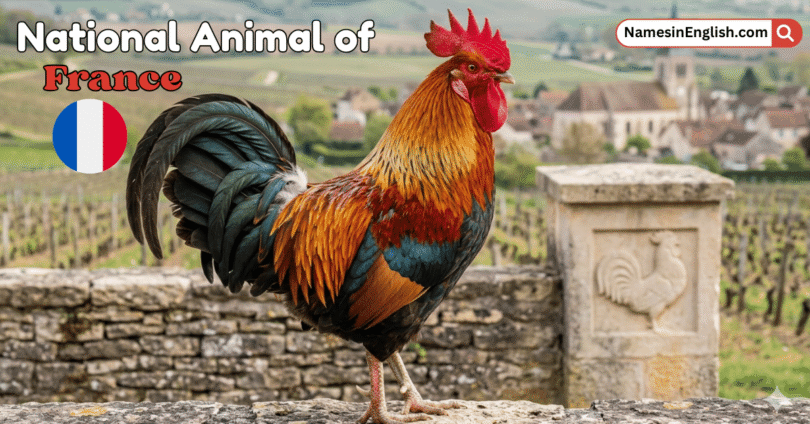
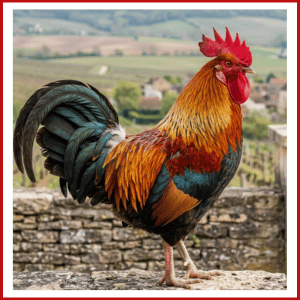
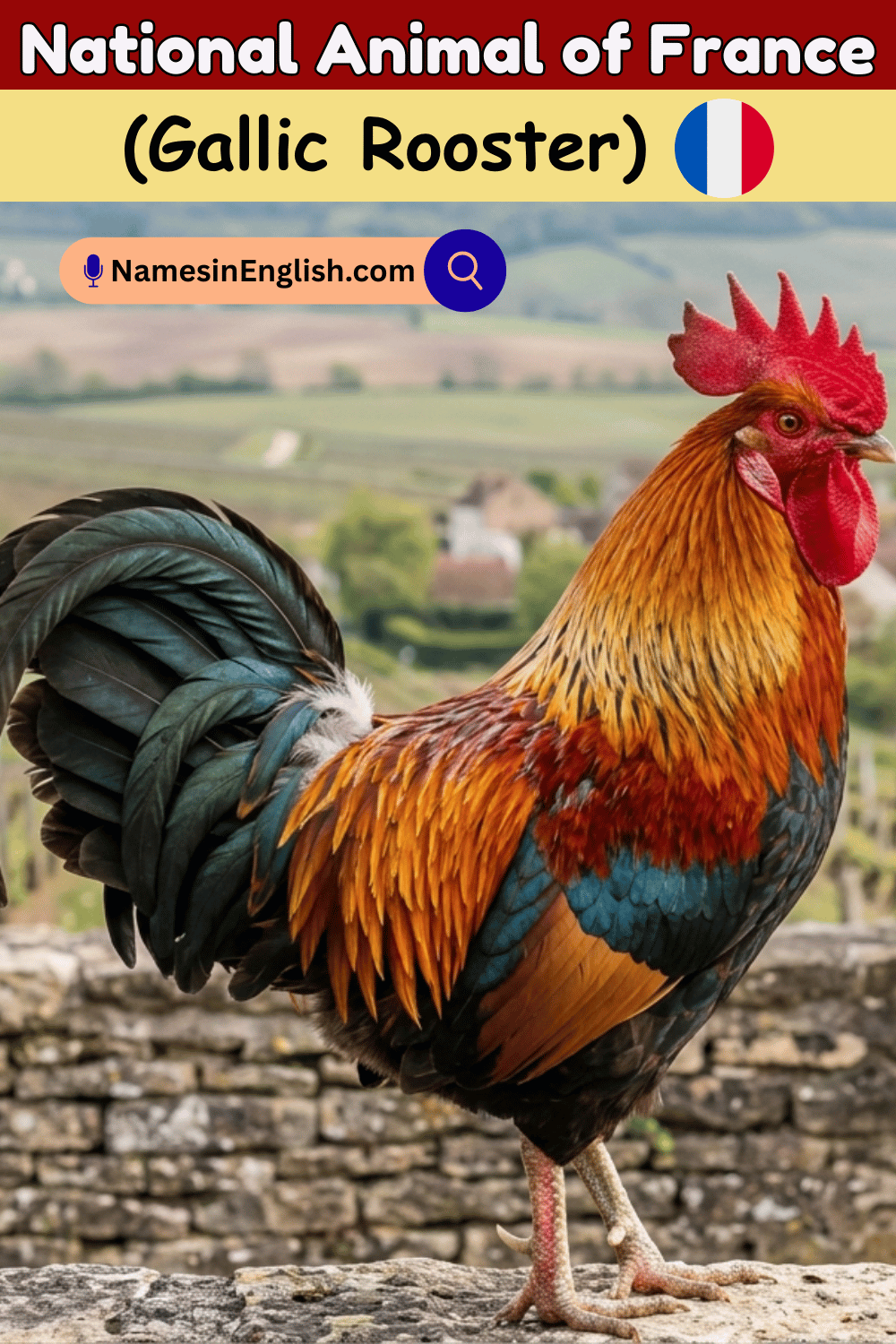
The national animal of France is the Gallic Rooster (Gallus gallus domesticus). Unlike many countries that choose wild animals like lions or eagles, France embraces a domestic bird that carries strong historical and symbolic meaning. The rooster is not just a farm animal in France, it is a proud national emblem that reflects vigilance, resilience, and confidence.
History of the National Animal of France (Gallic Rooster)
Ancient Roman Era (Gaul Connection)
The origin of the Gallic Rooster dates back to the Roman period when present-day France was known as Gaul. The Latin word “Gallus” meant both “Gaul” and “rooster,” which created a natural symbolic link between the region and the bird. This linguistic connection is considered the earliest reason the rooster became associated with French identity.
Middle Ages Development
During the Middle Ages, the rooster began to appear in religious art and cultural symbols across France. It was often used in Christian contexts to represent vigilance and spiritual awakening. Gradually, it also started appearing on coins, seals, and local emblems, strengthening its cultural importance.
French Revolution Significance
In the French Revolution, the rooster became a powerful symbol of the common people. It represented courage, resistance, and the spirit of freedom against oppression. Unlike royal symbols, the rooster stood for the identity and strength of ordinary citizens and the emerging republic.
19th Century National Recognition
In the 19th century, after the rise of modern France, the Gallic Rooster became more widely accepted as a national emblem. It appeared in public art, architecture, and official representations, even though it was never officially declared by law as the national animal.
Modern-Day Symbol
Today, the Gallic Rooster continues to represent France in sports, government imagery, and cultural identity. It serves as a lasting symbol of the country’s historical journey and national pride.
Why was The Gallic Rooster chosen as National Animal of France
Alertness
The rooster is known for crowing at dawn, which makes it a natural symbol of awareness and vigilance. It reflects the idea of staying watchful and ready for a new beginning.
Courage
Roosters are surprisingly brave and often defend their territory without hesitation. This quality represents strength and fearlessness, even in difficult situations.
Pride
With its upright stance and confident presence, the rooster symbolizes dignity and self-respect. It reflects the strong sense of pride associated with French identity.
Symbolic Meaning of the Gallic Rooster
National Pride
The Gallic Rooster stands as a powerful symbol of French identity and unity. It reflects the deep-rooted pride people of France have in their history, culture, and nation.
Freedom and Resistance
Throughout history, the rooster has represented the spirit of resistance, especially during times of conflict. It symbolizes the determination of the French people to protect their freedom and independence.
Awakening and Hope
The rooster’s crow at sunrise is often linked with new beginnings and fresh hope. It represents renewal, positivity, and the promise of a better future.
Physical Features of Gallic Rooster
The Gallic Rooster is a domesticated bird with distinctive features:
- Bright red comb and wattles
- Colorful feathers, often a mix of red, gold, black, and white
- Strong legs with sharp claws
- Loud and recognizable crowing sound
Baby Name of the Gallic Rooster
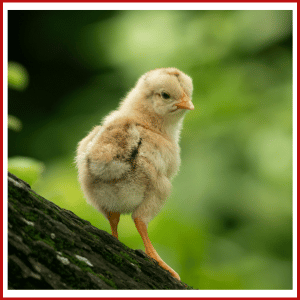
The baby of a rooster (and hen) is called a chick. Chicks are small, fluffy, and require care and warmth during their early stages of life.
What Does Gallic Rooster Eat?
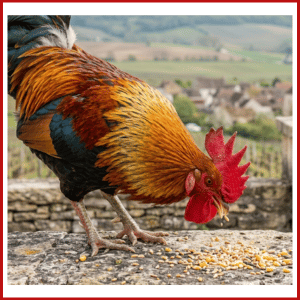
The Gallic Rooster has an omnivorous diet, meaning it eats a wide variety of foods. It commonly feeds on grains and seeds, along with insects and worms that provide essential nutrients. In addition, it may consume small plants and even leftover kitchen scraps, especially in farm environments.
Habitat of Gallic Rooster
In terms of habitat, the rooster thrives in rural and agricultural settings. It is most commonly found in farms and villages, where it lives alongside other poultry. It also adapts well to open fields and backyard environments, making it a familiar sight in both traditional and modern farming areas across France.
Cultural Importance of the Gallic Rooster in France
The Gallic Rooster holds a deeply rooted place in French culture and national identity. It is widely seen on sports team uniforms, especially in football, where it represents pride and unity. The symbol is also used in Olympic imagery to showcase France on the global stage. Beyond sports, the rooster appears on coins, stamps, and various official emblems, reinforcing its importance in everyday national representation. Overall, it stands as a strong symbol of the spirit, resilience, and values of the French Republic.
Tourism and National Identity
Visitors to France often notice the Gallic Rooster symbol in many everyday places, including souvenir shops, historic monuments, and national events or celebrations. Its presence adds a unique cultural touch and helps travelers connect with the country’s heritage. The symbol not only enhances national identity but also gives tourists a deeper understanding of France’s traditions and historical pride.
Environmental Role of Gallic Rooster
Although the Gallic Rooster is mainly known as a cultural symbol, it also plays a useful role in the natural environment. In rural areas, it helps maintain ecological balance by feeding on insects and pests, which can reduce the need for chemical pest control. This natural behavior supports healthier farming practices and contributes to a more balanced ecosystem.
Economic Role of Gallic Rooster
The Gallic Rooster also has economic importance, particularly in agricultural communities. It supports poultry farming, which is a valuable source of income for many farmers. By contributing to local food production and small-scale farming systems, it helps strengthen the rural economy and sustain traditional agricultural livelihoods.
Interesting Facts About the Gallic Rooster
- The rooster is often called the “Coq Gaulois” in French
- It is not officially declared by law but widely accepted as a national symbol
- It appears on the logo of the French national football team
- The rooster’s crow is seen as a symbol of awakening and vigilance
Name of National Animal of France
Learn More Helpful Articles