
A national bird is a bird species officially chosen by a country to represent its identity, culture, and natural heritage. The National Bird of Denmark holds special importance as it reflects the nation’s connection to nature, beauty, and peaceful living. In this article, you will learn the National Bird of Denmark with Name and Picture, why it was chosen, its symbolic meaning, and its role in Danish culture, giving you a clear and complete insight into this national symbol.
What is the National Bird of Denmark?
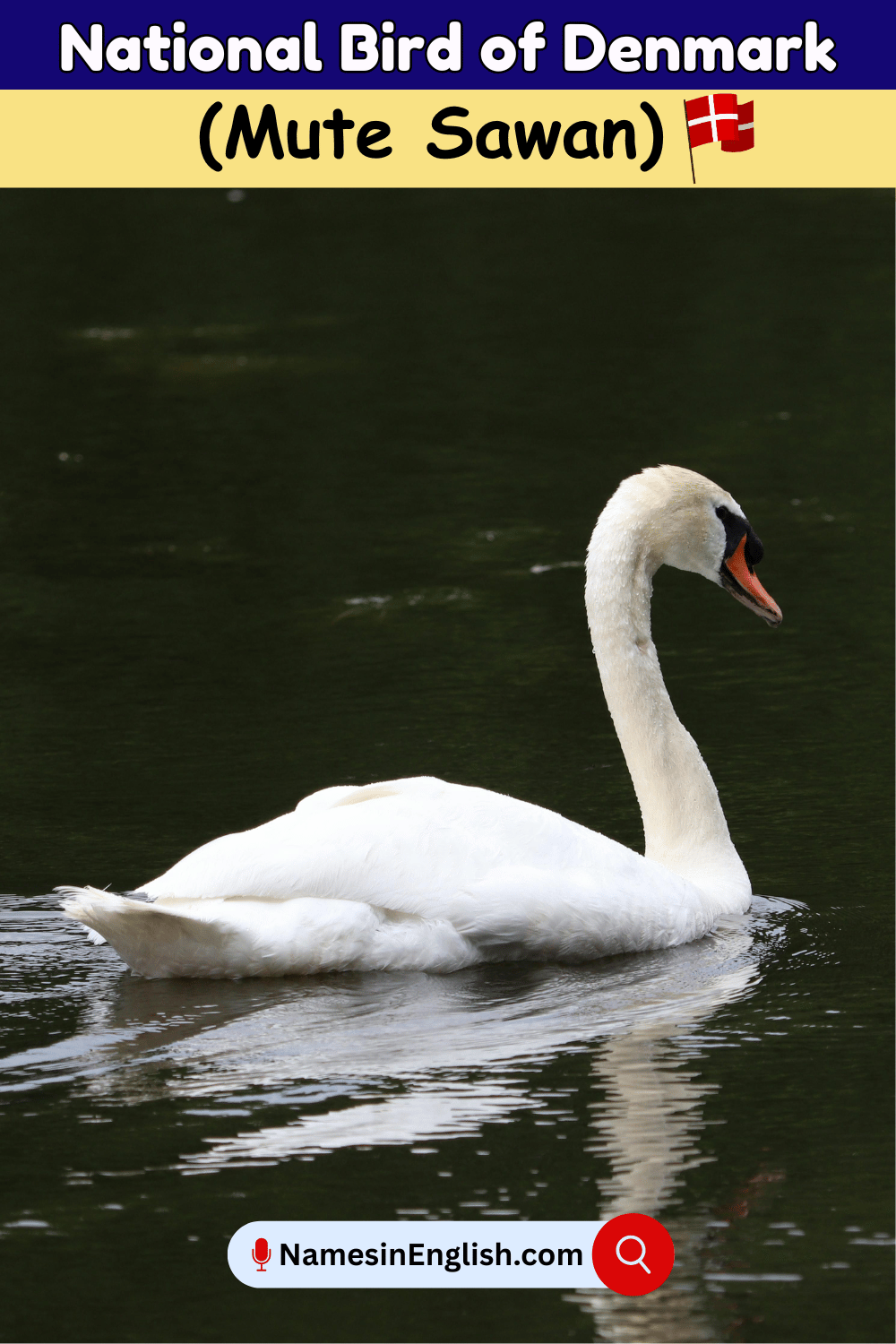
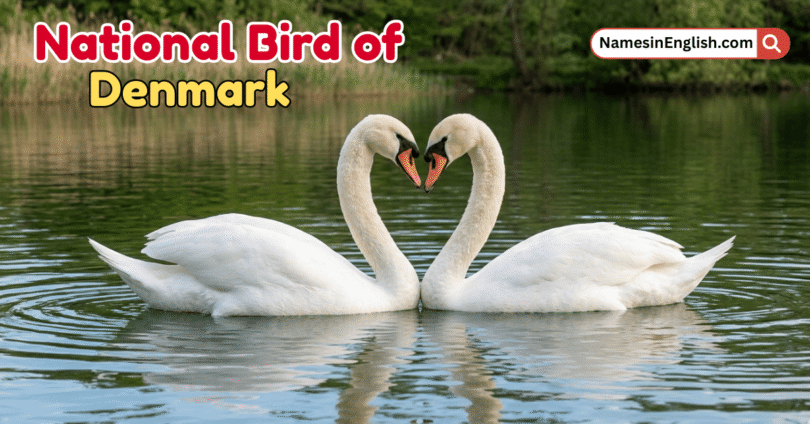
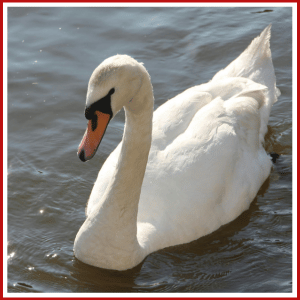
The national bird of Denmark is the Mute Swan, a large waterbird famous for its pure white plumage, long curved neck, and orange beak with a distinctive black base. Unlike many other swans, it is mostly silent, which is why it is called “mute.” This bird is widely found across Europe and is especially common in Denmark’s wetlands, lakes, and coastal regions.
Historical Background of Denmark’s National Bird
The story of Denmark’s national bird, the Mute Swan, is closely tied to the country’s cultural history, royal traditions, and natural landscape. Long before it was officially recognized, the swan had already become a familiar and admired presence across Danish lakes, rivers, and coastal waters.
Early Cultural Significance
Swans have been admired in Denmark for centuries, often associated with beauty, purity, and nobility. In ancient European folklore, including Danish traditions, swans were seen as mystical creatures connected to transformation and grace.
Royal Protection and Status
During the medieval period, swans especially the Mute Swan were considered a royal bird in many parts of Europe, including Denmark. Ownership of swans was often restricted to the monarchy and nobility, highlighting their prestige and value. This royal association strengthened the swan’s image as a symbol of elegance and authority.
Influence of Literature
The swan gained even deeper cultural roots through the works of Hans Christian Andersen, one of Denmark’s most celebrated writers. His famous fairy tale “The Ugly Duckling” tells the story of transformation, where a misunderstood young bird grows into a beautiful swan. This story resonated globally and reinforced the swan as a symbol of inner beauty, growth, and identity.
Official Recognition in 1984
Despite its long-standing cultural importance, the Mute Swan was officially declared Denmark’s national bird in 1984. This decision followed a public vote organized by the Danish Ministry of Environment, reflecting the people’s strong connection to the bird.
A Living National Symbol
Today, the Mute Swan continues to represent Denmark’s harmony with nature and its appreciation for elegance and simplicity. Its historical journey—from folklore and royal courts to official recognition—shows how deeply this bird is woven into the nation’s identity.
Symbolic Meaning of Denmark’s National Bird
The Mute Swan is not just admired for its beauty it carries deep symbolic meaning in Denmark and across Europe. Its graceful appearance, calm behavior, and lifelong partnerships have made it a powerful representation of human values and national identity.
Grace, Beauty, and Elegance
The Mute Swan is widely seen as a symbol of grace and natural beauty. Its smooth movement across water and its striking white feathers reflect purity and refinement. In Denmark, this elegance mirrors the country’s appreciation for simplicity, balance, and harmony in everyday life.
Love and Loyalty
One of the strongest symbolic meanings of the swan is love and lifelong commitment. Mute Swans are known to form long-term pair bonds, often staying with the same partner for life. Because of this, they are commonly associated with: Faithfulness, Deep emotional connection, and Stable relationships. This makes the swan a universal symbol of romantic devotion.
Transformation and Inner Beauty
The idea of transformation is deeply connected to the swan, especially through the famous story “The Ugly Duckling” by Hans Christian Andersen. In this tale, a misunderstood young bird grows into a beautiful swan, symbolizing: Personal growth, Self-discovery, and Hidden potential. This message continues to resonate in Danish culture and beyond.
Peace and Serenity
The calm and quiet nature of the Mute Swan also represents peace and tranquility. Often seen gliding silently across still waters, it reflects a sense of emotional calm and balance. This symbolism aligns with Denmark’s global image as a peaceful and stable society.
Purity and Nobility
Historically linked to royalty and nobility, the swan is also a symbol of purity and high status. Its clean white feathers and dignified posture give it an almost regal presence, reinforcing its long-standing association with honor and prestige.
Cultural and Literary Importance
The Mute Swan holds a special place in Danish culture, especially through the famous fairy tale “The Ugly Duckling” by Hans Christian Andersen. In the story, a seemingly ordinary duckling grows into a beautiful swan, symbolizing transformation and inner beauty. This connection has made the swan an enduring symbol of hope and self-discovery in Denmark.
Physical Features and Identification
The Mute Swan is one of the largest flying birds in the world. Key features include:
- Bright white feathers
- Long, S-shaped neck
- Orange bill with a black knob at the base
- Wingspan up to 2.4 meters
- Graceful and slow movement on water
Despite its calm appearance, it can be quite protective and territorial, especially during the breeding season.
Reproduction and Baby Swans
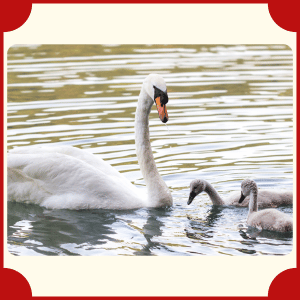
Mute Swans are known for their strong pair bonds, often mating for life. During breeding season: The female lays 5–7 eggs. Both parents guard the nest. Eggs hatch after about 35–40 days. Baby swans are called cygnets. They are born with soft grey feathers and stay with their parents for several months, learning survival skills.
What does a Mute Sawan Eat?
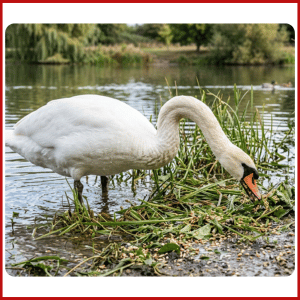
The Mute Swan mainly feeds on plant-based food found in and around water. It uses its long neck to reach underwater vegetation with ease, allowing it to consume aquatic plants and algae. It also eats grass, leaves, grains, and small seeds near the water’s edge. Occasionally, it may feed on small insects and aquatic creatures. This natural diet plays an important role in maintaining balance in aquatic ecosystems by controlling excessive plant growth.
Environmental Importance of National Bird of Denmark
The Mute Swan plays a vital role in maintaining the health and balance of Denmark’s natural ecosystems. As a native waterbird commonly found in lakes, wetlands, and coastal areas, it contributes significantly to environmental stability.
Maintaining Aquatic Ecosystems
Mute Swans primarily feed on aquatic plants, which helps control excessive vegetation growth in water bodies. By naturally trimming underwater plants, they prevent overgrowth that could otherwise block sunlight, reduce oxygen levels, and harm other aquatic life.
Supporting Biodiversity
As part of the wetland ecosystem, the Mute Swan contributes to biodiversity in several ways. Its presence creates a more dynamic environment where different species can thrive. For example: Disturbing sediment while feeding helps recycle nutrients. Their nesting areas provide shelter for smaller species, and Their activity supports the natural food chain.
Indicator of Environmental Health
The presence of Mute Swans is often seen as a sign of a clean and well-functioning ecosystem. Since they depend on unpolluted water and abundant plant life, a stable swan population indicates good environmental conditions.