A national animal is a specific animal chosen by a country to represent its identity, culture, history, and natural heritage. It is more than just a symbol; it reflects the values and characteristics that people of that nation connect with, such as strength, courage, peace, or resilience. Countries select their national animal based on its importance in nature, cultural beliefs, and historical significance. In this article, you will learn National Animal of Finland, why it was chosen, its historical and cultural importance, and interesting facts about its lifestyle, habitat, and role in the ecosystem.
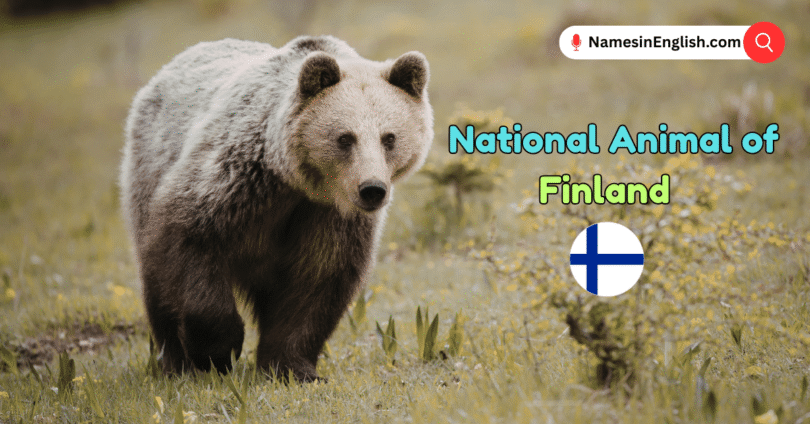
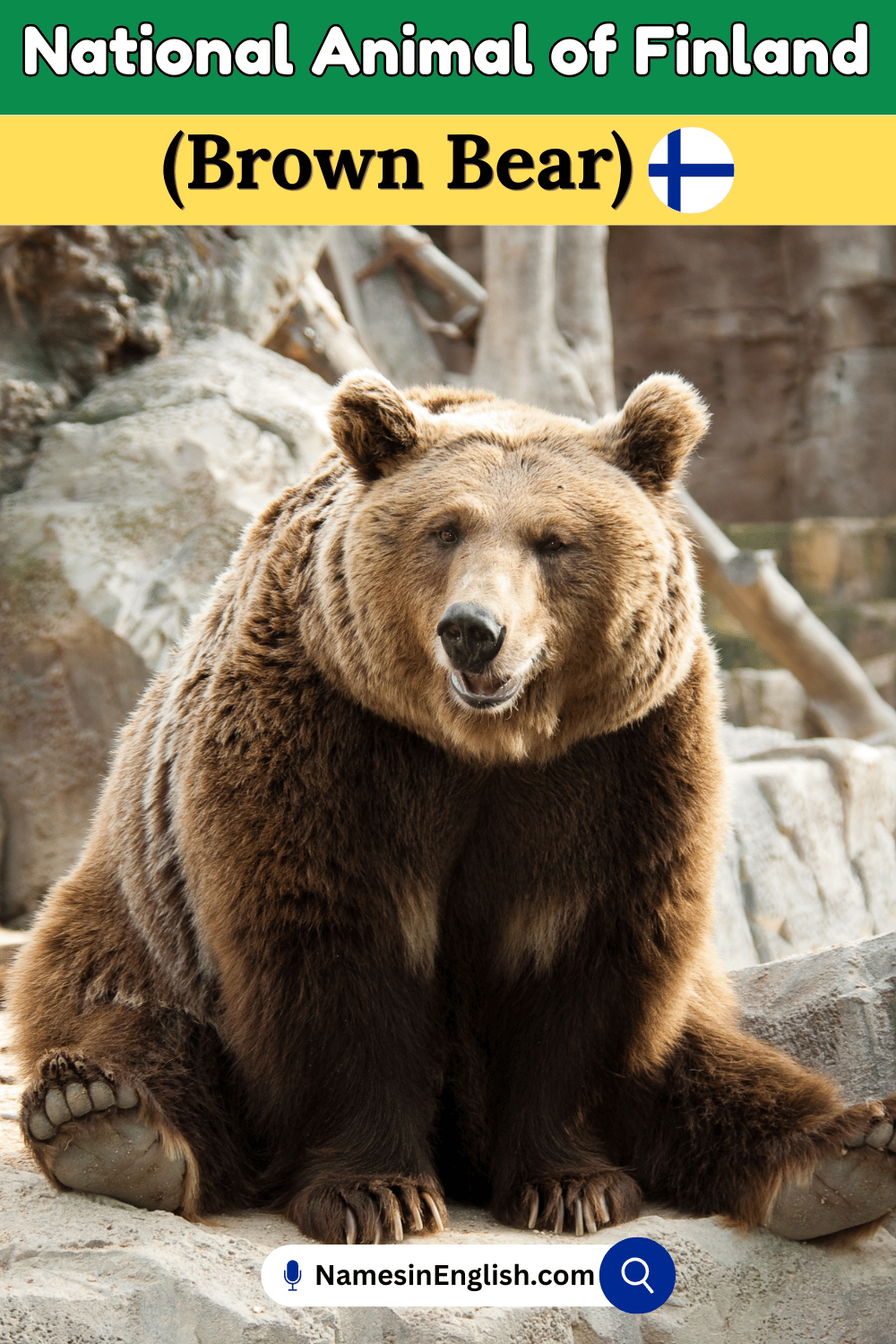
The official national animal of Finland is the Brown Bear, scientifically known as Ursus arctos. It is one of the largest carnivores in Europe and is widely found across Finland’s dense forests and remote wilderness.
Historical Background of Finland’s National Animal
Ancient Roots and Early Beliefs
For thousands of years, the Brown Bear has held a special place in Finland’s history. Early Finns saw it as a powerful, almost sacred animal with a spiritual origin. Out of respect and fear, they avoided its real name and used titles like “forest king” and “honey paw.”
The Bear in Finnish Mythology and Folklore
The brown bear plays an important role in Finnish mythology, especially in the Kalevala. It is shown as a noble and wise animal, closely linked to humans and nature. After hunting a bear, people held special ceremonies to honor its spirit and keep balance with nature.
Role During the Medieval Period
During the medieval period, as Finland came under the influence of Christianity and external rule, many ancient beliefs began to fade. However, the cultural importance of the brown bear did not disappear. Instead, the bear remained a symbol of strength and survival, especially in rural communities where people still depended heavily on forests for their livelihood.
Transition into a National Symbol
As Finland moved toward independence in the 19th and early 20th centuries, there was a growing interest in national identity and cultural heritage. During this time, traditional symbols like the brown bear gained renewed importance. The bear was officially recognized as Finland’s national animal because it represented:
The country’s vast and untouched forests
The resilience of its people
A deep-rooted connection to nature and history
Symbolic Meaning of National Animal of Finland
The Brown Bear is not just a powerful wild animal it carries deep symbolic meaning in Finnish culture. For centuries, it has represented the values, beliefs, and natural spirit of Finland. Its symbolism comes from both ancient traditions and modern national identity.
Strength and Courage
The brown bear is widely seen as a symbol of physical strength and bravery. As one of the largest and most powerful animals in Europe, it reflects the toughness needed to survive in Finland’s harsh climate. This strength is often associated with the Finnish people, who are known for their resilience and determination.
Connection to Nature
Finland is often called the “land of forests,” and the brown bear perfectly represents this natural heritage. It symbolizes a deep connection between humans and the natural world, reminding people of the importance of respecting and protecting the environment.
Wisdom and Intelligence
In Finnish folklore, the bear is not just strong it is also considered wise and thoughtful. Many traditional stories describe it as a calm and intelligent creature that understands the balance of nature. This has made it a symbol of guidance and natural wisdom.
Protection and Guardianship
The brown bear is often viewed as a protector of the forest. In ancient beliefs, it was thought to guard the wilderness and maintain harmony within it. Even today, it represents safety, balance, and the idea of living in harmony with nature.
Spiritual and Sacred Significance
Historically, the bear held a sacred status in Finnish culture. People believed it had a special connection to the spiritual world, and it was treated with great respect. Rituals and traditions were performed to honor the bear, showing that it was more than just an animal—it was a symbol of life, death, and renewal.
National Pride and Identity
In modern Finland, the Brown Bear stands as a symbol of national pride. It represents the country’s independence, cultural roots, and natural beauty. Whether in art, sports symbols, or storytelling, the bear continues to reflect what Finland stands for as a nation.
Balance Between Power and Peace
Interestingly, the brown bear also symbolizes a balance. While it is strong and powerful, it is generally peaceful and avoids conflict. This dual nature represents the idea that true strength comes with control and calmness—a value deeply respected in Finnish society.
Cultural Importance in Finland
The Brown Bear holds a deeply rooted place in Finnish culture, reflecting centuries of tradition, respect, and storytelling. In ancient times, it was considered a sacred creature, often honored through rituals and ceremonies that showed a strong spiritual connection between humans and nature. The bear frequently appears in Finnish folklore and in the national epic, the Kalevala, where it is portrayed as a noble and wise being. Even today, its influence can be seen in art, literature, and national symbols, representing strength, heritage, and identity.
Physical Appearance of the Brown Bear
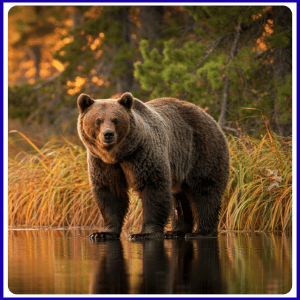
The brown bear is large and muscular, with thick fur that ranges from light brown to dark chocolate. It has strong limbs, sharp claws, and a distinctive hump on its shoulders.
Baby of the Brown Bear
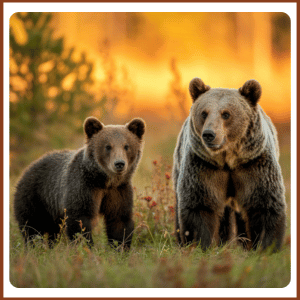
The baby of the Brown Bear is called a cub. Brown bear cubs are born during winter hibernation, very small, blind, and fully dependent on their mother for care and nourishment. They grow quickly by feeding on their mother’s milk and stay with her for about 1.5 to 2 years, during which they learn essential survival skills like finding food and staying safe in the wild.
What Does a Brown Bear Eat?
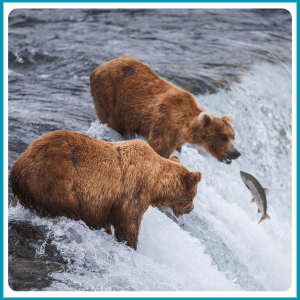
The Brown Bear is an omnivore, which means it eats both plant-based and animal-based foods. Its diet changes with the seasons and what is available in its environment. Brown bears commonly eat berries, fruits, roots, and grasses, especially during warmer months. They also feed on insects, honey, fish, and small animals. In some cases, they may hunt larger prey or scavenge for food. This flexible diet helps them build enough energy to survive the long winter hibernation.
Environmental Importance of Brown Bear in Finland
The Brown Bear plays a vital role in maintaining the health of Finland’s natural environment. As it moves through forests and wilderness areas, it helps in seed dispersal by spreading plant seeds through its diet. This supports forest regeneration and plant diversity. Its presence also reflects a clean, balanced environment, making it an important indicator of ecological health.
Ecological Importance in Finland
In the ecosystem, the brown bear helps maintain natural balance by controlling populations of smaller animals and insects. As both a predator and scavenger, it prevents overpopulation and helps clean the environment by feeding on dead animals. This role supports biodiversity and ensures that Finland’s forest ecosystems remain stable and sustainable.
Tourism Importance
The Brown Bear has become a major attraction for wildlife tourism in Finland. Many tourists visit the country to safely observe bears in their natural habitat through guided tours and wildlife photography experiences. This form of eco-tourism not only boosts the local economy but also raises awareness about wildlife conservation and the importance of protecting natural habitats.
Modern-Day Importance
Today, the brown bear remains an important symbol of Finland’s natural heritage and conservation efforts. It is protected by law, and its population is carefully monitored to ensure long-term survival. Beyond ecology, it continues to represent national identity, appearing in cultural symbols, media, and education. Its ongoing presence highlights Finland’s commitment to preserving wildlife and living in harmony with nature.
Interesting Facts About National Animal of Finland
The Brown Bear is the largest Omnivore in Finland.
It can weigh up to 300 kg (660 lbs) or more.
Brown bears hibernate during winter, sometimes for up to 6 months.
Ancient Finns considered the bear a sacred and spiritual animal.
It has many respectful nicknames, like “King of the Forest.”
Despite its size, it is usually shy and avoids humans.
Brown bears have an excellent sense of smell, much stronger than humans.
They are strong swimmers and climbers, especially when young.
Finland is home to thousands of brown bears, mostly in forest regions.
The bear is a powerful symbol of strength, nature, and national pride in Finland.