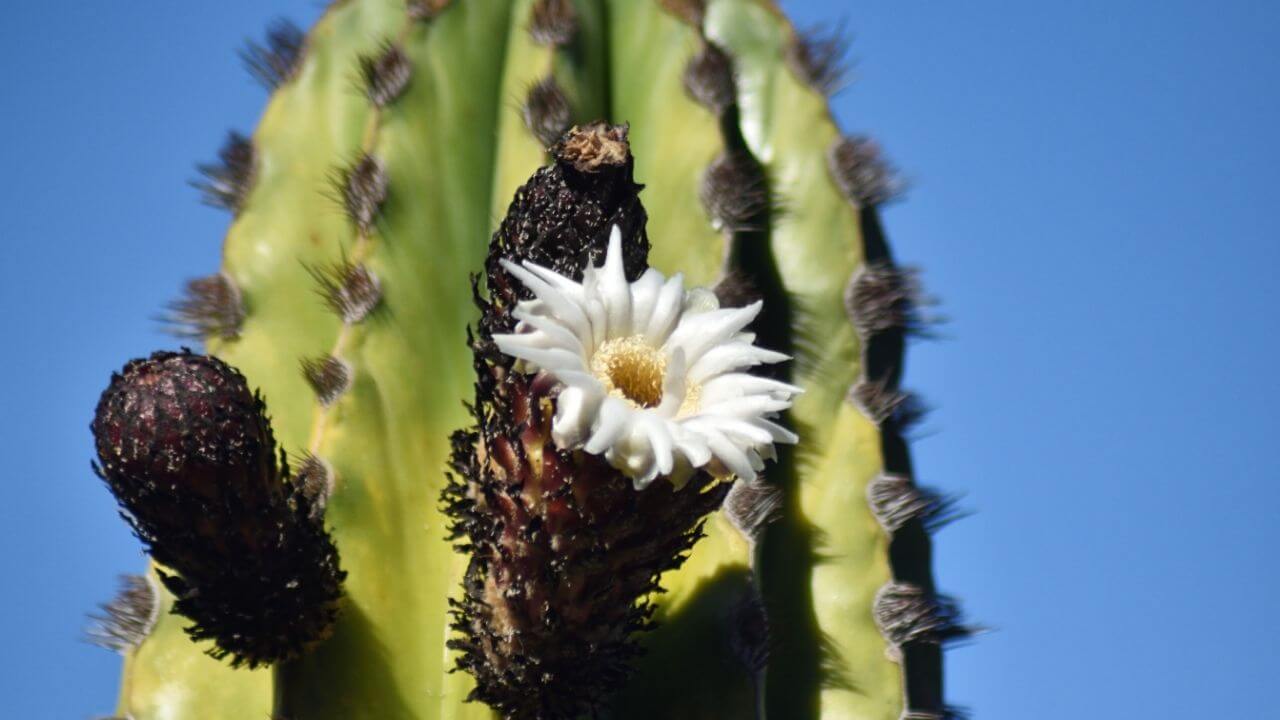

The Arizona State Flower is the beautiful white blossom of the Saguaro cactus, one of the most recognizable plants in the American Southwest. These stunning flowers bloom for only a short time each year, making them a special symbol of Arizona’s unique desert landscape and natural beauty. Learning about the Arizona State Flower helps you understand its cultural importance, fascinating life cycle, and role in supporting desert wildlife. In this article, you’ll learn interesting facts, the flower’s meaning, blooming season, and why it proudly represents the state of Arizona.
Arizona State Flower Name
The official Arizona state flower is the Saguaro Cactus Flower. Arizona selected it in 1931 because no other bloom represents the state’s extreme environment, natural beauty, and cultural roots as strongly. The flower grows only on the Saguaro, a cactus found almost exclusively in the Sonoran Desert, making it a perfect emblem of Arizona’s landscape and identity.
Why the Saguaro Cactus Flower Represents Arizona
Arizona is known for its sun-soaked deserts, dramatic skies, and iconic desert plants. The Saguaro Cactus Flower represents survival, resilience, and the unique natural heritage of the region. Its short-lived bloom shows how life can thrive even in the harshest settings. Many locals describe the flowers as a quiet reminder that the desert is full of life for those who take the time to observe it.
Arizona State Flower Meaning
The meaning of the Arizona state flower is deeply tied to endurance and renewal in a landscape defined by extremes. Its brief bloom period symbolizes how rare moments of beauty can emerge from challenging environments. The flower also reflects the balance between nature and culture in the Sonoran Desert, where its presence supports wildlife, traditions, and seasonal cycles. Many view it as a reminder of the desert’s quiet strength and the resilience of life in arid regions.
Botanical Facts About Saguaro Cactus
The Saguaro is one of the largest cacti in the world. Here are some key botanical details that help show why its flower is so highly regarded.
The cactus can grow more than 40 feet tall but grows extremely slowly, often just 1 to 1.5 inches during its first eight years. It can live for 150 to 200 years, and many of the mature Saguaros that bloom today started life before Arizona became a state.
Scientifically known as Carnegiea gigantea, the Saguaro stores thousands of gallons of water in its accordion-like ribs. This reservoir supports the energy needed for blooming, fruiting, and survival during long dry months.
This cactus is a keystone species, meaning many animals rely on it. Birds nest in its arms, bats feed on its nectar, and desert animals eat its fruit.
How the Saguaro Cactus Flower Looks
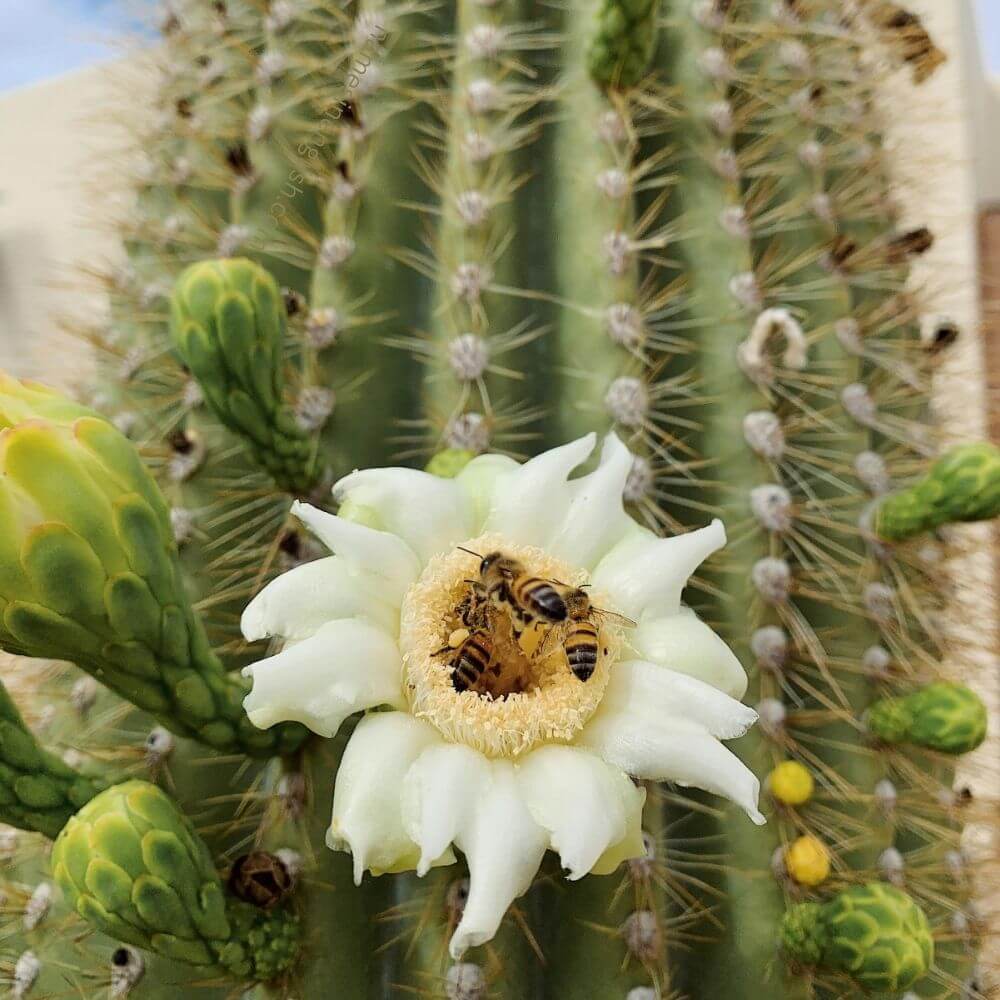
The Arizona state flower has a clean, elegant appearance. The petals are white with a soft, creamy tone, forming a circular bloom around a bright yellow center filled with pollen. The petals have a thick, waxy texture, helping them stay fresh under the intense desert sun.
The blossoms usually measure about 3 inches across and grow near the tops of the cactus arms. When hundreds of Saguaros bloom together, they create a crown-like effect that stands out against the blue desert sky.
What Time of Year Cactus Saguaro Flowers Appear
Saguaro flowers appear from late April through June. The blooms open at night and last only through the early hours of the morning. This short blooming cycle is timed with the habits of their main pollinators: bats, bees, and white-winged doves. Sunrise is considered the best time to see the flowers fully open in areas where the cactus naturally grows.
How the Saguaro Survives Harsh Desert Conditions
The Saguaro manages extreme heat, minimal rainfall, and intense sun through a combination of adaptations. Its ribbed structure expands like a sponge to store water during rare rainstorms. A thick, waxy outer skin helps reduce water loss.
The cactus has a shallow but widespread root system that absorbs rain quickly before the moisture evaporates. The Saguaro’s slow growth allows it to use energy efficiently, preserving strength for blooming during the right conditions.
Researchers have noted shifts in bloom timing over the past decade due to temperature fluctuations. Warmer springs can cause earlier bloom cycles, while extended droughts have reduced the number of flowers on older plants. This change has been reported in field surveys by the National Park Service.
Where You Can See the Arizona State Flower in Real Life
You can see the Saguaro Cactus Flower across southern Arizona, especially in areas where Saguaros grow naturally. Some of the best places include:
Saguaro National Park (East and West Districts)
Desert Botanical Garden in Phoenix
Organ Pipe Cactus National Monument
Tonto National Forest
Early mornings are ideal for viewing and photographing the flowers because many blooms open during the night and remain fresh only for a few hours after sunrise. Visitors often use zoom lenses to capture blossoms growing high above ground level, and desert safety guidelines recommend preparing for rising heat and limited shade.
Historical Use of Saguaro Fruit and Flowers
Indigenous communities, especially the Tohono O’odham people, have used the Saguaro’s fruit, seeds, and flowers for generations. The fruit is harvested in early summer and turned into syrup, ceremonial wine, or jam.
The harvesting process also has cultural roots. Long poles made from Saguaro ribs have traditionally been used to knock down the fruit. The flower itself isn’t usually harvested, but its importance is deeply woven into seasonal celebrations that honor renewal and the arrival of the summer rains.
Key Takeaways About the Arizona State Flower
• Official Arizona state flower: Saguaro Cactus Flower
• Bloom season: Late April to June
• Flowers open at night and close by midday
• Grows only on the Saguaro Cactus in the Sonoran Desert
• Symbolizes resilience, desert heritage, and cultural history
• Supports wildlife including bats, bees, and birds
• Saguaros can live up to 200 years
• Best viewing locations: Tucson, Phoenix, and southern Arizona desert parks
Conclusion
The Saguaro Cactus Flower is more than a state symbol. It tells a story about Arizona’s environment, its history, and the rich desert life that many people overlook. When you learn about this bloom, you gain a deeper appreciation for the Sonoran Desert and the communities connected to it.
If you’d like to explore more desert plants or learn how different states pick their floral symbols, you can continue with another guide that expands on unique American state flowers.