
Colorful flowers bring life, beauty, and joy to every garden, bouquet, and outdoor space with their vibrant mix of shades and unique patterns. Whether you are a gardening enthusiast, a flower lover, or simply looking to learn more about nature, knowing different Colorful Flowers can help you choose the perfect blooms for any occasion. In this article, you’ll learn 50 multi-colored flower names with images, along with their unique features, colors, and growing tips. This easy-to-follow guide is designed to help you identify stunning flowers while expanding your knowledge in a fun and practical way.
What Makes a Flower Colorful
When we talk about colorful or multi-colored flowers, we refer to blooms that display more than one color on their petals. These patterns can be stripes, spots, gradients, or combinations of two or more distinct colors. The natural beauty of these patterns is often a result of evolutionary adaptations, attracting pollinators like bees, butterflies, and hummingbirds.
Colorful flowers greatly enhance garden aesthetics by adding visual interest and dynamic contrasts. In bouquets, their multi-tone petals create striking arrangements that can evoke emotions ranging from joy to elegance. These flowers are versatile, making them favorites among gardeners and florists alike.
List of Colorful Flowers
Here is a qick list of colorful flowers:
- Lantana
- Tulip
- Rose
- Iris
- Dahlia
- Zinnia
- Snapdragon
- Cosmos
- Geranium
- Marigold
- Pansy
- Petunia
- Hydrangea
- Begonia
- Nasturtium
- Freesia
- Hibiscus
- Fuchsia
- Camellia
- Gladiolus
- Azalea
- Bougainvillea
- Calendula
- Carnation
- Cherry Blossom
- Clematis
- Dahlberg Daisy
- Delphinium
- Dianthus
- Foxglove
- Gardenia
- Hellebore
- Heliotrope
- Impatiens
- Jasmine
- Kalanchoe
- Larkspur
- Lavender
- Lilac
- Morning Glory
- Narcissus
- Osteospermum
- Peony
- Phlox
- Protea
- Ranunculus
- Rhododendron
- Salvia
- Sweet Pea
- Verbena
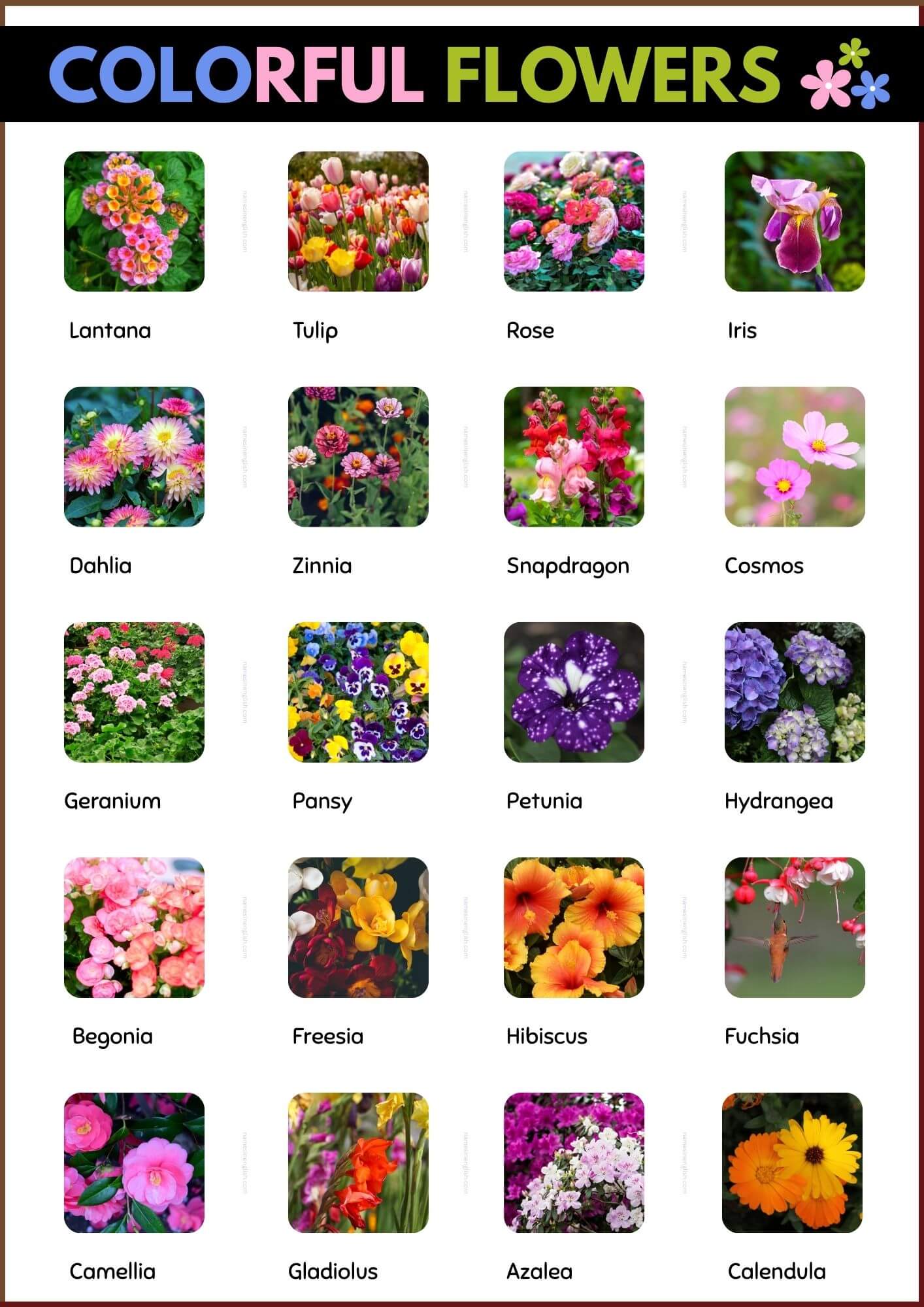
50 Colorful Flowers with Names, Images & Key Facts
1. Lantana (Lantana camara)
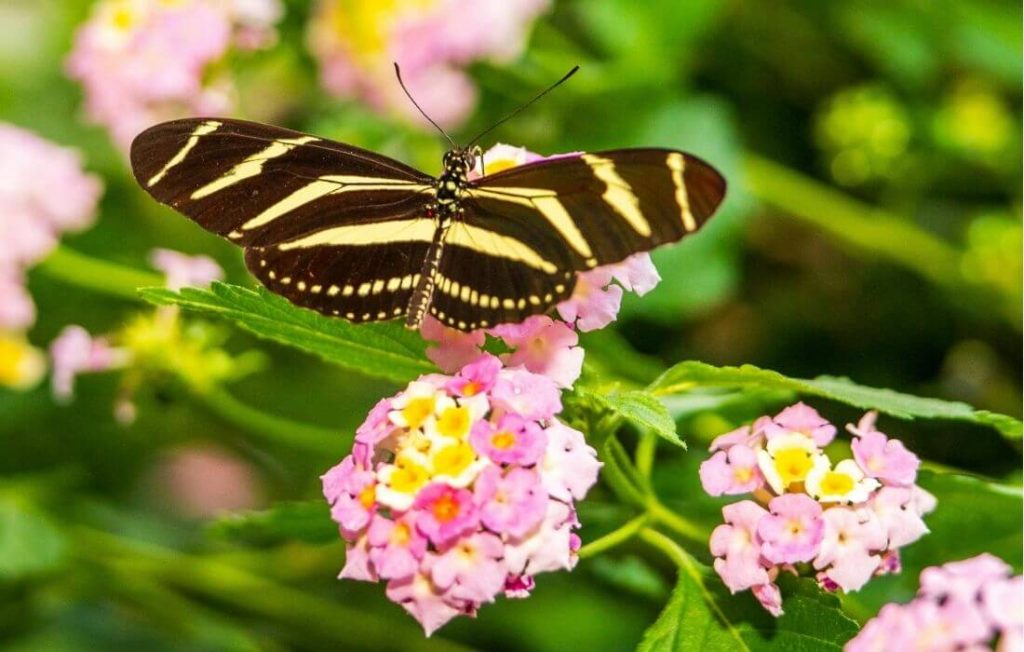
Lantana is native to tropical regions of the Americas and Africa. Known for its clusters of vibrant, multi-colored blooms, it’s a favorite in gardens for attracting butterflies and bees. This hardy shrub brightens landscapes with a mix of reds, oranges, yellows, and purples.
- USDA Hardiness Zones: 8-11
- Bloom Time: Spring to Frost
- Water Needs: Moderate
- Sun Requirements: Full Sun
- Soil Type: Well-drained, sandy or loamy
- Maximum Height: 3-6 feet
- Colors Available: Red, orange, yellow, pink, purple, white
2. Tulip (Tulipa gesneriana)
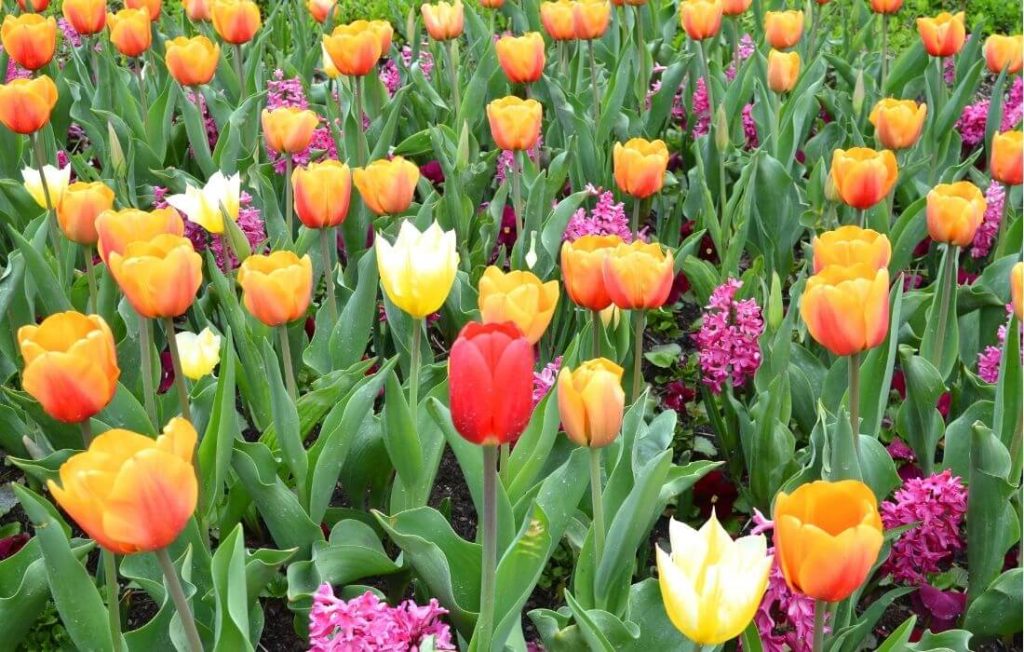
Tulips, originally from Central Asia and Turkey, became popular in Europe in the 16th century. They bloom in a remarkable range of colors and often display multiple shades on one flower. These bulbs are a spring favorite for gardeners worldwide.
- USDA Hardiness Zones: 3-8
- Bloom Time: Spring
- Water Needs: Moderate
- Sun Requirements: Full Sun to Partial Shade
- Soil Type: Well-drained, sandy
- Maximum Height: 6-24 inches
- Colors Available: Red, yellow, pink, white, purple, bi-color
3. Rose (Rosa spp.)
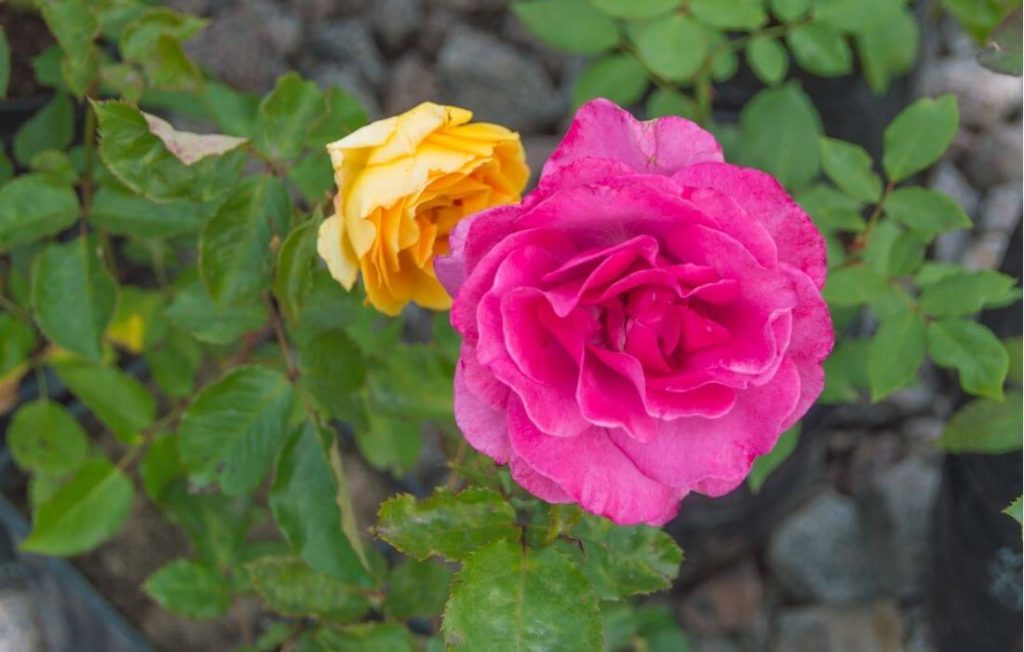
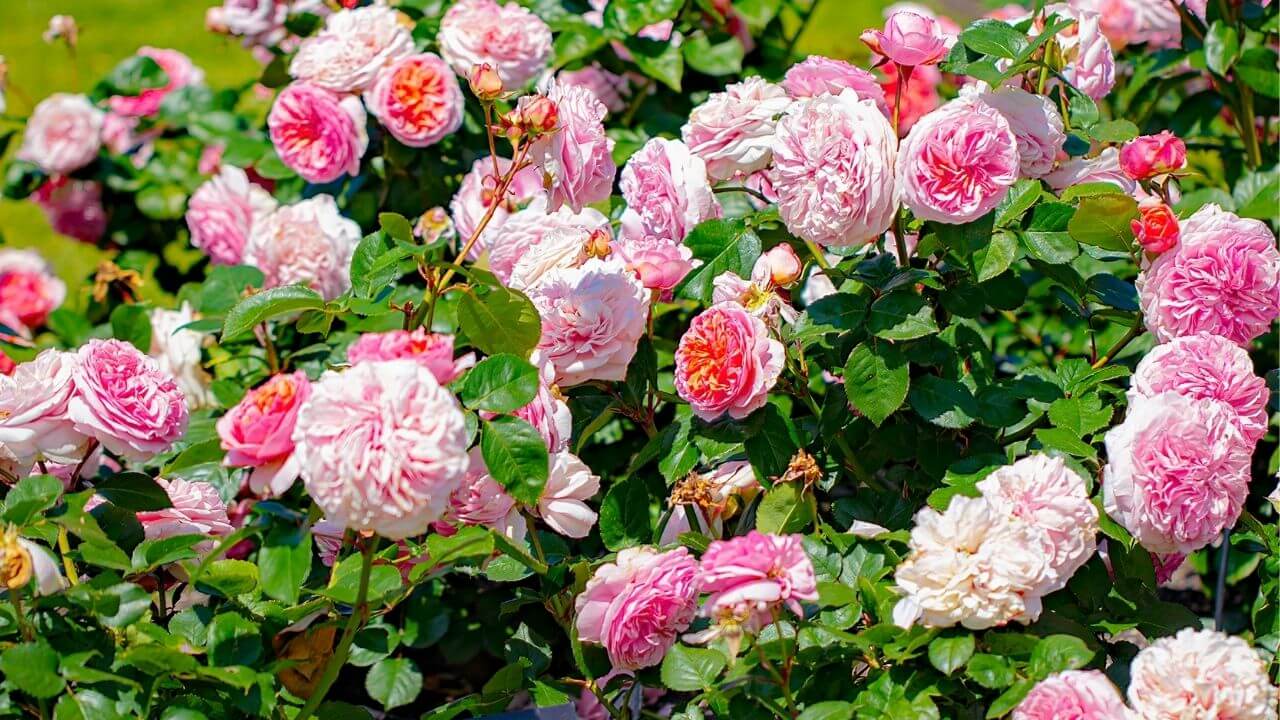
Roses have been cultivated for thousands of years across many cultures. Multi-colored varieties like the “Peace” rose showcase gradients and blends of pink, yellow, and cream. Roses symbolize love and are widely used in bouquets.
- USDA Hardiness Zones: 3-11
- Bloom Time: Spring to Fall
- Water Needs: Moderate to High
- Sun Requirements: Full Sun
- Soil Type: Well-drained, loamy
- Maximum Height: 1-6 feet (varies by type)
- Colors Available: Almost every color including multi-toned
4. Iris (Iris germanica)
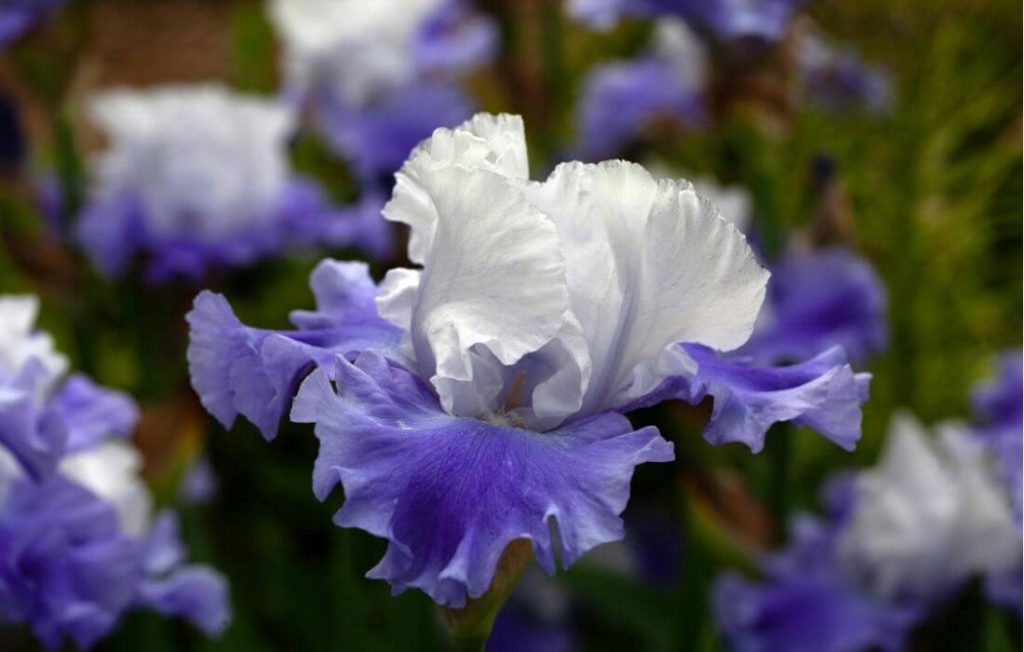
Iris species are known for their striking bi-color petals and sword-like foliage. Native to Europe and Asia, they thrive in temperate climates and add a dramatic flair to gardens.
- USDA Hardiness Zones: 3-9
- Bloom Time: Spring to Early Summer
- Water Needs: Moderate
- Sun Requirements: Full Sun to Partial Shade
- Soil Type: Well-drained, fertile
- Maximum Height: 1-3 feet
- Colors Available: Blue, purple, yellow, white, bi-color
5. Dahlia (Dahlia pinnata)
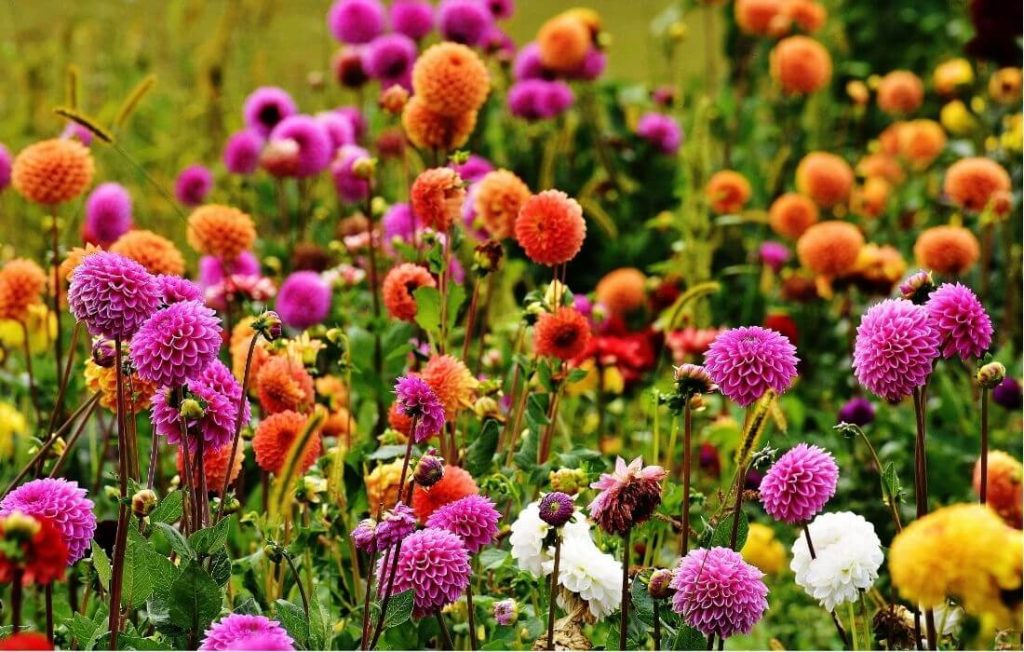
Native to Mexico and Central America, dahlias are celebrated for their diverse flower shapes and rich color combinations. Gardeners prize them for their long-lasting blooms and variety of forms.
- USDA Hardiness Zones: 8-11 (grown as annual in colder zones)
- Bloom Time: Summer to Fall
- Water Needs: Moderate
- Sun Requirements: Full Sun
- Soil Type: Well-drained, fertile
- Maximum Height: 1-5 feet
- Colors Available: Red, pink, yellow, white, orange, bi-color
6. Zinnia (Zinnia elegans)
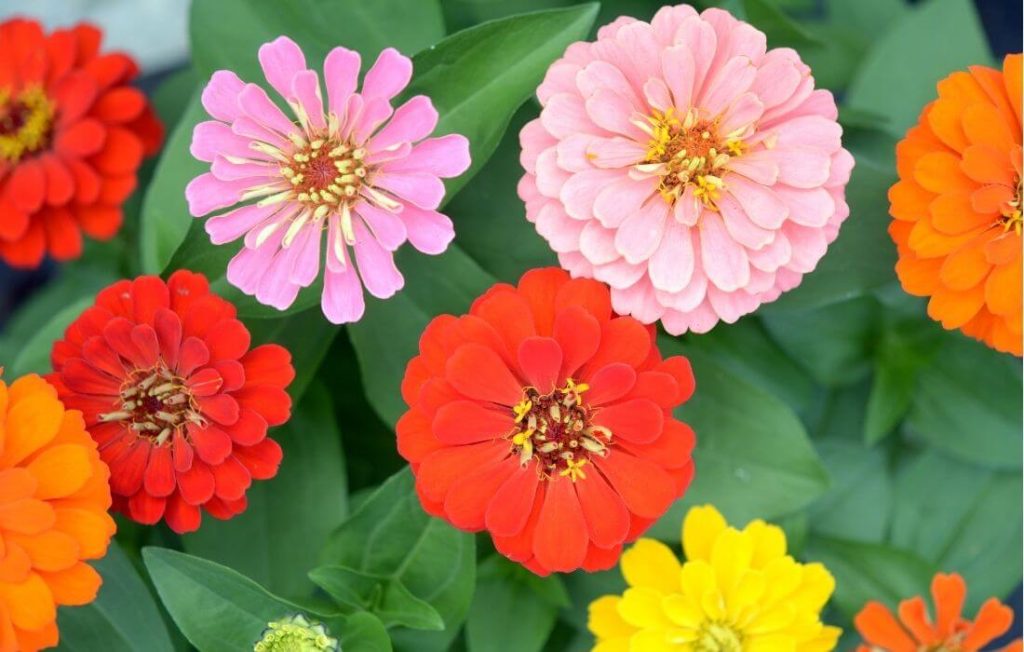
Zinnias come from Mexico and offer bright, cheerful flowers often striped or spotted with contrasting colors. They are easy to grow and attract pollinators.
- USDA Hardiness Zones: 3-10
- Bloom Time: Summer to Fall
- Water Needs: Low to Moderate
- Sun Requirements: Full Sun
- Soil Type: Well-drained
- Maximum Height: 6 inches to 3 feet
- Colors Available: Red, pink, orange, yellow, white, multi-color
7. Snapdragon (Antirrhinum majus)
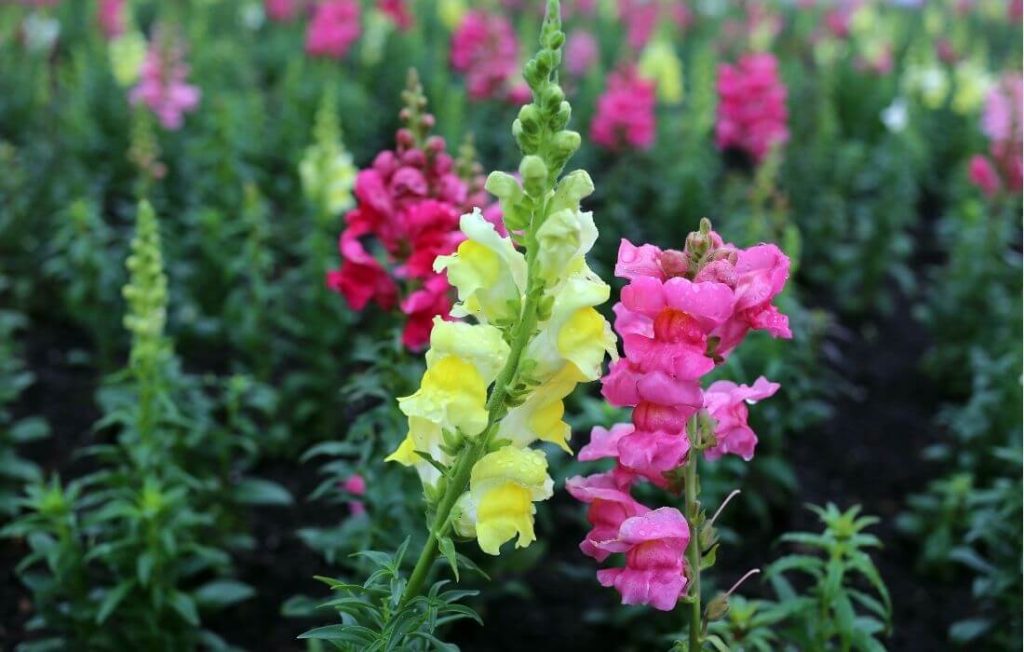
Snapdragons are native to the Mediterranean region and feature flowers that open and close like a dragon’s mouth. Many varieties have multiple colors blended on the same flower.
- USDA Hardiness Zones: 7-10
- Bloom Time: Spring to Fall
- Water Needs: Moderate
- Sun Requirements: Full Sun to Partial Shade
- Soil Type: Well-drained
- Maximum Height: 6 inches to 3 feet
- Colors Available: Red, pink, yellow, white, bi-color
8. Cosmos (Cosmos bipinnatus)
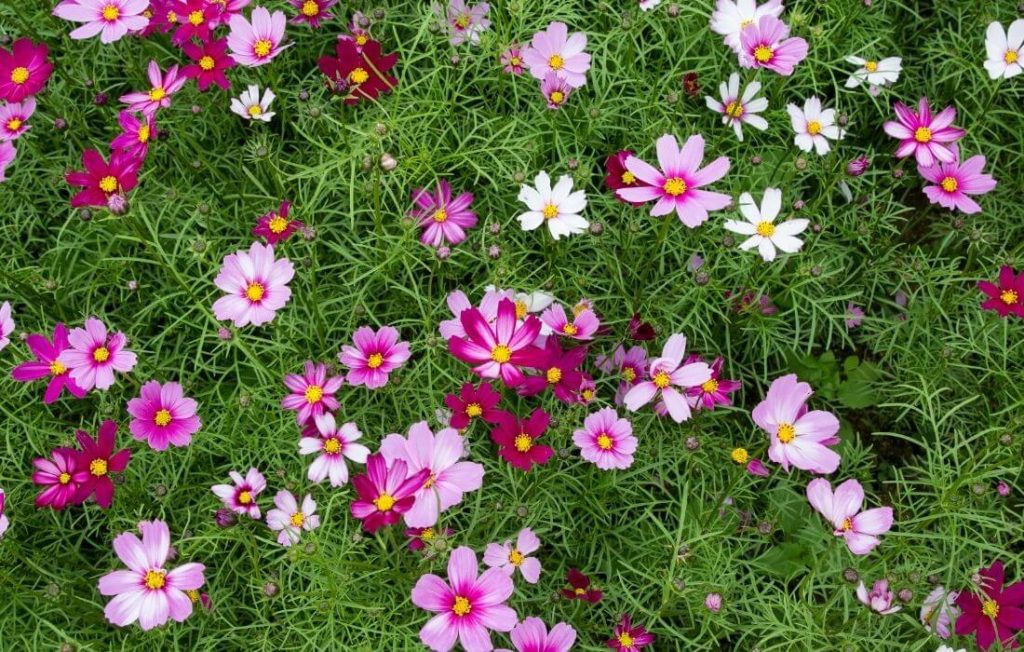
Native to Mexico, cosmos flowers are daisy-like with delicate petals often showing two or more colors. They grow quickly and add a soft, whimsical touch to gardens.
- USDA Hardiness Zones: 2-11
- Bloom Time: Summer to Fall
- Water Needs: Low
- Sun Requirements: Full Sun
- Soil Type: Well-drained
- Maximum Height: 1-6 feet
- Colors Available: Pink, white, orange, red, bi-color
9. Geranium (Pelargonium spp.)
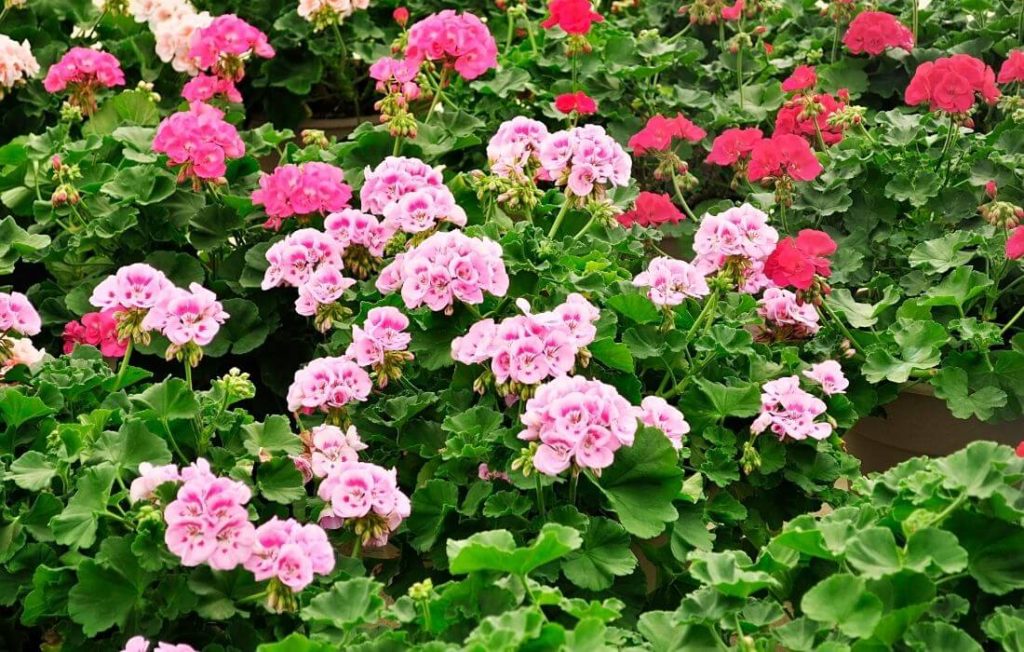
Geraniums are commonly used in containers and window boxes. Their blooms often combine red, white, and pink shades on the same petals, making them eye-catching.
- USDA Hardiness Zones: 9-11 (grown as annual in cooler zones)
- Bloom Time: Spring to Fall
- Water Needs: Moderate
- Sun Requirements: Full Sun to Partial Shade
- Soil Type: Well-drained
- Maximum Height: 1-2 feet
- Colors Available: Red, pink, white, bi-color
10. Marigold (Tagetes erecta)
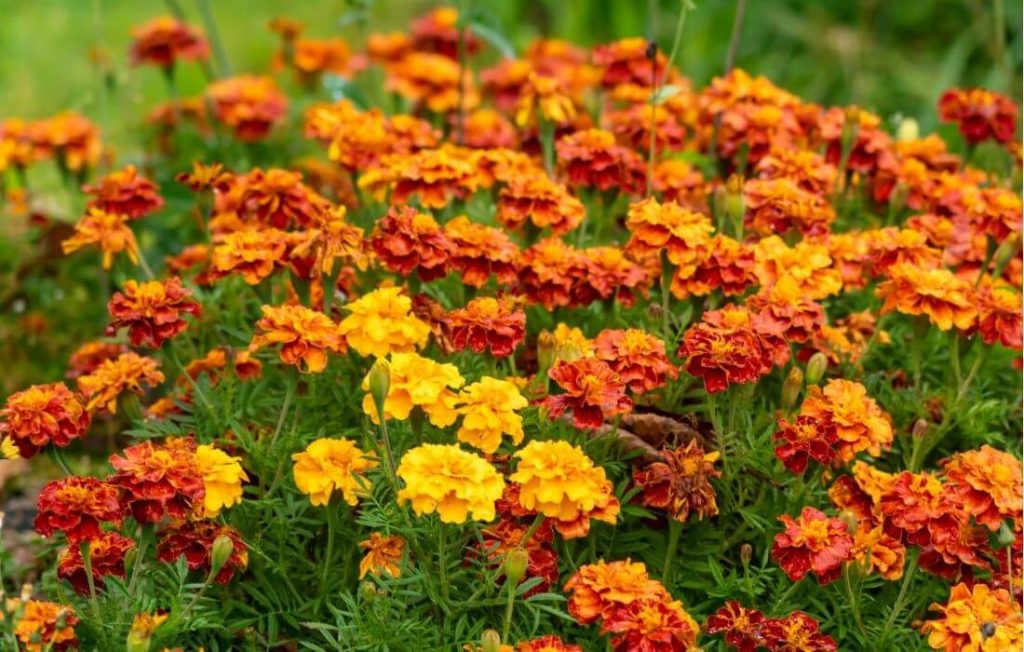
Marigolds, native to Mexico and Central America, feature bold colors often combining oranges and yellows. They are known for their pest-repelling properties.
- USDA Hardiness Zones: 2-11
- Bloom Time: Summer to Fall
- Water Needs: Moderate
- Sun Requirements: Full Sun
- Soil Type: Well-drained
- Maximum Height: 6 inches to 3 feet
- Colors Available: Orange, yellow, red, bi-color
11. Pansy (Viola tricolor var. hortensis)
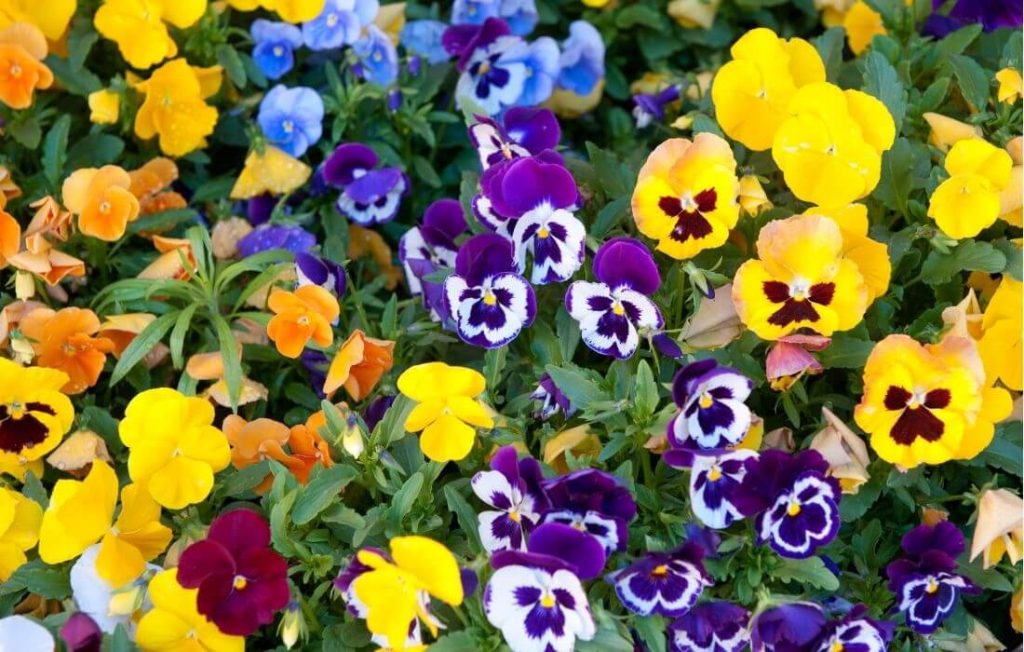
Pansies originated in Europe and are well-known for their vibrant petals featuring multiple colors often with a dark blotch resembling a face. They thrive in cooler seasons and are popular in containers and borders.
- USDA Hardiness Zones: 4-8
- Bloom Time: Spring and Fall
- Water Needs: Moderate
- Sun Requirements: Full Sun to Partial Shade
- Soil Type: Well-drained, fertile
- Maximum Height: 6-9 inches
- Colors Available: Purple, yellow, blue, white, multi-color
12. Petunia (Petunia × hybrida)
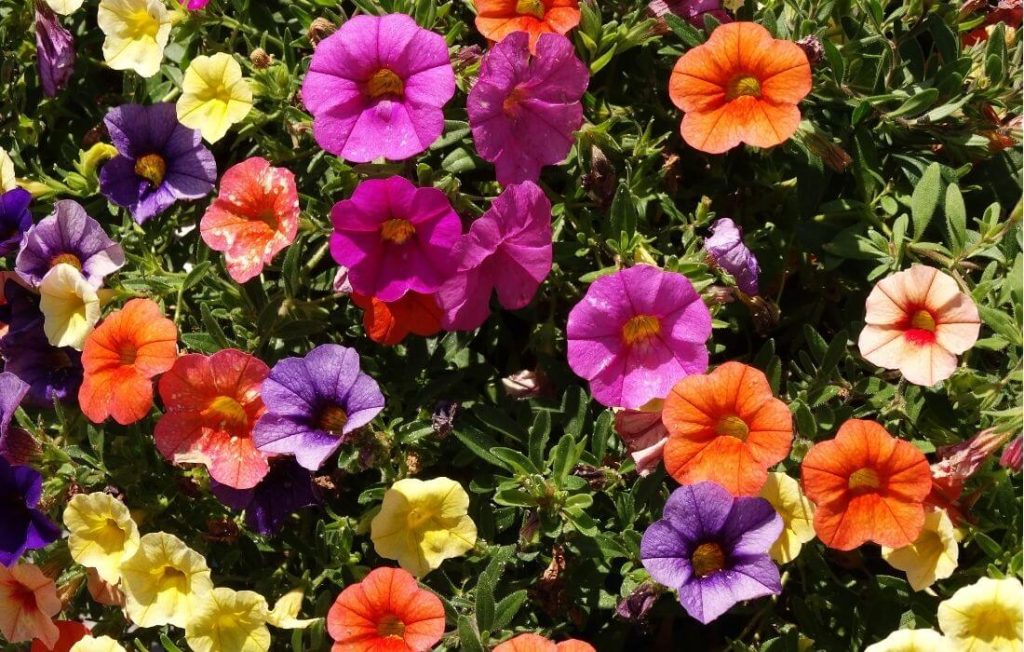
Petunias are native to South America and widely cultivated for their trumpet-shaped flowers with various multi-colored patterns including stripes and spots. They bloom abundantly throughout the growing season.
- USDA Hardiness Zones: 9-11 (annual elsewhere)
- Bloom Time: Spring to Frost
- Water Needs: Moderate
- Sun Requirements: Full Sun
- Soil Type: Well-drained, fertile
- Maximum Height: 6-18 inches
- Colors Available: Pink, purple, white, red, bi-color
13. Hydrangea (Hydrangea macrophylla)
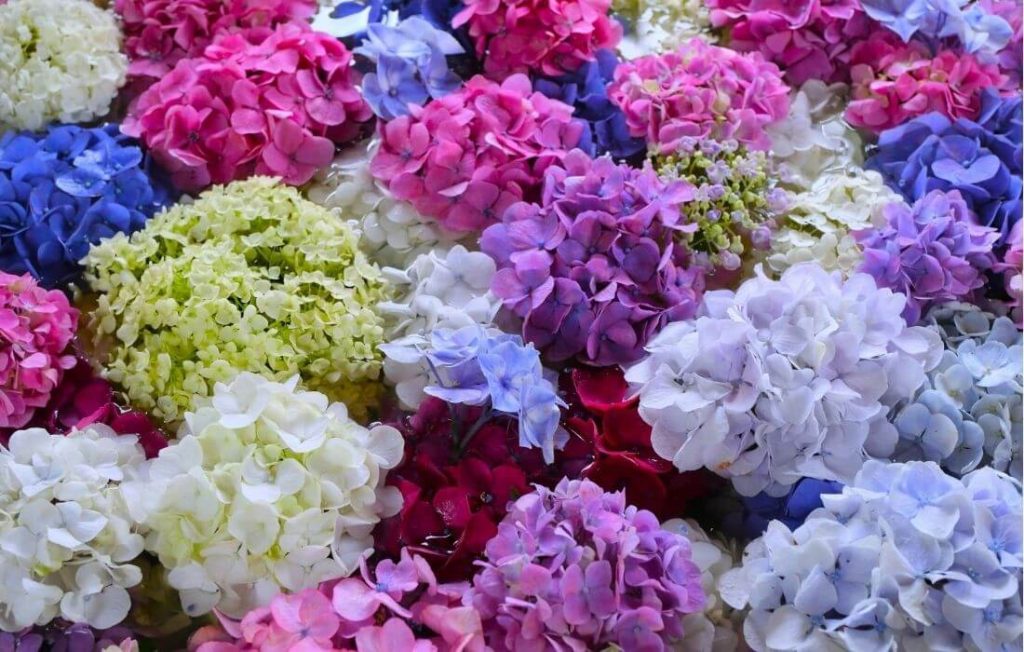
Hydrangeas are native to Asia and America. Their large, rounded flower clusters often display color variations based on soil pH, shifting between pink, blue, and purple hues.
- USDA Hardiness Zones: 3-9
- Bloom Time: Summer to Fall
- Water Needs: High
- Sun Requirements: Partial Shade
- Soil Type: Moist, well-drained
- Maximum Height: 3-6 feet
- Colors Available: Pink, blue, purple, white, multi-color
14. Begonia (Begonia spp.)
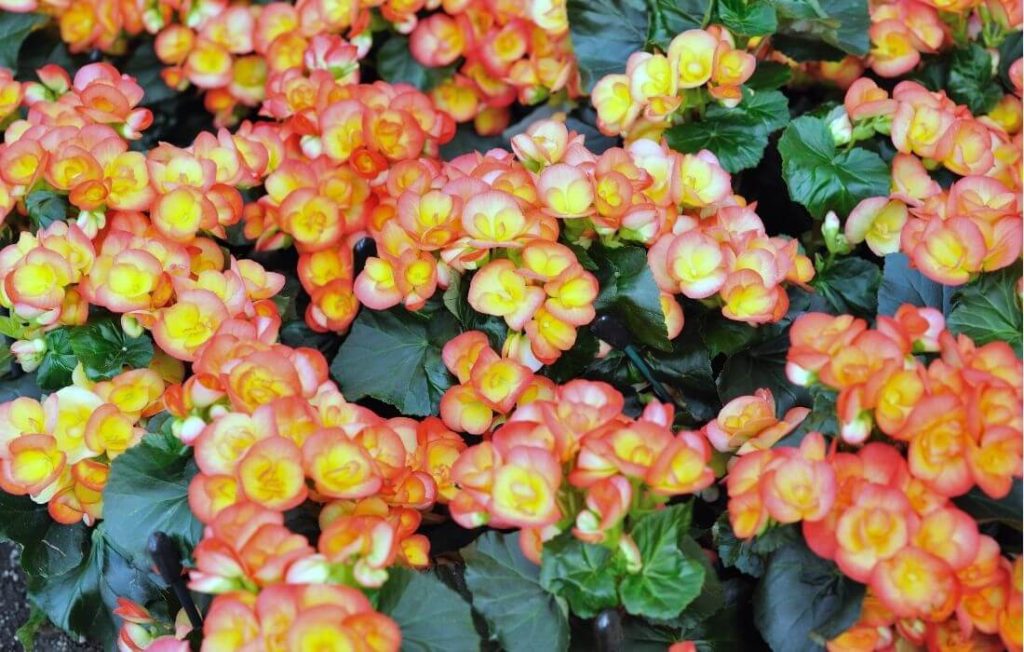
Begonias are tropical plants prized for their bright, often bi-colored blooms and attractive foliage. They thrive in shaded areas and are commonly grown indoors and in containers.
- USDA Hardiness Zones: 9-11 (annual elsewhere)
- Bloom Time: Summer to Fall
- Water Needs: Moderate
- Sun Requirements: Partial Shade
- Soil Type: Well-drained, rich
- Maximum Height: 1-3 feet
- Colors Available: Red, pink, white, orange, multi-color
15. Nasturtium (Tropaeolum majus)
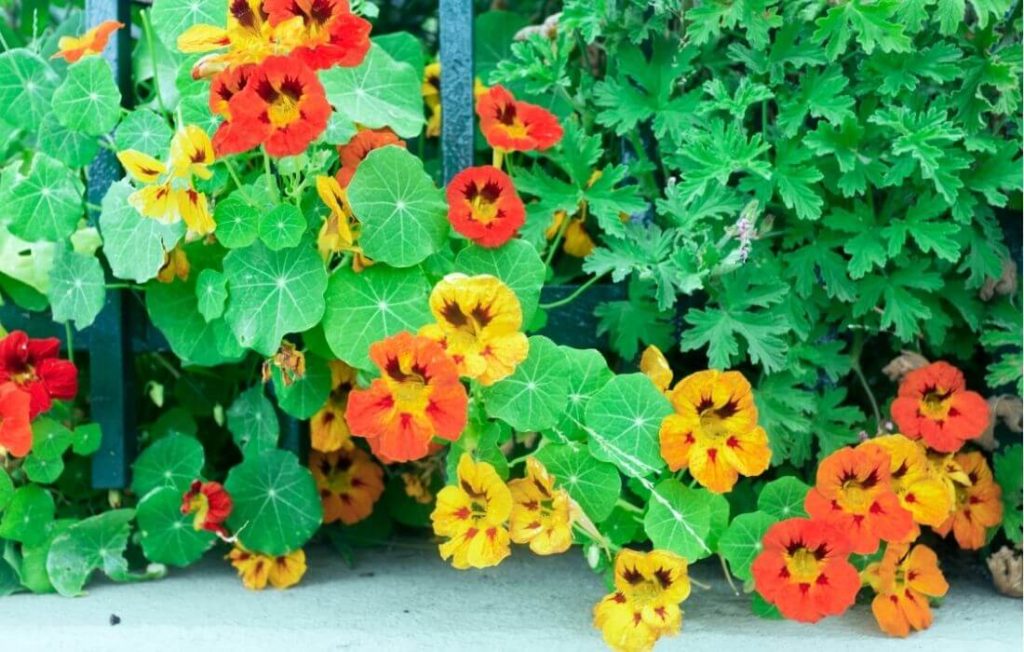
Native to South America, nasturtiums are edible flowers with bright petals often showing red, orange, and yellow in blends. They are easy to grow and attract beneficial insects.
- USDA Hardiness Zones: 9-11 (annual elsewhere)
- Bloom Time: Summer to Fall
- Water Needs: Low to Moderate
- Sun Requirements: Full Sun
- Soil Type: Well-drained
- Maximum Height: 1-3 feet
- Colors Available: Red, orange, yellow, bi-color
16. Freesia (Freesia spp.)
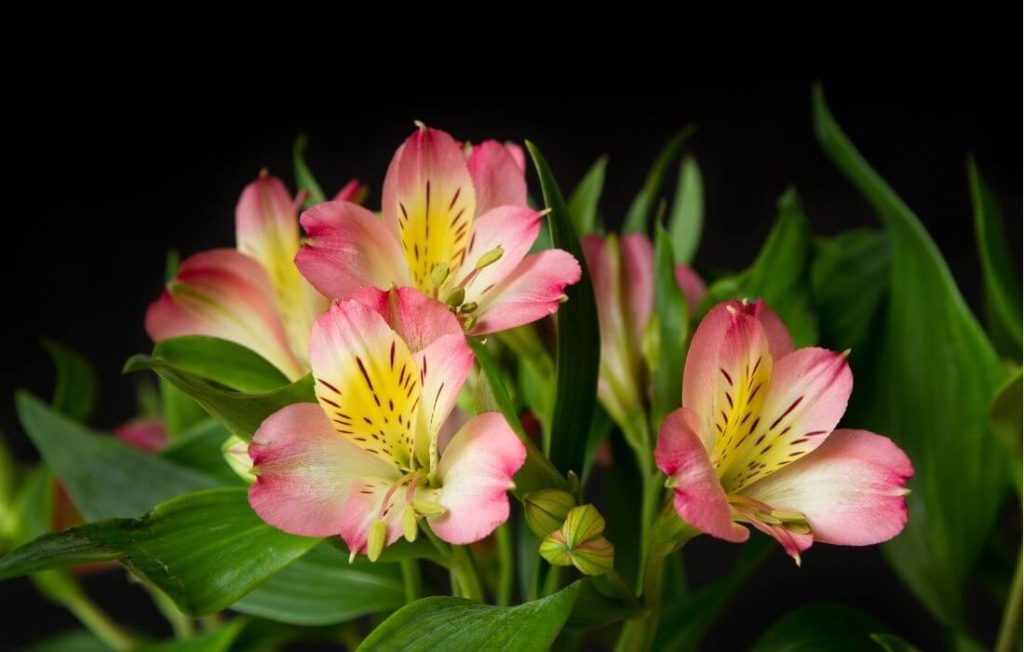
Freesias are native to South Africa and known for their fragrant, funnel-shaped flowers that come in delicate multi-colored blends. They are popular in cut flower arrangements.
- USDA Hardiness Zones: 9-11 (grown as bulbs)
- Bloom Time: Spring
- Water Needs: Moderate
- Sun Requirements: Full Sun to Partial Shade
- Soil Type: Well-drained
- Maximum Height: 12-18 inches
- Colors Available: Yellow, white, pink, purple, multi-color
17. Hibiscus (Hibiscus rosa-sinensis)
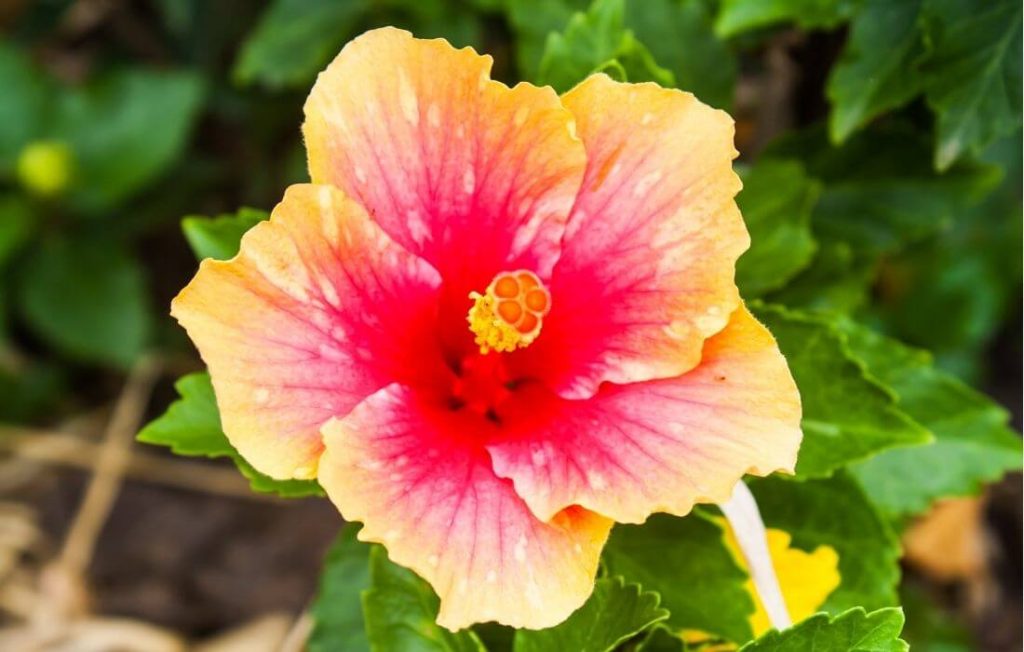
Hibiscus is native to Asia and the Pacific Islands. Its large, tropical flowers often show gradations of red, pink, orange, or yellow, adding exotic flair to gardens.
- USDA Hardiness Zones: 9-11
- Bloom Time: Summer to Fall
- Water Needs: High
- Sun Requirements: Full Sun
- Soil Type: Well-drained, rich
- Maximum Height: 6-10 feet
- Colors Available: Red, pink, orange, yellow, multi-color
18. Fuchsia (Fuchsia magellanica)
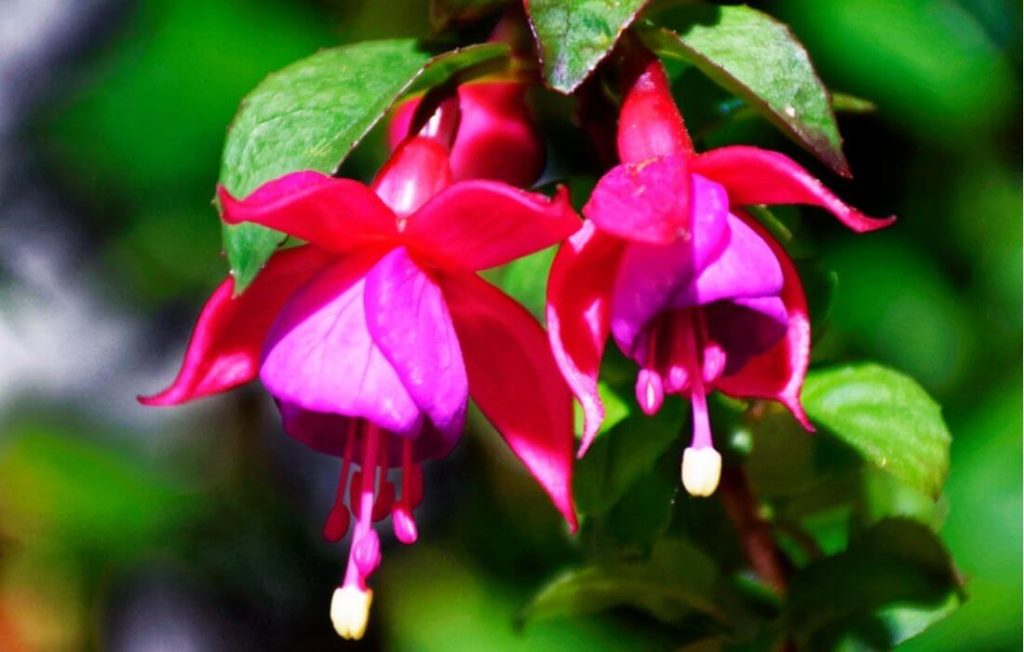
Fuchsia is native to Central and South America. Its pendulous, bell-shaped flowers often display contrasting colors such as purple with pink, perfect for hanging baskets.
- USDA Hardiness Zones: 7-10
- Bloom Time: Spring to Fall
- Water Needs: Moderate to High
- Sun Requirements: Partial Shade
- Soil Type: Moist, well-drained
- Maximum Height: 3-8 feet
- Colors Available: Pink, purple, red, bi-color
19. Camellia (Camellia japonica)
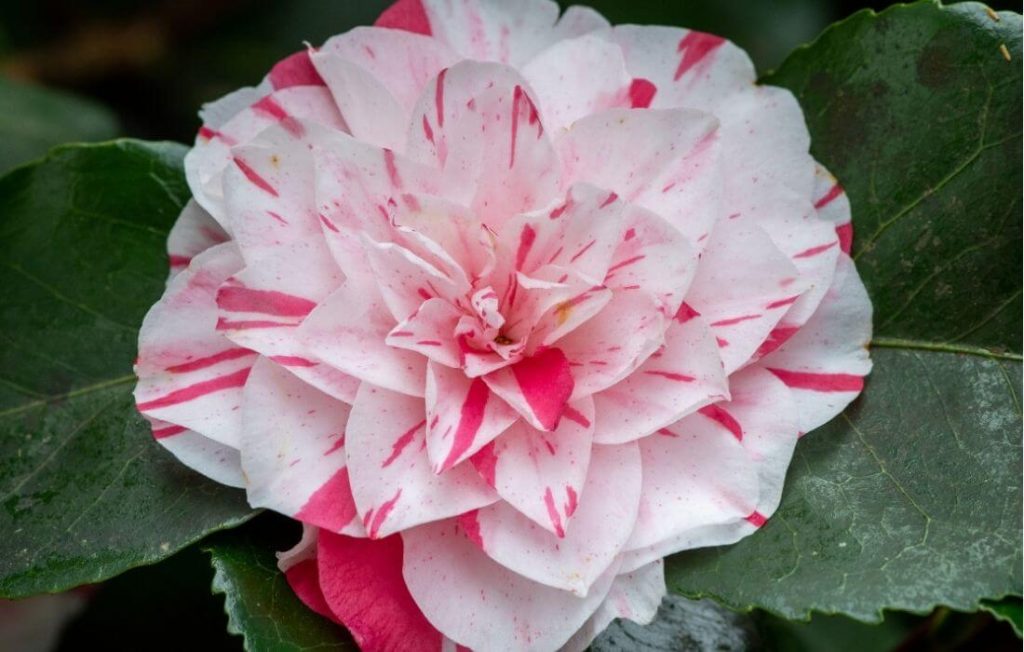
Native to eastern Asia, camellias bloom in late winter or early spring. Their multi-colored flowers often range from pure white to deep red, sometimes blending shades for a soft effect.
- USDA Hardiness Zones: 7-9
- Bloom Time: Winter to Spring
- Water Needs: Moderate
- Sun Requirements: Partial Shade
- Soil Type: Acidic, well-drained
- Maximum Height: 6-12 feet
- Colors Available: White, pink, red, multi-color
20. Gladiolus (Gladiolus hortulanus)
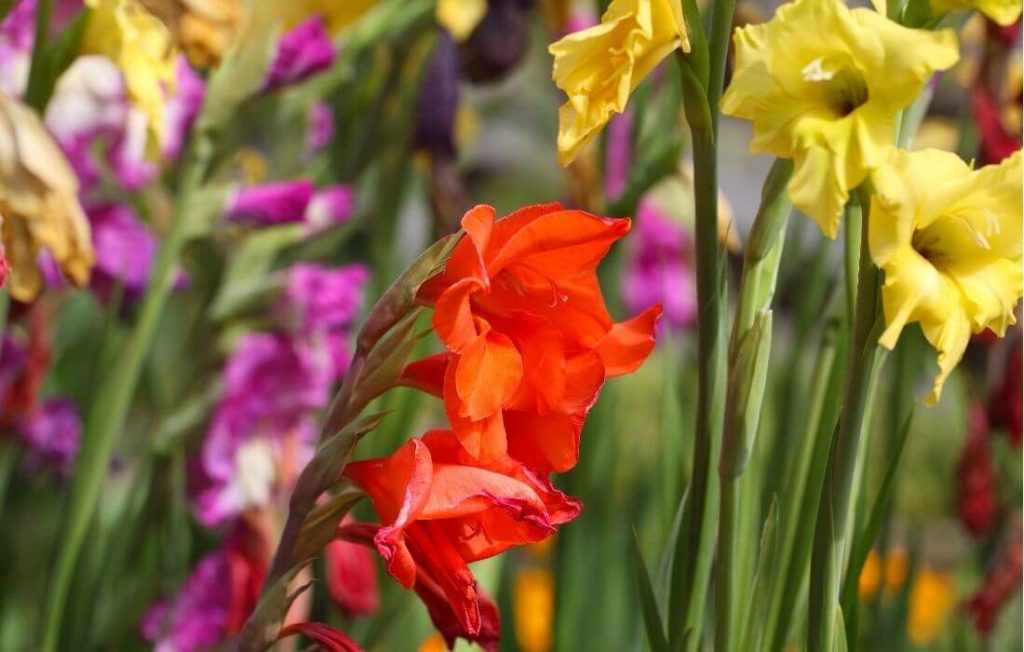
Gladiolus is native to Africa and Mediterranean regions. Its tall spikes are covered with funnel-shaped flowers, often showing multiple colors and patterns on the same spike.
- USDA Hardiness Zones: 7-10 (bulb)
- Bloom Time: Summer
- Water Needs: Moderate
- Sun Requirements: Full Sun
- Soil Type: Well-drained
- Maximum Height: 2-5 feet
- Colors Available: Red, pink, white, yellow, bi-color
21. Azalea (Rhododendron spp.)
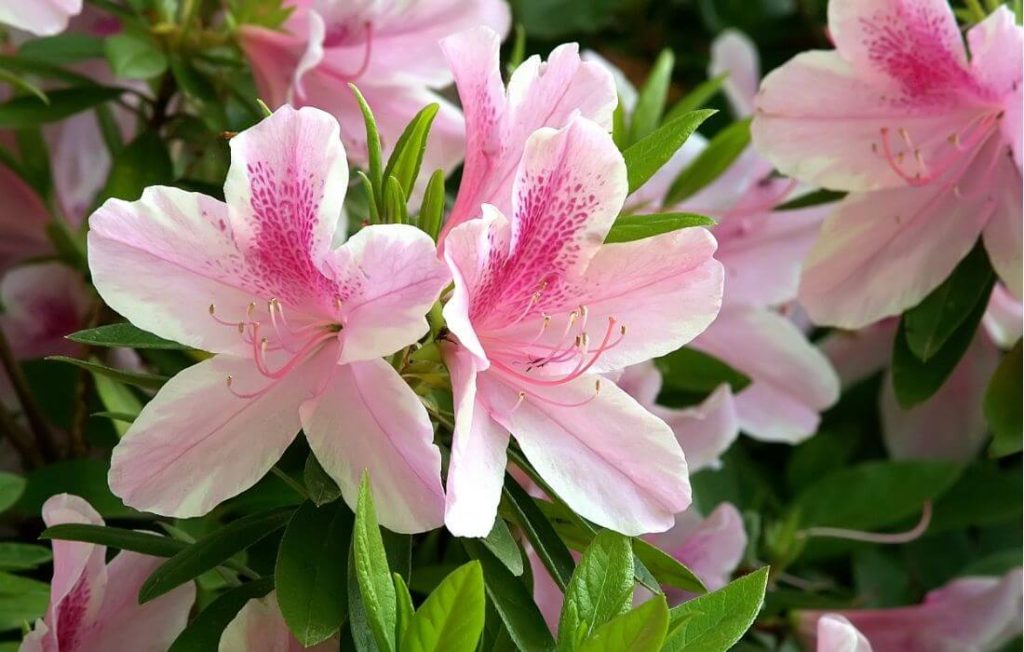
Azaleas are native to Asia and North America. These shrubs produce clusters of flowers in many shades with some varieties showing multi-color petals, brightening woodland gardens.
- USDA Hardiness Zones: 5-9
- Bloom Time: Spring
- Water Needs: Moderate
- Sun Requirements: Partial Shade
- Soil Type: Acidic, well-drained
- Maximum Height: 3-6 feet
- Colors Available: Pink, white, red, purple, multi-color
22. Bougainvillea (Bougainvillea glabra)
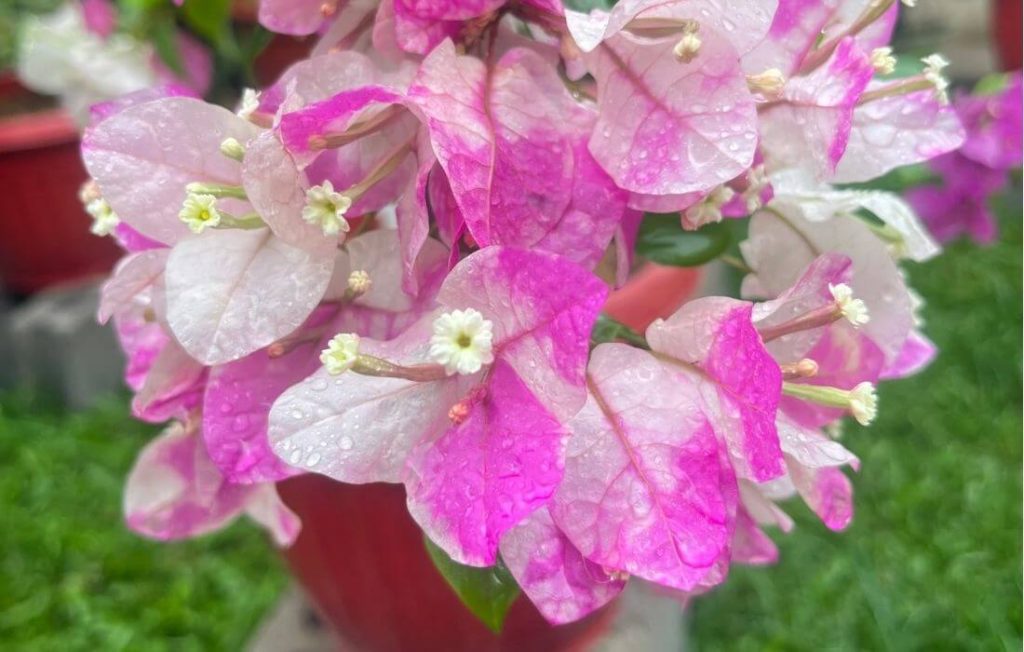
Bougainvillea is native to South America. It is known for its vibrant bracts which often appear in two or three colors, making it a favorite for colorful walls and trellises.
- USDA Hardiness Zones: 9-11
- Bloom Time: Spring to Fall
- Water Needs: Low to Moderate
- Sun Requirements: Full Sun
- Soil Type: Well-drained
- Maximum Height: 10-40 feet (vine)
- Colors Available: Pink, purple, red, orange, multi-color
23. Calendula (Calendula officinalis)
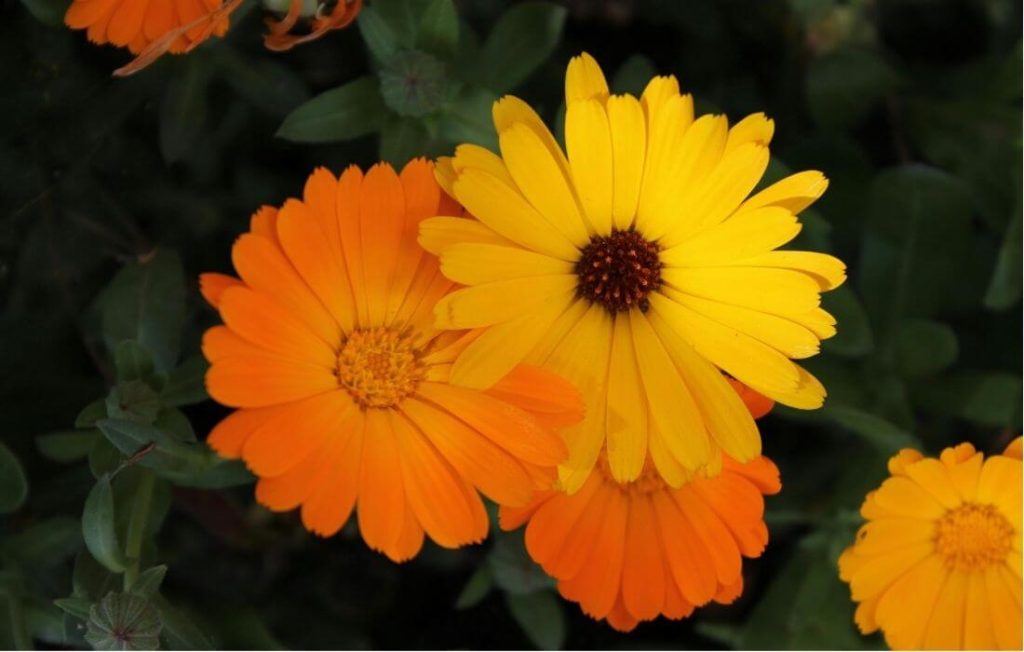
Calendula, or pot marigold, is native to southern Europe. Its petals can be bi-colored with shades of yellow and orange, popular in herbal gardens and flower beds.
- USDA Hardiness Zones: 2-11
- Bloom Time: Spring to Fall
- Water Needs: Moderate
- Sun Requirements: Full Sun
- Soil Type: Well-drained
- Maximum Height: 1-2 feet
- Colors Available: Yellow, orange, bi-color
24. Carnation (Dianthus caryophyllus)
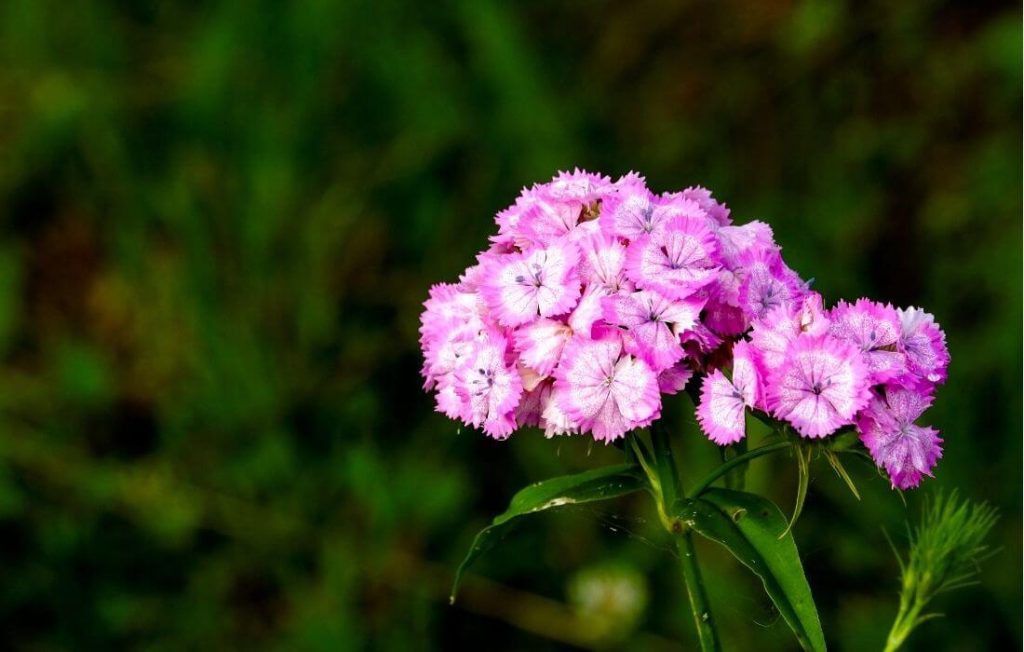
Carnations originate from the Mediterranean. Their ruffled petals frequently show a blend of colors, including stripes or edging, making them staples in floral arrangements.
- USDA Hardiness Zones: 5-9
- Bloom Time: Spring to Fall
- Water Needs: Moderate
- Sun Requirements: Full Sun
- Soil Type: Well-drained
- Maximum Height: 1-3 feet
- Colors Available: Pink, red, white, multi-color
25. Cherry Blossom (Prunus serrulata)
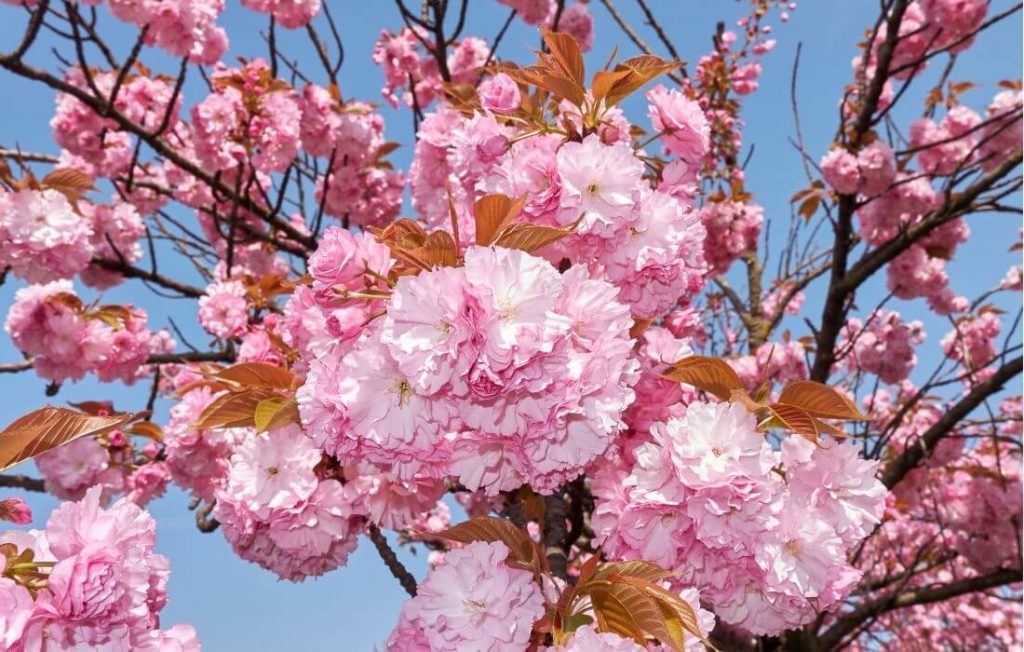
Native to Japan, cherry blossoms bloom with delicate pink and white petals often showing subtle color gradients. Their fleeting bloom is celebrated worldwide.
- USDA Hardiness Zones: 5-8
- Bloom Time: Spring
- Water Needs: Moderate
- Sun Requirements: Full Sun
- Soil Type: Well-drained, fertile
- Maximum Height: 20-40 feet
- Colors Available: Pink, white, multi-tone
26. Clematis (Clematis spp.)
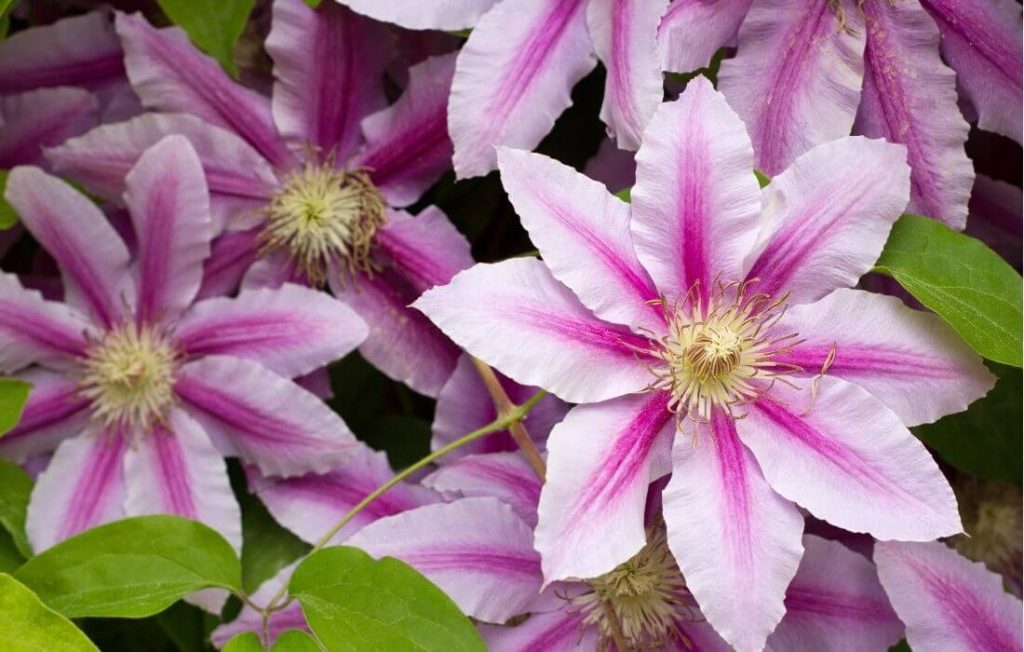
Clematis vines are popular for their large flowers that frequently show multiple colors and patterns. They thrive on trellises and walls, adding vertical color.
- USDA Hardiness Zones: 4-9
- Bloom Time: Spring to Fall
- Water Needs: Moderate
- Sun Requirements: Full Sun to Partial Shade
- Soil Type: Well-drained
- Maximum Height: 6-12 feet
- Colors Available: Purple, blue, pink, white, bi-color
27. Dahlberg Daisy (Thymophylla tenuiloba)
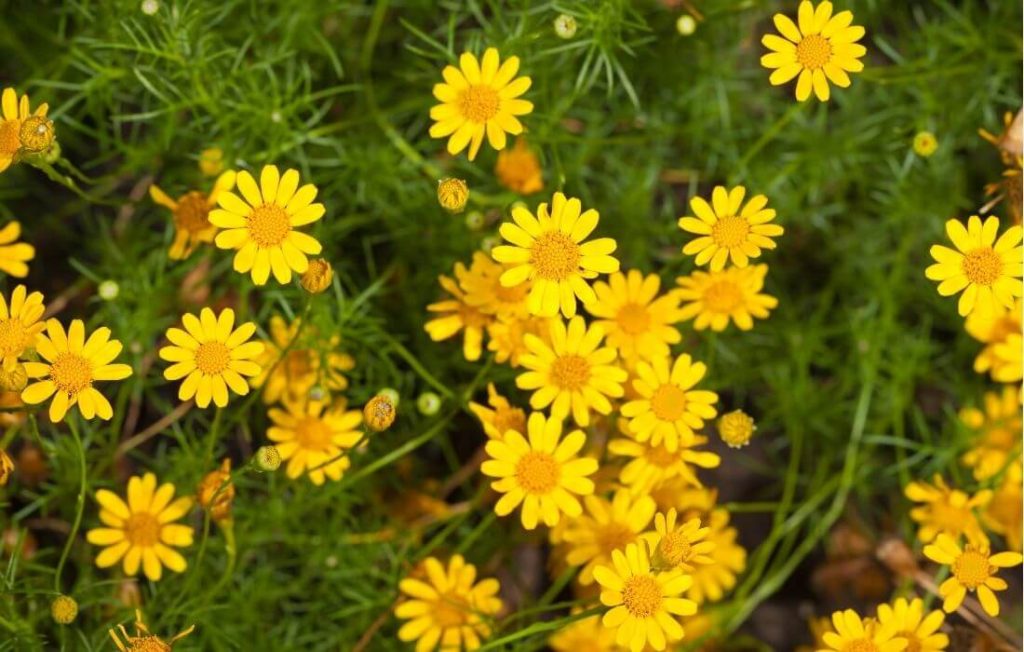
Native to Texas and Mexico, Dahlberg daisies are bright yellow flowers often accented with darker centers, sometimes showing subtle multi-color patterns.
- USDA Hardiness Zones: 8-11
- Bloom Time: Spring to Fall
- Water Needs: Low to Moderate
- Sun Requirements: Full Sun
- Soil Type: Well-drained
- Maximum Height: 6-12 inches
- Colors Available: Yellow, bi-color
28. Delphinium (Delphinium elatum)
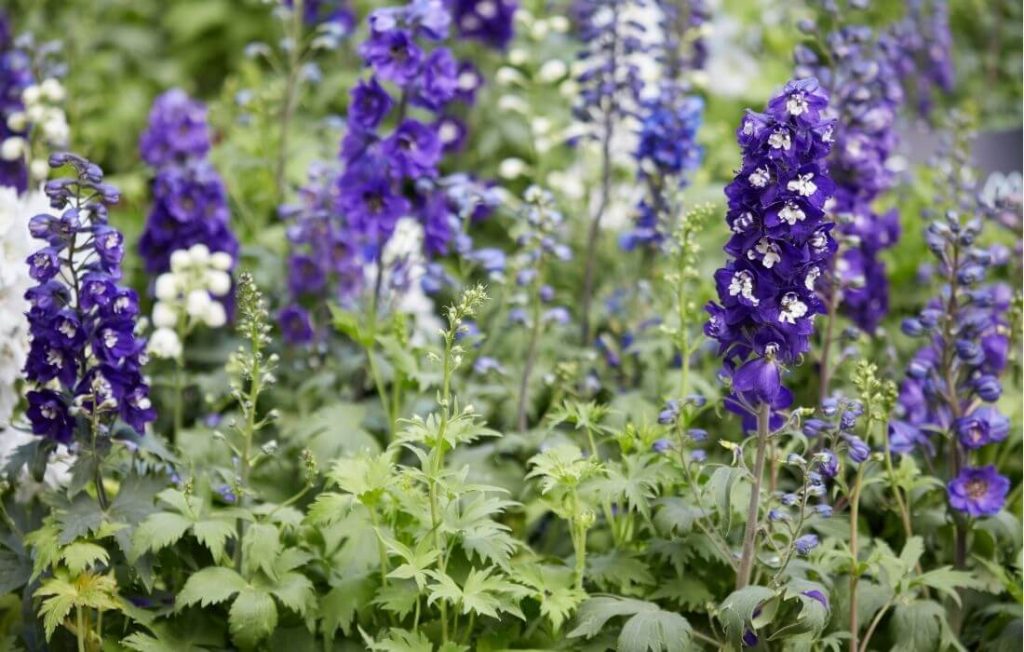
Delphiniums are tall, striking flowers native to the Northern Hemisphere. Their blooms often show gradients of blues and purples with white or other shades.
- USDA Hardiness Zones: 3-7
- Bloom Time: Summer
- Water Needs: Moderate
- Sun Requirements: Full Sun
- Soil Type: Well-drained, fertile
- Maximum Height: 3-6 feet
- Colors Available: Blue, purple, white, multi-color
29. Dianthus (Dianthus spp.)
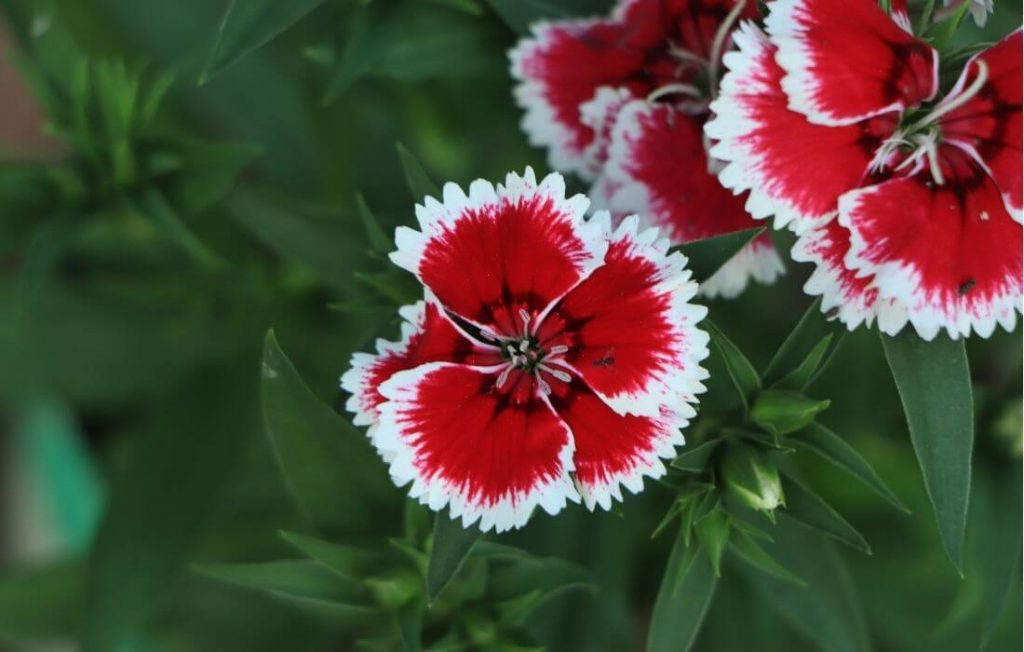
Dianthus, related to carnations, is native to Europe and Asia. These flowers often show intricate color blends with fringed petals in pink, red, and white shades.
- USDA Hardiness Zones: 3-9
- Bloom Time: Spring to Fall
- Water Needs: Moderate
- Sun Requirements: Full Sun
- Soil Type: Well-drained
- Maximum Height: 6-24 inches
- Colors Available: Pink, red, white, multi-color
30. Foxglove (Digitalis purpurea)
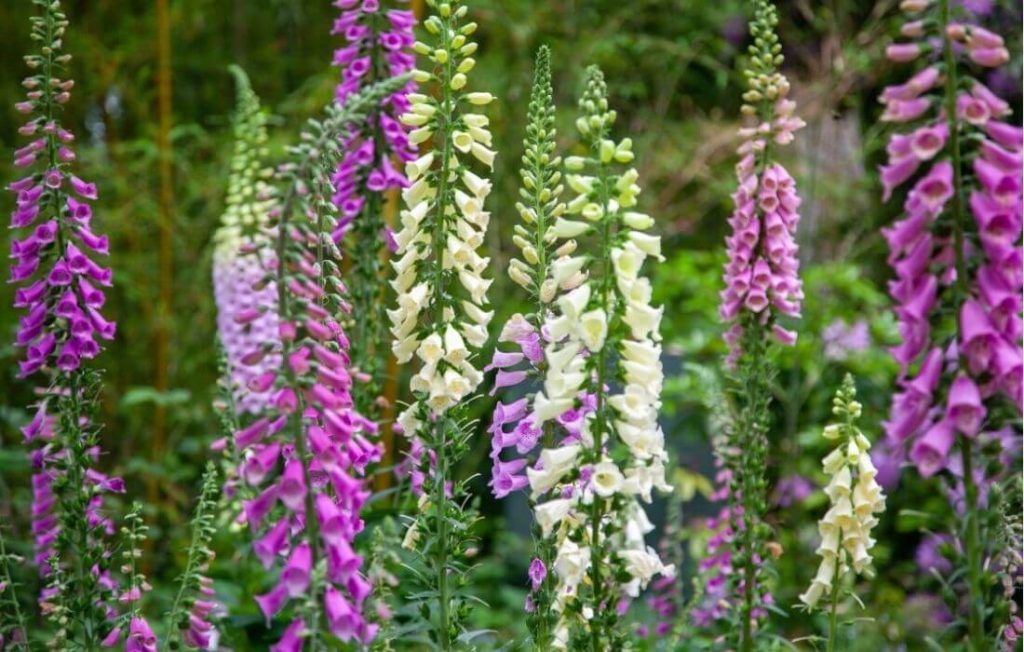
Foxglove is native to Europe and known for its tall spikes covered with bell-shaped flowers often spotted with contrasting colors inside the bells.
- USDA Hardiness Zones: 4-8
- Bloom Time: Late Spring to Early Summer
- Water Needs: Moderate
- Sun Requirements: Partial Shade
- Soil Type: Moist, well-drained
- Maximum Height: 2-5 feet
- Colors Available: Purple, pink, white, spotted
31. Gardenia (Gardenia jasminoides)
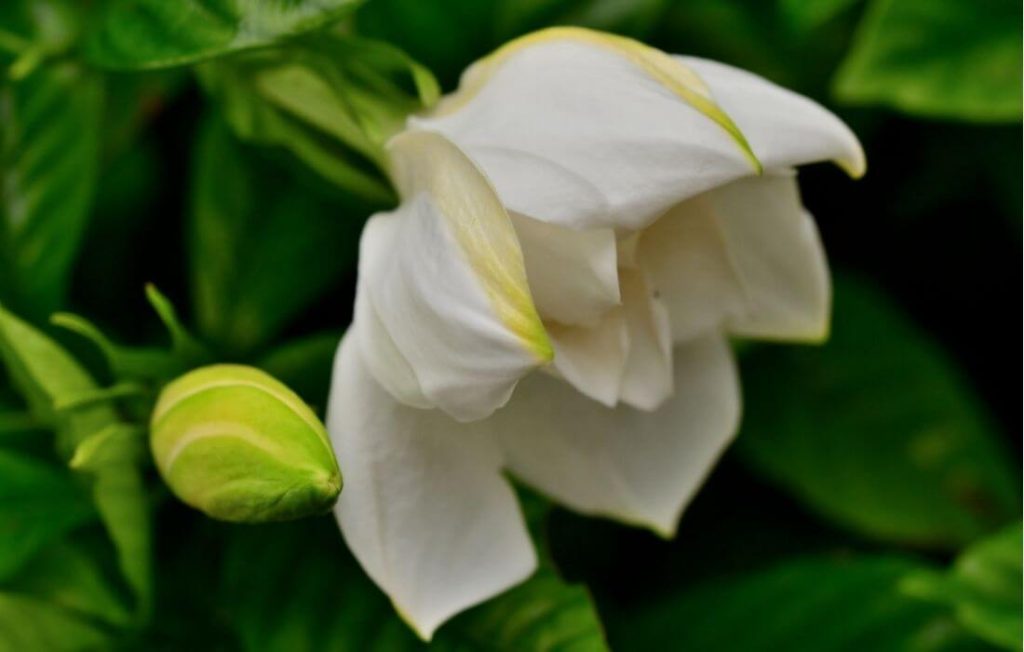
Gardenias originate from Asia and have fragrant white flowers that can show subtle cream and green shades, prized for their scent and elegance.
- USDA Hardiness Zones: 8-11
- Bloom Time: Late Spring to Summer
- Water Needs: Moderate to High
- Sun Requirements: Partial Shade
- Soil Type: Acidic, well-drained
- Maximum Height: 3-6 feet
- Colors Available: White, cream
32. Hellebore (Helleborus spp.)
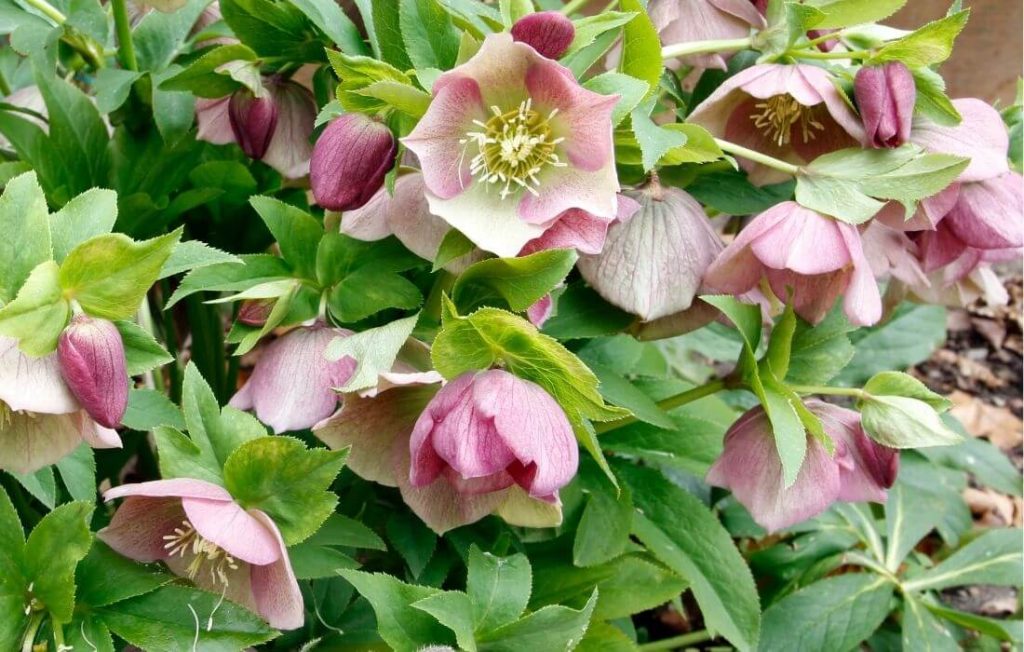
Hellebores, native to Europe and Asia, bloom in late winter or early spring with multi-colored petals often showing spots or subtle gradients.
- USDA Hardiness Zones: 4-9
- Bloom Time: Late Winter to Early Spring
- Water Needs: Moderate
- Sun Requirements: Partial Shade
- Soil Type: Well-drained, rich
- Maximum Height: 1-2 feet
- Colors Available: Purple, pink, white, green, multi-color
33. Heliotrope (Heliotropium arborescens)
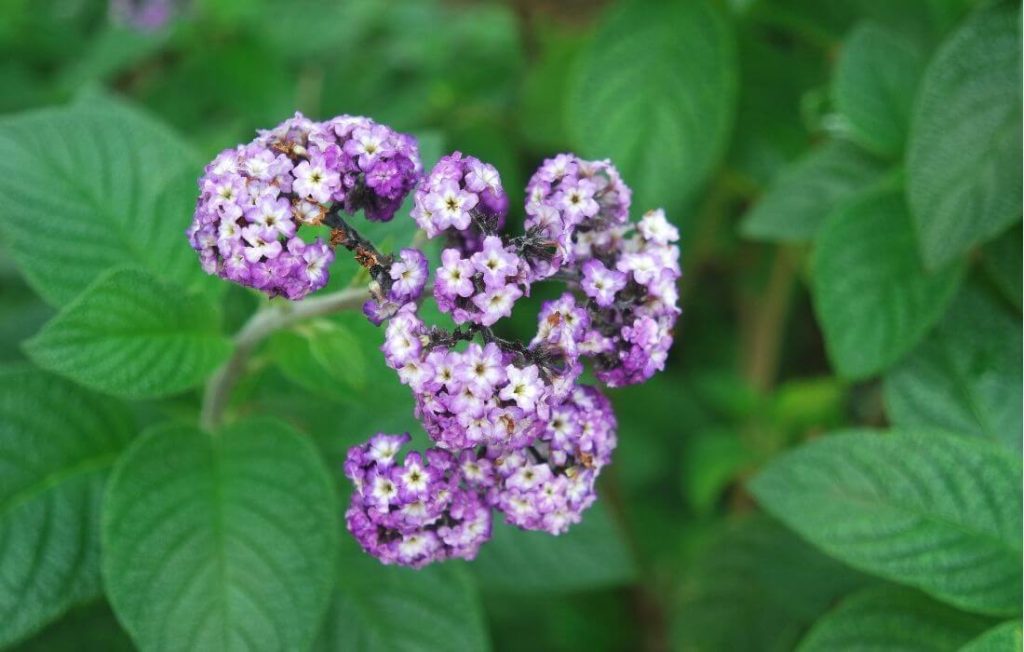
Native to Peru, heliotropes have clusters of fragrant flowers often showing violet and white shades blended together.
- USDA Hardiness Zones: 10-11
- Bloom Time: Summer to Fall
- Water Needs: Moderate
- Sun Requirements: Full Sun to Partial Shade
- Soil Type: Well-drained
- Maximum Height: 1-3 feet
- Colors Available: Purple, violet, white, bi-color
34. Impatiens (Impatiens walleriana)
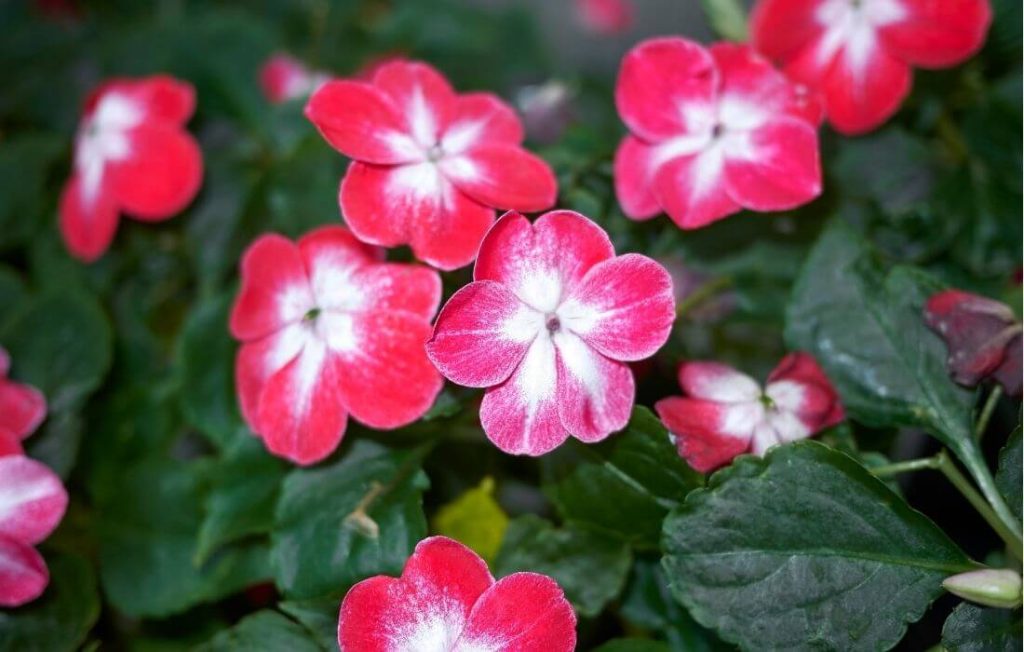
Impatiens are shade-loving annuals native to Africa and Asia, often showing multi-colored blooms in shades of pink, red, white, and purple.
- USDA Hardiness Zones: 10-11 (annual elsewhere)
- Bloom Time: Spring to Fall
- Water Needs: High
- Sun Requirements: Partial Shade
- Soil Type: Moist, well-drained
- Maximum Height: 6-18 inches
- Colors Available: Red, pink, white, purple, multi-color
35. Jasmine (Jasminum spp.)
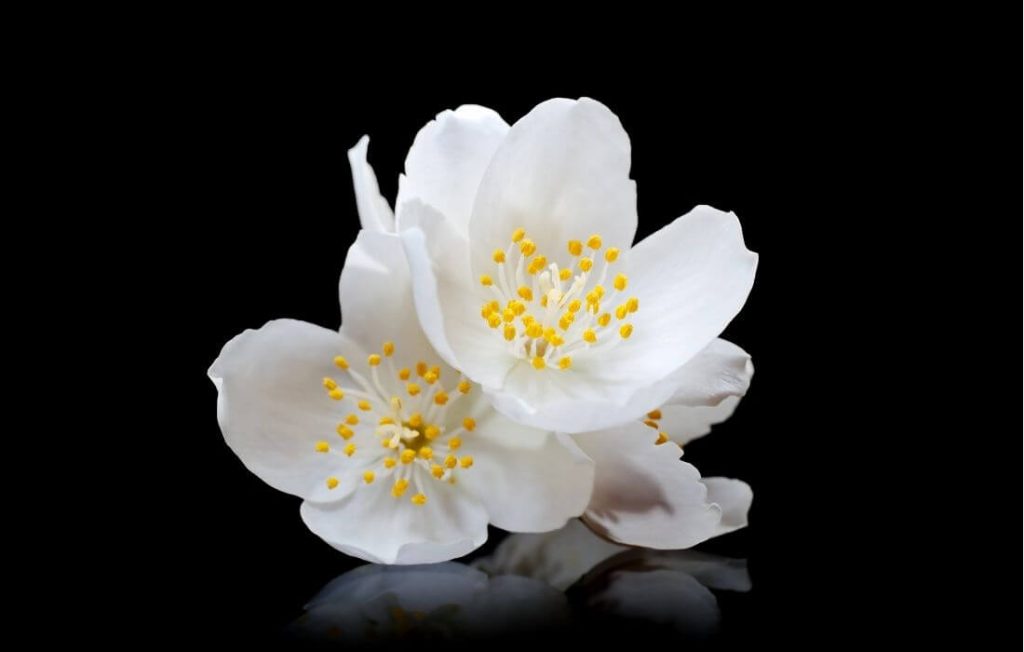
Jasmine species are native to tropical and warm temperate regions. Their small white or yellow flowers sometimes show subtle multi-tone shading and are highly fragrant.
- USDA Hardiness Zones: 7-10
- Bloom Time: Summer
- Water Needs: Moderate
- Sun Requirements: Full Sun to Partial Shade
- Soil Type: Well-drained
- Maximum Height: 6-15 feet (varies)
- Colors Available: White, yellow, cream
36. Kalanchoe (Kalanchoe blossfeldiana)
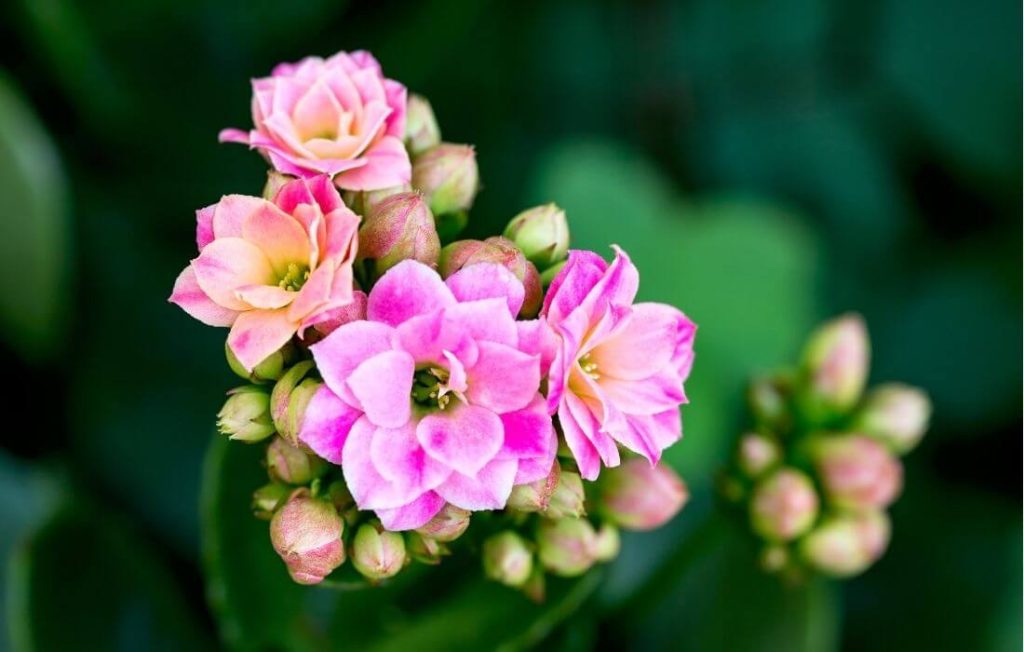
Native to Madagascar, kalanchoes produce clusters of small, multi-colored flowers often in shades of red, pink, yellow, or orange. They are popular houseplants.
- USDA Hardiness Zones: 10-12
- Bloom Time: Winter to Spring
- Water Needs: Low to Moderate
- Sun Requirements: Bright Light
- Soil Type: Well-drained, sandy
- Maximum Height: 6-18 inches
- Colors Available: Red, pink, orange, yellow, bi-color
37. Larkspur (Delphinium ajacis)
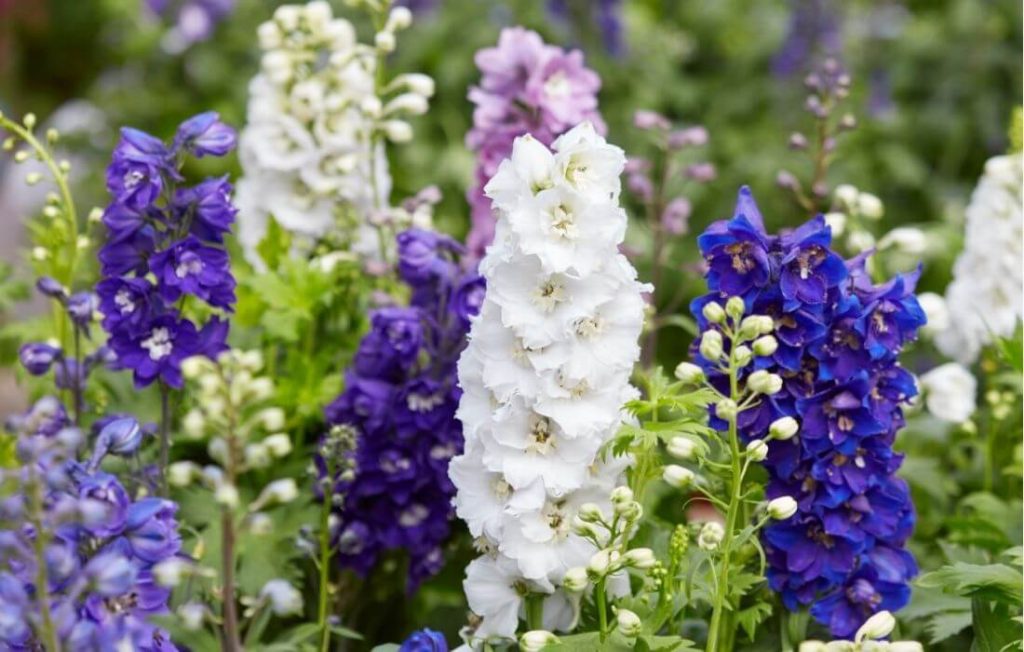
Larkspurs are annuals native to the Mediterranean. Their tall spikes feature densely packed flowers with blue, purple, pink, or white hues often blended on petals.
- USDA Hardiness Zones: 3-7
- Bloom Time: Summer
- Water Needs: Moderate
- Sun Requirements: Full Sun
- Soil Type: Well-drained
- Maximum Height: 2-4 feet
- Colors Available: Blue, purple, pink, white
38. Lavender (Lavandula angustifolia)
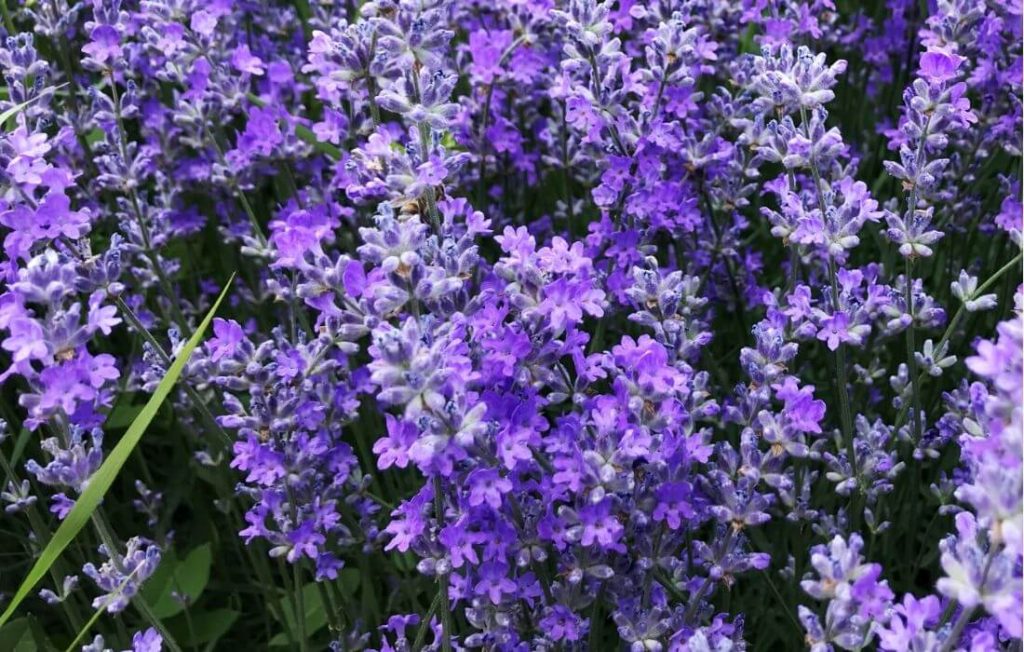
Lavender is native to the Mediterranean and prized for its fragrant purple-blue spikes that sometimes show variations in tone creating a multi-colored effect.
- USDA Hardiness Zones: 5-9
- Bloom Time: Summer
- Water Needs: Low to Moderate
- Sun Requirements: Full Sun
- Soil Type: Well-drained, sandy
- Maximum Height: 1-3 feet
- Colors Available: Purple, blue, violet
39. Lilac (Syringa vulgaris)
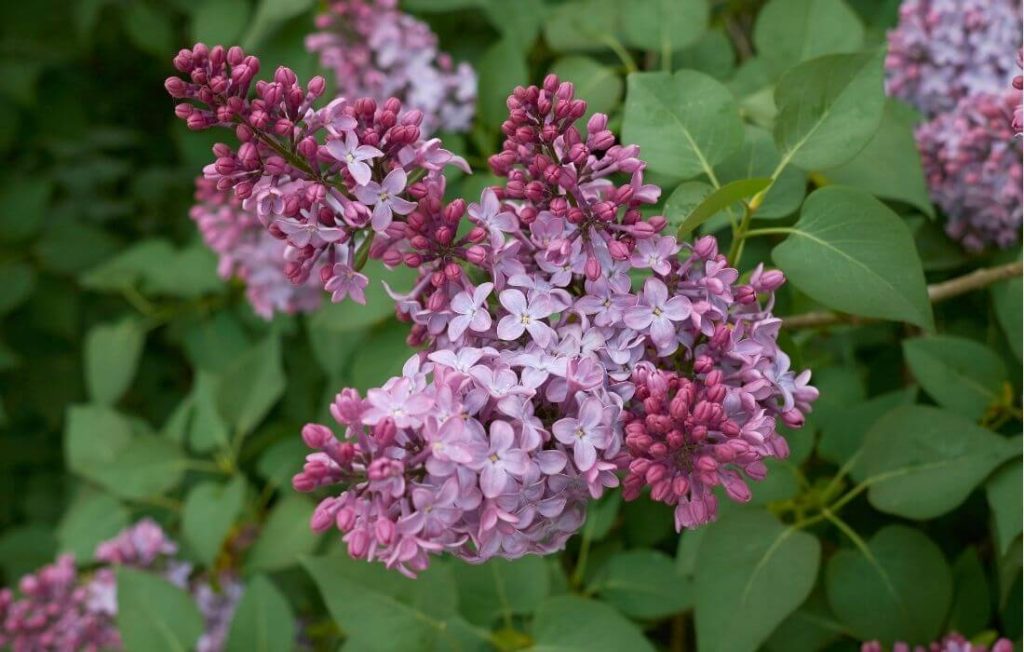
Lilacs are native to southeastern Europe and Asia, producing fragrant flowers in clusters. Their petals may show soft gradients from purple to white.
- USDA Hardiness Zones: 3-7
- Bloom Time: Spring
- Water Needs: Moderate
- Sun Requirements: Full Sun
- Soil Type: Well-drained
- Maximum Height: 8-15 feet
- Colors Available: Purple, white, pink
40. Morning Glory (Ipomoea purpurea)
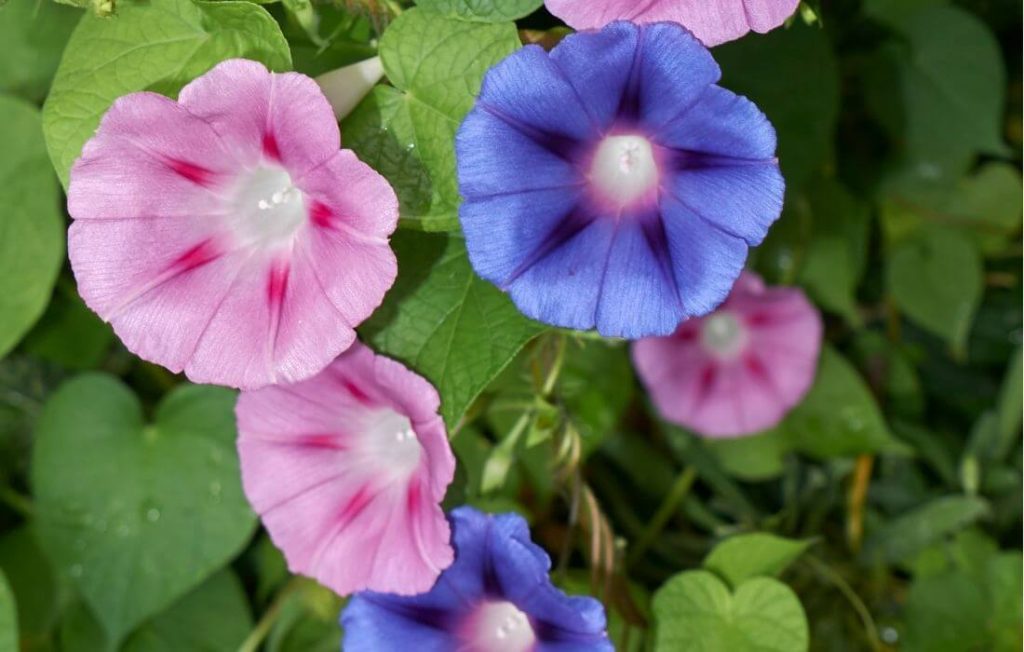
Morning glories are native to tropical America. Their trumpet-shaped flowers display a range of blue, purple, pink, and white tones often blending softly.
- USDA Hardiness Zones: 3-10
- Bloom Time: Summer to Fall
- Water Needs: Moderate
- Sun Requirements: Full Sun
- Soil Type: Well-drained
- Maximum Height: 6-10 feet (vine)
- Colors Available: Blue, purple, pink, white, multi-color
41. Narcissus (Narcissus spp.)
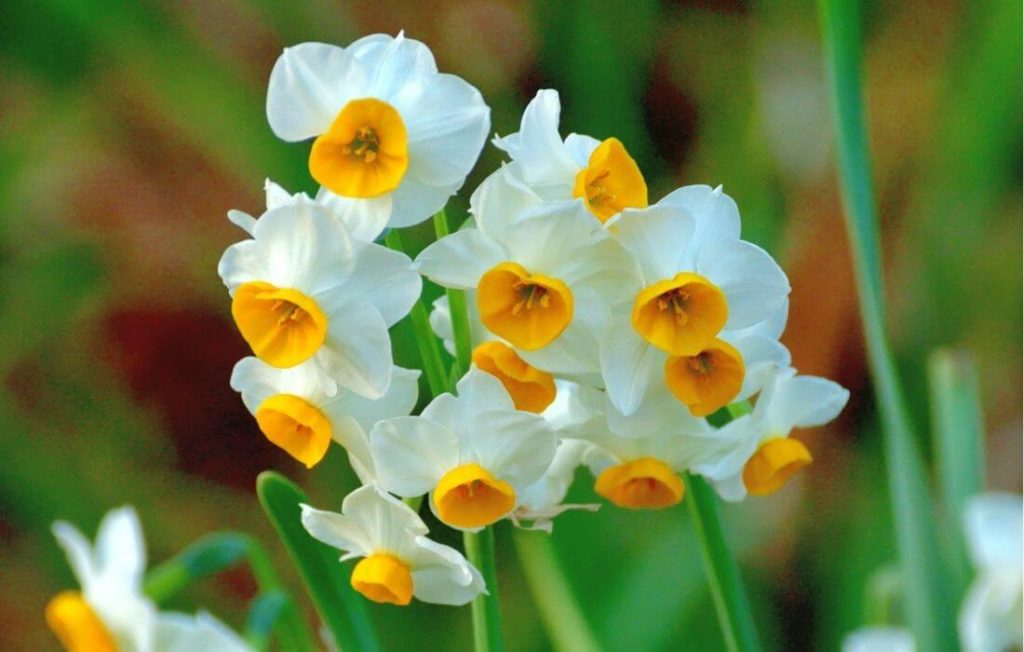
Also called daffodils, these spring bulbs originate from Europe and North Africa. Their flowers can show multiple shades of yellow and white often combined on the same bloom.
- USDA Hardiness Zones: 3-8
- Bloom Time: Spring
- Water Needs: Moderate
- Sun Requirements: Full Sun to Partial Shade
- Soil Type: Well-drained
- Maximum Height: 6-20 inches
- Colors Available: Yellow, white, orange, bi-color
42. Osteospermum (Osteospermum ecklonis)
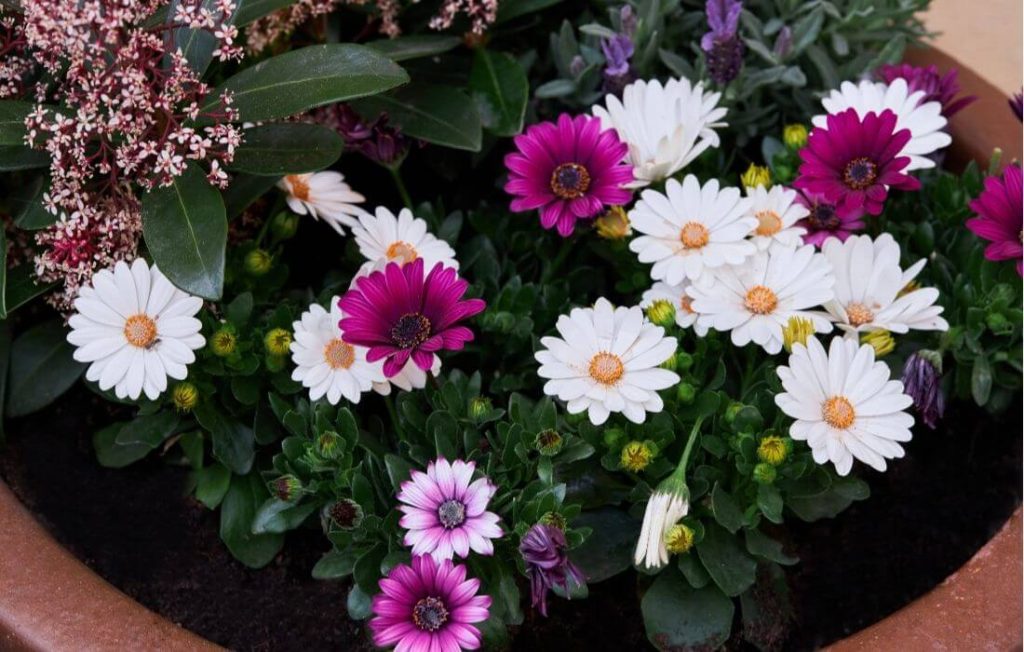
Known as African daisies, these plants produce daisy-like flowers in vibrant colors often with contrasting centers and petal edges.
- USDA Hardiness Zones: 9-11
- Bloom Time: Spring to Fall
- Water Needs: Low to Moderate
- Sun Requirements: Full Sun
- Soil Type: Well-drained
- Maximum Height: 1-2 feet
- Colors Available: Purple, pink, white, yellow, bi-color
43. Peony (Paeonia spp.)
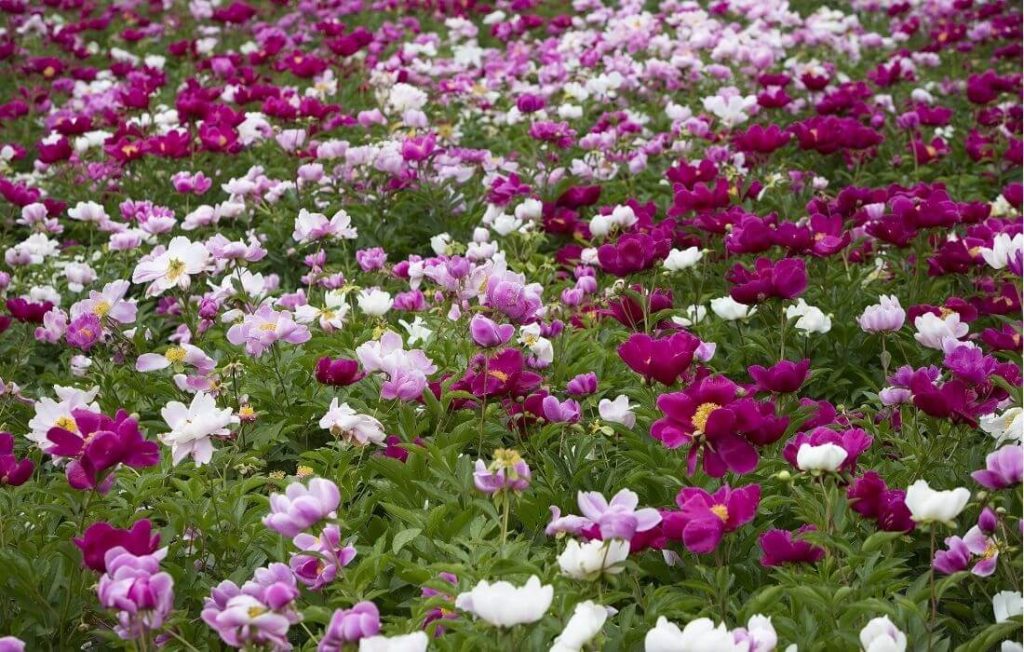
Peonies are native to Asia, Europe, and North America. Their large, full blooms show soft gradients and mixed tones of pink, red, white, and coral.
- USDA Hardiness Zones: 3-8
- Bloom Time: Late Spring to Early Summer
- Water Needs: Moderate
- Sun Requirements: Full Sun to Partial Shade
- Soil Type: Well-drained, fertile
- Maximum Height: 2-4 feet
- Colors Available: Pink, red, white, coral, multi-color
44. Phlox (Phlox paniculata)
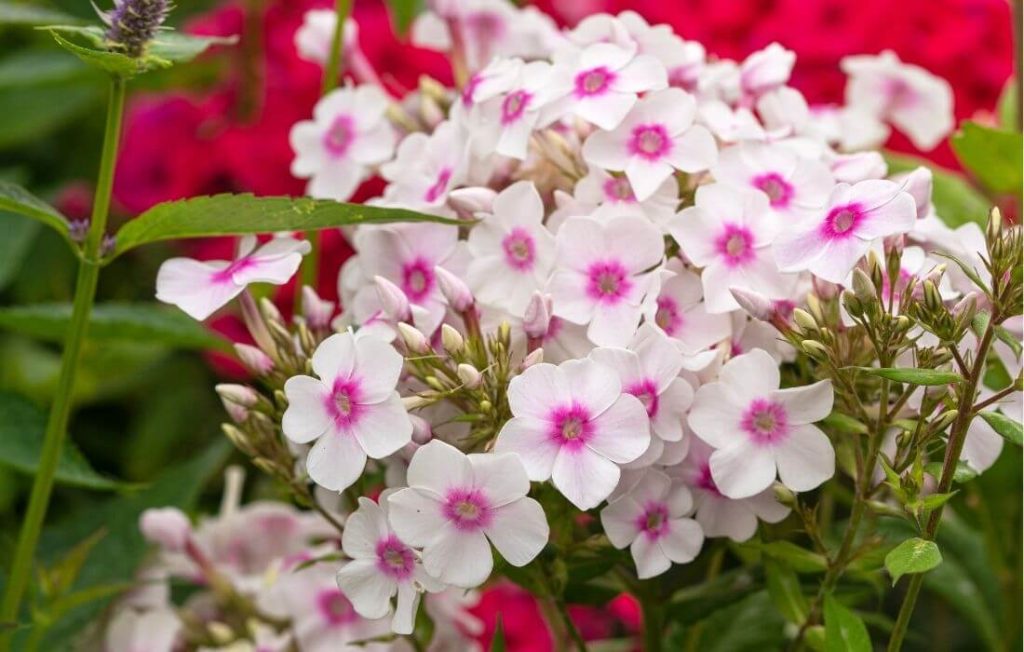
Phlox is native to North America and produces dense clusters of fragrant flowers in mixed colors like pink, white, red, and purple.
- USDA Hardiness Zones: 4-8
- Bloom Time: Summer
- Water Needs: Moderate
- Sun Requirements: Full Sun to Partial Shade
- Soil Type: Well-drained
- Maximum Height: 2-4 feet
- Colors Available: Pink, white, red, purple, multi-color
45. Protea (Protea cynaroides)
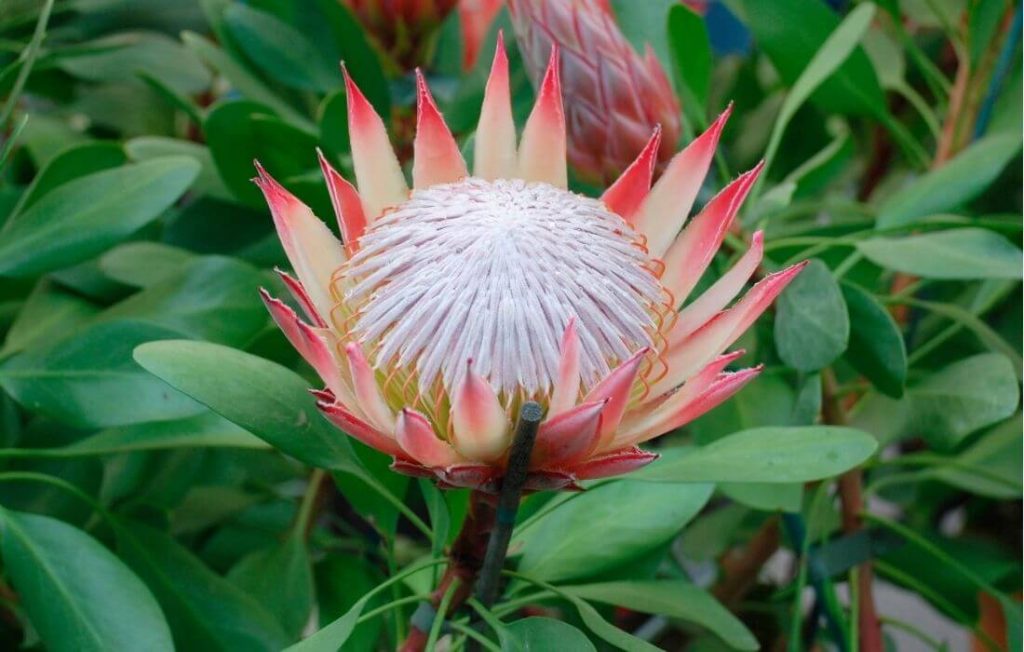
Protea, native to South Africa, features large, unique blooms with layered petals in pink, red, and white shades often blending colors in striking patterns.
- USDA Hardiness Zones: 9-11
- Bloom Time: Winter to Spring
- Water Needs: Low to Moderate
- Sun Requirements: Full Sun
- Soil Type: Well-drained, acidic
- Maximum Height: 3-10 feet
- Colors Available: Pink, red, white, multi-color
46. Ranunculus (Ranunculus asiaticus)
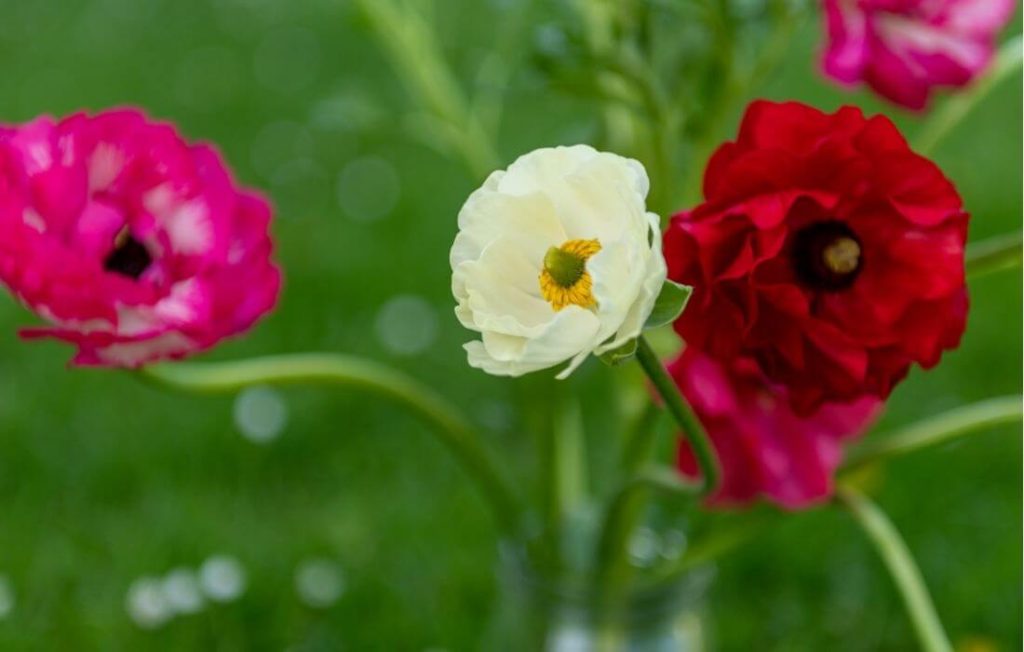
Originating from the Mediterranean, ranunculus flowers have layered petals that display various bright colors and blends perfect for bouquets.
- USDA Hardiness Zones: 8-10 (grown as bulbs)
- Bloom Time: Spring
- Water Needs: Moderate
- Sun Requirements: Full Sun to Partial Shade
- Soil Type: Well-drained
- Maximum Height: 12-24 inches
- Colors Available: Red, pink, yellow, orange, multi-color
47. Rhododendron (Rhododendron spp.)
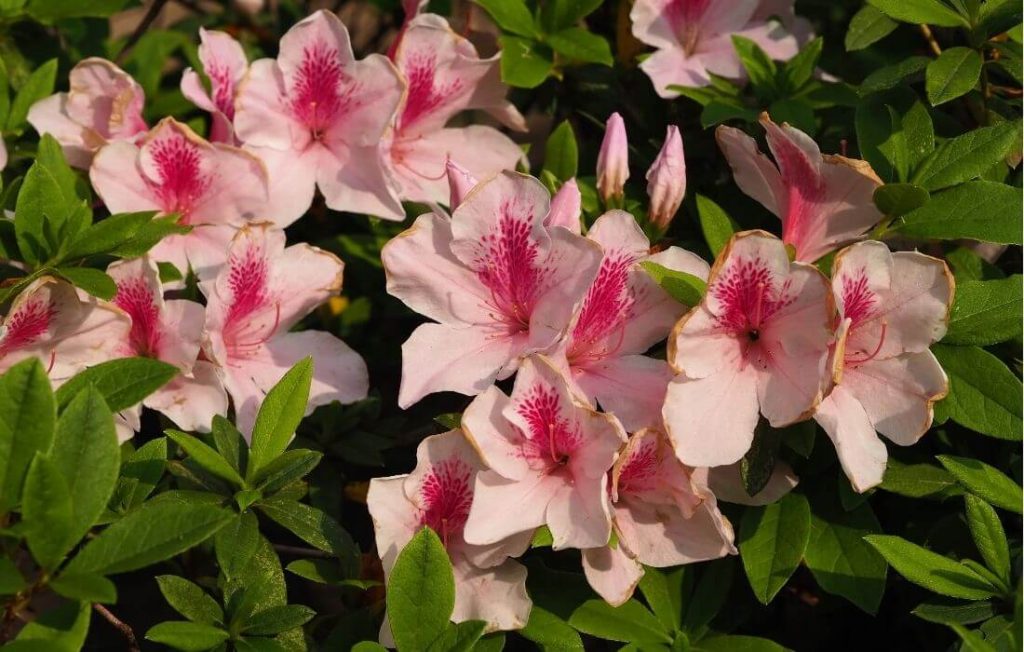
Rhododendrons are native to Asia and North America, producing large clusters of blooms with many multi-colored varieties including bi-color and spotted petals.
- USDA Hardiness Zones: 4-8
- Bloom Time: Spring
- Water Needs: Moderate
- Sun Requirements: Partial Shade
- Soil Type: Acidic, well-drained
- Maximum Height: 3-20 feet
- Colors Available: Pink, white, red, purple, multi-color
48. Salvia (Salvia splendens)
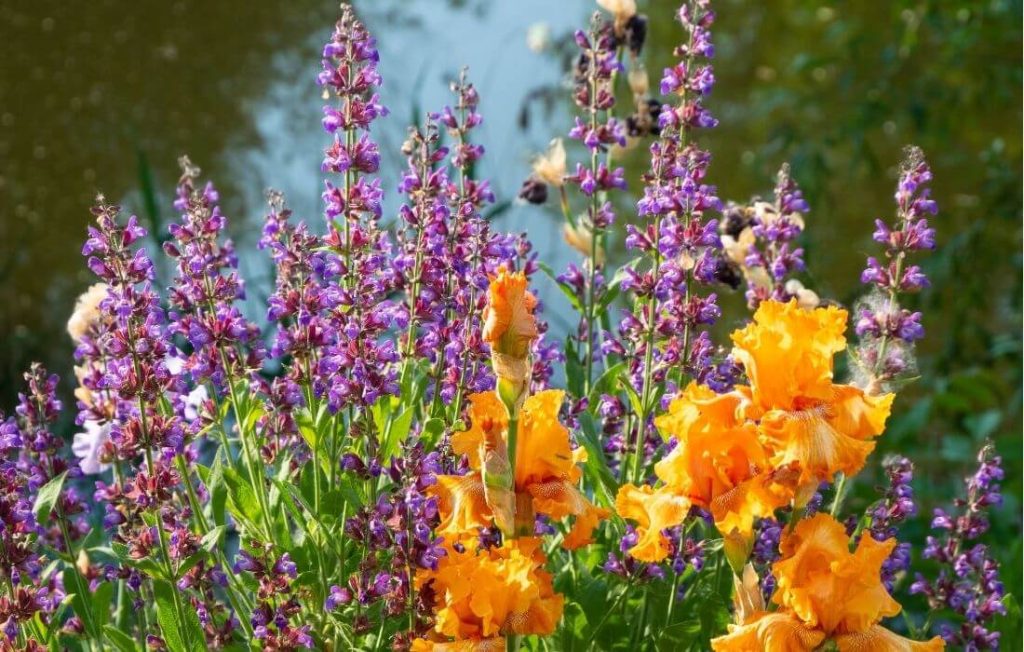
Native to Brazil, salvias produce spikes of tubular flowers often in mixed red and white or purple shades that attract hummingbirds and bees.
- USDA Hardiness Zones: 8-10
- Bloom Time: Summer to Fall
- Water Needs: Moderate
- Sun Requirements: Full Sun
- Soil Type: Well-drained
- Maximum Height: 1-3 feet
- Colors Available: Red, purple, white, bi-color
49. Sweet Pea (Lathyrus odoratus)
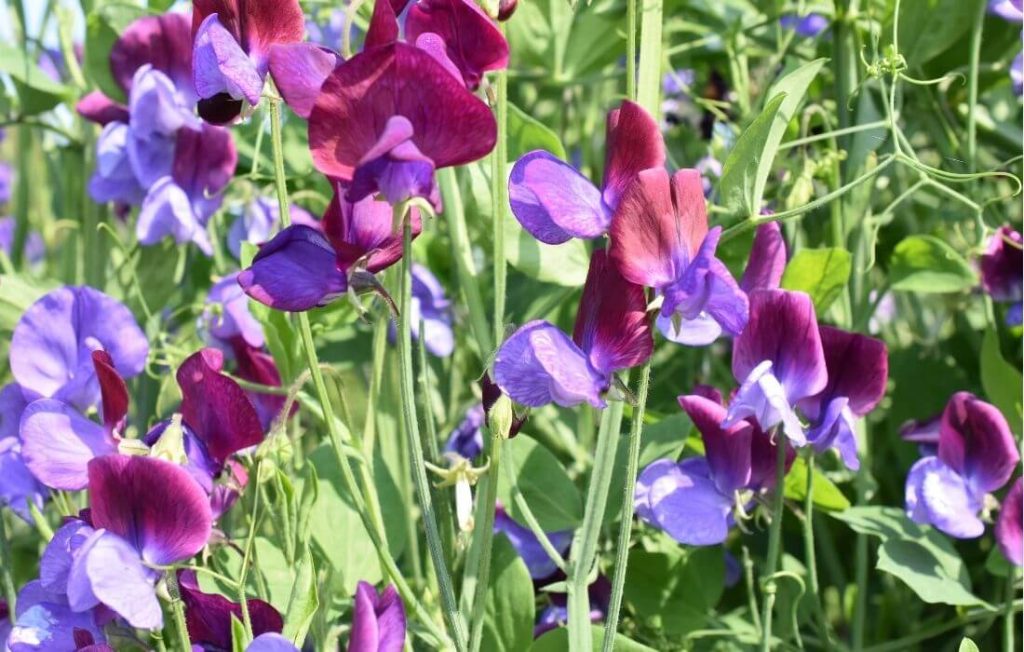
Sweet peas are native to the Mediterranean and famous for their fragrant flowers with multiple shades often blending pinks, purples, and whites.
- USDA Hardiness Zones: 7-10
- Bloom Time: Spring to Early Summer
- Water Needs: Moderate
- Sun Requirements: Full Sun
- Soil Type: Well-drained
- Maximum Height: 3-6 feet (vine)
- Colors Available: Pink, purple, white, multi-color
50. Verbena (Verbena hybrida)
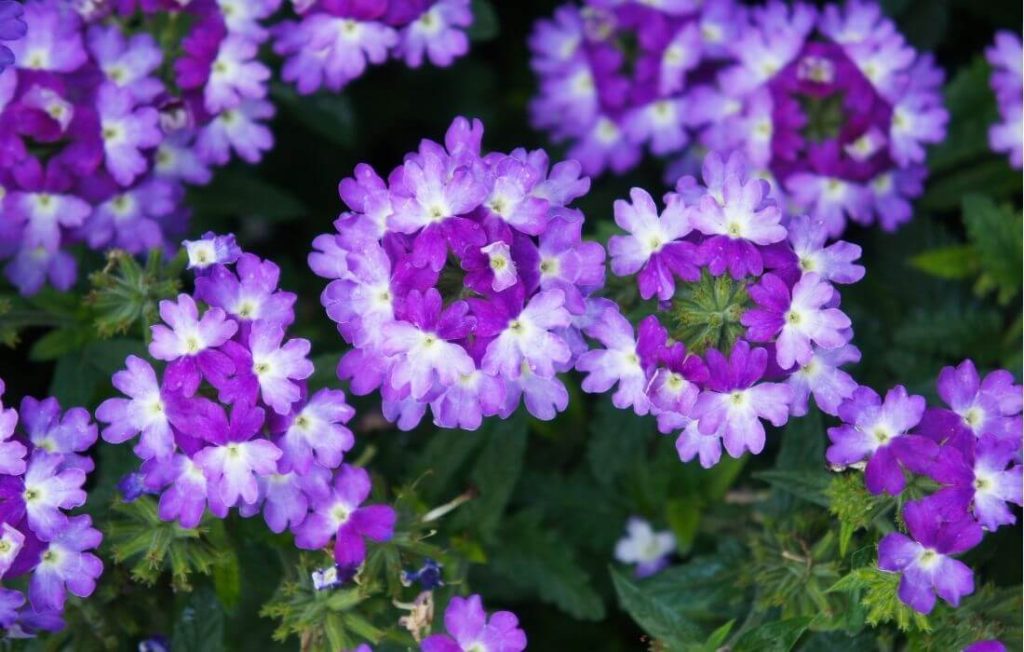
Verbena is native to the Americas and produces clusters of small flowers often with striped or multi-colored petals. It is excellent for ground cover and containers.
- USDA Hardiness Zones: 7-11
- Bloom Time: Summer to Fall
- Water Needs: Low to Moderate
- Sun Requirements: Full Sun
- Soil Type: Well-drained
- Maximum Height: 6-12 inches
- Colors Available: Purple, pink, red, white, bi-color
How to Choose Colorful Flowers for Your Garden
Choosing the right colorful flowers depends on your garden style and climate. Matching flower colors to your existing landscape helps create a cohesive look. Planning your garden with seasonal blooms in mind ensures continuous color throughout the year.
Consider the growing conditions such as soil type, sunlight, and water availability. Some flowers thrive in full sun while others prefer partial shade. Mixing flowers with different color patterns can add harmony and balance to your garden, avoiding color clashes.
Create Stunning Bouquets with Colorful Flowers
When creating bouquets, select flowers that complement each other’s colors and shapes. Pairing contrasting or analogous colors can make arrangements more striking. Proper flower care like trimming stems and changing water daily helps keep bouquets fresh longer.
Colorful flowers are popular in wedding and event designs because they add personality and vibrancy. Combining multi-colored blooms with greenery and filler flowers results in eye-catching, memorable arrangements.
Tips for Growing and Using Colorful Flowers
- Choose flowers suited to your USDA hardiness zone for best results
- Plan bloom times carefully for year-round garden color
- Multi-colored flowers attract pollinators and beneficial insects
- Combine different flower shapes and colors to create stunning bouquets
- Water and fertilize regularly to maintain vibrant flower colors
- Prune spent blooms to encourage continuous flowering
- Experiment with native and exotic colorful flower varieties to diversify your garden
Conclusion
Colorful flowers bring joy and vibrancy to gardens and bouquets alike. Their wide range of hues and patterns offers endless opportunities for creativity. Whether you want to brighten your garden or craft beautiful floral arrangements, experimenting with multi-colored flowers is a rewarding experience.
Try adding some of these 50 colorful flowers to your collection and enjoy the lasting beauty they bring.
Related Reads