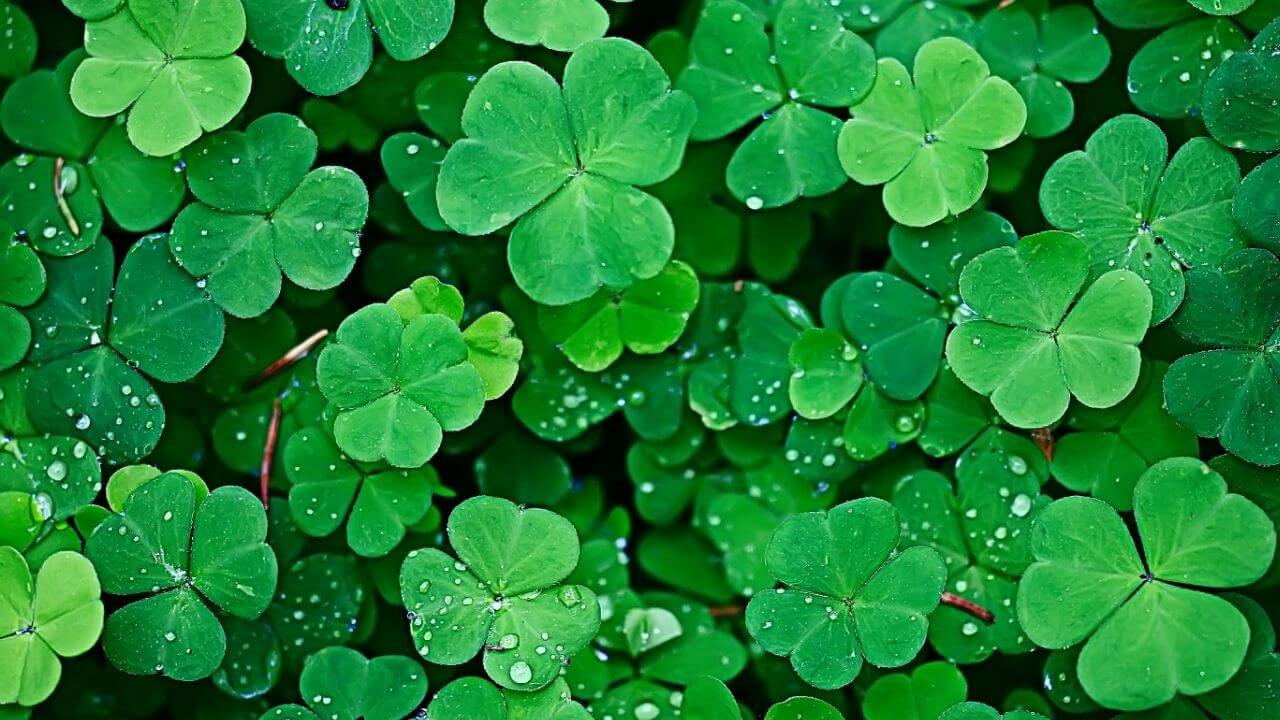

The National Flower of Ireland, the Shamrock, is one of the world’s most recognizable national symbols, representing Irish heritage, faith, and good fortune. More than just a small green plant, the Shamrock has been closely connected with Ireland’s history, culture, and traditions for centuries. Whether you’re a student, traveler, or simply curious about Irish symbols, understanding its meaning helps you appreciate the country’s rich identity. In this article, you’ll learn what the National Flower of Ireland is, its history, symbolism, interesting facts, and why it continues to hold a special place in Irish culture today.
What Is the National Flower of Ireland?
The shamrock is officially recognized as the National Flower of Ireland and is closely associated with Irish pride and nationalism. It is a young sprig of clover, traditionally featuring three heart-shaped leaves. The term “shamrock” itself comes from the Irish word “seamróg,” meaning “little clover.”
Its significance goes far beyond being a simple plant; the shamrock has become a national emblem used in official symbols, logos, and celebrations. From government seals to sports teams, the shamrock is instantly linked to Ireland, making it a powerful representation of the country and its culture.
Why the Shamrock Holds Unofficial National Status
The shamrock’s official status as Ireland’s national flower is rooted in centuries of tradition. It was widely used as a symbol of rebellion and identity during periods of British rule, becoming a subtle yet strong reminder of Irish unity and heritage.
One of the most important reasons the shamrock was adopted as the national flower lies in its association with St Patrick, Ireland’s patron saint. According to legend, St Patrick used the shamrock to explain the Christian concept of the Holy Trinity to Irish pagans, which reinforced the plant’s spiritual and cultural significance.
Today, the shamrock’s role extends beyond religion; it is a symbol of luck, resilience, and the enduring spirit of the Irish people.
Botanical Facts About the Irish National Flower
Although commonly called a flower, the shamrock is botanically a sprig of clover, which is a low-growing perennial plant in the pea family (Fabaceae). The exact species referred to as the shamrock is debated, but most botanists agree it is usually one of these three species:
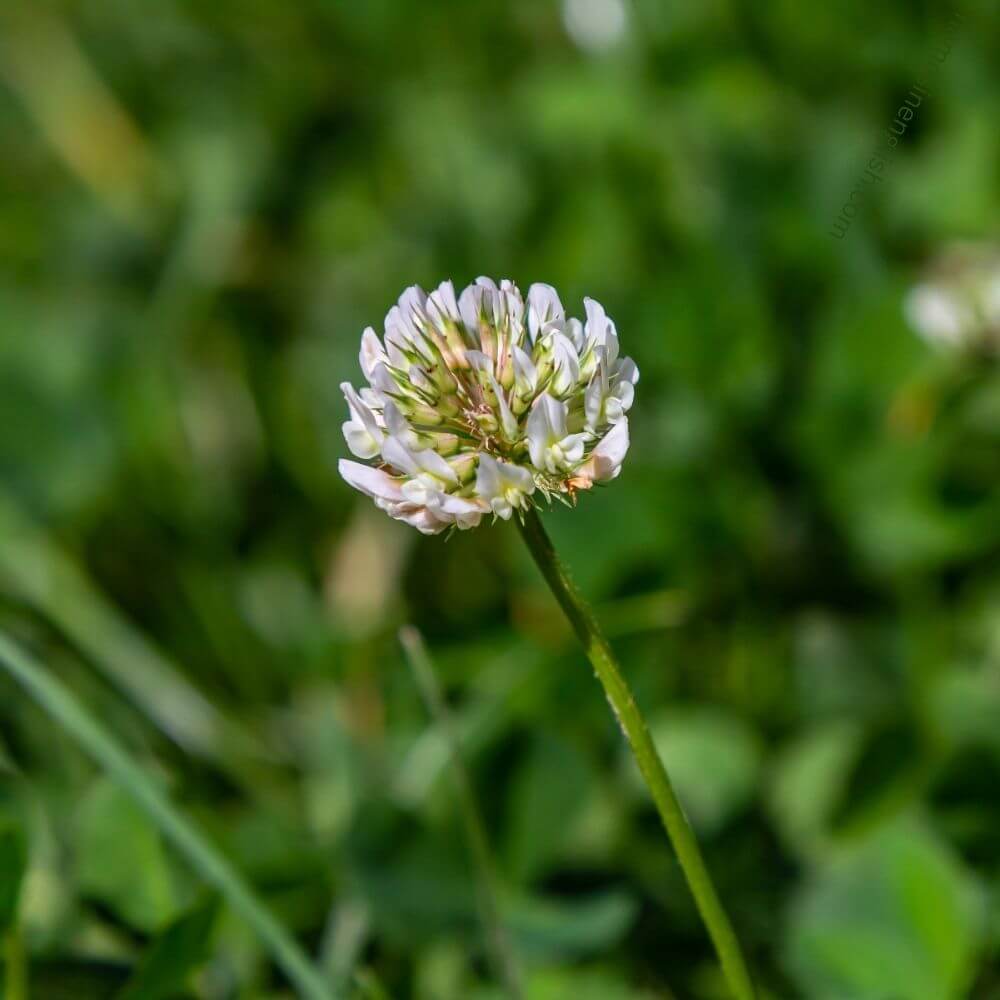
White Clover (Trifolium repens)
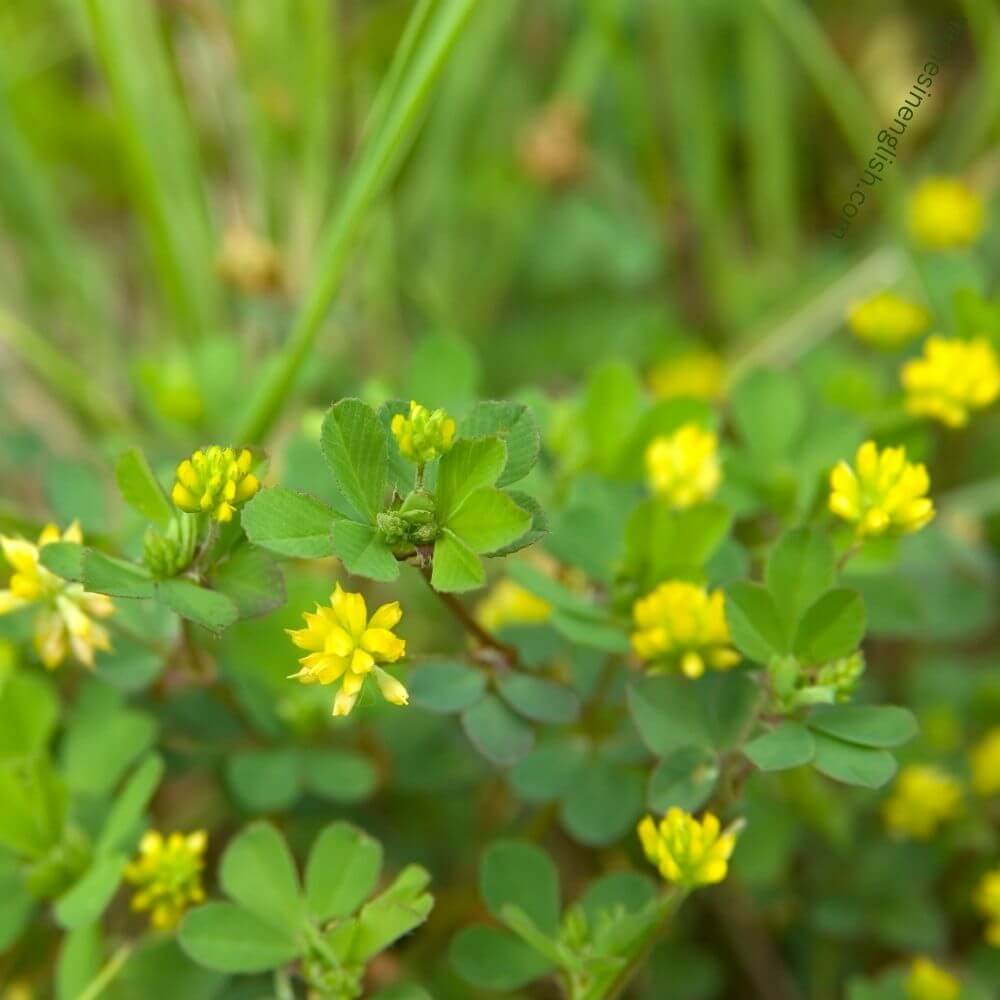
Yellow Clover (Trifolium dubium)
Red Clover (Trifolium pratense)
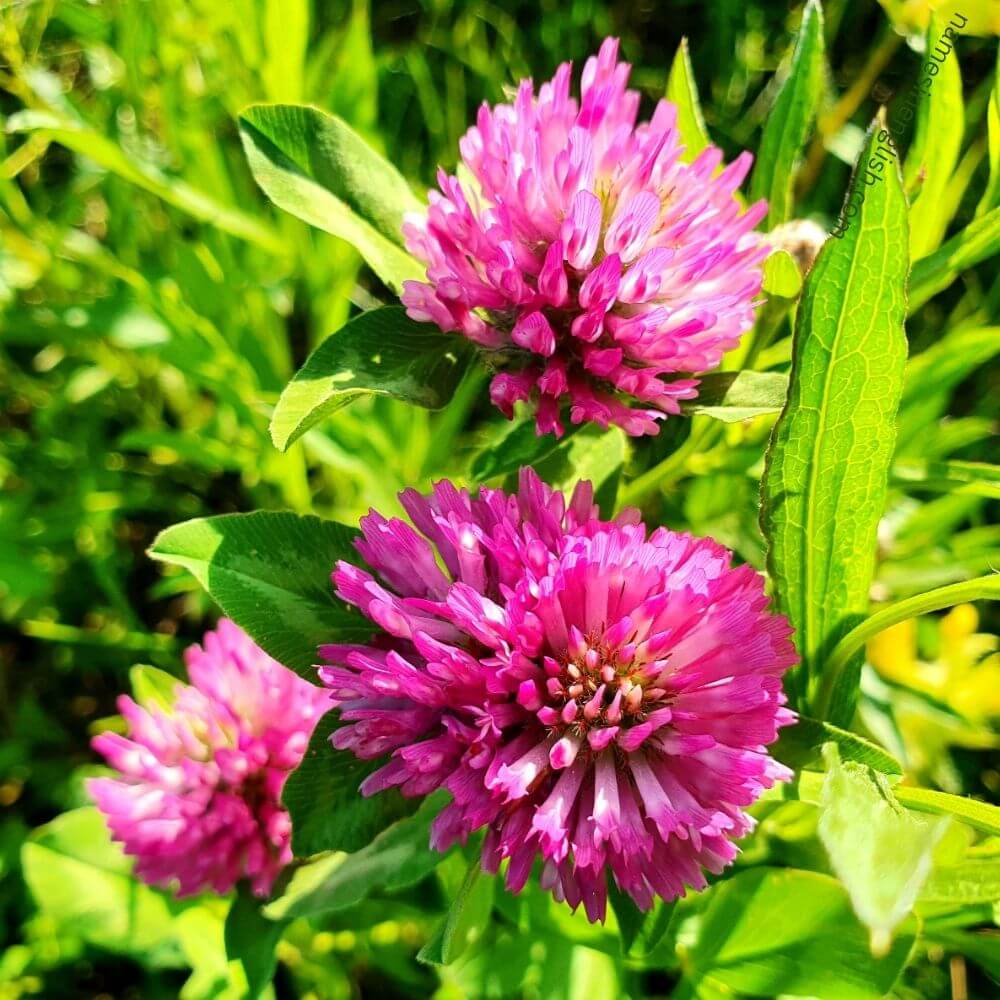
The exact species is debated, but the two main contenders are Yellow Clover (Trifolium dubium) and White Clover (Trifolium repens). While White Clover is robust and common, many Irish botanists and traditionalists consider the smaller Yellow Clover to be the ‘true’ shamrock.
The plant typically features three small, rounded leaflets, which distinguishes it from other clovers. The shamrock usually blooms small white or yellowish flowers during spring and early summer.
What Does the Shamrock Symbolize in Irish Culture?
The three leaves of the shamrock hold symbolic meaning that has been passed down through Irish folklore and tradition. The most commonly accepted interpretation is that the three leaves represent faith, hope, and love.
Beyond religious meaning, the shamrock is also seen as a representation of unity and balance within nature.
Is the Shamrock a Plant or a Symbol?
The shamrock exists as both a botanical entity and a powerful symbol. While it is a type of clover plant, its cultural and symbolic value far exceeds its physical form.
The debate over the exact species of the shamrock does not diminish its importance as a national symbol. Instead, the shamrock represents a deeper connection to Ireland’s history, culture, and values.
Botanists and historians continue to debate which exact species should be officially designated as the shamrock. This uncertainty arises because several clover species closely resemble the traditional shamrock sprig, and historical records do not clearly specify a single plant.
Some argue that White Clover is the true shamrock due to its prevalence in Ireland. Others support Yellow Clover or even lesser-known species. Despite this disagreement, the shamrock’s cultural meaning remains unaffected by its botanical ambiguity.
Ireland National Flower History
The history of the shamrock as Ireland’s national flower dates back to ancient times, though its formal recognition evolved over centuries.
In early Irish culture, clover was associated with fertility and prosperity. The plant was used in rituals and folklore well before it became linked to St Patrick. Over time, the shamrock’s association with Irish identity grew stronger, especially during periods of English rule when Irish cultural symbols were suppressed.
By the 18th and 19th centuries, the shamrock was firmly established as a symbol of Irish nationalism. It was used by Irish regiments, political groups, and cultural movements to promote Irish pride. The shamrock’s widespread use in literature, art, and political propaganda cemented its status as the national flower.
Why the Shamrock Became a Global Icon of Ireland
Irish emigrants carried the shamrock symbol wherever they traveled, especially during the mass migrations of the 19th and early 20th centuries. It became a recognizable emblem among Irish communities abroad, fostering a shared identity far from home.
Today, the shamrock is synonymous with Ireland worldwide. It is used by global brands, tourism campaigns, and cultural festivals to evoke Irish heritage and attract interest.
The shamrock’s simplicity and powerful symbolism have made it an ideal ambassador for Ireland’s culture on the global stage.
How the National Flower of Ireland Is Used Today
The shamrock is used extensively in modern Ireland in various ways:
- Tourism and Branding: The shamrock features in promotional materials to attract visitors and celebrate Irish culture.
- Jewelry and Art: Designs incorporating the shamrock are popular in traditional and contemporary Irish crafts.
- Official Symbols: The shamrock appears in government logos, sports team crests, and national celebrations.
- Cultural Events: St Patrick’s Day parades and festivals worldwide prominently feature the shamrock.
The shamrock also holds ecological value, as clover species contribute to soil health and agriculture by fixing nitrogen and supporting pollinators.
Key Takeaways About the National Flower of Ireland
- The shamrock is the National Flower of Ireland, symbolizing Irish heritage and pride.
- It is traditionally a sprig of clover, most commonly White Clover.
- The three leaves represent faith, hope, and love, and are tied to St Patrick’s Holy Trinity lesson.
- Its origins predate Christianity, with roots in Irish folklore and nationalism.
- The shamrock is both a botanical plant and a powerful cultural symbol.
- It is used globally to represent Ireland and is central to Irish tourism, branding, and celebrations.
Conclusion
The shamrock remains a timeless symbol deeply woven into the fabric of Irish culture, history, and identity. More than just a plant, it embodies the spirit of Ireland through its rich symbolism and enduring presence in national celebrations. Understanding the story behind the National Flower of Ireland offers insight into the country’s traditions and values that continue to inspire people worldwide.
Explore more about the fascinating world of flowers and their cultural meanings by checking out related articles like: