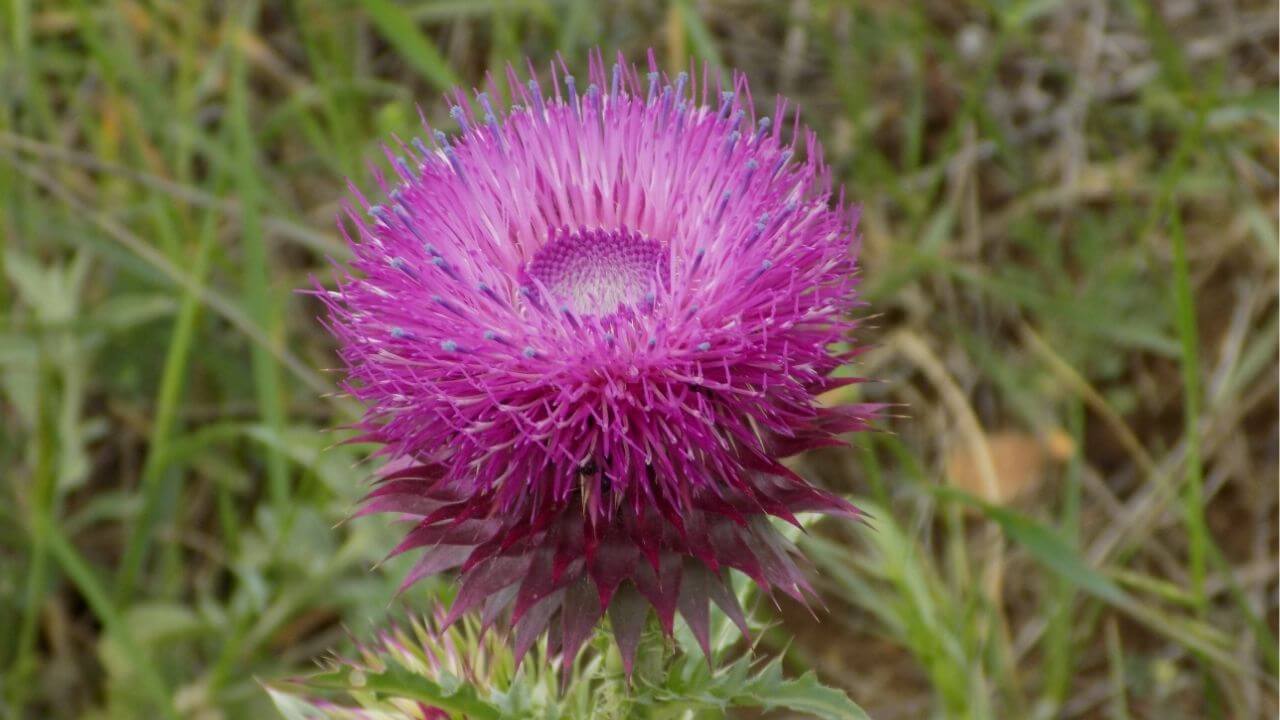

Have you ever wondered why a simple purple thistle represents an entire nation? The Scotland National Flower is the thistle, a plant that has become a powerful symbol of Scotland’s courage, resilience, and rich history. Understanding the story behind this iconic flower helps you appreciate Scotland’s culture and traditions on a deeper level. In this article, you’ll learn why the thistle was chosen as Scotland’s national flower, the fascinating legend behind its importance, its historical significance, and the meaning it still holds for the Scottish people today.
What is the Scotland National Flower
The official Scotland national flower is the thistle. This hardy plant has been associated with Scotland for centuries and has become a recognized emblem of the country. The thistle’s status as the national flower dates back to the medieval period, with some records pointing to its official use in royal badges and coins as early as the 15th century.
Although flowers like bluebell and heather are often linked to Scotland due to their abundance in the Scottish landscape, they are not recognized as the country’s official flower. The bluebell is admired for its delicate beauty and is popular in Scottish woods during spring, while heather carpets many of Scotland’s hillsides with vibrant purple hues. However, neither holds the official title.
Why is the Thistle the National Flower of Scotland
The thistle became Scotland’s national flower partly because of a legend dating back to a Norse invasion. According to this story, invading Norse soldiers attempted a surprise attack on a Scottish army camp at night. One of the invaders stepped on a thistle, causing him to cry out in pain and alerting the Scots to the danger. This allowed the Scots to prepare and defend their land successfully.
Beyond legend, the thistle symbolizes resilience, protection, and strength, traits deeply valued in Scottish culture. The plant’s prickly exterior serves as a natural defense, making it a fitting emblem for a nation known for its fierce independence and toughness.
Over time, the thistle was adopted into Scottish heraldry, appearing on coins, badges, and official seals. Its presence in royal insignia and military emblems solidified its position as a national symbol that represents both historical pride and cultural identity.
Botanical Facts of the Thistle
The thistle belongs to the Asteraceae family, which includes daisies and sunflowers. It is a flowering plant characterized by spiny leaves and purple or pink flowers, although some species can have white or yellow blossoms.
Several species of thistle grow in Scotland, with the Cotton Thistle (Onopordum acanthium) and the Spear Thistle (Cirsium vulgare) being among the most common. Thistles typically thrive in well-drained soils and open areas such as meadows and roadside verges.
Their robust nature and ability to grow in various environments make thistles a resilient part of Scotland’s natural flora.
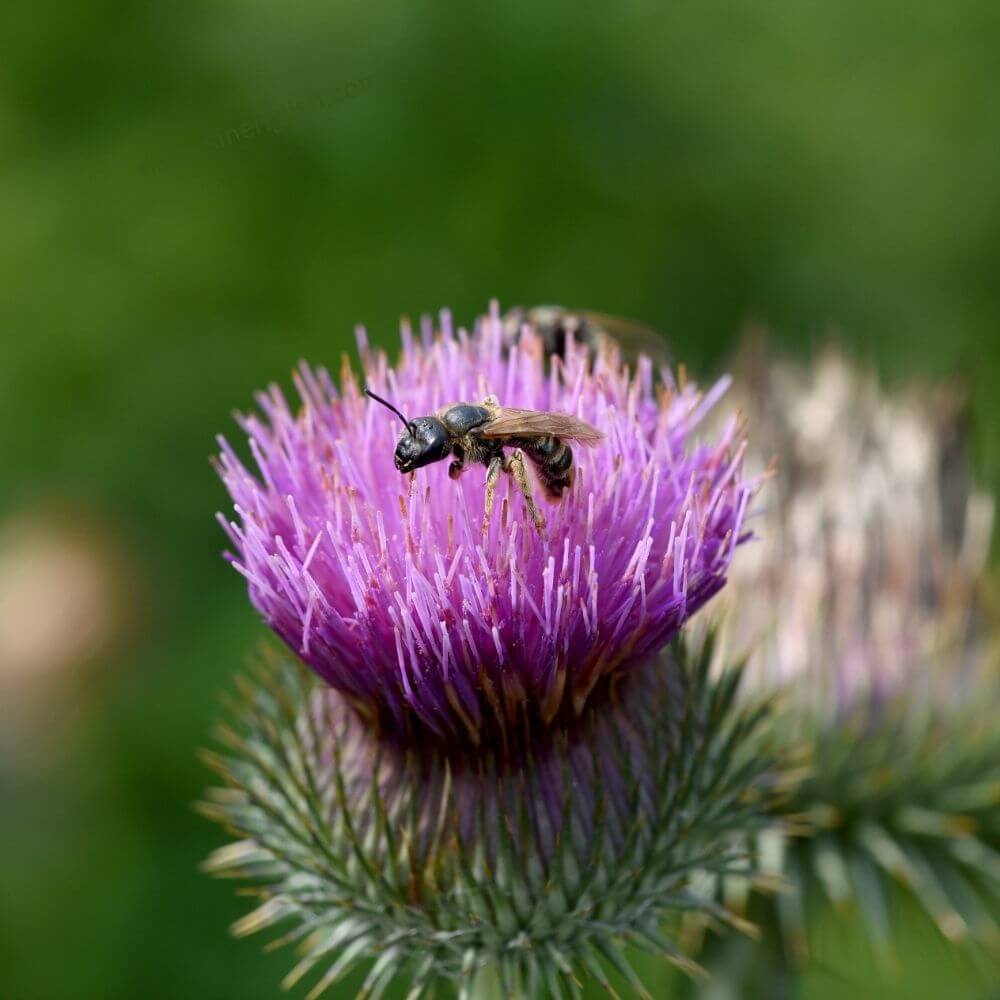
How Can You Grow Thistle Flowers
Growing thistles can be straightforward if you follow a few guidelines:
- Soil: Prefer well-drained soil but can tolerate poor soils. Avoid overly rich or waterlogged areas.
- Sunlight: Thistles require full sun to grow best. They need at least six hours of direct sunlight per day.
- Watering: Moderate watering is sufficient. Thistles are drought-tolerant once established but do not like overly wet soil.
- Maintenance: Thistles can spread easily; if growing in a garden, monitor their growth to prevent them from becoming invasive. Pruning after flowering helps maintain shape.
These hardy plants add a unique texture and color to wildflower gardens and can be a conversation starter about Scotland’s heritage.
Common Questions About Scotland’s National Flower
Is Heather the National Flower of Scotland?
Heather is often thought to be Scotland’s national flower because of its striking purple blooms covering many Scottish moors. However, heather is not the official national flower. The key difference is that the thistle holds official recognition and has a strong historical and symbolic connection to Scotland’s identity, whereas heather is simply a native plant common in the region.
What About the Bluebell?
The bluebell is another flower closely associated with Scotland’s natural beauty. Known for its vibrant blue-purple bell-shaped flowers, bluebells are common in Scottish woodlands during spring. Despite its popularity, the bluebell is not Scotland’s national flower. It often appears in nature guides and gardening books under “Scotland national flower bluebell,” but this is a misconception rather than an official status.
How Does Scotland’s National Flower Compare to Other UK Flowers?
Scotland’s thistle stands alongside other UK national flowers such as the rose for England, the daffodil for Wales, and the shamrock for Northern Ireland. Each flower reflects unique cultural and historical values of its nation. The thistle’s symbolism of protection and resilience complements these other emblems, emphasizing Scotland’s distinct national character within the United Kingdom.
Key Takeaways
- The official national flower of Scotland is the thistle.
- The thistle’s legend as a defender against invaders symbolizes resilience and protection.
- It holds significant cultural importance, appearing in Scottish heraldry and symbols.
- Common confusion exists with heather and bluebell, which are popular but unofficial.
- The thistle’s status places it firmly among the UK’s respected national flowers.
Conclusion
The thistle remains a powerful symbol of Scotland’s heritage and identity. More than just a plant, it embodies the strength and spirit that have shaped the nation’s history. Recognizing the thistle as the national flower of Scotland helps appreciate the deep cultural roots behind this emblem and the pride it inspires across Scotland and beyond.
If you enjoy exploring the history and symbolism behind national flower of scotland, you’re welcome to read more of our flower guides and discover how plants shape cultures around the world.
Related Reads