
Flowers that start with the letter G offer an impressive variety of colors, shapes, and garden-friendly choices. From graceful blossoms to bold, eye-catching blooms, Brilliant Flowers That Start With G are perfect for gardeners, flower lovers, and anyone exploring plants alphabetically. In this guide, you’ll learn beautiful G flowers, learn about their unique characteristics, growing conditions, and interesting facts, making it easy to find the perfect flowers for your garden or floral collection.
Flowers That Start With G
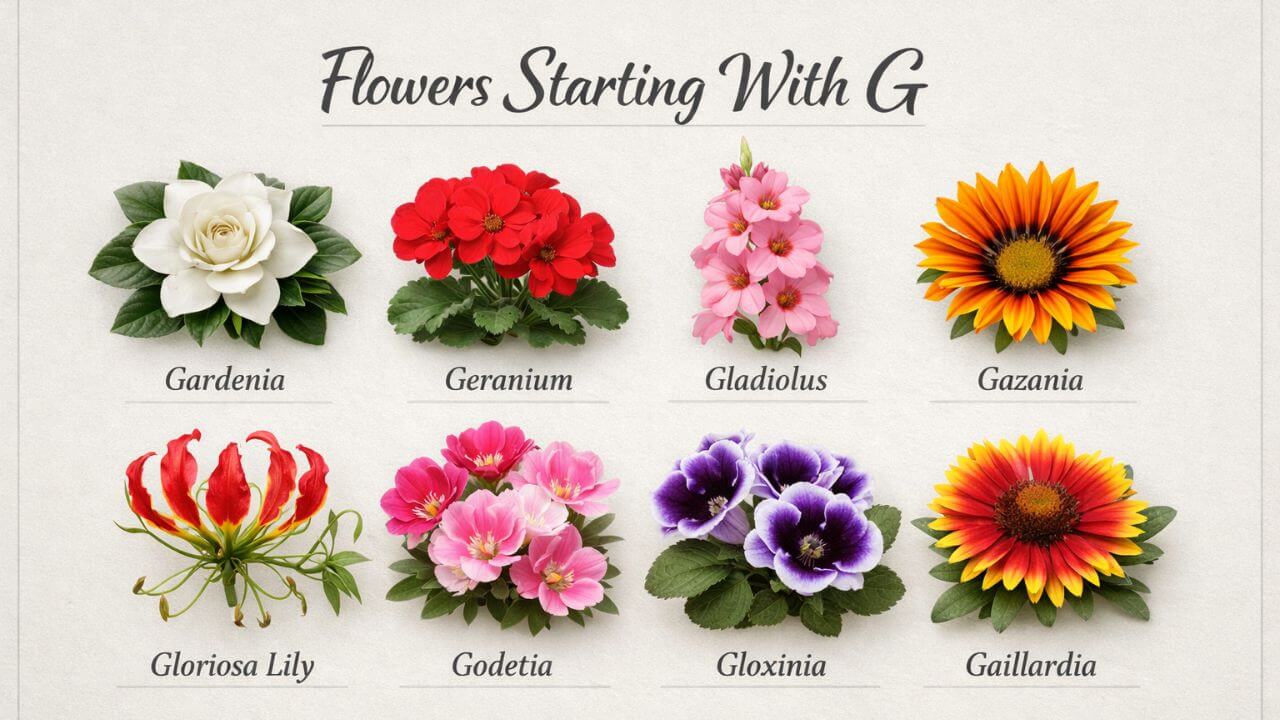
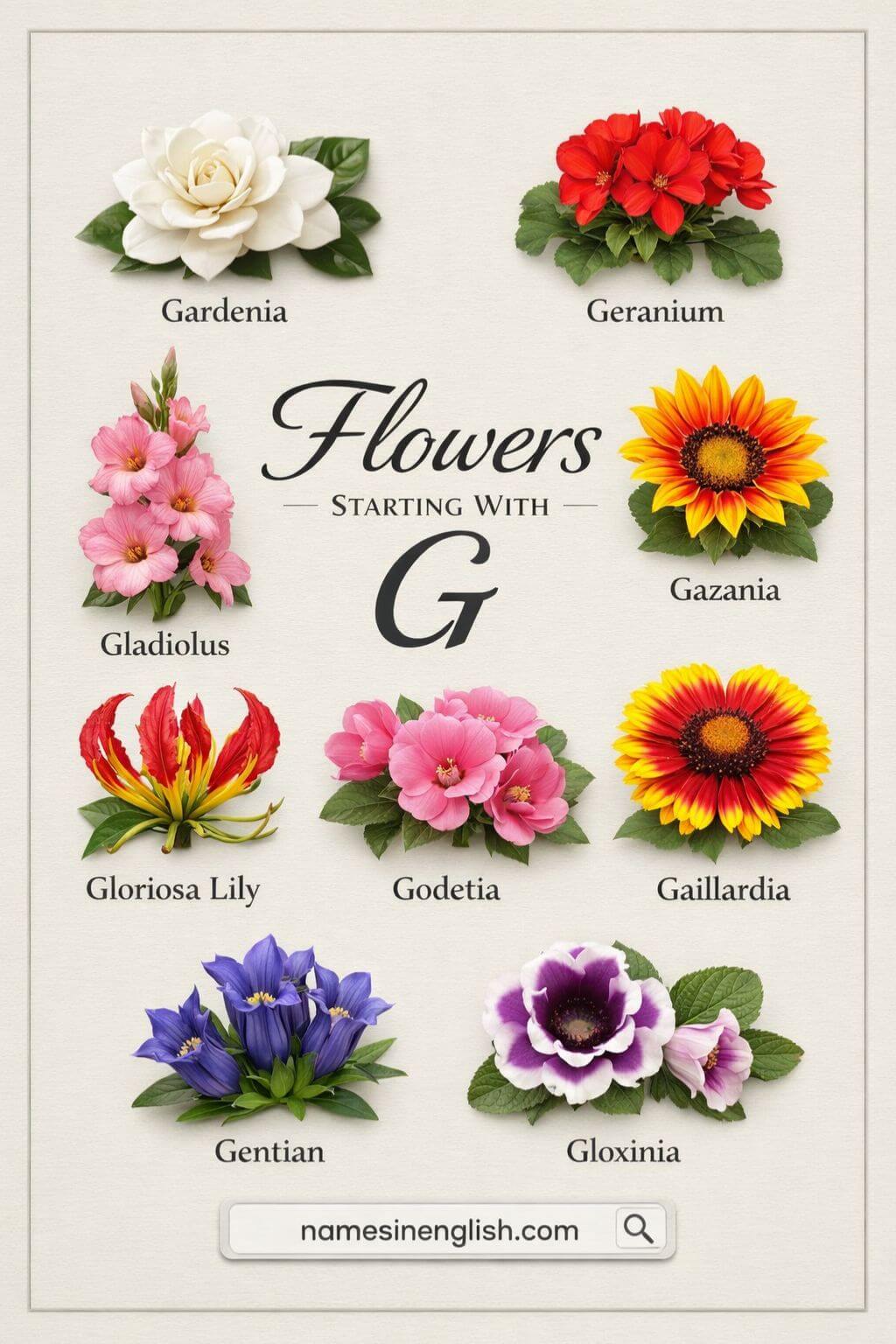
These are the standout G flowers most often searched and loved for their appearance:
- Gardenia
- Geranium
- Gladiolus
- Gazania
- Gloriosa Lily
- Godetia
- Gloxinia
- Gaillardia
- Gentian
- Gypsophila
These flowers are popular because they offer either strong fragrance, unusual petal shapes, rich color saturation, or reliable bloom performance. Many also appear frequently for flowers that start with G pictures due to their visual appeal.
Why G Flowers Feel So Visually Strong
When you look closely at flowers that start with G, a clear pattern appears. Many of them have features that remain noticeable even from a distance. Thick petals, strong central markings, and saturated colors are common across this group, which helps these flowers stand out in gardens, photographs, and floral arrangements.
This visual strength is not accidental. The Royal Horticultural Society explains that many pollinating insects are naturally drawn to bright, high-contrast flowers because they are easier to spot while searching for nectar and pollen. Plants with clear color signals tend to receive more visits, which reinforces why bold-looking flowers often succeed both biologically and visually.
Source: rhs.org.uk
That same visibility translates well to human spaces. Flowers that attract pollinators also tend to photograph clearly and hold their shape in decorative settings. Many G flowers fall into this category, which helps explain their popularity in gardens, weddings, and styled interiors.
There is also a balance factor at play. G flowers often look natural rather than overly shaped, yet they still feel intentional. This middle ground between wild growth and controlled form makes them easy to use in both aesthetic styling and practical home gardens without looking out of place.
Growth & Care Guide: The G Collection
| Flower | Type | Light Needs | Bloom Season | Hardy Zones | Best Use |
| Gardenia | Shrub | Partial Shade | Spring – Summer | 7–11 | Fragrant entryways |
| Geranium | Perennial/Annual | Full Sun | Spring – Frost | 10–11 (or annual) | Window boxes & pots |
| Gladiolus | Corm (Bulb) | Full Sun | Summer | 7–10 | Tall vertical accents |
| Gazania | Perennial | Full Sun | Summer – Fall | 9–11 | Groundcover/Rockeries |
| Gloriosa Lily | Climber | Full Sun – Part Shade | Summer | 8–11 | Trellises & fences |
| Godetia | Annual | Full Sun – Part Shade | Early Summer | All | Cottage garden borders |
| Gloxinia | Houseplant | Indirect Light | Varies (Indoor) | N/A (Indoor) | Tabletops & desks |
| Gaillardia | Perennial | Full Sun | Summer – Fall | 3–10 | Wildflower meadows |
| Gentian | Perennial | Partial Shade | Late Summer | 4–7 | Alpine/Rock gardens |
| Gypsophila | Perennial/Annual | Full Sun | Summer | 3–9 | Filler for cut bouquets |
Brilliant Flowers That Start With G
Gardenia
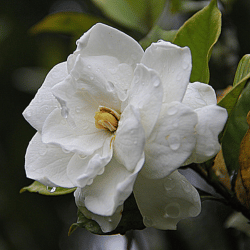
Gardenia is a white flowering plant known for its thick petals and strong fragrance. The flowers are usually medium to large and grow well on evergreen shrubs. It is commonly used in weddings and formal floral arrangements due to its clean appearance. Gardenia performs best in warm climates with controlled moisture.
Key points
- Strong natural fragrance
- White flowers with thick petals
- Popular in wedding decor and indoor styling
Geranium
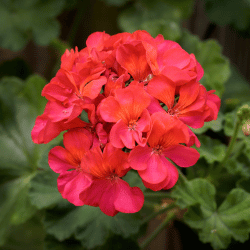
Geranium is a widely grown flowering plant valued for its long blooming season. The flowers appear in clusters and come in pink, red, white, and coral shades. Geraniums grow well in pots, balconies, and small gardens. They respond well to pruning and bloom again quickly.
Gladiolus
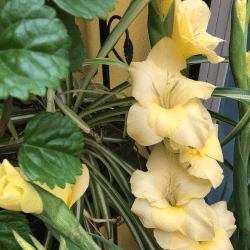
Gladiolus produces tall flower spikes with multiple blooms arranged along the stem. It is commonly grown as a cut flower because of its size and straight growth. The plant blooms in many colors and is widely used in floral displays. Gladiolus grows best when planted in groups rather than single rows.
Why it gets special attention
- Tall, upright flower spikes
- Long vase life as a cut flower
- Widely traded in the global flower market
Gazania
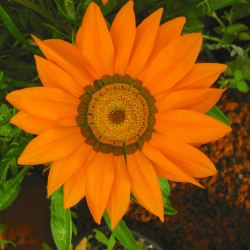
Gazania is a low-growing flowering plant that prefers full sunlight. The flowers open during the day and close at night. Petals often show strong color contrast, especially in yellow, orange, and red shades. Gazania is well suited for dry areas and requires minimal care.
Gloriosa Lily
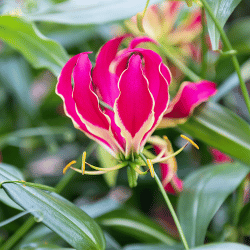
Gloriosa Lily is a climbing plant with narrow, curved petals that bend backward as the flower opens. It is often grown as an ornamental plant rather than a traditional garden flower. Despite its name, it is not a true lily. Support is needed for proper growth.
Notable traits
- Climbing growth habit
- Curved, backward-facing petals
Godetia
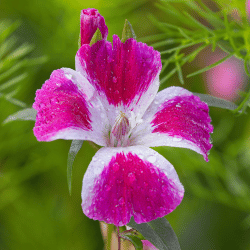
Godetia is an annual flowering plant with soft, cup-shaped blooms. Flowers usually appear in pink, rose, and lavender tones. It grows well in cool climates and prefers well-drained soil. Godetia is commonly used in cottage-style gardens.
Gloxinia
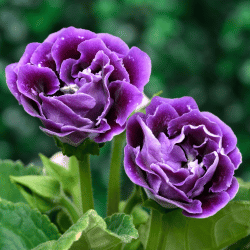
Gloxinia is mainly grown as a houseplant due to its sensitivity to outdoor conditions. The flowers are large and bell-shaped with deep colors, including purple and red. Leaves are thick and soft to the touch. It prefers indirect light and controlled watering.
Indoor care basics
- Bright but indirect sunlight
- Even moisture without waterlogging
- Performs best in humid indoor environments
Gaillardia
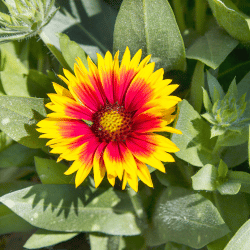
Gaillardia, also called blanket flower, is a hardy plant known for its long flowering period. The flowers usually show red centers with yellow edges. It tolerates heat and dry soil very well. Gaillardia is commonly planted in wildflower gardens.
Why gardeners choose it
- Drought tolerant
- Long blooming season
- Attracts bees and butterflies
Gentian
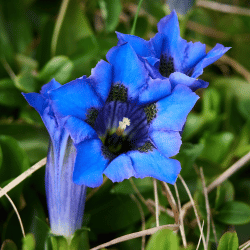
Gentian is known for its deep blue flowers, which are uncommon in many flowering plants. It grows naturally in cooler regions and prefers well-drained soil. Blooming periods are short, but the color is very striking. Gentian is often grown for collectors rather than mass planting.
Gypsophila
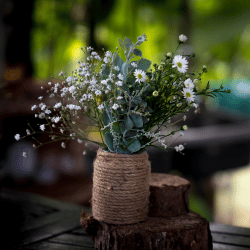
Gypsophila produces small white flowers on thin branching stems. It is widely used as a filler plant in bouquets and floral arrangements. The plant adds volume without drawing attention away from main flowers. Gypsophila can also be grown easily in home gardens.
Common uses
- Wedding and event arrangements
- Softening bold floral designs
Why Subtle G Flowers Outperform Flashy Ones
Most of us focus on dramatic blooms. What they miss is how often subtle G flowers create stronger long-term impact.
Gardenia foliage, gypsophila texture, and geranium mass planting often photograph better over time than single dramatic flowers.
The lesson is simple. Visual success is not about shock. It is about consistency and harmony.
For home gardeners, this means mixing one statement G flower with two quieter companions. For decorators, it means letting texture do part of the work.
Practical Styling Examples
- Wedding palettes pairing gardenia with gypsophila for contrast
- Balcony gardens combining geraniums and gazania for nonstop color
- Cottage borders mixing godetia with grasses
- Indoor corners styled with gloxinia against neutral walls
These combinations show how flowers that start with G adapt across styles and spaces.
FAQs About Flowers That Start With G
What are the most popular G flowers?
The most popular flowers starting with G are Gerbera Daisies, Gardenias, Geraniums, Gladiolus, and Gypsophila (commonly known as Baby’s Breath).
What kind of daisy flowers start with G?
The Gerbera Daisy is the most famous, known for its large, vibrant blooms. Other 'G' daisies include the Gazania (Treasure Flower), which closes at night, and the Gaillardia (Blanket Flower), which features fiery red and yellow petals.
What flower starts with G?
There are many options including the Globe Thistle, Goldenrod, Gaura, Gloriosa Lily, and Grape Hyacinth (Muscari).
How do you care for G flowers?
Care varies by species: Gardenias need acidic soil and high humidity; Gerbera Daisies require full sun and well-drained soil to avoid root rot; while Gladiolus corms should be planted in spring and may need staking for support.
What are the tall white flowers that start with G?
The most common tall white G-flowers are 'White Prosperity' Gladiolus, which grow on long spikes, and the Giant Fleeceflower (Persicaria polymorpha), which produces massive, frothy white plumes reaching up to 6 feet.
Why is the Gaillardia called the 'Blanket Flower'?
It is called the Blanket Flower because its vibrant red, orange, and yellow patterns resemble the traditional woven blankets made by Native Americans. It is a hardy wildflower that 'blankets' the ground in color.
What is the Gingham or Ginger Lily?
The Ginger Lily (Hedychium) is a tropical perennial known for its butterfly-shaped flowers and intense spicy-sweet fragrance. It is often used in perfumes and thrives in warm, moist environments.
Final Thoughts About Flowers Starting With G
Beautiful flowers that start with G offer far more than a letter-based list. They bring structure, color depth, fragrance, and emotional tone into gardens and living spaces.
If you are building a visual theme, start by choosing one G flower that speaks to you. Then support it with plants that let it shine.
For more curated flower guides, visual inspiration, and practical growing advice, explore the rest of the site and keep building a space that feels intentional and alive.