
Flowers whose names begin with the letter Z may be few, but they are full of beauty, color, and interesting stories. Flower Names That Start With Z are perfect for expanding your plant knowledge, improving your English vocabulary, or finding unique flowers for gardening and floral projects. In this article, you’ll learn a collection of Flower Names That Start With Z, along with their pictures, key features, and interesting facts. Whether you’re a student, gardener, or flower enthusiast, this guide will help you explore some of the most stunning Z flowers in a simple and enjoyable way.
Table of Contents
ToggleWhy Z Flowers Feel Rare
Z flowers feel uncommon because most lists repeat the same few names. In reality, many legitimate Z plant genera exist but rarely appear in mainstream gardening culture.
That gap reflects a wider issue. A 2024 plant diversity study by the Royal Botanic Gardens, Kew found that large areas of global plant diversity remain underdocumented and underrepresented in cultivation, showing how easily entire plant groups fall outside everyday horticultural attention. Source: kew.org
As gardeners favor familiar species, Z-letter flowers stay overlooked. For designers, collectors, and educators, that underuse becomes an advantage. Z flowers stand out naturally in alphabet gardens, curated collections, and creative naming projects.
That rarity is practical, not accidental.
Flower Names That Start With Z
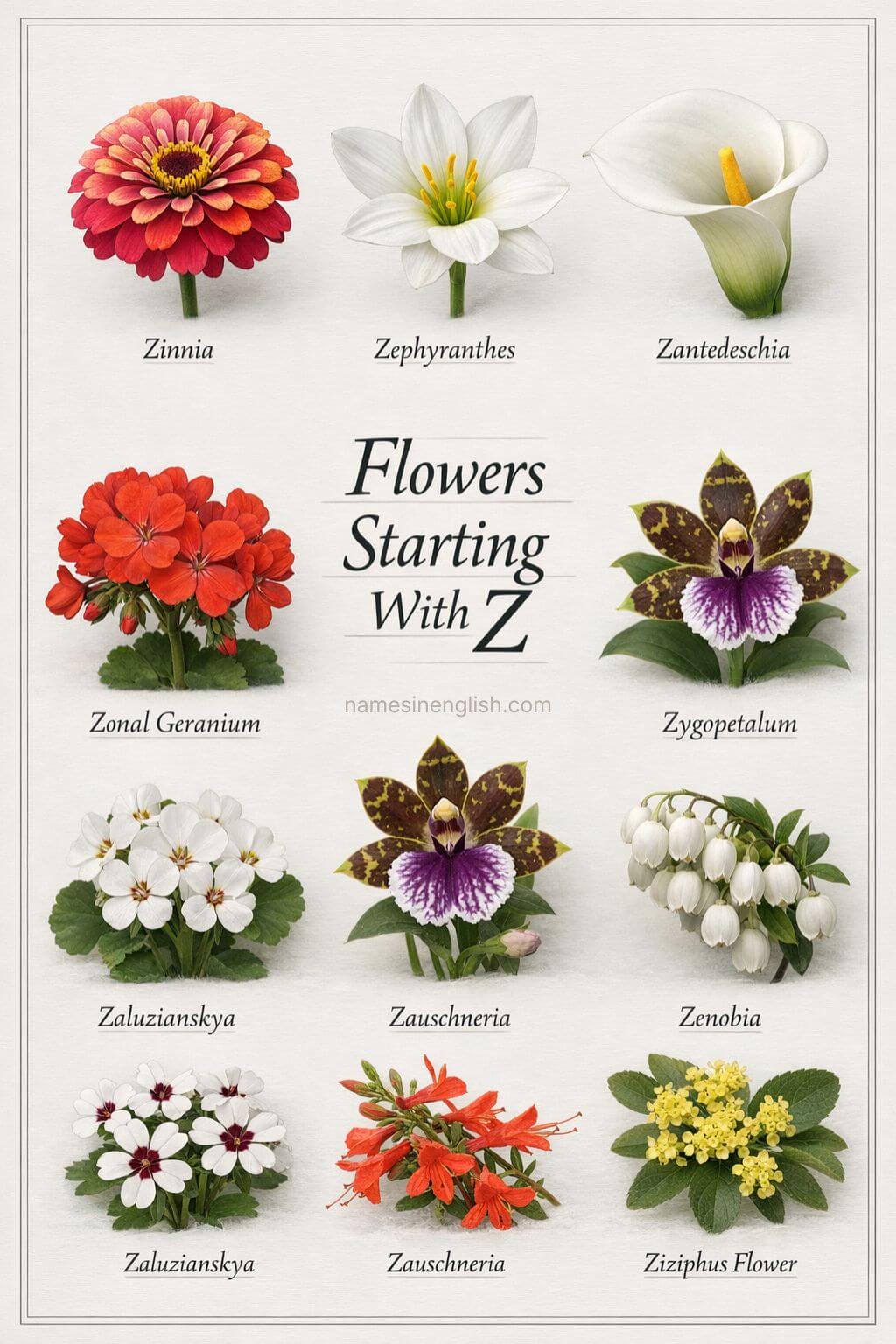
If you’re here for a fast answer, here are 9 flower names that start with Z:
- Zinnia
- Zephyranthes
- Zantedeschia
- Zonal Geranium
- Zygopetalum
- Zenobia
- Zaluzianskya
- Zauschneria
- Ziziphus Flower
Each one is explored in detail below, including growth habits, visual appeal, and why it deserves attention.
Stunning Flower Names Starting With Z
Zinnia (Zinnia elegans)
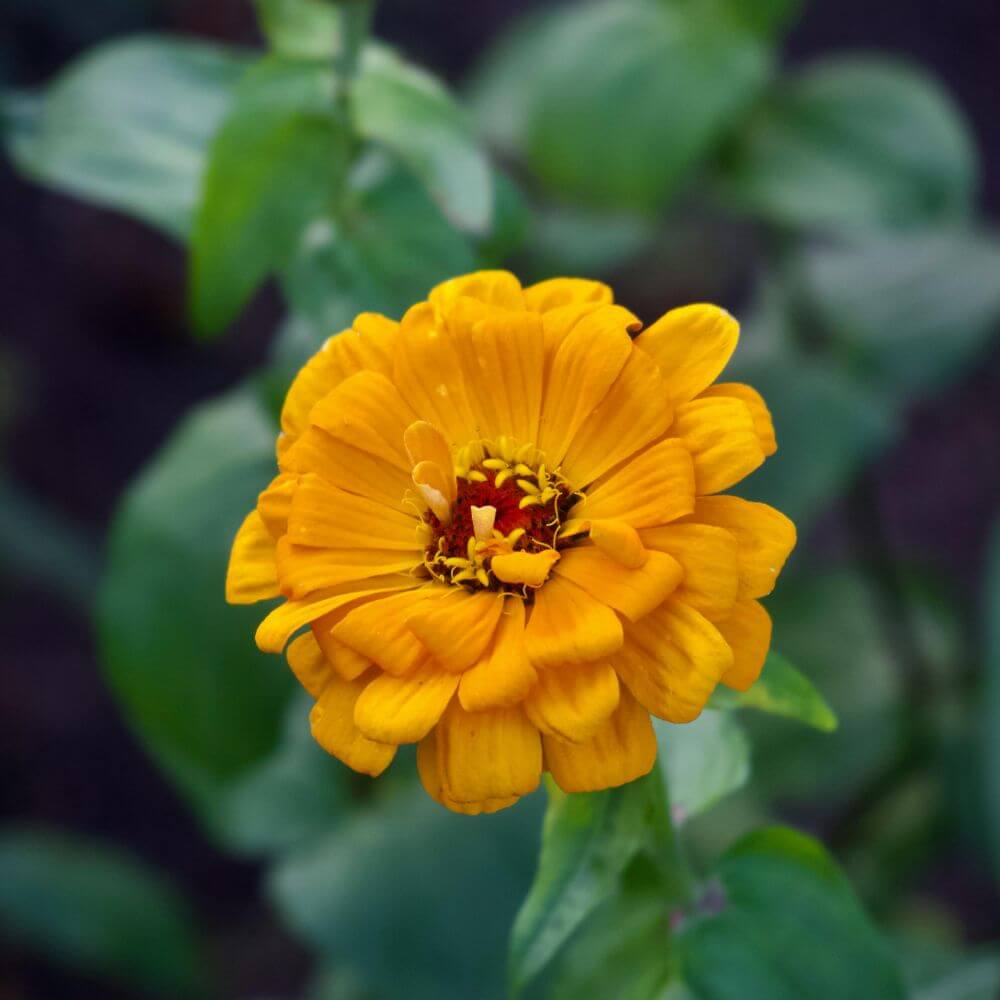
Zinnias are often underestimated because they’re easy to grow. That’s a mistake.
Native to Mexico, zinnias are now a global favorite thanks to their bold color range and long bloom season. They thrive in full sun and handle heat better than many ornamental flowers.
Why I personally recommend zinnias for creative planners is their reliability. If a project needs consistent color or predictable flowering, zinnias deliver without drama.
Key traits
- Annual flower
- Excellent for pollinators
- Wide color spectrum
- Beginner-friendly
They also photograph beautifully, which explains why they’re frequently used in floral branding and digital design projects.
Zephyranthes (Rain Lily)
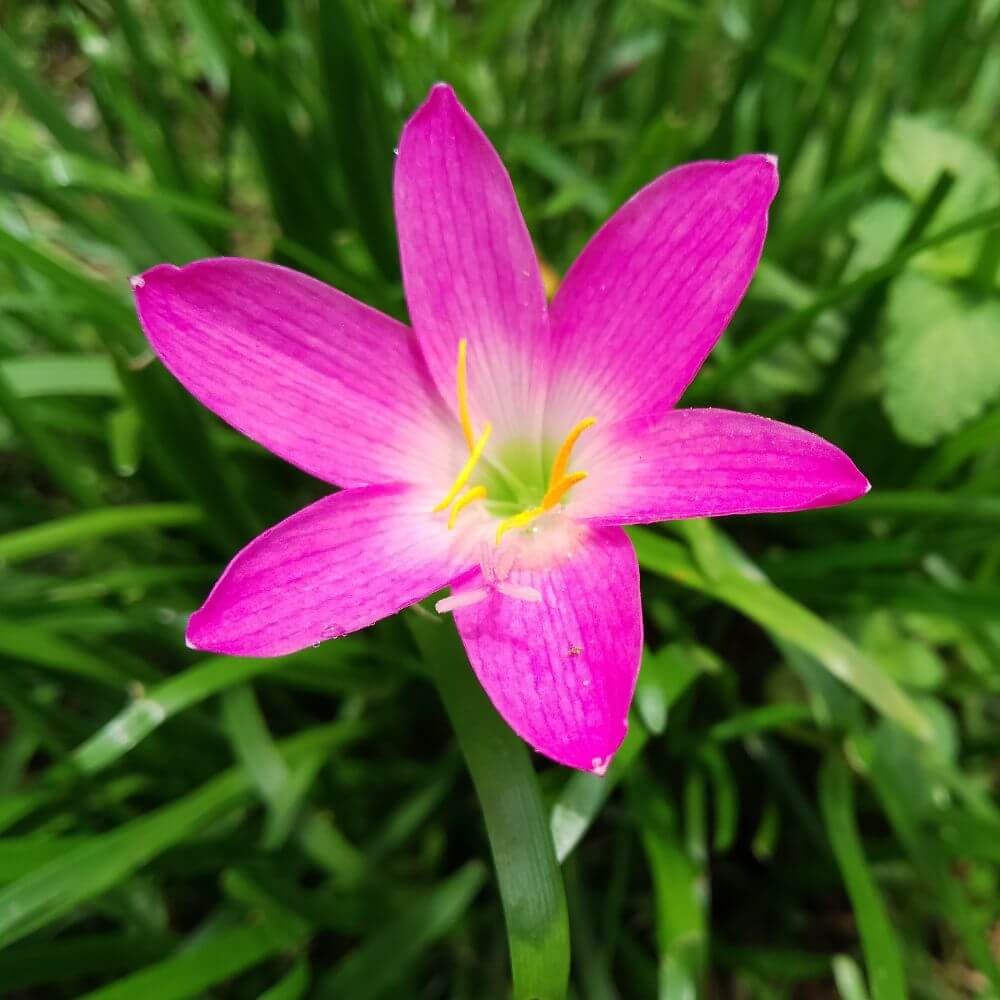
Zephyranthes blooms feel almost magical. After rainfall, the flowers appear suddenly, often overnight. That’s why they’re commonly called rain lilies.
These delicate blooms come from the Amaryllis family and are surprisingly resilient once established. Many varieties return yearly, making them a quiet favorite among collectors.
Why plant parents love them
- Low maintenance
- Perennial in warm climates
- Compact size for containers
- Ideal for subtle garden surprises
Zephyranthes are especially appealing if you enjoy plants that don’t constantly demand attention but still reward patience.
Zantedeschia (Calla Lily)
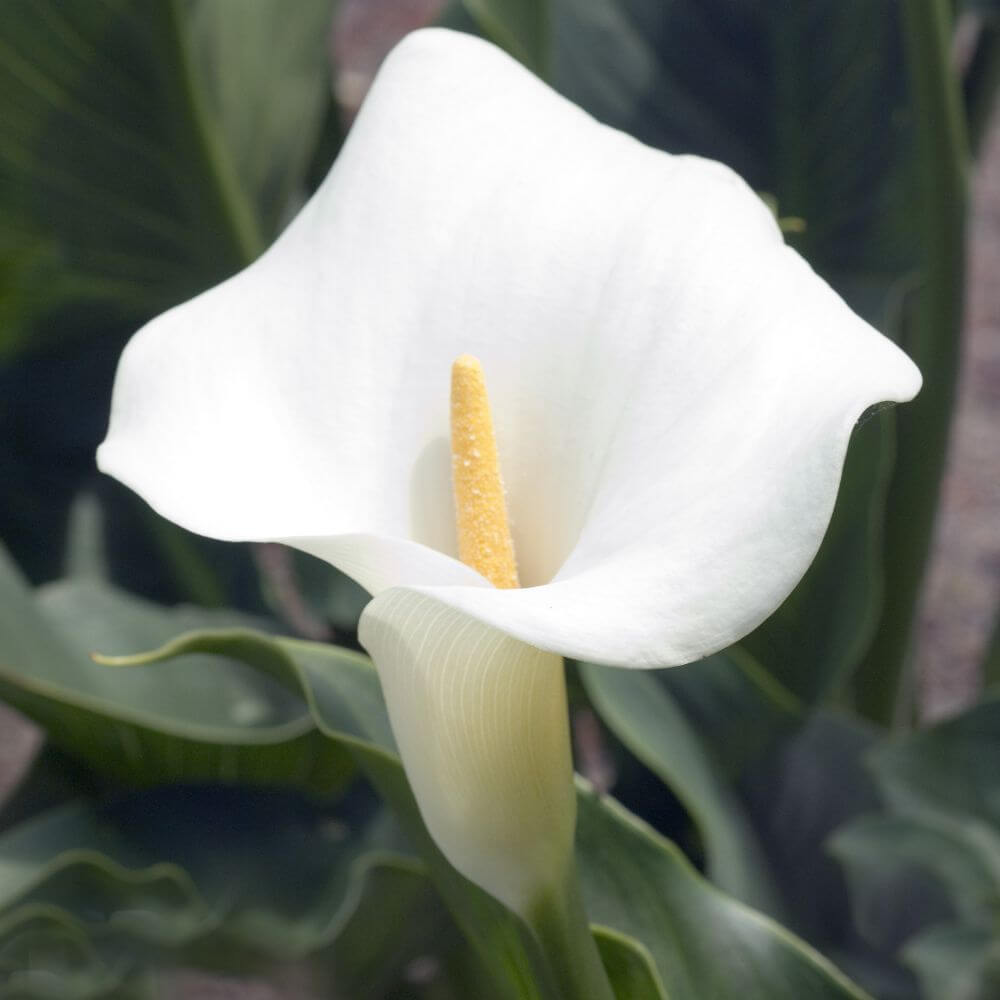
Zantedeschia is the botanical name for calla lilies, and yes, they count.
These sculptural flowers are associated with elegance, weddings, and modern floral design. Native to southern Africa, they thrive in well-drained soil and partial sun.
For indoor plant lovers, this is one of the more achievable Z options when given bright light and proper watering.
Notable uses
- Indoor decorative plant
- Event and bouquet staple
- Minimalist garden designs
Their clean lines and muted colors make them especially popular in contemporary aesthetics.
Zonal Geranium (Pelargonium)
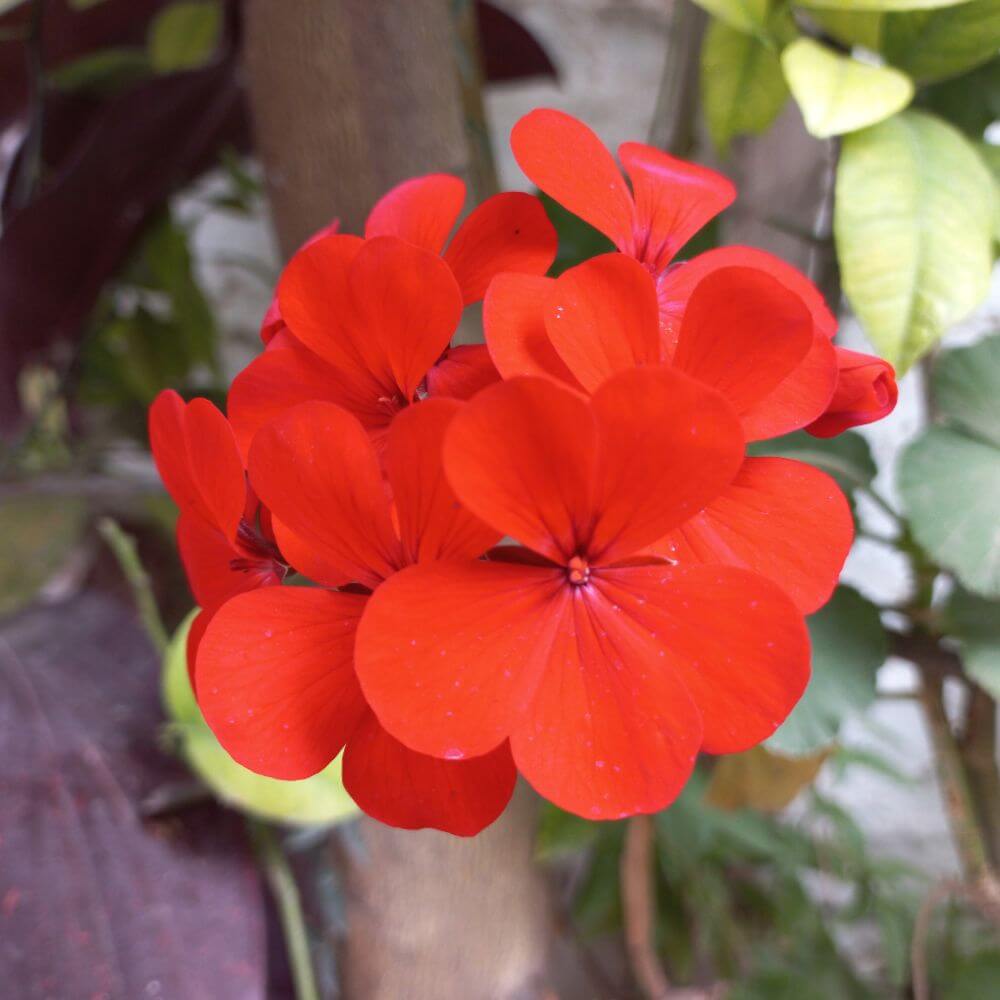
Zonal geraniums earn their name from the dark band on their leaves. They’re common in window boxes across Europe and surprisingly adaptable indoors.
While some gardeners dismiss geraniums as old-fashioned, zonal varieties offer consistent blooms and strong visual structure.
Why they still matter
- Indoor and outdoor versatility
- Long flowering season
- Easy propagation
If you’re building a curated plant collection, zonal geraniums provide structure without overwhelming the space.
Zygopetalum (Orchid)
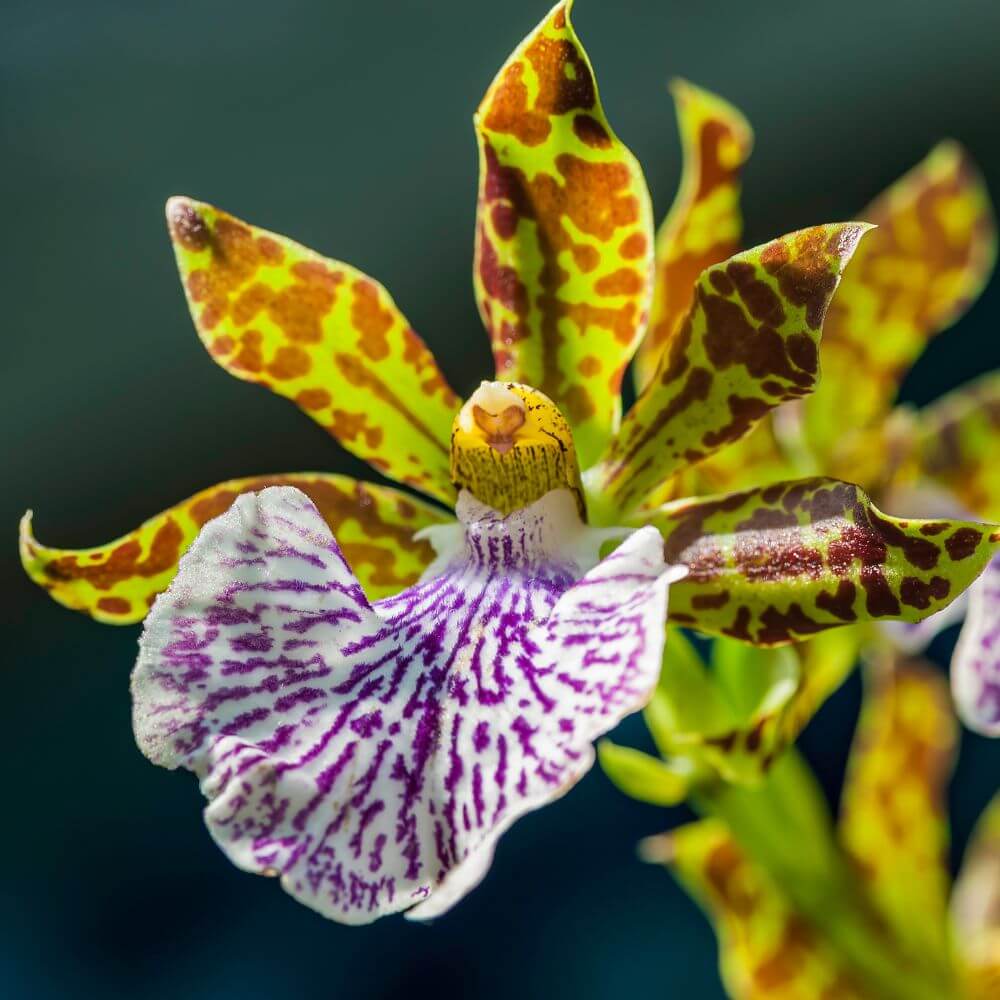
Zygopetalum orchids are for collectors who want something different but manageable.
Unlike more delicate orchid species, these tolerate cooler temperatures and lower light. Their flowers are fragrant, often combining green, purple, and blue tones.
According to Encyclopaedia Britannica, Zygopetalum is a recognized orchid genus valued for its fragrant, patterned flowers, making it a favorite among collectors and ornamental growers. Source: britannica.com
Best for
- Indoor plant collectors
- Orchid beginners looking to level up
- Fragrance-focused plant displays
They’re proof that rare doesn’t always mean difficult.
Zenobia (Zenobia pulverulenta)
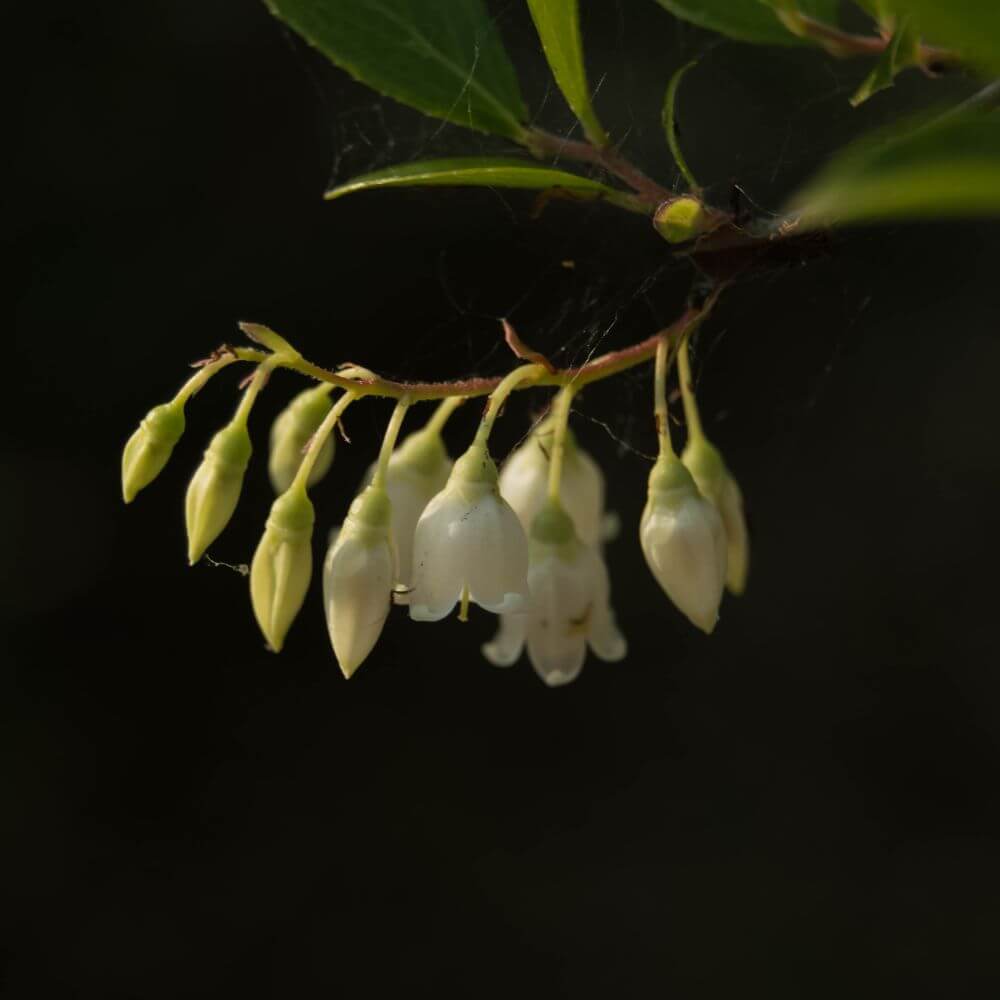
Zenobia is a lesser-known flowering shrub native to the southeastern United States. It produces bell-shaped white flowers in late spring.
This plant shines in naturalistic gardens and woodland landscapes. It prefers acidic soil and rewards patience with elegant seasonal blooms.
Why it’s overlooked
- Shrub form rather than showy flowers
- Slower growth
But for perennial-focused gardeners, Zenobia offers long-term value and visual calm.
Zaluzianskya (Night Phlox)
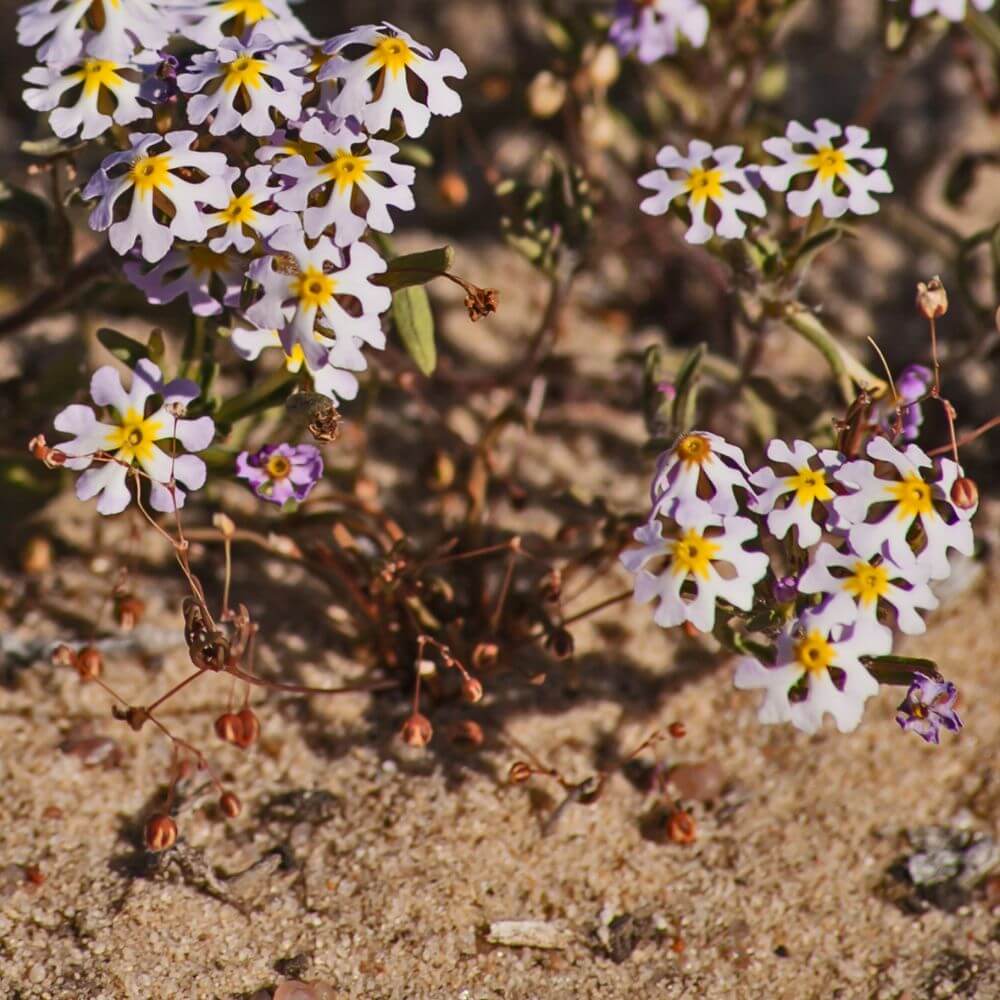
Zaluzianskya is one of those flowers you don’t fully appreciate until evening.
Its small, star-shaped blooms release a strong, sweet fragrance at night. During the day, it looks modest. At dusk, it transforms.
Perfect for
- Balcony gardens
- Evening patios
- Sensory-focused planting
This plant teaches an important lesson. Impact isn’t always visual.
Zauschneria (California Fuchsia)
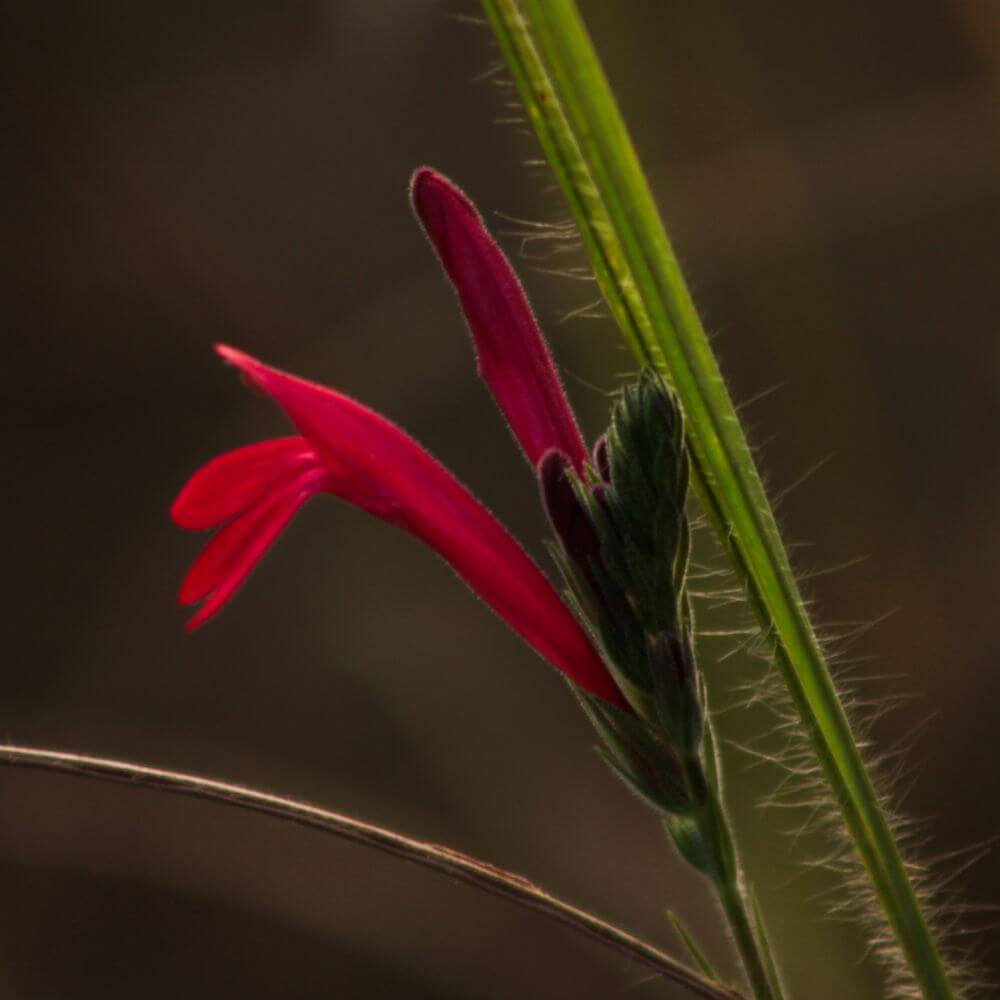
Zauschneria, now often classified as Epilobium, is commonly known as California fuchsia. It’s drought-tolerant and thrives in hot climates.
Hummingbirds love it. Gardeners appreciate its resilience.
Why it belongs on this list
- Native perennial
- Low water needs
- Late-season blooms
For sustainable landscaping, this flower quietly checks many boxes.
Ziziphus Flower (Jujube Tree Blossom)
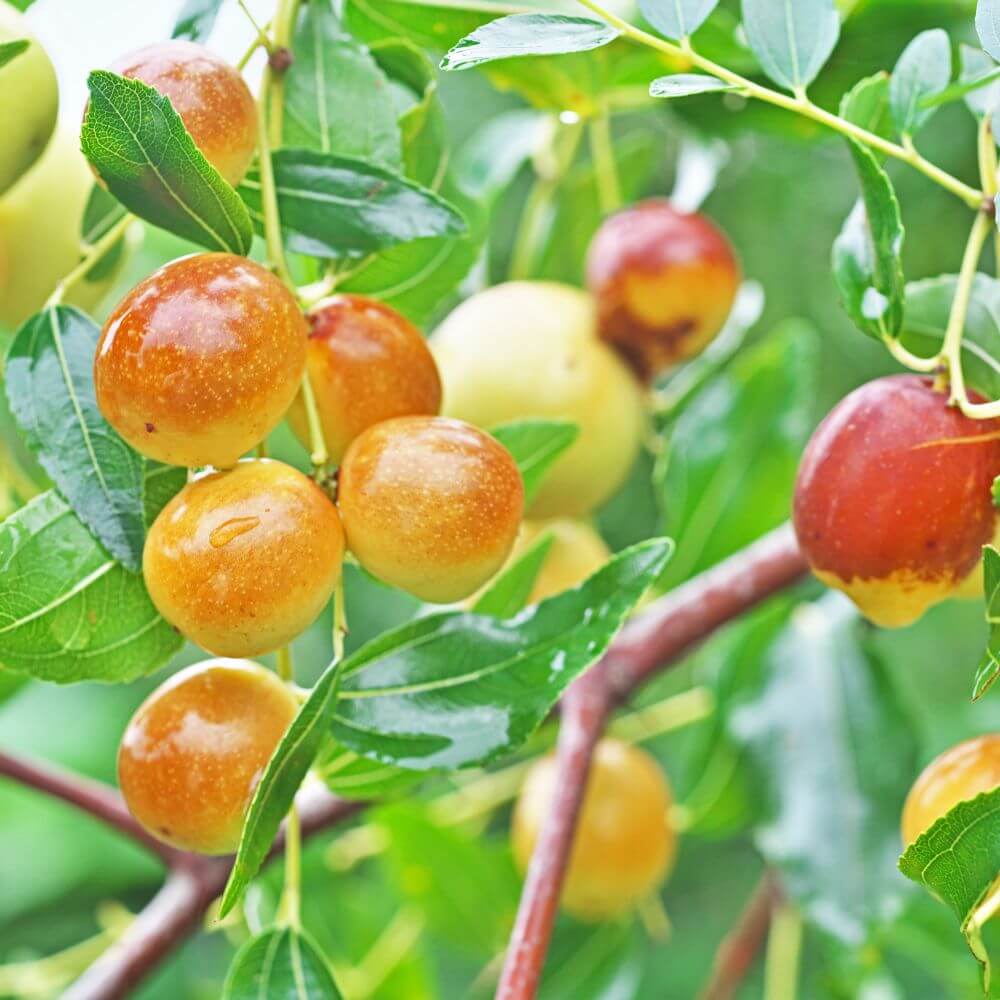
Ziziphus is better known for its fruit, but its flowers deserve recognition.
The small, yellow-green blooms appear in clusters and attract pollinators. In traditional medicine systems, different parts of the plant have been studied for calming properties.
Scientific literature shows that Ziziphus species contain diverse phytochemicals such as flavonoids, phenolic compounds, and other bioactive molecules with measurable antioxidant activity, which supports their traditional use in herbal practices.
Source: pubmed.ncbi.nlm.nih.gov
This makes Ziziphus unique among flowers with Z in the name
How to Grow & Select Flowers Starting With Z
Success with Z flowers depends on matching their unique growth habits to your specific environment. This reference table highlights the essential growing requirements and hardiness data needed to integrate these rare blooms into your landscape or home.
| Common Name | Botanical Name | Plant Type | USDA Zones | Best Feature |
| Zinnia | Zinnia elegans | Annual | 2–11 | Endless color varieties |
| Zephyr Lily | Zephyranthes | Perennial (Bulb) | 7–10 | Blooms suddenly after rain |
| Zantedeschia | Zantedeschia | Perennial (Rhizome) | 8–10 | Elegant, sculptural shape |
| Zonal Geranium | Pelargonium | Perennial/Annual | 9–11 | Distinctive patterned leaves |
| Zygopetalum | Zygopetalum | Orchid (Epiphyte) | 10–12 | Intensely fragrant blooms |
| Zenobia | Zenobia pulverulenta | Shrub | 5–9 | Honey-scented white bells |
| Zaluzianskya | Zaluzianskya | Annual/Perennial | 9–11 | Powerful evening fragrance |
| Zauschneria | Zauschneria | Perennial | 8–11 | Drought-tolerant & red blooms |
| Ziziphus Flower | Ziziphus jujuba | Tree/Shrub | 6–10 | Attracts rare pollinators |
Detailed Growing Zone & Utility Insights
To ensure these plants survive in your specific landscape, pay close attention to these regional hardiness requirements:
- For Cold Climates (Zones 2–5): Focus on Zinnias as high-impact summer annuals or Zenobia as a permanent, cold-hardy landscape fixture. Zenobia is particularly resilient to late spring frosts and chilly mornings.
- For Temperate/Coastal Regions (Zones 6–8): The Zephyr Lily (Zephyranthes) and Ziziphus are your best bets. They handle fluctuating moisture levels and moderate winters with ease once established.
- For Hot/Arid Climates (Zones 9–11): Zauschneria is the standout choice. It is a “fire-wise” native plant that thrives on neglect and high heat, making it a sustainable choice for water-conscious, xeriscape gardeners.
- For Indoor Environments: Regardless of your outdoor zone, Zygopetalum Orchids and Zantedeschia can be grown anywhere as long as they are kept in a temperature-controlled environment (roughly 15°C–24°C) with bright, indirect light
Indoor Flowers That Start With Z
If indoor growing matters to you, these Z flowers adapt well inside:
- Zantedeschia
- Zygopetalum
- Zonal Geranium
Bright indirect light and controlled watering are usually enough.
Perennial Z Letter Flowers
For long-term gardeners, these return reliably:
- Zephyranthes
- Zenobia
- Zauschneria
They reward patience and reduce yearly replanting effort.
Z Flowers as Identity Markers
Here’s something most articles miss.
Z flowers aren’t just botanical choices. They’re identity statements. When someone chooses a Z flower, it usually signals intention. Completion. Curiosity. A desire to go further than average.
I’ve seen alphabet gardeners use Z plants as focal points, not fillers. Designers use them as naming anchors. Educators use them to spark discussion about biodiversity gaps.
In a world of overused symbols, Z flowers quietly say, I looked deeper.
FAQs About Flower Names Starting With Z
What are some common flowers that start with the letter Z?
The most popular flower starting with Z is the Zinnia. Other notable examples include Zantedeschia (Calla Lily), Zephyranthes (Rain Lily), Zenobia (Honeycup), and Zygopetalum (a fragrant orchid).
What flower is this 🌺 and is it related to Zinnias?
The 🌺 emoji specifically represents a Hibiscus. While not a 'Z' flower, it is often confused with Zinnias because both feature vibrant, layered petals and a prominent center. However, Zinnias are annuals that grow from seeds, while Hibiscus are tropical shrubs.
What is the Z plant and do ZZ plants have flowers?
The 'Z plant' usually refers to the Zamioculcas zamiifolia (ZZ Plant). It does produce flowers, but they are rare indoors. They look like small, yellowish-brown 'spadix' (a spike of tiny flowers) tucked away at the base of the stems.
Are Z flowers like Zinnias easy to grow for beginners?
Yes! Zinnias are considered one of the easiest flowers to grow from seed. They are heat-tolerant, fast-growing, and bloom heavily from mid-summer until the first frost, making them perfect for beginner gardeners.
Is there a flower used to make colors or dyes that starts with Z?
While not a primary dye source today, the Zinnia was historically used by some indigenous cultures to create light-fast yellow and green dyes. Today, they are mostly grown for their 'zesty' ornamental colors.
Are ZZ plants considered lucky in the home?
Yes, in Feng Shui, the ZZ plant is often called the 'Fortune Tree' or 'Eternity Plant.' It is believed to attract wealth and prosperity, especially when placed in the southeast corner of a room.
What is a pretty girl name that starts with Z and means flower?
Two popular choices are Zinnia (after the flower) and Zahra, which is an Arabic name meaning 'blooming flower' or 'shining.'
Final Thoughts About Z Letter Flowers
Flower Names That Start With Z may sit at the end of the alphabet, but they shouldn’t sit at the edge of attention. From bold zinnias to night-blooming Zaluzianskya, these plants offer creativity, rarity, and genuine horticultural value.
If you’re building something meaningful, whether a garden, a brand, or a personal project, sometimes the last letter is where the strongest statement lives.
Your move:
Pick one Z flower and give it space to stand out. That’s usually where the magic starts.
Explore more flower guides below: