
Flowers That Start With J for Curb Appeal
For a quick reference, these flowers consistently perform well in visible front-yard settings:
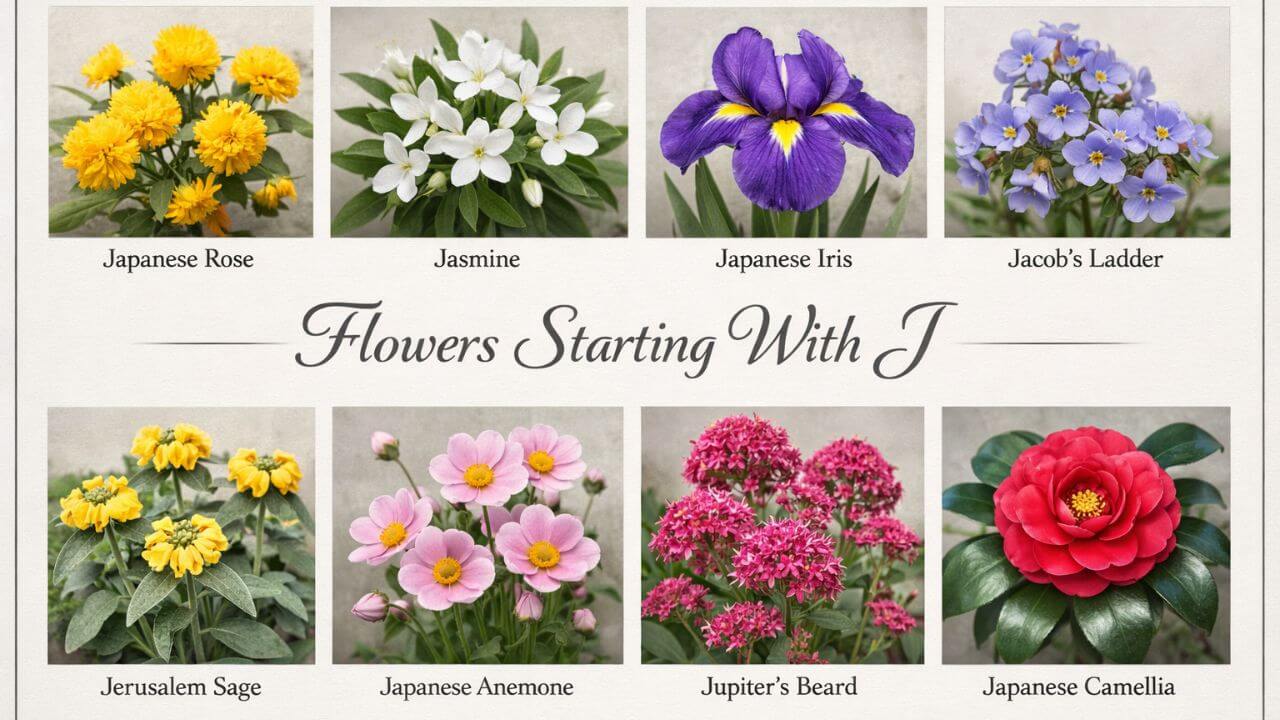
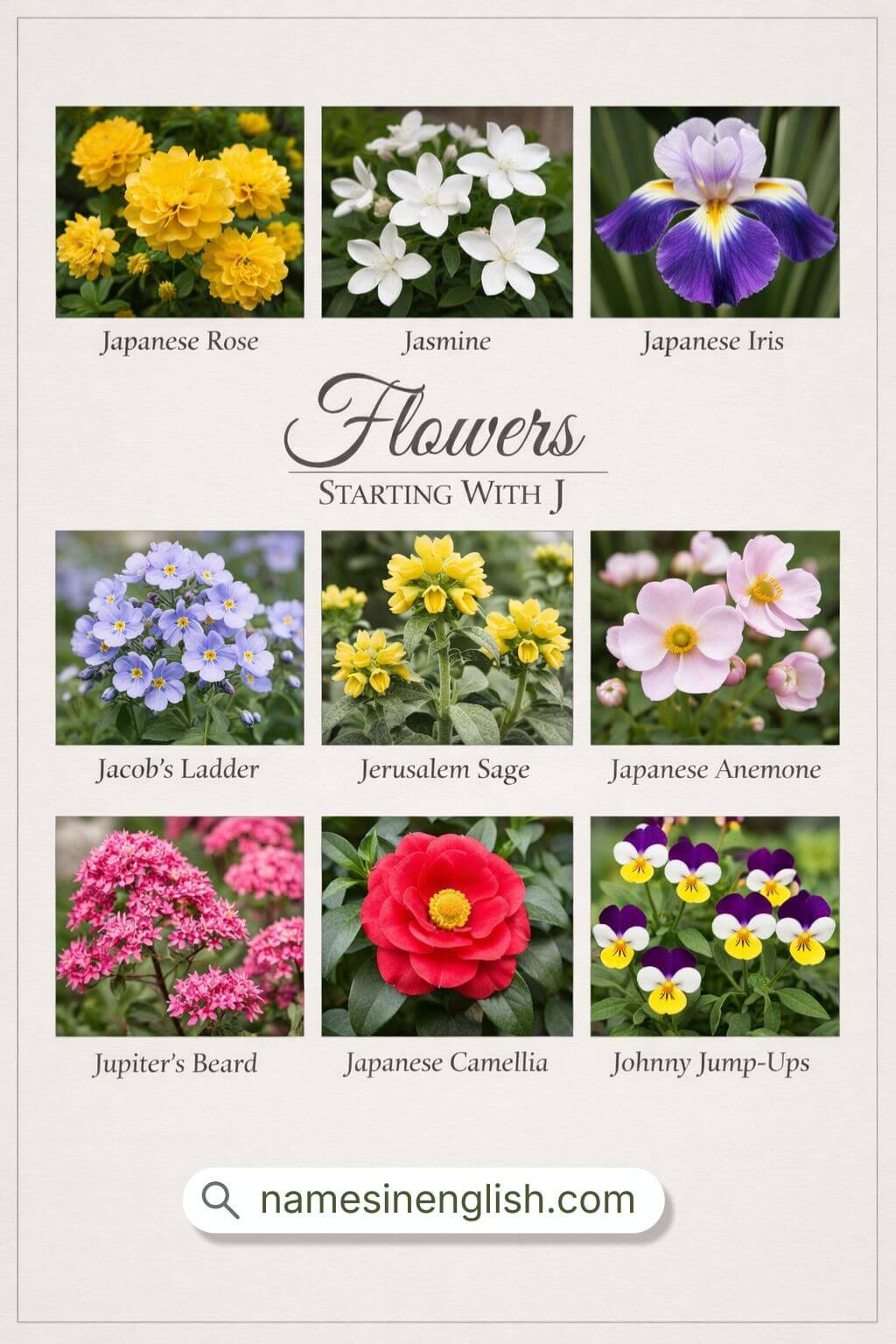
- Japanese Rose for structured shrubs and spring color
- Jasmine for fragrance near doors and windows
- Japanese Iris for dramatic blooms and clean lines
- Jacob’s Ladder for soft texture in partial shade
- Jerusalem Sage for year-round structure
- Japanese Anemone for late-season elegance
- Jupiter’s Beard for low-maintenance color
- Japanese Camellia for glossy evergreen appeal
- Johnny Jump-Ups for cheerful edging
- Joe Pye Weed for height and pollinator interest
These flowers balance beauty, resilience, and visual clarity, which is exactly what curb appeal needs.
Why J Flowers Work So Well in Front-Yard Design
A clear pattern appears in gardens that consistently capture attention. They avoid visual clutter, repeat harmonious shapes, and rely on plants that maintain strong form and presence even outside their peak blooming period.
Many plants that start with J naturally fit that profile.
Several are structured shrubs or upright perennials. Others bloom during shoulder seasons when most gardens look tired. A few even double as house plants that start with J when grown in containers and moved indoors seasonally. From an emotional angle, names like Jasmine or Camellia already carry cultural weight. They feel refined. That matters for homeowners thinking about first impressions or resale value.
A recent report from the National Association of Realtors on outdoor remodeling impact highlighted that simple landscape improvements can increase perceived home value by up to 12 percent.
Selecting The Right J Flowers
Choosing the perfect variety depends on your specific climate and where you intend to plant. The following comparison guide breaks down the essential traits of each flower to help you match the right plant to your home’s unique environment.
| Common Name | Botanical Name | Curb Appeal Focus | USDA Zones | Plant Type |
| Japanese Rose | Kerria japonica | Softening house corners with early spring gold | 4–9 | Shrub |
| Jasmine | Jasminum | Creating a fragrant, high-end entrance experience | 6–10 | Vine / Shrub |
| Japanese Iris | Iris ensata | Adding modern, vertical lines to front walkways | 4–9 | Perennial |
| Jacob’s Ladder | Polemonium | Brightening shaded porches and north-facing beds | 3–8 | Perennial |
| Jerusalem Sage | Phlomis fruticosa | Sculptural, low-water greenery for sun-baked yards | 7–10 | Evergreen Shrub |
| Japanese Anemone | Anemone hupehensis | Maintaining “fresh” color when neighbors’ plants fade | 4–8 | Perennial |
| Jupiter’s Beard | Centranthus ruber | Covering retaining walls and rocky driveway edges | 5–9 | Perennial |
| Japanese Camellia | Camellia japonica | Providing a polished, “estate” look in winter months | 7–9 | Evergreen Shrub |
| Johnny Jump-Ups | Viola tricolor | Adding pops of color to porch pots and window boxes | 3–9 | Annual / Perennial |
| Joe Pye Weed | Eutrochium | Creating a stately, butterfly-friendly backdrop | 4–9 | Perennial |
10 Best Flowers That Start With J to Boost Curb Appeal
1. Japanese Rose (Kerria japonica)
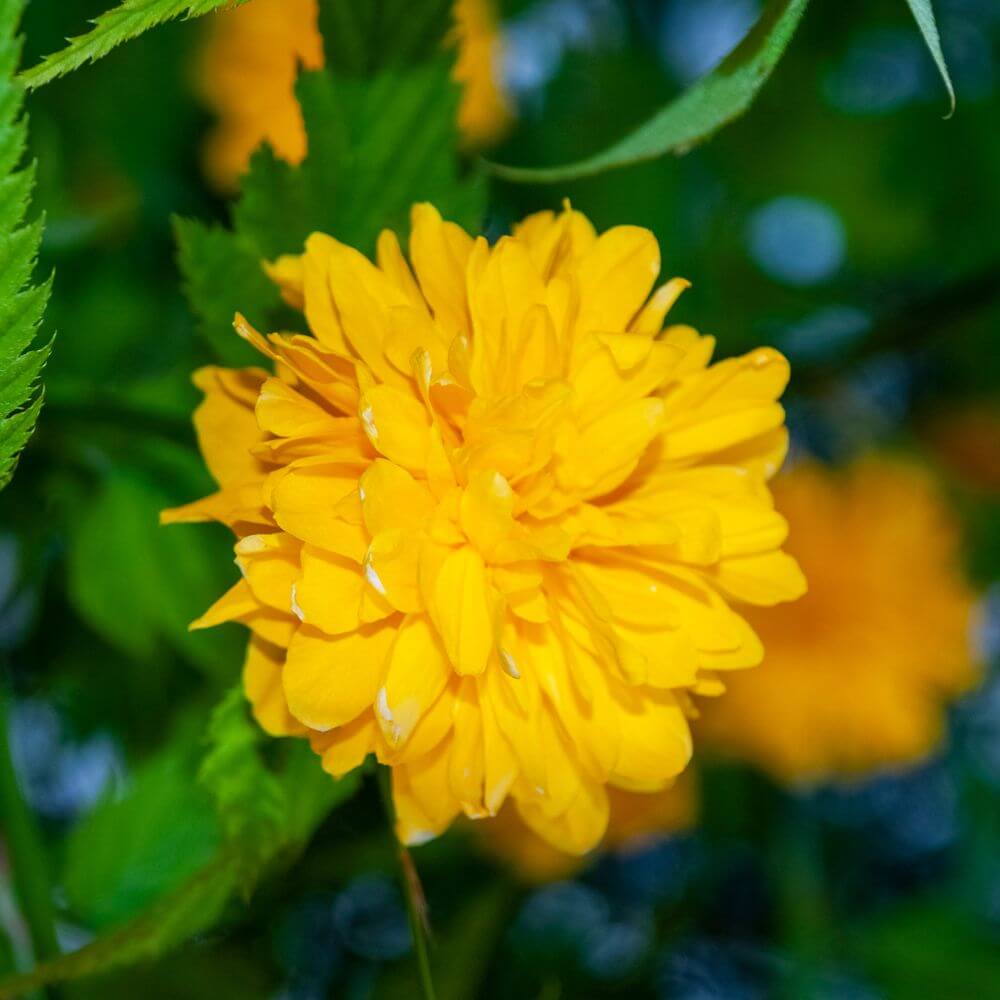
The Japanese Rose is a robust shrub that acts as a “seasonal early bird.” Its golden, pom-pom blooms emerge in early spring before most perennials, giving your home an immediate color advantage. With arching green stems that stay vibrant even in winter, it’s a perfect low-maintenance solution for shading tricky north-facing entryways.
2. Jasmine (Jasminum)
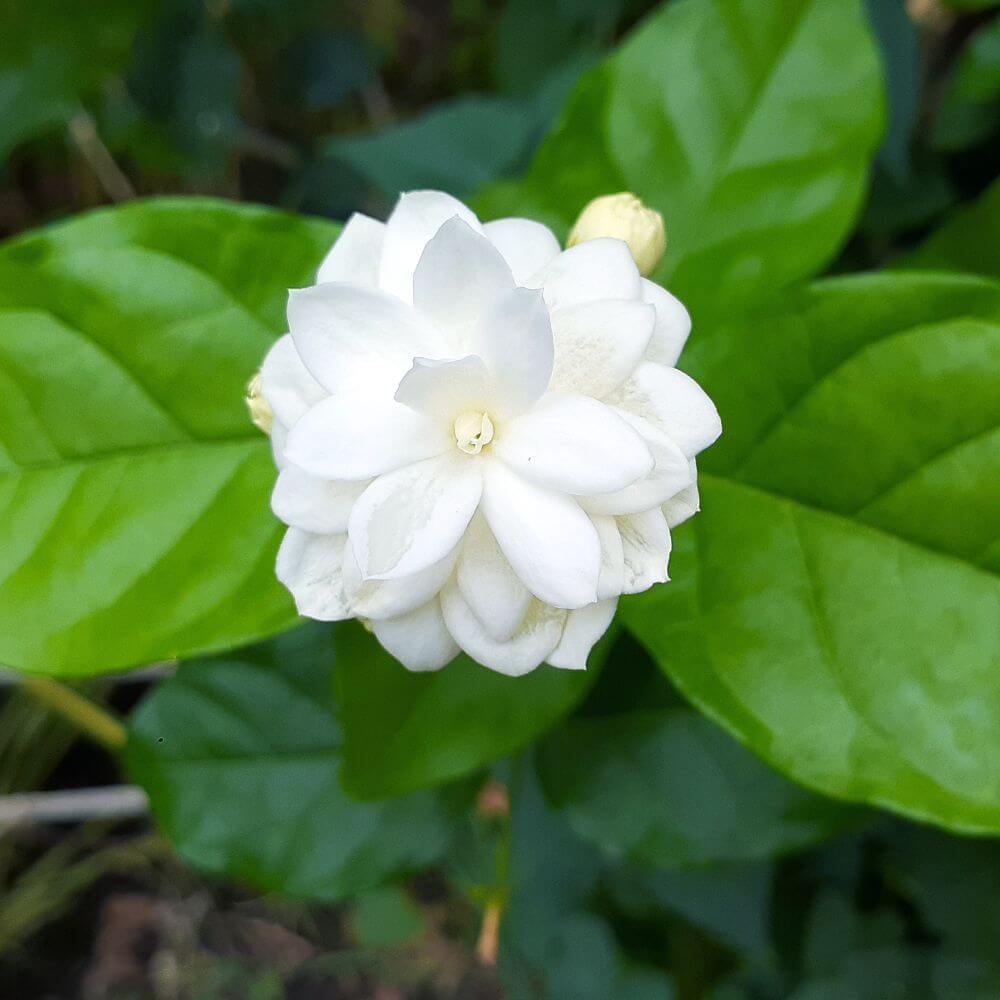
Few plants influence a home’s vibe as much as Jasmine. Planting this near a porch or window uses fragrance to create a luxury experience for anyone approaching your door. Whether grown as a vertical vine to frame an entrance or a tidy shrub, its evergreen leaves and sweet scent make a home feel instantly more inviting.
3. Japanese Iris (Iris ensata)
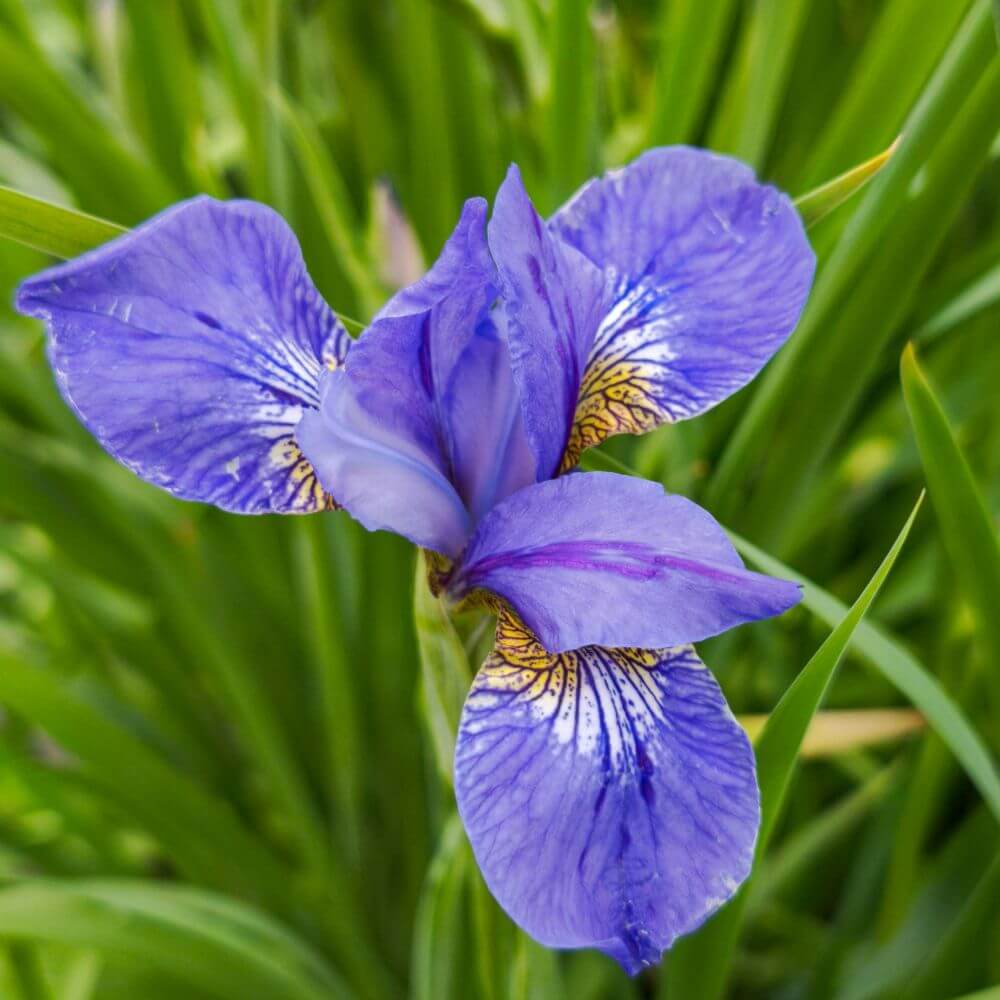
For homes with modern architecture, the Japanese Iris provides a sophisticated, structural anchor. Its regal stems and saucer-sized blooms in deep purple or crisp white offer a high-end botanical garden look. They thrive in standard garden beds with consistent moisture, adding elegant vertical lines to a front walkway.
4. Jacob’s Ladder (Polemonium)
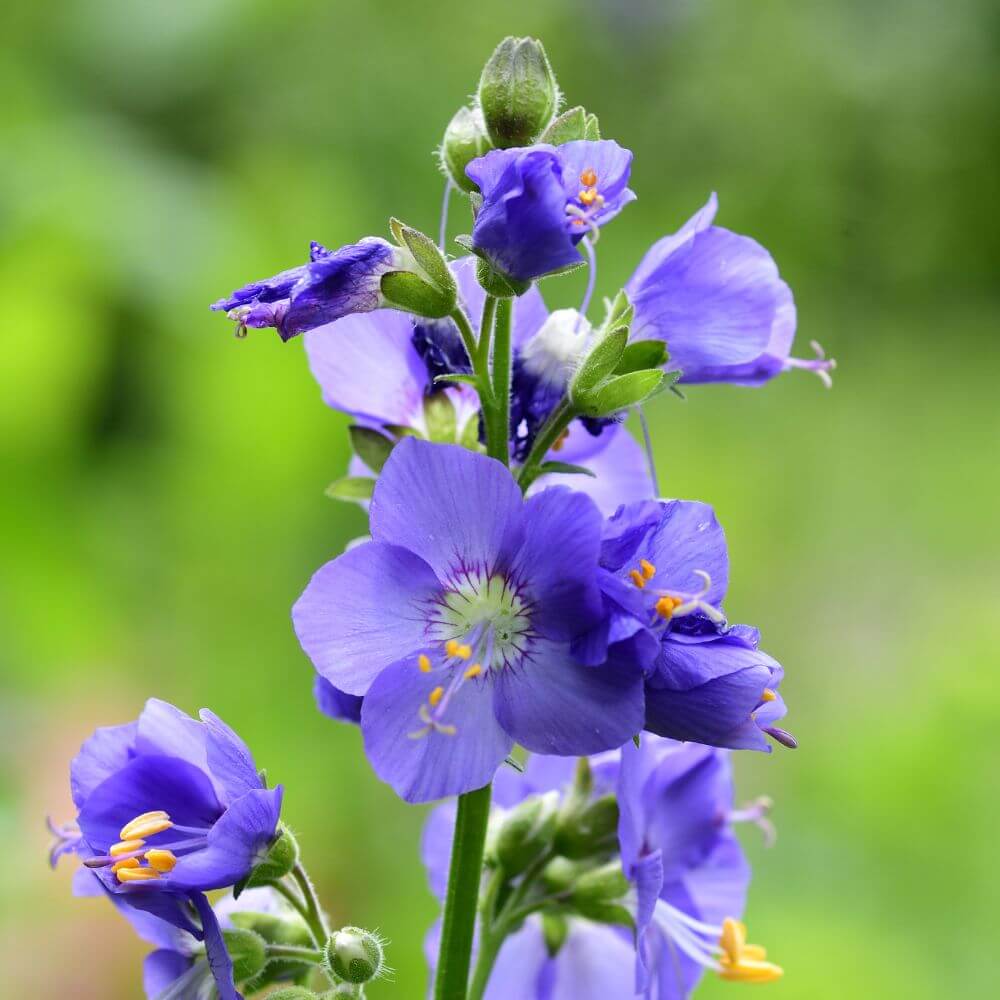
Curb appeal often comes down to sophisticated texture rather than loud colors. Jacob’s Ladder is prized for its unique, ladder-like foliage that stays attractive all season. Its soft blue flowers provide a cooling contrast in shaded yards, making it an ideal “filler” plant for under trees where you want lush greenery without the clutter.
5. Jerusalem Sage (Phlomis fruticosa)
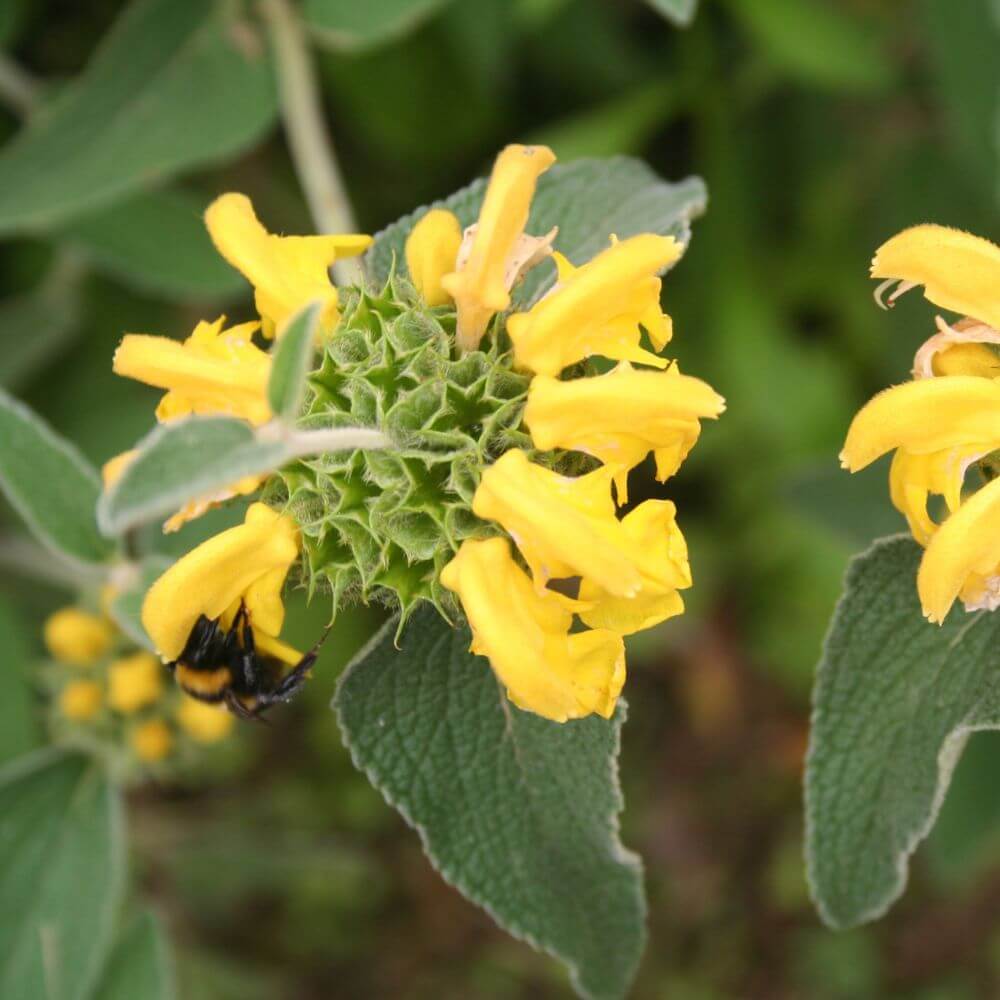
Ideal for dry climates, Jerusalem Sage offers a stately, architectural form that requires very little water. Its silvery-green leaves provide year-round structure, while unique yellow flower whorls add a whimsical touch in summer. It’s a hardy, evergreen choice for homeowners who want a professionally designed look without the high maintenance.
6. Japanese Anemone (Anemone hupehensis)
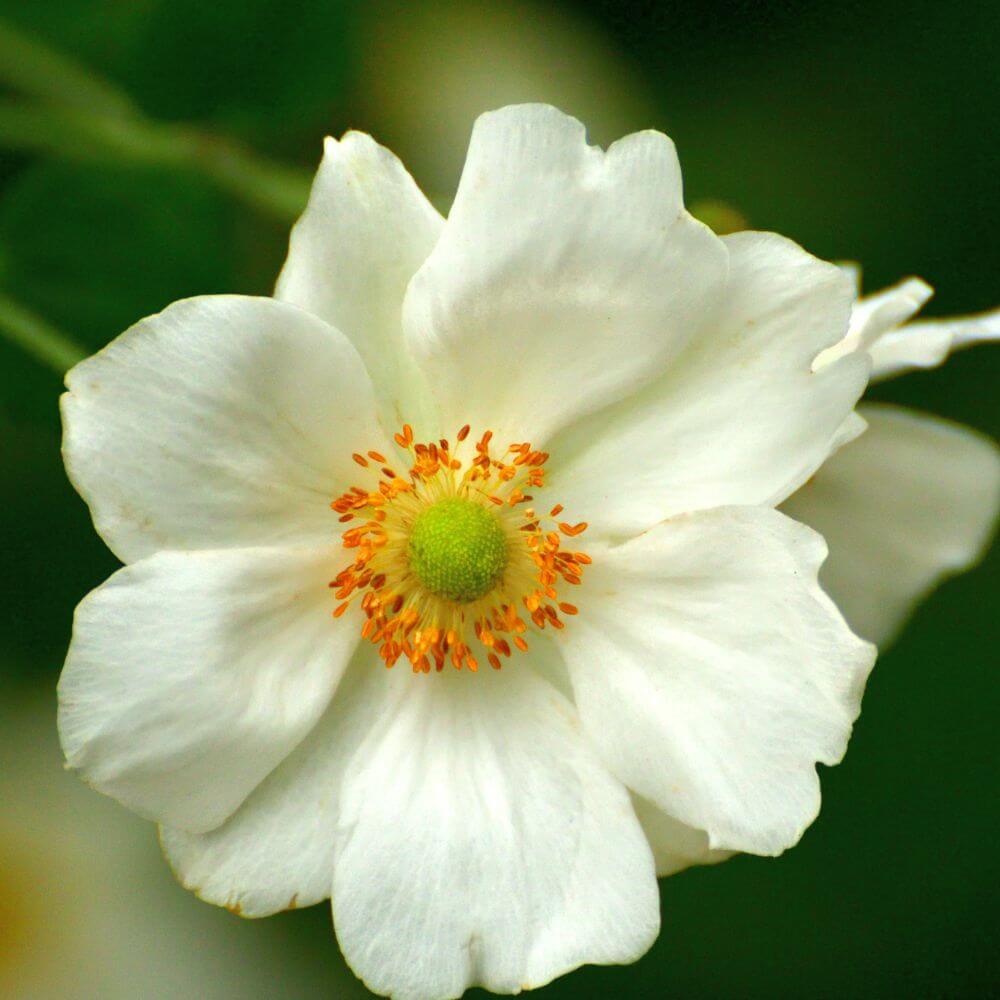
This plant solves the late summer slump by blooming just as other gardens begin to fade. Standing on tall, graceful stems, these pink or white flowers sway in the breeze to add movement and life to your landscape. They are a reliable way to keep your home’s exterior looking fresh and intentional well into the fall.
7. Jupiter’s Beard (Centranthus ruber)
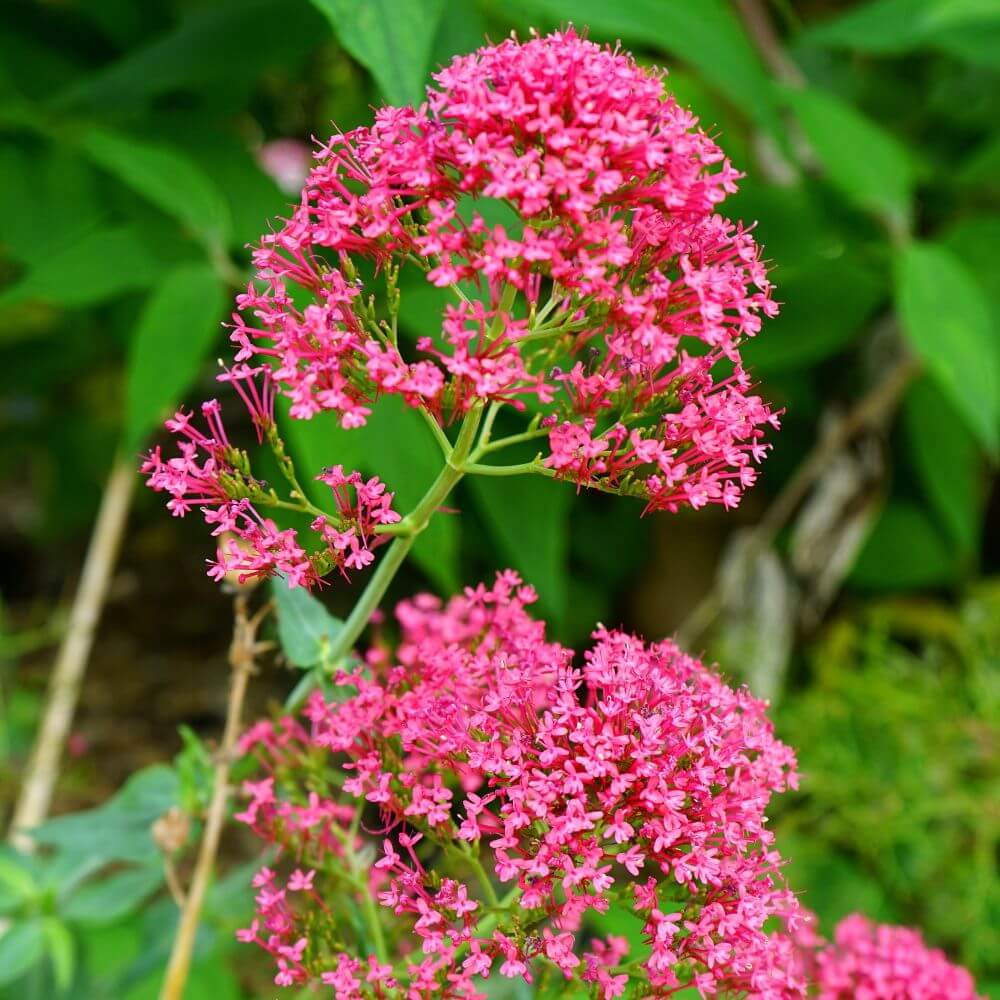
Jupiter’s Beard is the ultimate problem solver for difficult spots like stone walls or rocky driveway edges. It produces dense clusters of crimson blooms for months with almost zero effort from the homeowner. It’s the perfect pick for a charming, “effortless” cottage look that thrives even in poor soil.
8. Japanese Camellia (Camellia japonica)
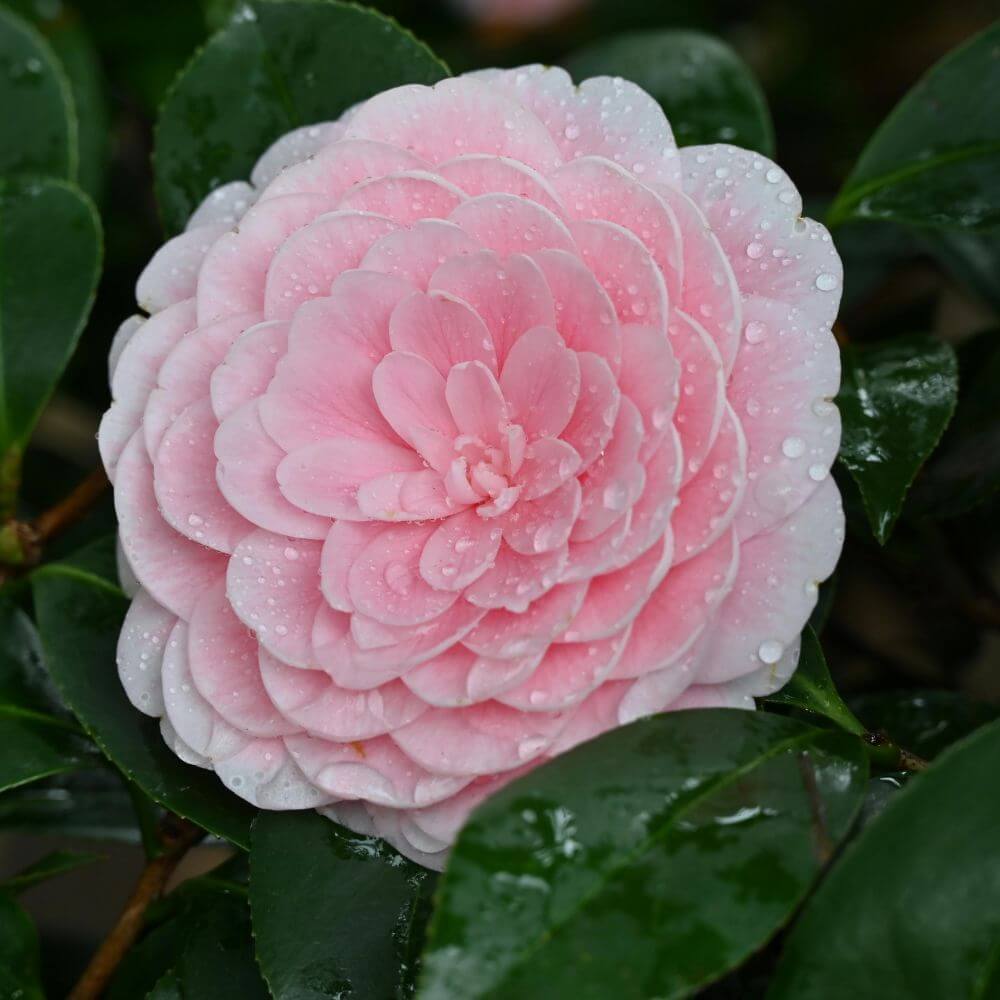
Often associated with high-end estates, the Japanese Camellia is a polished evergreen that looks expensive year-round. Its thick, glossy leaves and symmetrical winter blooms signal a refined, well-maintained property. Planting these near an entrance ensures your home stands out during the drabber winter months.
9. Johnny Jump-Ups (Viola tricolor)
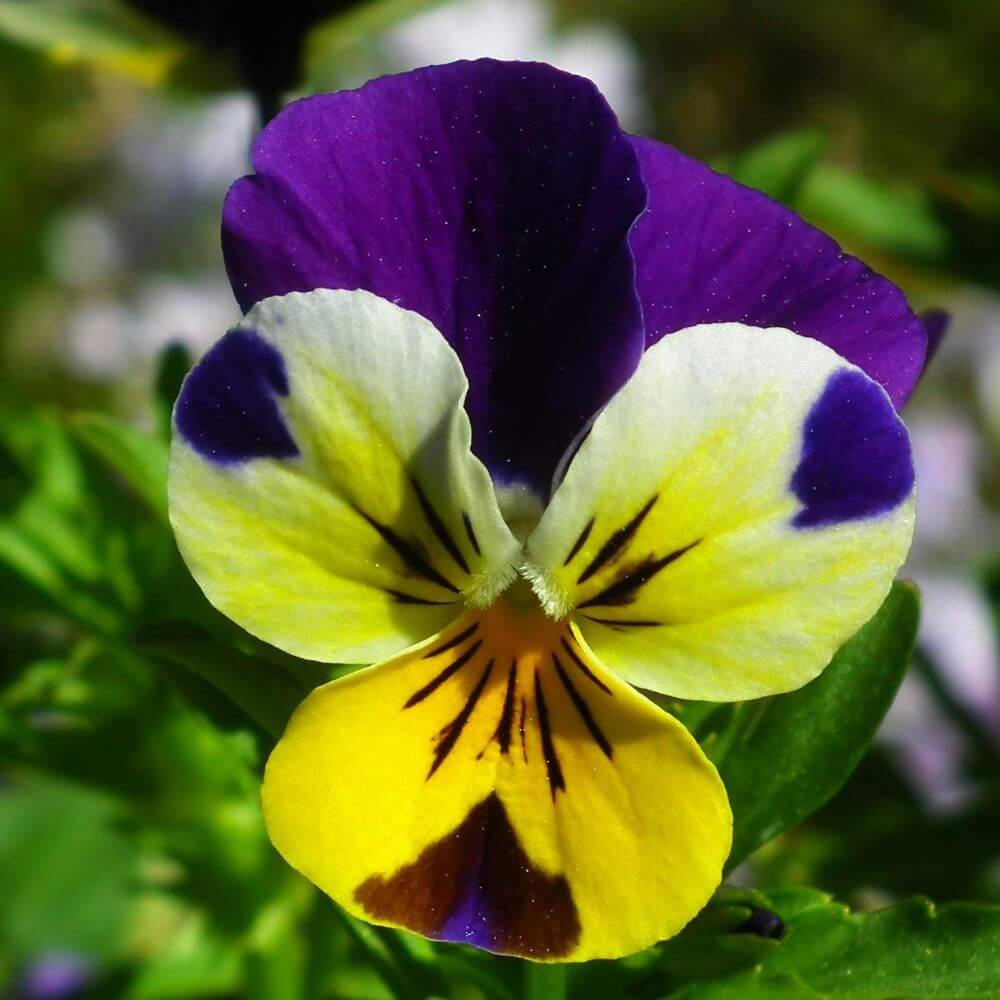
These are the finishing touches of a great landscape. Best used in porch containers or as a colorful border along a walkway, their high-contrast purple and yellow faces catch the eye from the street. They are incredibly hardy, allowing you to refresh your curb appeal with minimal cost or effort.
10. Joe Pye Weed (Eutrochium)
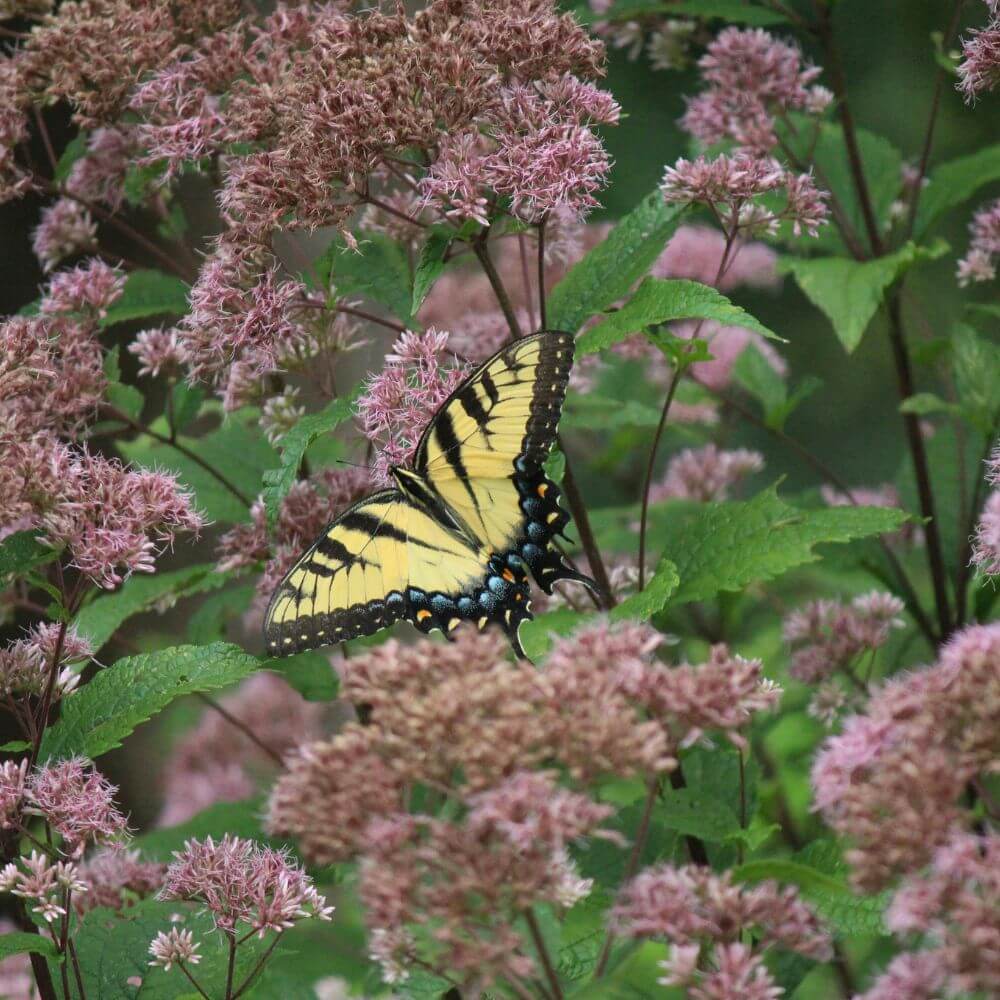
For larger yards, Joe Pye Weed provides a majestic background presence that smaller flowers can’t match. Its massive, mauve flower heads act as a magnet for butterflies, adding motion to your garden. It’s a stately, eco-conscious choice that provides a stunning backdrop for the rest of your front-yard plants.
Bigger Is Not Always Better for Curb Appeal
Many plant rankings emphasize oversized, dramatic flowers. While impactful, these work best when balanced with quieter companions.
Pairing a statement plant such as Joe Pye Weed or Japanese Camellia with softer options like Jacob’s Ladder or Johnny Jump-Ups creates rhythm rather than visual overload.
Landscapes dominated by statement plants often feel chaotic over time. Effective curb appeal tends to feel calm, cohesive, and repeatable.
Practical Planting Examples That Actually Work
The following combinations prioritize street visibility and balance:
- Japanese Rose paired with Johnny Jump-Ups along a walkway
- Jasmine trained beside a front porch with neutral siding
- Japanese Iris planted near a driveway curve for structure
- Jerusalem Sage as a foundation plant under windows
- Japanese Anemone behind low evergreen shrubs
Each setup focuses on visibility from the street, not just beauty up close.
FAQs About Flowers Starting With J
What common flowers start with the letter J?
The most famous is Jasmine, but other beautiful varieties include the Jacob’s Ladder, Japanese Iris, Jonquil, Jerusalem Sage, and Joker’s Gaillardia.
What is the birth flower for January and June (the J months)?
For January, the birth flower is the Carnation (though the month starts with J, the flower does not). For June, while the Rose is the primary flower, the Honeysuckle (often associated with Jasmine-like scents) is also recognized.
What is a yellow flower that starts with J?
The Jonquil (Narcissus jonquilla) is the most well-known yellow 'J' flower. It is a species of daffodil characterized by its clusters of small, highly fragrant yellow blooms and tube-like leaves.
Is Jasmine toxic to pets?
It depends on the species. 'True Jasmine' (Jasminum officinale) is non-toxic to cats and dogs. However, 'Carolina Jessamine' and 'Star Jasmine,' which are not true jasmines, can be toxic if ingested.
What does the name Jasmine mean?
The name Jasmine is of Persian origin (Yasmin), meaning 'Gift from God.' It has long been associated with grace, elegance, and sweetness due to the flower’s intoxicating fragrance.
What is unique about the flower Jacob’s Ladder (Polemonium)?
Jacob's Ladder is unique because of its foliage; the leaves are arranged in pairs like the rungs of a ladder. It produces beautiful bell-shaped blue or purple flowers and thrives in shady, cool garden spots.
How does the Japanese Iris differ from other 'J' flowers?
The Japanese Iris (Iris ensata) is distinct for having the largest blooms of any iris species. Unlike the desert-loving Jonquil, the Japanese Iris loves water and is often grown near ponds or in boggy soil.
Final Thoughts About Flowers That Start With Letter J
Flowers that start with J contribute more than decoration. They shape first impressions, influence mood, and signal thoughtful care.
For curb appeal improvements, selecting one well-suited J flower for the space and climate provides a strong foundation. From there, additional plants can be introduced gradually to maintain balance and cohesion.
For further exploration, related guides include: