
Flowers that start with the letter I may be less common, but they include some of the most unique and eye-catching blooms in the plant world. In this guide to Incredible Flowers That Start With I, you’ll learn beautiful flowers with interesting shapes, vibrant colors, and fascinating facts. Whether you’re a gardening enthusiast, a flower lover, or simply curious, this article will help you explore some amazing I flowers and learn what makes each one special.
The Most Popular Flowers Starting With I
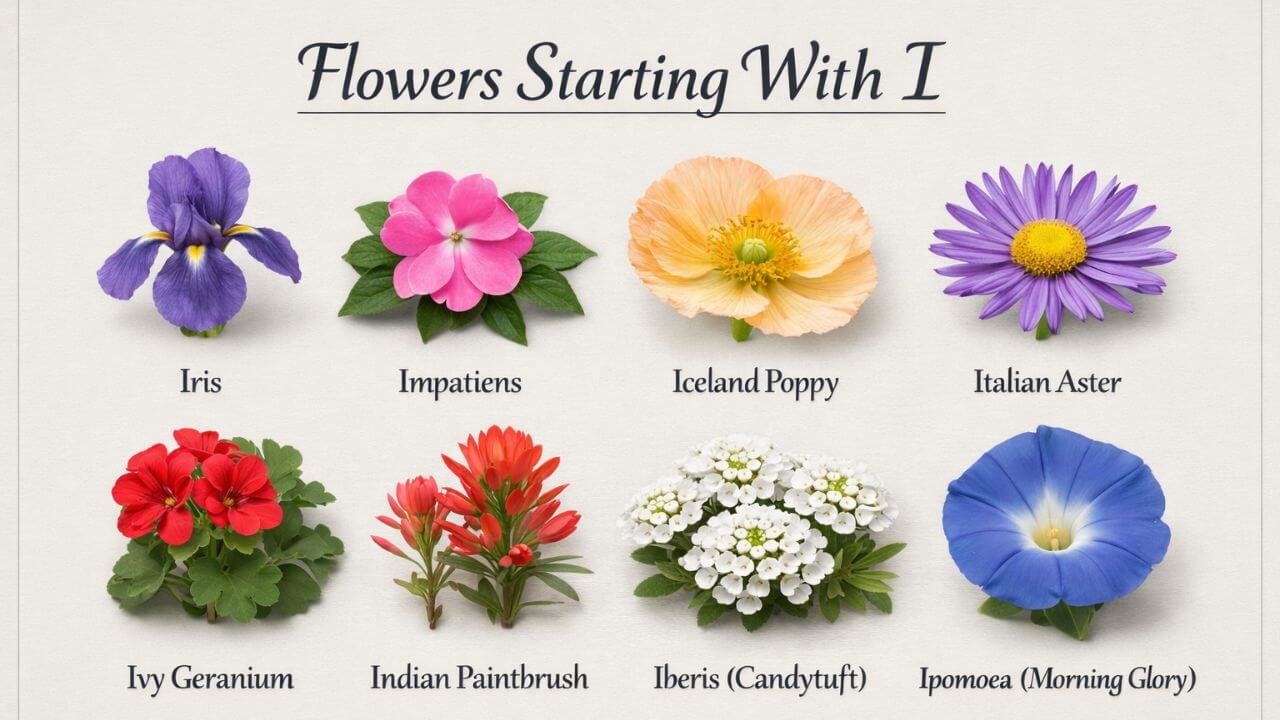
This is your at-a-glance list of the most iconic and widely recognized flowers in this category.
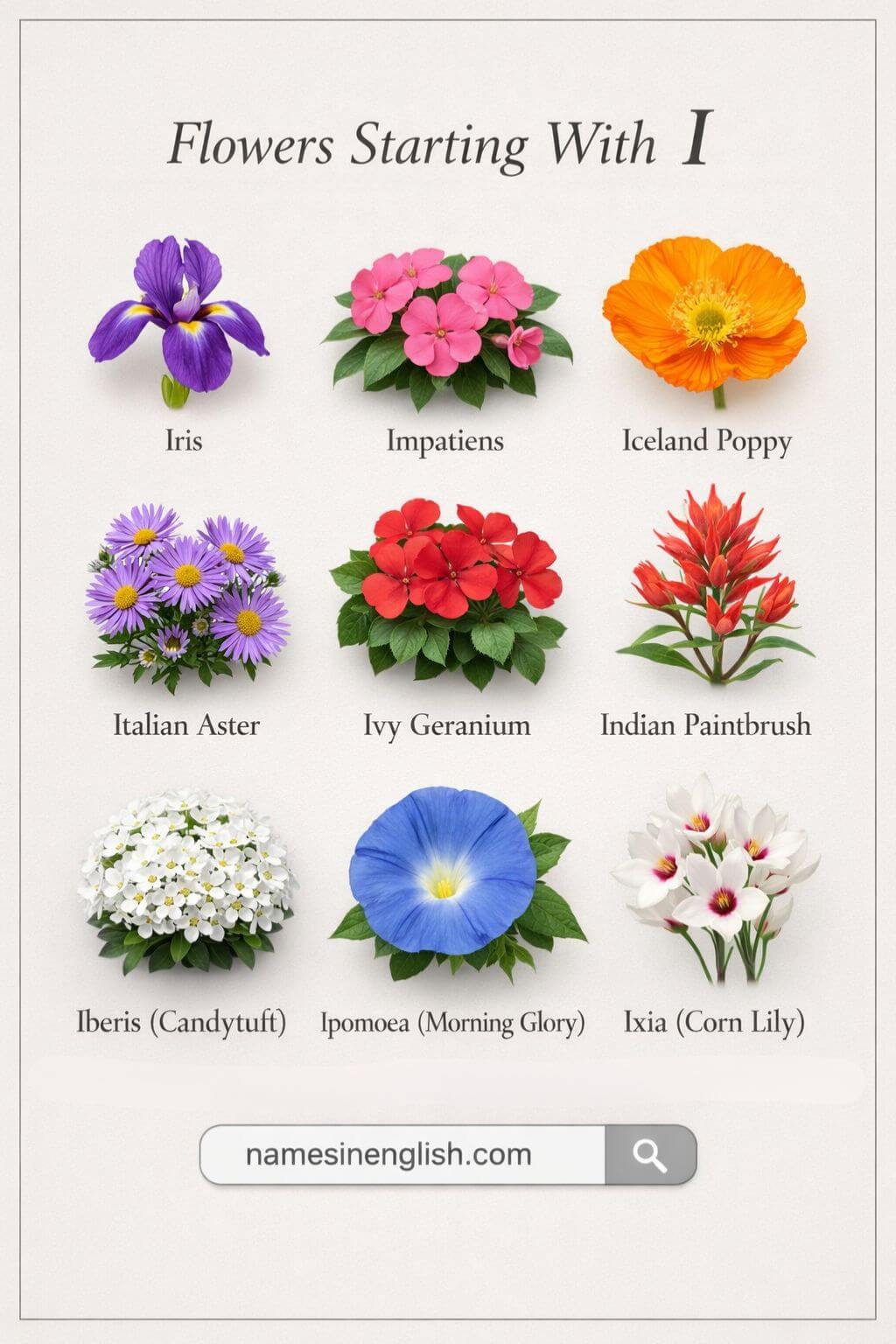
- Iris: A world-famous perennial known for its regal standards and falls petal structure and vast color range.
- Impatiens: The gold standard for shade gardening, providing vibrant carpets of color in low-light areas.
- Iceland Poppy: A cold-hardy favorite featuring translucent, crepe-paper-like petals that bloom in early spring.
- Italian Aster: A late-season hero that provides essential nectar for pollinators when most other flowers have faded.
- Ivy Geranium: The classic choice for Mediterranean window boxes, prized for its trailing vines and heat-tolerant blooms.
- Indian Paintbrush: An iconic wildflower of the American West, famous for its unique, dip-dyed bright red bracts.
- Iberis (Candytuft): A popular evergreen groundcover that creates a dense, snowy white blanket over rock gardens.
- Ipomoea (Morning Glory): A fast-growing ornamental vine famous for its trumpet-shaped blooms that open with the sunrise.
- Ixia (Corn Lily): A striking South African bulb known for its star-shaped flowers and dramatic, contrasting centers.
- Incarvillea: Often called the Hardy Gloxinia, it is prized for its exotic, tropical-looking pink trumpets and fern-like leaves.
Why Irises Define the Garden Landscape
The Iris is arguably the most versatile genus in this category. From the towering Bearded Iris to the water-loving Japanese Iris, these plants serve different roles depending on your soil type. Most gardeners gravitate toward the Bearded variety because of the beard (a fuzzy strip on the lower petals) and their intoxicating, grape-like scent.
According to the American Iris Society, the Iris genus contains about 280 diverse species that have thrived on almost every continent for millions of years. This incredible variety means you can find specialized types that flourish in soggy pond edges or those that prefer the baked, well-drained soil of a rock garden. Whether bearded, beardless, or crested, their hardy nature makes them a “plant it and forget it” favorite for busy homeowners who want a high-end look without the high-end maintenance.
Incredible Flowers That Start With I
Beyond the household names, these 13 flowers offer extraordinary traits, from everlasting blooms to hummingbird magnets.
1. Immortelle: The Flower That Never Dies
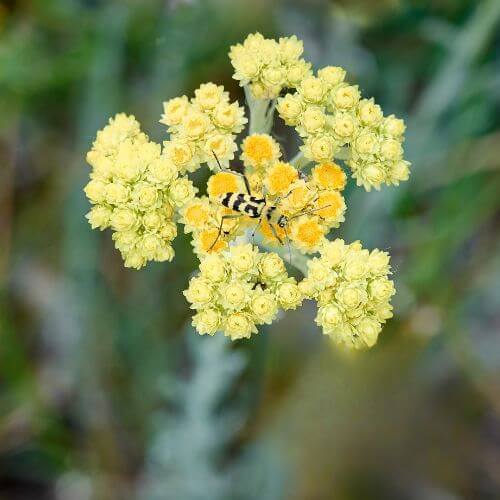
The Immortelle (Helichrysum) is a treasure for the Creative Hobbyist because it retains its vibrant color and papery texture even years after being dried. Its distinct scent. Reminiscent of curry or maple syrup, adds a unique sensory layer to any garden or floral arrangement. This sun-loving plant thrives in poor, sandy soil, proving that you don’t need a green thumb to grow something truly extraordinary.
2. Iris
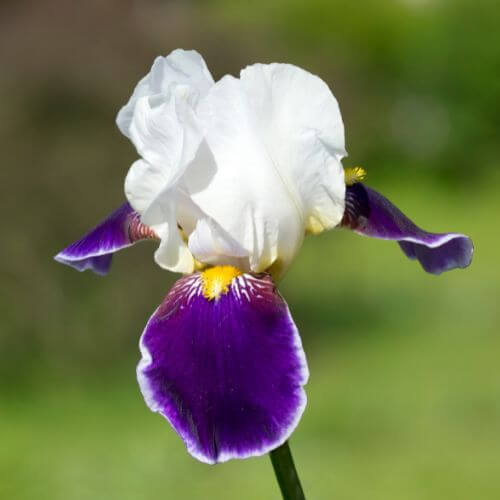
Named after the Greek goddess of the rainbow, the Iris offers an architectural elegance with its standards and falls petal structure. For the home gardener, they are incredibly resilient perennials that come in nearly every color imaginable, including rare true blues and deep near-blacks. Their sword-like foliage provides a striking vertical accent in the landscape even when the blooms have faded.
3. Iceland Poppy
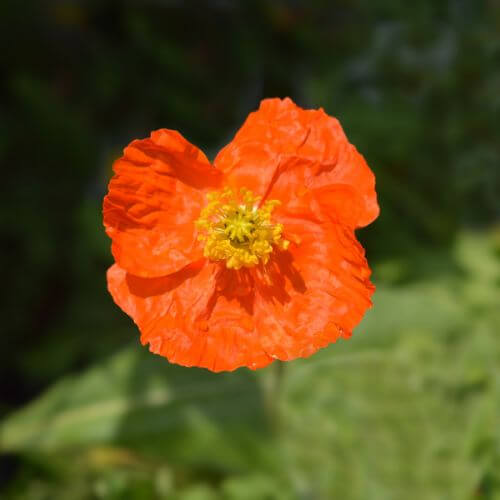
These flowers look like they are made of crinkled crepe paper, bringing a delicate, ethereal beauty to early spring gardens. They are surprisingly tough, thriving in chilly weather where other flowers might shiver, making them perfect for cooler climates. Hobbyists love them for floral design because their fuzzy, nodding stems add a dancing movement to any vase arrangement.
4. Impatiens: The Shade-Garden Sparkler
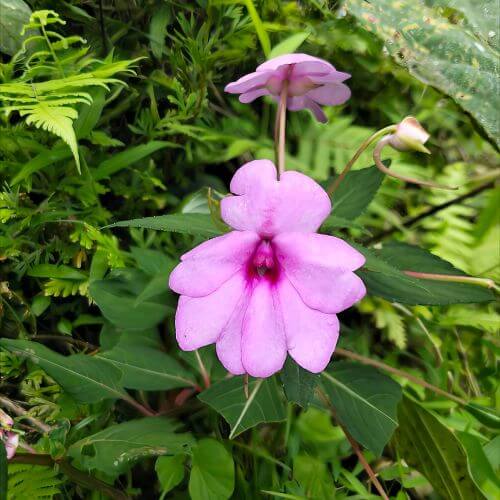
Impatiens are the ultimate solution for the Enthusiastic Gardener with a shady backyard, offering a carpet of neon-bright color where most flowers refuse to grow. They are nicknamed Touch-Me-Nots because their ripe seed pods explode at the slightest touch, a fun biological quirk for kids and curious adults alike. They are self-cleaning, meaning they drop their old blooms automatically so you never have to spend time deadheading.
5. Ixia
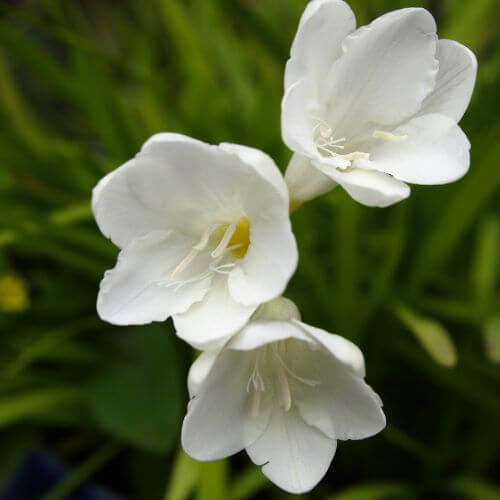
Ixia stands out with its star-shaped blossoms and dramatic, dark centers that look like they’ve been painted by hand. These are a high-value pick for hobbyists looking for a boutique look, as they grow on wiry, nearly invisible stems that make the flowers appear to float in mid-air. They love hot, sunny spots and well-drained soil, making them an excellent choice for rock gardens or coastal containers.
6. Italian Aster: The Late-Summer Lifeline
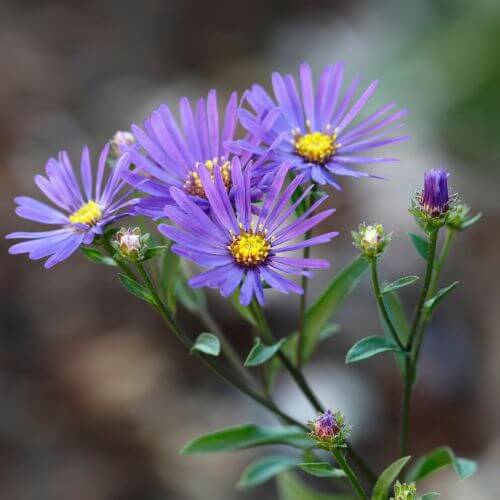
While other flowers begin to fade in August, the Italian Aster bursts into a sea of lavender-blue, providing a vital nectar source for migrating butterflies. For the home gardener, it’s a low-maintenance hero that resists mildew better than many other aster varieties. Its daisy-like shape brings a classic cottage garden feel to the landscape just when the garden needs a second wind.
7. Indigo: The Ancient Color Maker
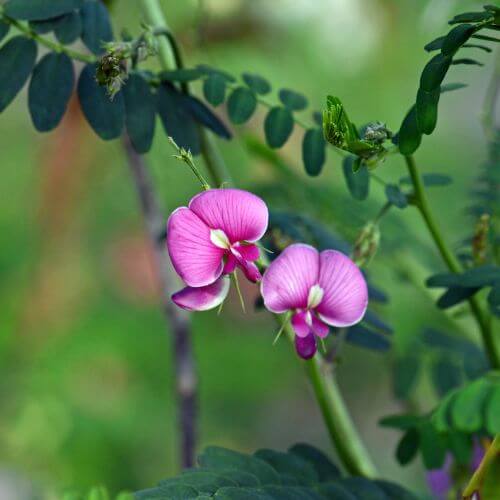
False Indigo (Baptisia) is a plant and forget perennial that develops deep, pea-like blooms on stately spikes. It is highly valued for its history as a dye plant and its beautiful, charcoal-colored seed pods that rattle in the wind and look great in dried winter decor. Once established, its deep taproot makes it incredibly drought-tolerant, surviving even the harshest summers.
8. Ipomoea: The Morning Glory
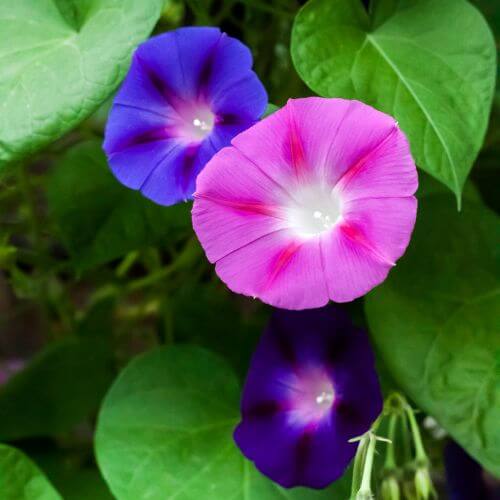
Ipomoea is a fast-growing vine that can transform a plain fence into a wall of sky-blue or deep purple flowers in a single season. Gardeners love it for its morning ritual. The flowers open with the sunrise and close by afternoon, offering a fresh display every single day. Because it climbs so aggressively, it’s the perfect choice for creating instant privacy or living walls on balconies.
9. Iochroma: The Hummingbird Magnet
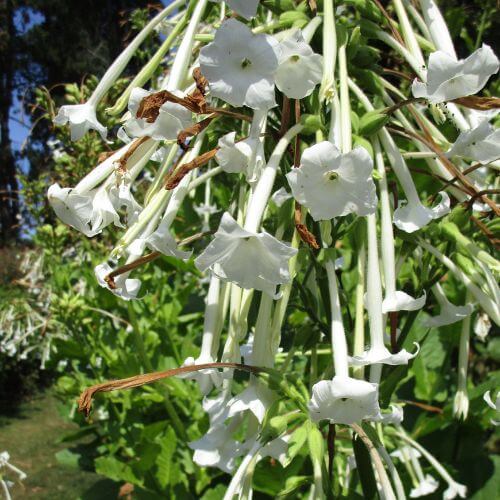
Known for its long, tubular flowers that hang in clusters like miniature chandeliers, Iochroma is a tropical showstopper. For the home gardener in warmer zones, it is a magnet for hummingbirds, who can’t resist the nectar tucked deep inside its colorful bells. It’s an exotic conversation starter that can be grown in large pots and moved indoors for the winter in colder regions.
10. Iberis: The Everlasting Snowflake
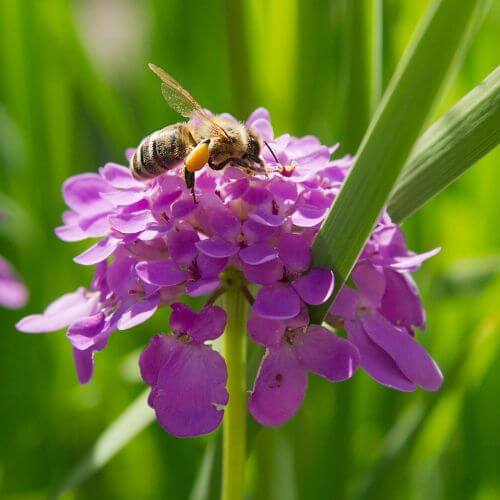
Commonly known as Candytuft, Iberis acts as a living white carpet that drapes beautifully over stone walls or garden edges. It’s a high-value groundcover because it stays evergreen in many climates, providing structure and greenery even during the winter months. Its brilliant white blooms are so dense that they can completely hide the foliage, creating the illusion of a late-spring snowfall.
11. Incarvillea
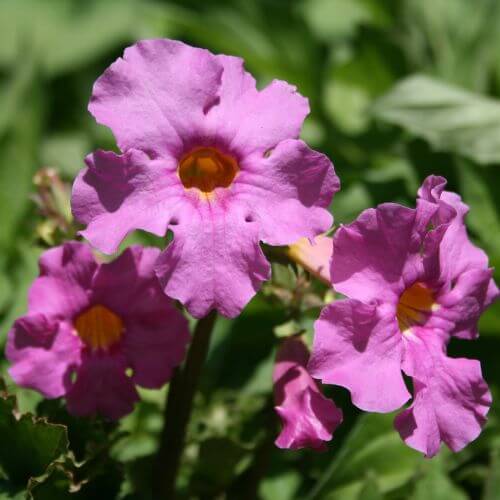
Incarvillea offers a tropical, exotic look with its trumpet-shaped, rosy-pink flowers, yet it is surprisingly hardy in many temperate gardens. It’s a hidden gem for gardeners who want the look of an expensive conservatory plant without the high-maintenance requirements. Its fern-like foliage provides a soft, lush texture that contrasts beautifully with bolder garden plants.
12. Ipheion
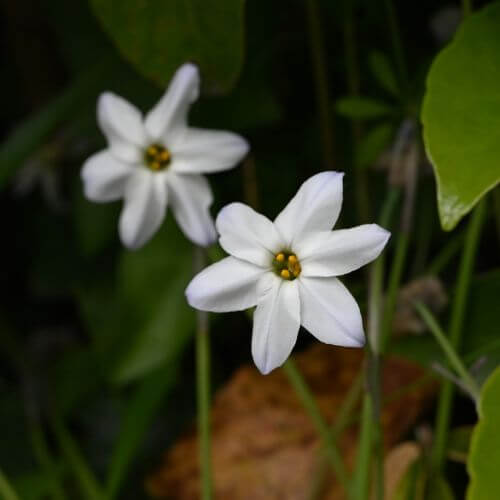
These tiny, honey-scented bulbs are one of the first signs of life in late winter, poking through the soil to offer star-shaped blossoms. They are perfect for naturalizing, meaning they will spread on their own over time to create a beautiful, maintenance-free meadow effect under trees. When the leaves are crushed, they give off a slight onion scent, which naturally helps deter pests like rabbits and deer.
13. Ismene: The Peruvian Daffodil
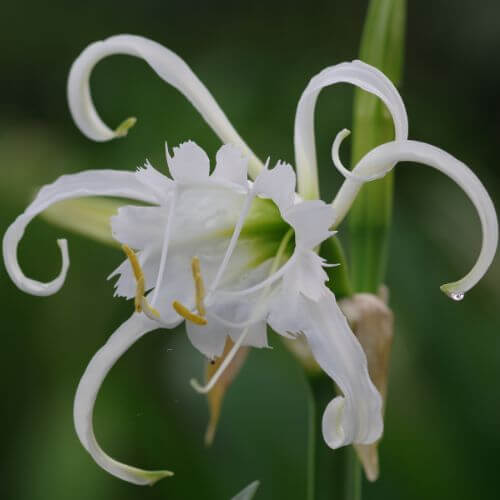
Ismene is a spectacular bulb that produces large, fragrant white flowers with unique spider-like curved petals and green-striped throats. For the creative hobbyist, these are high-impact flowers that look like something from a high-end botanical garden but are easy to grow in summer containers. The scent is powerful and citrusy, making it a must-have for moon gardens meant to be enjoyed in the evening.
Flowers Starting With I for Every Zone
| Flower Name | Type | Best Planting Time | USDA Zones | Sunlight |
| Iris | Perennial | Late Summer / Fall | 3–9 | Full Sun |
| Ipheion (Starflower) | Bulb | Fall | 5–9 | Full Sun / Part Shade |
| Iberis (Candytuft) | Groundcover | Fall or Early Spring | 3–9 | Full Sun |
| Iceland Poppy | Perennial/Biennial | Early Spring / Fall | 2–7 | Full Sun |
| Impatiens | Annual | Late Spring (Post-Frost) | All (Annual) | Full Shade / Part Shade |
| Ipomoea (Morning Glory) | Vine | Late Spring | All (Annual) | Full Sun |
| Immortelle | Perennial | Spring | 8–11 | Full Sun |
| Ixia (Corn Lily) | Bulb | Spring (or Fall in 8+) | 8–10 | Full Sun |
| Indigo (Baptisia) | Perennial | Spring or Fall | 3–9 | Full Sun |
| Incarvillea | Perennial | Spring | 5–8 | Full Sun / Part Shade |
| Ismene (Peruvian Daffodil) | Bulb | Late Spring | 8–11 | Full Sun |
| Iochroma | Shrub | Spring | 9–11 | Full Sun / Part Shade |
| Italian Aster | Perennial | Spring | 5–8 | Full Sun |
| Indian Paintbrush | Wildflower | Fall (Seed) | 3–9 | Full Sun |
| Ivy Geranium | Perennial/Annual | Spring | 9–11 (Annual elsewhere) | Full Sun |
Why Common Impatiens Are Overrated
Most gardening guides will tell you to fill your shady spots with Impatiens. They are cheap, colorful, and easy to find. However, a seasoned gardener might suggest you look elsewhere. In recent years, Impatiens Downy Mildew has devastated populations across North America. This water-borne mold can live in your soil for years, causing your flowers to collapse overnight.
Instead of the standard Impatiens walleriana, consider the Iochroma. It belongs to the nightshade family and produces clusters of tubular flowers that hummingbirds absolutely love. While it requires a warmer climate or a pot that can be moved indoors during winter, the visual reward is much higher than the safe choice of common bedding plants. It’s about trading a generic look for something that truly stops traffic.
Creating a Color Palette with I Blooms
If you are designing a garden or a bouquet, the I category offers a sophisticated color range.
- The Royal Palette: Combine deep purple Iris with silver-leafed foliage for a regal, moody look.
- The Sunset Palette: Use Iceland Poppies in shades of orange and yellow to create a warm, energetic feel.
- The Midnight Palette: Pair False Indigo with white flowers to make the blue tones pop during the blue hour of twilight.
The Significance of Symbolism
Flowers have long been used to communicate messages that words cannot.
- Iris: Symbolizes wisdom, hope, and trust. In ancient times, they were often planted on graves to summon the goddess Iris to guide the soul to heaven.
- Impatiens: Symbolizes motherly love and, fittingly, impatience (due to the way their seed pods pop at the slightest touch).
- Iceland Poppy: Often associated with consolation and remembrance, making them a thoughtful choice for sympathy gestures.
- Ipomoea (Morning Glory): Symbolizes unrequited love or affection. Because they bloom and die within a single day, they also represent the fleeting nature of life.
- Ivy Geranium: Represents friendship and steadfastness. Because it clings to walls and trails beautifully, it is often gifted to represent a long-lasting bond.
- Indigo (False Indigo): Symbolizes protection and intuition. Its deep blue hue has historically been linked to the third eye and spiritual clarity.
- Iberis (Candytuft): Symbolizes indifference. While it sounds harsh, in the language of flowers, it actually represents a sweet stoicism or a calm, peaceful heart.
Understanding these meanings adds a layer of depth to your gift-giving or event planning. A bouquet of Irises isn’t just a collection of stems; it’s a wish for wisdom and hope for the recipient.
Researching Your Local Environment
Before you run to the nursery, it’s vital to check your local hardiness zone. A common mistake is buying a beautiful Ixia bulb in a cold northern climate and expecting it to survive a blizzard.
According to the USDA Plant Hardiness Zone Map, knowing your specific zone is the standard by which gardeners can determine which plants are most likely to thrive at their location. This data allows you to match the right I flower to your area’s average annual extreme minimum winter temperature, ensuring your investment doesn’t disappear when a rare cold snap hits.
FAQs About Flowers Starting With I
What common flowers begin with the letter I?
The most popular flowers starting with I include the Iris, Impatiens, Icelandic Poppy, Ipomoea (Morning Glory), Ixia (African Corn Lily), and Ipheion (Starflower).
What is the 'I Love You' flower?
While the Red Rose is the universal symbol, the Iris—specifically the Red or Pink Iris—carries the message of 'I have a message for you' or 'My compliments,' often used to express deep affection and passion.
Is an Iris a Lily or a Tulip?
No. While they are all bulbous perennials, the Iris belongs to the Iridaceae family, Lilies belong to Liliaceae, and Tulips belong to the Tulipa genus. You can tell them apart by the Iris’s unique 'falls' (hanging petals) and 'standards' (upright petals).
What flowers starting with I say 'I like you'?
Impatiens are perfect for expressing a friendly 'I like you.' They symbolize motherly love and lightheartedness. Additionally, the Iris symbolizes friendship and hope, making it a great 'thinking of you' gift.
Are there any 'I' flowers that bloom in the winter?
Yes! The Iris unguicularis (Algerian Iris) is famous for blooming in the dead of winter, often appearing through the snow with fragrant, lavender-blue flowers.
What is an Ice Plant and does it flower?
The Ice Plant (Delosperma) is a succulent that produces vibrant, daisy-like flowers. It gets its name from the tiny hairs on its leaves that reflect light, making the plant look like it is covered in ice crystals.
Is the Italian Arum a flower or a weed?
The Italian Arum (Arum italicum) is a unique ornamental plant grown for its arrow-shaped marbled leaves and pale green spathe flower. However, it is considered invasive in some regions, so it should be planted with caution.
Final Thoughts About Flowers That Start With I
Adding flowers that start with I to your repertoire is a simple way to elevate both your botanical knowledge and your landscape. Whether it’s the structural elegance of the Iris, the resilient shade-coverage of Impatiens, or the wild, untamed beauty of the Iceland Poppy, these plants offer something extraordinary for every type of enthusiast. By matching these incredible blooms to your specific USDA growing zone and understanding their unique symbolism, you can create a garden that doesn’t just grow, but tells a story.
Explore our full series of A-Z Character Flowers to find the perfect bloom for every letter and transform your garden into a complete alphabet of color.
- 17 Captivating Flowers That Start With A
- 15 Flowers That Start With B You’ve Never Seen
- 12 Majestic Flowers That Start With C and Look Unreal
- Popular Flowers That Start With D You Should Know
- Brilliant Flowers That Start With G
- 10 Best Flowers That Start With J to Boost Curb Appeal
- Stunning Flowers That Start With Z