You’ll find Costa Rica’s national symbols woven into its culture, landscapes, and traditions. Among them, one flower stands out for its beauty and deep emotional value. This bloom carries stories of heritage, identity, and national pride. Before revealing its name, let’s explore what makes this floral emblem so meaningful to Costa Ricans.
What Is the National Flower of Costa Rica ?
The National Flower of Costa Rica is the Guaria Morada, a cherished orchid known for its elegance and strong cultural presence. It’s one of the most recognized blooms in the country and continues to hold a special place in Costa Rican traditions.
Why It Was Chosen as the National Symbol
Guaria Morada was selected because locals have long believed it symbolizes harmony, peace, and good fortune. Its connection to Costa Rican households goes back generations, especially during the dry season when families proudly display blooming orchids. When the government made the designation official, it reflected both the flower’s natural beauty and its emotional importance to the nation.
National Flower of Costa Rica Meaning and Symbolism
For many Costa Ricans, Guaria Morada represents hope and unity. It’s often associated with new beginnings, blessings, and a sense of spiritual protection. Historically, families believed keeping the flower at home invited serenity and positive energy. The orchid’s gentle purple tone also adds to its symbolic link with calmness and emotional balance. Even today, it’s common to see the flower in local celebrations, home gardens, and cultural events, reinforcing its meaning across generations.
Guaria Morada Picture and Identification
How the Flower Looks
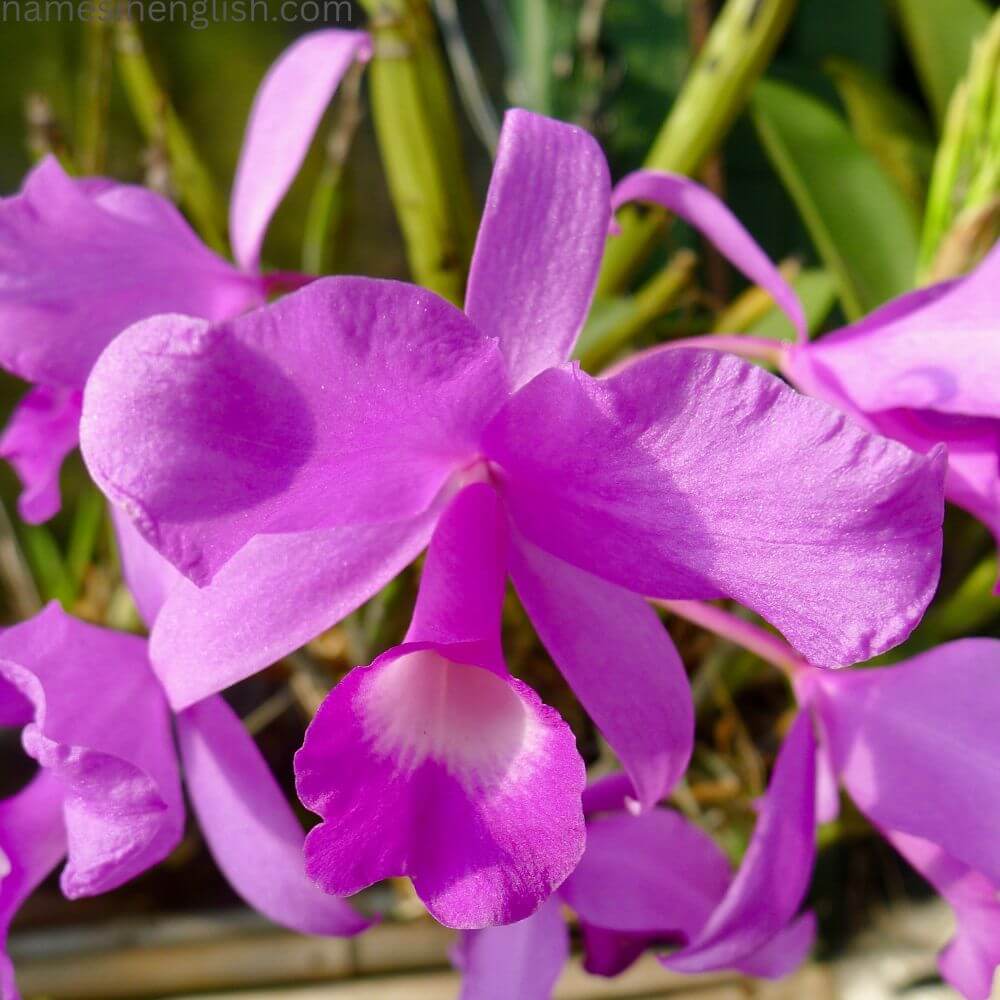
Guaria Morada is recognized by its soft purple petals, gentle fragrance, and graceful shape. The petals often display a blend of lavender and lilac shades, creating a rich yet calming color profile. Its blooms form in clusters, and each flower has a distinct throat pattern typical of orchids.
Where It Naturally Grows in Costa Rica
The flower grows naturally in warm, humid regions, especially in areas with partial shade. You’ll find it attached to tree trunks, garden setups, and orchid collections across the country. Many Costa Ricans cultivate it at home because it adapts well to local conditions and produces abundant blossoms.
Best Time to See This Flower Bloom
The best viewing period is from January to March, when Guaria Morada shows its full color. This bloom season coincides with cultural events and family gatherings, making it even more visible around the country. During this time, streets, gardens, and markets often display a variety of orchids, with Guaria Morada taking center stage.
History of the National Flower of Costa Rica
Guaria Morada was declared the national flower in 1939, reflecting both its beauty and cultural role. Before this official recognition, the flower had been part of Costa Rican life for centuries. Families considered it a symbol of blessings and displayed it during celebrations or significant moments. Over time, the orchid became associated with Costa Rica’s identity, and the government’s recognition honored this longstanding connection.
Botanical Profile of Guaria Morada
Guaria Morada’s scientific name is Guarianthe skinneri, and it belongs to the orchid family. It’s an epiphytic plant, meaning it grows on trees while drawing moisture and nutrients from the air. The orchid thrives in medium humidity and indirect sunlight, making Costa Rica’s natural environment ideal for its growth. Its long, thick leaves store water, helping the plant survive short dry spells. Gardeners appreciate its manageable care requirements, which explains why it’s popular in both home gardens and orchid collections.
Final Thoughts
The National Flower of Costa Rica isn’t just admired for its appearance. It embodies the country’s values, traditions, and appreciation for natural beauty. Whether you’re exploring Costa Rica’s biodiversity or learning about its cultural heritage, Guaria Morada reflects the warmth and spirit of its people.
If you’re diving deeper into floral symbolism or national blooms, here are some related reads you may find helpful: