
Why Ranunculus is Outpacing the Classic Peony
Search growth shows that Ranunculus is rising faster than the traditional Peony. Ranunculus has gained around 70 percent growth in recent queries while peony growth is stable but slower. This shift is not about beauty alone. It is about performance.
Ranunculus flowers last up to 12 days in a vase when properly maintained. Peonies usually last between 5 to 7 days after full bloom. For buyers this means fewer replacements and lower cost over time. Event planners now prefer flowers that stay fresh longer during multi-day events.
Another reason is structure. Ranunculus has tightly layered petals that create a clean circular shape. This symmetry fits well with modern minimal floral arrangements. Peonies are more open and irregular. That style is still popular but less aligned with the “quiet luxury” trend where precision matters.
The Sudden Global Fascination with the Nightrider Lily
A new search pattern has appeared around very dark lilies often described as near-black. The term “Nightrider Lily” is being used by growers and sellers to describe these varieties. Search volume for dark lilies is rising alongside cinematic trends in 2026.
Movies and streaming series now use darker color grading and moody lighting. Viewers are becoming familiar with deep tones and low-light scenes. This visual language is moving into home decor. People want flowers that match the same mood.
Traditional white lilies are still common. But dark lilies offer a different emotional tone. They are used in modern events that avoid bright colors. This includes luxury dinners and themed weddings where lighting is controlled. The search data shows a direct link between visual culture and plant selection.
Top 10 Flowers by Search Growth in 2026
The Most Googled Flower Names in 2026 are not just the most popular. They are the fastest growing in search velocity. This list focuses on flowers that moved from niche interest to strong demand within a short time.
A useful reference for search trend data can be found on Google Trends
trends.google.com
1. The Bloody Flower Trend Up 2800 Percent
The term “bloody flower” is now one of the fastest rising queries. This trend reflects a shift toward what designers call Gothic Romance. Instead of bright red roses users are searching for deeper tones that resemble dried blood.
Florists are responding by offering darker varieties of roses and dahlias. These flowers are often paired with dried elements like brown leaves and black stems. This creates a dramatic look that is very different from traditional bouquets.
There is no single scientific name for bloody flower. Instead, it usually refers to different flowers like:
- Dark red varieties of Rosa (roses)
- Deep burgundy Dahlia pinnata (dahlias)
- Sometimes very dark Calla lilies (Zantedeschia)
2. Ranunculus Overtaking the Peony at 70 Percent Growth
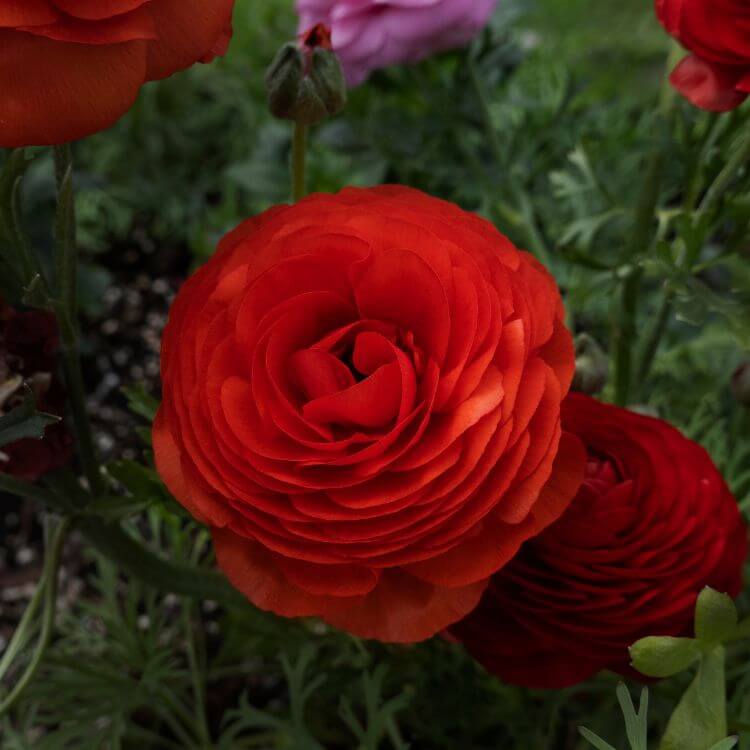
Ranunculus is now a top performer in search growth. Its 70 percent increase shows strong demand in both retail and event markets. The key advantage is its long vase life. At around 12 days it offers double the lifespan of many premium flowers.
This makes it a cost-efficient choice for weddings and hotels. Buyers are choosing it not just for looks but for reliability. This is why it is replacing peonies in many high-end arrangements.
3. Hyacinth Resurgence Driven by Scent Nostalgia
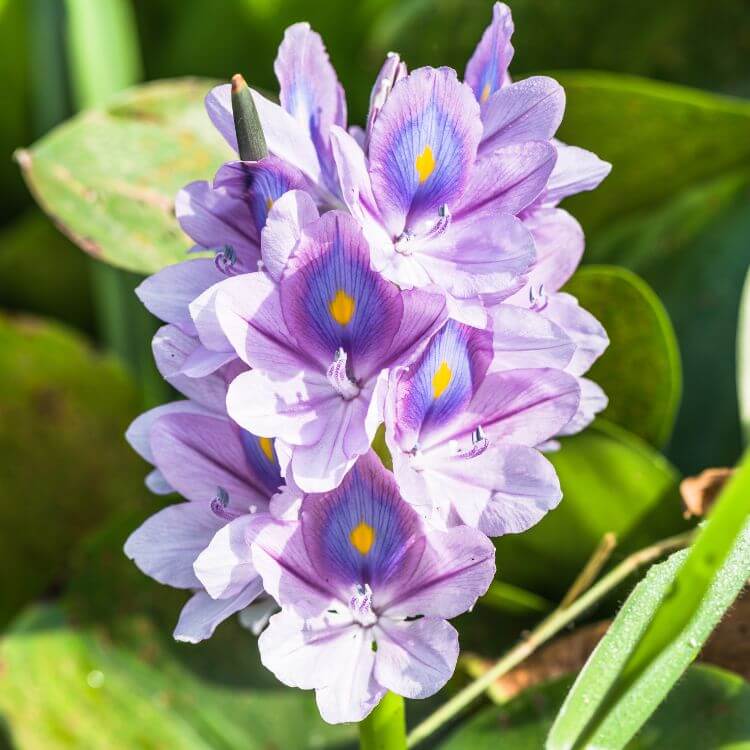
Hyacinth searches have increased by about 70 percent. The main driver is fragrance. Many modern flowers are bred for appearance and shipping durability. As a result they often have little or no scent.
Hyacinth is different. It produces a strong and noticeable fragrance. Users searching for “heavy fragrance flowers” are now choosing hyacinth for indoor spaces. This is part of a broader movement toward sensory gardening where smell is as important as color.
4. Mimosa Blooms Peaking as the Symbol of 2026 Optimism
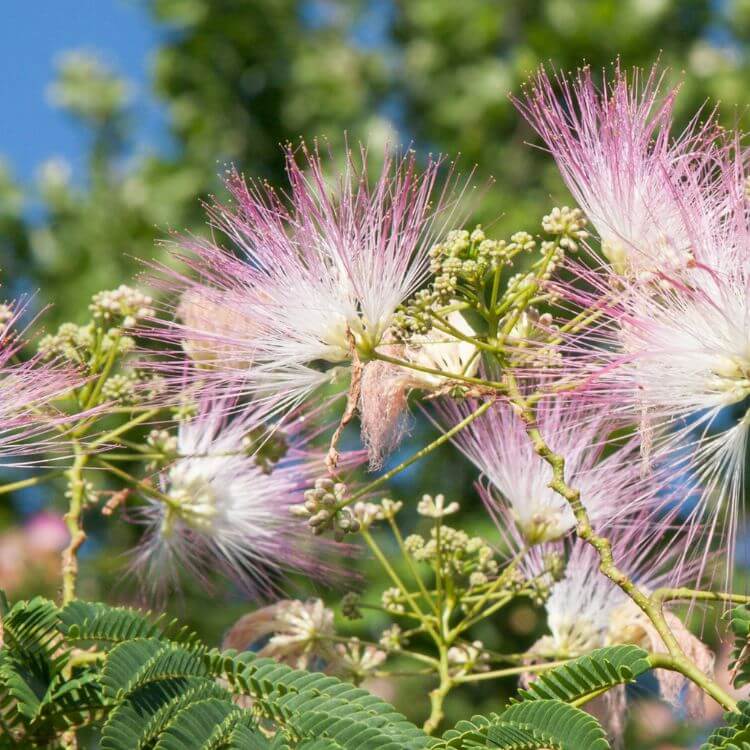
Mimosa searches have grown by around 50 percent. Its bright yellow color is linked to optimism and warmth. This matches current trends in fashion and interior design where yellow tones are becoming dominant.
Mimosa is also lightweight and easy to arrange. It works well in small apartments where large bouquets are not practical. This makes it popular in urban areas.
5. Daffodil Naturalizing and the Wilding Movement
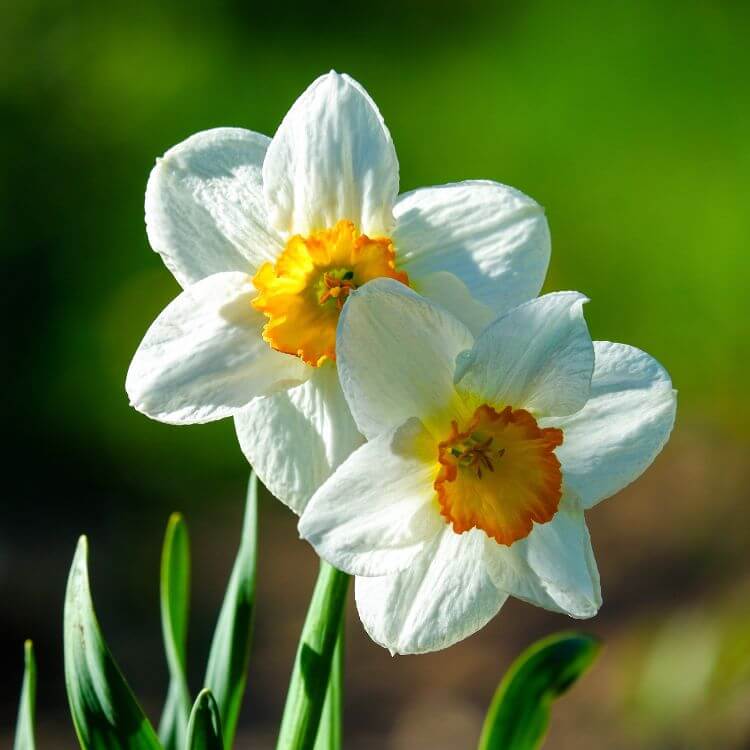
Daffodil searches are up by 50 percent. This is connected to the wilding movement. Gardeners are moving away from perfectly trimmed lawns. They are planting flowers that can grow naturally with little maintenance.
Daffodils are ideal for this. They return every year and spread over time. This supports biodiversity by providing early nectar for pollinators. Users are now searching for plants that require less control and more natural growth.
6. Camellia and the Return of the Old Money Garden
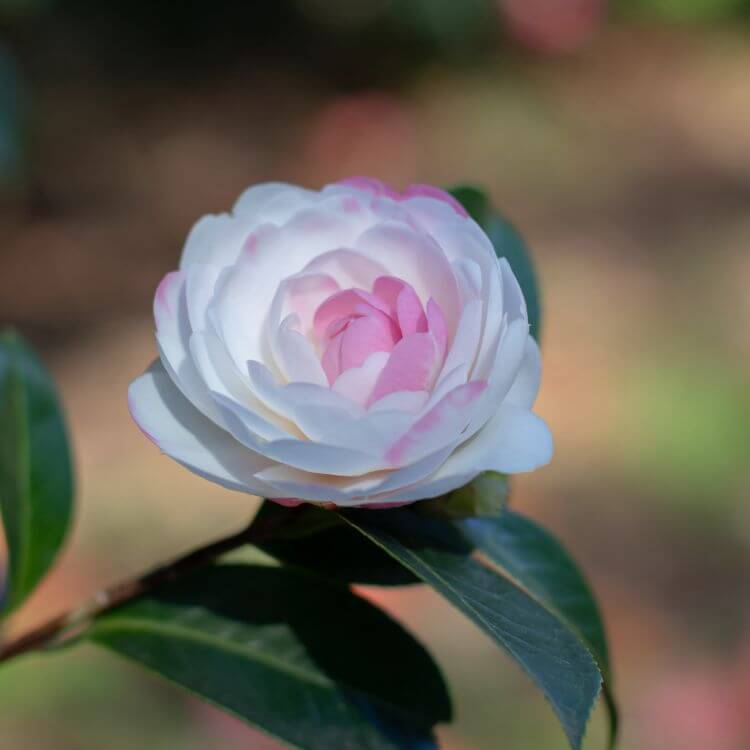
Camellia searches have increased by about 40 percent. This reflects a return to classic garden styles often called “old money gardens.” These gardens focus on evergreen plants that look good year-round.
Camellias offer glossy leaves and structured flowers. They do not need frequent replanting like annual flowers. This reduces maintenance while maintaining a premium look.
7. Fringed Tulips and the Search for Unique Texture
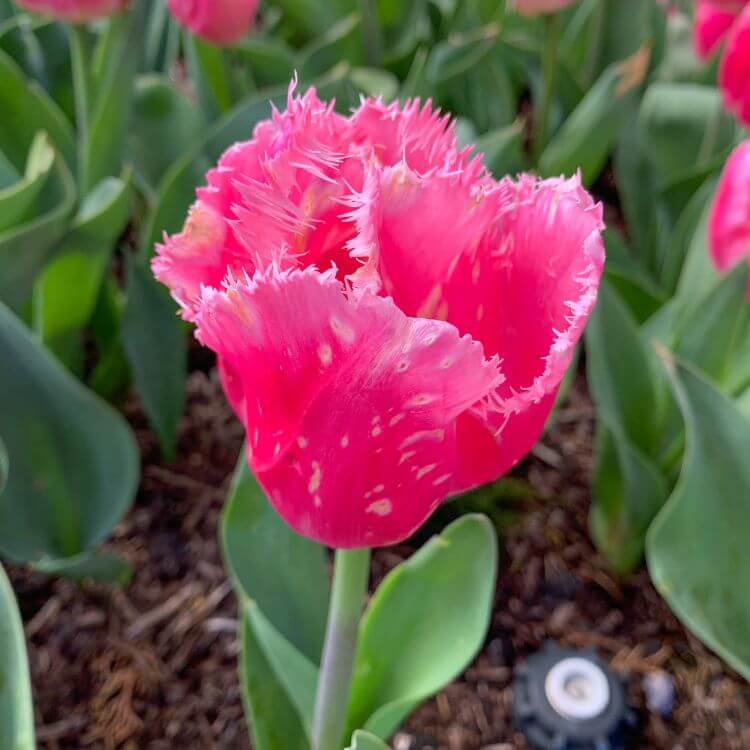
Tulip searches are growing especially for fringed and parrot varieties. Growth is around 40 percent. These tulips have unusual petal edges and shapes.
Users are moving away from standard tulips that look uniform. They want flowers that appear unique in photos. Textured petals create visual interest without needing extra decoration.
8. Lilac Nostalgia and the 30 Percent Sensory Surge
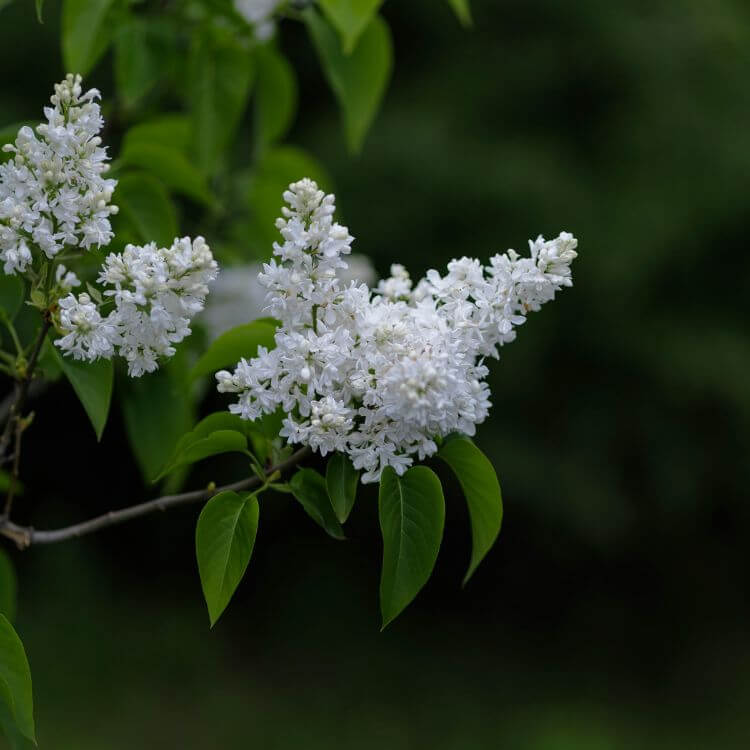
Lilac searches have increased by 30 percent. This is linked to nostalgia. Many users associate lilac with older gardens and family homes.
The scent is also a key factor. Like hyacinth lilac provides a strong fragrance. This supports the trend toward sensory experiences in home environments.
9. The Stable Dominance of White Peonies
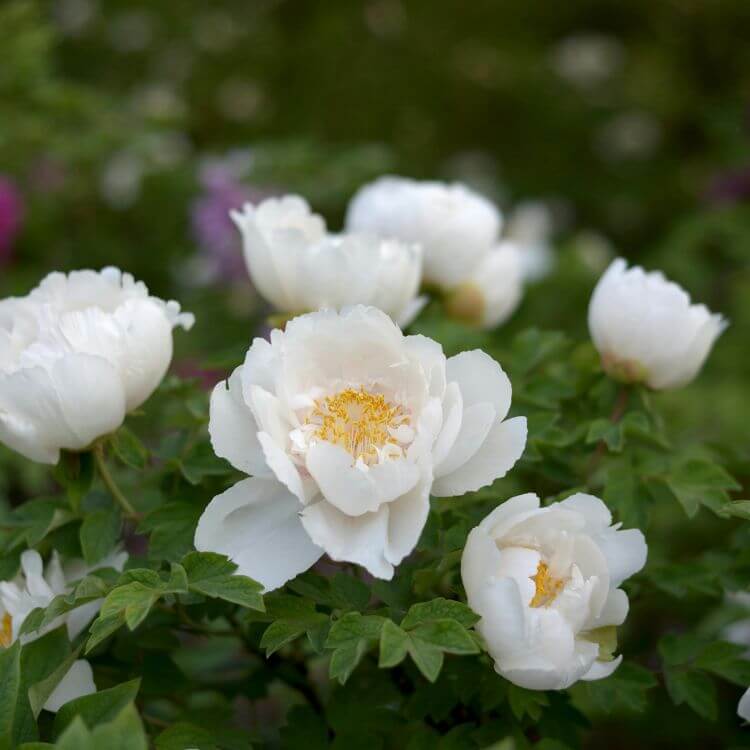
Even though peony growth is slower it remains highly searched. White peonies are still a core choice for weddings. They are considered reliable and widely available.
This makes peonies a stable part of the flower market. They may not grow fast in search trends but they maintain high volume demand.
10. Hydrangea and the Maximalist Border Trend
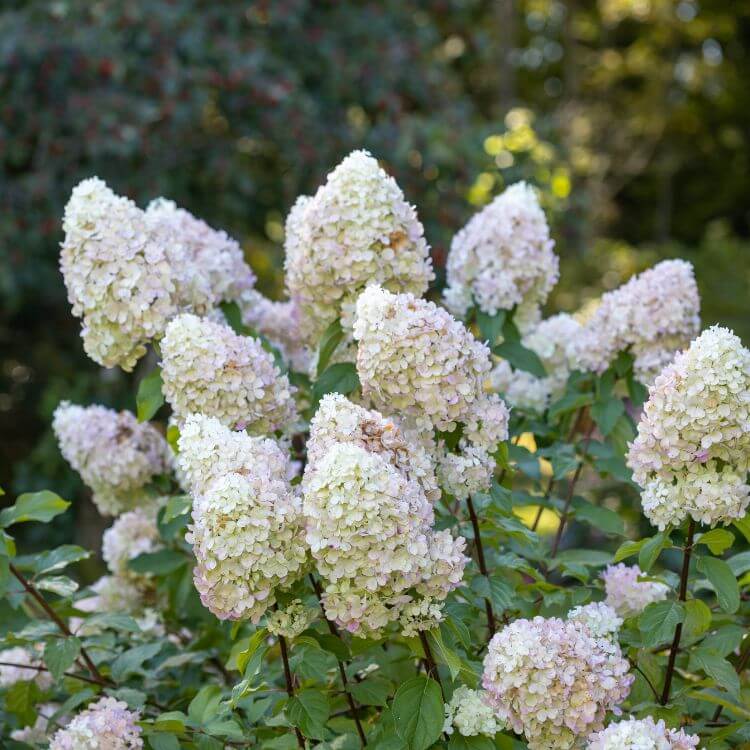
Hydrangea searches have increased by about 30 percent. Large varieties like panicled hydrangeas are especially popular. They fill space quickly and create strong visual impact.
Homeowners are using them to build large garden borders with minimal effort. This fits the maximalist trend where bigger plants are preferred over many small ones.
Regional Variations Between the North and South
Search data shows clear regional differences. In northern regions users search more for hardy perennials. These plants can survive cold winters and return each year.
In southern regions searches focus more on drought-resistant plants. These areas face higher temperatures and water limitations. Users want plants that require less water and can handle heat.
This split shows that flower trends are not only about style. They are also about climate and practicality.
Identifying the Cultural Drivers Behind the Yellow Flower Breakout
Yellow flower searches have increased by 50 percent. This is not just about color preference. It reflects a cultural shift toward warmer tones in living spaces.
After years of neutral and gray interiors people are adding color back into their homes. Yellow flowers are an easy way to do this without repainting walls or buying new furniture.
Measuring the Impact of Floral Tourism
Searches for events like the Philadelphia Flower Show have increased by over 1000 percent. This shows a new behavior pattern. People are searching for flowers they can see in real life.
Floral tourism is growing. Visitors attend shows to experience large displays and learn about new varieties. After visiting they often search for the same flowers to use at home.
Emerging Alternatives to Traditional Cut Flowers
The Most Googled Flower Names in 2026 also include non-natural options. Searches for pipe cleaner flowers and crochet flowers have increased by about 80 percent.
This is driven by rising flower prices. Fresh flowers need constant replacement. Handmade alternatives last much longer. They are also seen as unique and personal.
People are now mixing real and artificial elements in their decor. This reduces cost while maintaining visual appeal.
The Decline of the Plastic Lego Flower Trend
Interestingly searches for plastic flower kits have dropped by around 20 percent. This includes products like Lego flowers. The decline suggests a shift away from fully artificial designs.
Users are returning to natural materials and real gardening. Soil health and plant care are becoming more important topics. This indicates a deeper interest in nature rather than decoration alone.
Why Birth Flower Gifting is the Most Profitable Niche in 2026
Searches for birth flowers by month have increased by about 30 percent. This includes terms like January birth flower and March birth flower.
Retailers are using this data to create targeted products. For example they offer bouquets based on a person’s birth month. This adds personal meaning to a simple gift.
Customers are willing to pay more for items that feel customized. This makes birth flowers one of the most profitable niches in the flower market.
Essential Technical Data for 2026 Garden Planning
The Most Googled Flower Names of 2026 can also guide practical decisions. By comparing search trends with climate data gardeners can choose plants that are both popular and suitable for their region.
For example ranunculus grows best in mild climates with cool seasons. Hydrangeas need consistent water. Daffodils require a cold period to bloom properly. Understanding these needs helps prevent common planting failures.
Predictive Search Trends for the Upcoming Floral Season
Search growth for hyacinth and daffodil is around 70 percent and 50 percent. This suggests strong demand in the coming season. Suppliers often run out of high-demand bulbs months in advance.
Gardeners who track these trends can buy early and secure better quality plants. Waiting until peak season may lead to limited choices.
Strategies for Capturing Intent Based on Rising Related Queries
Search terms like flower box and flower garden are growing steadily. This shows that users are moving from interest to action. They are not just looking at flowers. They want to grow them.
Content creators and sellers can use this data to provide guides and tools. Step-by-step planting instructions and container gardening tips are now highly valuable. This shift from passive browsing to active gardening is one of the most important changes in 2026.
FAQs
Top searches include Ranunculus, Daffodil, Mimosa, Hyacinth, and Hydrangea due to strong growth trends.
Ranunculus lasts longer in a vase and has a more structured shape, making it popular for modern designs.
It reflects a shift toward dark, Gothic-style flowers like deep red and near-black varieties.
People want strong natural fragrance as many modern flowers lack scent due to commercial breeding.
Search interest in plastic flowers is declining as users prefer real plants or handmade options like crochet flowers.What are the most Googled flower names in 2026?
Why is Ranunculus trending more than Peony?
What does the Bloody Flower trend mean?
Why are scented flowers like Hyacinth popular again?
Are artificial flowers still popular in 2026?
Check other flowers related guides: