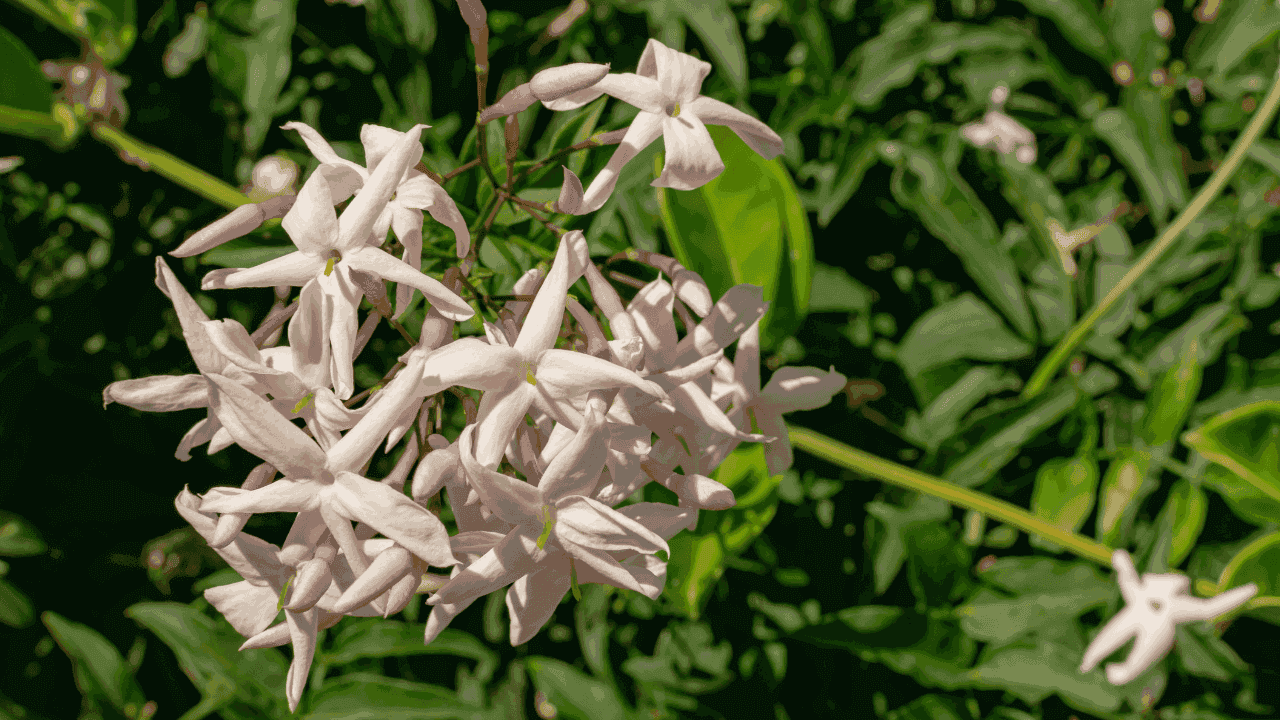

The National Flower of Pakistan is the beautiful jasmine, a small white flower admired for its sweet fragrance, elegant appearance, and deep cultural significance. More than just a national symbol, jasmine represents purity, love, peace, and hospitality, making it an important part of Pakistani traditions, celebrations, and everyday life. Whether you’re a student, traveler, flower enthusiast, or simply curious about Pakistan’s natural heritage, this guide has something for you. In this article, you’ll learn 9 fascinating facts about the National Flower of Pakistan, including its meaning, symbolism, history, unique features, cultural importance, and why this delicate flower continues to capture hearts around the world.
What is the National Flower of Pakistan?
The national flower of Pakistan is Jasmine, also called “Chambeli” or “Yasmin” in Urdu. It was chosen as the national flower due to its pure white color and strong, pleasant fragrance, symbolizing peace, modesty, and strength.
Jasmine is a native flower to tropical and subtropical regions, and it grows abundantly across Pakistan, especially in Punjab and Sindh. Its small white petals and refreshing aroma make it a favorite for home gardens, garlands, and religious ceremonies.
Symbolism and Cultural Significance
In Pakistan, the jasmine is more than just a beautiful flower; it is a tangible symbol deeply woven into the national identity. The white jasmine represents the purity and sincerity of the people, while its strong fragrance reflects the resilience and spirit of the nation.
Jasmine is often used in weddings, festivals, and religious events, symbolizing love, respect, and hospitality. The flower’s presence in traditional décor and fragrances connects deeply with Pakistan’s cultural heritage.
9 Interesting Facts About National Flower of Pakistan
- Jasmine belongs to the Oleaceae family, the same plant family as olive trees.
- There are over 200 species of jasmine, found mainly in tropical and warm regions.
- Most jasmine flowers bloom at night, which is why their fragrance is strongest after sunset.
- Jasmine’s scent is known to reduce stress and improve mood, and it’s widely used in aromatherapy.
- In many cultures, jasmine symbolizes love, purity, and good luck.
- Jasmine is the national flower of Pakistan, Indonesia, and the Philippines.
- The flowers are often hand-picked early in the morning to preserve their fragrance.
- Jasmine oil cannot be made by steam distillation; it requires solvent extraction, making it rare and costly.
- In South Asia, jasmine garlands are traditionally used in weddings, religious ceremonies, and celebrations.
Botanical Details of Jasmine
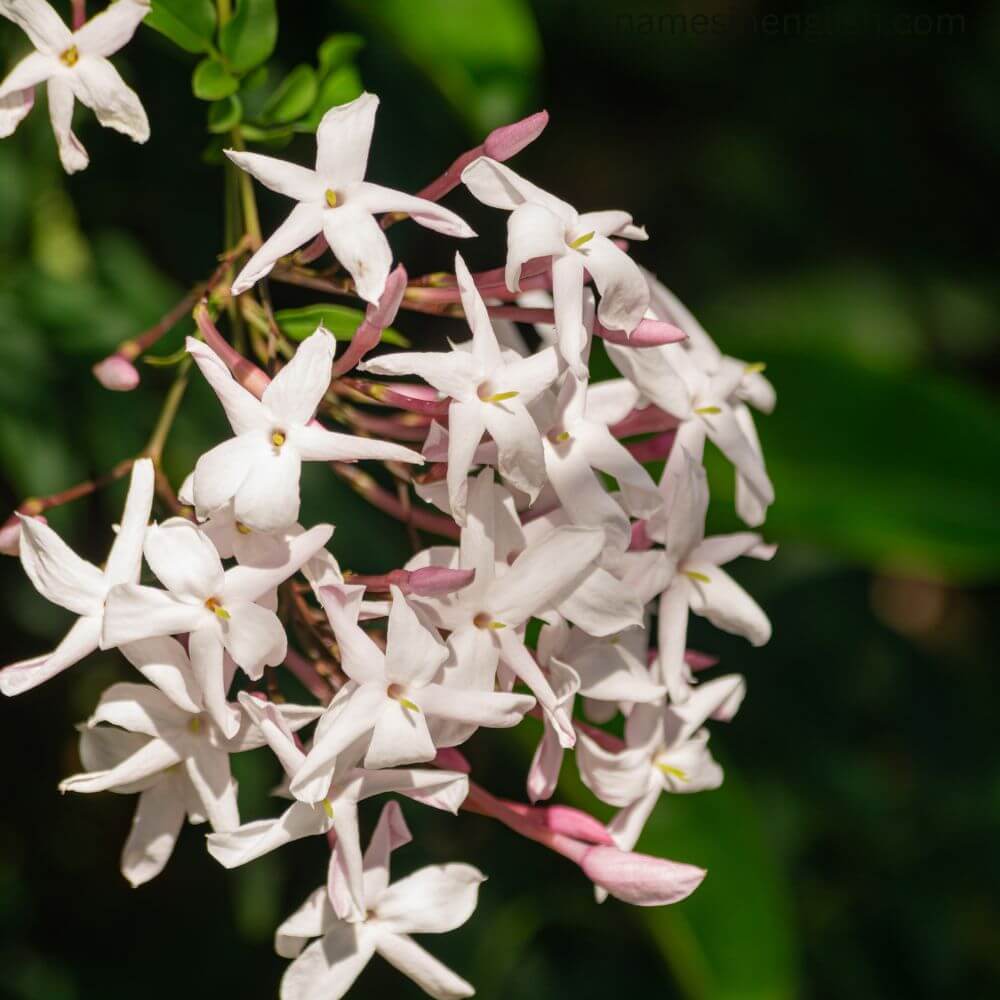
- Scientific Name: Jasminum officinale
- Common Name: Jasmine / Chambeli
- Family: Oleaceae
- Type: Flowering shrub
- Color: Pure white
- Native Region: Asia (especially South and Southeast Asia)
- Blooming Season: Spring and Summer
The plant thrives in warm climates and well-drained soil, requiring plenty of sunlight. Its star-shaped white flowers attract bees and butterflies, adding beauty and life to gardens across the country.
Jasmine in Pakistani Lifestyle
Jasmine plays a vital role in daily Pakistani life. You’ll find it:
- Used in flower garlands and perfumes
- Featured in traditional ceremonies and weddings
- Planted in gardens and courtyards for its soothing scent
- Represented in art, poetry, and national events as a symbol of peace and beauty
Jasmine in Art and Literature
We cannot separate the National Flower from the Urdu language.
- Poetry: Great poets like Allama Iqbal and Faiz Ahmed Faiz often used the image of the Chambeli or Yasmin to represent beauty, longing, and the fleeting nature of life.
- National Branding: The Jasmine flower frequently appears on government postage stamps, official invitations, and was even the inspiration for the name of the “Jasmine Garden” in Islamabad.
Why Jasmine Was Chosen as the National Flower of Pakistan
Jasmine was officially declared the national flower of Pakistan because of its:
- Cultural Importance: Deeply rooted in traditions and Islamic symbolism.
- Widespread Presence: Grows easily across all provinces.
- Symbolic Meaning: Represents purity, modesty, and the strength of unity.
Just like Pakistan’s national flag’s white color stands for peace and minority rights, the white jasmine complements that meaning reflecting harmony and purity.
Botanical Profile: Understanding the Poet’s Jasmine
While many people recognize the scent, few know the technical specifics that make this plant hardy enough to survive the diverse climates of Pakistan.
- Growth Habit: It is a deciduous climber, capable of reaching heights of 10 to 15 feet if provided with support.
- Leaf Structure: The leaves are pinnate, meaning they grow in pairs along a central stem, usually in groups of 5 to 9 leaflets.
- The Flower: Each flower is roughly 2.5 cm in diameter. Unlike the Jasminum sambac (Motia), which is bushier, the Jasminum officinale has a more delicate, vine-like appearance.
The History of Choice: Why 1954?
Jasmine wasn’t just a random pick. Following the independence of Pakistan, the government sought symbols that reflected the purity of the new state. In 1954, Jasmine was officially designated as the National Flower. It was chosen to provide a floral contrast to the National Fruit (Mango) and the National Tree (Deodar), creating a balanced representation of Pakistan’s flora.
The Chambeli Economy: Trade and Statistics
Jasmine is not just for decoration. It is a significant commercial crop in Pakistan.
| Metric | Details |
| Major Cultivation Hubs | Pattoki (Punjab), Hyderabad (Sindh), and parts of KP. |
| Economic Impact | The flower market in Pattoki alone handles billions of rupees in floral trade annually. |
| Essential Oil Yield | It takes approximately 1,000 kg (1 ton) of jasmine flowers to produce just 1 kg of jasmine concrete (highly concentrated oil). |
| Global Demand | Pakistan is a key exporter of jasmine-based attars (traditional perfumes) to the Middle East and Europe. |
How to Grow Jasmine in Pakistan
If you want to grow the national flower at home, follow these specific parameters:
- Sunlight: Requires at least 6 hours of direct sunlight.
- Soil pH: Prefers slightly acidic to neutral soil (pH 6.1 to 7.5).
- Watering: In the scorching heat of June/July, jasmine requires daily watering, but the soil must be well-draining to prevent root rot.
- Pruning: The best time to prune is late winter (February) to encourage massive blooms in the spring.
FAQs About Pakistan’s National Flower
What is the national flower of Pakistan?
Jasmine (Jasminum officinale) is the national flower of Pakistan.
What is the national flower of Pakistan in Urdu?
The national flower of Pakistan in Urdu is Chambeli (چنبیلی).
What is jasmine called in Pakistan?
In Pakistan, jasmine is commonly called Chambeli or Motia.
Are Chameli and Motia the same?
No. While both are Jasmines, Chambeli is Jasminum officinale (a vine), while Motia is Jasminum sambac (a shrub).
What is our country’s flower?
Pakistan’s national flower is Jasmine, chosen for its beauty and fragrance.
Why is jasmine the national flower of Pakistan?
Jasmine represents purity, simplicity, and elegance in Pakistani culture.
What does jasmine symbolize in Pakistan?
In Pakistan, jasmine symbolizes love, peace, purity, and modesty.
Final Thoughs About National Flower of Pakistan
The National Flower of Pakistan, the Jasmine, beautifully symbolizes the nation’s purity, resilience, and unity. Its timeless fragrance and gentle beauty remind us of Pakistan’s natural richness and cultural depth.
Whether adorning homes, used in rituals, or symbolizing the spirit of the nation, jasmine remains a true emblem of Pakistan’s heart.
Related Blogs You’ll Love
If you enjoyed learning about the National Flower of Pakistan, you might also like these:
- What Is the National Flower of Turkey? Meaning, Symbolism, and History
- National Flower of Sri Lanka: The Blue Water Lily
- 100 Types of Blue Flowers with Pictures: The Ultimate Guide
These guides explore the beauty, meaning, and diversity of flowers around the world to help you grow your knowledge and garden together.