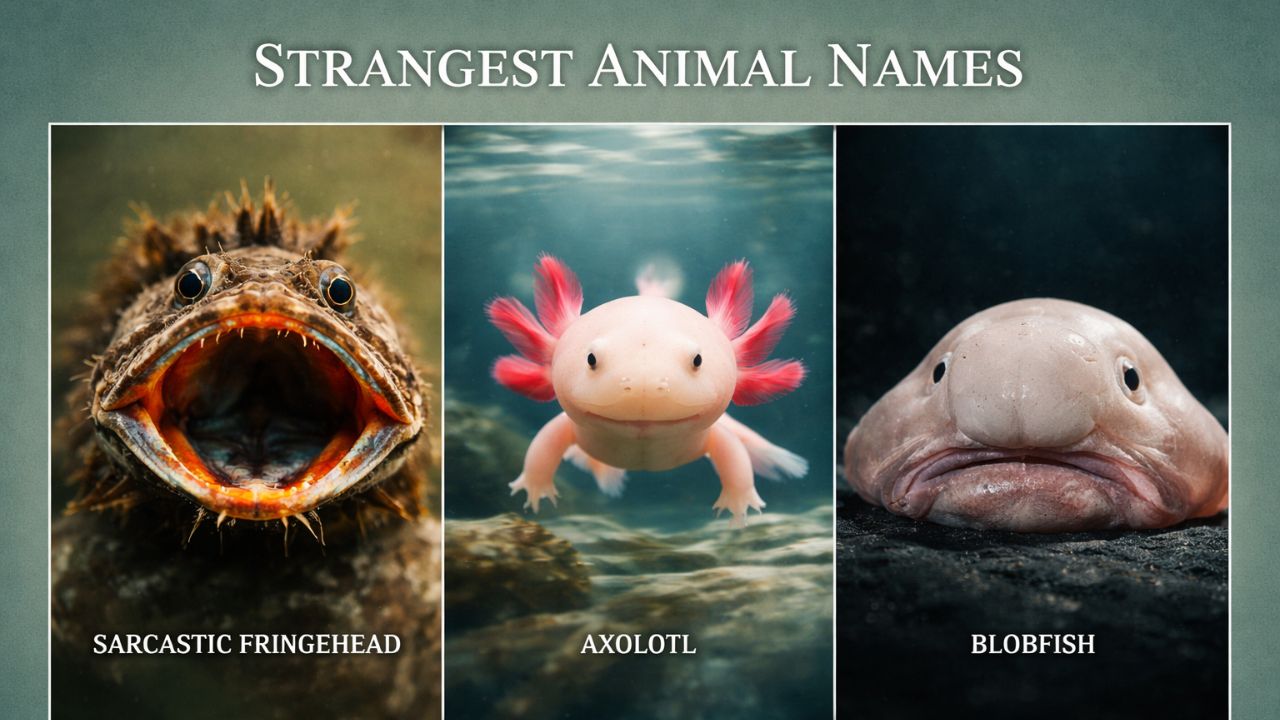

Have you ever heard an animal name that made you laugh or wonder if it was real? The strangest animal names often sound funny, surprising, or completely made up, but each one belongs to a real species with its own unique story. In this article, you’ll learn 25 Strangest Animal Names in the World, learn why they have such unusual names, and explore interesting facts about each animal. Whether you’re a wildlife lover, student, or just curious about nature, this guide will introduce you to some of the most bizarre and unforgettable animal names from around the globe.
Table of Contents
ToggleSome Animal Names Sound Fake But Are Scientifically Real
Strangest Animal Names often sound like jokes, but most of them follow strict scientific rules. Scientists use binomial nomenclature. Every species gets a two-part Latin name. The goal is accuracy, not humor. But when these Latin words get translated or mixed with common language, the result can sound strange or even silly.
Many odd names come from early explorers. These people saw animals for the first time and gave them names based on what they noticed quickly. Sometimes they compared the animal to something familiar. If a fish had big teeth, they might call it something aggressive. If a bird looked lazy, they might use a word that sounds like an insult. These names stayed even after science became more advanced.
Translation also plays a big role. A name that sounds normal in Latin or another language can sound funny in English. For example, the word “sarcasticus” in Latin simply means something sharp or biting. When used in English, it sounds like human behavior. That is how we get names that feel like they describe personality instead of biology.
Another reason is that scientists are allowed some creativity. According to the official naming rules under the International Code of Zoological Nomenclature, names must be unique but can reflect appearance, behavior, or even humor. This freedom leads to names that feel unreal but are completely valid.
A study shared by the Natural History Museum explains that over 2.1 million animal species have been named so far, and many names reflect personal jokes or cultural references by scientists (source: https://www.nhm.ac.uk/discover/how-many-species-are-there.html). This shows that strange names are not mistakes. They are part of the history of discovery.
Animals With Misleading Names That Trick Your Imagination
Some of the strangest animal names are confusing because they give the wrong idea. These names can trick your imagination and create a false image.
Take the Mountain Chicken. It is not a chicken at all. It is a frog found in the Caribbean. The name comes from its taste, not its species. This kind of naming was common in the past when food comparison was more important than scientific accuracy.
Another example is the Electric Eel. It is not a true eel. It is actually a type of knifefish. It can produce strong electric shocks, which explains the first part of its name. But its body shape led people to call it an eel, even though it belongs to a different group.
The Flying Lemur is another misleading name. It does not fly and it is not a lemur. It glides between trees using a skin membrane. Scientists now call it a colugo, but the old name is still popular.
There is also the King Cobra. While it is a real cobra, its name suggests it rules other snakes. In reality, it is known for eating other snakes, which is why it got the “king” label.
These names show how early classification mistakes can last for centuries. Once a name becomes popular, it is hard to change. Even if science updates the classification, the common name often stays the same.
Complete List of 25 Strangest Animal Names
1. Sarcastic Fringehead
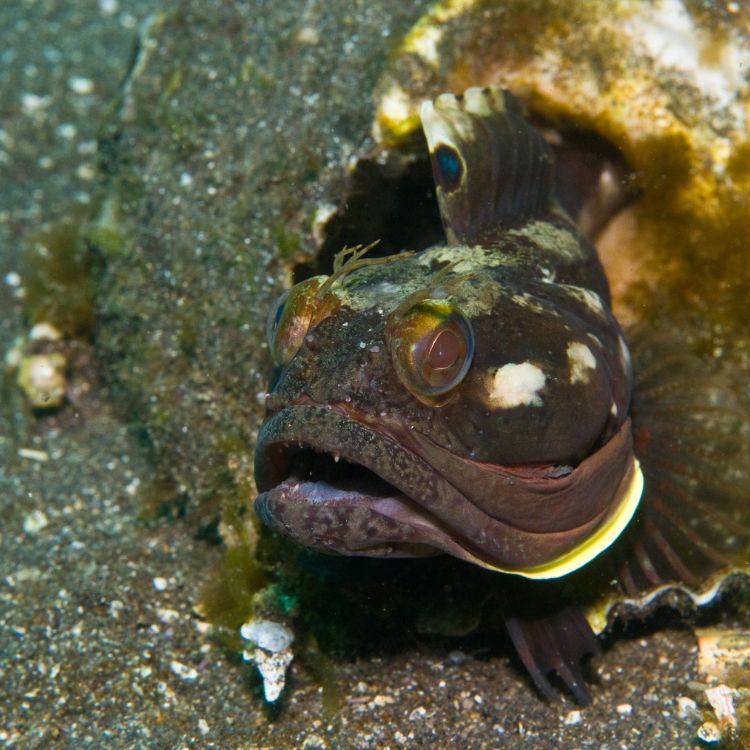
Hidden inside rocky holes along the Pacific coast, this fish suddenly turns aggressive when another fish comes near. Its massive mouth expands outward in a bright display used more for warning than attack. Instead of fighting directly, it relies on intimidation to win territory. This unusual behavior is the real reason behind its dramatic name.
2. Screaming Hairy Armadillo
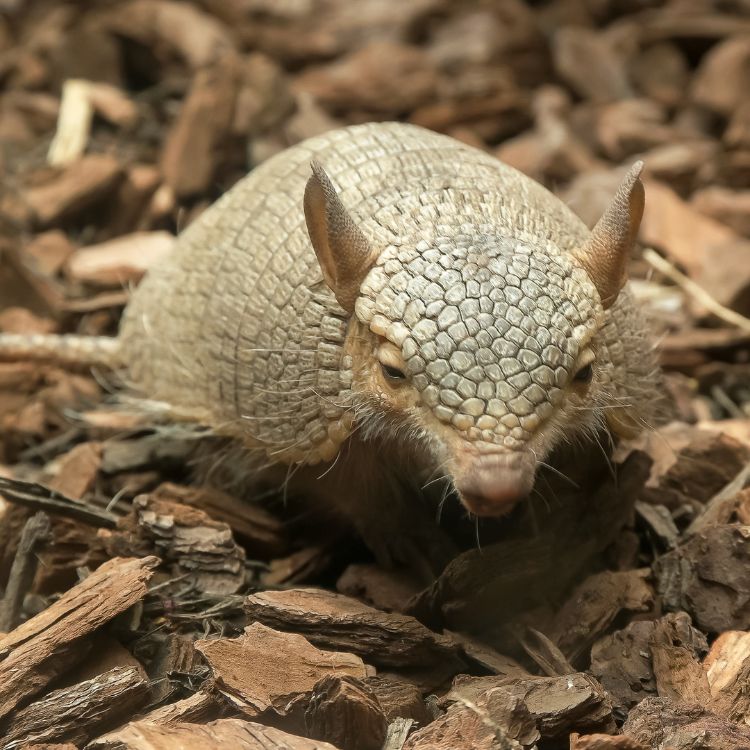
Found in South America, this armadillo produces loud, sharp screams when threatened. The sound startles predators and gives it a chance to escape. Its body is covered with both armor and soft hair, which is rare for armadillos. The mix of defense and noise makes it stand out among mammals.
3. Naked Mole Rat
Living deep underground, this animal forms colonies with a strict social order. Only one female breeds, while others work like laborers. It can survive low oxygen levels that would kill most mammals. Its wrinkled, hairless body helps it move easily through tight tunnels.
4. Chicken Turtle
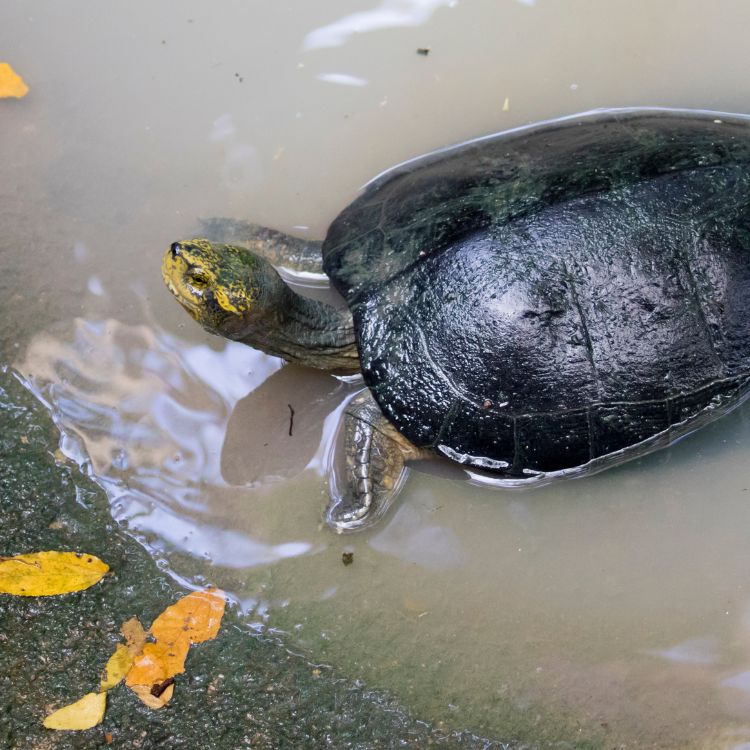
This turtle prefers shallow water but often travels long distances on land. During rainy seasons, it moves between ponds in search of food and better conditions. Its name comes from its taste, not its appearance. Unlike many turtles, it is more active and less tied to one habitat.
5. Glass Frog
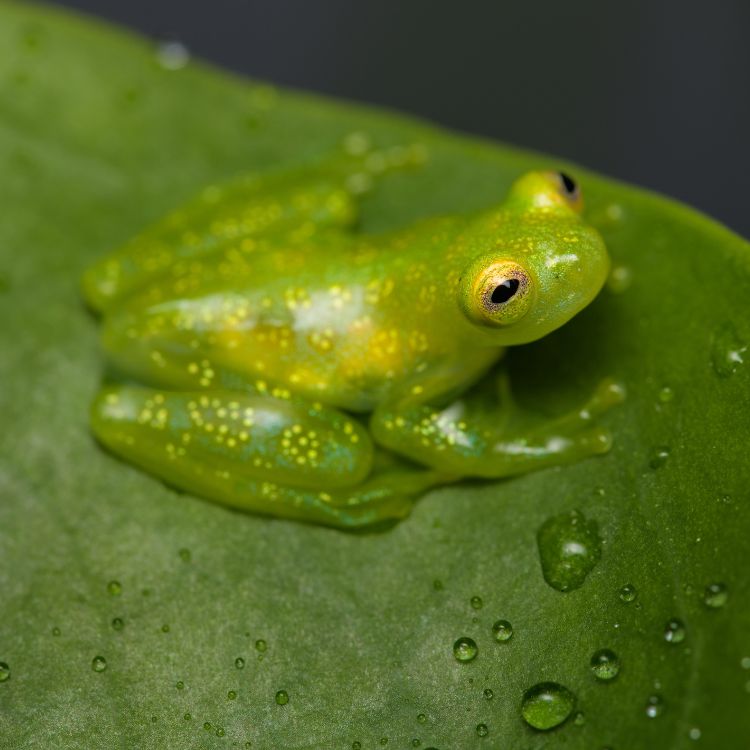
Its most striking feature is a transparent belly that reveals internal organs. This allows scientists to observe its biology without harm. It usually lives on leaves above streams and blends into its environment. Even its eggs are placed carefully to avoid predators.
6. Blobfish
Deep ocean pressure keeps its body stable and firm in its natural habitat. When brought to the surface, the lack of pressure makes it collapse into a soft shape. This change is why it looks so unusual in photos. In reality, it is well adapted to deep-sea life.
7. Pink Fairy Armadillo
This tiny armadillo spends most of its life underground in sandy areas. Its pink shell is actually due to blood vessels close to the surface. It moves through sand quickly, almost like swimming. Rare sightings make it one of the least studied mammals.
8. Goblin Shark
A deep-sea predator, it uses a unique hunting method to catch prey. Its jaw shoots forward in a split second to grab fish. The long snout helps detect electrical signals in the water. This combination makes it highly effective in dark environments.
9. Vampire Squid
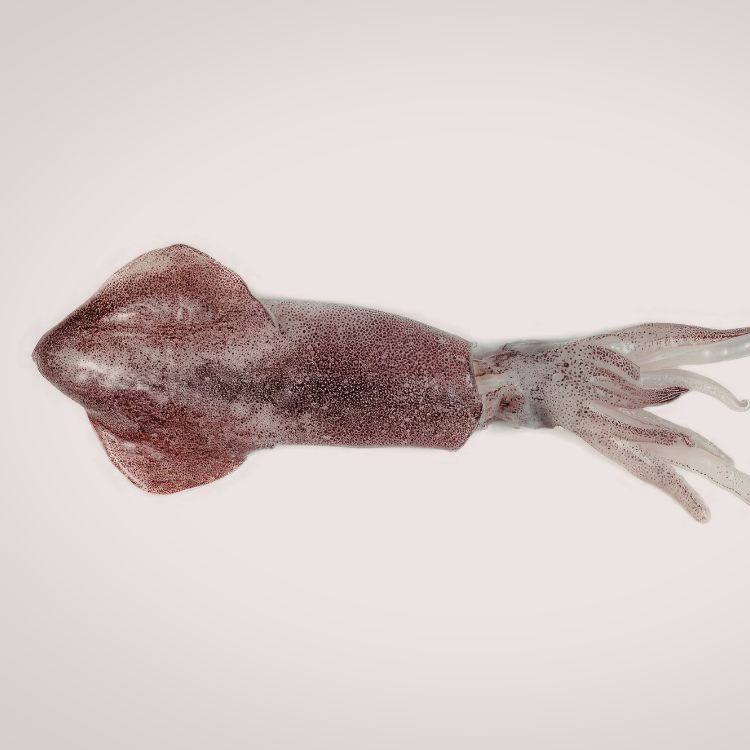
Despite its name, it does not hunt like typical predators. It feeds on small particles that fall from above in the ocean. Its cloak-like arms help it trap food easily. This calm feeding style contrasts sharply with its dramatic name.
10. Panda Ant
Actually a wingless wasp, it has black and white markings like a panda. Its appearance looks soft, but it carries a powerful sting. Bright colors act as a warning to predators. This is a classic example of looks being deceiving in nature.
11. Blue Dragon
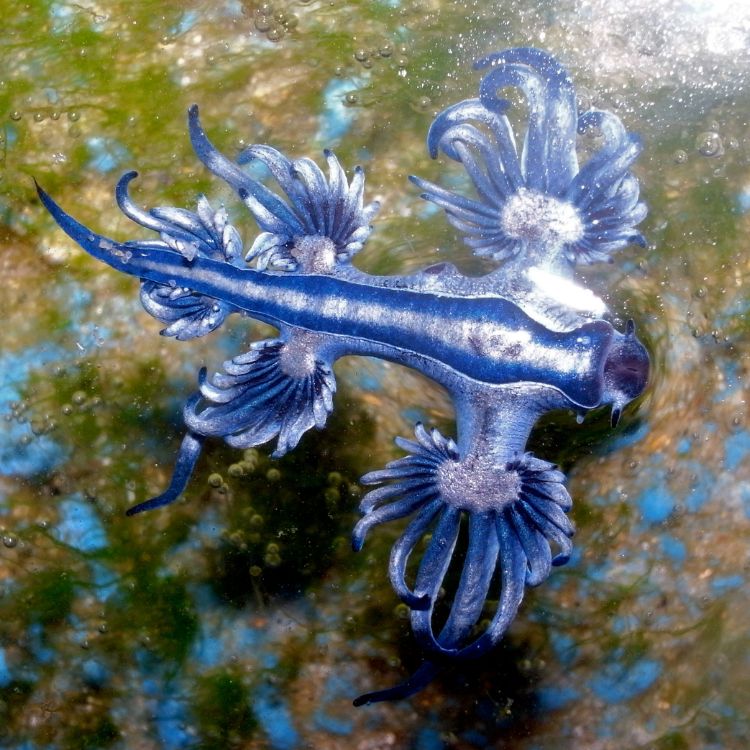
Floating on the ocean surface, it drifts with currents rather than swimming actively. It feeds on venomous creatures and stores their toxins. This allows it to defend itself using stolen venom. Its bright color helps camouflage it against the sky and water.
12. Satanic Leaf Tailed Gecko
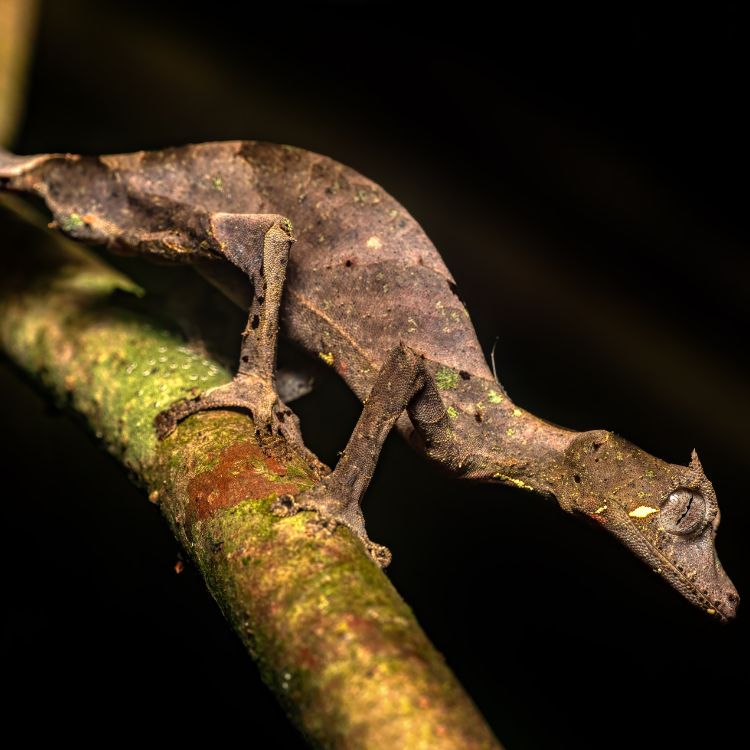
This gecko blends perfectly with dried leaves in forests. Its body shape and texture mimic natural debris. Even its eyes and skin patterns help it disappear from sight. Such camouflage makes it extremely difficult to detect.
13. Ice Cream Cone Worm
Living inside a cone-shaped shell, it rarely exposes itself. The shell provides both protection and structure. It feeds by filtering particles from the water. This simple lifestyle allows it to survive in stable environments.
14. Yeti Crab
Near deep-sea vents, it grows bacteria on its hairy claws. These bacteria serve as its main food source. It waves its claws in the water to help bacteria grow faster. This farming behavior is rare among animals.
15. Disco Clam
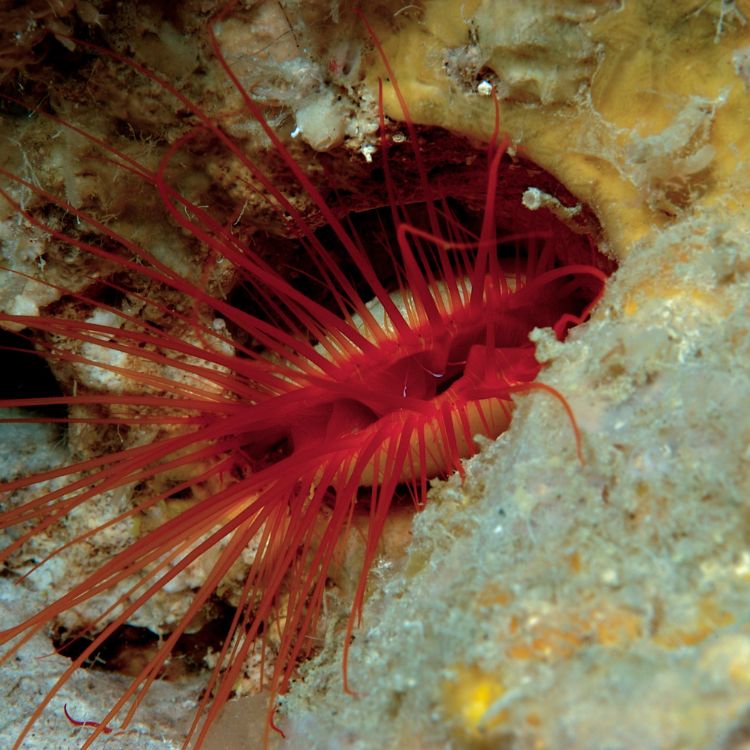
Instead of producing light, it reflects it rapidly to create a flashing effect. This display confuses predators and may also attract mates. The movement is caused by tiny structures on its body. It shows how simple mechanisms can create complex effects.
16. Sea Pig
Living on the ocean floor, it feeds on decaying organic matter. This helps recycle nutrients in deep-sea ecosystems. Its soft body allows it to move slowly across the seabed. Despite its odd look, it plays an important ecological role.
17. Elephant Shrew
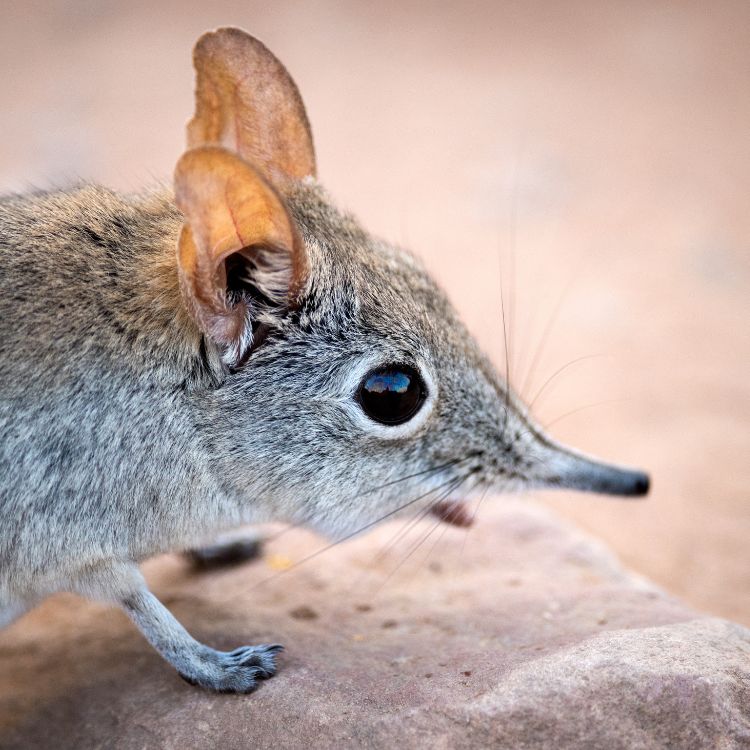
This small mammal is known for its speed and agility. It creates clear paths in its territory for quick escape. Its long nose helps detect insects and food. These paths act like a planned route system for survival.
18. Barrel Eye Fish
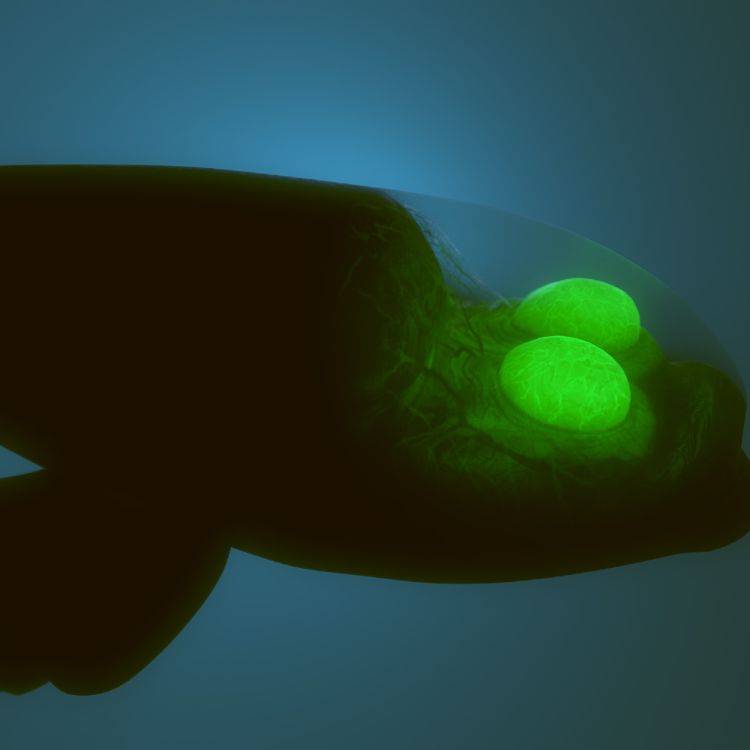
Its transparent head reveals eyes that can rotate inside. This allows it to look upward for prey while staying still. It lives in deep water where visibility is low. This adaptation gives it a strong advantage in hunting.
19. Frogfish
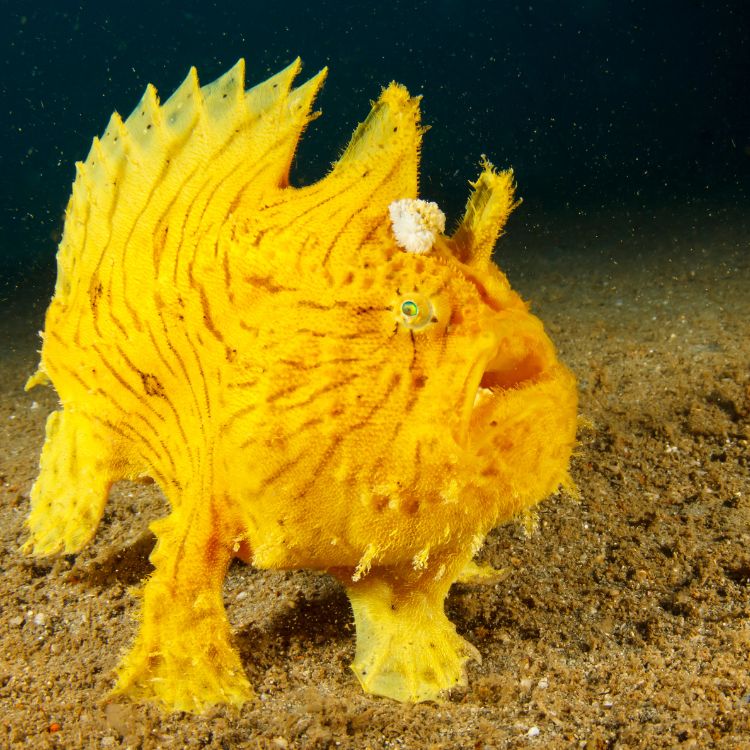
Using a lure on its head, it attracts prey close enough to strike. Its camouflage makes it nearly invisible on coral reefs. It can swallow prey almost as large as itself. This hunting style is both patient and effective.
20. Tasselled Wobbegong
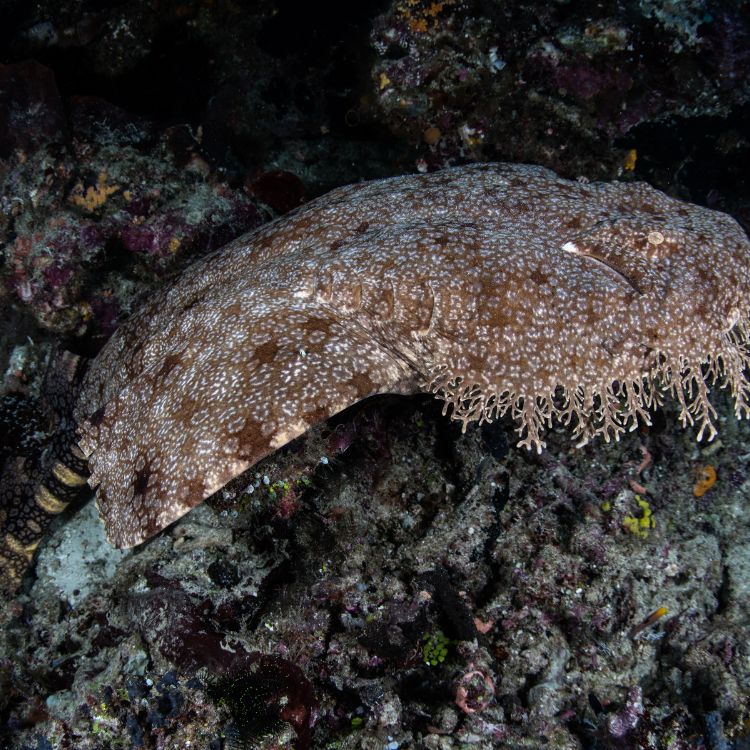
This shark stays still on the ocean floor and waits for prey. Its skin flaps help it blend into rocks and coral. When prey comes close, it strikes suddenly. This ambush method reduces the need for active hunting.
21. Axolotl
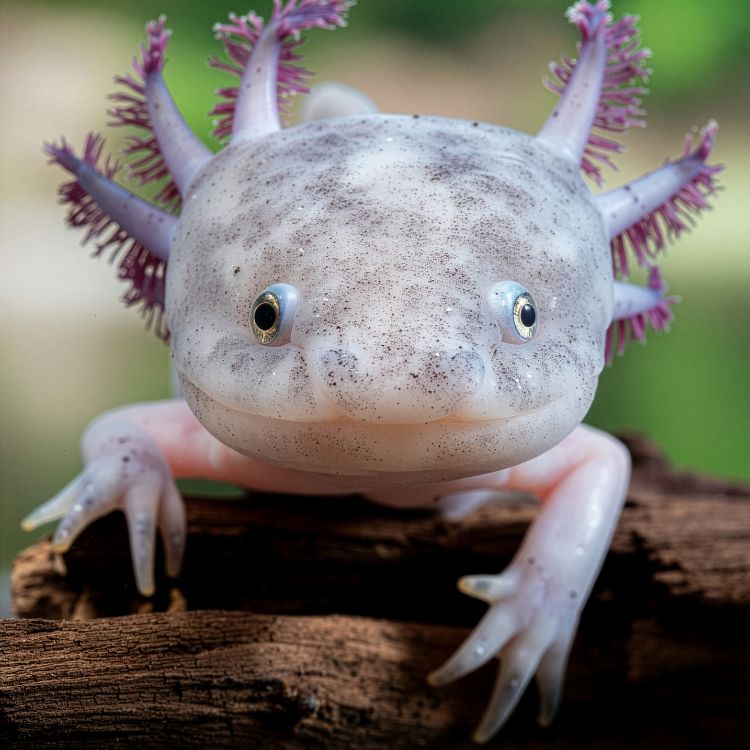
Unlike most animals, it keeps its juvenile features throughout life. It can regenerate lost limbs and even parts of organs. This ability is being studied for medical research. Its survival strategy is based on repair rather than avoidance.
22. Star Nosed Mole
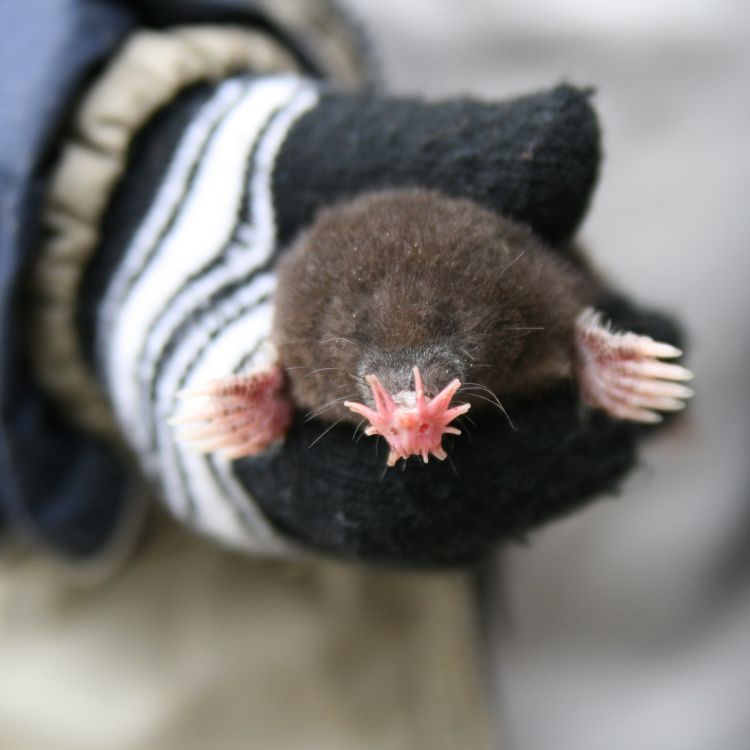
Its nose contains thousands of sensory receptors. This allows it to detect and eat food extremely fast. It can identify prey in milliseconds. Such speed makes it one of the fastest feeders among mammals.
23. Thorny Devil
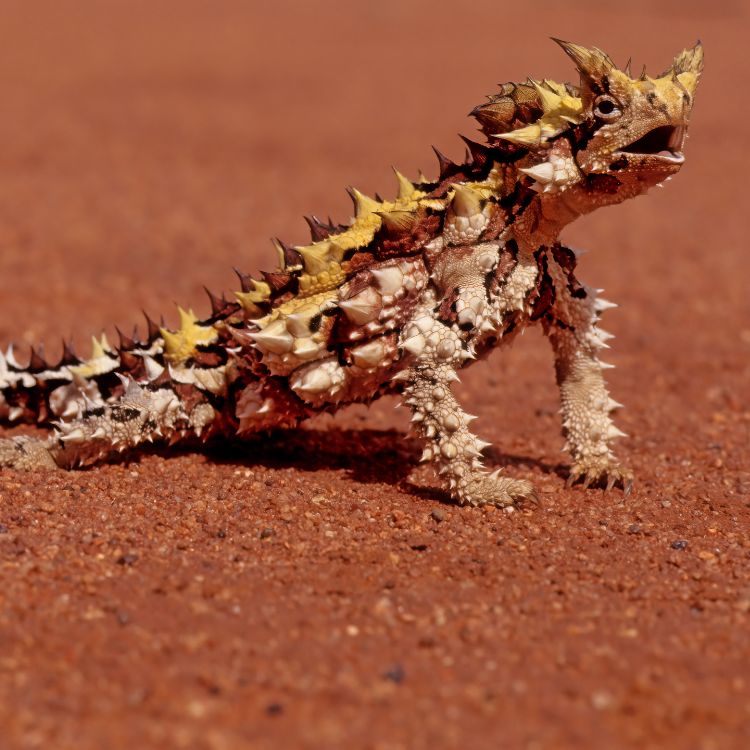
Covered in spikes, it uses its body for both defense and water collection. Tiny grooves in its skin guide water to its mouth. This helps it survive in dry desert areas. Its design is highly efficient for harsh climates.
24. Leafy Sea Dragon
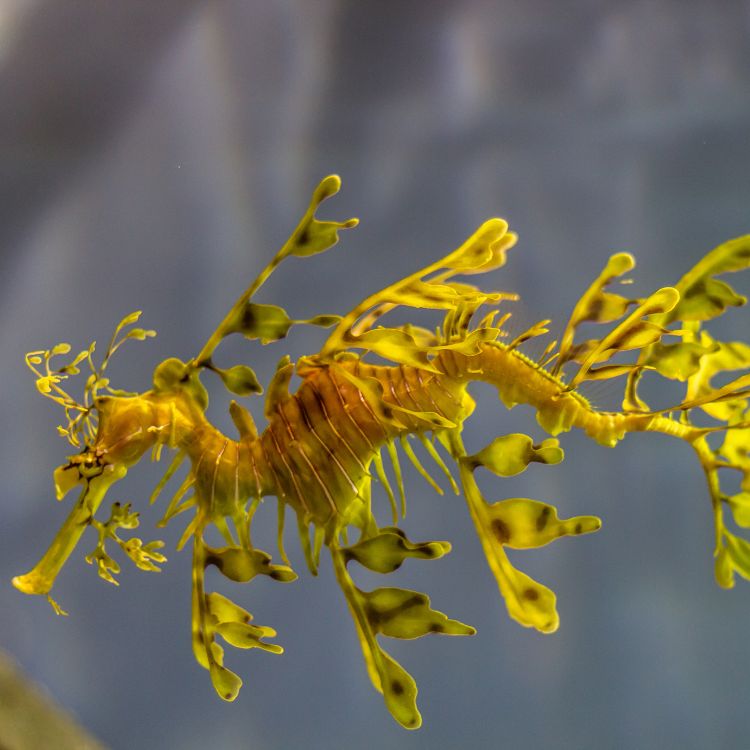
Its leaf-like extensions help it blend into underwater plants. These parts do not help in movement but only in camouflage. It moves slowly to avoid drawing attention. This makes it one of the best-hidden marine animals.
25. Dumbo Octopus
Living deep in the ocean, it uses its fins to glide gently. This movement saves energy compared to fast swimming. It survives in extreme pressure where few animals can live. Its calm motion matches its quiet environment.
FAQs
One of the strangest animal names is the blobfish, known for its unusual jelly-like appearance and oddly fitting name.
Animals with bizarre names include the blue-footed booby, goblin shark, naked mole-rat, and axolotl, each named after unique traits or looks.
Some of the funniest animal names are the laughing kookaburra, chicken turtle, sarcastic fringehead, and hairy frog, often sounding amusing to humans.
Unique animal names include quokka, pangolin, fossa, and tardigrade, which are uncommon and stand out due to their rare usage.What is the strangest animal name?
What are some animals with bizarre names?
What are the funniest animal names?
What are some unique animal names?