
Flowers bring beauty, fragrance, and meaning to our lives, making them a favorite choice for gardens, gifts, and special occasions. Learning different flower names in English not only expands your vocabulary but also helps you recognize popular flowers and understand the stories behind them. In this guide, you’ll learn 101 Flower Names in English, along with their meanings, origins, and pictures, making it easy to identify each flower and discover what makes it unique.
Flowers People Actually Search For Gifts and Bouquets
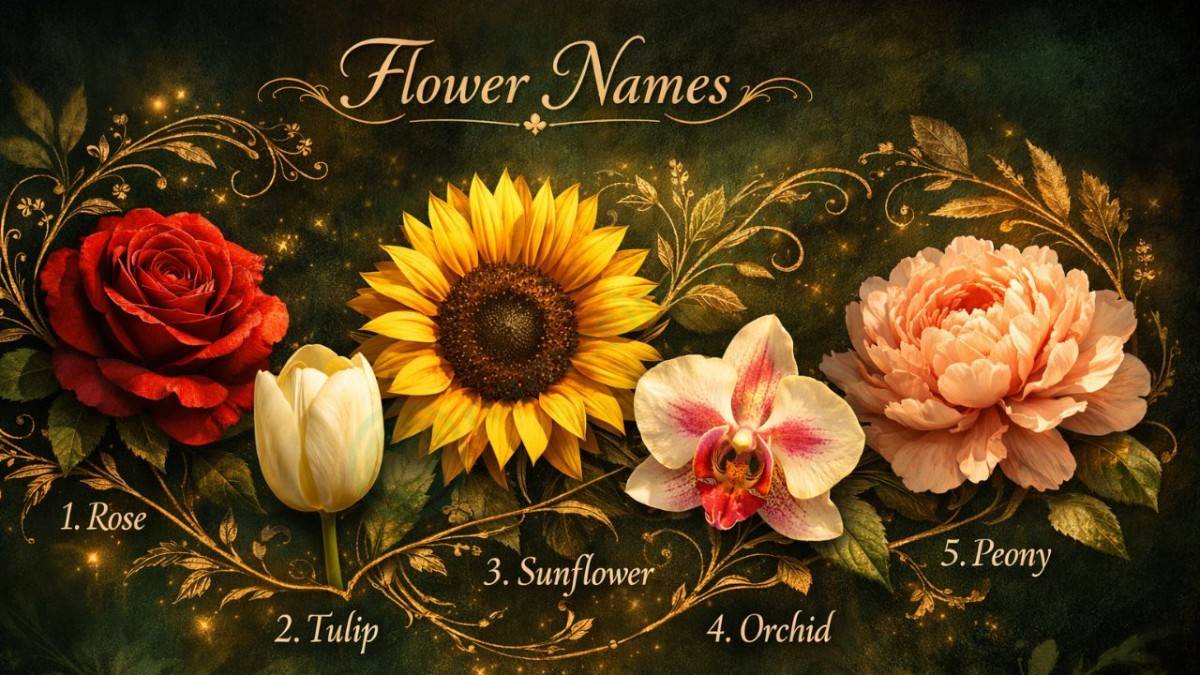
People do not search random flower names. They search flowers they see in real life events. The most searched names in bouquets include Rose, Tulip, Lily, Carnation, Orchid, Sunflower, Daisy, Peony, and Chrysanthemum. These flowers dominate because they are used in weddings, birthdays, and funerals.
Rose is the most searched because it is linked with love. Red rose means deep love. White rose means purity. Yellow rose means friendship. Tulips are popular in spring and represent fresh beginnings. Lilies are used in sympathy bouquets because they represent peace and rebirth. Carnations are budget friendly and last long. This makes them common in large bouquets. Orchids are seen as premium flowers. They are used in luxury gifts. Sunflowers stand for happiness and energy. Their bright color makes them easy to notice even from far.
How Flower Names Evolved Across Cultures and Languages
Flower Names in English often come from Latin, Greek, Persian, and local languages. This is why one flower can have many names. For example, Chrysanthemum comes from Greek words meaning golden flower. In Japan, it is called Kiku. In China, it has another local name. This mix of languages creates confusion. A beginner may think these are different flowers. In reality, they are the same plant with different cultural names.
Latin Scientific Names vs Common English Names Explained Simply
Every plant has a scientific name. This name is universal. It does not change across countries. For example, the scientific name of sunflower is Helianthus annuus. Common names are different. Sunflower is called Surajmukhi in Urdu and Hindi. It is called Tournesol in French. These names change based on language. Scientific names follow a system called binomial nomenclature. This system was developed by Carl Linnaeus. It uses two parts. The first part is genus. The second part is species. This system helps scientists avoid confusion. If you use the name Helianthus annuus, everyone knows you are talking about sunflower.
How Colonial Trade Changed Flower Naming Patterns
During colonial times, European traders traveled across Asia and Africa. They discovered new plants and brought them back. Many flowers got English names during this period. For example, Bougainvillea was named after a French explorer Louis Antoine de Bougainville. Dahlia was named after Swedish botanist Anders Dahl. Magnolia was named after French botanist Pierre Magnol. These names are not random. They reflect history and power. European scientists often named plants after themselves or their sponsors. This is why many Flower Names in English sound European even if the plant grows in Asia or Africa.
Meanings of Flowers That Are Often Misunderstood
Many websites give simple meanings for flowers. These meanings are often incomplete or wrong. Flower symbolism changes across time and culture. For example, a red rose is linked with love today. But in ancient Rome, it also symbolized secrecy. People used roses in meetings to show that discussions should remain private.
Flowers With Double Meanings in Different Cultures
Some flowers have opposite meanings in different cultures. White lilies are used in funerals in many Western countries. They represent peace and death. In some Asian cultures, white flowers are also linked with mourning. But in weddings, white flowers can mean purity and new beginnings. This creates confusion for people who follow only one meaning. Chrysanthemum is another example. In Europe, it is used in funerals. In Japan, it is a symbol of the emperor and long life. This shows how culture changes meaning completely.
Modern Meanings Influenced by Social Media Trends
Social media platforms have changed flower meanings. On platforms like Pinterest and Instagram, flowers are often linked with aesthetics rather than tradition. For example, dried flowers became popular online. They are now linked with minimal design and calm lifestyle. Pampas grass became a trend in home decor. It is now seen as a symbol of modern design rather than nature.
Sunflowers became popular in positive quotes and mental health posts. They are now strongly linked with happiness and self growth. These modern meanings are not based on history. They are based on visual trends and user behavior.
Mistakes People Make When Learning Flower Names
Learning Flower Names in English can be confusing. Many beginners make the same mistakes. These mistakes slow down learning and create wrong understanding.
Confusing Similar Looking Flowers Like Rose and Ranunculus
Rose and Ranunculus look similar at first glance. Both have layered petals. But there are clear differences. Rose petals are thicker and more structured. The center is often hidden. Ranunculus petals are thinner and more paper like. The center is more visible. Ranunculus also has more layers than most roses. It looks fuller and rounder. If you touch them, roses feel firm while ranunculus feels soft and delicate.
This simple comparison helps avoid confusion.
How to Remember 100 + Flower Names Without Memorizing Lists
Memorizing long lists is hard. The human brain remembers patterns better than random data. There are better ways to learn Flower Names in English.
Grouping Flowers by Shape Scent and Usage
Grouping is the easiest method. You can group flowers by shape like round, star shaped, or tubular. Round flowers include Rose, Peony, and Dahlia. Star shaped flowers include Jasmine and Clematis. Tubular flowers include Foxglove and Trumpet vine. You can also group by scent. Strong scented flowers include Jasmine, Gardenia, and Tuberose. Mild scented flowers include Tulip and Orchid. Usage grouping is also helpful. Wedding flowers include Rose, Peony, and Lily. Garden fillers include Petunia and Verbena. This method reduces memory load and improves recall speed.
Using Storytelling to Remember Difficult Names
Storytelling makes memory strong. For example, imagine a sunflower always turning toward the sun like a loyal friend. This helps you remember its name and behavior. Imagine a snapdragon flower opening like a dragon mouth when pressed. This makes the name easy to recall. Create small stories for each flower. This turns abstract names into clear mental images.
Full List of 101 Flower Names With Meanings, Origins & Pictures
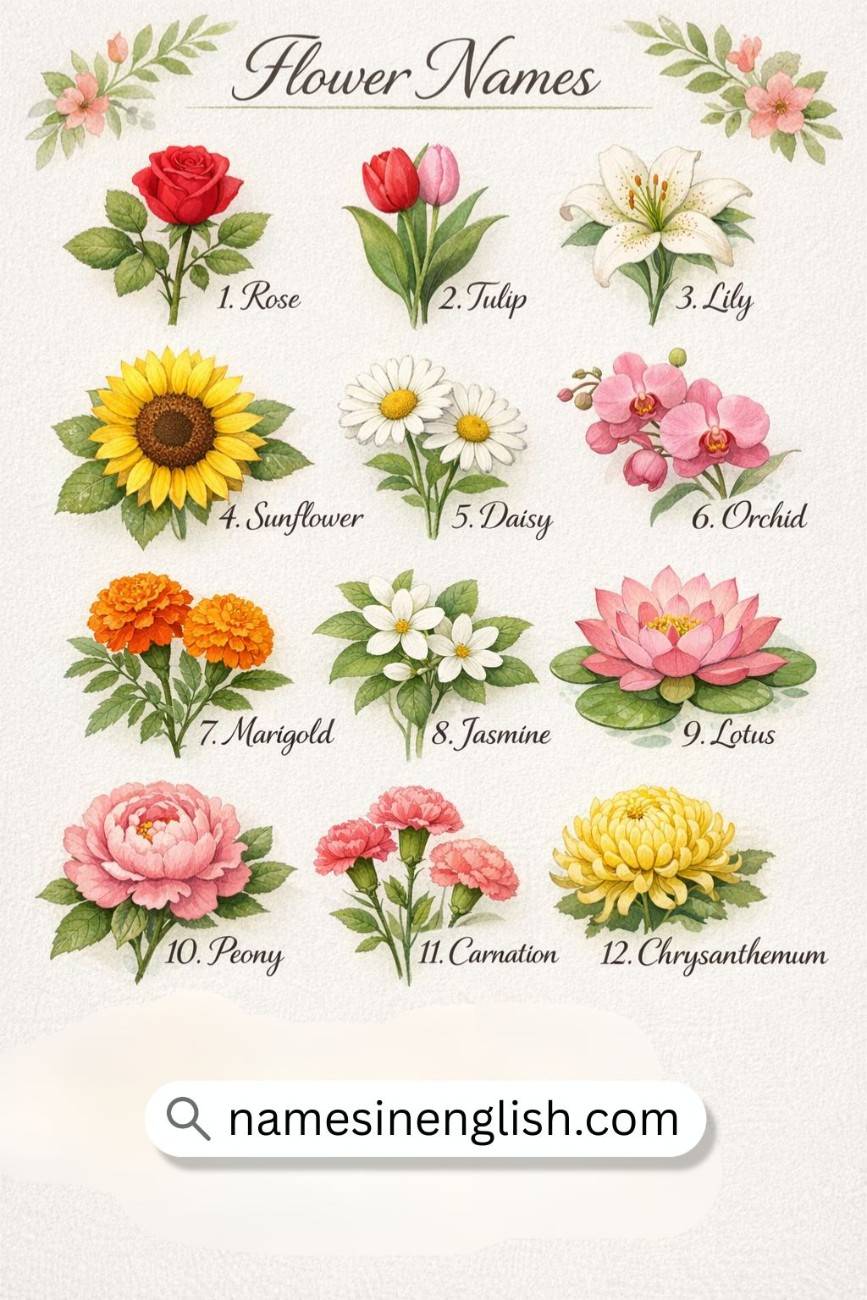
| # | Flower Name | Meaning | Origin | Visual Cue |
|---|---|---|---|---|
| 1 | Rose | Love | Europe | Layered round petals |
| 2 | Tulip | New beginnings | Central Asia | Cup shape |
| 3 | Lily | Purity | Europe | Trumpet shape |
| 4 | Sunflower | Happiness | North America | Large yellow disc |
| 5 | Daisy | Innocence | Europe | White petals yellow center |
| 6 | Orchid | Luxury | Asia | Complex petals |
| 7 | Marigold | Warmth | Mexico | Bright orange clusters |
| 8 | Jasmine | Beauty | Asia | Small white blooms |
| 9 | Lotus | Spiritual growth | Asia | Floating petals |
| 10 | Peony | Romance | China | Large soft petals |
| 11 | Carnation | Admiration | Mediterranean | Ruffled petals |
| 12 | Chrysanthemum | Longevity | Asia | Dense layered head |
| 13 | Lavender | Calm | Mediterranean | Purple spikes |
| 14 | Dahlia | Elegance | Mexico | Geometric petals |
| 15 | Zinnia | Endurance | Mexico | Bright flat blooms |
| 16 | Petunia | Comfort | South America | Trumpet shape |
| 17 | Begonia | Caution | South America | Waxy leaves |
| 18 | Hibiscus | Beauty | Asia | Large open petals |
| 19 | Magnolia | Dignity | America | Thick waxy petals |
| 20 | Poppy | Sleep | Europe | Thin red petals |
| 21 | Geranium | Friendship | Africa | Rounded clusters |
| 22 | Iris | Wisdom | Europe | Sword petals |
| 23 | Azalea | Care | Asia | Funnel flowers |
| 24 | Camellia | Devotion | Asia | Smooth layered petals |
| 25 | Gardenia | Purity | Africa | Creamy blooms |
| 26 | Bluebell | Humility | Europe | Hanging bells |
| 27 | Foxglove | Healing | Europe | Tube clusters |
| 28 | Snapdragon | Strength | Europe | Dragon mouth |
| 29 | Anemone | Protection | Europe | Open center |
| 30 | Buttercup | Cheerfulness | Europe | Glossy yellow petals |
| 31 | Freesia | Trust | Africa | Curved blooms |
| 32 | Gladiolus | Strength | Africa | Tall spikes |
| 33 | Hyacinth | Playfulness | Mediterranean | Dense clusters |
| 34 | Narcissus | Self reflection | Europe | Central cup |
| 35 | Ranunculus | Charm | Asia | Paper layers |
| 36 | Cosmos | Harmony | Mexico | Thin petals |
| 37 | Verbena | Healing | America | Small clusters |
| 38 | Clematis | Ingenuity | Europe | Star shape |
| 39 | Delphinium | Joy | Europe | Tall blue spikes |
| 40 | Larkspur | Lightness | Europe | Loose spikes |
| 41 | Aster | Patience | Europe | Star blooms |
| 42 | Coreopsis | Cheer | America | Daisy like |
| 43 | Gaillardia | Boldness | America | Red yellow mix |
| 44 | Calendula | Healing | Mediterranean | Orange daisy |
| 45 | Tuberose | Sensuality | Mexico | White spikes |
| 46 | Sweet Pea | Pleasure | Italy | Soft clusters |
| 47 | Primrose | Youth | Europe | Low blooms |
| 48 | Hellebore | Calm | Europe | Downward flowers |
| 49 | Crocus | Hope | Europe | Early bloom |
| 50 | Amaryllis | Pride | South America | Large trumpet |
| 51 | Scabiosa | Love | Europe | Pincushion look |
| 52 | Nigella | Mystery | Europe | Fine leaves |
| 53 | Salvia | Wisdom | America | Tall spikes |
| 54 | Phlox | Unity | America | Cluster blooms |
| 55 | Alyssum | Worth | Europe | Tiny clusters |
| 56 | Balsam | Impatience | Asia | Seed pods burst |
| 57 | Canna | Power | America | Bold leaves |
| 58 | Dianthus | Passion | Europe | Fringed petals |
| 59 | Echinacea | Health | America | Cone center |
| 60 | Fuchsia | Elegance | America | Hanging blooms |
| 61 | Gazania | Brightness | Africa | Striped petals |
| 62 | Heuchera | Grace | America | Decorative leaves |
| 63 | Impatiens | Quick action | Africa | Soft blooms |
| 64 | Kalanchoe | Endurance | Africa | Thick leaves |
| 65 | Lobelia | Loyalty | Africa | Small blue blooms |
| 66 | Mimosa | Sensitivity | Asia | Soft fluffy |
| 67 | Nemesia | Balance | Africa | Two lip flowers |
| 68 | Osteospermum | Freshness | Africa | Daisy form |
| 69 | Pansy | Thought | Europe | Face pattern |
| 70 | Quince Flower | Love | Asia | Pink clusters |
| 71 | Rudbeckia | Justice | America | Dark center |
| 72 | Statice | Memory | Europe | Paper texture |
| 73 | Thistle | Protection | Europe | Spiky head |
| 74 | Ursinia | Energy | Africa | Bright orange |
| 75 | Vinca | Friendship | Europe | Glossy leaves |
| 76 | Wisteria | Grace | Asia | Hanging purple |
| 77 | Xeranthemum | Eternity | Europe | Dry petals |
| 78 | Yarrow | Healing | Europe | Flat clusters |
| 79 | Zephyranthes | Renewal | America | Rain bloom |
| 80 | Angelonia | Calm | America | Upright spikes |
| 81 | Blanket Flower | Warmth | America | Red yellow |
| 82 | Candytuft | Simplicity | Europe | White clusters |
| 83 | Dusty Miller | Softness | Europe | Silver leaves |
| 84 | Evening Primrose | Mystery | America | Night bloom |
| 85 | Fireweed | Survival | America | Pink spikes |
| 86 | Globe Amaranth | Immortality | America | Round heads |
| 87 | Heliotrope | Devotion | America | Purple scent |
| 88 | Ice Plant | Resilience | Africa | Shiny petals |
| 89 | Jacob’s Ladder | Growth | Europe | Ladder leaves |
| 90 | Kangaroo Paw | Uniqueness | Australia | Paw shape |
| 91 | Love in a Mist | Mystery | Europe | Fine foliage |
| 92 | Moonflower | Dreams | America | Night bloom |
| 93 | Nasturtium | Patriotism | South America | Round leaves |
| 94 | Oxeye Daisy | Simplicity | Europe | Classic daisy |
| 95 | Penstemon | Strength | America | Tube blooms |
| 96 | Queen Anne’s Lace | Delicacy | Europe | Lace clusters |
| 97 | Rockrose | Survival | Mediterranean | Crinkled petals |
| 98 | Snowdrop | Hope | Europe | Drooping white |
| 99 | Torch Lily | Energy | Africa | Flame spikes |
| 100 | Verbascum | Protection | Europe | Tall spikes |
| 101 | Water Lily | Peace | Asia | Floating blooms |
1. Rose
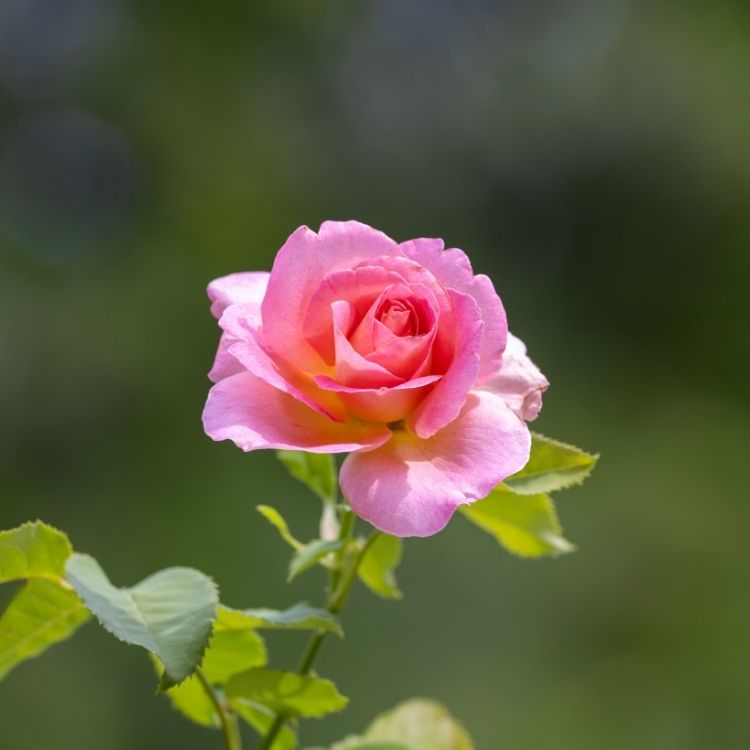
Rose plants produce essential oils that are used in perfumes and skincare. The petals contain compounds that help calm the skin. Some wild species grow with very few petals which shows how hybrids changed their form. Roses also develop thorns as a defense against animals.
2. Tulip
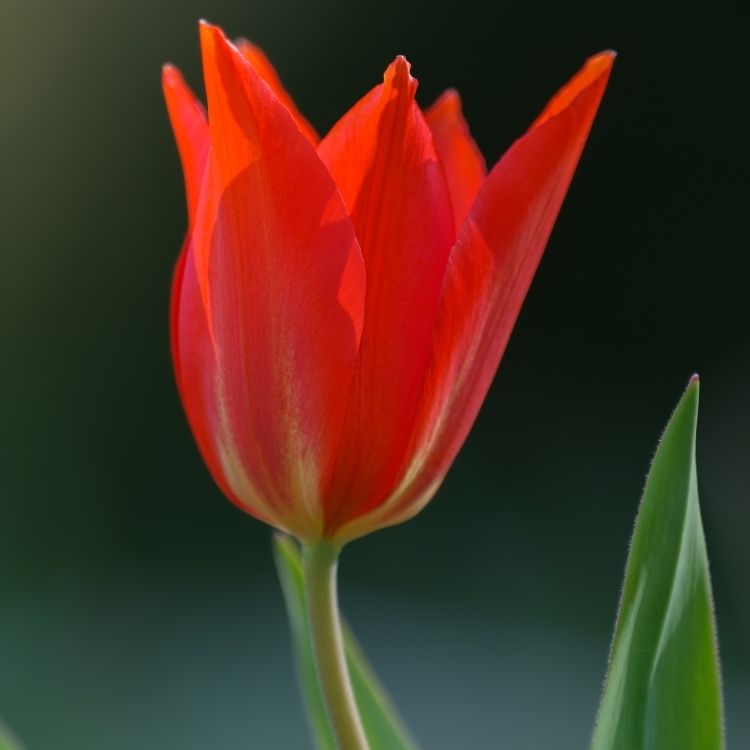
Tulips grow from bulbs that store food during winter. They need a cold period to trigger blooming in spring. Farmers often control temperature to force early flowering. Tulips can bend toward light which shows their sensitivity to the environment.
3. Lily
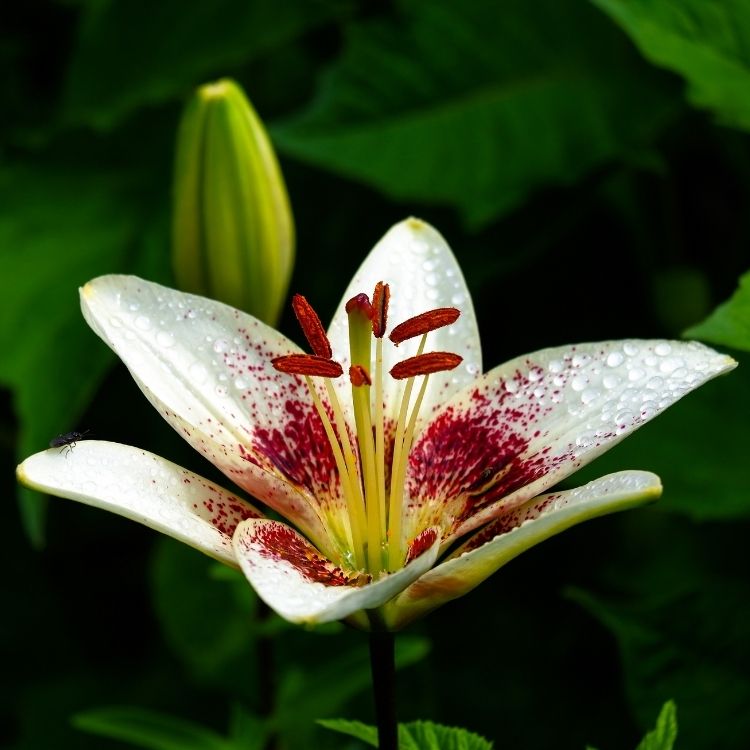
Lilies have strong reproductive structures that make pollination easy. Some species release heavy pollen that can stain surfaces. Many lilies are toxic to cats which makes them risky for indoor homes. Their bulbs allow them to survive harsh seasons.
4. Sunflower
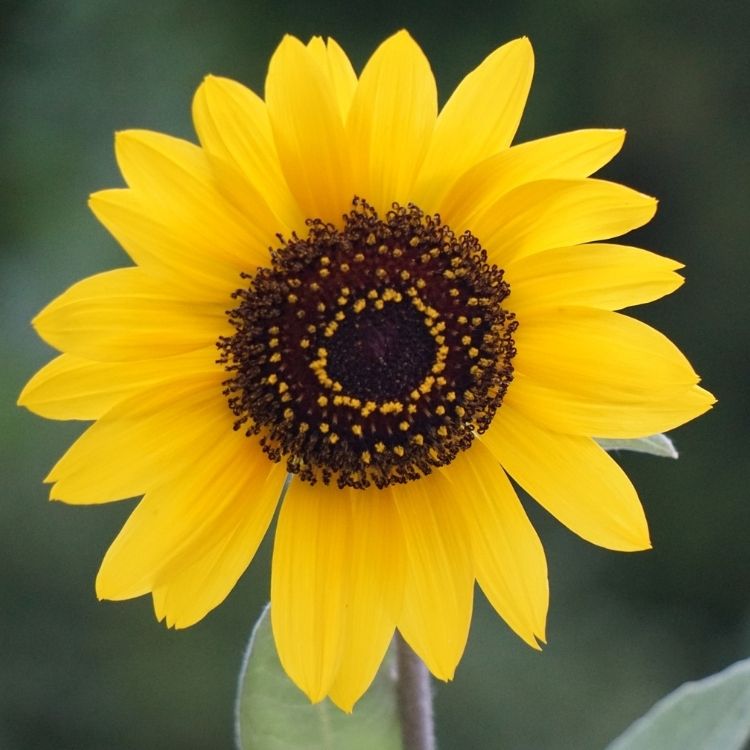
Sunflowers follow the sun during early growth stages. This movement helps increase photosynthesis and growth speed. Mature flowers stop moving and face east. Their seeds are rich in oil and widely used in food production.
5. Daisy
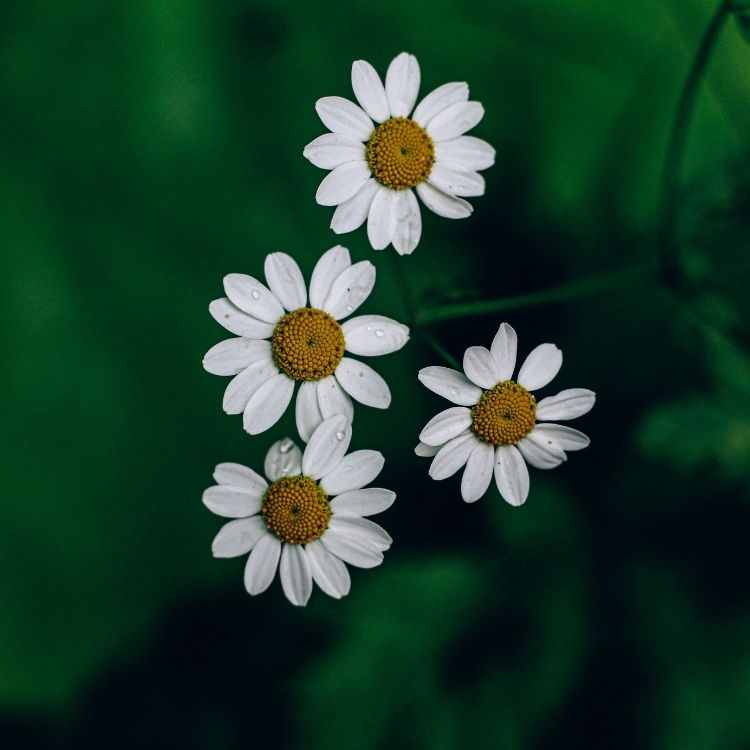
Daisies are made of many tiny flowers grouped together. The center contains hundreds of small florets. This structure improves pollination efficiency. Daisies can grow in poor soil and still bloom well.
6. Orchid
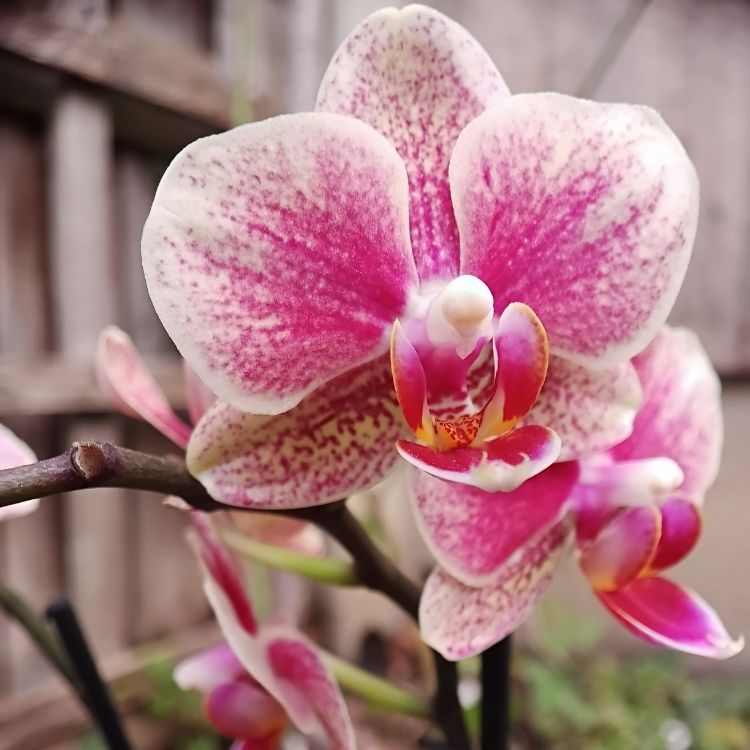
Orchids have one of the most complex pollination systems. Some species trick insects by copying their shape or scent. They often grow on trees instead of soil. This makes them different from most garden plants.
7. Marigold
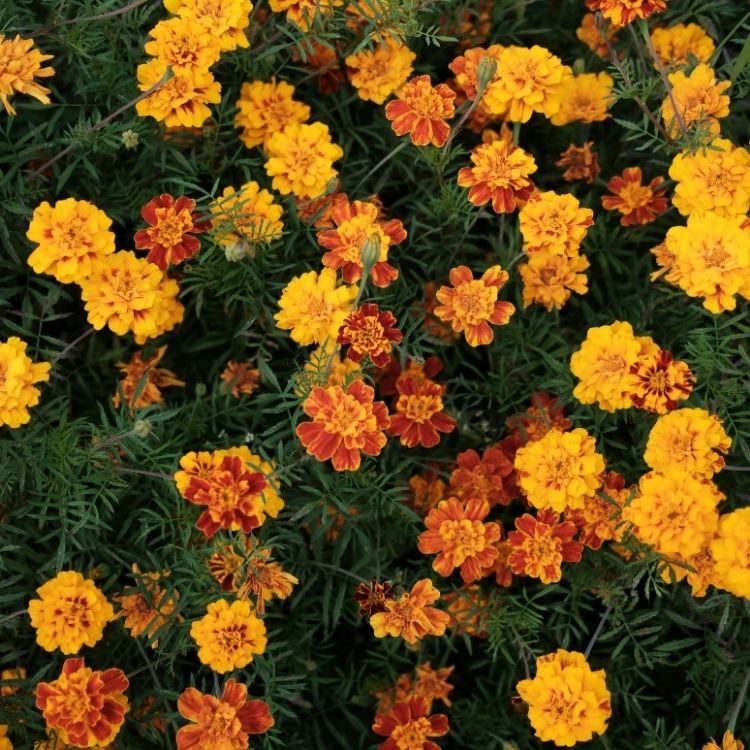
Marigold roots release chemicals that reduce soil pests. This makes them useful in vegetable gardens. They also bloom quickly which gives fast results for beginners. Their strong smell keeps insects away naturally.
8. Jasmine
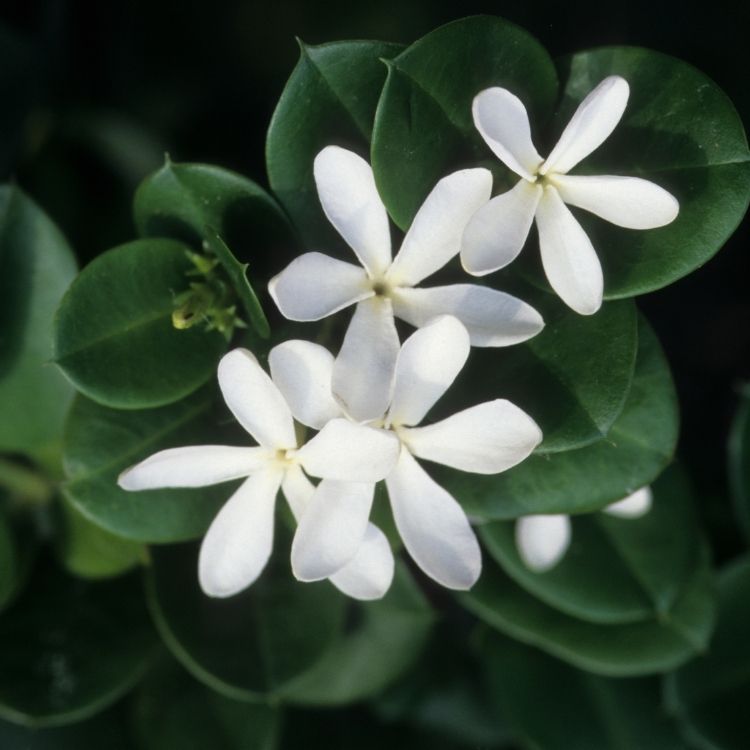
Jasmine flowers release fragrance mostly at night. This helps attract night pollinators like moths. The plant can grow as a vine or shrub. Its oil is widely used in perfumes and teas.
9. Lotus
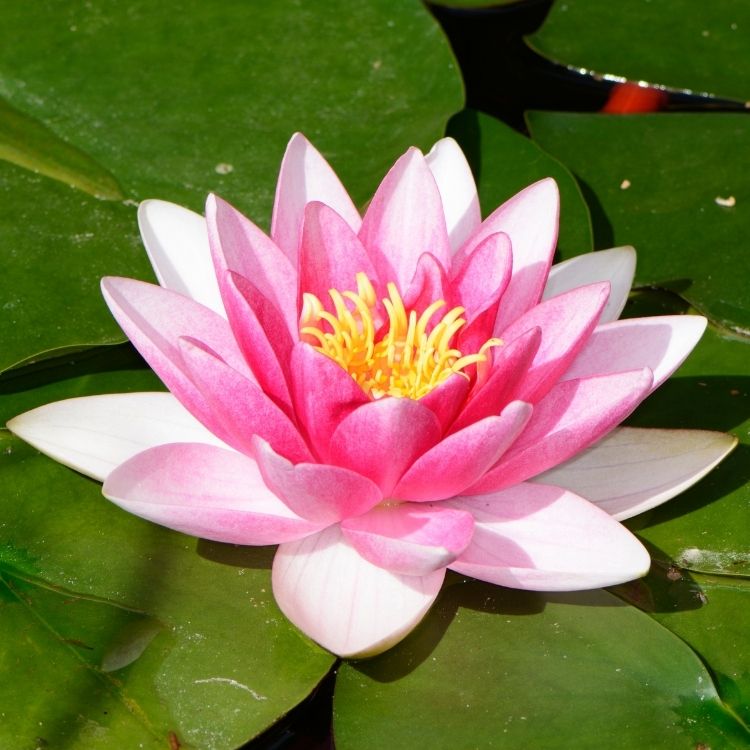
Lotus leaves repel water due to their surface structure. Dirt washes away easily which keeps the plant clean. This feature inspired modern waterproof materials. The plant can grow in deep muddy water without damage.
10. Peony
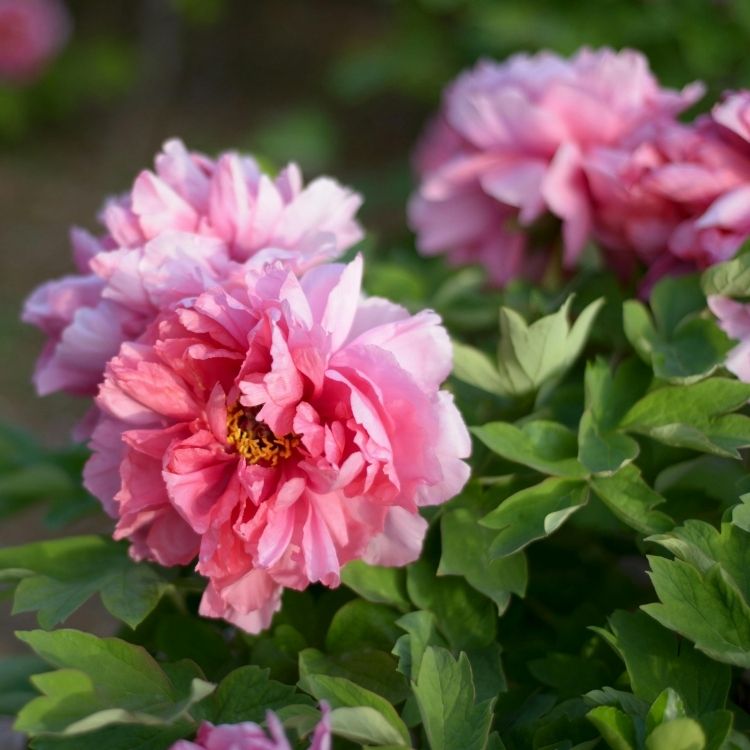
Peonies take a few years to establish before full blooming. Once mature they can live for decades. Their large blooms need support to prevent bending. Ants are often seen on buds but they do not harm the plant.
11. Carnation
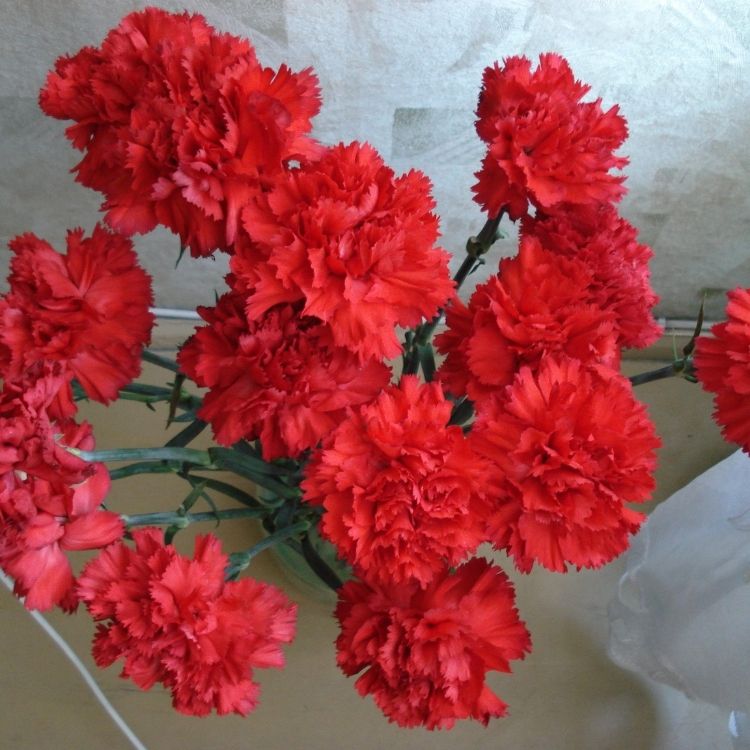
Carnations have long lasting flowers which makes them ideal for trade. They can survive transport better than delicate flowers. Breeders have created many color variations. The plant also responds well to controlled greenhouse conditions.
12. Chrysanthemum
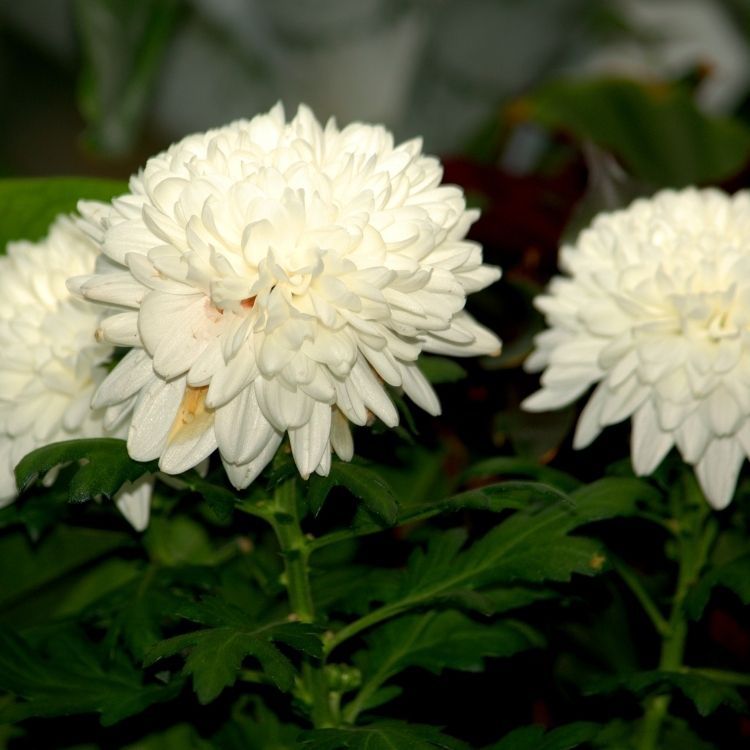
Chrysanthemums are used in herbal medicine in many countries. They are known for cooling effects on the body. The plant blooms when days become shorter. This makes it a seasonal indicator.
13. Lavender
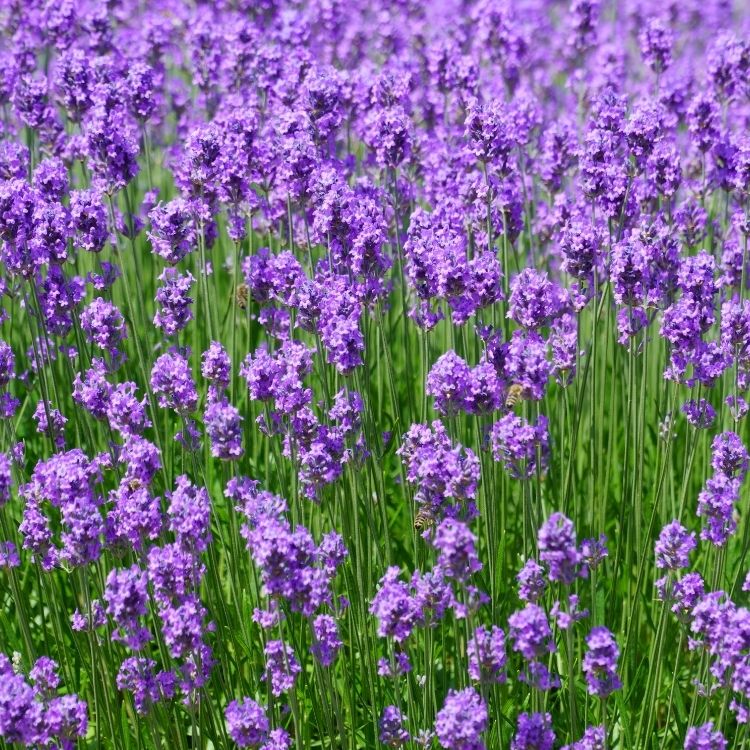
Lavender contains oils that affect the nervous system. It is used to reduce stress and improve sleep. The plant prefers dry soil and full sun. Too much water can damage its roots.
14. Dahlia
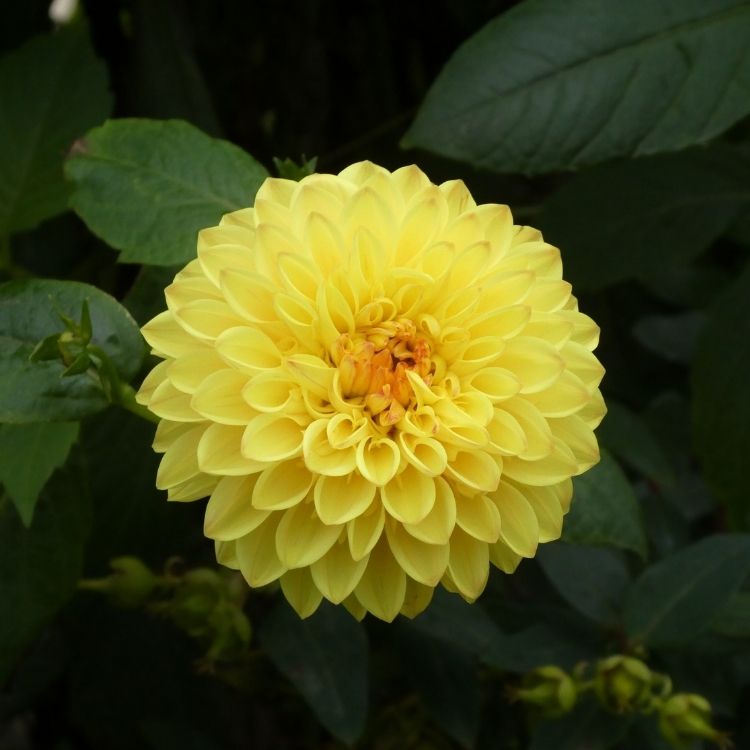
Dahlias grow from underground tubers. These tubers must be stored safely during winter in cold regions. The plant produces a wide range of shapes due to breeding. Some varieties have perfectly symmetrical patterns.
15. Zinnia
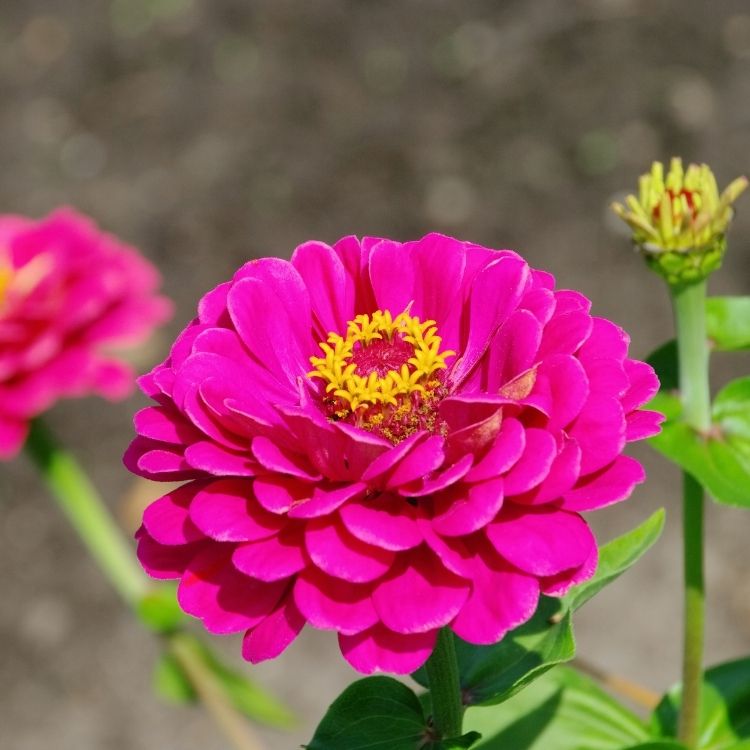
Zinnias grow quickly from seeds and bloom within weeks. They attract pollinators which helps garden health. The plant thrives in warm weather. It is often used in beginner gardening due to its low maintenance.
16. Petunia
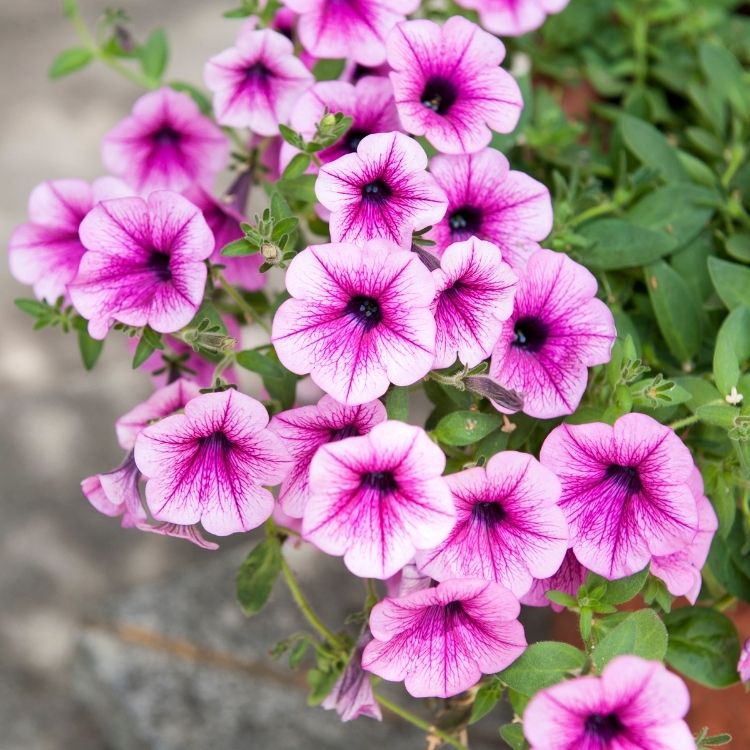
Petunias spread outward and fill empty spaces in gardens. They are often used in hanging baskets. The plant blooms continuously with proper care. Removing old flowers helps new ones grow faster.
17. Begonia
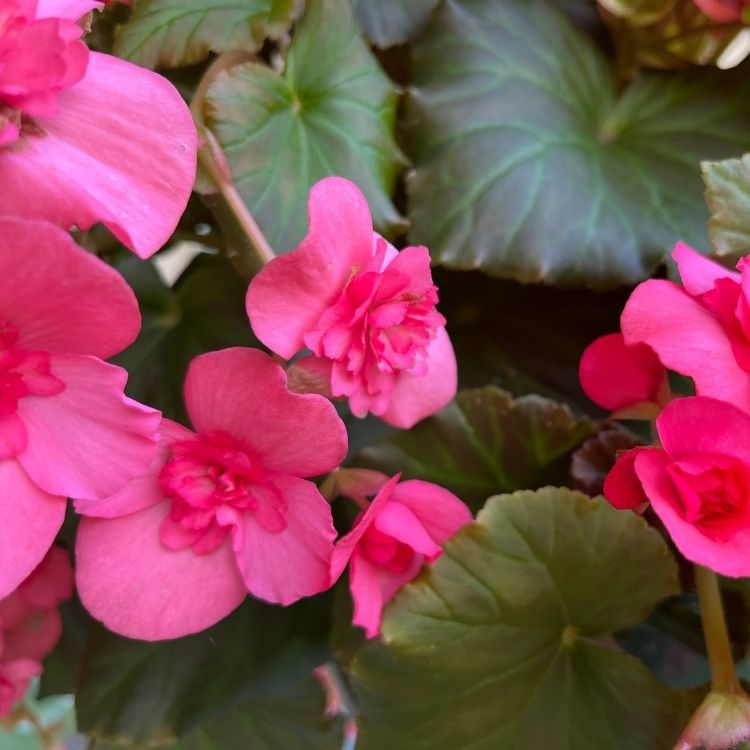
Begonias can grow indoors with low light. Their leaves are often more decorative than flowers. Some varieties store water in stems. This helps them survive dry conditions.
18. Hibiscus
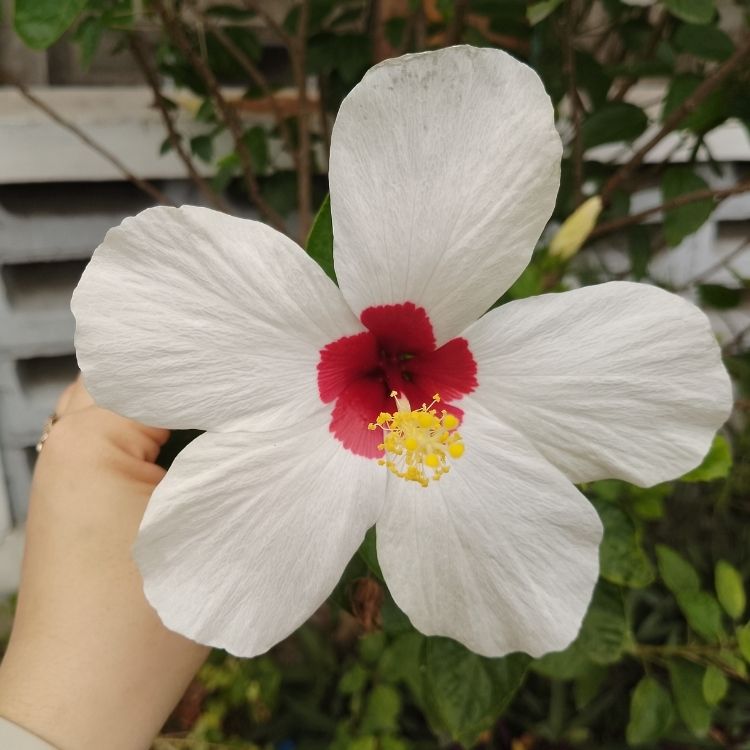
Hibiscus flowers last only one day but new buds open daily. The plant is used in herbal drinks and teas. It grows well in warm climates. Regular pruning helps increase flowering.
19. Magnolia
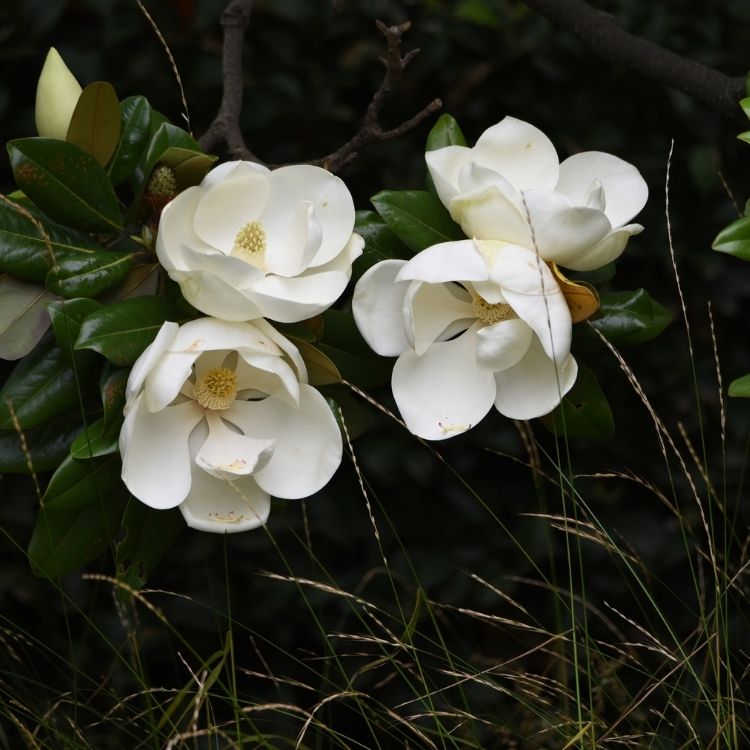
Magnolia trees are ancient plants that existed before bees. They were pollinated by beetles in early times. Their flowers are thick and strong. This protects them from damage.
20. Poppy
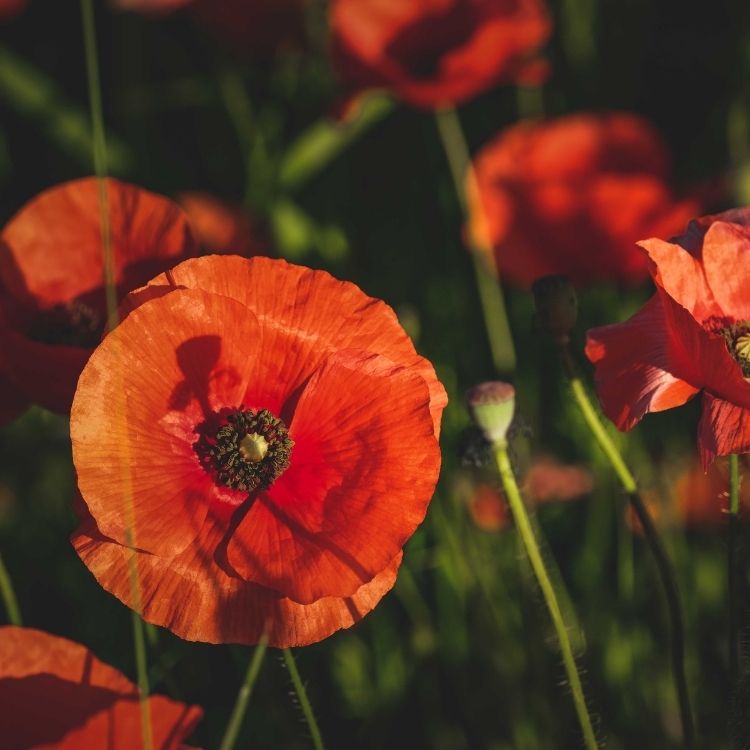
Poppy seeds are widely used in cooking. Some species produce compounds used in medicine. The flowers are delicate and fall quickly. They grow best in open sunny areas.
21. Geranium
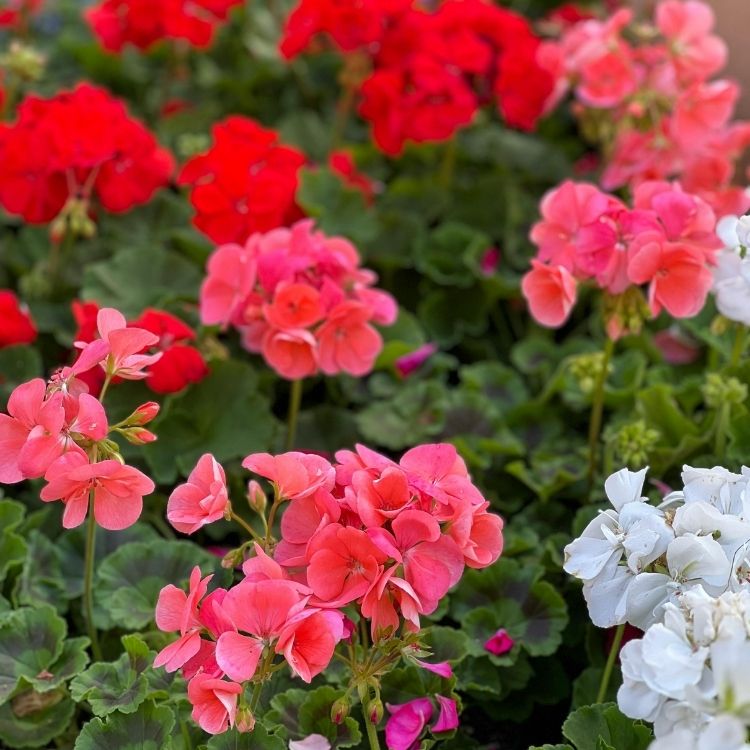
Geranium leaves release a scent when touched. This helps repel insects. The plant is often confused with similar species. It grows well in containers and gardens.
22. Iris
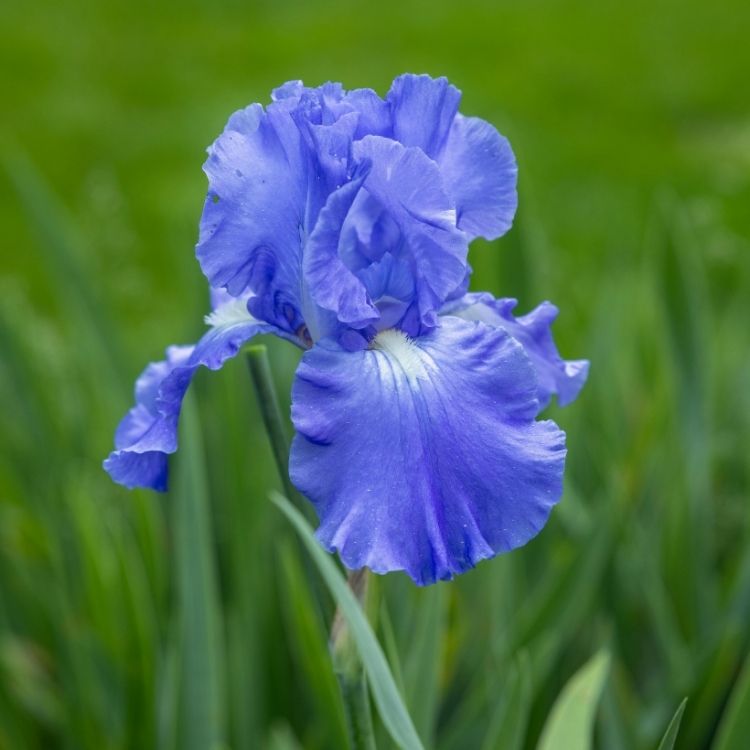
Iris plants grow from rhizomes which spread underground. This allows them to multiply over time. The flowers have unique petal shapes. They are often used in garden borders.
23. Azalea
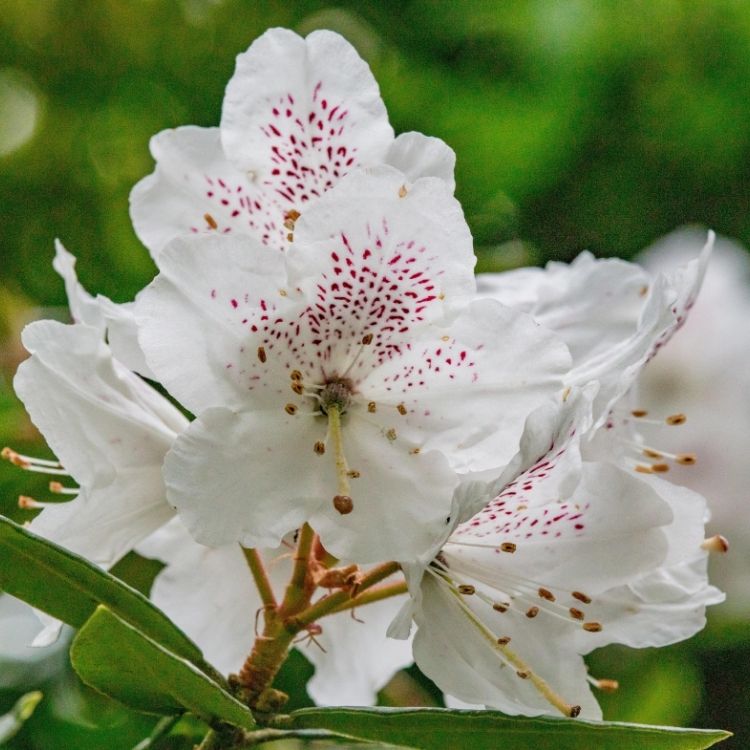
Azaleas need acidic soil to grow properly. They struggle in alkaline conditions. The plant blooms heavily in spring. It requires shade in hot climates.
24. Camellia
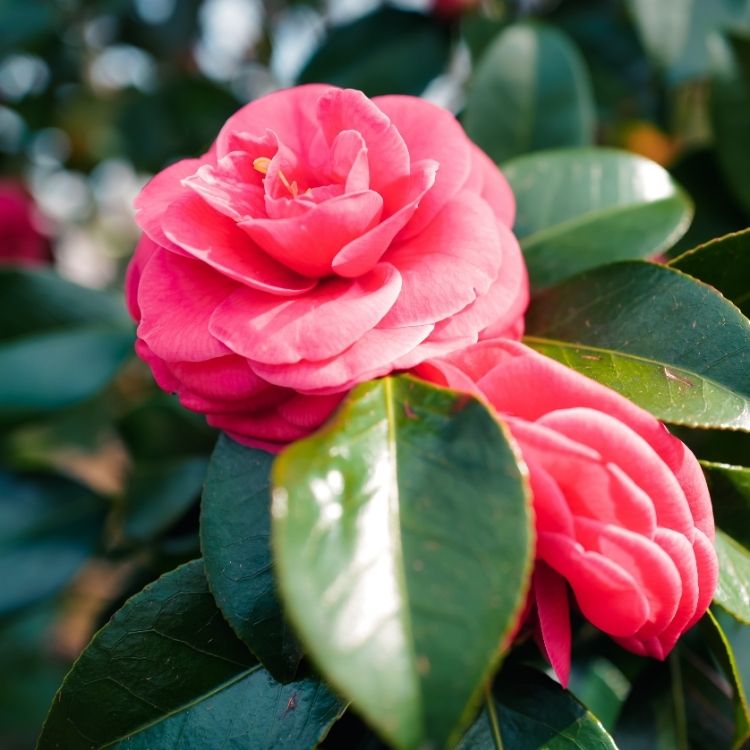
Camellias bloom in cooler seasons. Their flowers can last for several weeks. They prefer slightly acidic soil. The plant is sensitive to extreme heat.
25. Gardenia
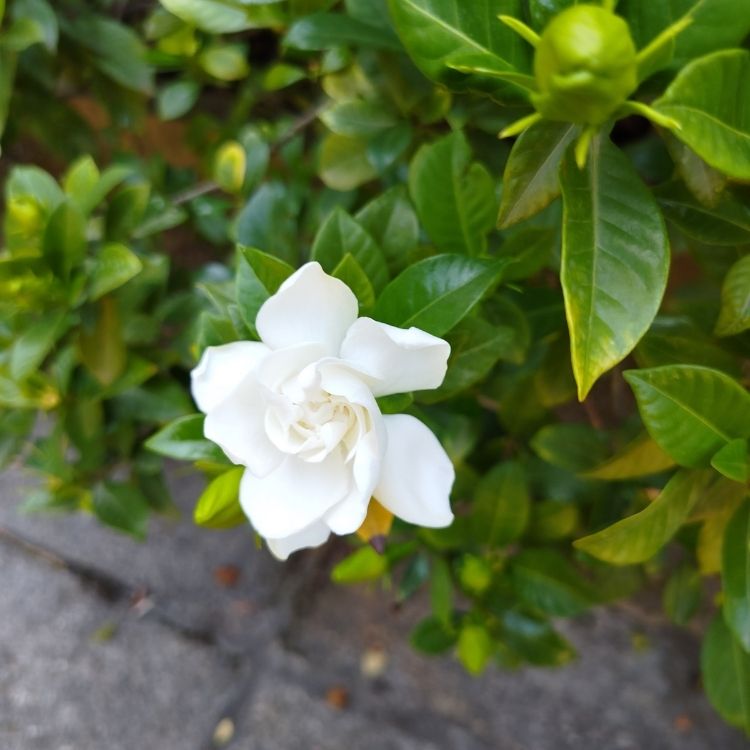
Gardenias need high humidity to stay healthy. Their leaves turn yellow if conditions are poor. The flowers have a strong pleasant scent. They are often grown indoors.
26. Bluebell
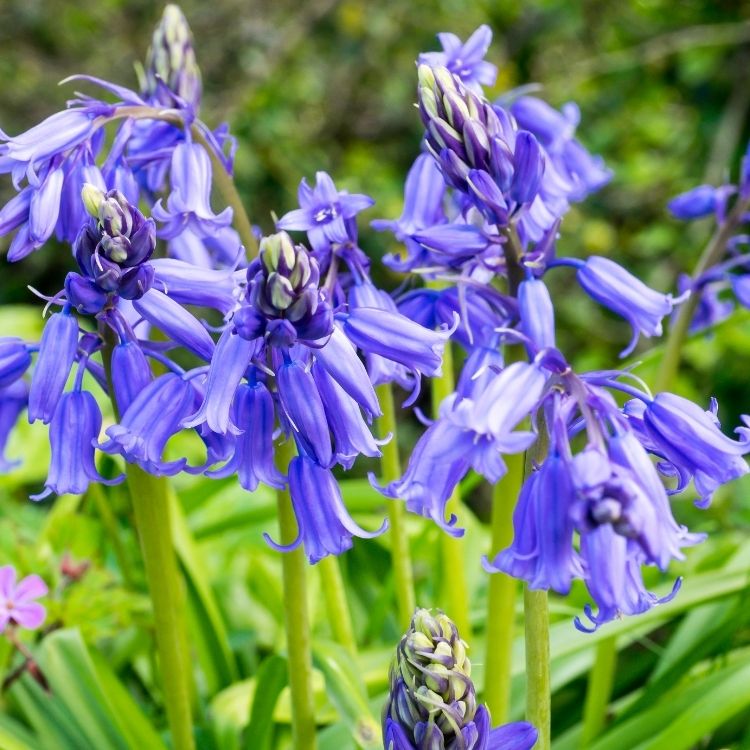
Bluebells grow in forests and spread across the ground. They create dense carpets of flowers. The plant prefers shade and moist soil. It is sensitive to disturbance.
27. Foxglove
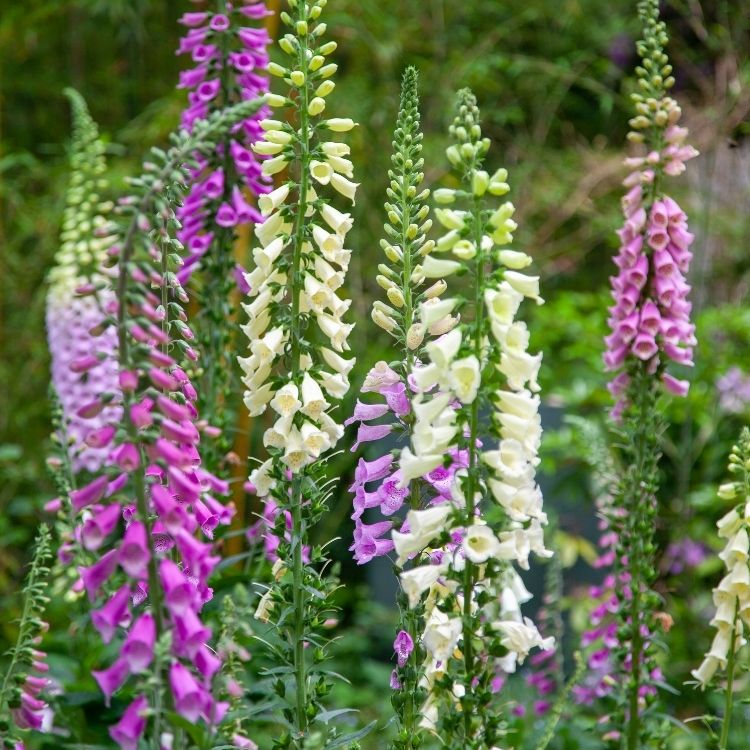
Foxglove contains chemicals used in heart medicine. All parts of the plant are toxic if consumed. It grows tall and attracts bees. It often self seeds in gardens.
28. Snapdragon
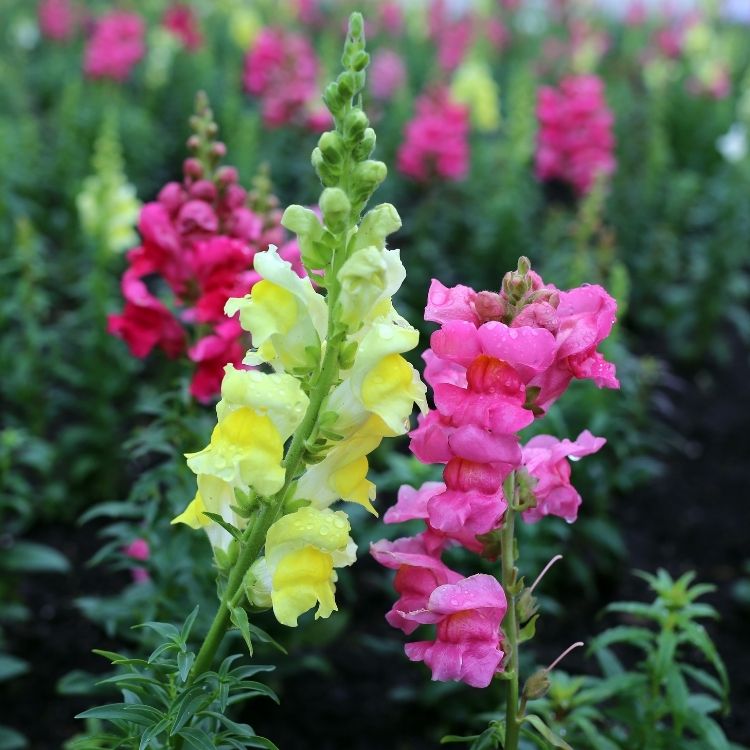
Snapdragon flowers open when pressed like a mouth. This unique feature attracts children and pollinators. The plant grows upright and adds height. It blooms in cool seasons.
29. Anemone
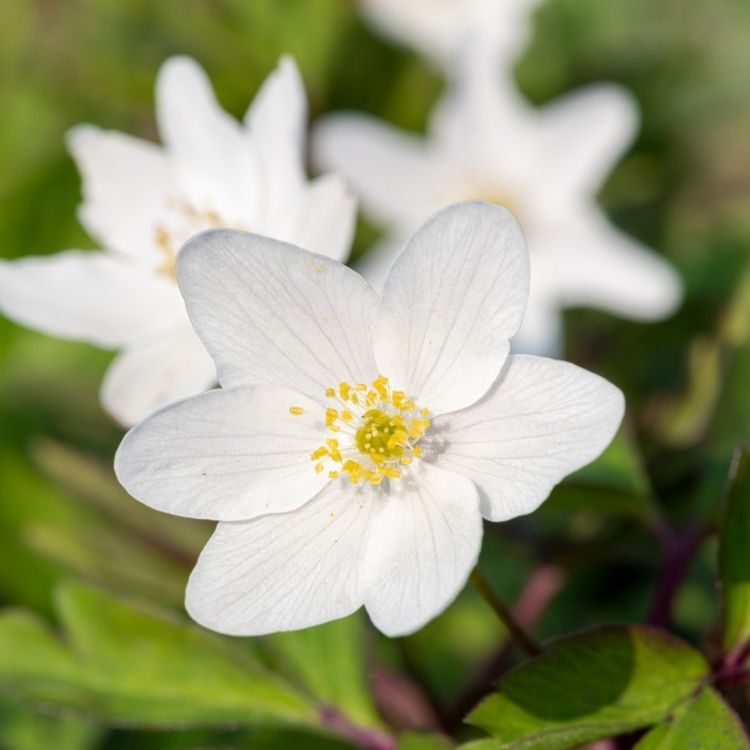
Anemones are sensitive to wind and close their petals in bad weather. They grow from tubers or bulbs. The flowers have a simple open structure. They bloom early in the season.
30. Buttercup
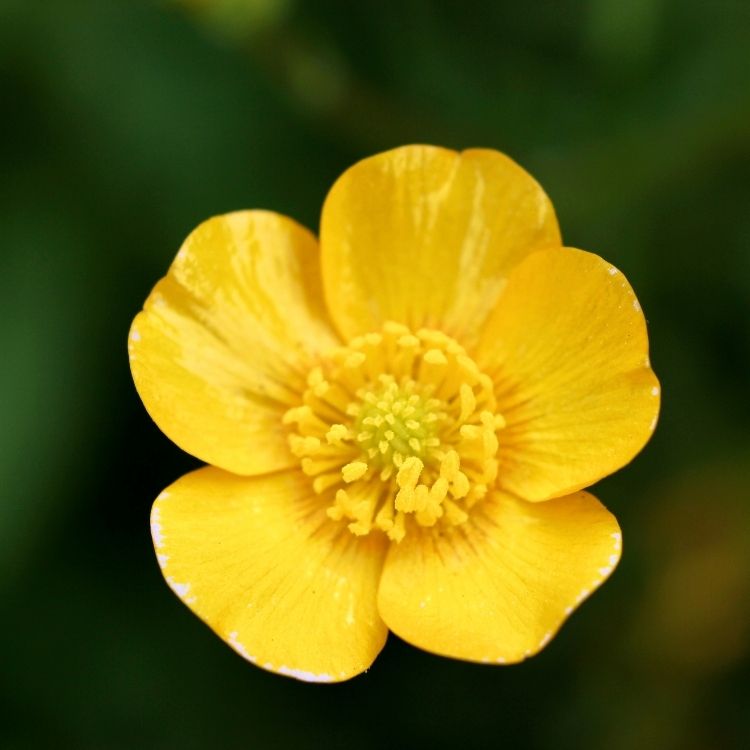
Buttercup petals reflect light which gives them a shiny look. This helps attract insects. The plant spreads quickly in fields. It can become invasive in some areas.
31. Freesia
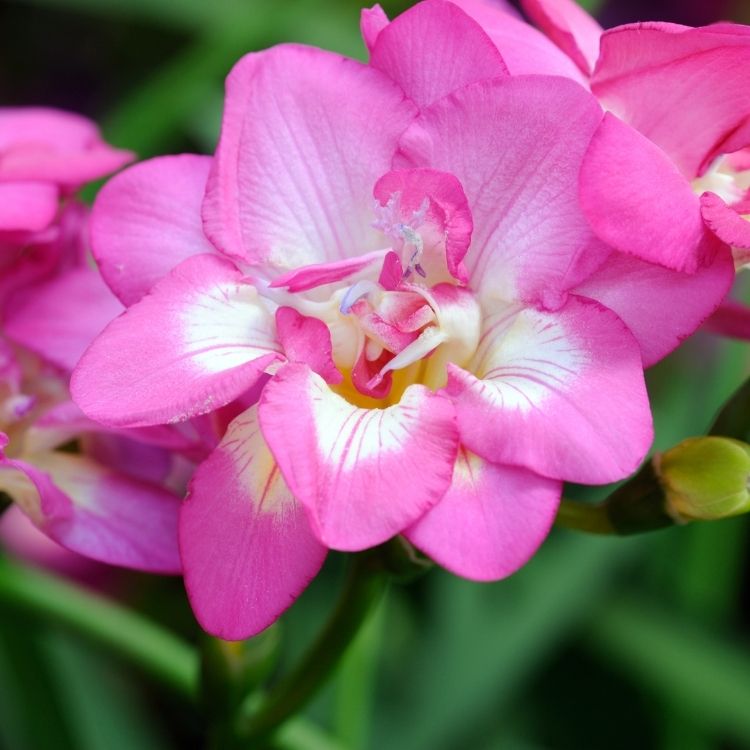
Freesias are known for their strong sweet fragrance. They grow from corms instead of bulbs. The flowers curve to one side. They are widely used in perfumes.
32. Gladiolus
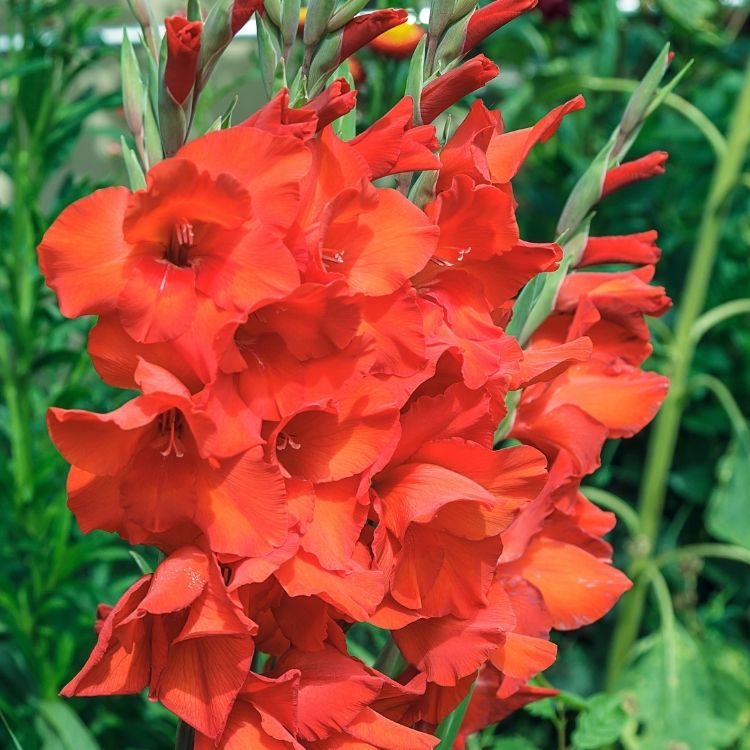
Gladiolus grows tall and produces flowers along a spike. It needs support to stay upright. The plant is grown from corms. It is popular in cut flower arrangements.
33. Hyacinth
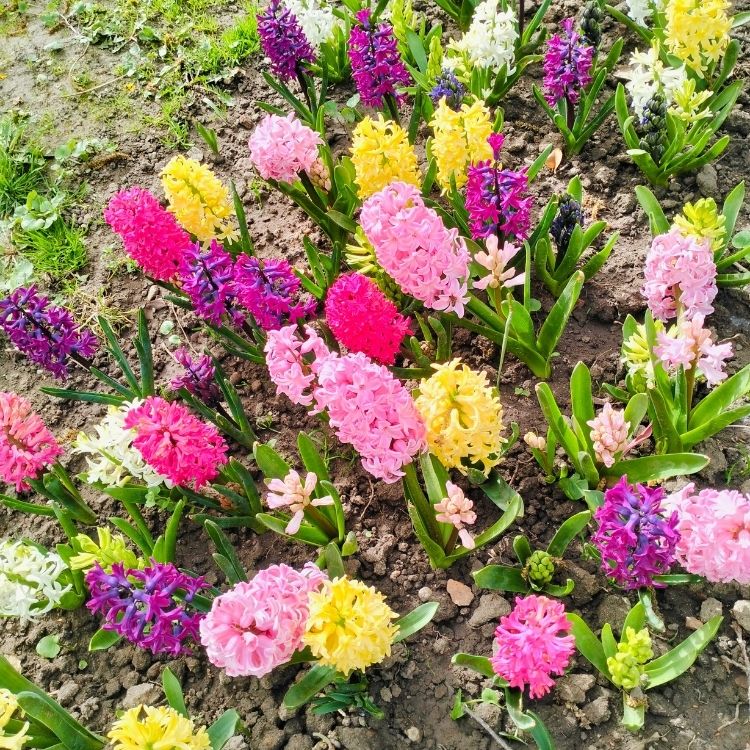
Hyacinths produce dense clusters of flowers. They have a strong scent that fills rooms. The bulbs can be grown in water indoors. They bloom in early spring.
34. Narcissus
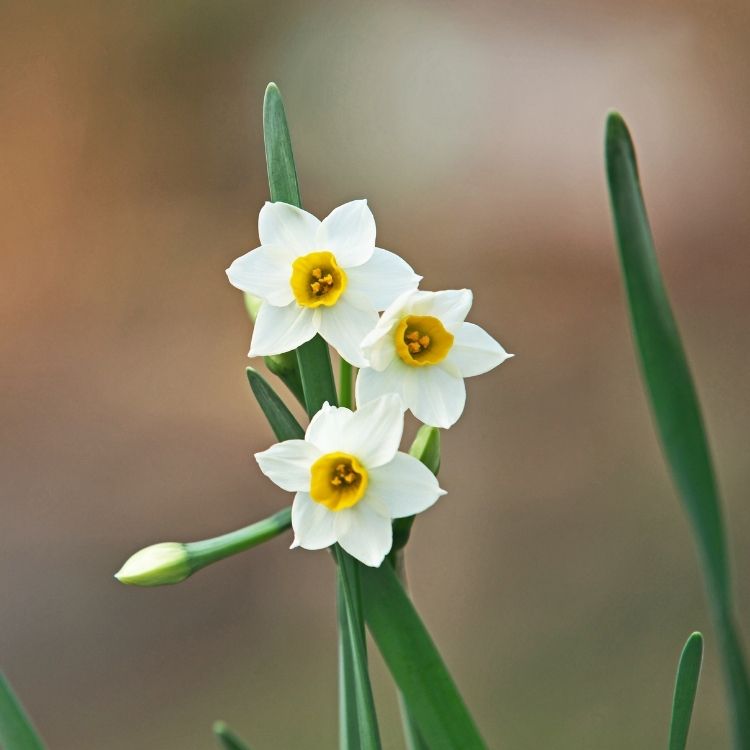
Narcissus includes daffodils and related flowers. They grow from bulbs and return each year. The plant is toxic if eaten. It blooms early and signals spring.
35. Ranunculus
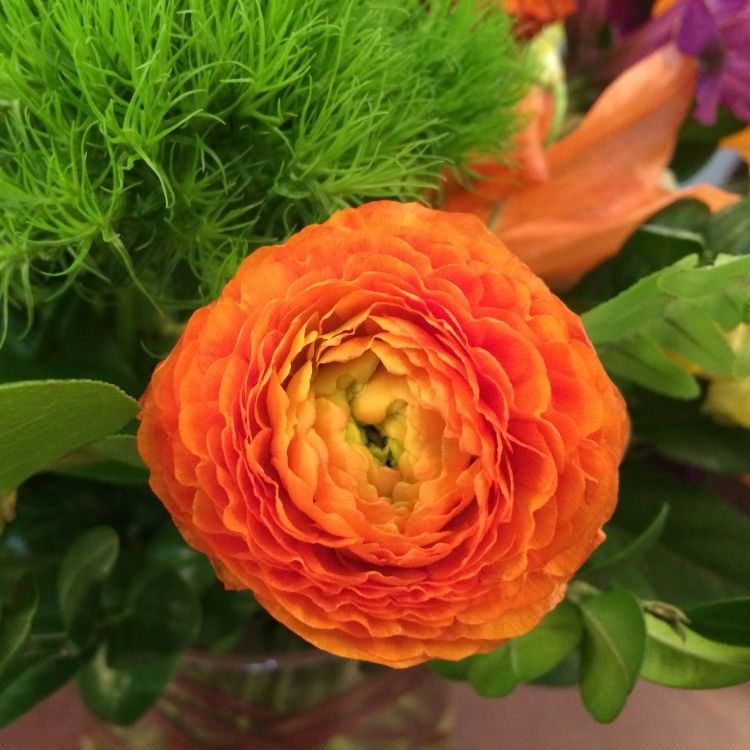
Ranunculus flowers have many thin layers of petals. This gives them a soft look. They grow from corms and prefer cool weather. They are used in premium bouquets.
36. Cosmos
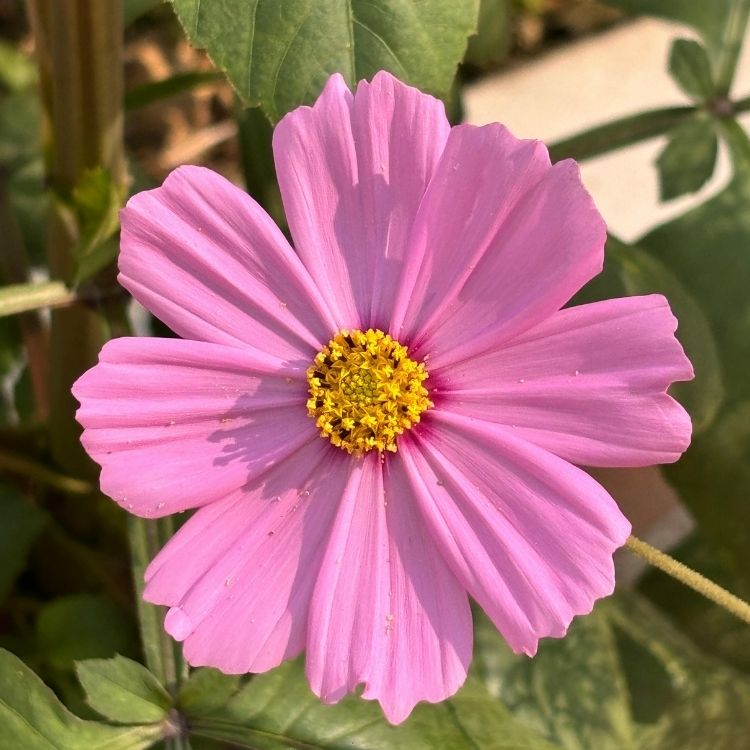
Cosmos grows easily even in poor soil and does not need much care. The plant produces light thin leaves that give it an airy look. It attracts bees and butterflies which helps pollination. It blooms for a long period in warm weather.
37. Verbena
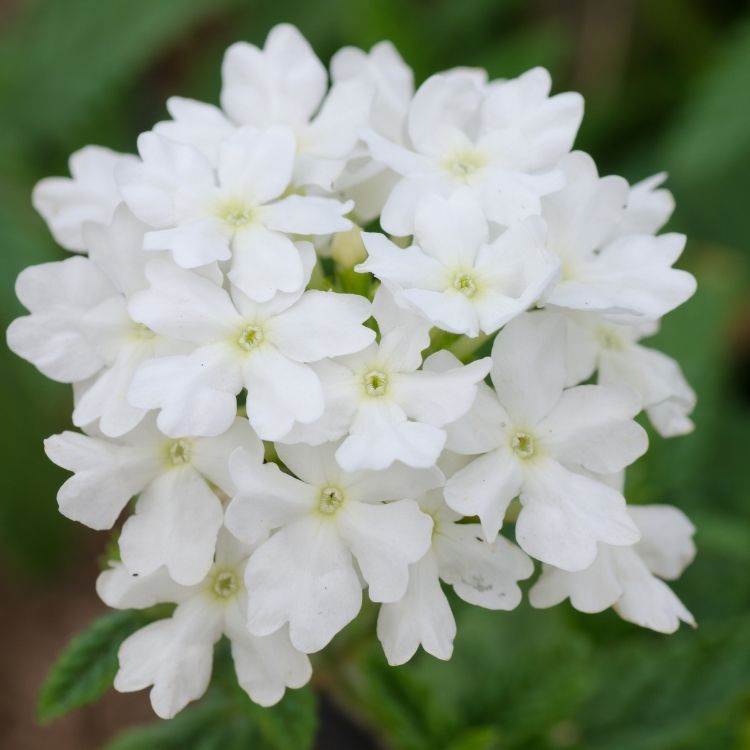
Verbena spreads across the ground and forms dense coverage. It is often used to prevent soil erosion in open spaces. The flowers grow in small clusters and attract insects. It can tolerate heat and drought well.
38. Clematis
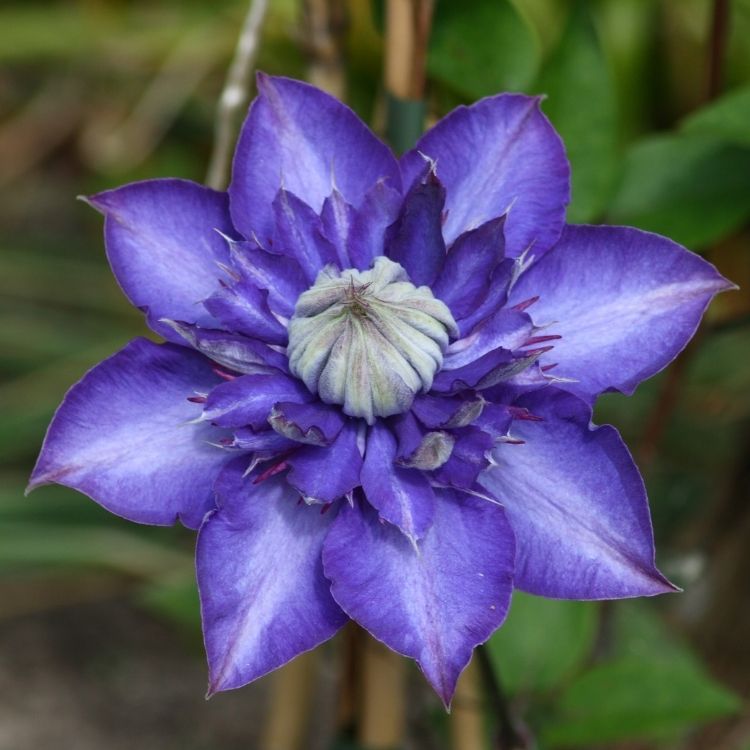
Clematis is a climbing plant that needs support like walls or fences. It can grow very tall if given proper structure. Different varieties bloom at different times of the year. Pruning methods change based on type.
39. Delphinium
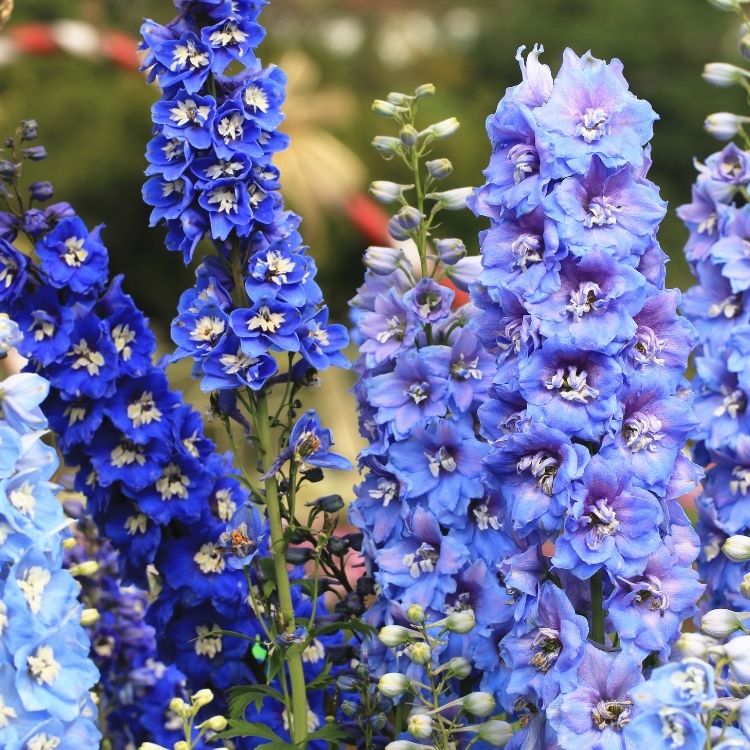
Delphinium produces tall spikes of blue flowers. It prefers cooler climates and struggles in high heat. The plant needs support due to its height. It adds vertical beauty to garden designs.
40. Larkspur
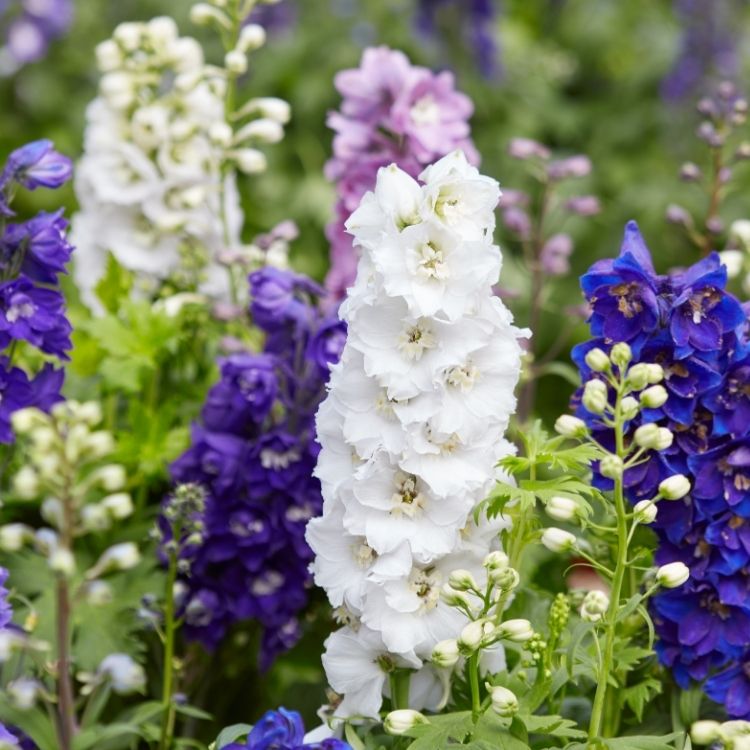
Larkspur grows in loose spikes and has a softer look than delphinium. It is often grown from seeds directly in soil. The plant prefers cool weather. Some parts are toxic if consumed.
41. Aster
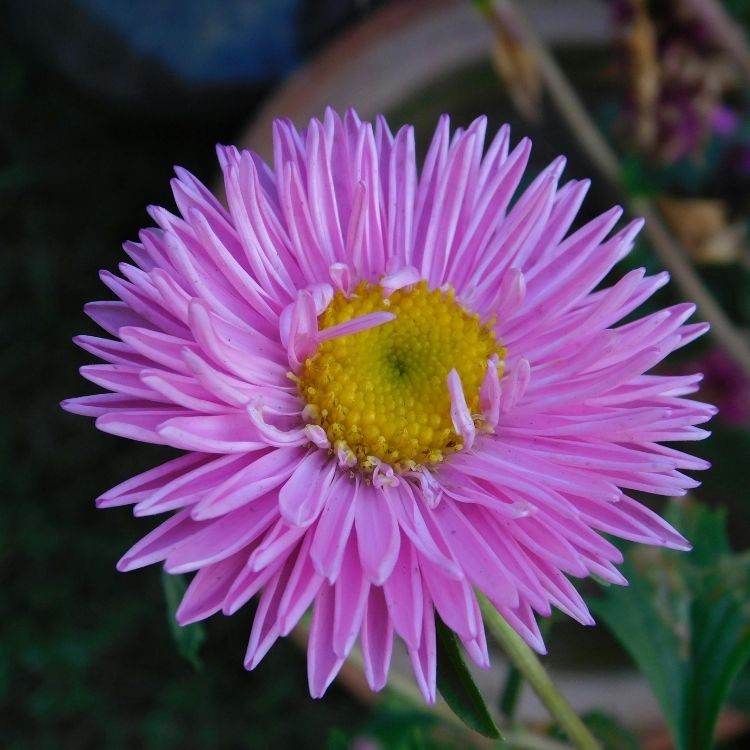
Asters bloom late in the season when most flowers fade. They provide food for pollinators before winter. The flowers have a star like shape. They grow well in sunny locations.
42. Coreopsis
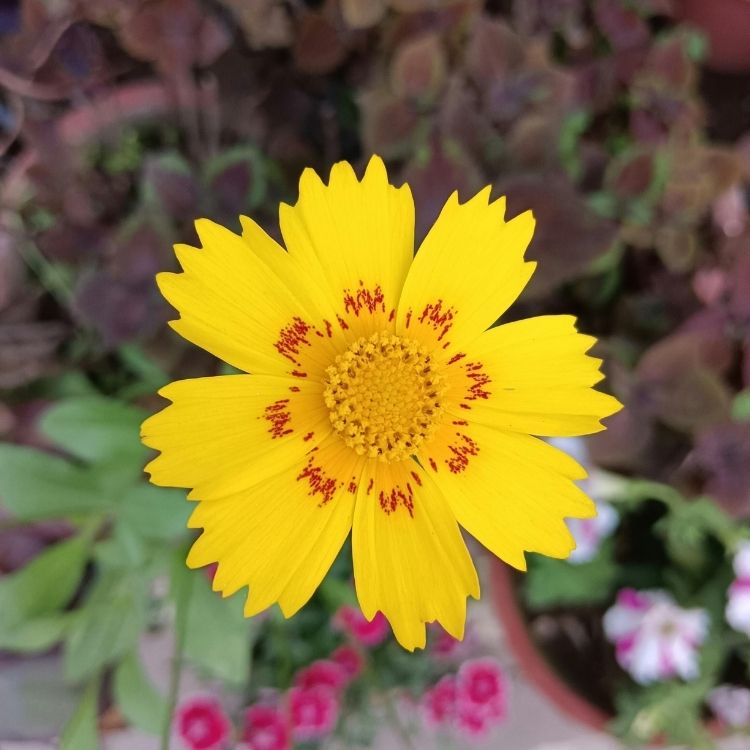
Coreopsis is drought tolerant and survives in dry soil. It produces bright yellow flowers that attract insects. The plant blooms for a long time. It is easy to maintain and spreads well.
43. Gaillardia
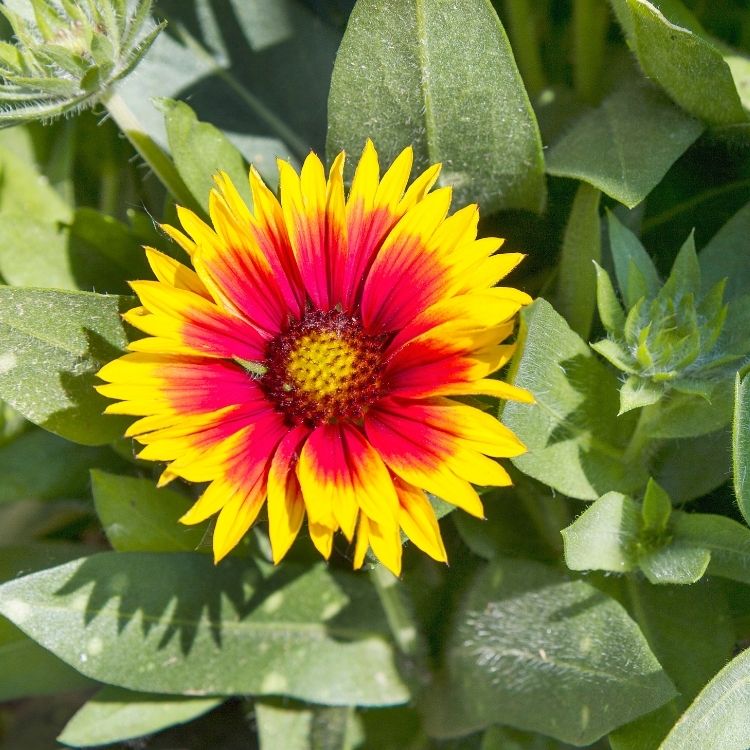
Gaillardia blooms continuously in warm weather. It can handle poor soil and strong sunlight. The flowers have bold color patterns. It is often used in wildflower gardens.
44. Calendula
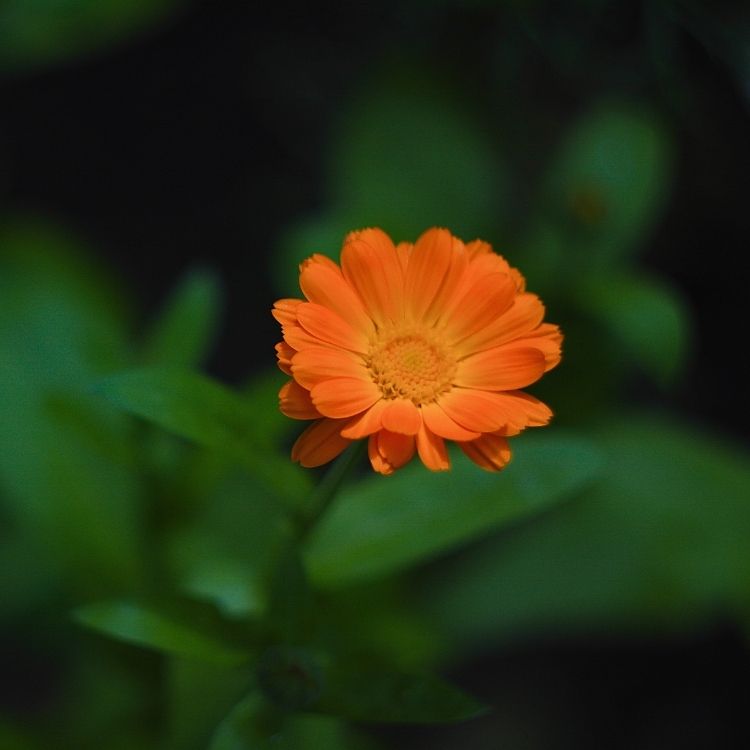
Calendula petals are used in skin care products. They have soothing and healing properties. The plant grows quickly from seeds. It blooms in cool weather conditions.
45. Tuberose
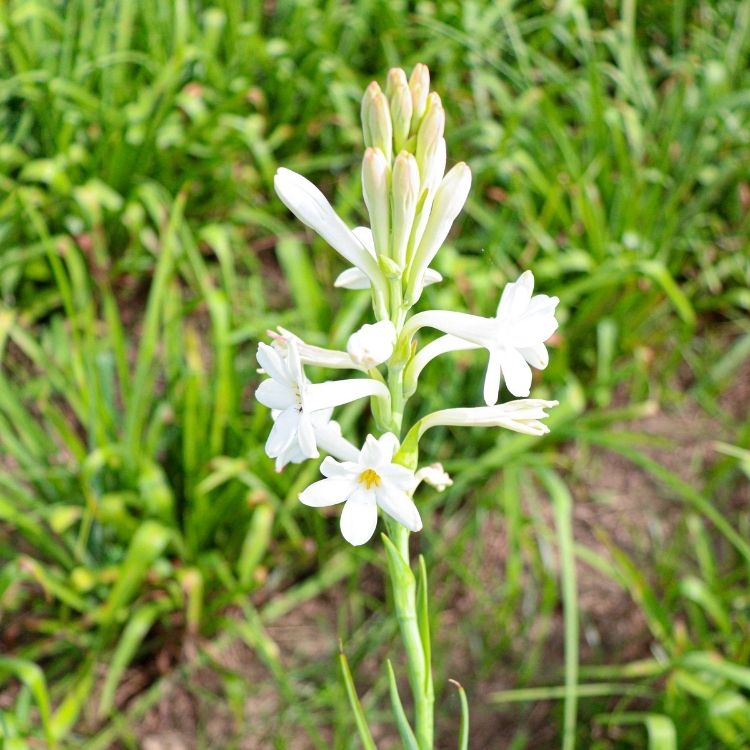
Tuberose produces strong fragrance mainly at night. It is widely used in perfume making. The plant grows from bulbs and needs warm conditions. Its flowers are arranged in tall spikes.
46. Sweet Pea
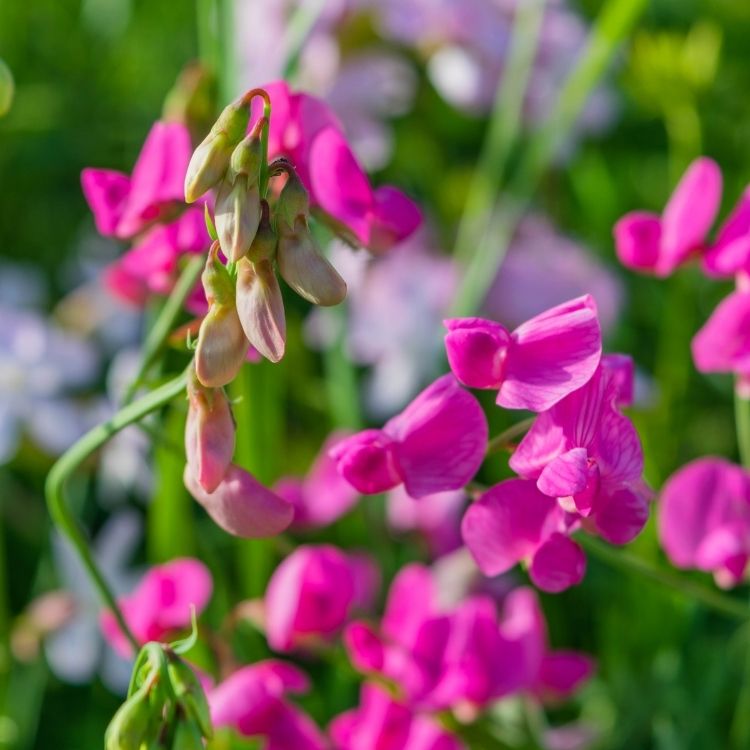
Sweet pea is a climbing plant that needs support. It produces soft scented flowers in clusters. The plant prefers cooler temperatures. It is often used in decorative gardens.
47. Primrose
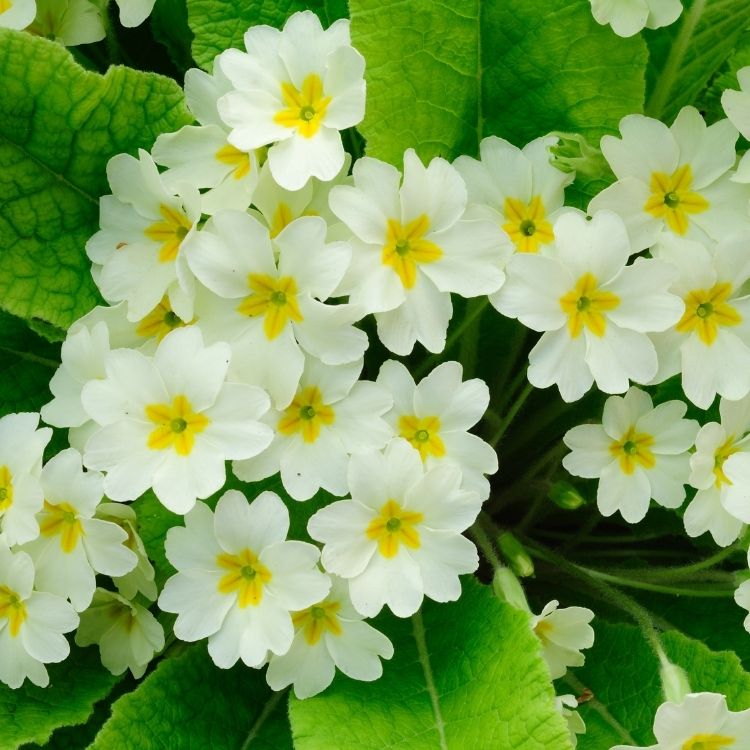
Primrose blooms early in spring and signals seasonal change. It grows low to the ground. The plant prefers moist soil and partial shade. It is common in woodland gardens.
48. Hellebore
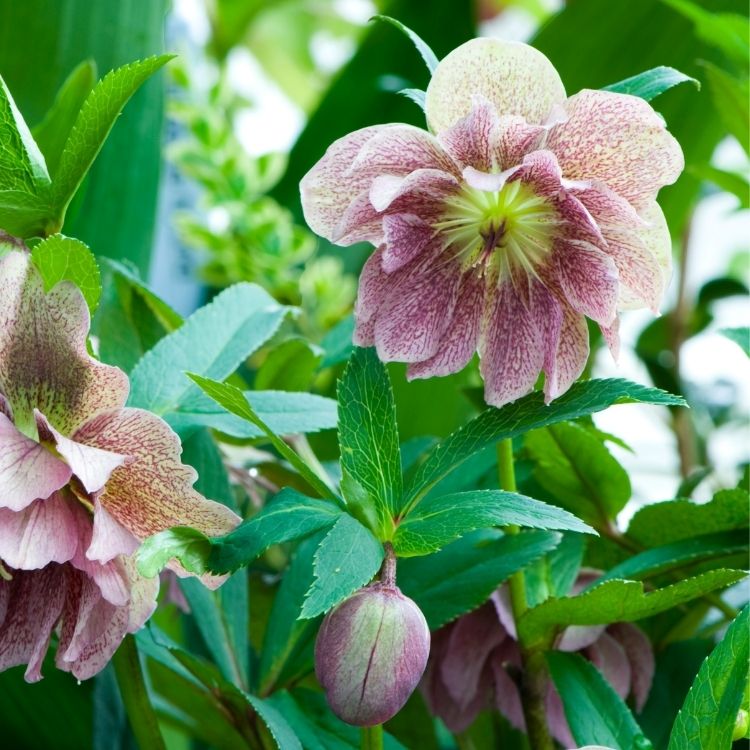
Hellebore blooms in late winter when few plants flower. It can survive cold temperatures easily. The flowers often face downward. It is useful for winter garden color.
49. Crocus
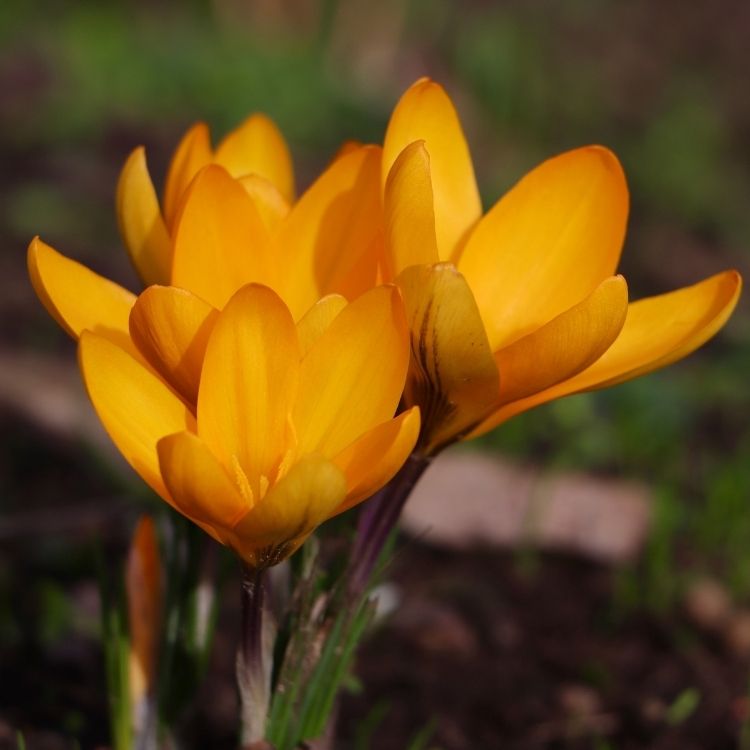
Crocus is one of the first flowers to bloom in spring. It can grow through snow. The plant grows from corms. Some species are used to produce saffron.
50. Amaryllis
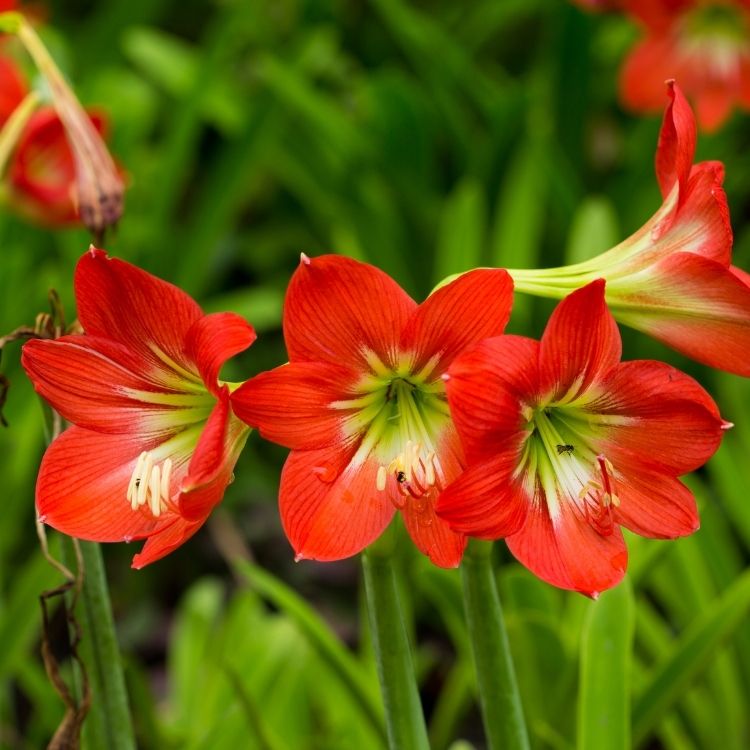
Amaryllis grows indoors with ease. It produces large flowers on tall stems. The bulb stores energy for blooming. It is often grown during winter indoors.
51. Scabiosa
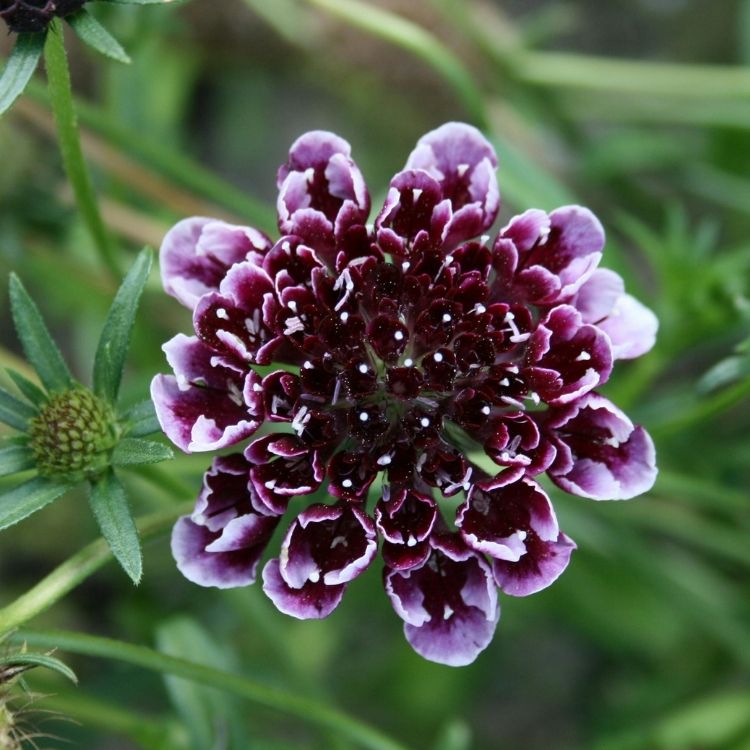
Scabiosa attracts butterflies and bees. The flower has a unique pincushion shape. It blooms for a long period. It grows best in well drained soil.
52. Nigella
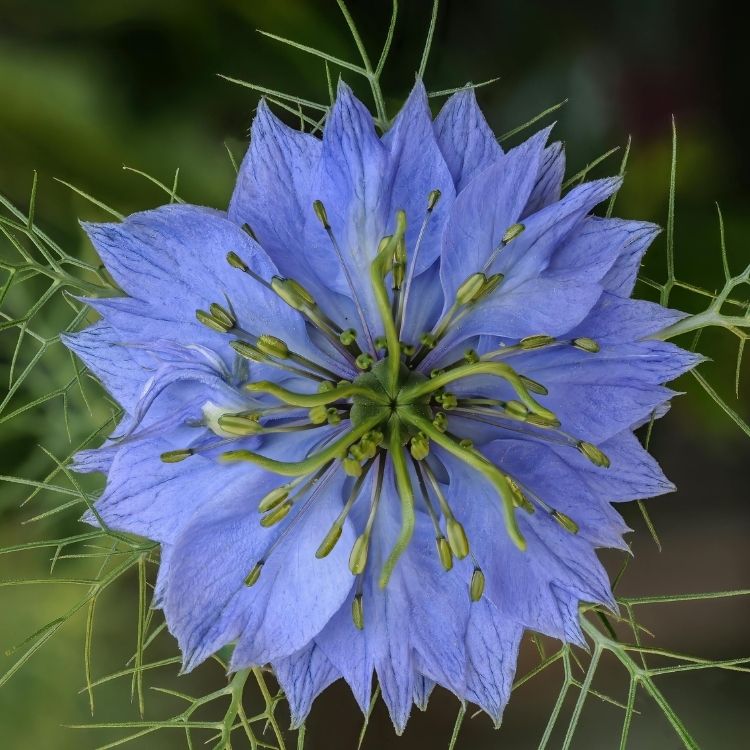
Nigella has fine thread like leaves. After blooming it forms decorative seed pods. These pods are used in dried arrangements. The plant grows easily from seeds.
53. Salvia
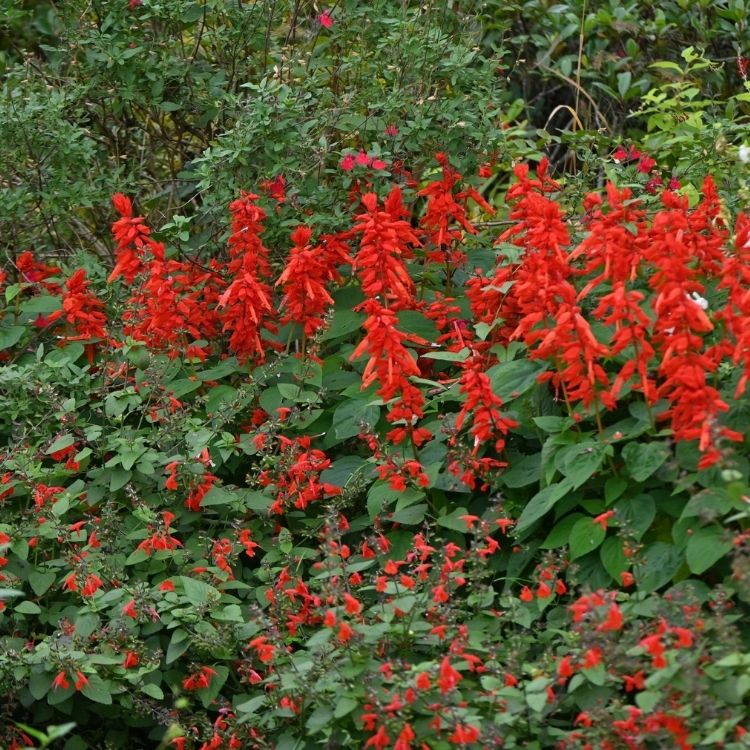
Salvia attracts bees and hummingbirds. It grows in upright spikes. The plant prefers full sun and dry conditions. It is commonly used in pollinator gardens.
54. Phlox
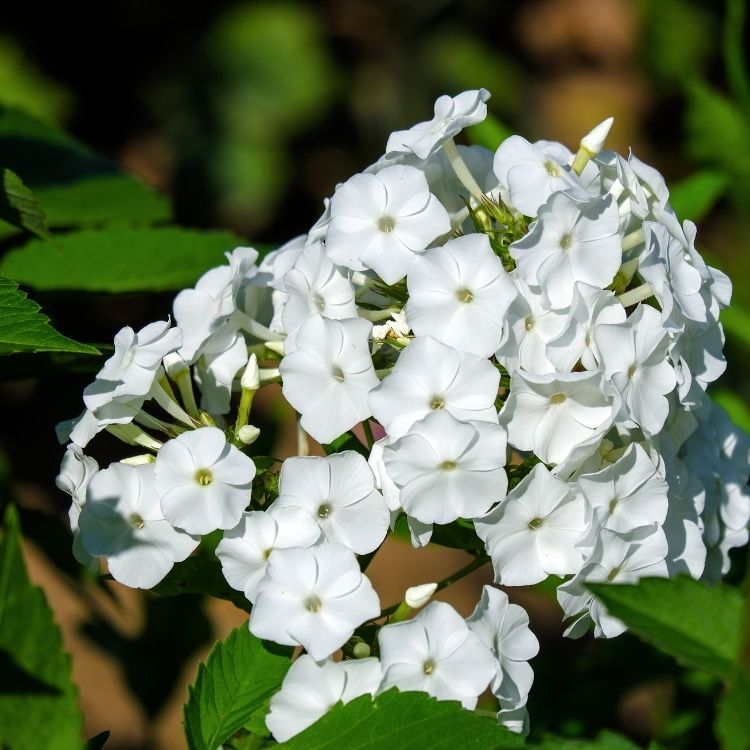
Phlox spreads across the ground and fills spaces. It produces clusters of small flowers. The plant blooms in both spring and summer varieties. It is used for ground cover.
55. Alyssum
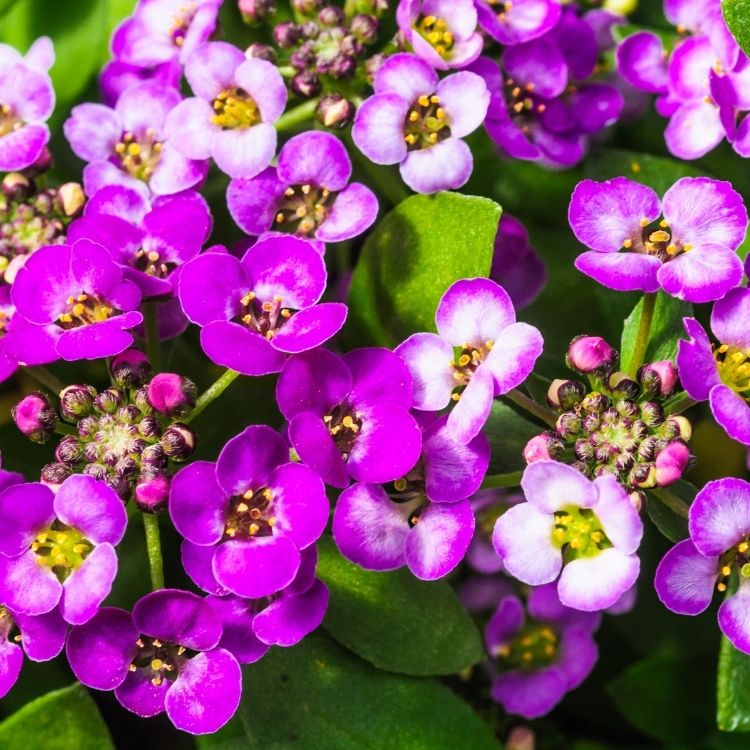
Alyssum produces tiny flowers with a sweet scent. It attracts beneficial insects. The plant grows low and spreads quickly. It is often used along garden edges.
56. Balsam
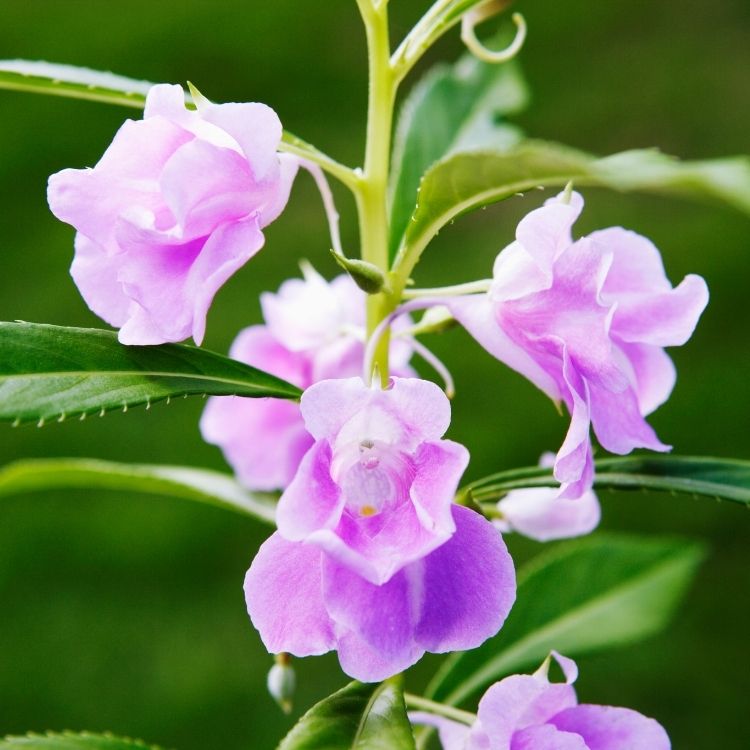
Balsam spreads seeds by bursting its pods. This helps it grow naturally without planting. The flowers grow close to the stem. It thrives in moist soil.
57. Canna
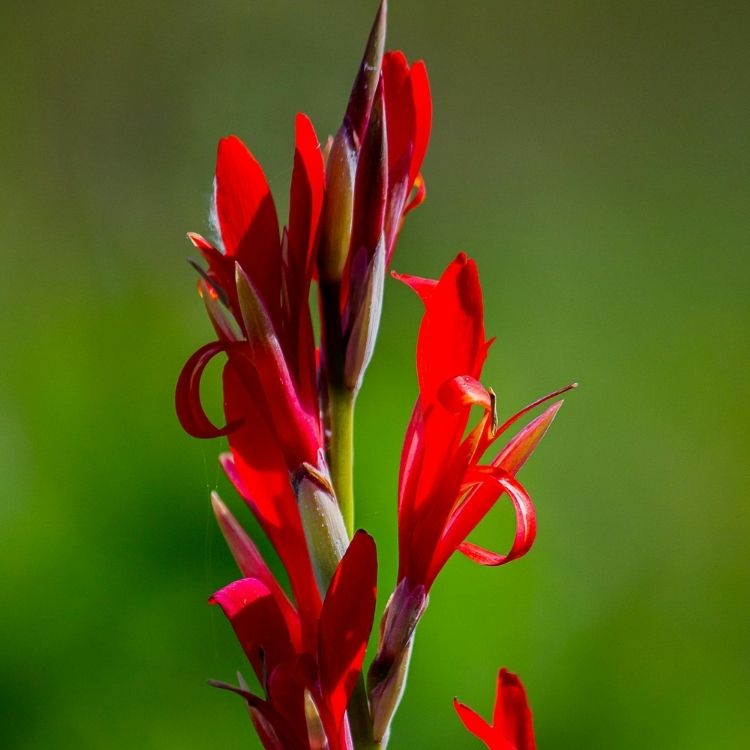
Canna plants have large bold leaves. They create a tropical look in gardens. The plant grows from rhizomes. It prefers warm climates and full sun.
58. Dianthus
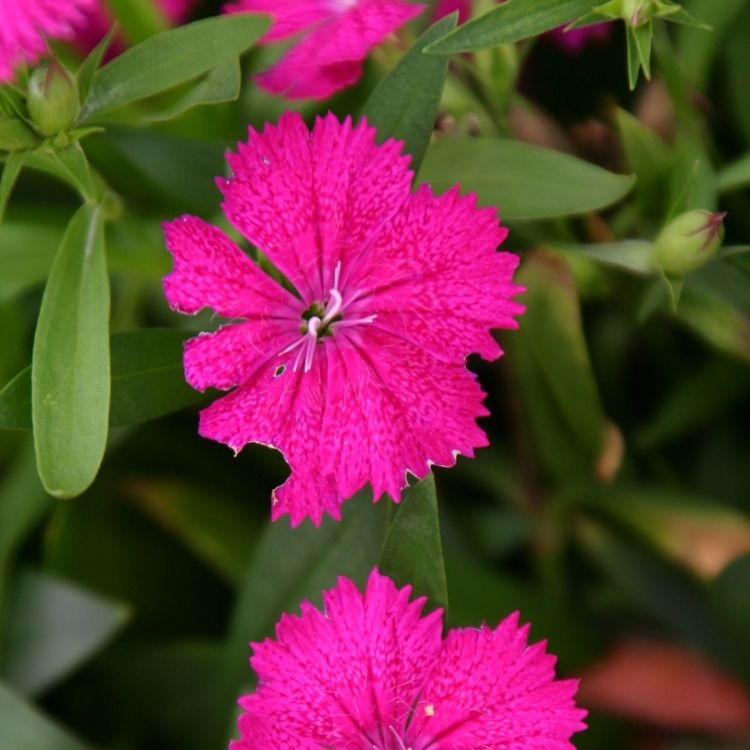
Dianthus has fringed petals and a spicy scent. It is often used in borders and small gardens. The plant prefers well drained soil. It blooms in cool seasons.
59. Echinacea
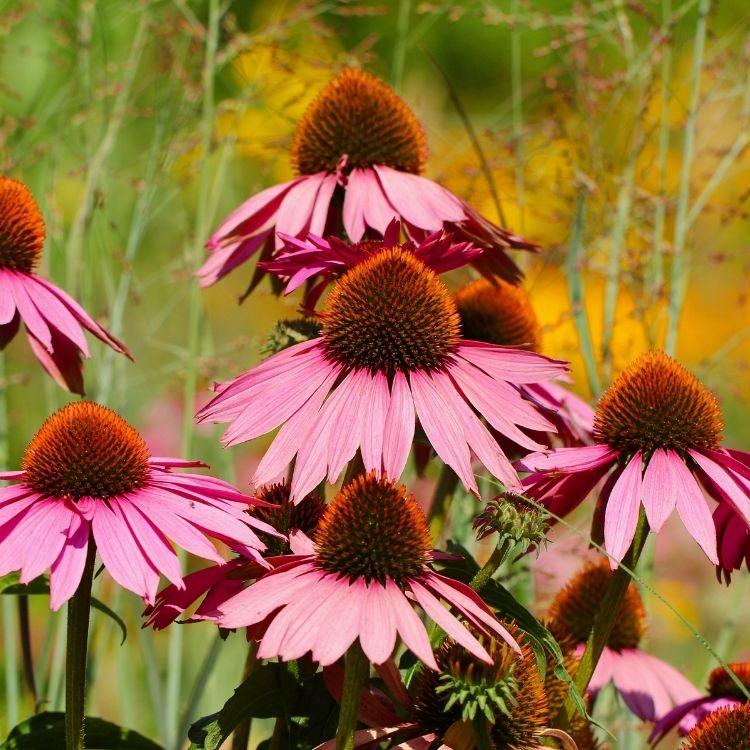
Echinacea is used in herbal medicine to support immunity. It attracts bees and butterflies. The plant is drought resistant. It has a cone shaped center.
60. Fuchsia
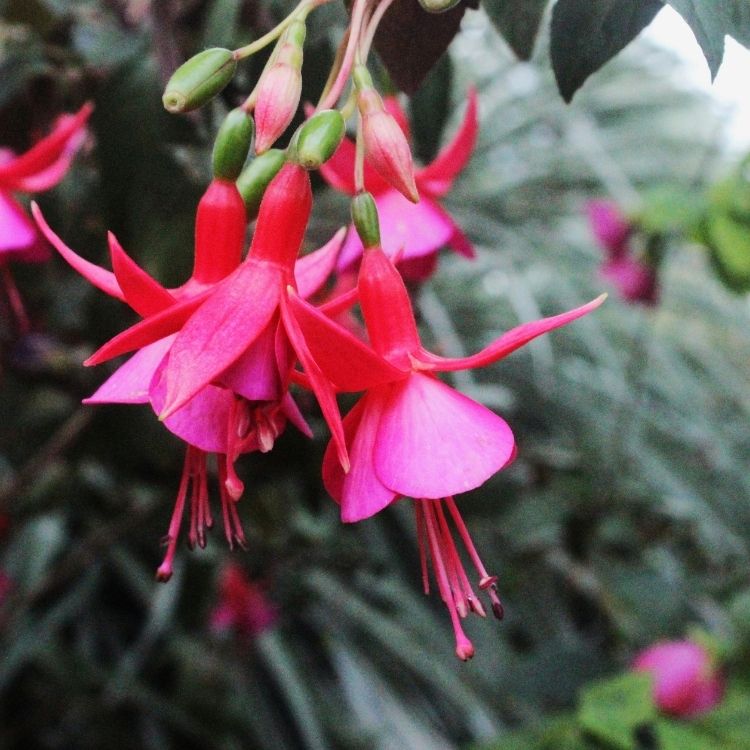
Fuchsia produces hanging flowers that face downward. It is ideal for hanging baskets. The plant prefers cooler temperatures. It needs regular watering.
61. Gazania
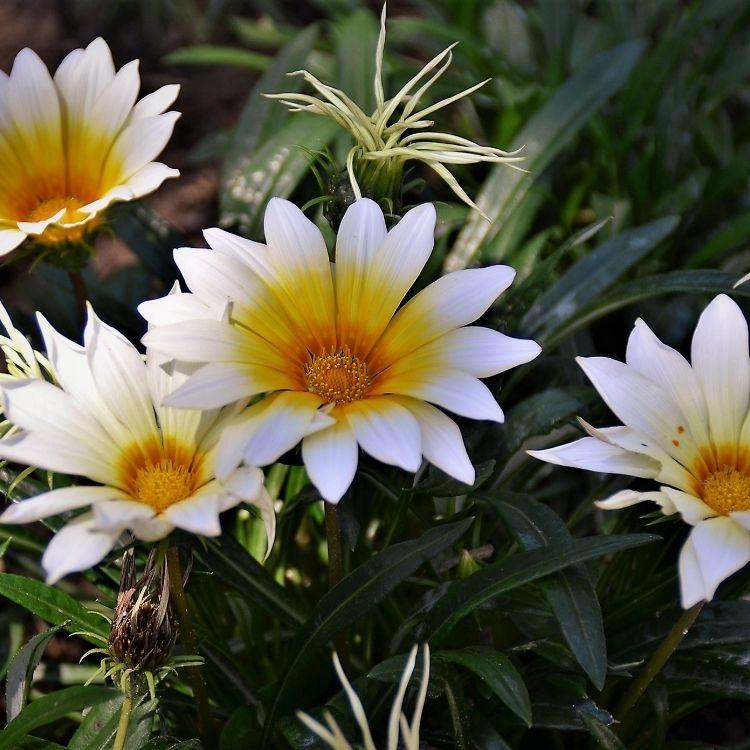
Gazania flowers open in sunlight and close at night. This behavior helps protect pollen. The plant is drought tolerant. It grows well in dry regions.
62. Heuchera
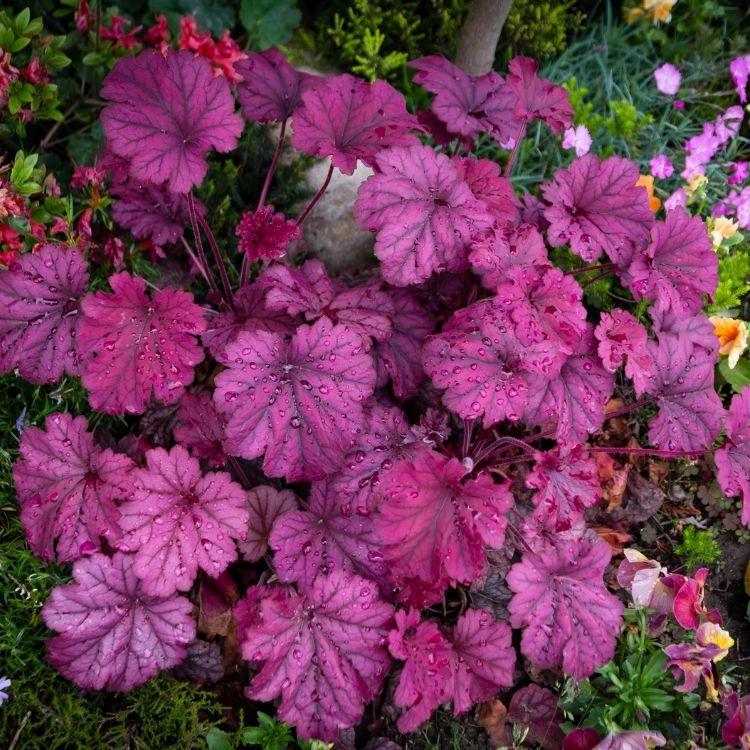
Heuchera is mainly grown for its colorful leaves. The flowers are small and less noticeable. It grows well in shade. It is used for decorative foliage.
63. Impatiens
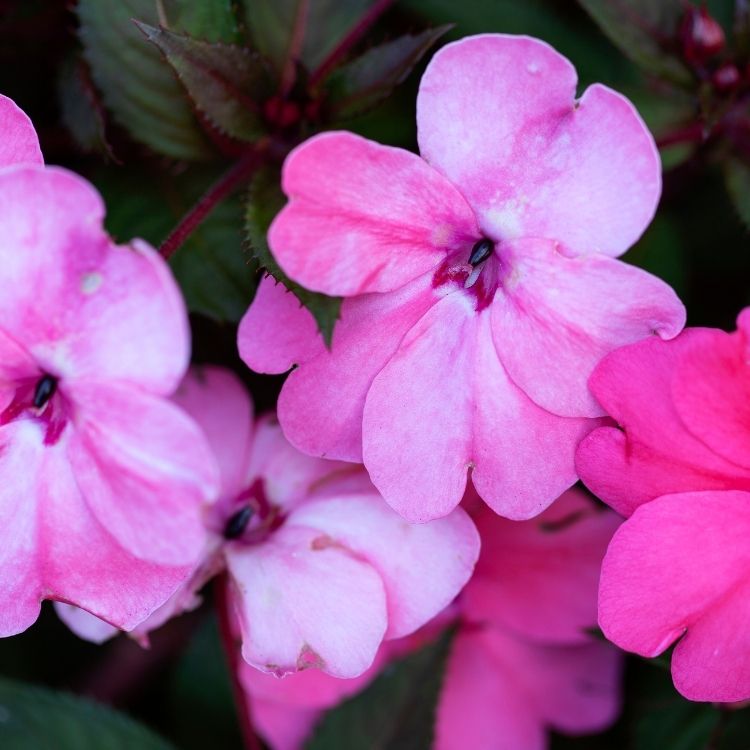
Impatiens grows quickly in shady areas. It produces soft colorful flowers. The plant needs regular watering. It is common in indoor and outdoor pots.
64. Kalanchoe
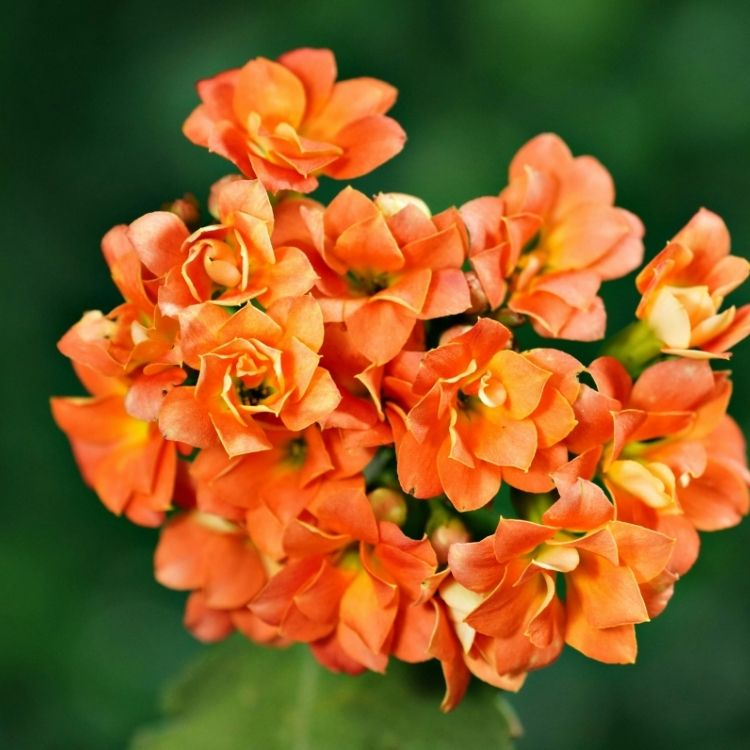
Kalanchoe stores water in thick leaves. This helps it survive dry conditions. It is a succulent plant. It is often grown indoors.
65. Lobelia
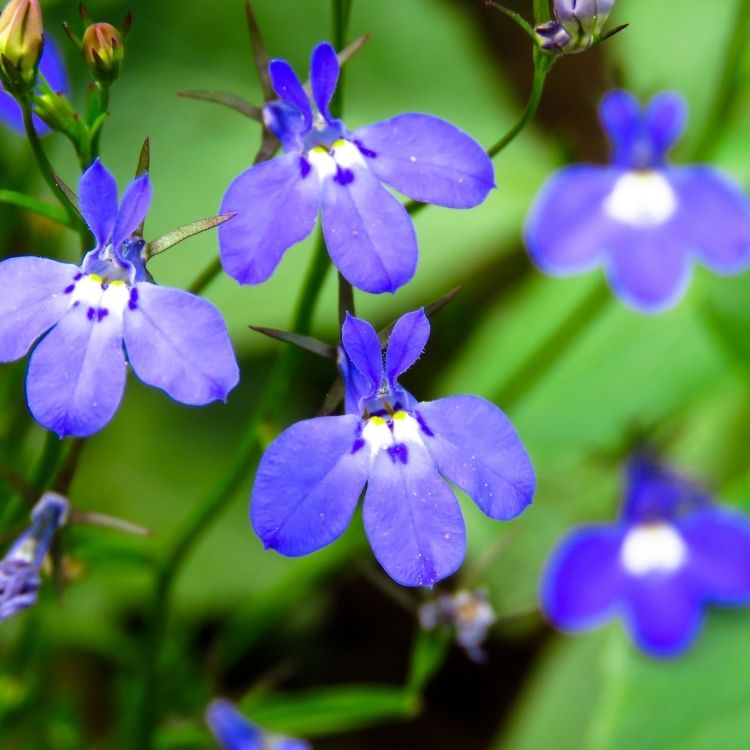
Lobelia produces small blue flowers. It prefers cool weather and moist soil. The plant grows well in containers. It is often used in borders.
66. Mimosa
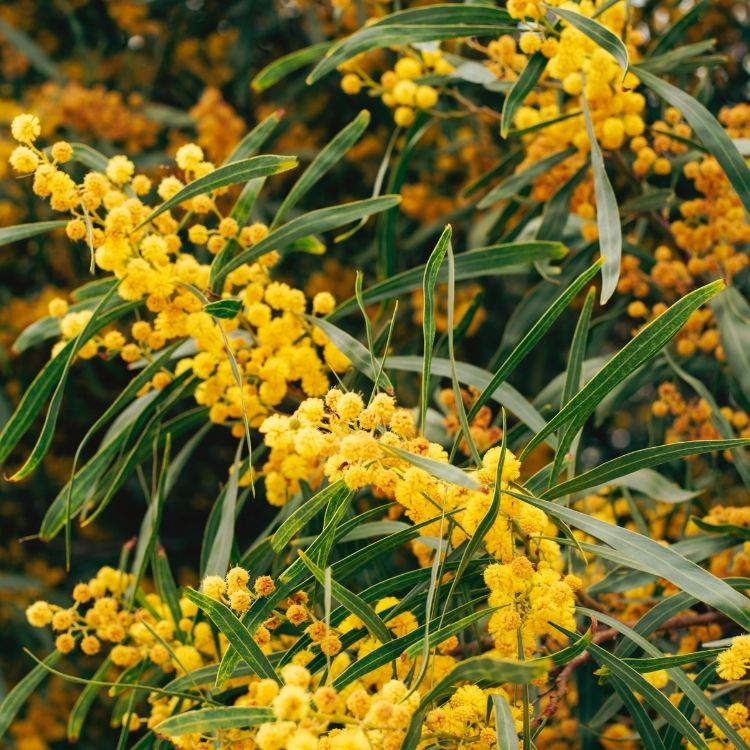
Mimosa reacts to touch by folding its leaves. This movement protects it from harm. It grows quickly in warm climates. It is known for its sensitivity.
67. Nemesia
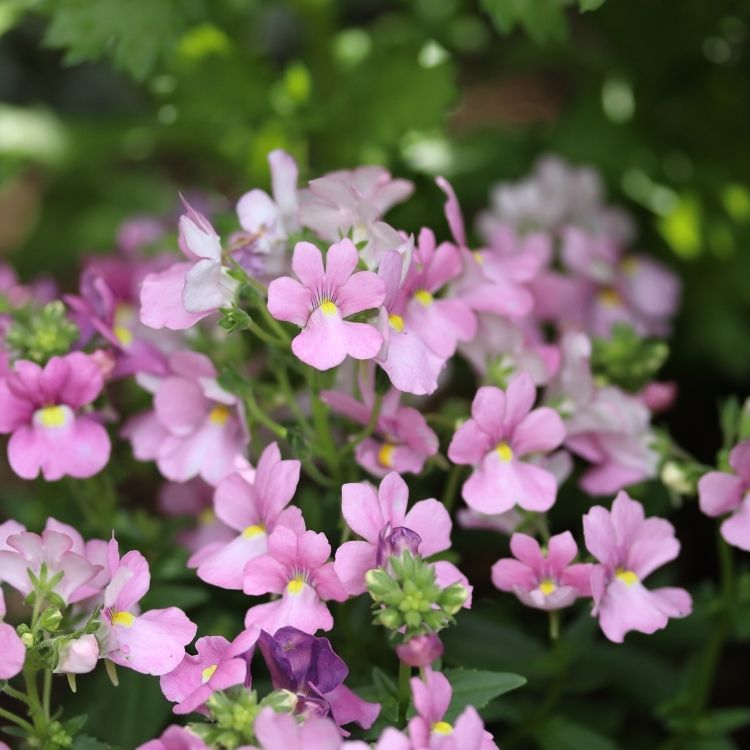
Nemesia produces small colorful flowers. It prefers cooler temperatures. The plant blooms best in spring and fall. It adds color to small spaces.
68. Osteospermum
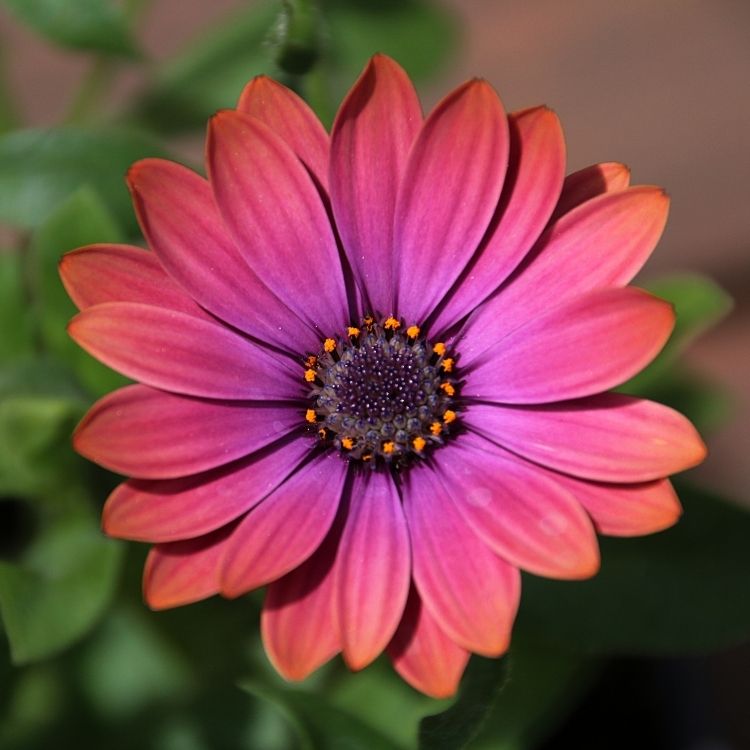
Osteospermum flowers open in sunlight and close in shade. It grows well in warm climates. The plant has a daisy like appearance. It blooms for a long time.
69. Pansy
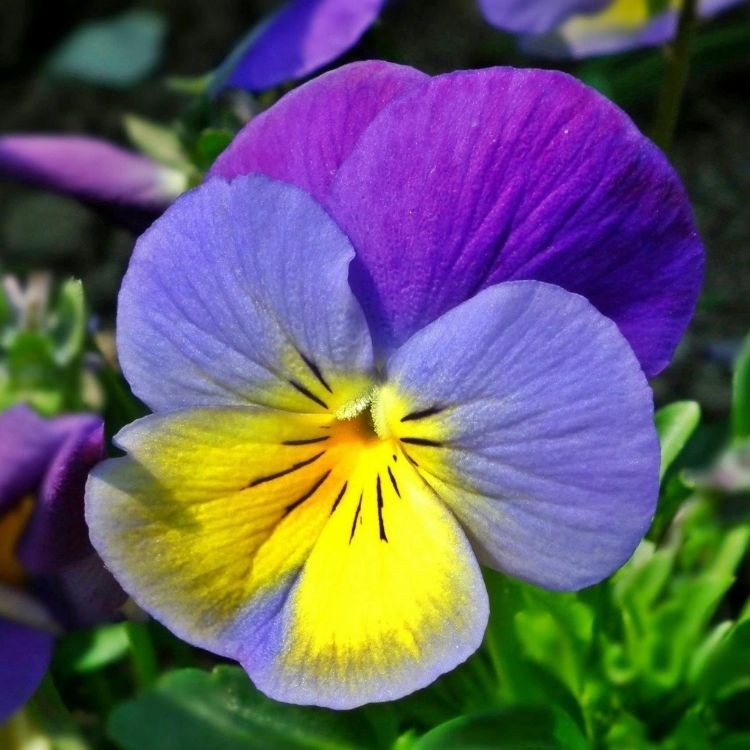
Pansy flowers show a face like pattern. They grow best in cool weather. The plant is often used in seasonal displays. It needs regular watering.
70. Quince Flower
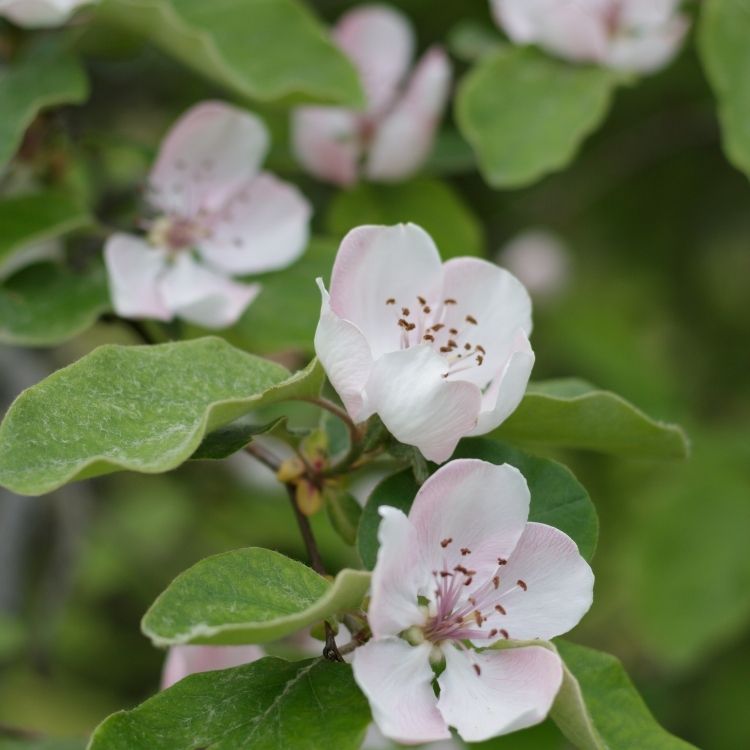
Quince flowers bloom before leaves appear. This makes them very noticeable. The plant grows as a shrub. It is often used for ornamental purposes.
71. Rudbeckia
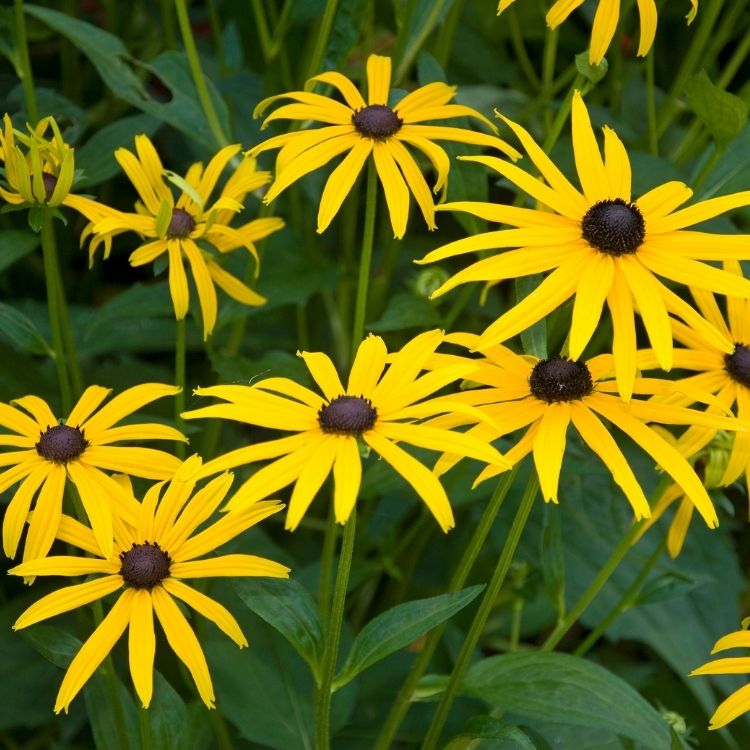
Rudbeckia has a dark center with bright petals. It attracts pollinators. The plant is drought tolerant. It blooms in late summer.
72. Statice
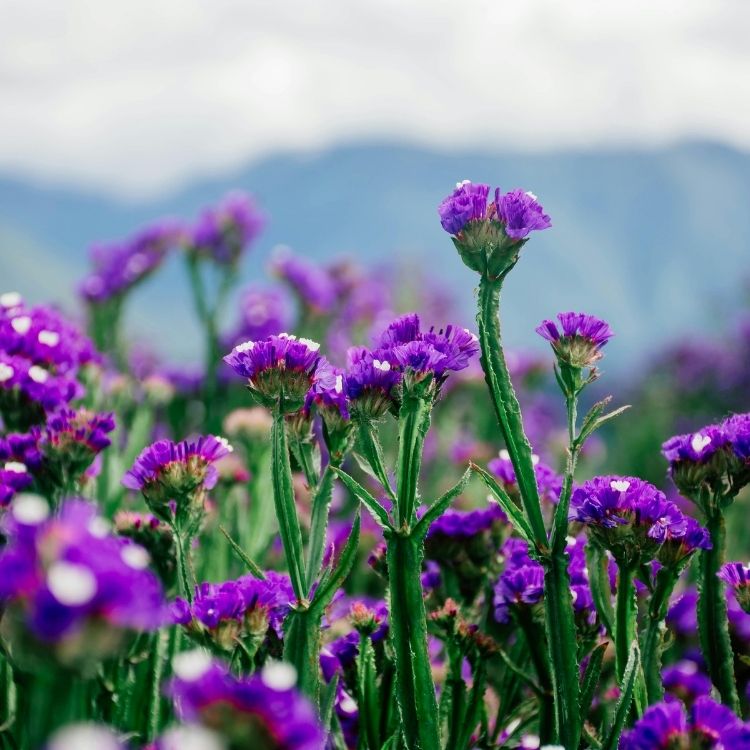
Statice flowers keep their color when dried. They are used in long lasting arrangements. The plant grows in dry soil. It is easy to maintain.
73. Thistle
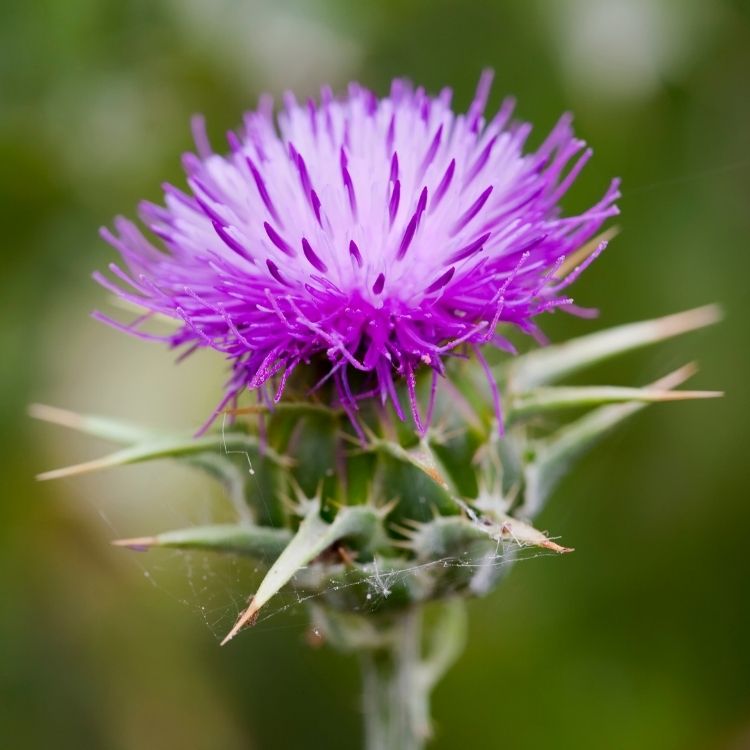
Thistle has spiky leaves and flowers. It protects itself from animals. The plant grows in tough conditions. It is often seen in wild areas.
74. Ursinia
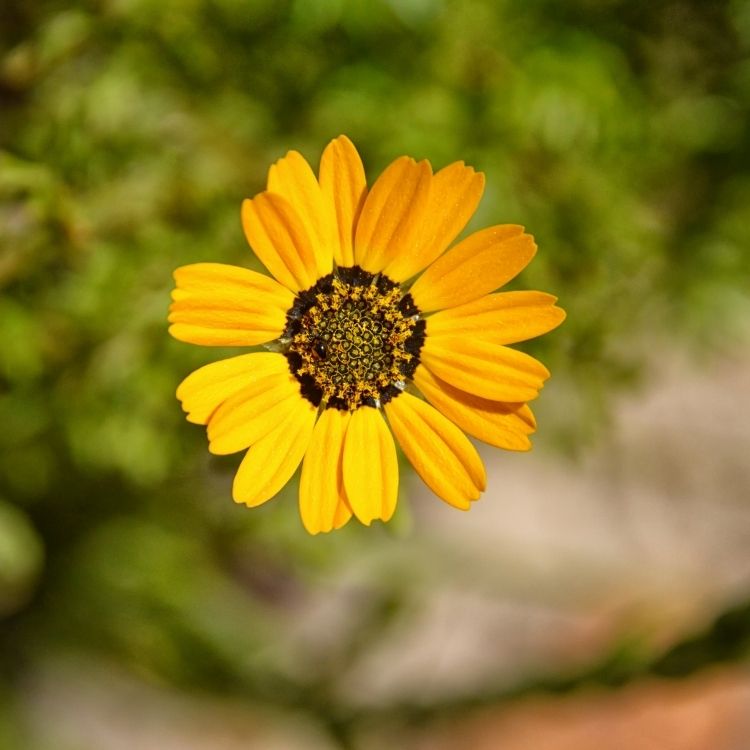
Ursinia produces bright orange flowers. It grows well in warm climates. The plant needs full sunlight. It is used in decorative gardens.
75. Vinca
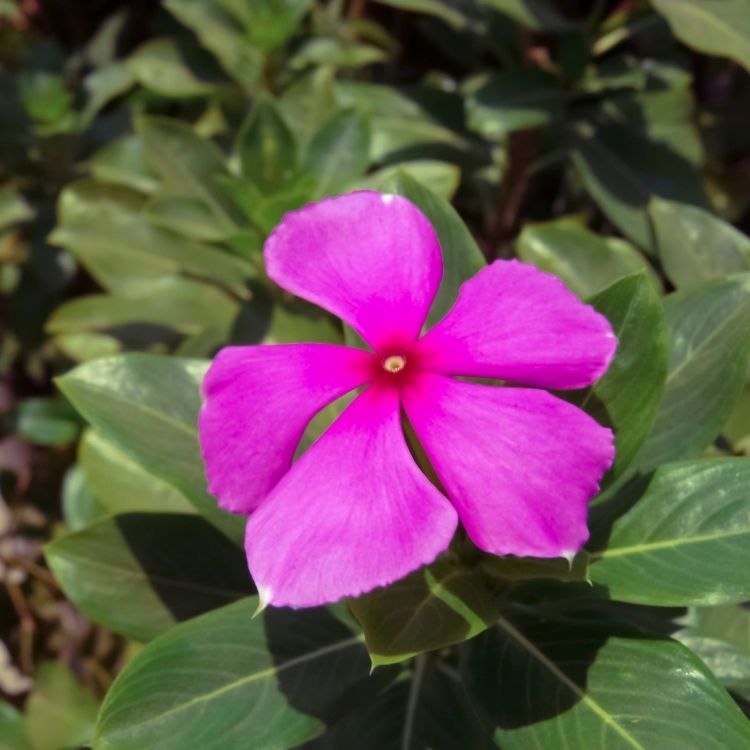
Vinca tolerates heat and dry conditions. It grows well in poor soil. The plant produces simple flowers. It is used in ground cover.
76. Wisteria
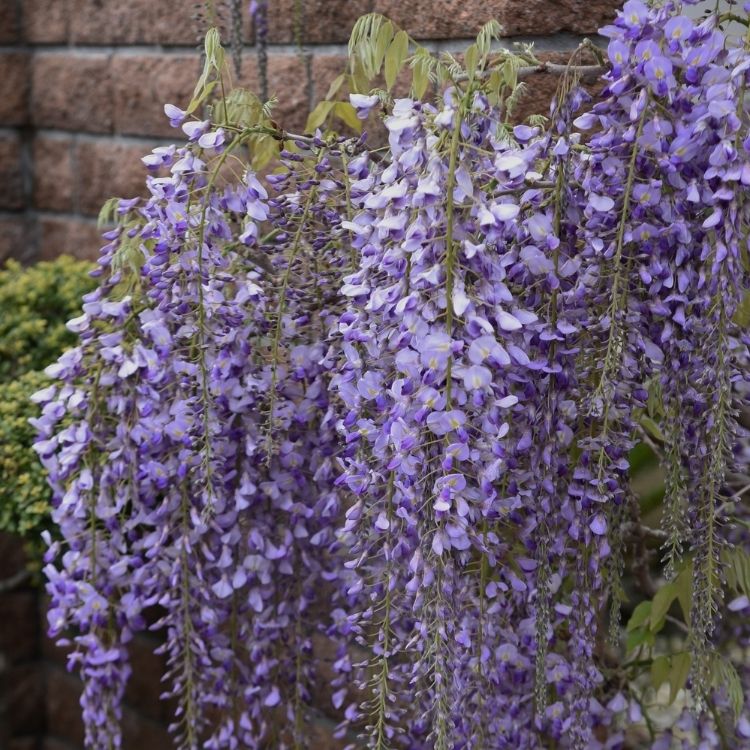
Wisteria is a climbing plant with long hanging flowers. It needs strong support to grow. The plant can live for many years. It blooms in spring.
77. Xeranthemum
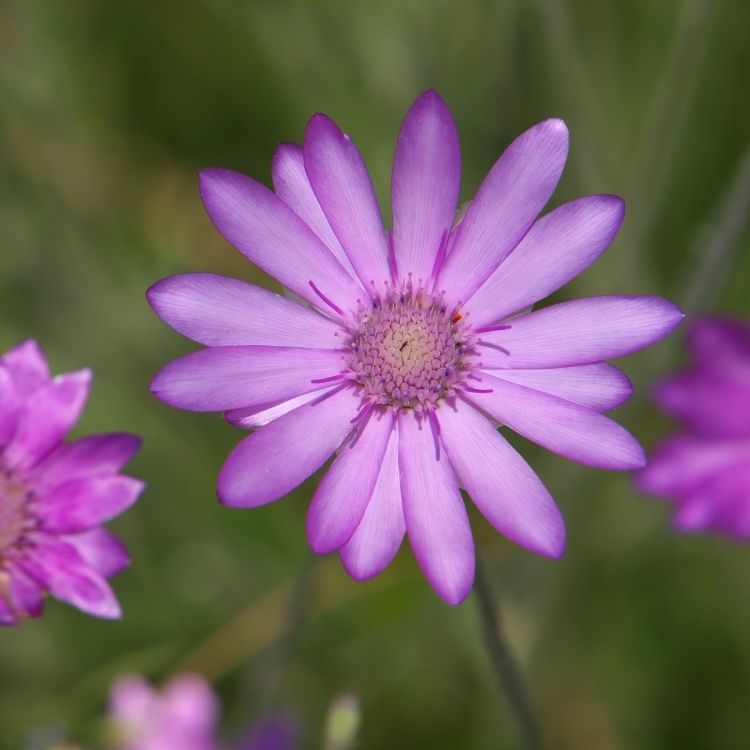
Xeranthemum dries naturally and keeps its shape. It is used in dried flower arrangements. The plant prefers dry soil. It grows in sunny areas.
78. Yarrow
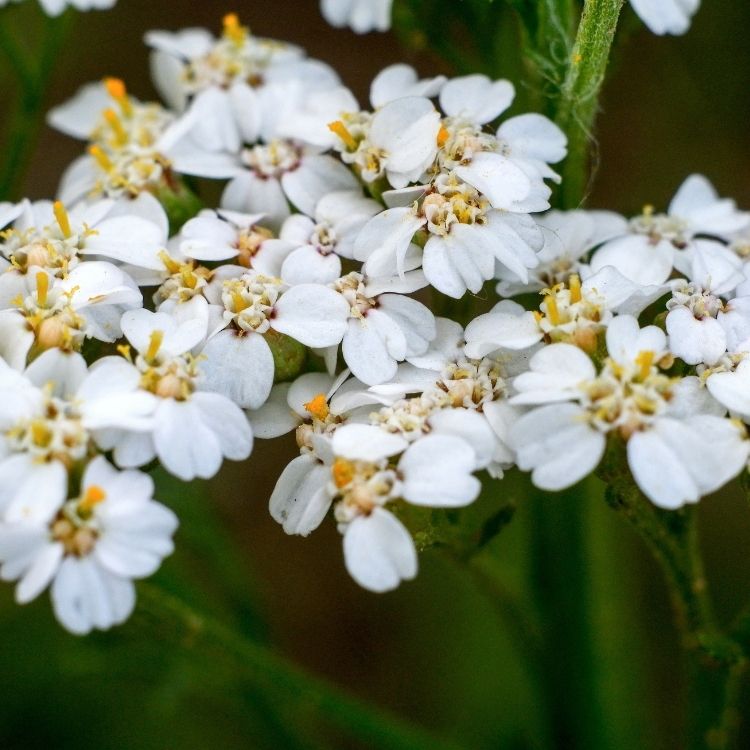
Yarrow is used in herbal medicine. It grows in clusters of small flowers. The plant is drought resistant. It spreads easily in fields.
79. Zephyranthes
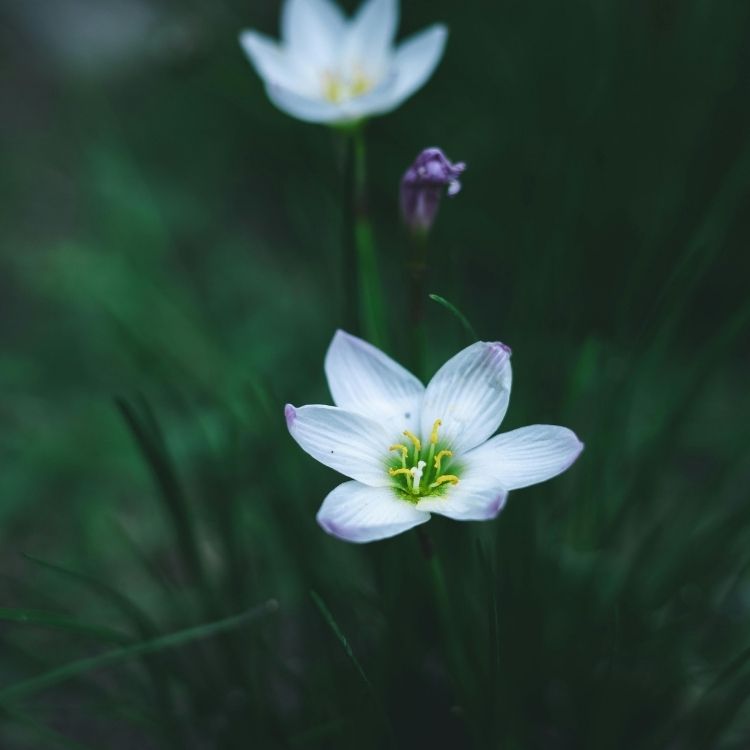
Zephyranthes blooms after rain. It grows from bulbs underground. The flowers appear suddenly. It is also called rain lily.
80. Angelonia
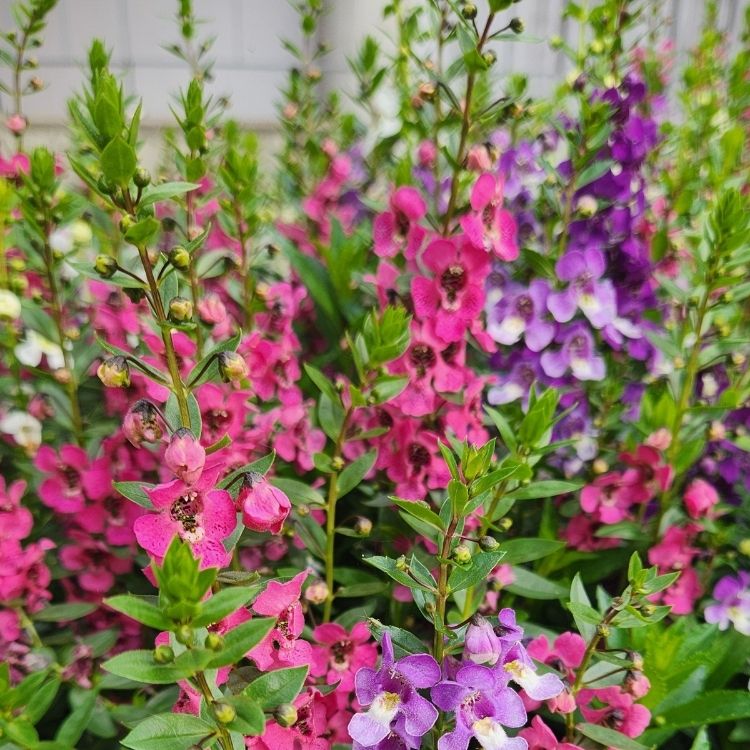
Angelonia grows upright and produces spikes of flowers. It tolerates heat well. The plant blooms continuously. It is used in summer gardens.
81. Blanket Flower
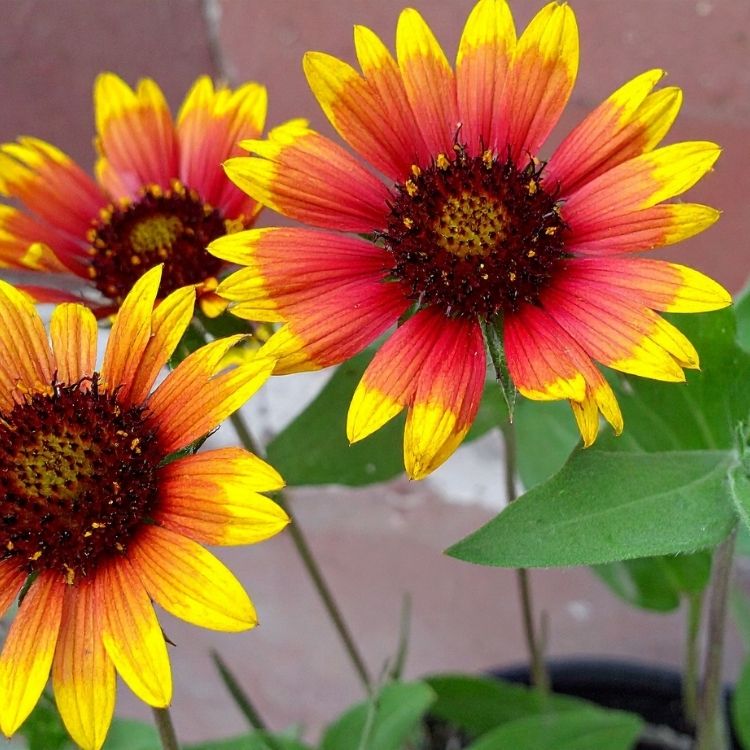
Blanket flower blooms for a long time. It produces bright color patterns. The plant tolerates drought. It is used in wildflower gardens.
82. Candytuft
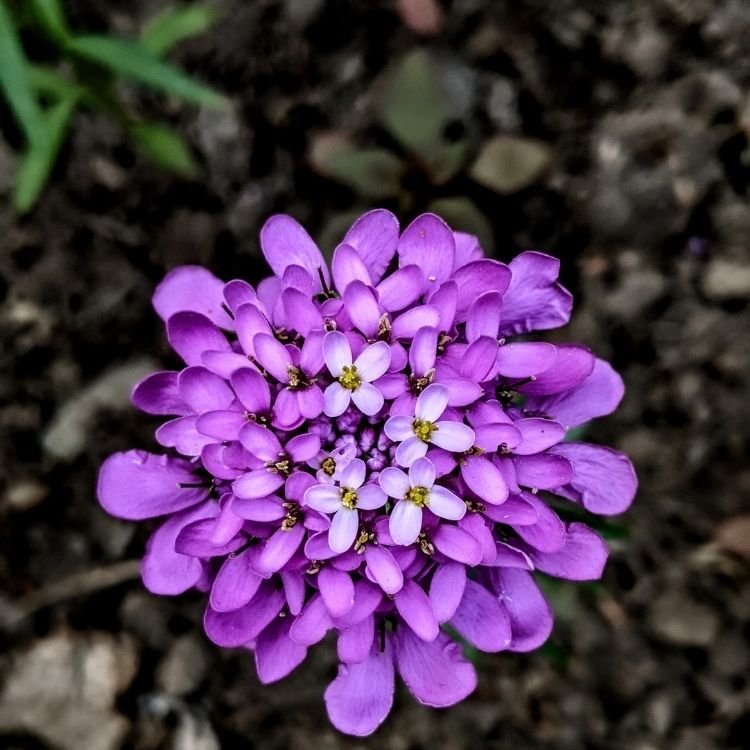
Candytuft produces clusters of white flowers. It grows low to the ground. The plant is often used in borders. It prefers full sun.
83. Dusty Miller
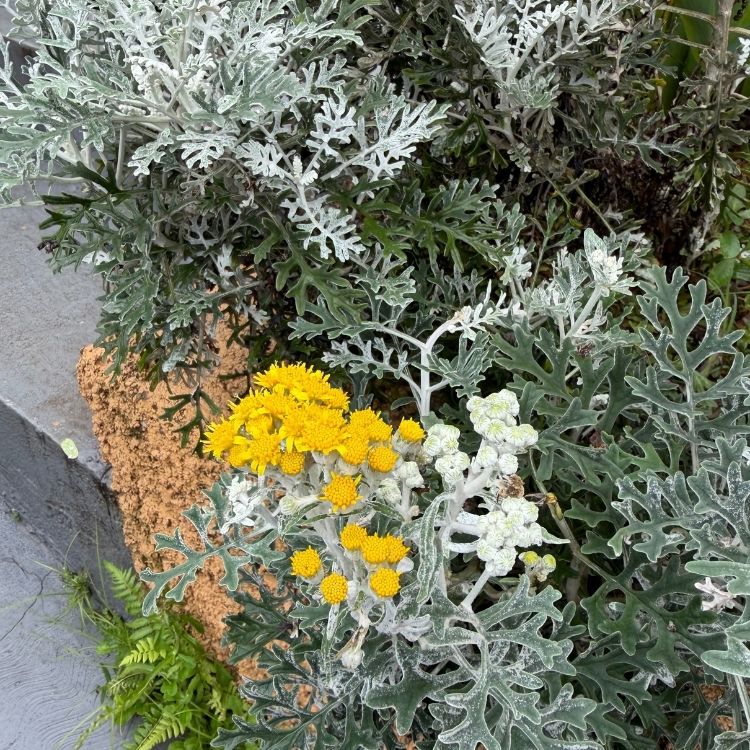
Dusty Miller is grown for its silver leaves. It adds contrast in gardens. The plant tolerates dry conditions. It is often used in decoration.
84. Evening Primrose
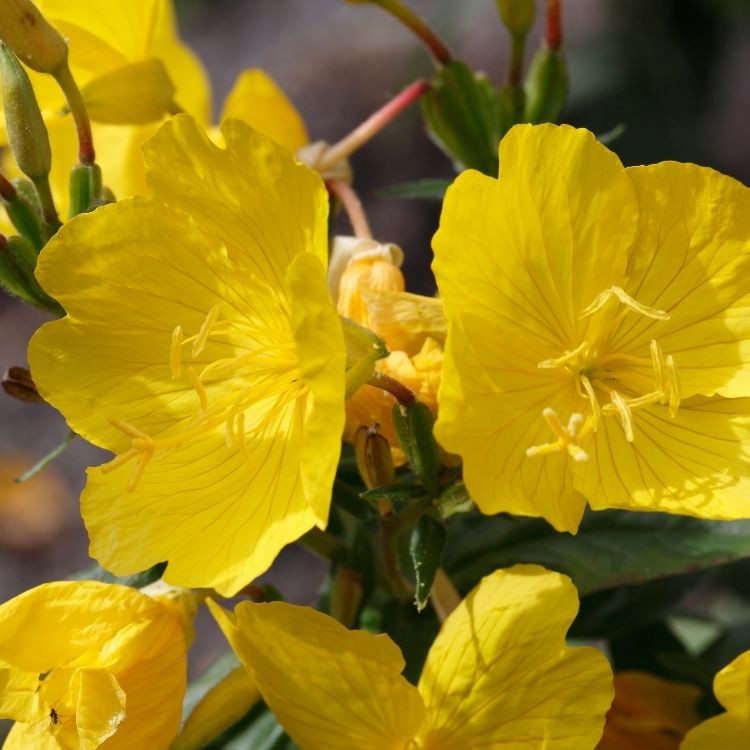
Evening primrose blooms at night. It attracts night pollinators. The plant grows quickly. It is used in herbal oil production.
85. Fireweed
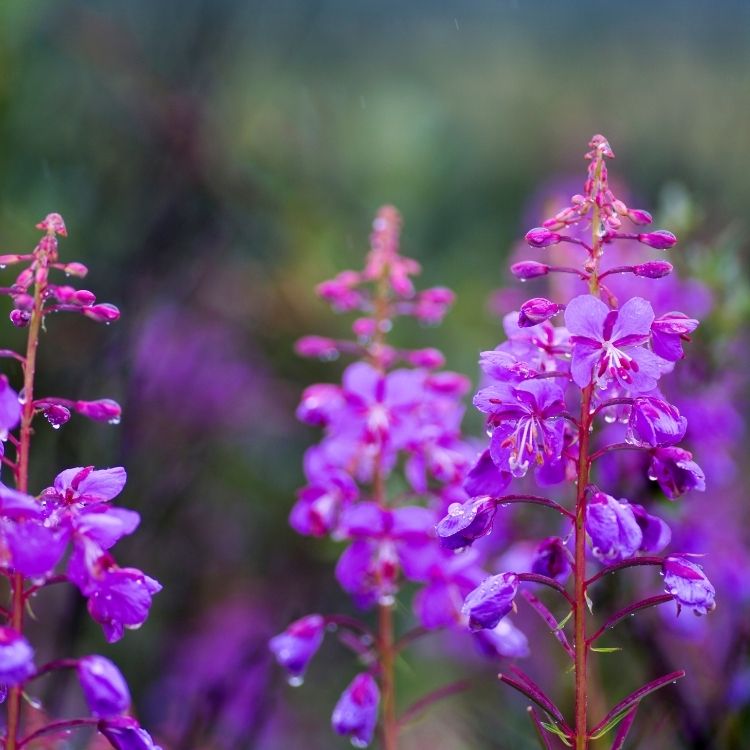
Fireweed grows quickly after forest fires. It helps restore damaged land. The plant produces tall pink flowers. It spreads easily.
86. Globe Amaranth
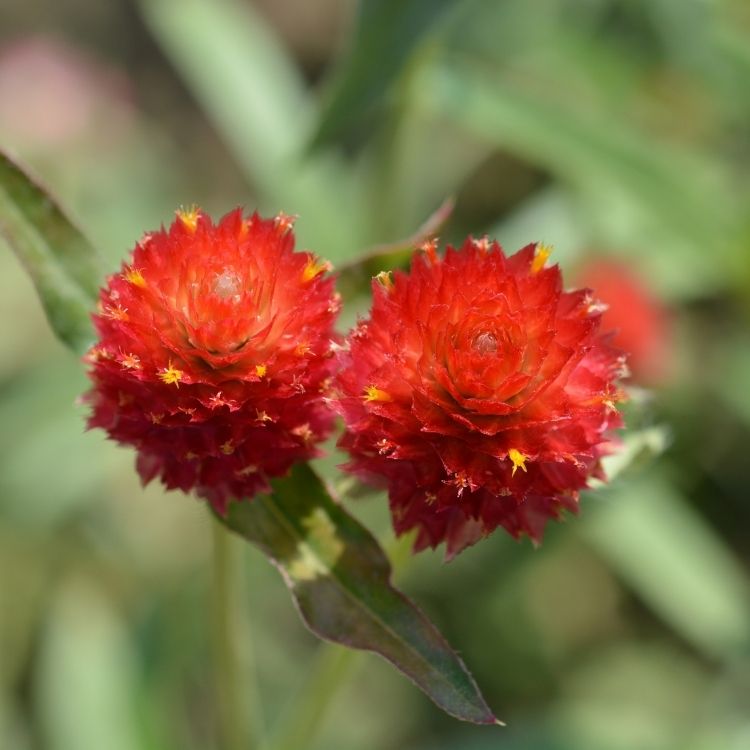
Globe amaranth keeps its shape when dried. It is used in long lasting bouquets. The plant tolerates heat. It blooms continuously.
87. Heliotrope
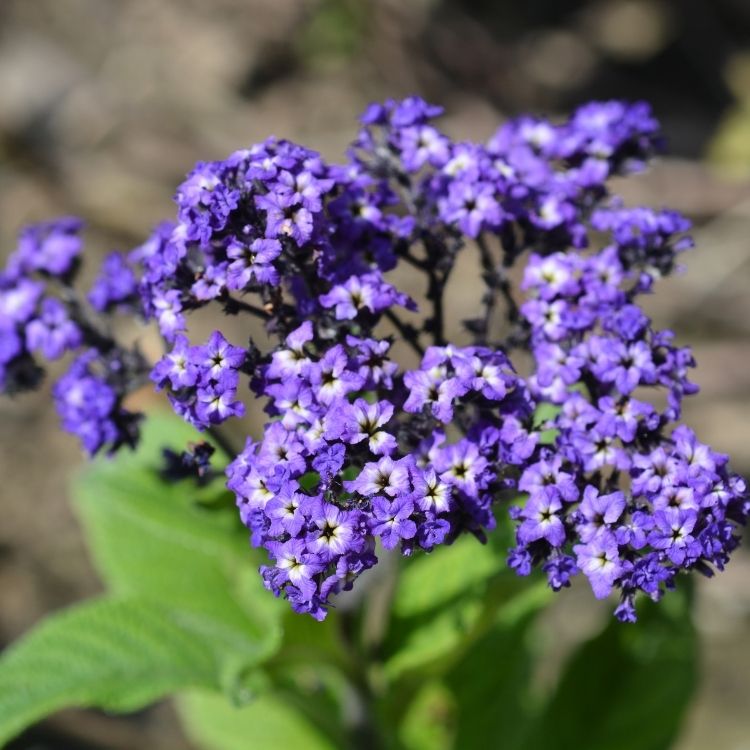
Heliotrope follows sunlight during growth. It produces a strong sweet scent. The plant attracts butterflies. It prefers warm climates.
88. Ice Plant
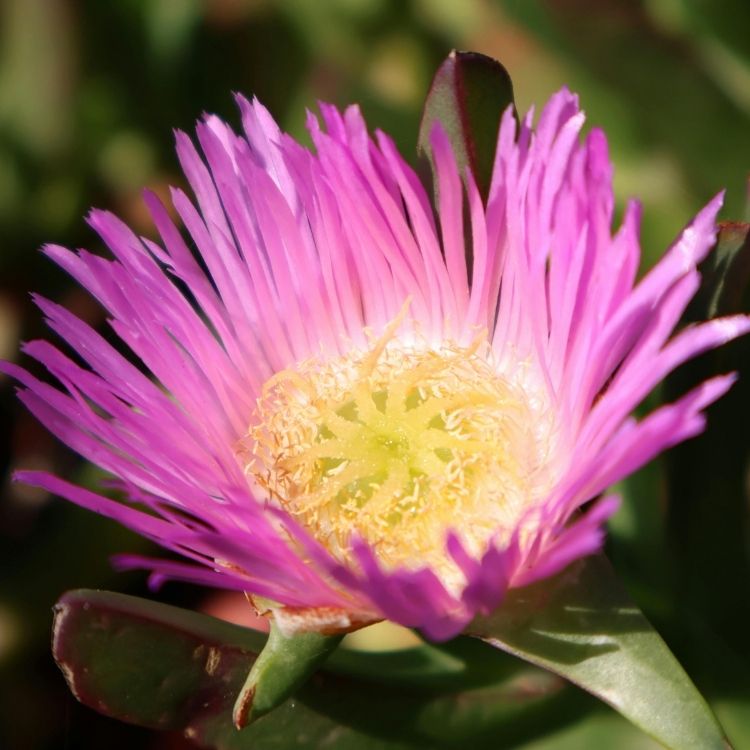
Ice plant stores water in its leaves. It survives dry and coastal areas. The petals look shiny in sunlight. It spreads across ground.
89. Jacob’s Ladder
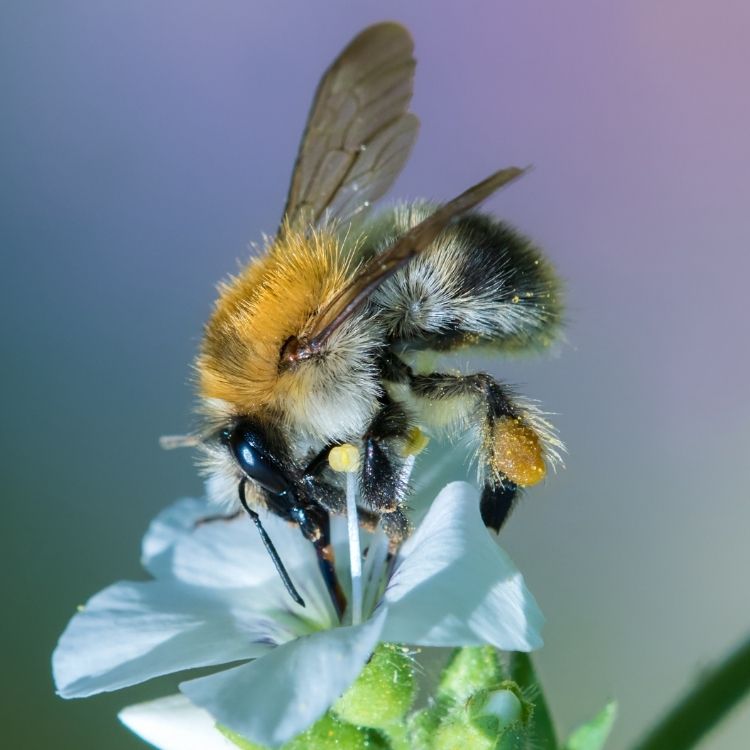
Jacob’s ladder has leaves arranged like steps. It grows well in shade. The plant produces small blue flowers. It prefers cool conditions.
90. Kangaroo Paw
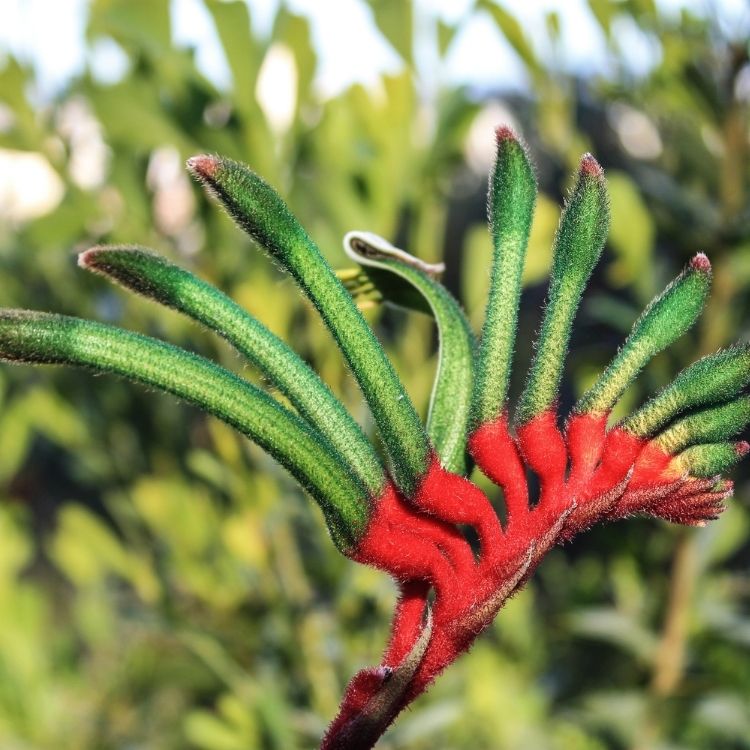
Kangaroo paw has a unique shape like an animal paw. It grows in dry regions. The plant attracts birds. It needs well drained soil.
91. Love in a Mist
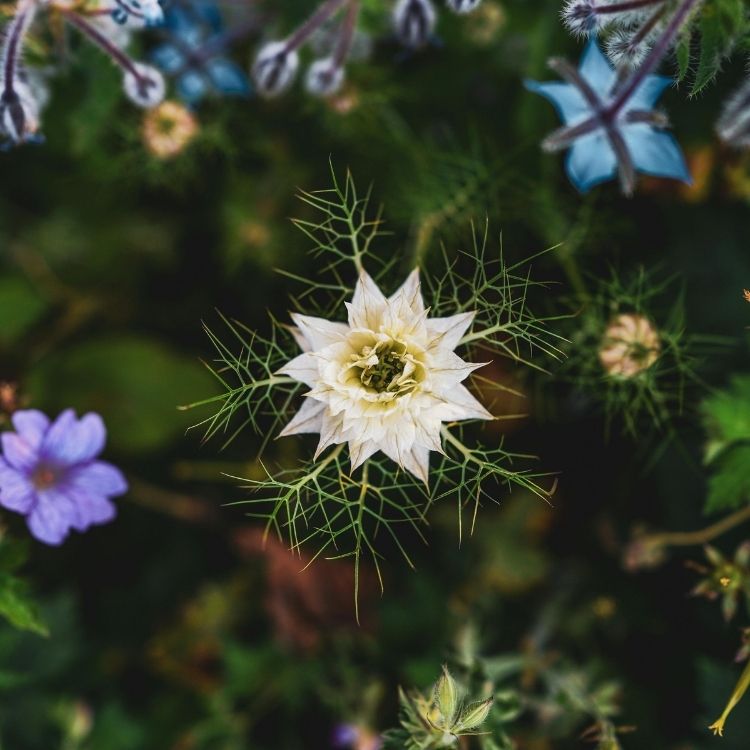
This plant has fine thread like leaves around flowers. It creates a misty look. The seed pods are decorative. It grows easily from seeds.
92. Moonflower
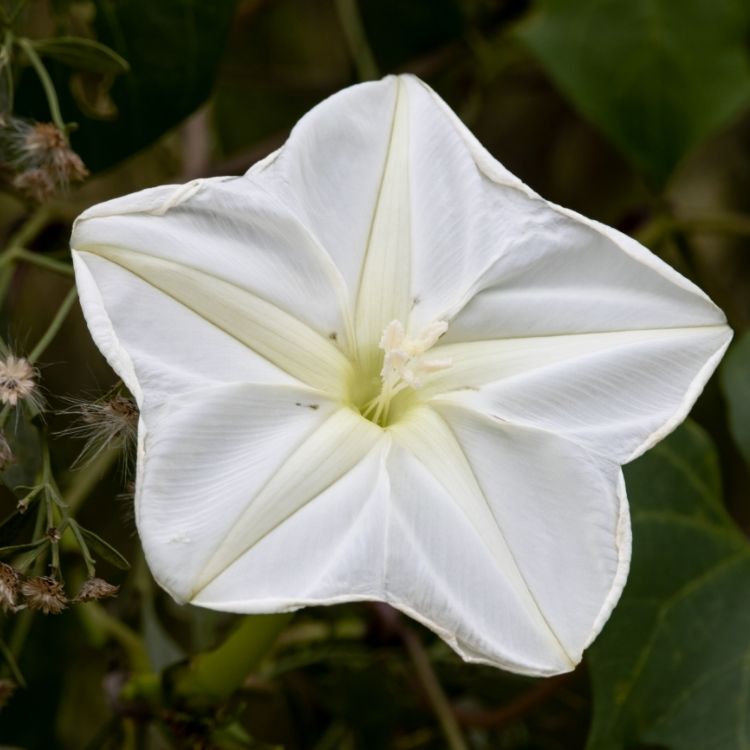
Moonflower blooms at night and closes in morning. It produces large white flowers. The plant grows as a vine. It needs support.
93. Nasturtium
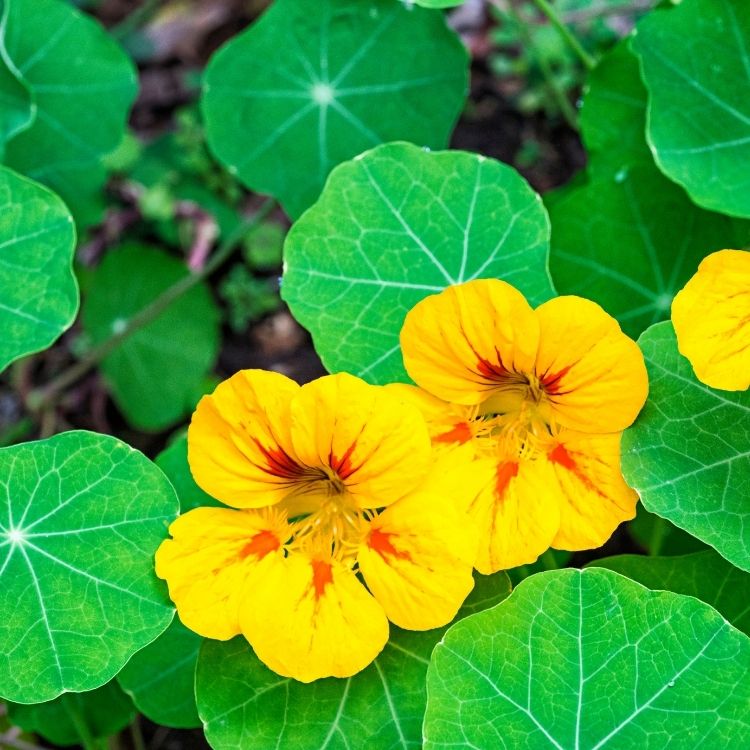
Nasturtium leaves and flowers are edible. They have a peppery taste. The plant grows quickly. It is used in salads and decoration.
94. Oxeye Daisy
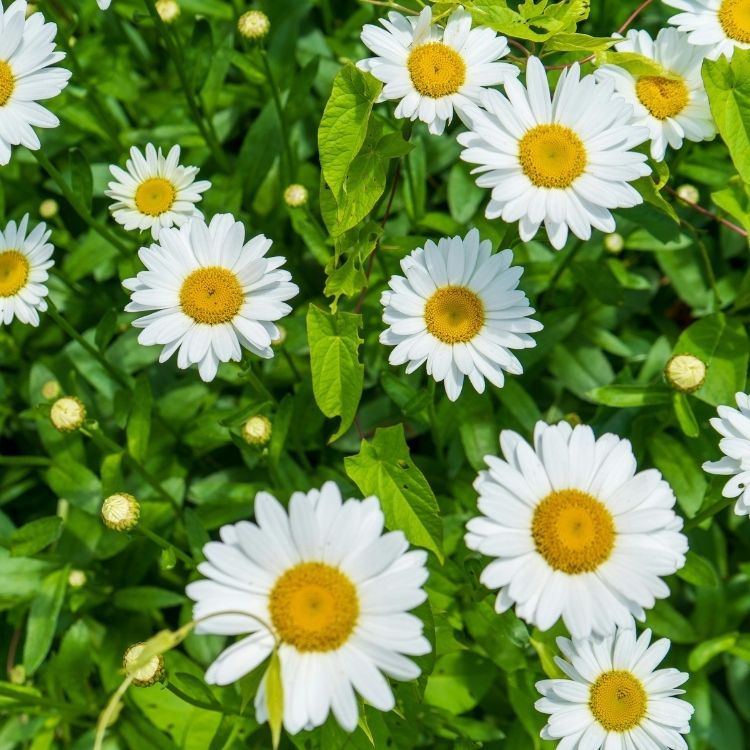
Oxeye daisy grows wild in fields. It spreads easily. The plant is simple but strong. It blooms in summer.
95. Penstemon
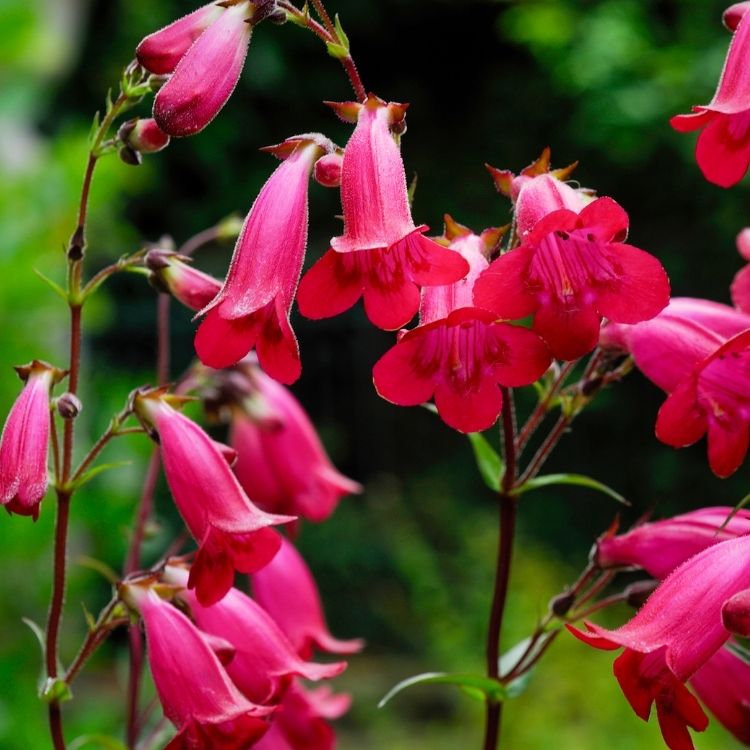
Penstemon produces tube shaped flowers. It attracts bees and birds. The plant grows in dry conditions. It blooms in warm seasons.
96. Queen Anne’s Lace
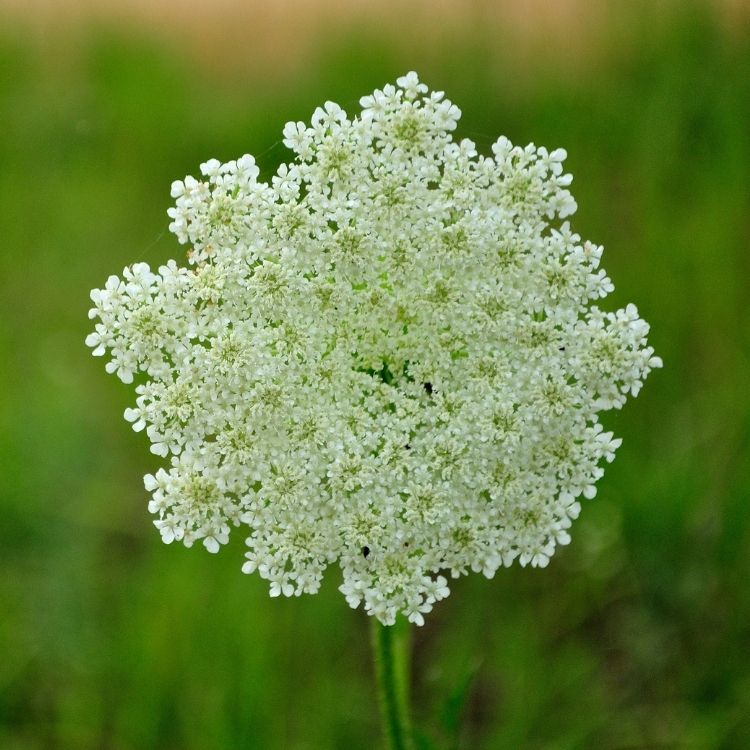
This plant has lace like flower clusters. It grows in wild areas. The root is related to carrot. It attracts insects.
97. Rockrose
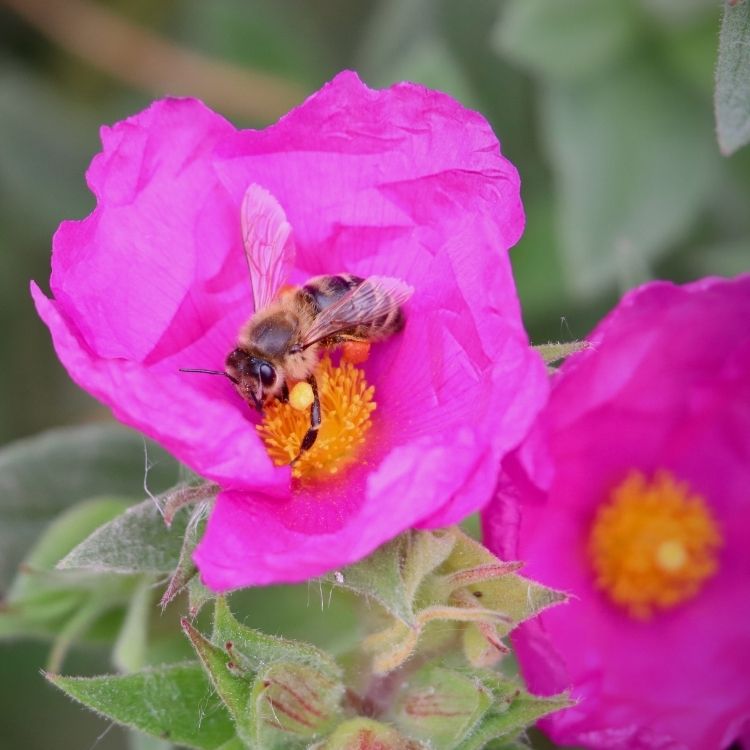
Rockrose survives in dry rocky soil. It blooms quickly but flowers last one day. The plant produces many blooms. It is drought resistant.
98. Snowdrop
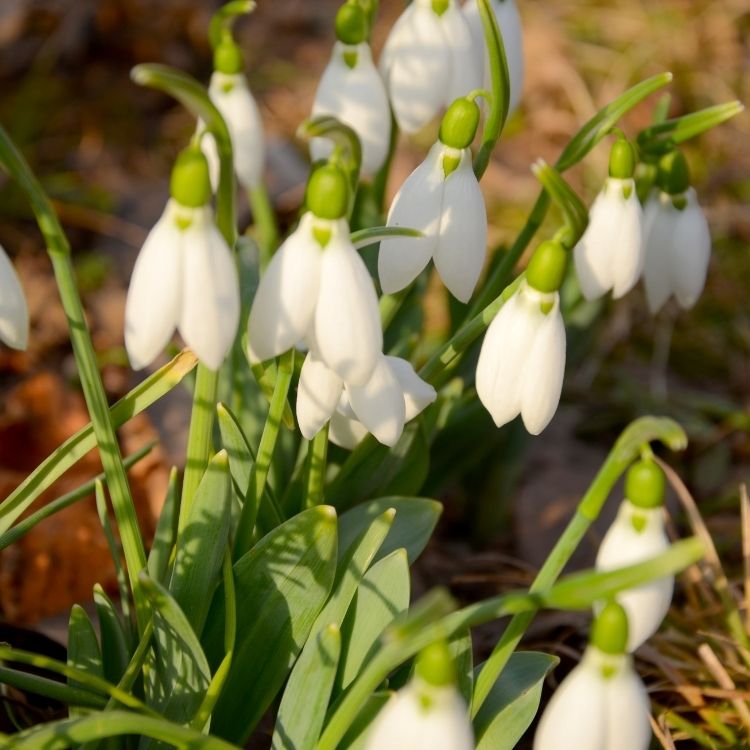
Snowdrop blooms in late winter. It can grow through snow. The plant grows from bulbs. It signals seasonal change.
99. Torch Lily
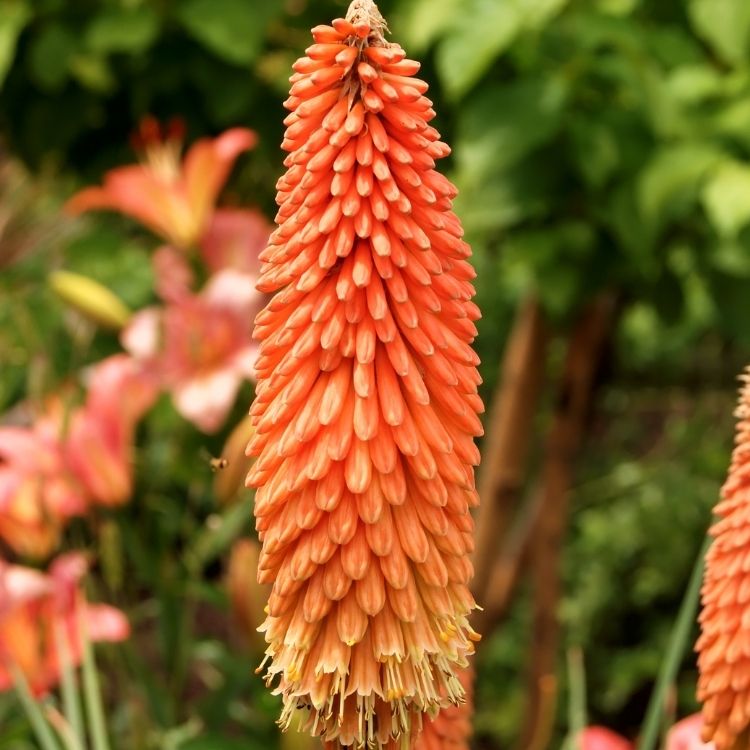
Torch lily produces bright flame like flowers. It grows in spikes. The plant attracts birds. It prefers sunny areas.
100. Verbascum
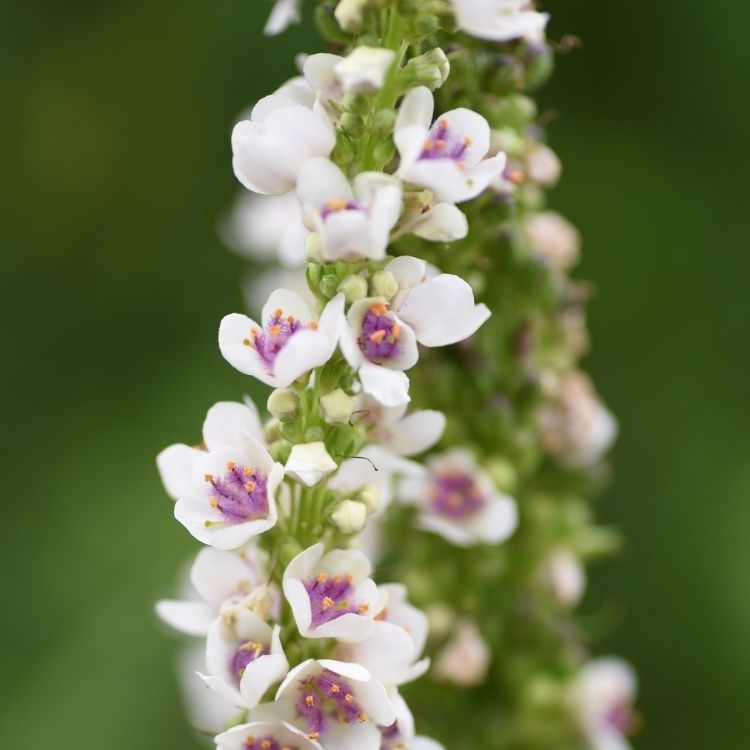
Verbascum grows tall with flower spikes. It survives poor soil conditions. The plant attracts insects. It is used in wild gardens.
101. Water Lily
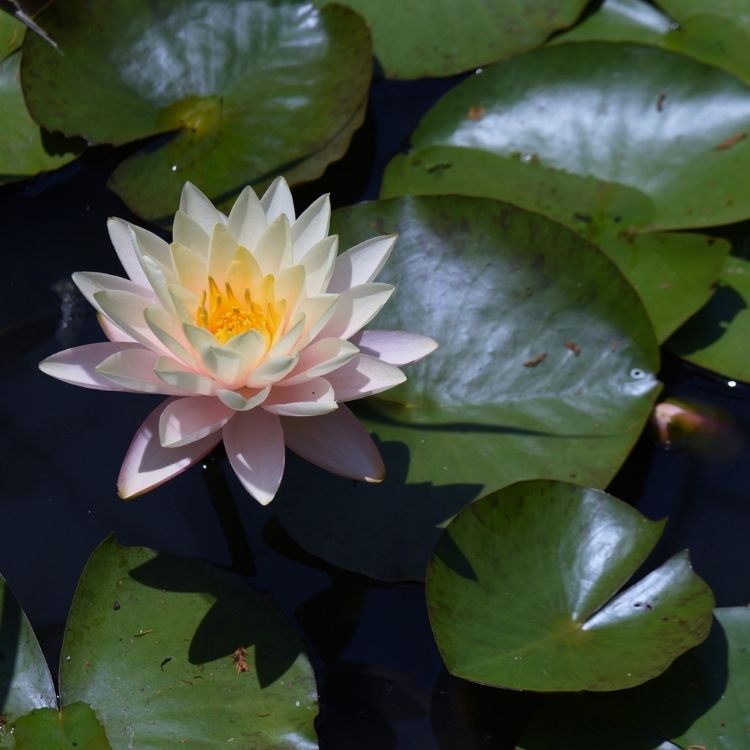
Water lily floats on water surface. Its roots stay in mud below. The leaves spread wide to collect sunlight. It creates calm water landscapes.
FAQs
What is flower ?
A flower is the reproductive part of a plant, and emojis like 🌺 (hibiscus) and 🌹 (rose) represent specific types of flowers.
What type of flower is 🌺?
The 🌺 emoji represents a hibiscus, a tropical flowering plant known for its large, colorful petals.
What is this flower 🌸?
The 🌸 emoji represents cherry blossom, a delicate pink flower from the sakura tree.
What is the English name for 🌺?
The English name for 🌺 is hibiscus, a popular ornamental flower found in warm climates.
What is a rare flower?
A rare flower is a plant species that is uncommon in nature, often due to limited habitat, slow growth, or environmental threats.
Which flower starts with z?
A common flower starting with Z is zinnia, a bright and easy-to-grow flowering plant popular in gardens.
Is there a birth flower?
Yes, each month has a birth flower, such as rose for June and marigold for October, each with symbolic meanings.
What is a pearl flower?
Pearl flower can refer to plants like pearl everlasting, known for small white, pearl-like blooms used in dried arrangements.
Explore Our Complete Collection of Flower Guides:
Most Googled Flowers in 2026
How Flowers Got Their Names
Flowers That Are Named After People
Amazing A to Z Flowers
National Flowers of The World
Flower Names by Season: Spring, Summer, Fall & Winter
Easy to Grow Flowers That Attract Butterflies Naturally
Yellow Flowers
Blue Flowers
Green Flowers
Pink Flowers
Black Flowers
Red Flowers