The National Flower of Egypt tells a story that goes far beyond beauty. This flower shaped how ancient Egyptians understood life, death, and what comes after. When I first studied its symbolism, what struck me was how closely nature and belief were tied together. Nothing felt abstract. The flower lived the idea it represented.
This is not just a mythological symbol. It is a real plant with real traits that helped define one of the world’s greatest civilizations.
What Is the National Flower of Egypt?
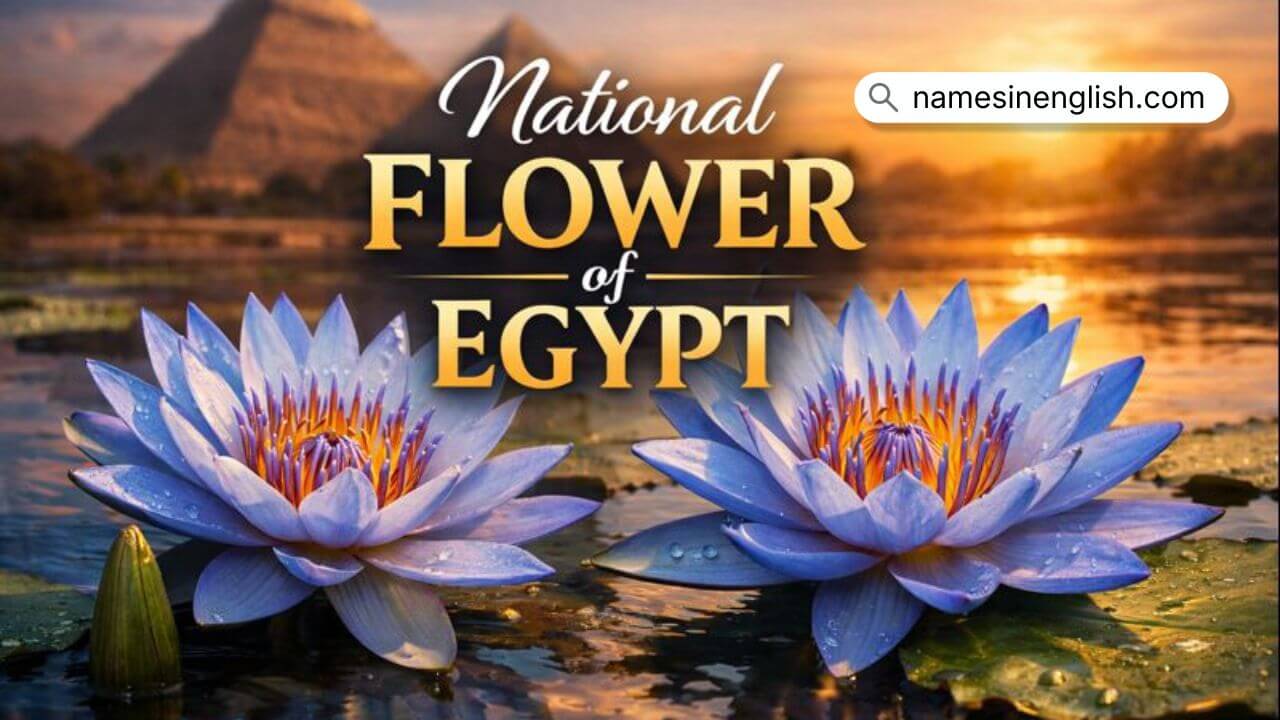
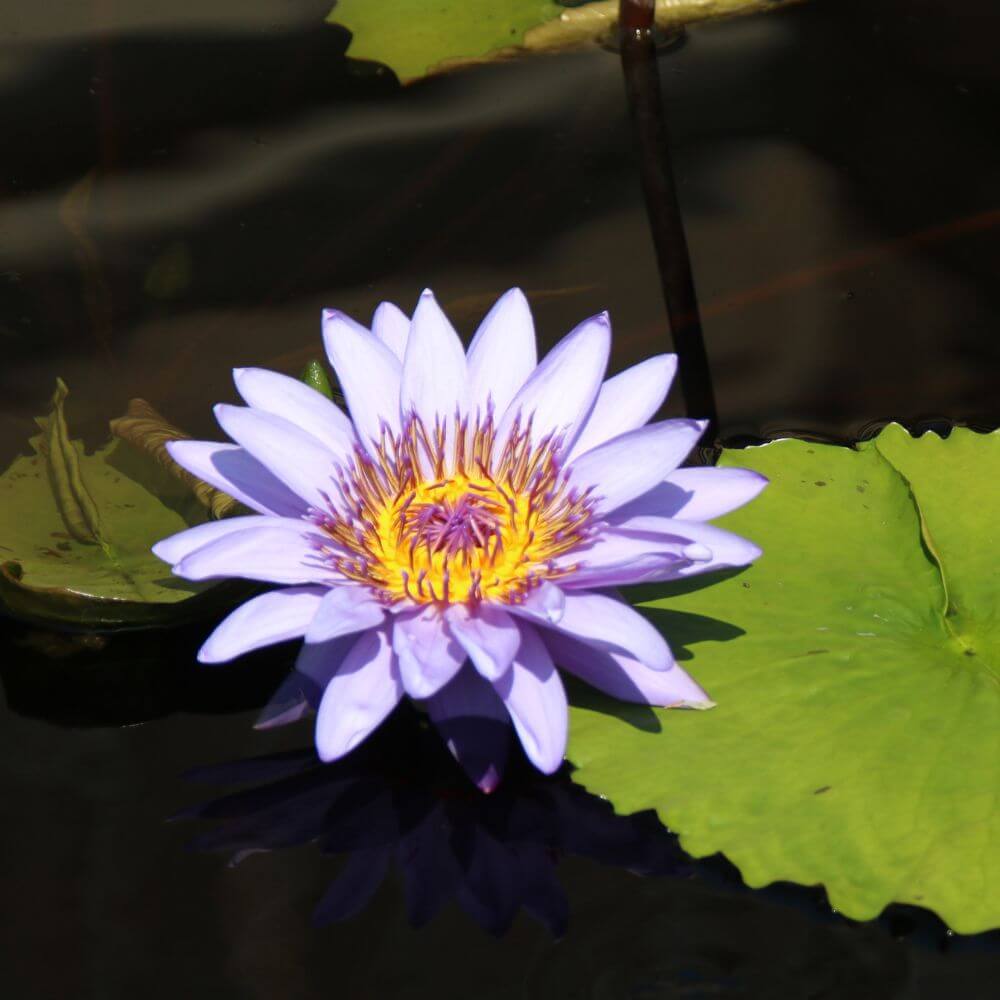
The National Flower of Egypt is the Blue Lotus, known scientifically as Nymphaea caerulea.
It earned this status because of how it behaves in nature.
- The flower closes at night
- It sinks beneath the water
- It rises and blooms again each morning
To ancient Egyptians, this cycle was proof of rebirth. It mirrored the rising sun and the soul’s return after death.
Why the Blue Lotus Meant Everything to Ancient Egypt
The ancient Egyptians watched the Nile closely. It meant life to them. When the blue lotus bloomed overnight, they saw more than chance. It stood for new beginnings, rebirth, and purity. You’ll find lotus images all over their temples, tombs, and art with gods and pharaohs.
The Lotus and the Egyptian View of Death
Death was not an ending in ancient Egypt. It was a transition.
The blue lotus fit perfectly into this worldview.
- It vanished each night
- It returned each morning
- It never truly “died”
Because of this, the lotus often appears in funerary art. Pharaohs are shown holding it as a sign of eternal renewal. Tomb walls show lotus flowers floating beneath the sun god Ra.
This wasn’t decorative. It was a visual prayer.
A Flower Rooted in Myth and Biology
The National Flower of Egypt is powerful because its symbolism matches real-life traits. Modern science confirms that lotus seeds can remain viable for centuries, some species regulate their flower temperature, and they thrive in muddy, low-oxygen water. These remarkable qualities made the lotus seem almost immortal to ancient Egyptians, who, without microscopes, keenly observed and trusted the patterns they saw over time. Even today, botanists admire its resilience.
Everyday Egyptian Life With the Lotus
The lotus was not limited to temples and burial chambers. It was part of daily Egyptian life.
You could find it in:
- Jewelry worn by nobles
- Perfumed oils used at feasts
- Decorative bowls and vessels
- Household art and textiles
At banquets, guests were often shown smelling lotus blossoms. This gesture symbolized joy, renewal, and spiritual clarity.
It also hints at something deeper.
Did the Lotus Affect the Mind?
Many often overlook that ancient art shows people inhaling the blue lotus during rituals. Modern research suggests it contains compounds that calm the mind and create mild euphoria, supporting meditation, trance states, and relaxation. This wasn’t casual intoxication but purposeful spiritual use, making the lotus a powerful link between the physical and sacred.
Science & modern research:
A peer‑reviewed chemical analysis notes that blue lotus (Nymphaea caerulea) has a long history of use in Egyptian culture and is still consumed today to induce relaxation and heightened awareness. While modern safety data are limited, the flower’s traditional calming use is documented.
Explore the research in detail: pubmed.ncbi.nlm.nih.gov
The Blue Lotus: Ancient Symbol, Modern Meaning
Although modern Egypt doesn’t officially designate a national flower, the lotus remains a strong national symbol. It appears in museum branding, jewelry, tourism imagery, and modern spiritual art. For many Egyptians, the lotus represents cultural memory, while globally it stands as a symbol of resilience and renewal.
The Lotus Speaks
I believe the lotus survives in our imagination because it tells a hard truth gently.
Life is not a straight line. It moves in cycles.
- Growth
- Rest
- Decline
- Renewal
The lotus does not escape the mud. It rises from it. That message feels deeply relevant today, especially for people drawn to history, spirituality, and healing.
FAQs About National Flower of Egypt
What is Egypt's state flower?
The Blue Lotus (Nymphaea caerulea) is considered Egypt’s national flower due to its cultural and historical significance.
Does Egypt have a national flower?
Yes, the Blue Lotus is recognized as the national flower of Egypt, symbolizing rebirth and spiritual renewal.
What flowers represent Egypt?
The Blue Lotus and the White Lotus both represent Egypt, but the Blue Lotus is the most iconic and historically important.
Is white lotus a real flower?
Yes, the White Lotus (Nymphaea lotus) is a real species native to parts of Egypt and other regions, often symbolizing purity.
What does the lotus flower mean in the Quran?
The lotus flower is not mentioned in the Quran, but it holds spiritual symbolism in Egyptian culture related to purity and rebirth.
Final Thoughts About Egypt’s National Flower
The National Flower of Egypt is more than a historical fact. It is a living metaphor shaped by nature, belief, and observation.
If you’re exploring mythology, wellness symbolism, or ancient cultures, the blue lotus offers rare depth. It shows how humans once learned from plants and built meaning from patterns in the natural world.
If this topic intrigued you, consider exploring: