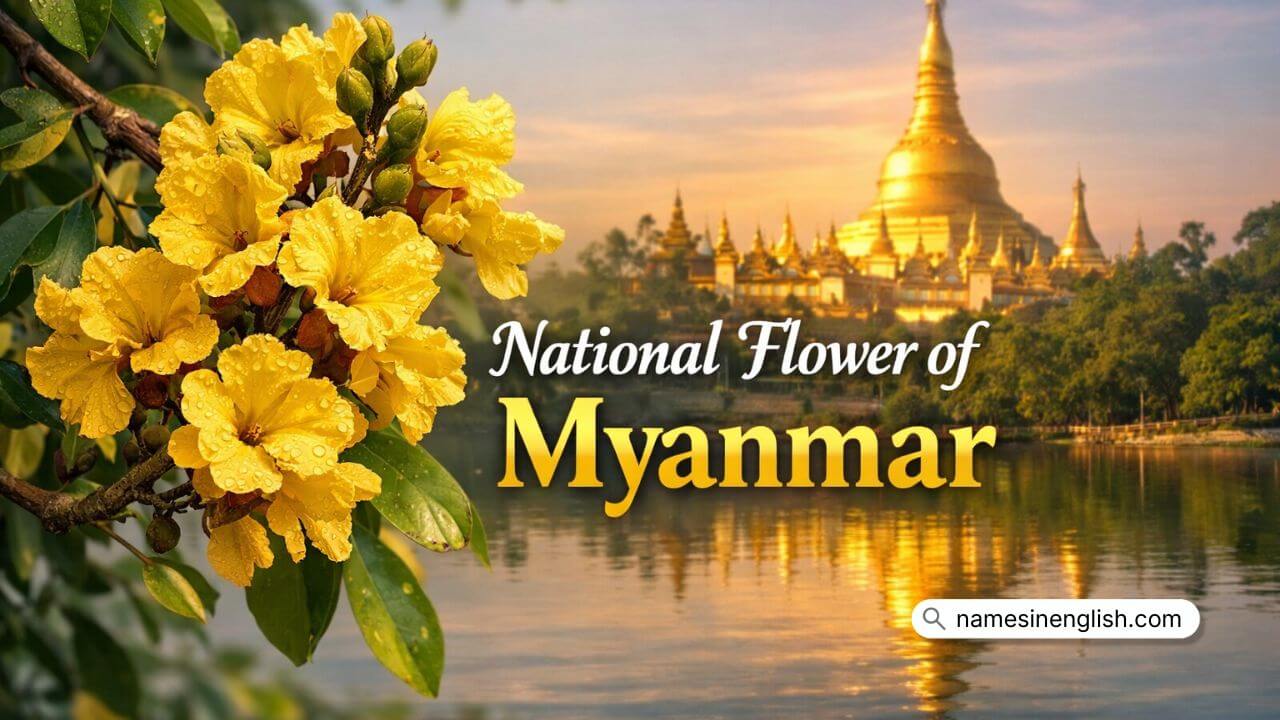

The National Flower of Myanmar, the beautiful Paduak flower, is a cherished symbol of renewal, happiness, and cultural pride. Famous for its bright golden-yellow blossoms that appear after the first rains, this flower holds a special place in Myanmar’s traditions and annual celebrations. In this article, you’ll learn the history of the National Flower of Myanmar, its cultural significance, unique characteristics, blooming season, symbolic meaning, and fascinating facts that make the Paduak flower an enduring national treasure.
Why the Paduak Flower Is the National Flower of Myanmar
The Paduak flower comes from the Pterocarpus macrocarpus tree, locally known as Padauk or Paduak. Myanmar officially recognizes it as the national flower because it reflects values deeply rooted in Burmese culture.
People associate Paduak with:
- Strength and resilience, because the tree thrives in harsh tropical conditions
- Unity, as the flowers bloom together almost overnight
- New beginnings, since it flowers at the start of the Burmese New Year
Unlike ornamental flowers that bloom for weeks, Paduak flowers last only a few days. That short life has shaped how people see them. Beauty doesn’t need to last forever to matter.
What Is the National Flower of Myanmar?
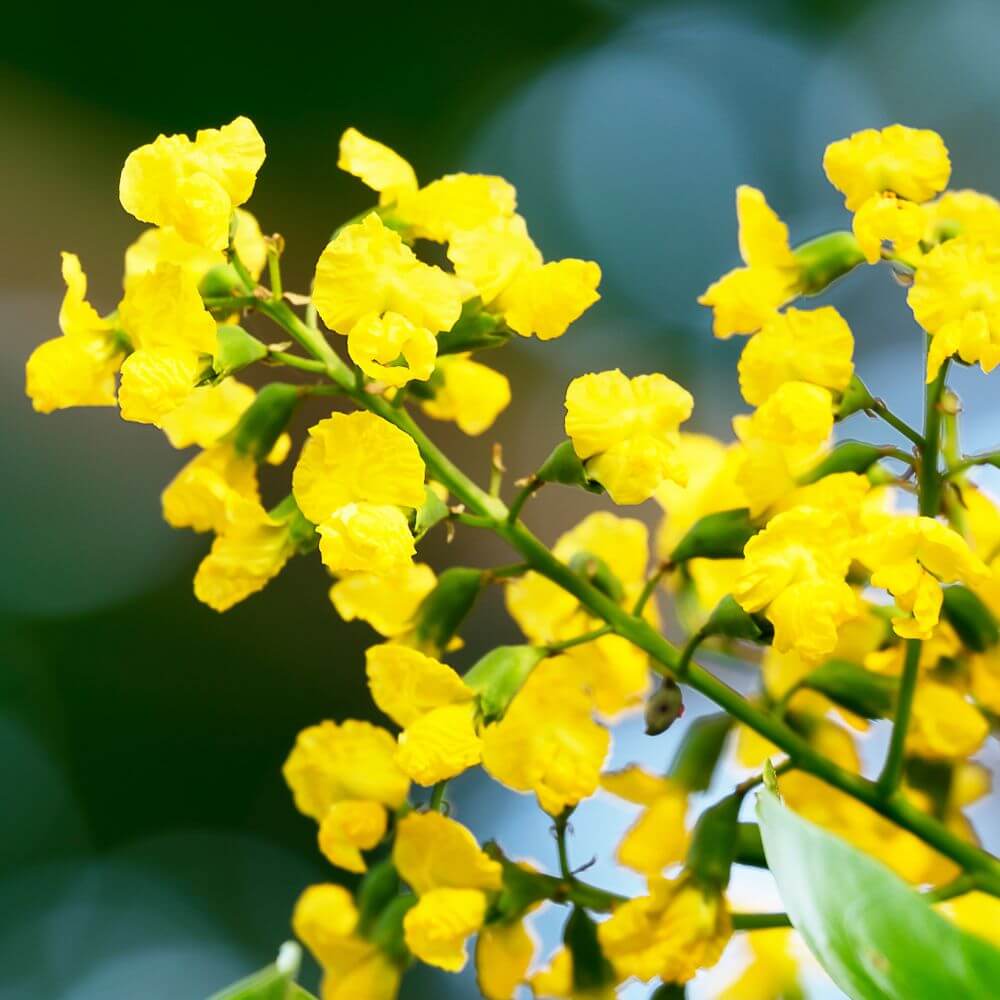
The national flower of Myanmar is the Paduak flower, a bright yellow blossom from the Pterocarpus macrocarpus tree. It blooms briefly during the Thingyan Water Festival in April and symbolizes strength, unity, and renewal in Burmese culture.
This is the answer most readers are searching for, and it’s also the heart of the story.
Cultural Meaning of the Paduak Flower in Myanmar
In Myanmar, flowers are rarely just decorative. Paduak carries emotional and spiritual weight.
During Thingyan, the traditional New Year festival, fresh Paduak flowers are placed in homes and pagodas. Families believe the blossoms bring good fortune for the coming year. Monks often receive water infused with Paduak petals as a sign of respect and purification.
I find it fascinating that many Myanmar families won’t display artificial Paduak flowers. The real ones matter because they bloom naturally with the rain, not because humans force them to.
Paduak and the Burmese New Year Festival
Thingyan is loud, joyful, and soaked with water, but Paduak adds balance to the celebration.
You’ll notice:
- Paduak branches tied near doorways for blessings
- Yellow petals floating in ceremonial bowls
- Children wearing fresh flowers behind their ears
A cultural study published by Myanmar’s Ministry of Religious Affairs noted that over 80 percent of households associate Paduak blooms with luck and moral renewal during Thingyan. That level of shared symbolism is rare.
Botanical Facts About the Paduak Tree
Beyond symbolism, the Paduak tree itself is remarkable.
Key facts:
- Scientific name: Pterocarpus macrocarpus
- Native to Myanmar, Thailand, and Laos
- Known for extremely durable hardwood
- Flowers appear after the first heavy rains
According to forestry research from Southeast Asia, Paduak wood can last over 100 years when properly treated. That durability mirrors how Myanmar people view their cultural traditions.
Traditional and Modern Uses of Paduak
Paduak isn’t just admired. It’s used.
Historically:
- The wood was used in monastery pillars and royal buildings
- Natural dyes from the tree colored traditional fabrics
Today:
- Artisans carve Paduak wood for souvenirs
- The flower appears in cultural branding and tourism campaigns
- Designers use the yellow shade to symbolize national identity
The Quiet Meaning Behind Myanmar’s Paduak Flower
Most of us celebrate Paduak’s beauty. Few talk about its silence.
Paduak flowers don’t have a strong fragrance. In a world obsessed with bold scents and constant visibility, that subtlety feels intentional. Burmese elders often say the flower teaches restraint. You don’t need to shout to be noticed. You just need to arrive at the right moment.
For travelers, this changes how you experience Myanmar. Instead of chasing landmarks, you start paying attention to timing, seasons, and small signs of change.
How Travelers and Expats Experience the Paduak Season
If you’re visiting or living in Myanmar, Paduak season is something you feel, not plan.
Real-world moments include:
- Waking up to yellow petals covering your motorbike
- Local neighbors offering fresh blossoms without a word
- Streets smelling faintly of rain and earth, not perfume
Expats often say the first Paduak bloom is when Myanmar finally feels like home.
FAQs About National Flower of Myanmar
What is the national flower of Myanmar?
The national flower of Myanmar is the Paduak flower, which blooms briefly during the Burmese New Year and symbolizes strength and renewal.
Why is the Paduak flower important in Myanmar?
The Paduak flower represents unity, resilience, and new beginnings, especially during the Thingyan Water Festival.
When does the Paduak flower bloom in Myanmar?
Paduak flowers usually bloom in April, right after the first summer rains, coinciding with the Burmese New Year.
What does the Paduak flower symbolize?
It symbolizes strength, harmony, and the beauty of fleeting moments in Burmese culture.
Is the Paduak flower native to Myanmar?
Yes, the Paduak tree (Pterocarpus macrocarpus) is native to Myanmar and parts of Southeast Asia.
Final Thoughts About National Flower of Myanmar
The National Flower of Myanmar isn’t famous because it’s rare or exotic. It matters because it appears when people need hope, then quietly fades away.
If you’re exploring Myanmar’s culture, don’t just photograph the Paduak. Ask when it bloomed. Ask who noticed first. Those answers reveal more than any museum label ever will.
For deeper botanical background on Pterocarpus macrocarpus, the Royal Botanic Gardens, Kew provides reliable research and conservation insights: powo.science.kew.org
If you enjoyed this cultural deep dive, consider exploring other national flowers across the World to see how nature quietly shapes identity.