
Winter gardens don’t have to look dull or lifeless. Many beautiful winter blooming flower names brighten cold days with colorful petals, sweet fragrance, and long-lasting blooms, yet many of these hidden gems are rarely included in popular flower lists. Whether you want to add color to your garden, choose hardy plants for the cold season, or simply discover unique flowers, this guide has you covered. In this article, you’ll learn 18 winter blooming flower names that are often overlooked, along with their pictures, key features, and simple growing tips to help you enjoy a vibrant garden even in winter.
What Are Winter Flower Names?
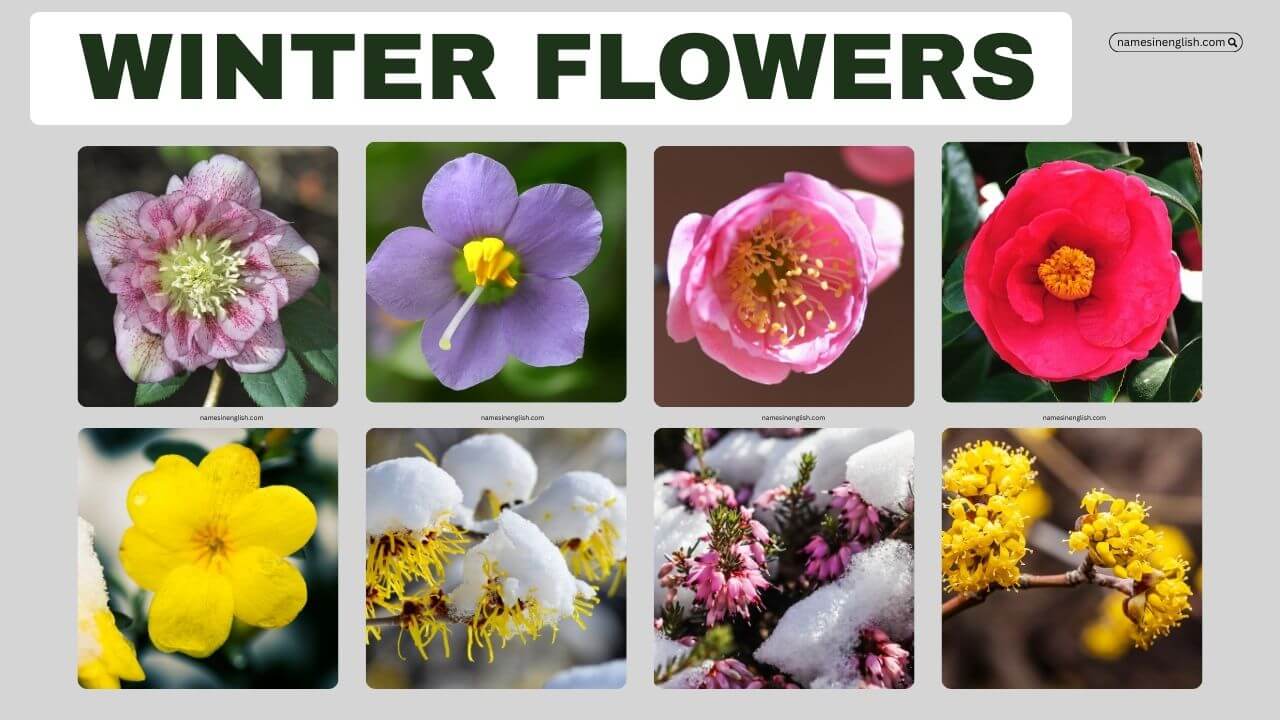
Winter flower names refer to flowers that naturally bloom during cold months, usually from late November to early March, depending on climate. These flowers are adapted to low temperatures, short daylight hours, and dormant ecosystems. Common winter flowers include hellebore, snowdrop, camellia, winter jasmine, and witch hazel, but many rare winter bloomers are almost never listed together.
How These Winter Flower Names Were Selected
These flowers were chosen based on three factors: confirmed winter blooming periods, ability to flower in cold or near-freezing temperatures, and consistent omission from common seasonal lists. I also reviewed botanical databases, horticulture research, and climate-based flowering records to ensure accuracy rather than recycled content. This approach helps place winter blooming flowers in their real ecological context, not just garden trends.
18 Rare Winter Blooming Flower Names & Images
1. Hellebore (Christmas Rose)
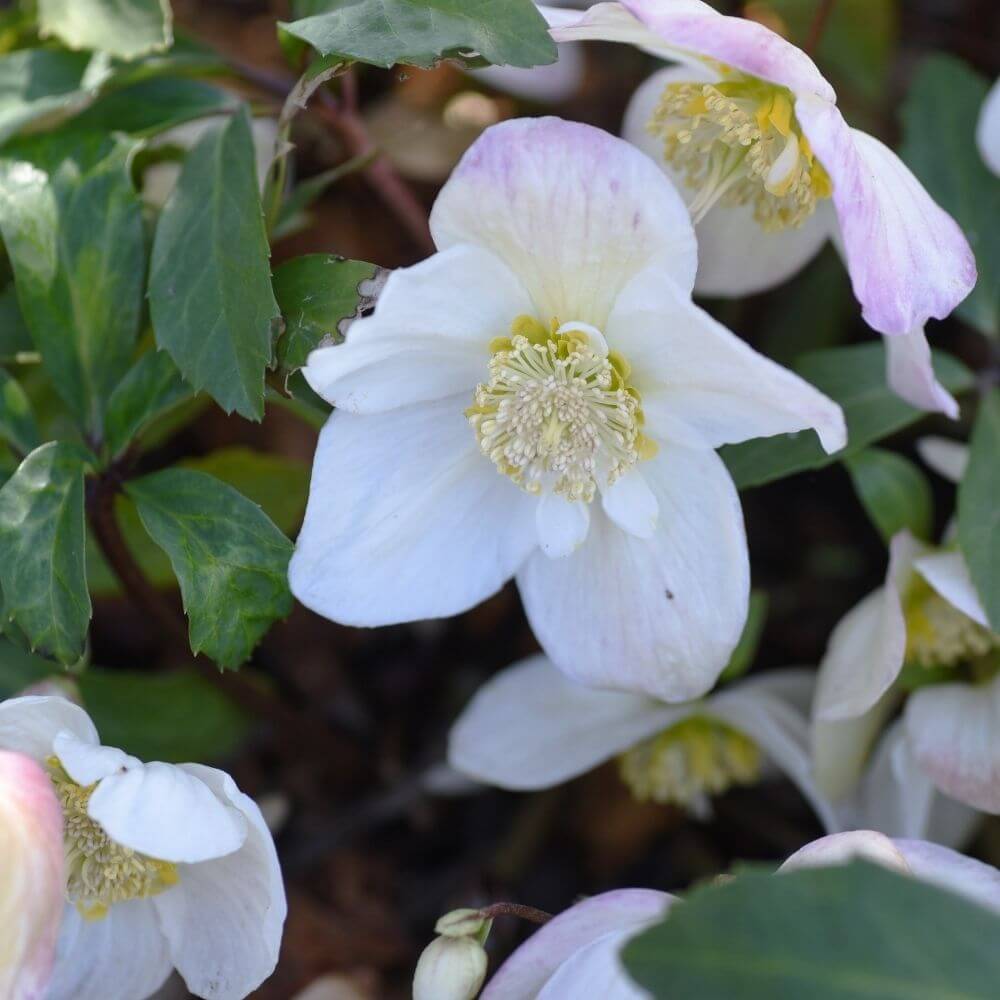
Hellebore blooms deep in winter when most plants are dormant, often appearing through snow-covered ground. Its thick petals are actually modified sepals, helping the flower survive freezing nights. This flower is commonly mistaken for a spring bloomer due to its rose-like shape, but its peak is mid-winter.
2. Winter Aconite
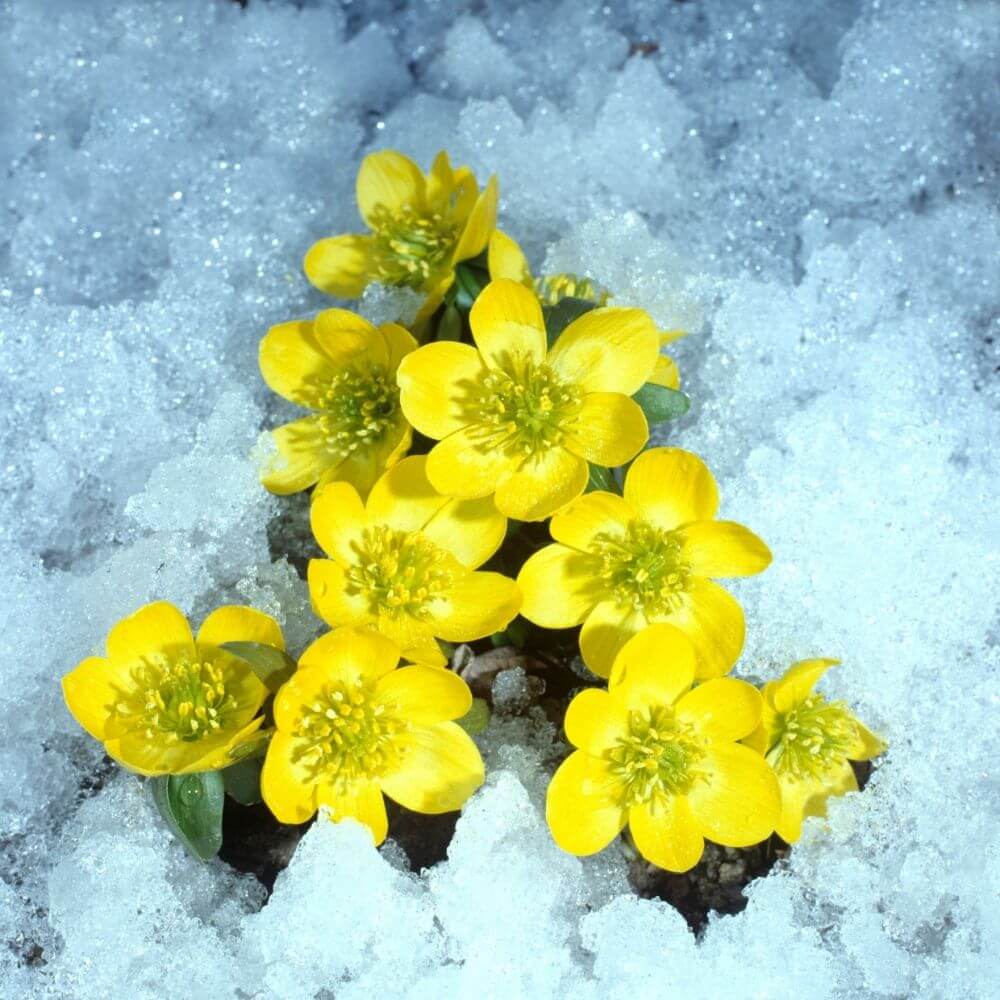
Winter aconite produces bright yellow flowers that open during the coldest months of the year. It grows low to the ground, using soil warmth to protect itself from frost damage. Many people see it in winter images and assume early spring, which is incorrect.
3. Snowdrop (Galanthus)
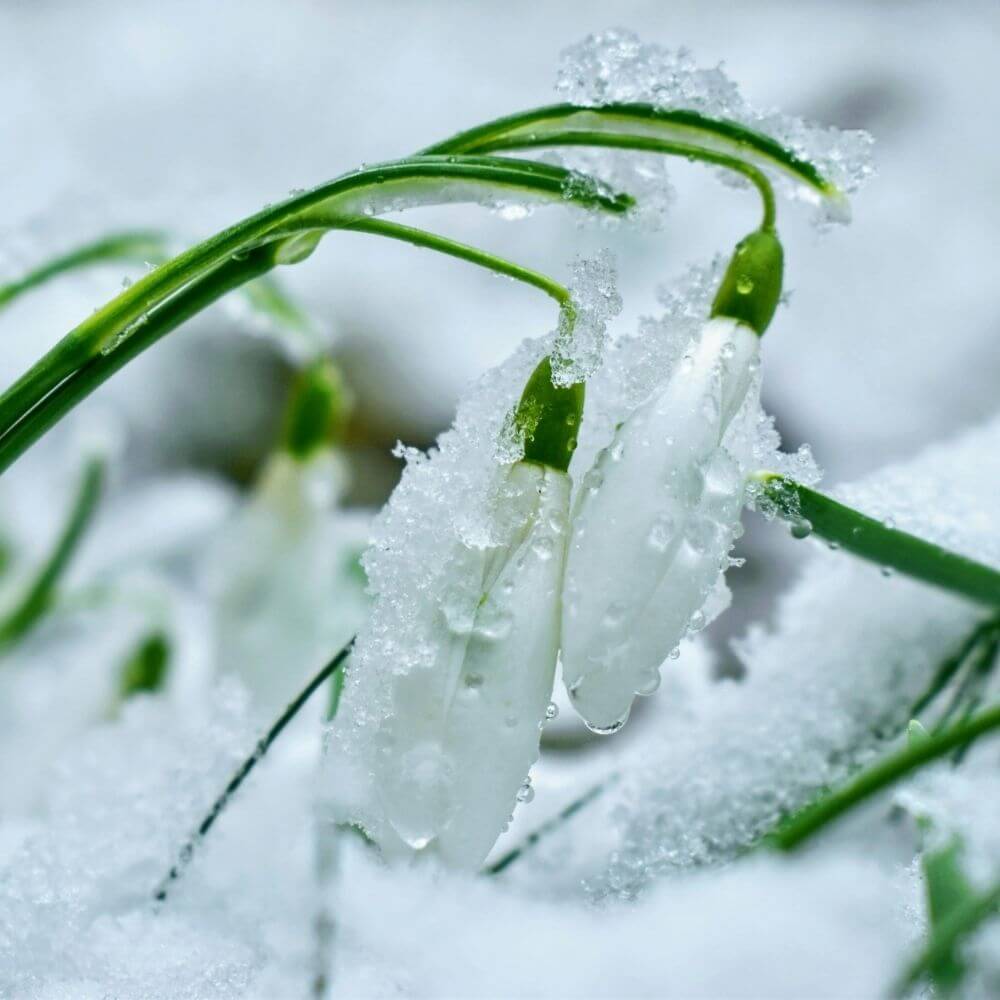
Snowdrops are among the earliest true winter bloomers, often flowering while snow is still present. Their drooping white shape helps protect pollen from moisture and cold air. According to the Royal Horticultural Society, snowdrops can bloom as early as January in cold climates.
4. Camellia
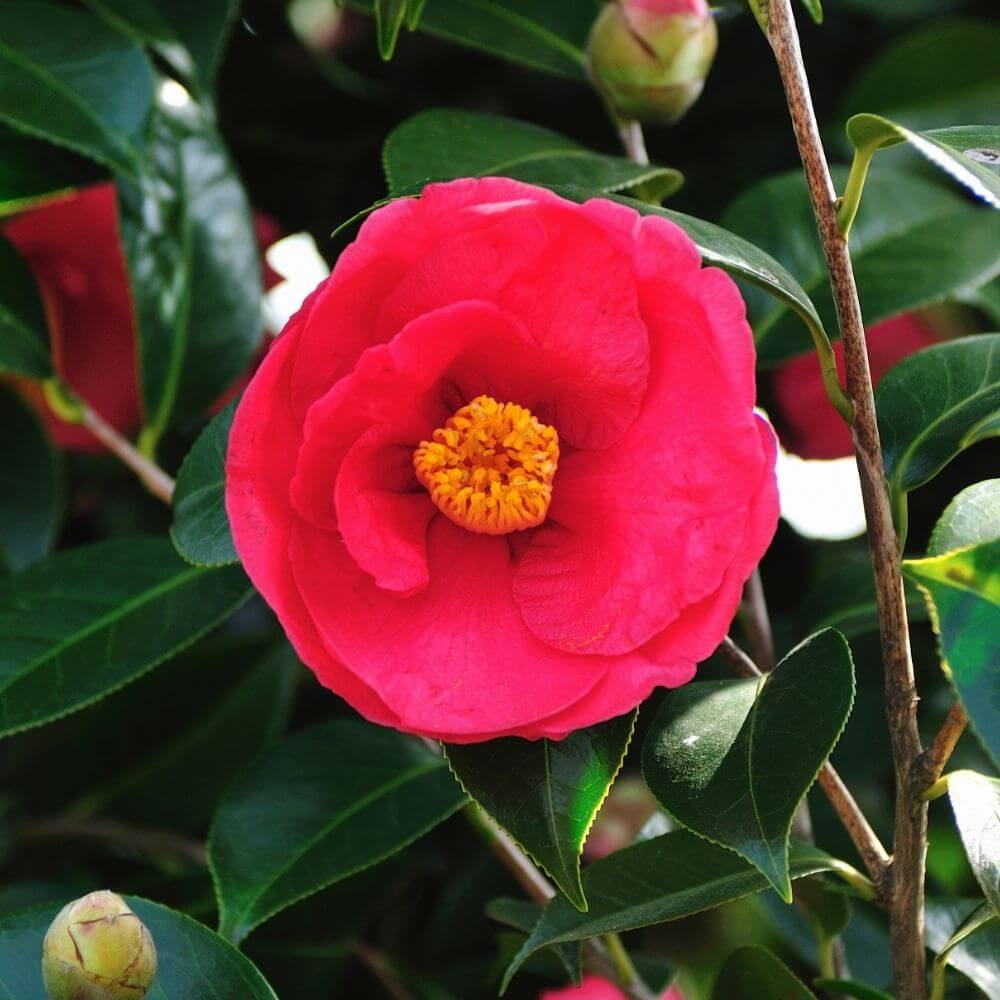
Camellias bloom during winter in mild cold regions, producing large, glossy flowers when trees nearby are bare. Their waxy petals reduce moisture loss and cold damage. This flower is especially common in East Asia and parts of southern Europe during winter months.
5. Witch Hazel
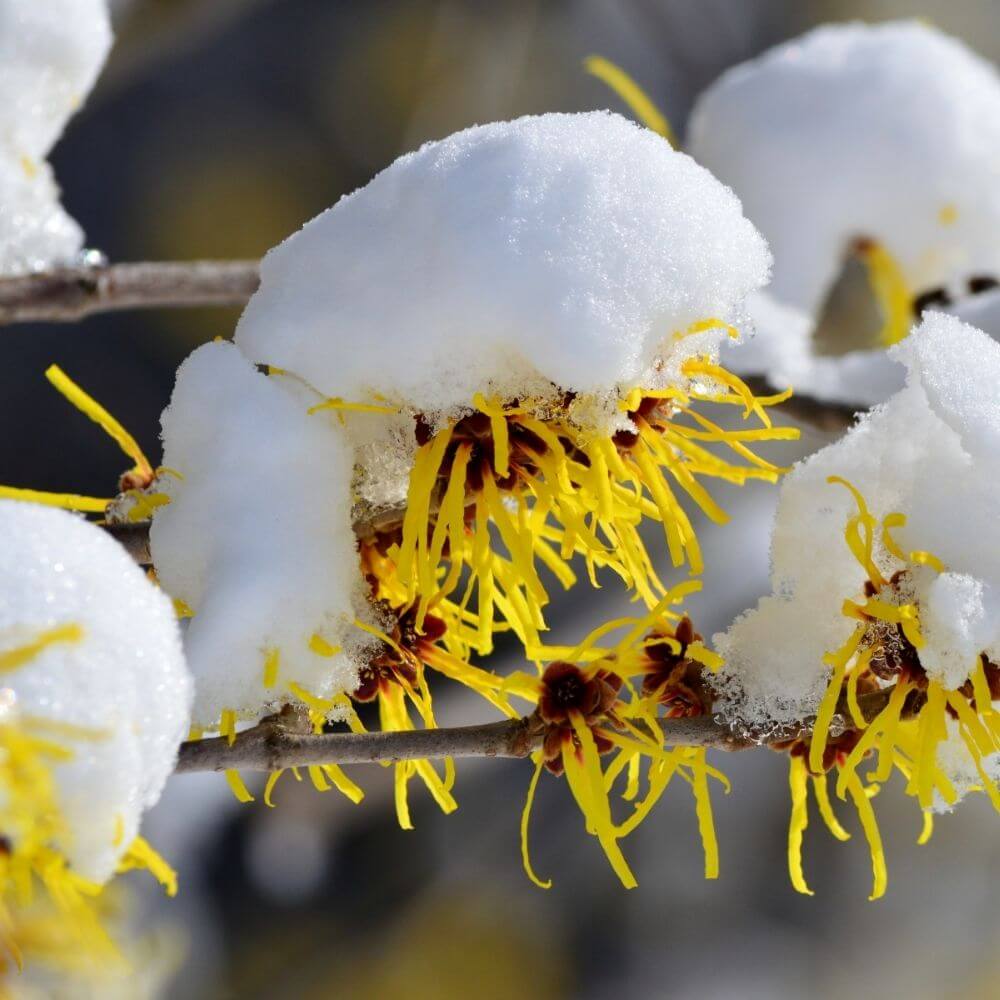
Witch hazel produces thin, ribbon-like flowers in winter that look almost unreal against leafless branches. The plant releases pollen during cold air periods when insects are scarce, relying on wind instead. Research from the Arnold Arboretum confirms its winter flowering cycle.
6. Winter Jasmine
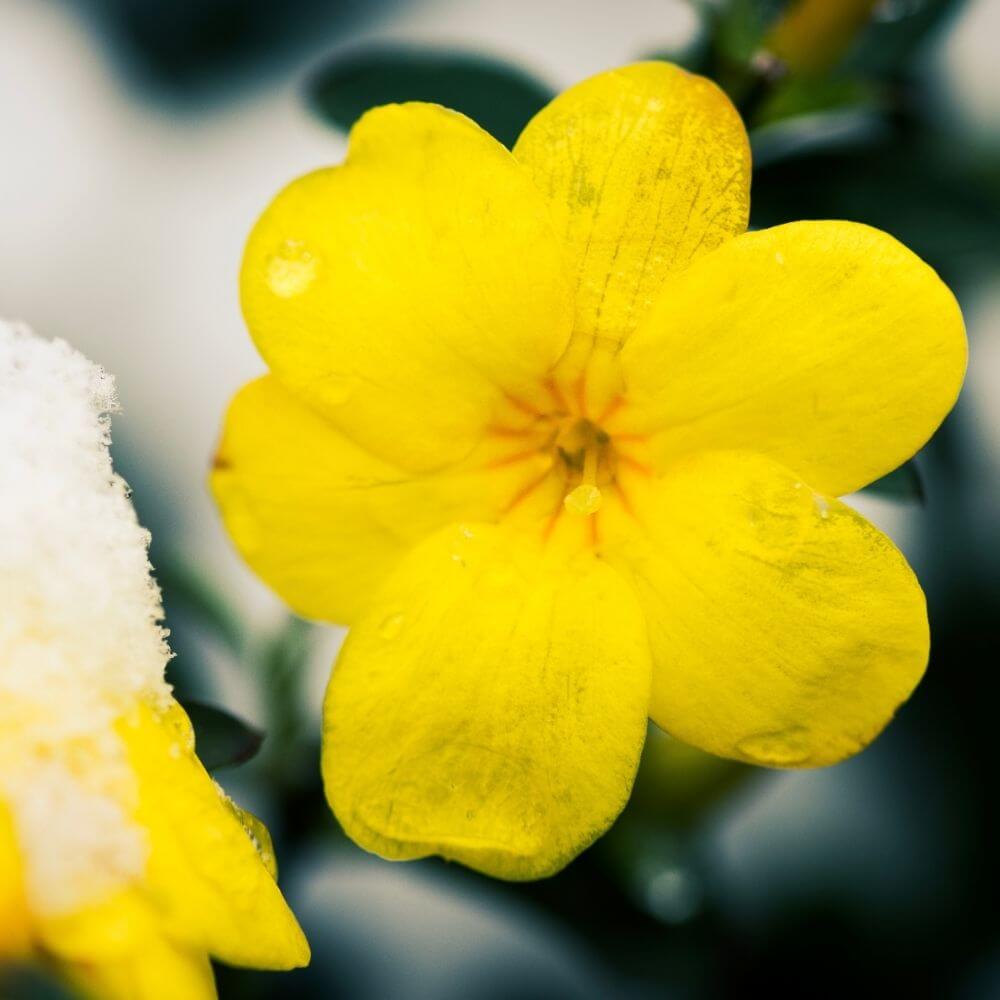
Winter jasmine blooms before leaves appear, making its yellow flowers stand out sharply against bare stems. It does not rely on scent or insects, which allows it to bloom reliably in winter. Many people confuse it with spring jasmine even though it flowers months earlier.
7. Cyclamen
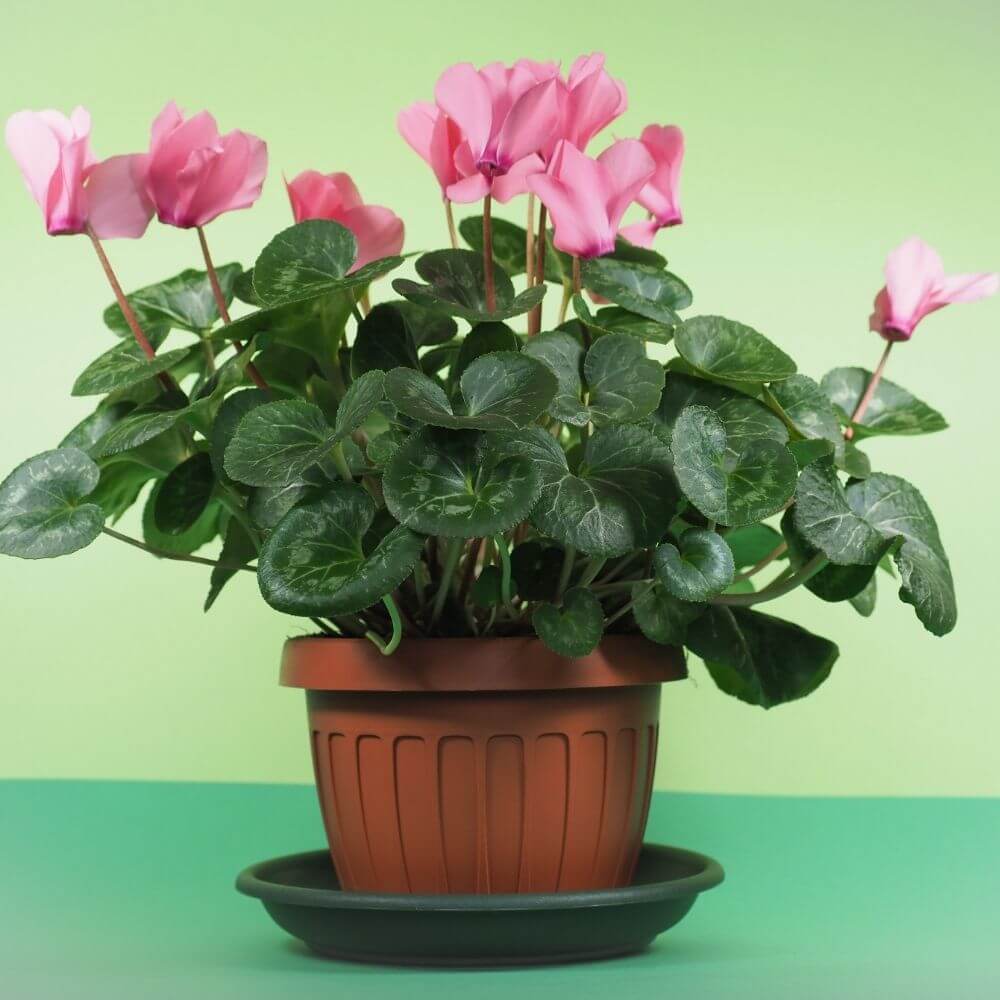
Cyclamen blooms during winter in Mediterranean climates, producing reflexed petals that protect reproductive parts from rain. Its leaves appear alongside flowers rather than before or after. This timing makes it a true winter flower rather than a transitional one.
8. Algerian Iris
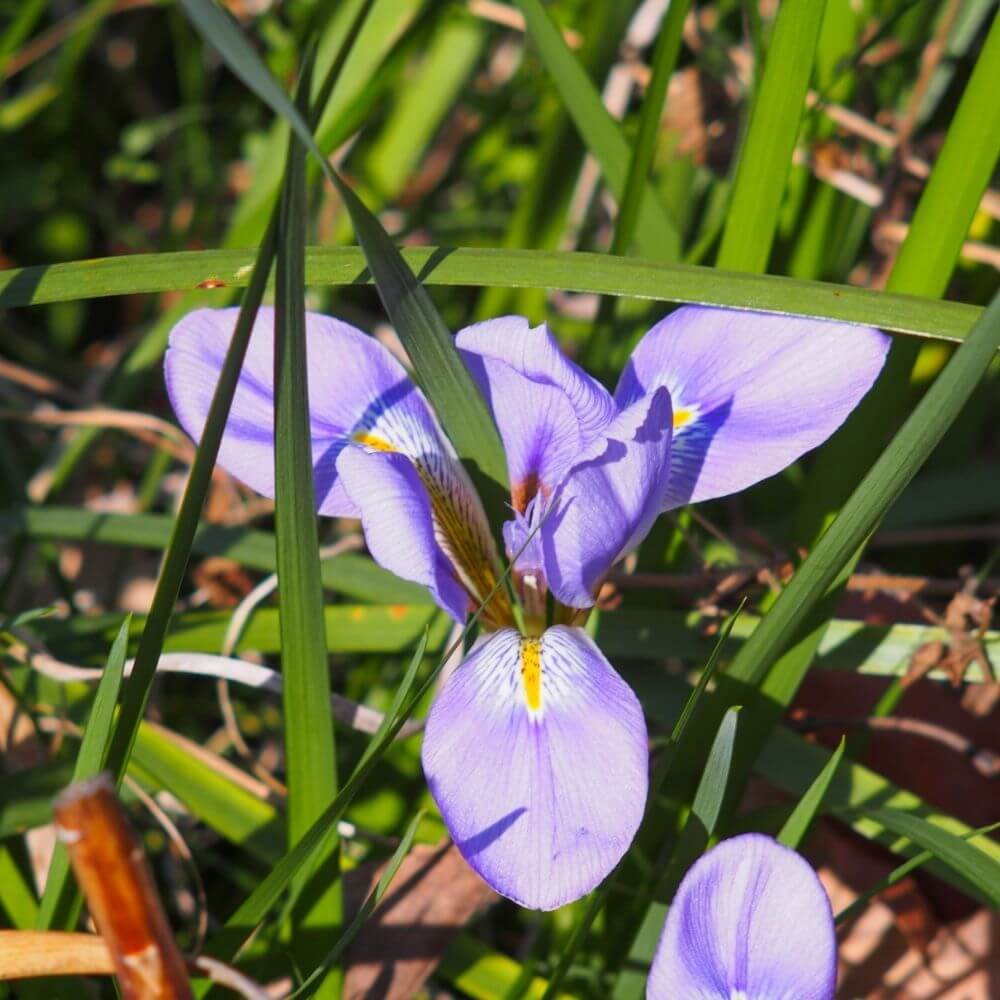
The Algerian iris blooms in winter with pale blue to purple flowers and minimal foliage. It thrives in cool temperatures and full winter sunlight. Garden studies show it prefers winter blooming conditions over spring warmth.
9. Mahonia
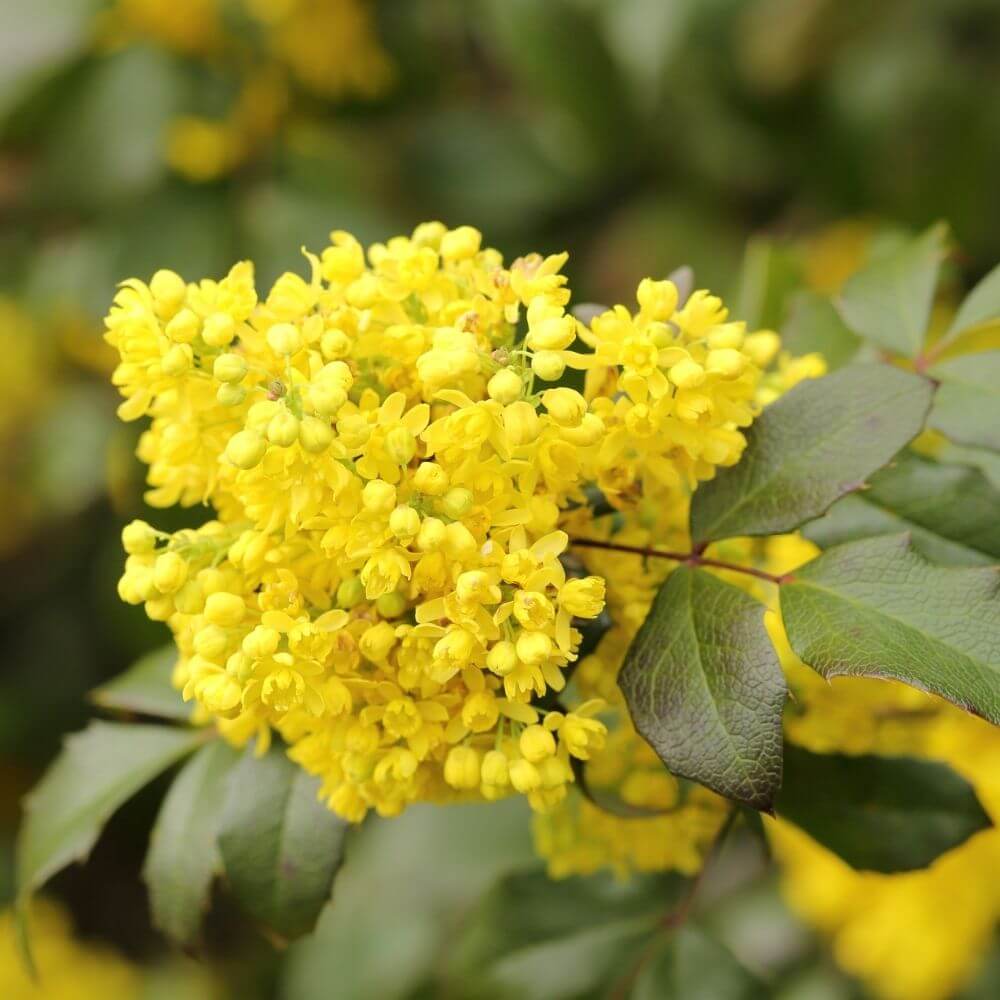
Mahonia produces clustered yellow flowers during winter that attract the few available pollinators. Its evergreen leaves allow continuous energy production during cold months. This shrub is often overlooked because its flowers appear quietly without dramatic color contrast.
10. Paperbush (Edgeworthia)
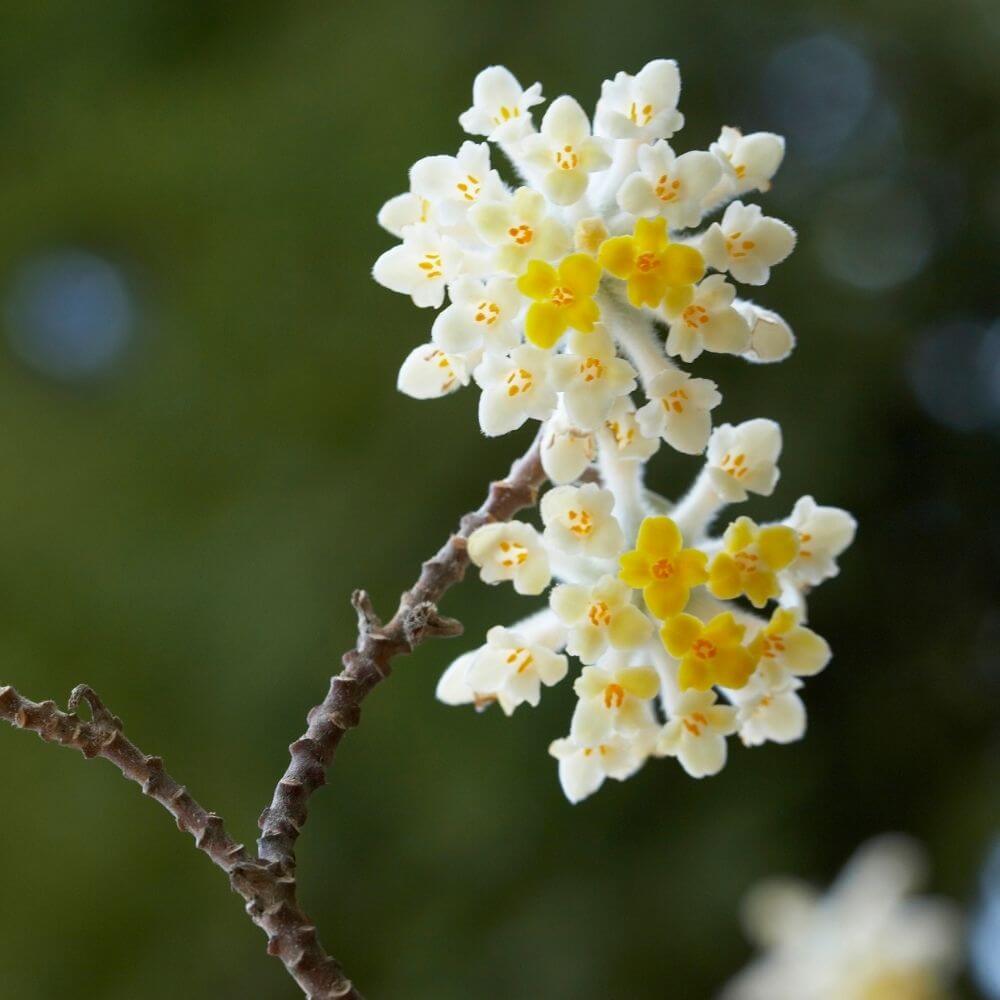
Paperbush blooms in late winter with hanging, fragrant flower clusters before leaf growth begins. Its buds form months earlier and wait for specific temperature triggers. Botanical studies from Kew Gardens confirm its winter flowering habit.
11. Cornelian Cherry Blossom
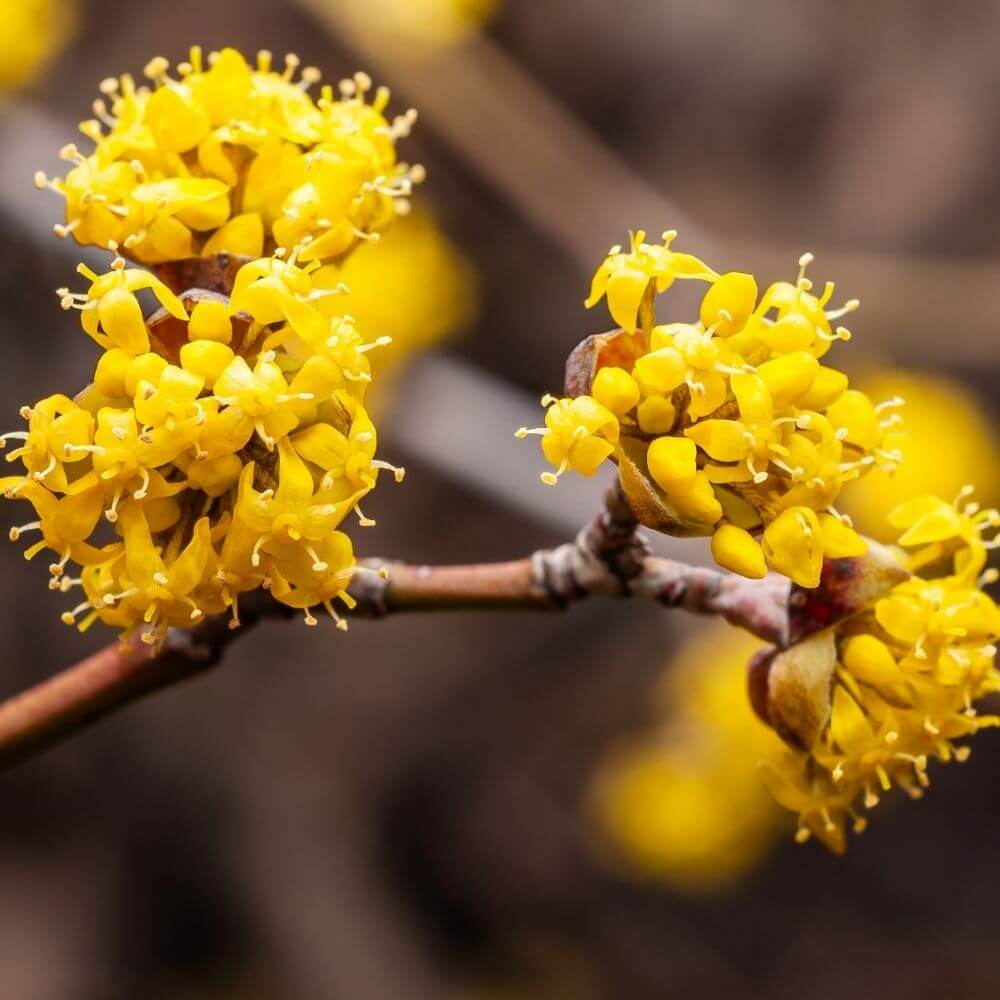
Cornelian cherry blooms in winter with small yellow flowers long before cherry trees leaf out. It provides early nectar when food sources are scarce. Many confuse it with spring blossoms because of its name, not its bloom timing.
12. Lenten Rose
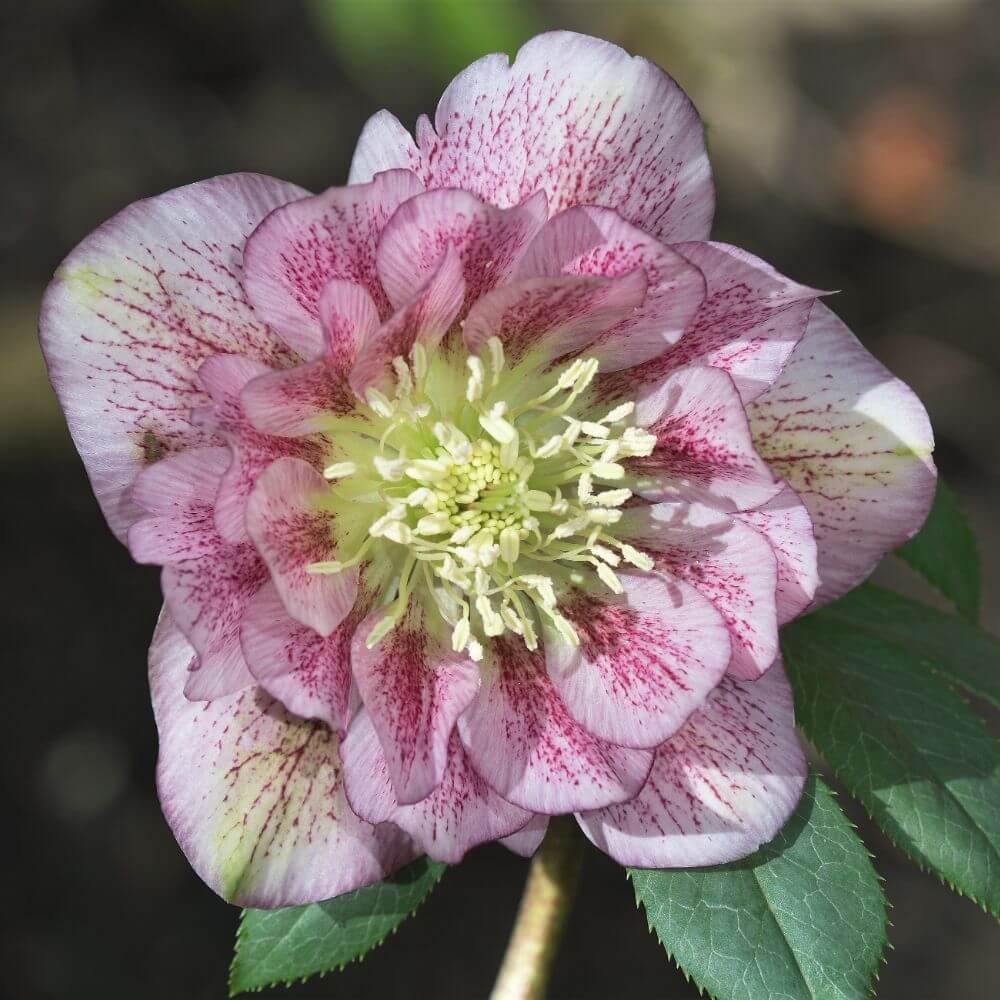
The Lenten rose is another hellebore variety that flowers steadily through winter into early spring. It tolerates frost without closing its blooms. This flower is often mislabeled due to its extended blooming period rather than its start time.
13. Glory of the Snow
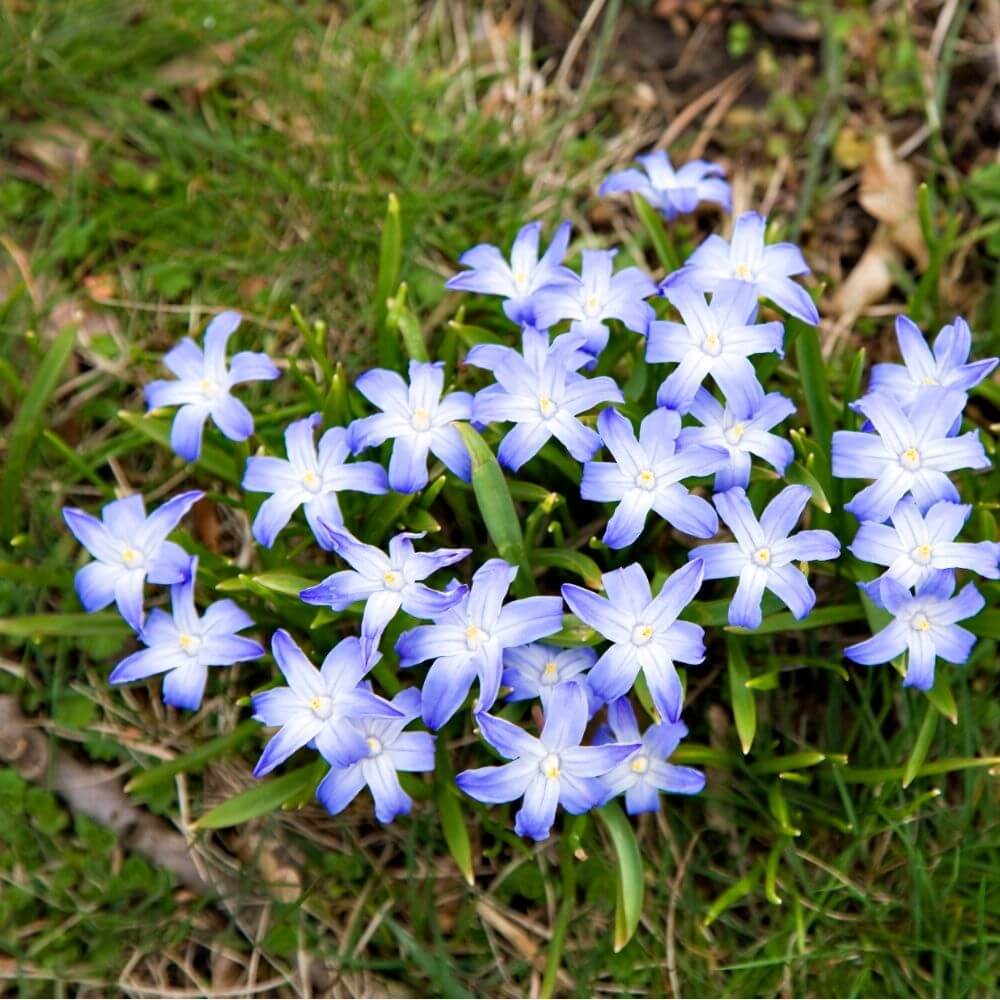
Glory of the snow blooms in late winter with star-shaped blue flowers. It completes its flowering cycle before most plants awaken. Its early bloom timing makes it easy to misclassify unless winter dates are checked.
14. Persian Violet
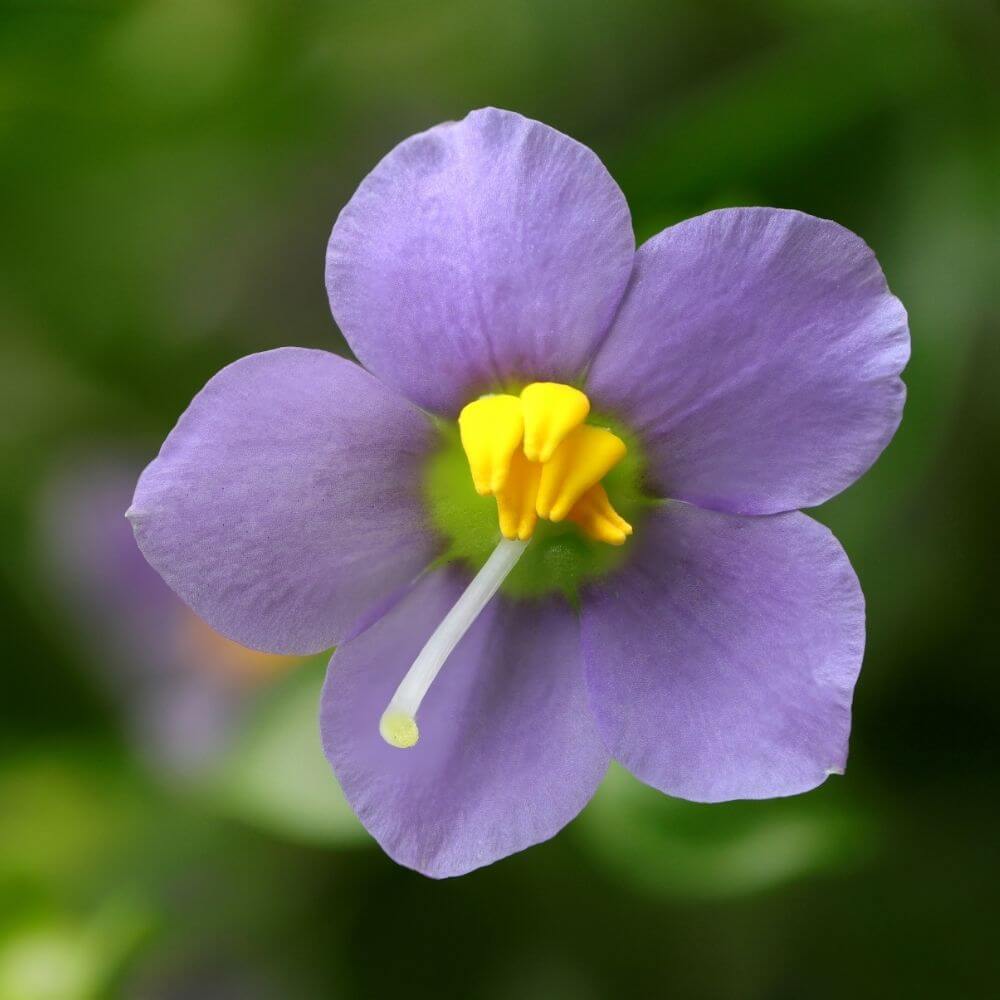
Persian violet blooms indoors and outdoors during winter, producing small purple flowers with a light scent. It prefers cool temperatures and short daylight hours. This makes it a reliable winter bloomer rather than a houseplant accident.
15. Winter Heath
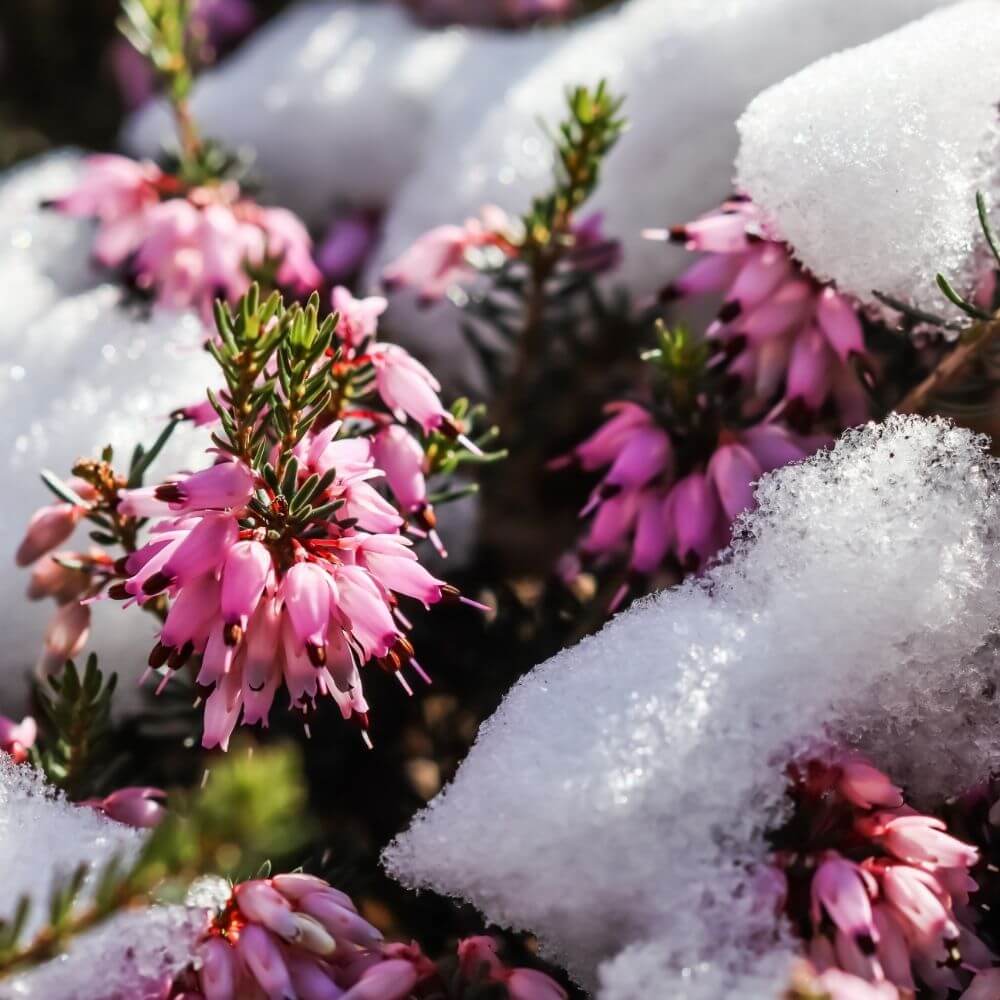
Winter heath produces dense clusters of pink or white flowers throughout winter months. It thrives in poor soil where other plants fail. According to horticultural surveys, it provides consistent winter color without temperature sensitivity.
16. Sweet Box (Sarcococca)
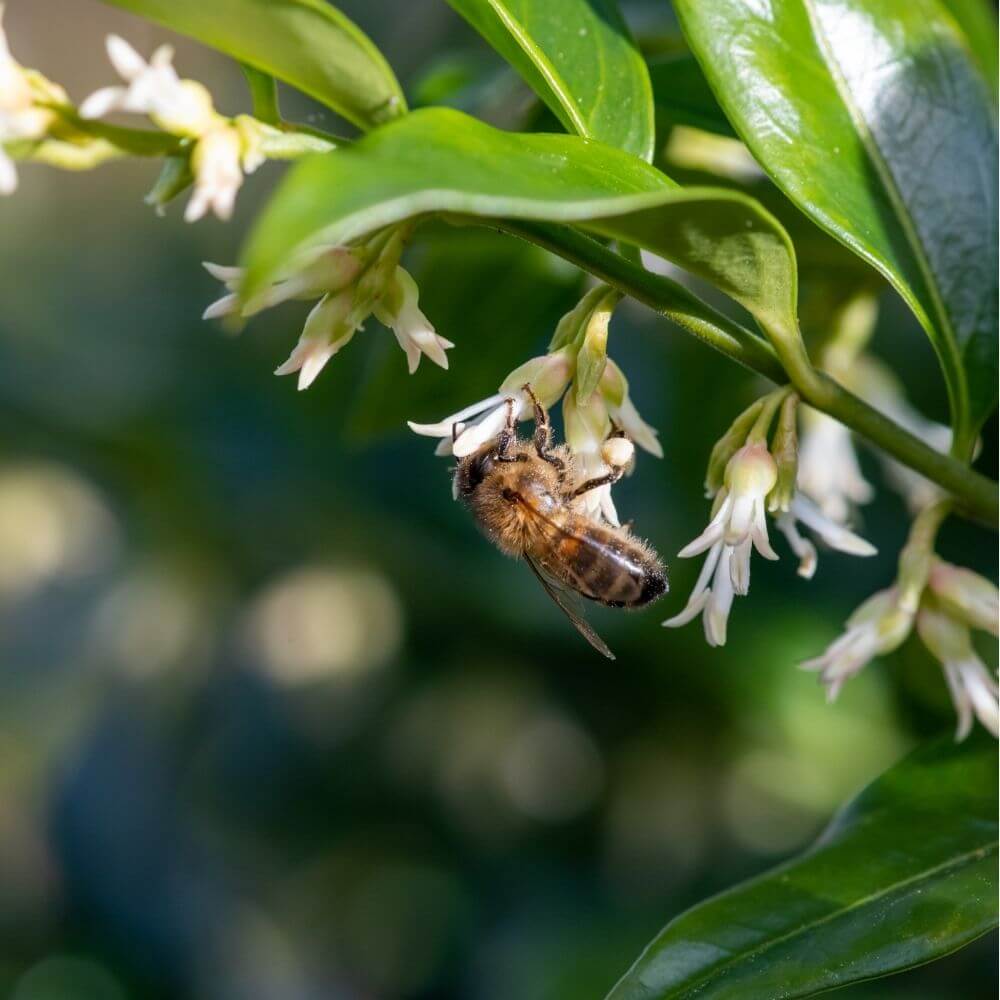
Sweet box blooms in winter with small white flowers that produce strong fragrance. Its scent compensates for the lack of visual pollinators. Many people notice the smell before they ever see the flower.
17. Crown Imperial
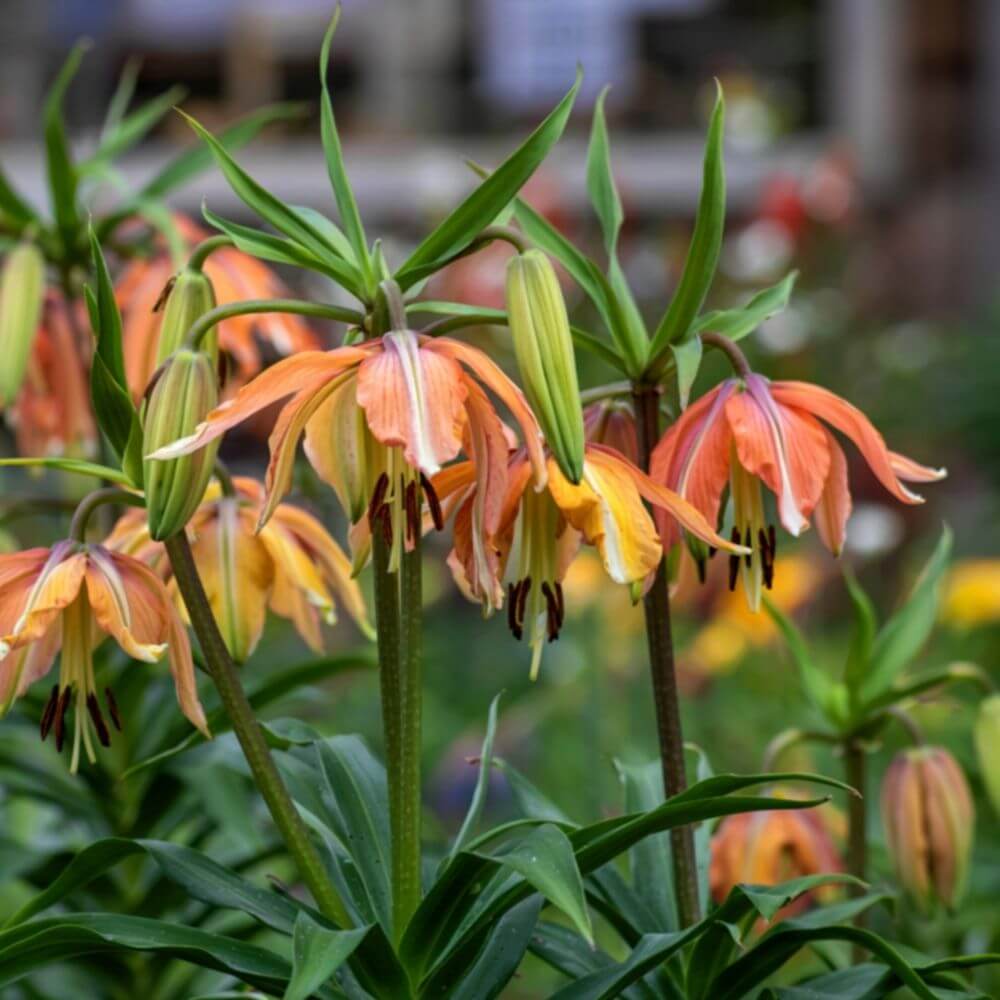
Crown imperial blooms in late winter in regions with mild cold conditions. Its downward-facing flowers protect pollen from rain and frost. Despite its size, it rarely appears in winter flower lists due to regional bias.
18. Japanese Apricot (Ume)
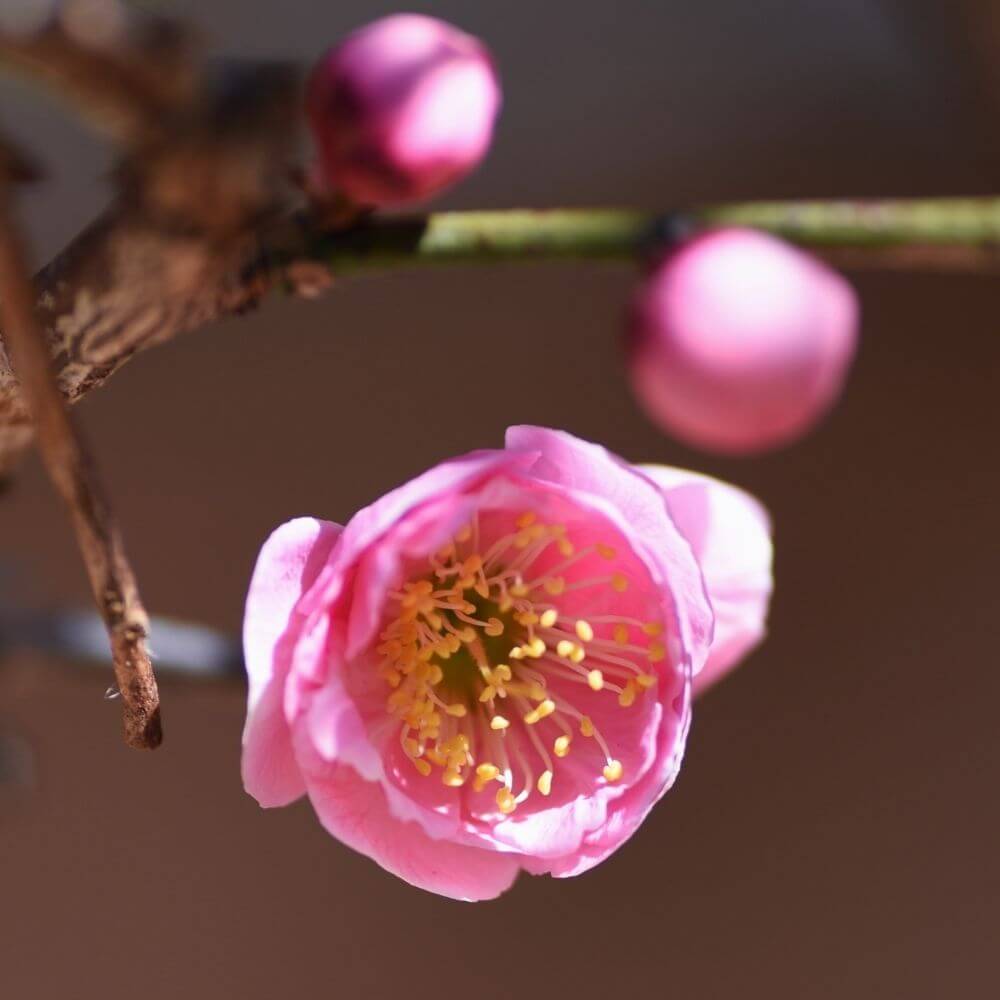
Japanese apricot blooms in winter and is culturally associated with endurance and renewal. Its flowers appear while temperatures are still low and unpredictable. Botanical records from Japan confirm peak blooming between January and February.
Why Many Winter Flowers Don’t Appear in Popular Lists
Most popular articles focus mainly on gardening zones in North America, which means they miss many flowers that bloom in other parts of the world during winter. Many lists recycle the same common flowers because they rely heavily on images taken without snow, which are mistaken for spring scenes. This causes lesser-known winter bloomers to be left out repeatedly, making these lists less complete than they seem.
Where Winter Flowers Actually Grow Around the World
Winter flowers are most common in places with mild, cool winters rather than harsh freezes. Regions like the Mediterranean, East Asia, South Asia, and parts of Europe have climates that allow flowers to bloom in winter. This global spread shows that winter flowers are more common than many think, but they appear differently depending on the local weather and ecosystem.
Winter Flowers vs Late Fall Flowers
It’s easy to confuse late fall and winter flowers, but they bloom at different times. Late fall flowers start blooming before the cold really sets in and often disappear as temperatures drop. True winter flowers, however, begin their bloom after cold weather arrives and continue through winter, making this timing difference important for identification and understanding.
What You Miss About Winter Blooming Flowers
Winter blooming isn’t just a rare accident; it’s a clever survival strategy. These flowers bloom when few others do, so they avoid competition for sunlight and pollinators. Also, blooming in winter helps them escape many pests and diseases that are active in warmer months. In nature, winter flowers are strong and smart survivors, not fragile oddities.
FAQs About Winter Flowers
Which flower grows in winter?
Hellebore, snowdrop, and winter jasmine are among the common flowers that naturally bloom during the cold winter months.
Which flowers are available in December?
December features flowers like camellia, witch hazel, and paperbush, which thrive and bloom even in chilly weather.
Which flower is Queen of winter?
The hellebore is often called the 'Queen of Winter' due to its elegant blooms appearing amid snow and frost.
What is winter's favorite flower?
Many consider the snowdrop winter’s favorite flower because it symbolizes hope by blooming through the snow.
What is a snow flower?
A snow flower typically refers to the snowdrop, a small white flower that blooms early in winter, often through snow.
What are the gentlemen of winter flower?
The phrase 'gentlemen of winter' sometimes describes the stately crown imperial, known for its tall, elegant winter blooms.
Final Thoughts on Winter Flowers
Winter flowers exist quietly, without seasonal hype, which is exactly why they are so often misunderstood. By learning real Winter Flower Names, you gain clarity, accuracy, and a better way to recognize what you see in winter landscapes and images.
If this list helped you, save it, bookmark it, or share it with someone who loves seasonal flowers. You can also explore our related guides on Spring Flower Names, Summer Blooming Flowers, and Flowers in general to complete your understanding.