
The National Flower of Russia is widely recognized as the charming chamomile, a simple wildflower that represents peace, purity, happiness, and the beauty of the Russian countryside. Although small in size, this flower holds deep cultural and historical significance, appearing in traditional folklore, celebrations, and everyday life. In this article, you’ll learn the meaning and history of the National Flower of Russia, learn why chamomile became such an important symbol, explore its cultural importance, and see what makes this delicate bloom so special both in Russia and around the world.
Why Chamomile Is Known as the National Flower of Russia
Chamomile is recognized as the National Flower of Russia because it reflects values central to Russian culture. Simplicity, purity, resilience, and emotional warmth. Unlike roses or lilies, chamomile grows freely across fields and villages, making it accessible to everyone. Over centuries, Russians connected this flower with love, healing, and peaceful living, which naturally elevated it into a national symbol.
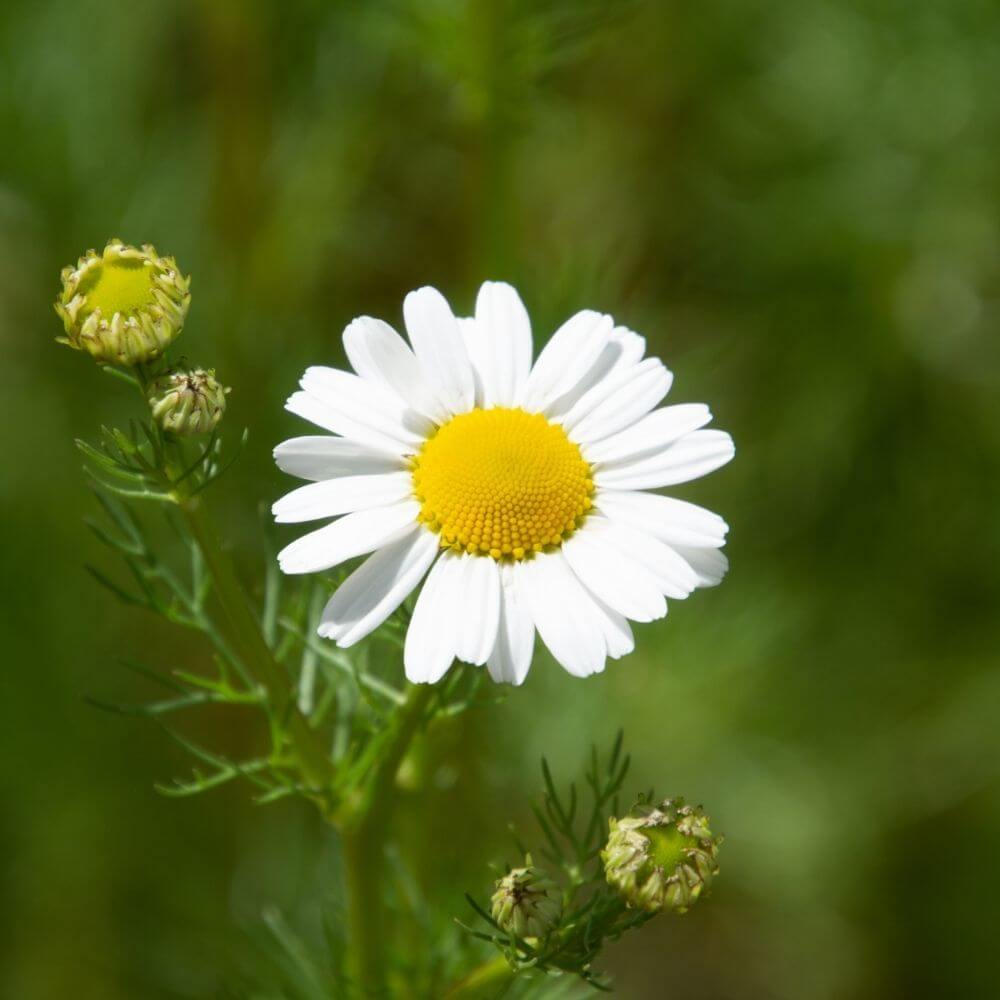
What Is Chamomile? A Brief Botanical Overview
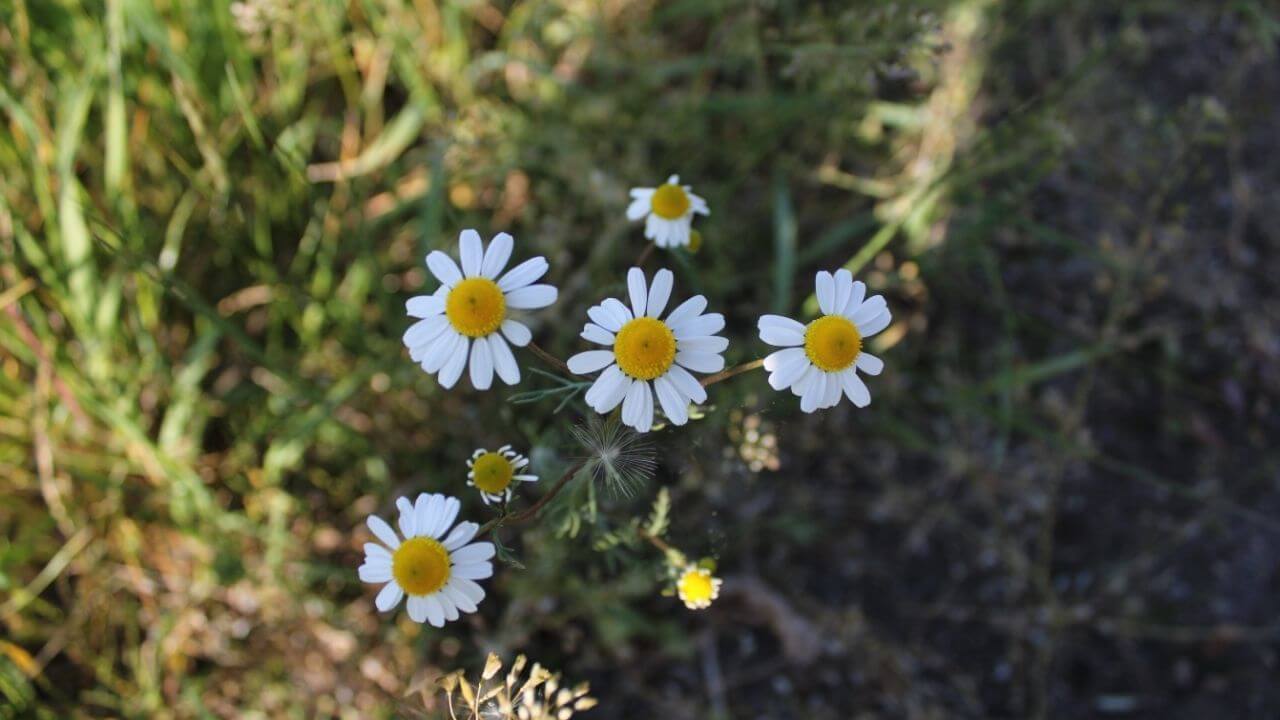
Chamomile belongs to the daisy family and is best known in two forms. German chamomile and Roman chamomile. In Russia, German chamomile is more common due to the climate. It thrives in open fields, meadows, and even roadside soil.
Botanically, chamomile is valued for its aromatic oils and medicinal compounds. Culturally, its wide presence made it familiar to generations of Russians, from rural farmers to city dwellers.
National Flower of Russia Meaning
The meaning behind the National Flower of Russia goes far beyond appearance. Chamomile carries emotional and symbolic weight that developed naturally through daily life.
Chamomile as a Symbol of Simplicity and Purity
White petals symbolize honesty and moral clarity. The yellow center represents warmth and kindness. Together, they form a flower that feels gentle and sincere. Russian folklore often associates chamomile with truthful love and inner peace, rather than dramatic passion.
Emotional Meaning in Russian Folklore and Daily Life
Many Russian children grow up plucking chamomile petals while asking, “loves me, loves me not.” This simple game appears in folk songs, poems, and childhood memories. Over time, chamomile became linked with hope, innocence, and emotional openness.
National Flower of Russia History
The history of the National Flower of Russia begins long before modern national symbols existed.
Ancient Slavic communities used chamomile for healing wounds, calming nerves, and treating fevers. Herbal knowledge passed orally through families, especially among women. Chamomile tea became a household remedy rather than a luxury product.
By the 18th and 19th centuries, chamomile appeared frequently in Russian literature and rural art. Writers used it to symbolize peaceful village life and emotional sincerity. During the Soviet era, chamomile gained wider recognition as a unifying symbol because it represented the common people rather than elites.
In 2008, Russia officially established Family, Love, and Fidelity Day, celebrated on July 8. Chamomile was chosen as its official emblem, reinforcing its national importance. This modern recognition strengthened chamomile’s role as the National Flower of Russia.
Why Chamomile Was Chosen Over Other Flowers
Russia has many native flowers, so why chamomile?
First, availability. Chamomile grows naturally across most Russian regions. Second, emotional relevance. It already held meaning in folklore and daily rituals. Third, equality. Chamomile belongs to everyone. It is not tied to wealth, class, or ceremony.
Tulips and roses are admired, but they often symbolize decoration or romance. Chamomile symbolizes trust, family, and healing. That made it the right choice.
Chamomile in Russian Medicine and Science
Chamomile is not just symbolic. It is scientifically valuable.
A scientific review published on NCBI (PubMed Central) studied chamomile (Matricaria chamomilla). The researchers found that chamomile contains flavonoids and essential oils that help reduce inflammation in the body. The study explains that chamomile can calm the nervous system, which is why it is often used for anxiety and better sleep. It also helps soothe the stomach and improve digestion. This is why chamomile has been widely used in traditional and modern medicine. Learn More
And according to Encyclopaedia Britannica, chamomile has been used medicinally in Europe and Russia for centuries, especially as a mild sedative and antiseptic. Learn More
In Russia, chamomile tea remains common in households and hospitals. This practical value strengthened its cultural status. People trusted it not because of tradition alone, but because it worked.
Chamomile in Russian Culture, Art, and Celebrations
Chamomile appears frequently in Russian embroidery, paintings, and children’s books. Artists use it to express peace and emotional honesty.
Every July, Family, Love, and Fidelity Day features chamomile decorations across cities. Couples exchange chamomile bouquets instead of roses. Schools teach children about its meaning, connecting culture with emotional education.
These traditions keep the National Flower of Russia alive in modern society, not just textbooks.
Stunning Pictures of Chamomile
Images of chamomile fields often appear in Russian calendars and media. These pictures are not chosen randomly. Open fields filled with chamomile symbolize freedom, calm, and emotional balance.
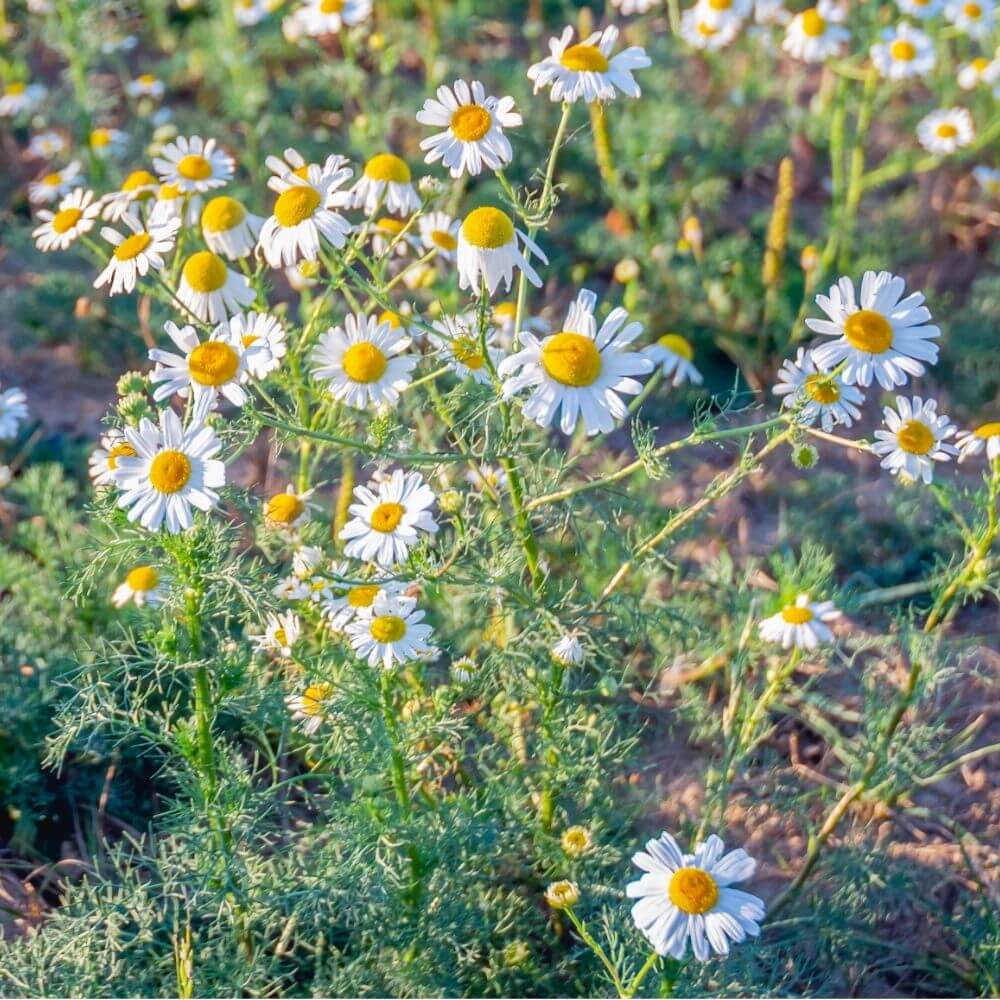
Photographers often capture chamomile during sunrise or sunset, reinforcing feelings of warmth and reflection. For many Russians, these images feel familiar and comforting rather than dramatic.
Chamomile as a Cultural Equalizer
Here is something rarely discussed.
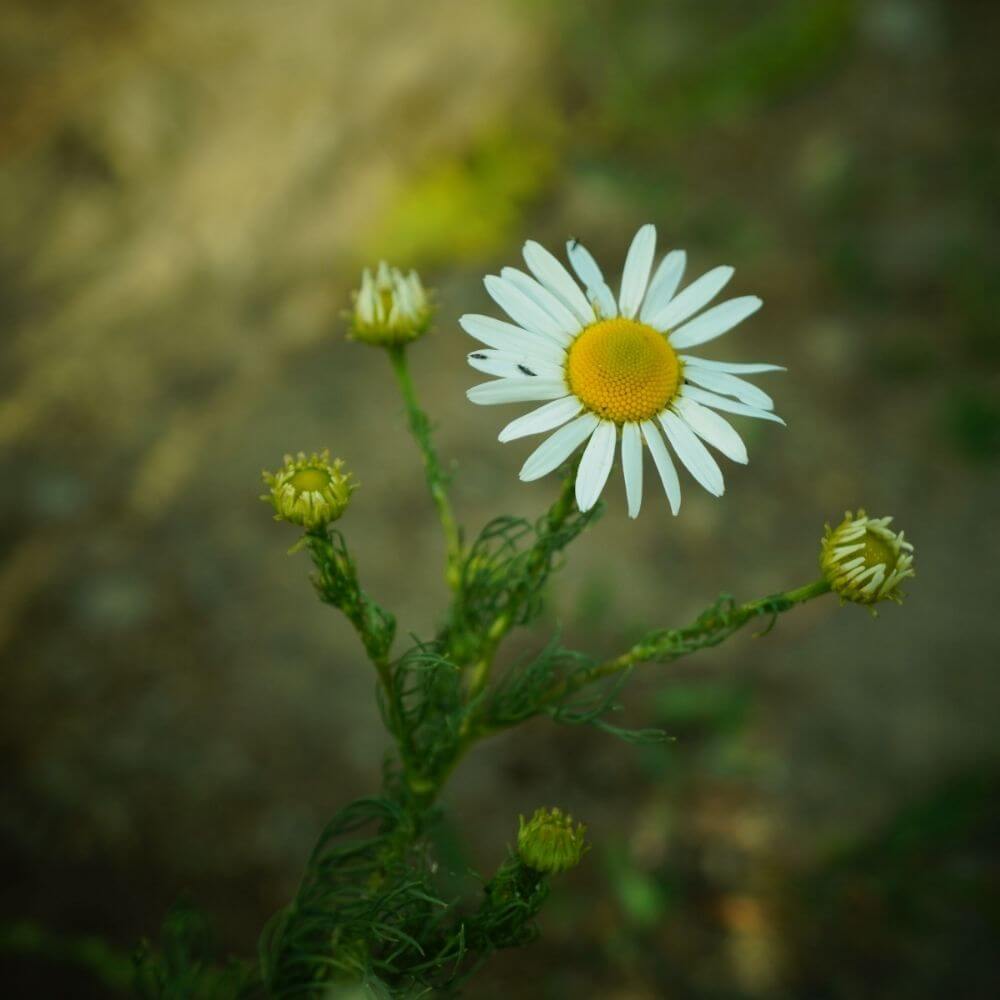
Chamomile does not belong to palaces, weddings, or religious ceremonies alone. It belongs to kitchens, gardens, and childhood games. Rich or poor, urban or rural, everyone recognizes chamomile.
This makes the National Flower of Russia unusual. It represents shared experience rather than national pride alone. In a country with vast cultural differences, chamomile quietly connects people through memory and emotion. That may be its strongest power.
FAQs About the National Flower of Russia
What is Russia's country flower?
Russia’s country flower is chamomile, a simple white flower symbolizing purity, peace, and emotional warmth. It reflects everyday Russian life and long-standing cultural traditions rather than luxury or status.
What is one popular flower of Russia?
Chamomile is one of the most popular flowers in Russia due to its widespread growth and daily use in teas, medicine, and folklore. It is commonly associated with love, family, and calmness.
What is Russia's national flower?
The national flower of Russia is chamomile, chosen for its deep cultural, emotional, and historical significance. It represents simplicity, honesty, and the close connection between people and nature.
Is chamomile legally declared by law?
Chamomile is not officially declared through a single constitutional law. However, it is nationally recognized through cultural traditions and its role as the symbol of Family, Love, and Fidelity Day.
Is chamomile unique to Russia?
Chamomile is not unique to Russia and grows in many parts of the world. What makes it special in Russia is its strong cultural symbolism and emotional importance.
Do Russian schools teach about chamomile?
Yes, Russian schools often teach about chamomile during cultural studies and national celebrations. It is used to explain traditions, family values, and national identity to students.
Final Thoughts on the National Flower of Russia
The National Flower of Russia is not impressive because of size or rarity. It matters because it reflects real life. Chamomile tells a story of healing, honesty, and shared memory that stretches across centuries.
If you enjoy learning about national symbols and their hidden meanings, explore other country flowers and about flowers in general. You’ll often find that the simplest symbols carry the strongest messages.