
Animals are known by different common names around the world, but every species also has one official scientific name that is recognized internationally. Learning 35 Scientific Names of Animals with Pictures helps you identify animals correctly, understand their biological classification, and avoid confusion caused by regional names. Whether you are a student, teacher, wildlife enthusiast, or simply curious about nature, this guide is designed to be simple and informative. In this article, you’ll learn 35 Scientific Names of Animals with Pictures, learn the correct scientific name for each animal, and see clear images that make identification easier and more memorable.
What Is a Scientific Name?
A scientific name is the official name given to a living organism using two Latin or Latinized words.
- The first word represents the genus.
- The second word represents the species.
For example:
- Lion – Panthera leo
- Tiger – Panthera tigris
This naming system allows scientists across the world to identify the same animal without language differences.
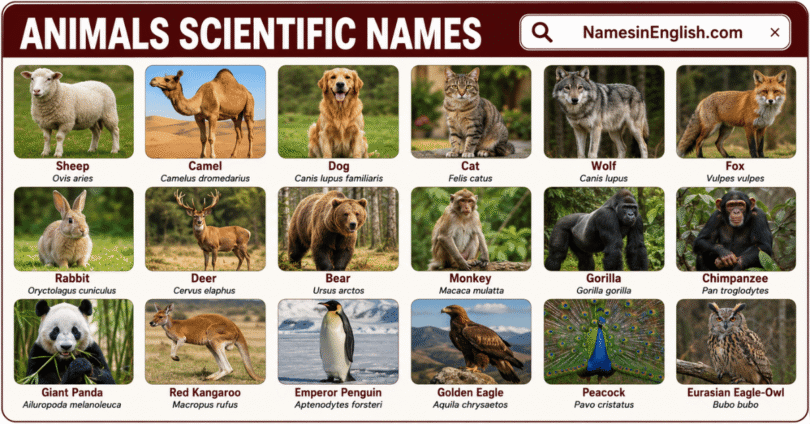
35 Scientific Names of Animals List
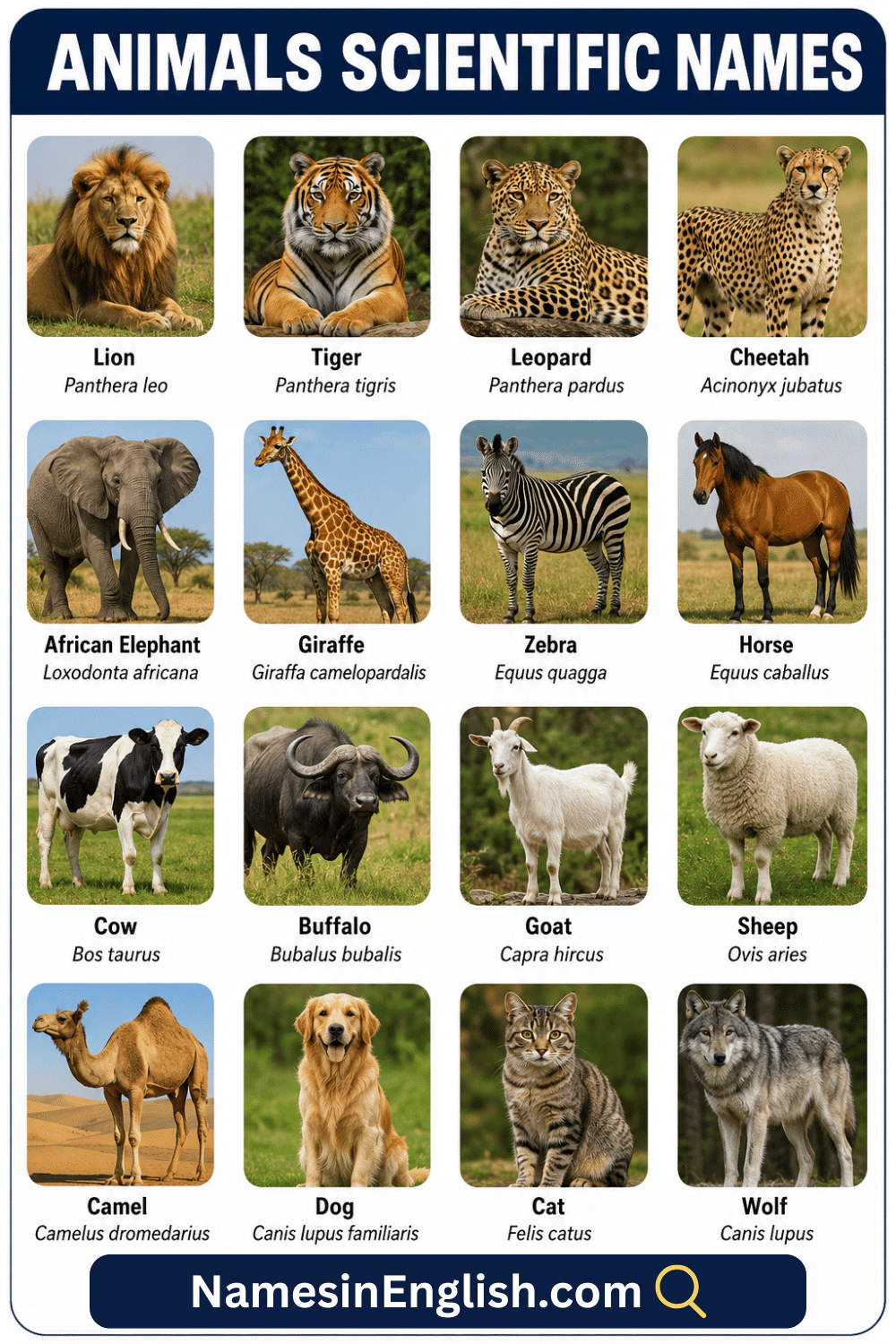
- Lion – Panthera leo
- Tiger – Panthera tigris
- Leopard – Panthera pardus
- Cheetah – Acinonyx jubatus
- African Elephant – Loxodonta africana
- Giraffe – Giraffa camelopardalis
- Zebra – Equus quagga
- Horse – Equus caballus
- Cow – Bos taurus
- Buffalo – Bubalus bubalis
- Goat – Capra hircus
- Sheep – Ovis aries
- Camel – Camelus dromedarius
- Dog – Canis lupus familiaris
- Cat – Felis catus
- Wolf – Canis lupus
- Fox – Vulpes vulpes
- Rabbit – Oryctolagus cuniculus
- Deer – Cervus elaphus
- Bear – Ursus arctos
- Monkey – Macaca mulatta
- Gorilla – Gorilla gorilla
- Chimpanzee – Pan troglodytes
- Giant Panda – Ailuropoda melanoleuca
- Red Kangaroo – Macropus rufus
- Emperor Penguin – Aptenodytes forsteri
- Golden Eagle – Aquila chrysaetos
- Peacock – Pavo cristatus
- Eurasian Eagle-Owl – Bubo bubo
- African Grey Parrot – Psittacus erithacus
- Nile Crocodile – Crocodylus niloticus
- Indian Cobra – Naja naja
- Burmese Python – Python bivittatus
- Common Frog – Rana temporaria
- Common Dolphin – Delphinus delphis
Animals with Scientific Names and Pictures
1- Scientific Name of Lion
The scientific name of Lion is Panthera leo. It belongs to the mammal group and is one of the largest members of the cat family. The name Panthera refers to the genus of the big cats, while leo is the Latin word for lion. The lion is an apex predator that plays an important role in maintaining the natural balance of ecosystems by controlling the population of herbivorous animals.

2- Scientific Name of Tiger
The scientific name of Tiger is Panthera tigris. It belongs to the mammal group and is the largest wild cat in the world. The genus Panthera includes the roaring big cats, while tigris is the Latin name for tiger. Tigers are important predators that help keep forest ecosystems healthy by maintaining balanced prey populations.

3- Scientific Name of Leopard
The scientific name of Leopard is Panthera pardus. It belongs to the mammal group and is well known for its strength and climbing ability. The name Panthera represents the genus of large cats, while pardus is the Latin word for leopard. Leopards are important carnivores that help maintain ecological balance by controlling populations of smaller animals.

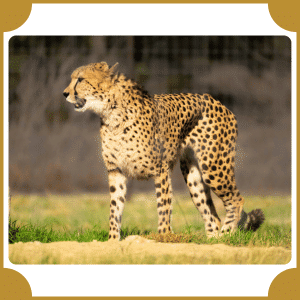
4- Scientific Name of Cheetah
The scientific name of Cheetah is Acinonyx jubatus. It belongs to the mammal group and is the fastest land animal on Earth. The genus Acinonyx means “no-move claw,” referring to its partially non-retractable claws that provide better grip while running. Cheetahs play an important role in grassland ecosystems by naturally regulating herbivore populations.
5- Scientific Name of Elephant
The scientific name of African Elephant is Loxodonta africana. It belongs to the mammal group and is the largest living land animal. The name Loxodonta means “slanting tooth,” referring to the unique shape of its tusks. Elephants are considered ecosystem engineers because they create pathways, spread seeds, and help maintain healthy forests and grasslands.

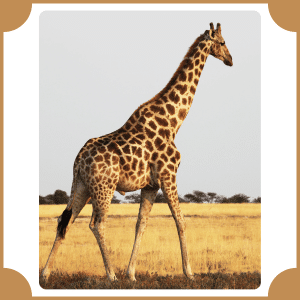
6- Scientific Name of Giraffe
The scientific name of Giraffe is Giraffa camelopardalis. It belongs to the mammal group and is the tallest living land animal in the world. The genus Giraffa is the scientific classification for giraffes, while camelopardalis comes from an ancient belief that the animal shared features of both a camel and a leopard. Giraffes play an important role in maintaining healthy ecosystems by feeding on tree leaves and helping disperse seeds.
7- Scientific Name of Zebra
The scientific name of Zebra is Equus quagga. It belongs to the mammal group and is closely related to horses and donkeys. The genus Equus includes all modern members of the horse family, while quagga identifies this particular zebra species. Zebras are important grazers that help maintain grasslands and support biodiversity by creating suitable habitats for other wildlife.

8- Scientific Name of Horse
The scientific name of Horse is Equus caballus. It belongs to the mammal group and has been domesticated by humans for thousands of years. The genus Equus includes horses, donkeys, and zebras, while caballus is the Latin word for horse. Horses have played a significant role in transportation, agriculture, sports, and human civilization throughout history.

9- Scientific Name of Cow
The scientific name of Cow is Bos taurus. It belongs to the mammal group and is one of the most widely domesticated farm animals. The genus Bos includes cattle and other closely related bovines, while taurus is the Latin word for bull. Cattle are important for producing milk, meat, leather, and other products that support agriculture and economies around the world.

10- Scientific Name of Buffalo
The scientific name of Buffalo is Bubalus bubalis. It belongs to the mammal group and is commonly known as the domestic water buffalo. The genus Bubalus represents true buffalo species, while bubalis identifies the domestic form. Buffaloes are highly valued for their strength, milk production, and contribution to farming, especially in many Asian countries.

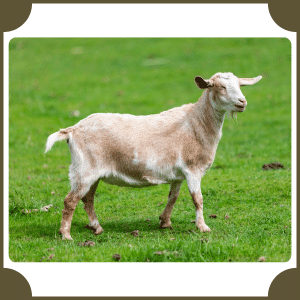
11- Scientific Name of Goat
The scientific name of Goat is Capra hircus. It belongs to the mammal group and is one of the earliest animals domesticated by humans. The genus Capra includes goats and wild mountain goats, while hircus refers to the domestic goat. Goats are important livestock animals because they provide milk, meat, fiber, and leather while adapting well to different climates and landscapes.
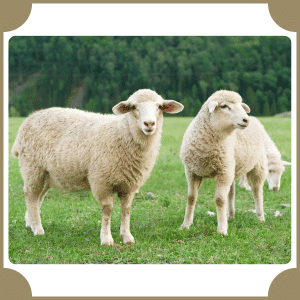
12- Scientific Name of Sheep
The scientific name of Sheep is Ovis aries. It belongs to the mammal group and has been raised by humans for thousands of years. The genus Ovis includes both domestic and wild sheep, while aries is the species name for domestic sheep. Sheep are valuable for producing wool, meat, and milk, making them an important part of agriculture in many countries.
13- Scientific Name of Camel
The scientific name of Camel is Camelus dromedarius. It belongs to the mammal group and is commonly known as the one-humped camel. The genus Camelus includes all camel species, while dromedarius identifies the Arabian camel. Camels are well adapted to desert environments and are important for transportation, milk production, and carrying heavy loads in dry regions.

14- Scientific Name of Dog
The scientific name of Dog is Canis lupus familiaris. It belongs to the mammal group and is a domesticated subspecies of the gray wolf. The genus Canis includes wolves, dogs, and related species, while familiaris refers to its close relationship with humans. Dogs are valued worldwide for companionship, security, rescue work, and assistance in many professional fields.

15- Scientific Name of Cat
The scientific name of Cat is Felis catus. It belongs to the mammal group and is one of the most popular domestic pets in the world. The genus Felis includes small wild and domestic cats, while catus is the scientific designation for the domestic cat. Cats help control rodent populations and are appreciated for their companionship and adaptability.

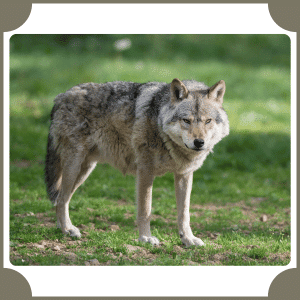
16- Scientific Name of Wolf
The scientific name of Wolf is Canis lupus. It belongs to the mammal group and is the largest member of the dog family. The genus Canis includes wolves, dogs, and coyotes, while lupus is the Latin word for wolf. Wolves are apex predators that play an important role in maintaining healthy ecosystems by regulating prey populations.
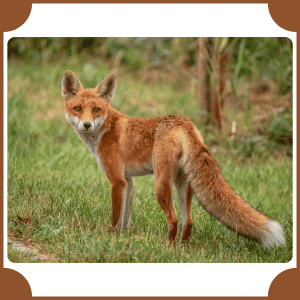
17- Scientific Name of Fox
The scientific name of Fox is Vulpes vulpes. It belongs to the mammal group and is commonly known as the red fox. The genus Vulpes includes true foxes, while vulpes is the Latin word for fox. Foxes help control populations of rodents and insects, making them valuable contributors to ecological balance.
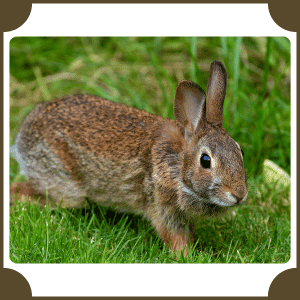
18- Scientific Name of Rabbit
The scientific name of Rabbit is Oryctolagus cuniculus. It belongs to the mammal group and is native to southwestern Europe and parts of Africa. The genus Oryctolagus means “digging hare,” reflecting its burrowing behavior, while cuniculus means rabbit. Rabbits play an important role in food chains and contribute to soil health through their digging activities.
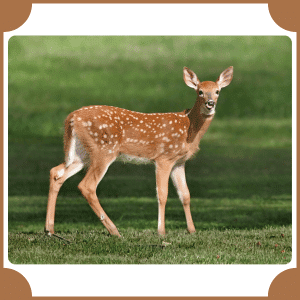
19- Scientific Name of Deer
The scientific name of Deer is Cervus elaphus. It belongs to the mammal group and is commonly known as the red deer. The genus Cervus includes several large deer species, while elaphus is derived from an ancient Greek word for deer. Deer are important herbivores that influence forest vegetation and serve as prey for many large predators.
20- Scientific Name of Bear
The scientific name of Bear is Ursus arctos. It belongs to the mammal group and is commonly known as the brown bear. The genus Ursus includes several bear species, while arctos is the Greek word for bear. Brown bears are important omnivores that help maintain ecosystem balance by dispersing seeds and regulating animal populations.

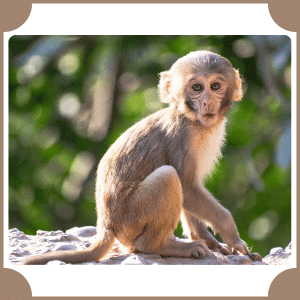
21- Scientific Name of Monkey
The scientific name of Monkey is Macaca mulatta. It belongs to the mammal group and is commonly known as the rhesus macaque. The genus Macaca includes several species of Old World monkeys, while mulatta identifies this particular species. Monkeys are highly intelligent animals that contribute to forest ecosystems by dispersing seeds and helping maintain plant diversity.
22- Scientific Name of Gorilla
The scientific name of Gorilla is Gorilla gorilla. It belongs to the mammal group and is the largest living primate on Earth. The genus Gorilla includes the world’s largest ape species, while the second word identifies the western gorilla. Gorillas play an important role in tropical forests by spreading seeds and supporting healthy forest regeneration.

23- Scientific Name of Chimpanzee
The scientific name of Chimpanzee is Pan troglodytes. It belongs to the mammal group and is one of the closest living relatives of humans. The genus Pan includes chimpanzees and bonobos, while troglodytes means “cave dweller” in Greek. Chimpanzees are important for scientific research and contribute to forest ecosystems through seed dispersal.

24- Scientific Name of Panda
The scientific name of Giant Panda is Ailuropoda melanoleuca. It belongs to the mammal group and is famous for its distinctive black-and-white fur. The genus Ailuropoda means “cat-foot,” while melanoleuca means “black and white.” Giant pandas are important for conserving bamboo forests, which also provide habitats for many other species.

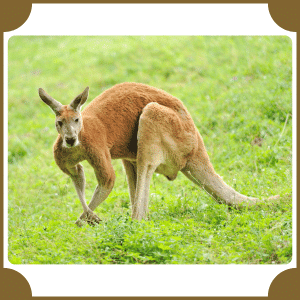
25- Scientific Name of Kangaroo
The scientific name of Red Kangaroo is Macropus rufus. It belongs to the mammal group and is the largest marsupial in the world. The genus Macropus means “large foot,” referring to its powerful hind legs, while rufus means “red.” Kangaroos are important herbivores that help maintain healthy grasslands across Australia.
26- Scientific Name of Penguin
The scientific name of Emperor Penguin is Aptenodytes forsteri. It belongs to the bird group and is the tallest and heaviest penguin species. The genus Aptenodytes means “featherless diver,” reflecting its excellent swimming ability. Emperor penguins are important indicators of the health of Antarctic marine ecosystems.

27- Scientific Name of Eagle
The scientific name of Golden Eagle is Aquila chrysaetos. It belongs to the bird group and is one of the most powerful birds of prey. The genus Aquila is the Latin word for eagle, while chrysaetos means “golden eagle.” Eagles help maintain ecological balance by controlling populations of small mammals and other prey animals.

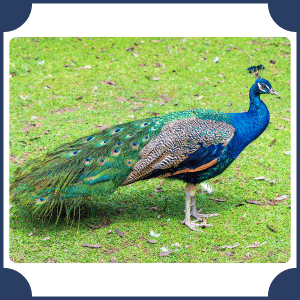
28- Scientific Name of Peacock
The scientific name of Peacock is Pavo cristatus. It belongs to the bird group and is also known as the Indian peafowl. The genus Pavo is the Latin word for peafowl, while cristatus means “crested,” referring to the bird’s distinctive crown of feathers. Peacocks are admired for their colorful plumage and play a role in seed dispersal within their natural habitats.
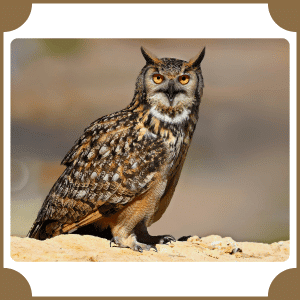
29- Scientific Name of Owl
The scientific name of Eurasian Eagle-Owl is Bubo bubo. It belongs to the bird group and is one of the largest owl species in the world. The genus Bubo includes large horned owls, while the second word identifies the species. Owls are skilled nocturnal hunters that help control populations of rodents and other small animals.
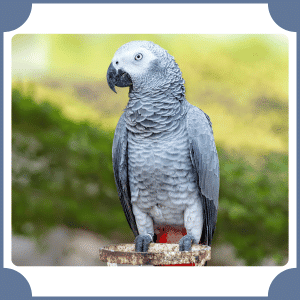
30- Scientific Name of Parrot
The scientific name of African Grey Parrot is Psittacus erithacus. It belongs to the bird group and is widely recognized for its remarkable intelligence and ability to mimic human speech. The genus Psittacus refers to true parrots, while erithacus identifies the African grey species. Parrots help maintain forest ecosystems by dispersing seeds and supporting plant growth.
31- Scientific Name of Crocodile
The scientific name of Crocodile is Crocodylus niloticus. It belongs to the reptile group and is commonly known as the Nile crocodile. The genus Crocodylus includes true crocodiles found in different parts of the world, while niloticus refers to its historical association with the Nile River. Crocodiles are apex predators that help maintain healthy aquatic ecosystems by controlling the populations of fish and other animals.

32- Scientific Name of Cobra
The scientific name of Cobra is Naja naja. It belongs to the reptile group and is commonly known as the Indian cobra. The genus Naja includes several species of true cobras, while the second word identifies this particular species. Cobras play an important role in nature by controlling rodent populations, which helps protect crops and maintain ecological balance.

33- Scientific Name of Python
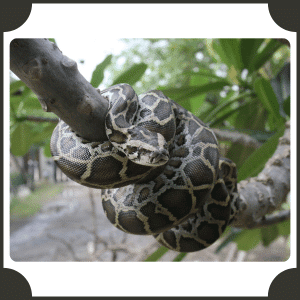
The scientific name of Python is Python bivittatus. It belongs to the reptile group and is commonly known as the Burmese python. The genus Python includes large non-venomous snakes, while bivittatus means “two-striped,” referring to its body markings. Pythons are important predators that naturally control populations of rodents, birds, and other small animals.
34- Scientific Name of Frog
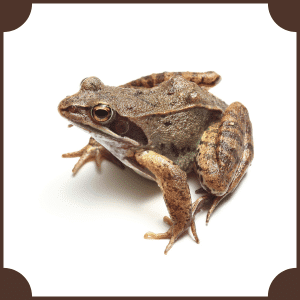
The scientific name of Frog is Rana temporaria. It belongs to the amphibian group and is commonly known as the common frog. The genus Rana includes many true frog species, while temporaria identifies this particular species. Frogs are important indicators of environmental health and help control insect populations, making them valuable members of many ecosystems.
35- Scientific Name of Dolphin
The scientific name of Dolphin is Delphinus delphis. It belongs to the mammal group and is commonly known as the common dolphin. The genus Delphinus refers to oceanic dolphins, while delphis comes from the Greek word for dolphin. Dolphins are highly intelligent marine mammals that contribute to healthy ocean ecosystems and are considered important indicators of marine environmental conditions.

Animals with Scientific Names and Pictures
Why Scientific Names Are Important
Scientific names are important in biology and wildlife studies because they give every animal a universal identity. They also help researchers classify and study animals accurately, making scientific communication clear and reliable. In addition, scientific names support wildlife conservation by identifying endangered species correctly and are recognized internationally in books, research papers, and scientific databases.
Interesting Facts About Scientific Names
- Every Species Has One Official Name
- Latin Makes the Names Universal
- Scientific Names Show Relationships
- Scientific Names Change Occasionally