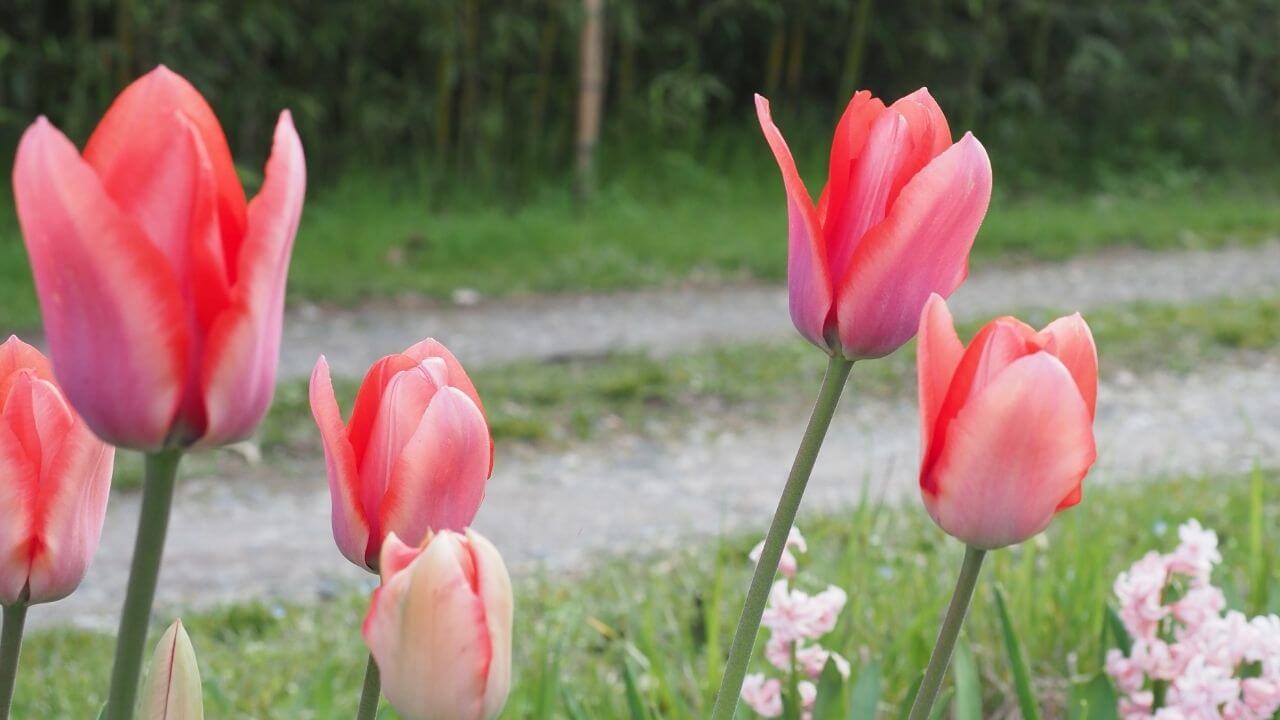

The Afghanistan National Flower, the beautiful Tulip, is a powerful symbol of hope, renewal, and the country’s rich natural heritage. Blooming across Afghanistan’s mountains and valleys each spring, the tulip has been admired for centuries and holds deep cultural and historical significance. In this article, you’ll learn why the Afghanistan National Flower is the tulip, explore its symbolism, learn about its history and habitat, and uncover interesting facts that make this vibrant flower an enduring symbol of resilience and beauty.
What Is the National Flower of Afghanistan?
The Afghanistan National Flower is the Tulip, locally known as Lala. It grows naturally across the country in wild, uncultivated landscapes and has long been associated with sacrifice, love for the homeland, and renewal after hardship.
This simple fact answers millions of searches, but the deeper story begins beyond the name.
Afghanistan National Flower Meaning in Culture and History
The flower’s meaning is rooted in emotion rather than ceremony. Unlike many national symbols that are officially declared, the tulip earned its status organically through centuries of cultural use.
In Afghan poetry, the tulip often represents love mixed with pain. Folk songs describe hills turning red with tulips after conflict, linking the flower to memory and loss. This meaning developed naturally, passed down through oral traditions rather than written law.
The Red Tulip and the Symbolism of Sacrifice
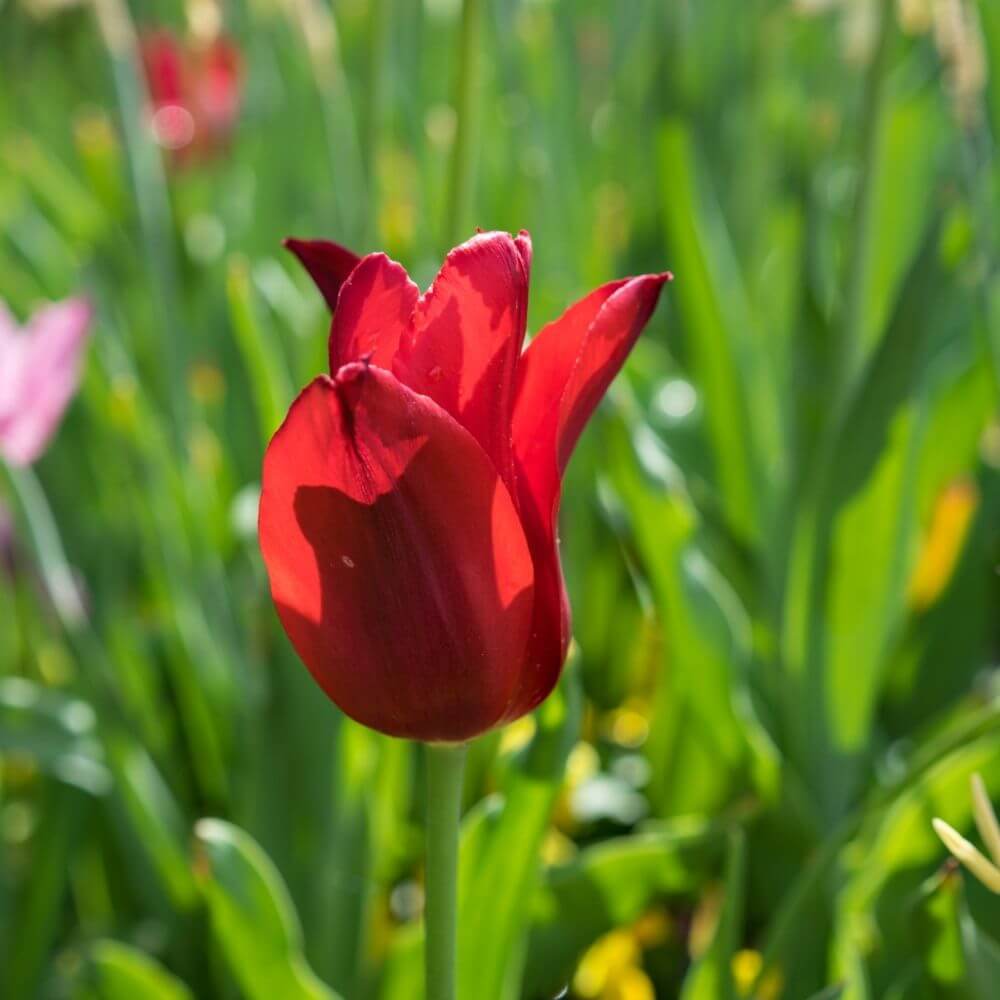
Red tulips carry the strongest symbolism. In Afghan literature, they are associated with spilled blood and honor. This association is not metaphorical only. Many poems written during periods of conflict describe red tulips growing where lives were lost, turning grief into remembrance.
This symbolism is one reason the tulip resonates so deeply across generations.
Why the Tulip Was Chosen as Afghanistan’s National Flower
The tulip was chosen because it belongs to the land itself.
Afghanistan sits within Central Asia, one of the world’s original habitats of wild tulips. These flowers grow without irrigation, fertilizers, or human protection. They survive cold winters, dry springs, and rocky soil.
That natural resilience mirrors the lived reality of Afghan communities. A symbol that survives without assistance feels honest, not imposed.
Afghanistan as a Birthplace of Wild Tulips
While tulips are often linked with Holland, they are originally native to Central Asia, including Afghanistan, where several wild tulip species grow naturally in mountain valleys and rough terrain. Wild tulips such as Tulipa kolpakowskiana and Tulipa fosteriana are found across Afghanistan and neighboring regions, showing that these flowers existed here long before they became garden plants in Europe.
How Tulips Spread from Central Asia to Europe
Tulips originally grew wild across Central Asia, where people first cultivated them long before they became famous in Europe. Over time these flowers were grown and admired in the gardens of the Ottoman Empire, and in the 1500s, a diplomat sent tulip bulbs from Constantinople (now Istanbul) to Europe, helping introduce them to Western gardeners. From there, botanists planted and shared tulips across Europe, and by the 1600s they became especially popular in the Netherlands, where they were widely cultivated and celebrated. You can explore more about this history and how tulips moved across regions at Wikipedia’s tulip page.
History of tulips and how they reached Europe: Learn More
Why the Tulip Represents Afghanistan
What makes the Afghanistan National Flower powerful is timing. Tulips bloom after winter, often in places where snow lingers late into the season. Their appearance marks renewal.
I find this symbolism especially striking because it does not rely on optimism alone. Tulips do not avoid harsh conditions. They emerge because of them.
That adaptation mirrors human resilience in ways no designed emblem ever could.
How the Tulips Appears in Afghan Daily Lifes
The tulip is not locked inside museums or textbooks.
In rural areas, families plan spring visits to fields where tulips bloom. Poets reference Lala as a symbol of loyalty. Traditional carpets and embroidery sometimes feature tulip patterns, especially in northern regions.
Unlike official flags or seals, this flower exists in daily memory and shared experience.
Afghanistan National Flower Images & Visual Identity
Searches for Afghanistan national flower images often surprise people. Afghan tulips are not uniform or manicured. They appear scattered across hillsides, sometimes standing alone.
Colors range from deep red to yellow and purple. Their irregular growth patterns reinforce the idea that beauty does not require perfection. These images help preserve cultural memory, especially for Afghans living abroad.
What Makes the Tulip Truly Special in Afghanistan
Many guides describe the tulip as a passive symbol of beauty. That framing misses the point.
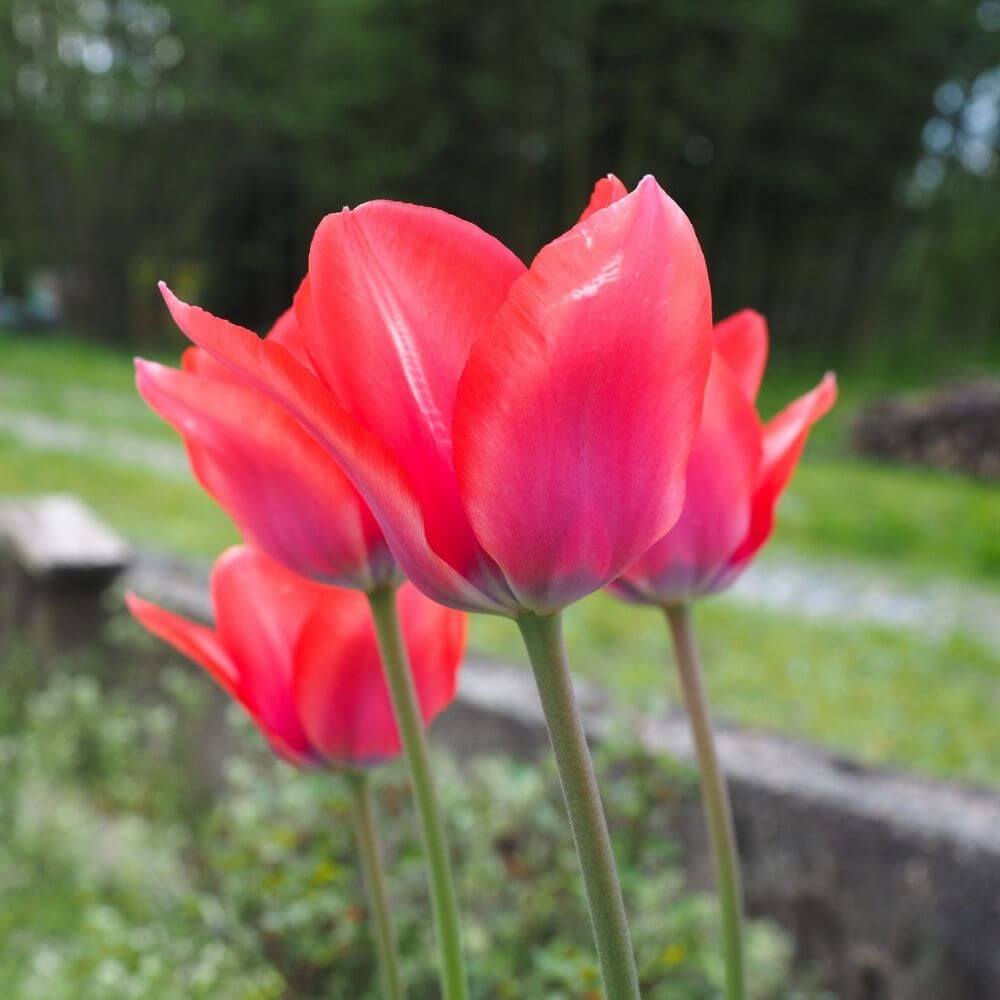
The tulip is not admired because it is delicate. It is respected because it survives unnoticed. In some regions, tulips bloom briefly, then disappear, leaving seeds behind for the next season. This reflects a cultural understanding that endurance does not need recognition to matter.
Global Recognition vs Local Reality
- Globally, tulips symbolize luxury and spring festivals. Locally, they symbolize memory and continuity.
- The Netherlands celebrates tulips in abundance. Afghanistan remembers them in silence. Both interpretations are valid, but one came first.
- Understanding this restores cultural credit to the regions where tulips began their journey.
Why Afghanistan National Flower Matters
Symbols shape how nations are understood. The Afghanistan National Flower challenges one-dimensional narratives by showing a culture rooted in nature, poetry, and continuity.
For younger generations, especially those growing up outside the country, the tulip offers a non-political connection to identity.
FAQs About National Flower of Afghanistan
Which is the national flower of Afghanistan?
The national flower of Afghanistan is the wild red tulip, locally known as Lala. It grows naturally in the country’s mountainous regions and symbolizes resilience, sacrifice, and hope. This flower holds deep cultural significance and appears often in Afghan poetry and traditions. Its bright red color connects it closely to the nation’s history and identity.
What is the Afghan flower?
The Afghan flower refers to the wild red tulip that grows freely across Afghanistan’s landscapes. Known as Lala, it is admired for its natural beauty and its role as a symbol of endurance through harsh conditions. Unlike cultivated garden flowers, this tulip thrives in the wild without human care, reflecting the strength of Afghan people. It is widely celebrated in local stories, songs, and art.
What flower is this 🌷?
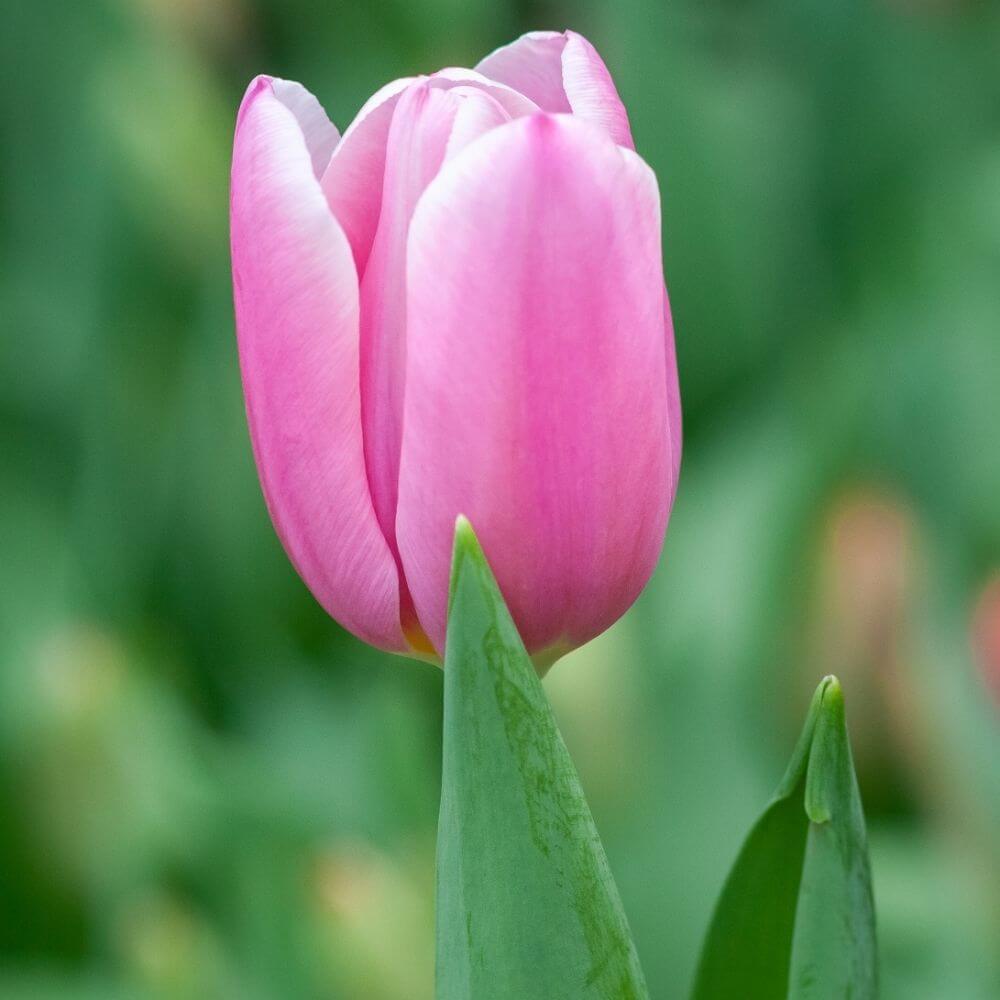
The flower represented by this emoji is a tulip, a bulbous spring flower known for its smooth, colorful petals. While tulips are grown worldwide, the wild red tulip is especially important in Afghanistan as the national flower. It symbolizes hope and renewal, blooming each year in difficult environments. This flower carries both botanical beauty and cultural meaning.
Why is the tulip important in Afghan culture?
The tulip holds a special place in Afghan culture because it symbolizes sacrifice, renewal, and the enduring spirit of the people. Red tulips especially represent the blood of martyrs and are often mentioned in poetry and folklore. This flower’s natural growth in wild Afghan lands ties it deeply to the country’s identity. It reminds Afghans of resilience through struggle and hope for the future.
How does the Afghanistan national flower differ from other tulips?
Afghanistan’s national flower is a wild red tulip that grows naturally in harsh, uncultivated environments, unlike many cultivated tulips seen in gardens worldwide. Its vibrant red color and natural resilience set it apart from hybrid varieties. This tulip is part of Afghanistan’s natural heritage and cultural symbolism, representing more than just beauty. It carries historical significance linked to sacrifice and endurance.
In Simple Words
The Afghanistan national flower, the tulip, was chosen because it belongs to the land itself. It grows freely, survives harsh conditions, and carries powerful meanings of hope, sacrifice, and resilience. Just like the Afghan people. I encourage you to learn more about flowers below: