
The Denmark National Flower, the charming Daisy, is a beloved symbol of simplicity, purity, and the country’s deep connection to nature. Growing freely across fields and gardens, this cheerful flower has long been admired by the Danish people and is closely linked with their culture and traditions. In this article, you’ll learn why the Denmark National Flower is the daisy, learn its history and symbolism, discover its cultural importance, and uncover interesting facts about this beautiful bloom.
What Is the National Flower of Denmark?
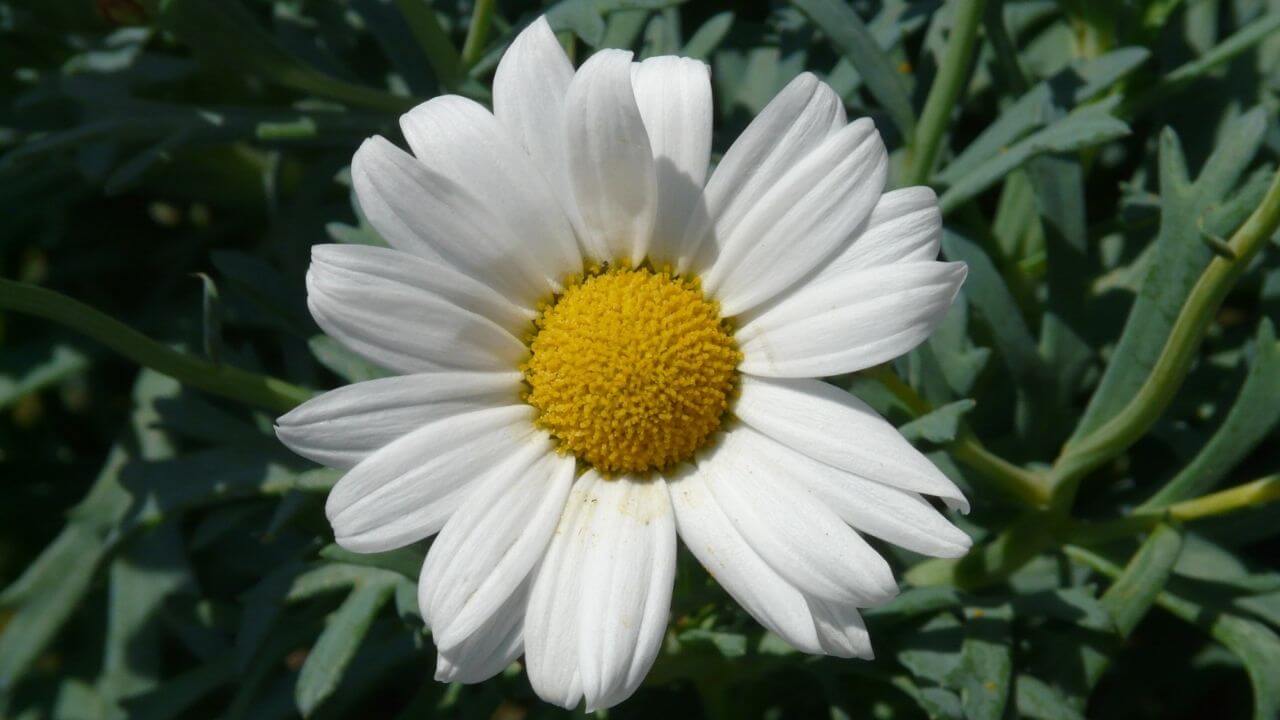
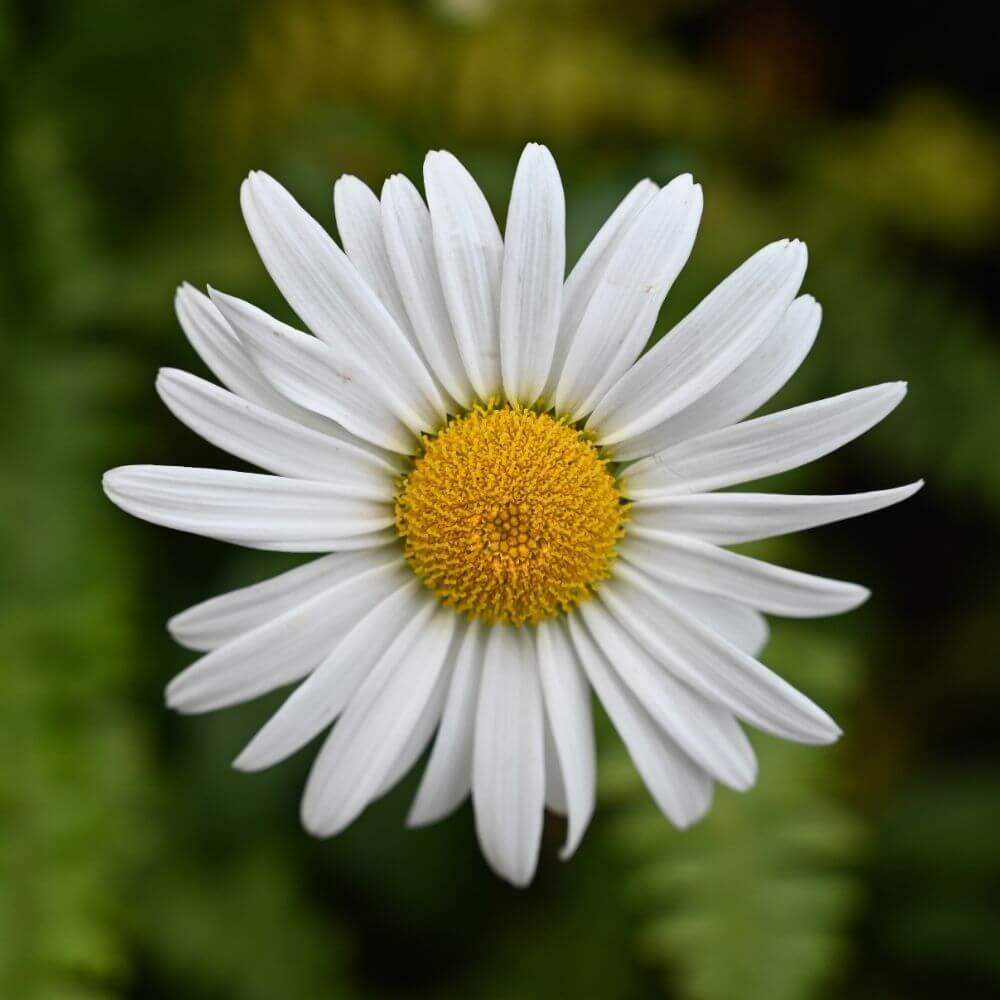
The national flower of Denmark is the common daisy, scientifically known as (Argyranthemum frutescens). It’s a small, cheerful flower with white petals and a bright yellow center. This perennial grows across Danish meadows, parks, and gardens, thriving in cool, temperate climates. You’ll often spot daisies carpeting the ground in spring and summer, symbolizing freshness and renewal.
Historical and Cultural Significance of the Daisy in Denmark
Beyond its royal link, the daisy has long symbolized innocence and purity in Danish folklore. It frequently appears in traditional celebrations and art. For instance:
- Daisies are used in the Danish midsummer festival (Sankt Hans Aften) as decorations symbolizing light and hope.
- Folk songs and poems mention daisies as symbols of fresh starts and youthfulness.
- The flower’s simplicity aligns with Danish values of modesty and natural beauty.
Why the Daisy Was Chosen as Denmark’s National Flower
The Marguerite Daisy’s selection as Denmark’s national flower is deeply connected to Danish royal heritage. When Queen Margrethe II was born in 1940, she was affectionately nicknamed “Daisy.” This nickname linked the flower directly to the beloved monarch and symbolized a new era for Denmark. Since then, the Marguerite Daisy has been embraced as a symbol of Danish identity and pride.
- Jewelry, stamps, and official symbols featuring the daisy celebrate this connection.
- The flower represents qualities associated with the Queen herself: grace, simplicity, and strength.
- This royal link sets Denmark’s daisy apart from other national flowers worldwide, giving it unique patriotic significance.
This story is why the Marguerite Daisy is more than just a flower. It’s a living emblem of Danish culture and monarchy.
The Daisy’s Role in Denmark’s Natural Landscape
Beyond symbolism, the daisy plays a vital role in Denmark’s ecosystems. It’s a favorite among pollinators like bees and butterflies, supporting biodiversity. You’ll find daisies scattered across fields and roadside verges, contributing to the delicate balance of Danish flora. For travelers, spotting daisies is easy. They are everywhere from city parks to countryside meadows, adding a splash of cheerfulness to the landscape.
How to Grow Daisies
If you want to bring a bit of Denmark’s natural charm into your own garden, growing daisies is a great choice. Here’s how:
- Choose the Right Spot: Daisies prefer full sun but can tolerate partial shade. Well-draining soil is best.
- Planting Time: Early spring or fall is ideal for planting daisy seeds or young plants.
- Soil Preparation: Loosen the soil and mix in organic compost for nutrients.
- Watering: Keep the soil moist but not waterlogged. Daisies are fairly drought-tolerant once established.
- Maintenance: Deadhead spent flowers to encourage more blooms and prevent self-seeding if you want to control spread.
- Pests and Diseases: Watch for aphids or fungal infections and treat promptly with natural remedies or insecticidal soap.
Growing daisies is simple, and their cheerful flowers reward you throughout the growing season.
Learn more here on how to grow Daisy Flower 👈
The Daisy Beyond Its Beauty
While most people admire daisies for their appearance, fewer know about their traditional uses in herbal medicine. In Denmark, daisy infusions have been used for skin care and mild inflammation, reflecting a natural wisdom often overlooked today. Environmental groups in Denmark also promote daisies in wildflower meadows to support pollinators, connecting conservation with cultural heritage. Still, some critics argue that daisies are too common and don’t stand out enough as a national symbol. But perhaps their very commonness is what makes them so special.
FAQs About Denmark National Flower
Why is the daisy the national flower of Denmark?
The daisy, specifically the Marguerite Daisy, is Denmark’s national flower mainly due to its association with Queen Margrethe II, who was nicknamed 'Daisy' at birth. This connection made the flower a symbol of Danish royal heritage and national pride. Its simplicity and resilience also reflect core Danish values. The flower has since become a patriotic emblem throughout the country.
What is the Danish national flower?
Denmark’s national flower is the Marguerite Daisy (Argyranthemum frutescens), a white-petaled flower with a bright yellow center. It is celebrated for its link to Queen Margrethe II and is widely grown in Danish gardens and parks. The Marguerite Daisy symbolizes purity, grace, and the natural beauty of Denmark. It holds a special place in Danish culture and identity.
What is the queen of Denmark flower?
The queen of Denmark flower refers to the Marguerite Daisy, named in honor of Queen Margrethe II’s childhood nickname, Daisy. This flower represents the queen’s elegance and strength and is often used in Danish royal-themed art and jewelry. It has become a national symbol through this unique royal association. The flower embodies the spirit of the Danish monarchy.
How does the Marguerite Daisy reflect Danish culture?
The Marguerite Daisy reflects Danish culture through its qualities of simplicity, purity, and resilience, which mirror Danish values. It appears in traditional celebrations, folklore, and modern art, symbolizing hope and natural beauty. The flower’s connection to the monarchy strengthens its cultural importance. It also represents Denmark’s respect for nature and understated elegance.
Where can you see daisies growing in Denmark?
Daisies can be found growing widely in Denmark’s gardens, parks, and meadows, particularly in places like Mols Bjerge National Park and urban green spaces. The Marguerite Daisy thrives in the country’s temperate climate and is a common sight during spring and summer. It supports local pollinators and adds charm to the Danish landscape. Visitors often enjoy spotting these flowers during nature walks.
Final Thoughts
The daisy’s blend of simplicity, resilience, and cultural richness makes it an ideal symbol for Denmark. It reminds us that beauty isn’t always grand or rare. Sometimes it’s found in the everyday. Next time you explore Denmark’s green spaces, take a moment to appreciate the daisy’s quiet charm. If you’re inspired, consider planting some daisies yourself and bring a piece of Denmark’s natural heritage home. I want you to exolore more of my flower guides below: