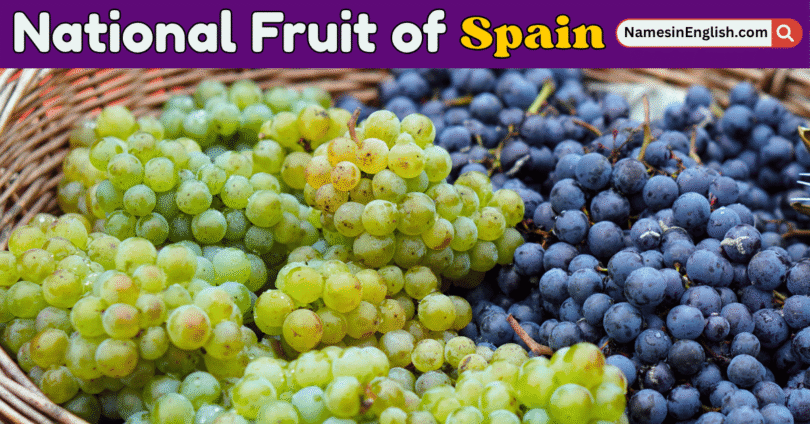

A national fruit is a fruit that represents a country’s identity, traditions, agriculture, and cultural importance, even if it is not officially declared by the government. When people think of Spain, they often imagine sunny vineyards, world-famous wines, and fresh fruit hanging from lush green vines. Among all fruits grown in the country, grapes hold a special cultural and economic importance. In this article, you will learn everything about the national fruit of Spain , its origin, importance, growing conditions, symbolic meaning, and its role in Spanish life today.
What is the National Fruit of Spain
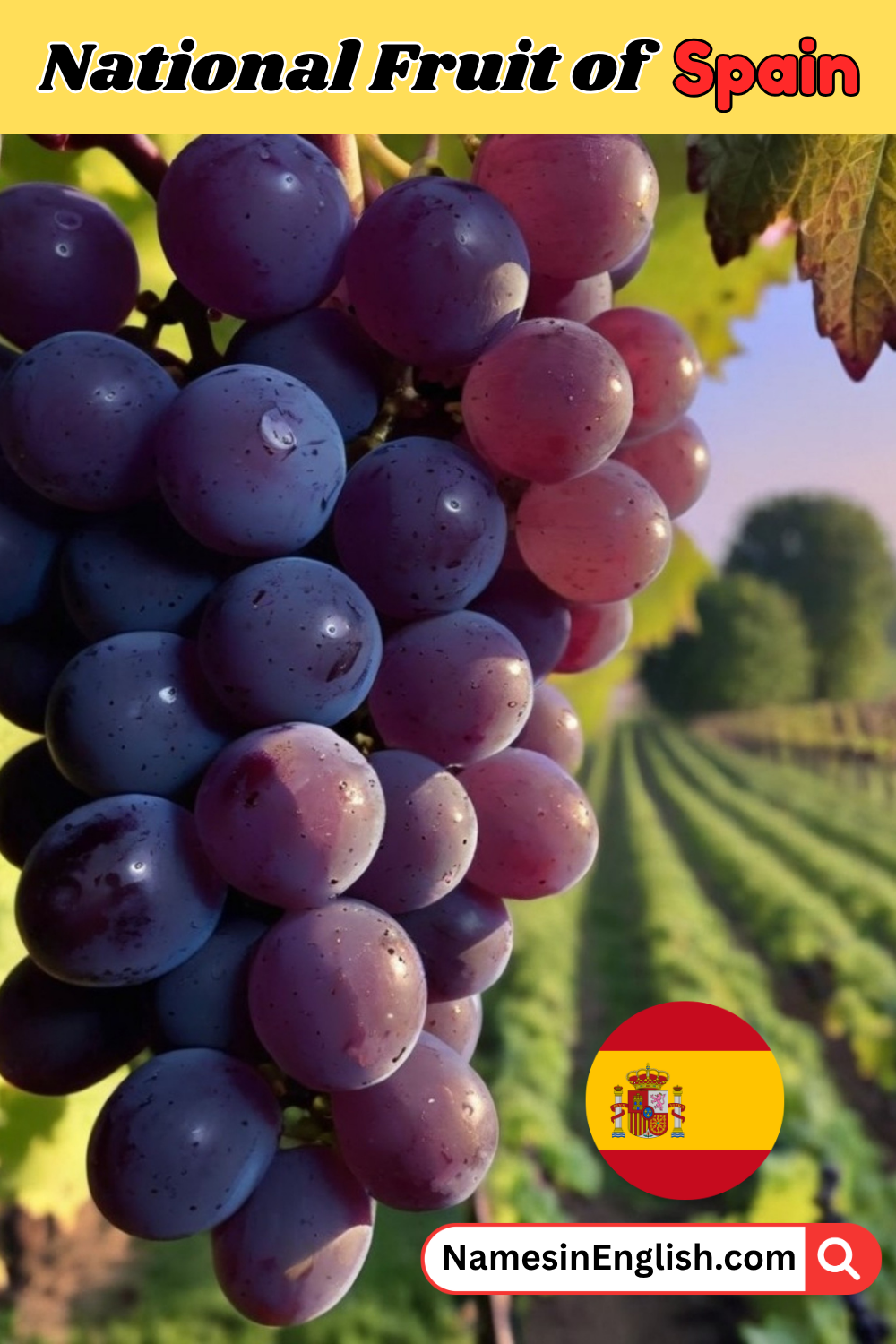
The national fruit of Spain is commonly associated with grapes. It is a small, juicy fruit that grows in clusters on vines and belongs to the genus Vitis. In Spain, grapes are not just a fruit, they are a foundation of culture, economy, and tradition. Spain is one of the largest grape-producing countries in the world, making grapes a natural symbol of agricultural pride and national identity.
History of Grapes in Spain
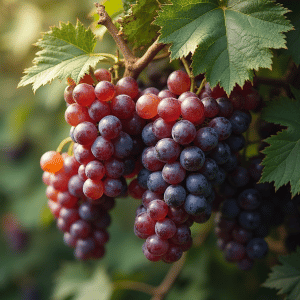
Grapes have been cultivated in Spain for thousands of years. Their history dates back to ancient civilizations such as the Phoenicians and Romans, who introduced advanced grape farming and winemaking techniques. Over time, grape cultivation became deeply rooted in Spanish rural life. Vineyards expanded across the country, shaping Spain into one of the world’s leading wine producers.
Why Grapes Are Associated with Spain?
Grapes are strongly linked with Spain because: Spain is a global leader in grape production. Spanish wine is internationally famous. Vineyards cover large agricultural areas. Grapes are part of traditional festivals and cuisine. This strong connection makes grapes a natural cultural symbol of the country.
Symbolic Meaning of Grapes in Spain
In Spanish culture, grapes symbolize:
- Prosperity and abundance
- Celebration and happiness
- Tradition and heritage
- Good luck (especially during New Year customs)
A famous tradition is eating 12 grapes at midnight on New Year’s Eve for good fortune in the coming year.
Cultural Importance of Grapes in Spain
Key features and Characteristics of Grapes
- Scientific Name
The scientific name of grapes is Vitis vinifera, a species widely cultivated for fruit and wine production around the world. - Fruit Season
Grapes are typically harvested in late summer to early autumn, depending on the variety and growing region. - Fruit Color and Size
Grapes come in green, red, black, and purple colors, and are small, round fruits usually growing in clusters. - Fruit Taste
Grapes have a sweet, juicy taste, though some varieties can be slightly sour or tangy depending on ripeness. - Fruit Origin Region
Grapes originally come from the Mediterranean region and Western Asia, where they have been cultivated for thousands of years. - Peak Month
The peak harvesting months for grapes are usually August to October in most producing countries like Spain. - Storage Type
Grapes are best stored in cool, dry conditions or refrigerated to maintain freshness and prevent spoilage. - Nutritional Value
Grapes are rich in vitamins C and K, antioxidants, and natural sugars that provide quick energy and support heart health. - Tree Height
Grape plants are climbing vines that typically grow 3 to 6 meters long when supported by trellises or structures. - Fruiting Age
Grape vines usually begin producing fruit within 2 to 3 years after planting, depending on care and variety. - Export Countries
Major grape-exporting countries include Spain, Italy, the United States, Chile, and South Africa. - Import Countries
Countries like the United Kingdom, Germany, Canada, and Russia are major importers of fresh grapes. - Medicinal Use
Grapes are used for improving heart health, boosting immunity, reducing inflammation, and providing antioxidant benefits.
How Grapes Grow – Ideal Conditions
Grapes require specific environmental conditions to grow properly. Spain’s climate is perfect for vineyards.
Key growing requirements:
- Warm Mediterranean climate
- Plenty of sunlight
- Well-drained soil
- Moderate water supply
- Long dry summers for sweetness development
Economic and Agricultural Importance of Grapes
Tourism Value of Grapes in Spain
Interesting Facts About Grapes in Spain
- Spain has over 900,000 hectares of vineyards
- It is one of the top wine-producing countries in the world
- Spain produces both red and white grape varieties
- The “12 grapes tradition” is celebrated nationwide
- Some vineyards are over 100 years old
Name of National fruit of Spain
Learn More Helpful Articles