
National Flowers of 93 Countries
| # | Country | National Flower | Status | Source / Verification |
|---|---|---|---|---|
| 1 | Afghanistan | Tulip | Cultural | Cultural promotions & national emblem context |
| 2 | Argentina | Ceibo | Official | Presidential Decree No. 13,847 (1942) |
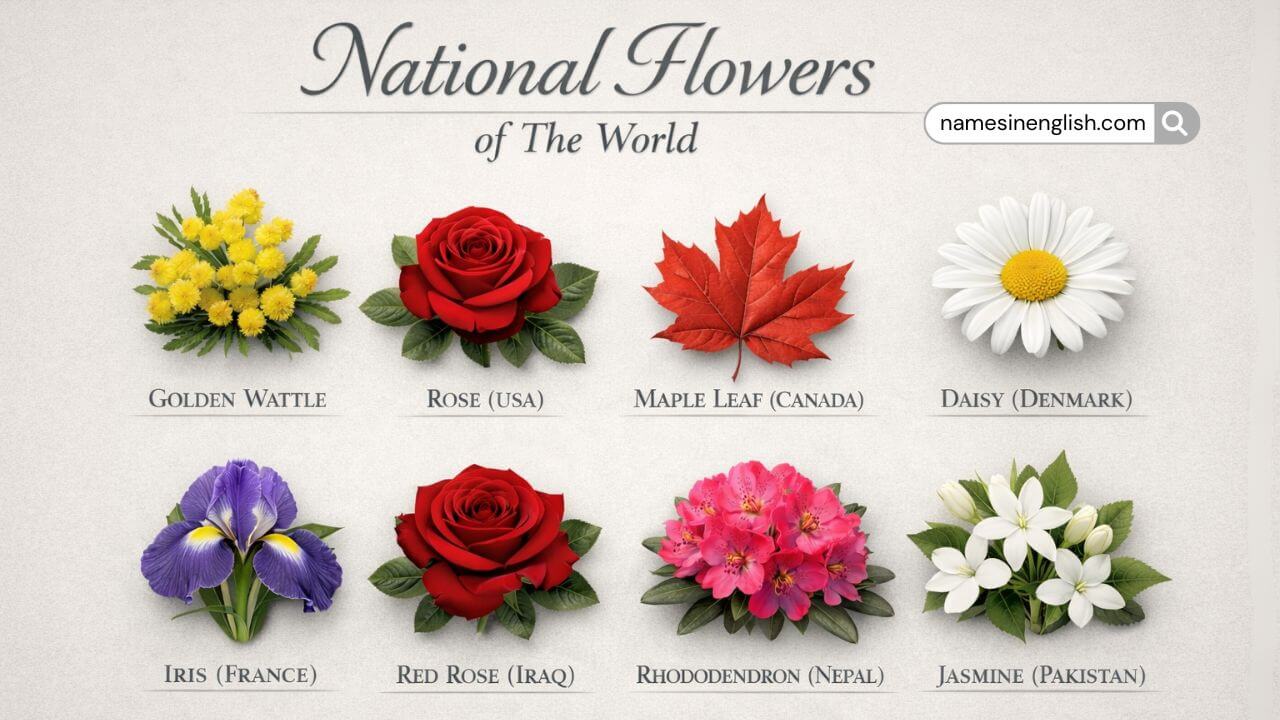
| 3 | Australia | Golden Wattle | Official | Commonwealth Gazette (1988) |
| 4 | Austria | Edelweiss | Cultural | Coins, insignia & national lists |
| 5 | Azerbaijan | Khari Bulbul | Symbolic | Regional cultural recognition |
| 6 | Bahamas | Yellow Elder | Official | National garden clubs selection |
| 7 | Bangladesh | Water Lily | Official | National Emblem |
| 8 | Belgium | Red Poppy | Cultural | Flanders Fields remembrance |
| 9 | Bhutan | Blue Poppy | Official | National floral emblem |
| 10 | Bolivia | Kantuta & Patujú | Official | Supreme Decree No. 22482 (1990) |
| 11 | Bosnia & Herzegovina | Golden Lily | Cultural | Historical heraldry |
| 12 | Botswana | Sengaparile | Official | Listed in national symbols |
| 13 | Brazil | Ipê-amarelo | Symbolic | National decree (1961) |
| 14 | Bulgaria | Rose | Cultural | Rose Valley heritage |
| 15 | Cambodia | Rumdul | Official | Royal Decree (2005) |
| 16 | Canada | Maple Leaf | Official | National floral symbol |
| 17 | Chile | Copihue | Official | Supreme Decree No. 62 (1977) |
| 18 | China | Plum Blossom / Peony | Contested | Public polls, no final decree |
| 19 | Colombia | Christmas Orchid | Official | Colombian Academy of History (1936) |
| 20 | Costa Rica | Guaria Morada | Official | Supreme Decree (1939) |
| 21 | Cuba | Butterfly Jasmine | Official | Recognized since 1936 |
| 22 | Cyprus | Cyprus Cyclamen | Official | Council of Ministers (2006) |
| 23 | Denmark | Marguerite Daisy | Cultural | Tribute to Queen Margrethe II |
| 24 | Dominica | Carib Wood | Official | National Flag & Coat of Arms |
| 25 | Dominican Republic | Bayahibe Rose | Official | Law No. 146-11 (2011) |
| 26 | Ecuador | Chuquiragua | Cultural | Highland cultural symbol |
| 27 | Egypt | Egyptian Lotus | Cultural | Ancient state symbol |
| 28 | El Salvador | Flor de Izote | Official | Legislative Decree (1995) |
| 29 | Estonia | Cornflower | Official | Public contest selection |
| 30 | Ethiopia | Calla Lily | Official | National flowers list |
| 31 | Finland | Lily-of-the-valley | Official | Public poll (1967) |
| 32 | France | Iris | Cultural | Fleur-de-lis heritage |
| 33 | Gabon | African Tulip | Cultural | Traditional emblem usage |
| 34 | Gambia | White Orchid | Unofficial | Educational & tourism references |
| 35 | Georgia | Rose | Cultural | Cultural recognition |
| 36 | Germany | Cornflower | Cultural | Traditional symbol |
| 37 | Greece | Bear’s Breech | Cultural | Ancient architectural symbolism |
| 38 | Grenada | Bougainvillea | Official | National Symbols Regulations |
| 39 | Guatemala | White Nun Orchid | Official | Presidential Decree (1934) |
| 40 | Haiti | Hibiscus | Cultural | Tourism & art symbol |
| 41 | Honduras | Rhyncholaelia digbyana | Official | Executive Decree (1969) |
| 42 | Hungary | Tulip | Cultural | Folk art & heritage |
| 43 | Iceland | Mountain Avens | Unofficial | Public vote (2004) |
| 44 | India | Lotus | Unofficial | Government stated no official declaration |
| 45 | Indonesia | Jasmine, Moon Orchid, Padma | Official | Presidential Decree (1993) |
| 46 | Iran | Damask Rose | Cultural | Expert selection (1995) |
| 47 | Iraq | Rose | Unofficial | National symbol listings |
| 48 | Ireland | Shamrock | Cultural | National plant symbol |
| 49 | Italy | White Lily | Cultural | Heritage symbolism |
| 50 | Jamaica | Lignum Vitae | Official | Government recognition |
| 51 | Japan | Cherry Blossom & Chrysanthemum | Contested | Cultural usage & Imperial Seal |
| 52 | Jordan | Black Iris | Official | Government listing (1999) |
| 53 | Kazakhstan | None | Not Declared | Official sources list only flag & anthem |
| 54 | Kenya | Orchid | Unofficial | Tourism & botanical contexts |
| 55 | Kuwait | Arfaj | Official | Government records |
| 56 | Kyrgyzstan | Aigul (Moon Flower) | Official | Listed in official symbols |
| 57 | Lebanon | Lebanon Cyclamen | Cultural | Endemic cultural icon |
| 58 | Luxembourg | Rose | Cultural | City of Roses heritage |
| 59 | Madagascar | Poinciana | Unofficial | Traditional recognition |
| 60 | Malaysia | Hibiscus | Official | Prime Minister declaration (1960) |
| 61 | Maldives | Pink Rose | Official | State symbol (1985) |
| 62 | Malta | Maltese Centaury | Official | National legislation (1971) |
| 63 | Mexico | Dahlia | Official | Presidential Decree (1963) |
| 64 | Mongolia | Scabiosa comosa | Official | Ministry of Environment (2014) |
| 65 | Morocco | Damask Rose | Cultural | Kelaat M’Gouna Rose Festival |
| 66 | Myanmar | Padauk | Cultural | Traditional New Year symbol |
| 67 | Namibia | Welwitschia | Official | National Coat of Arms |
| 68 | Nepal | Tree Rhododendron | Official | Constitution of Nepal (2015) |
| 69 | Netherlands | Daisy | Official | National election result (2023) |
| 70 | New Zealand | Kōwhai | Cultural | Recognized in practice |
| 71 | Nicaragua | Sacuanjoche | Official | Legislative Decree (1971) |
| 72 | Nigeria | Yellow Trumpet | Official | National Coat of Arms |
| 73 | North Korea | Korean Magnolia | Official | State decree & government listing |
| 74 | Norway | Pyramidal Saxifrage / Purple Heather | Contested | No official declaration |
| 75 | Pakistan | Jasmine | Official | Government proclamation (1961) |
| 76 | Panama | Holy Ghost Orchid | Official | Government decree |
| 77 | Paraguay | Passion Flower | Cultural | National tree context |
| 78 | Philippines | Sampaguita | Official | Proclamation No. 652 (1934) |
| 79 | Qatar | Qataf | Official | Ministry recognition |
| 80 | Romania | Peony | Official | Law No. 285/2022 |
| 81 | Russia | Chamomile | Official | State declaration (1998) |
| 82 | Sri Lanka | Blue Water Lily | Official | Cabinet declaration |
| 83 | Singapore | Vanda Miss Joaquim | Official | National Symbols Act (2023) |
| 84 | South Africa | King Protea | Official | National Coat of Arms |
| 85 | South Korea | Mugunghwa | Official | Anthem & official emblems |
| 86 | Thailand | Ratchaphruek | Official | Government confirms through official portal |
| 87 | Ukraine | Sunflower | Official | State-sanctioned branding |
| 88 | United Kingdom | Rose / Thistle / Daffodil / Flax Flower | Official | Royal Arms & Warrants |
| 89 | United States | Rose | Official | Presidential Proclamation (1986) |
| 90 | Vietnam | Pink Lotus | Cultural | Public poll recognition |
| 91 | Venezuela | May Flower Orchid | Official | Executive Decree (1951) |
| 92 | Vatican City | Madonna Lily | Cultural | Papal & Marian symbol |
| 93 | Zimbabwe | Flame Lily | Official | Decree & legal protection |
1. Afghanistan: Tulip
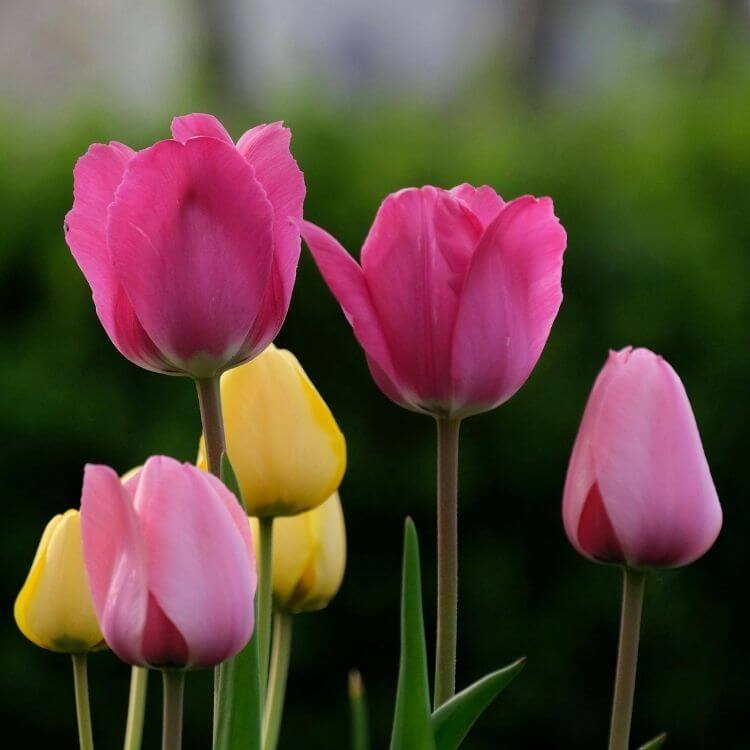
Afghanistan’s national flower is the tulip, a bright symbol of its natural beauty. These flowers bloom across valleys in spring, painting the landscape in red and pink. The tulip represents both cultural pride and the enduring spirit of the Afghan people.
2. Argentina: Ceibo
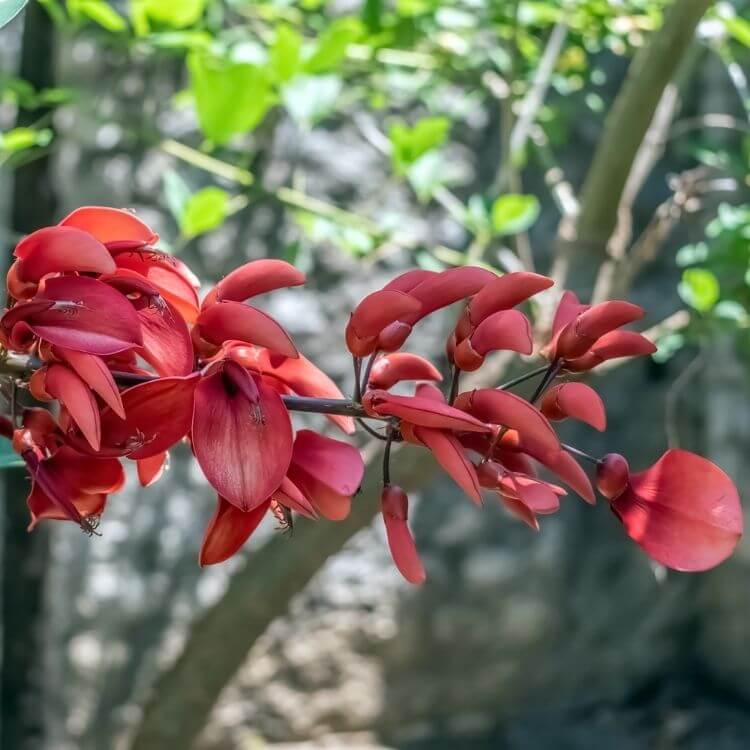
The Ceibo tree, with its striking red flowers, is Argentina’s national symbol. It stands out in forests and riversides, representing strength and beauty. This bloom is celebrated for its resilience and deep connection to local traditions.
3. Australia: Golden Wattle
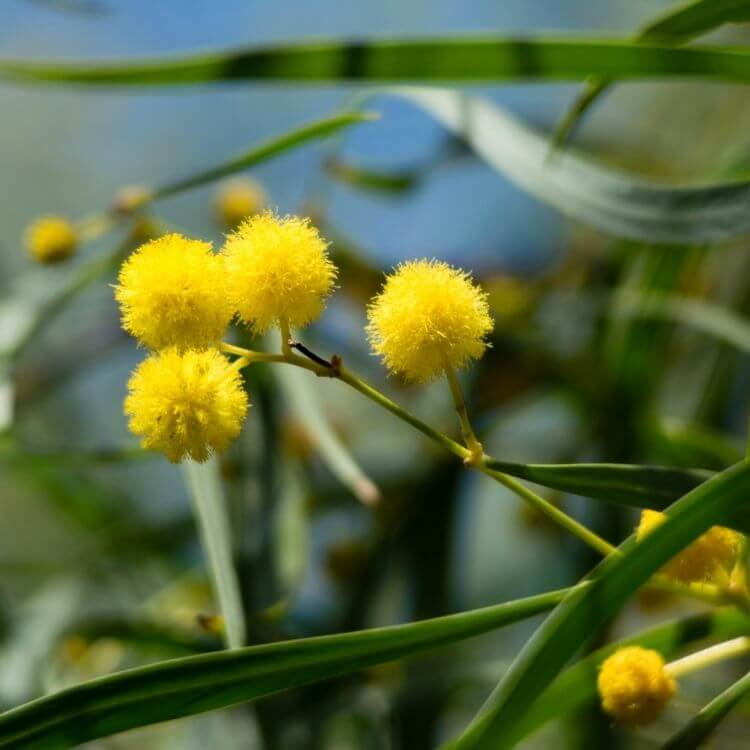
The Golden Wattle is recognized as Australia’s national flower, with its bright yellow blooms spreading cheer across the country. It is a sign of unity and represents the welcoming spirit of Australians. Each spring, its flowers remind people of renewal and hope.
4. Austria: Edelweiss
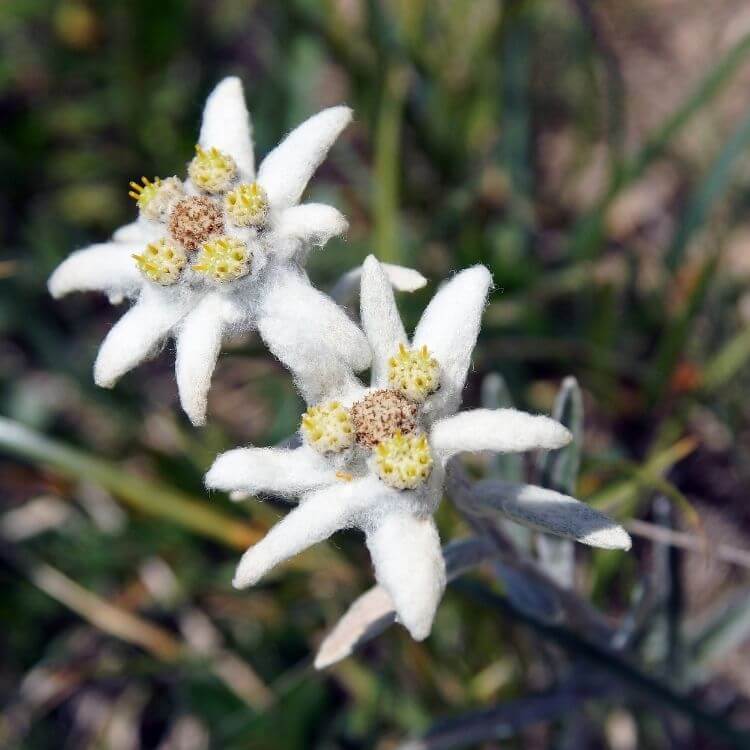
Edelweiss, with its delicate white petals, is Austria’s national flower and a symbol of rugged mountain beauty. It grows high in the Alps and represents courage and devotion. Locals admire this flower for its purity and connection to their alpine heritage.
5. Azerbaijan: Khari Bulbul
The Khari Bulbul is Azerbaijan’s national flower, known for its unique star-shaped petals. Found in rocky mountain areas, it embodies the country’s natural charm. Its rarity and delicate beauty make it a cherished national symbol.
6. Bahamas: Yellow Elder
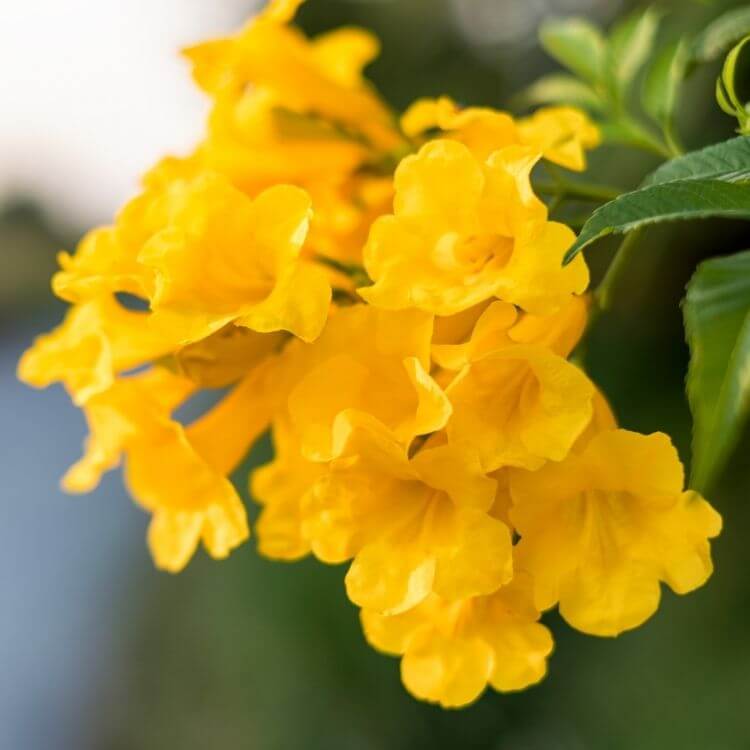
The Yellow Elder serves as the Bahamas’ national flower, with vivid yellow blooms reflecting the sun’s warmth. It grows across islands and gardens, symbolizing joy and energy. The flower is an iconic part of Bahamian landscapes and culture.
7. Bangladesh: Water Lily
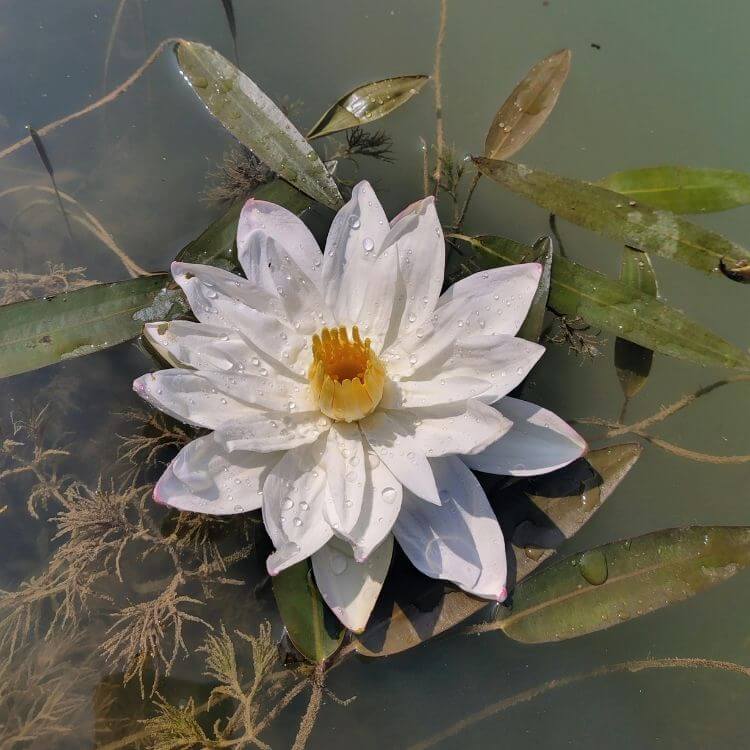
National flower of Bangladesh is the Water Lily, floating gracefully in lakes and rivers. Its soft petals mirror the country’s serene beauty and peaceful traditions. The bloom is deeply linked to Bangladeshi art, culture, and national pride.
8. Belgium: Red Poppy
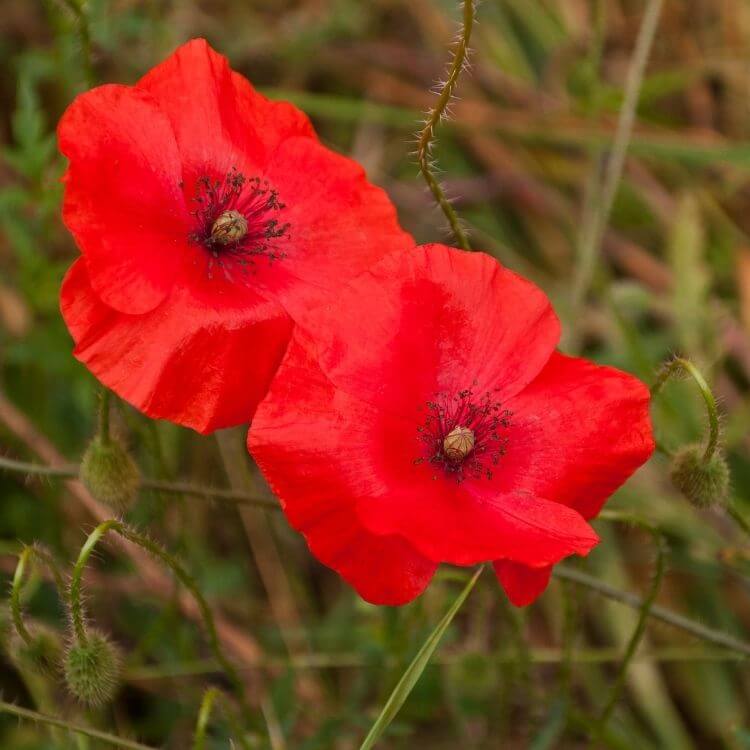
The Red Poppy is revered as a national flower in Belgium, symbolizing remembrance and resilience. Its red petals are seen across fields and ceremonies, especially remembering historic events. The flower connects Belgians to both nature and history.
9. Bhutan: Blue Poppy
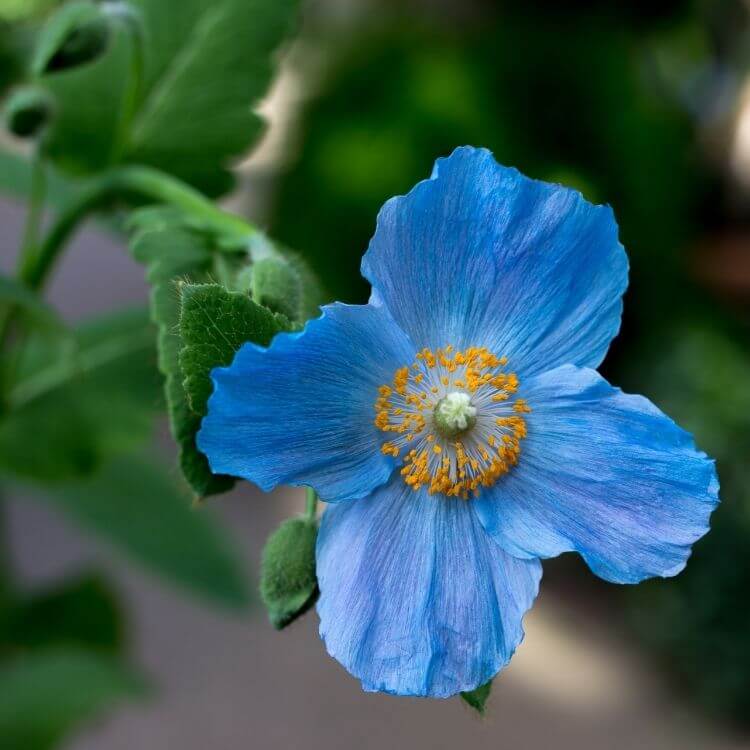
The Blue Poppy grows in Bhutan’s high-altitude regions and is its national flower. Its rare blue petals are admired for elegance and serenity. The flower represents both natural beauty and the spiritual essence of Bhutanese culture.
10. Bolivia: Kantuta & Patujú
Bolivia recognizes two national flowers, the Kantuta and Patujú. Kantuta blooms in the Andes with vibrant colors, while Patujú stands tall in tropical plains. Together, they celebrate Bolivia’s rich landscapes and diverse natural heritage.
11. Bosnia & Herzegovina: Golden Lily
The Golden Lily is Bosnia & Herzegovina’s national flower and a symbol of history and pride. Its golden petals reflect the country’s rich heritage. This flower is often seen in traditional patterns and cultural references throughout the region.
12. Botswana: Sengaparile
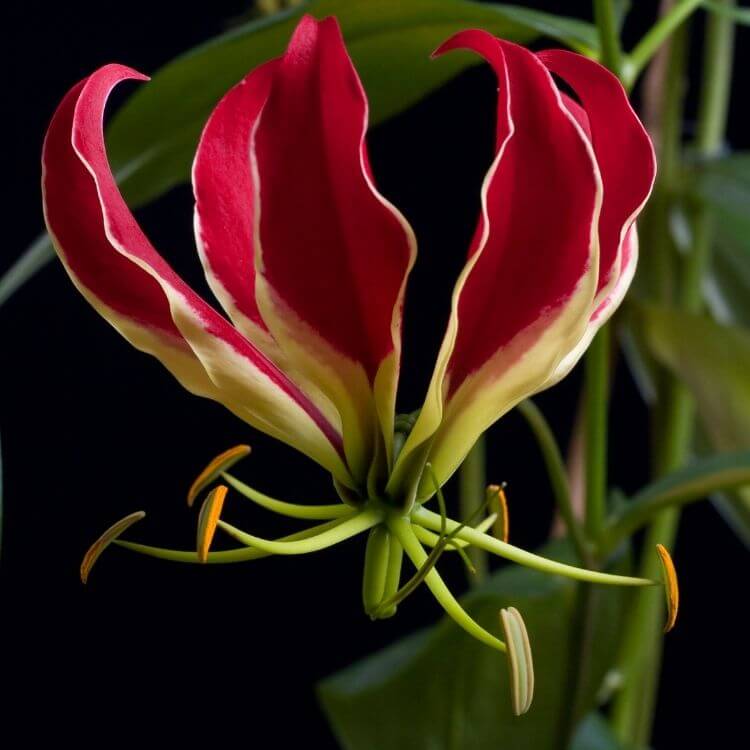
Sengaparile is recognized as Botswana’s national flower. Its striking appearance is a sign of resilience in the dry lands of the country. Locals value it as a symbol of natural beauty and national identity.
13. Brazil: Ipê-amarelo
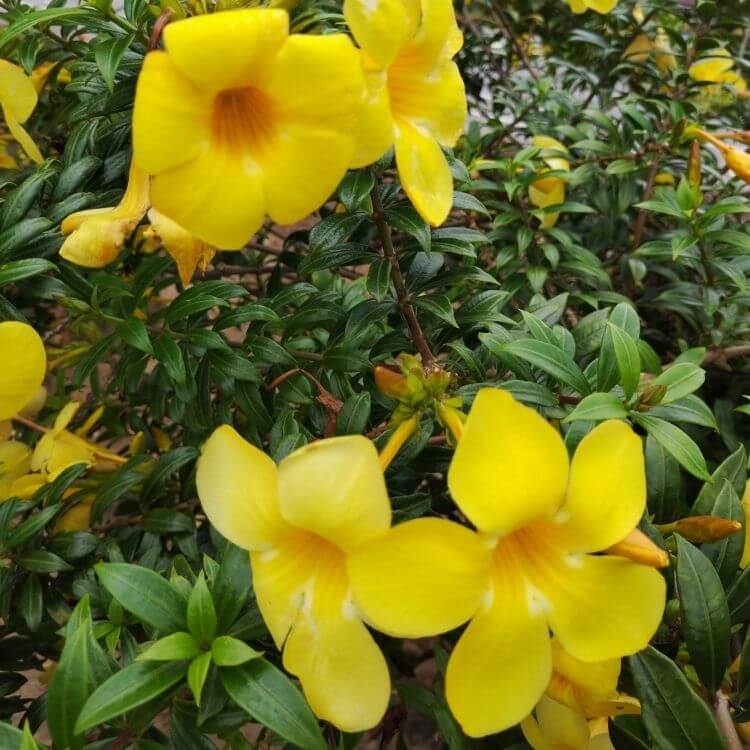
Ipê-amarelo is the national flower of Brazil. With bright yellow blossoms that light up city streets and forests. This tree’s flowers are admired for their strength and vibrant color. It reflects the energy and diversity of Brazil’s landscapes.
14. Bulgaria: Rose
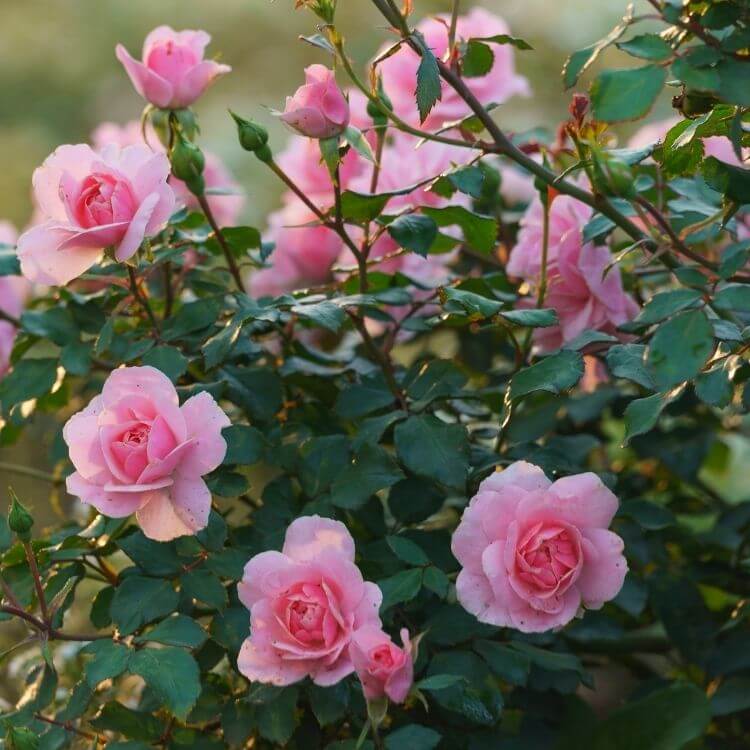
The Rose is Bulgaria’s national flower and a symbol of love and tradition. The country’s famous Rose Valley produces fragrant blooms each year. Roses are deeply connected to Bulgarian festivals and cultural heritage.
15. Cambodia: Rumdul
Rumdul is the national flower of Cambodia. It has delicate white petals and a gentle fragrance. It is a cherished symbol of purity and elegance. The flower grows in gardens and natural areas, reminding people of Cambodian tradition.
16. Canada: Maple Leaf
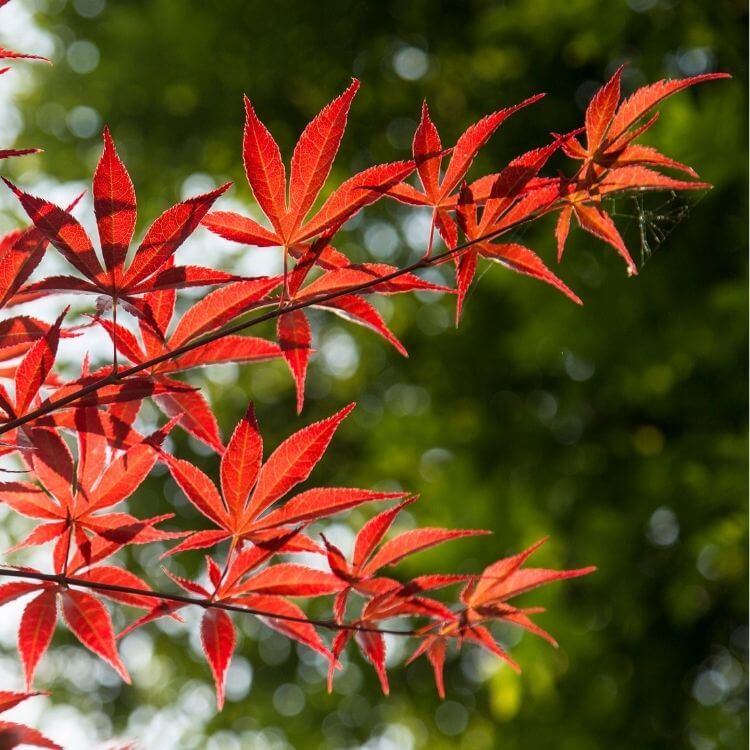
Canada’s national flower is represented by the Maple Leaf, with tiny flowers that precede its famous leaves. It symbolizes the beauty of Canadian forests and the pride of the nation. Each spring, the blooms mark the start of a new season.
17. Chile: Copihue
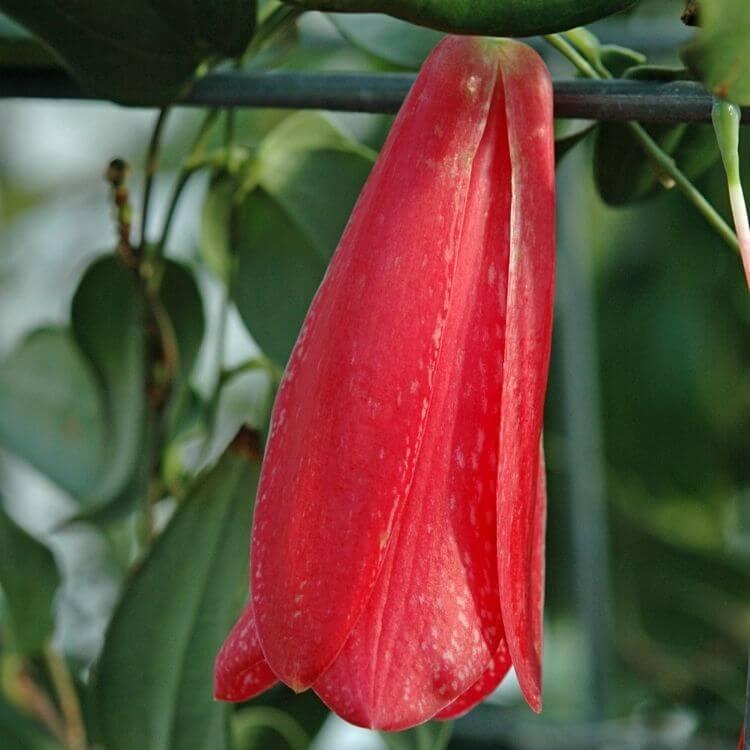
The Copihue is Chile’s national flower, with large, vibrant red blossoms. It grows in forests and represents strength and passion. Locals consider it a symbol of national identity and natural wonder.
18. China: Plum Blossom / Peony
China has two famous national flowers: the Plum Blossom and Peony. The Plum Blossom blooms in winter, symbolizing resilience, while the Peony is admired for beauty and prosperity. Both reflect China’s long cultural history.
19. Colombia: Christmas Orchid
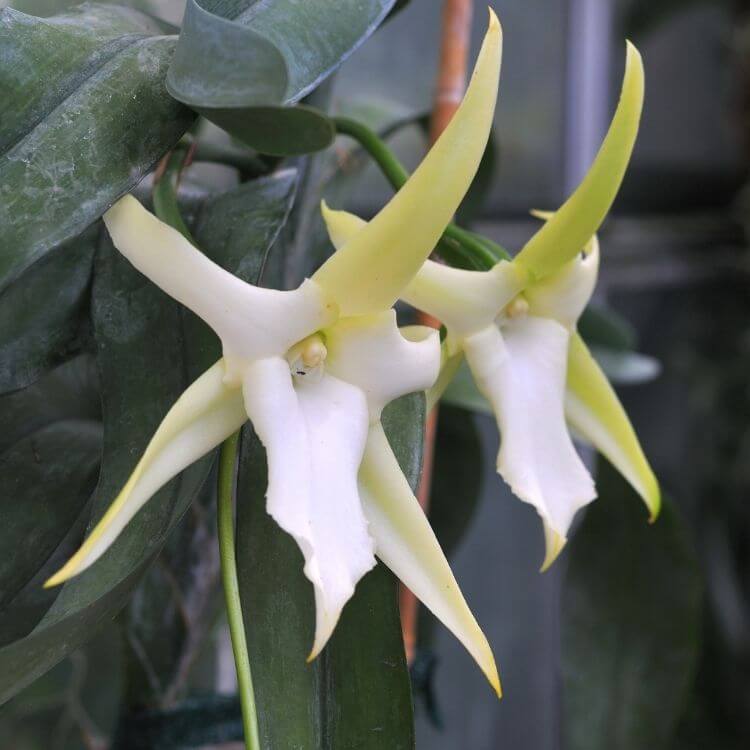
The Christmas orchid is recognized as Colombia’s national flower. This elegant bloom grows in tropical climates and showcases the country’s rich biodiversity. It represents grace and national pride in Colombian culture.
20. Costa Rica: Guaria Morada
Guaria Morada is Costa Rica’s national flower with delicate purple petals. It thrives in forests and gardens, symbolizing peace and natural beauty. The bloom is a treasured part of Costa Rican celebrations and identity.
21. Cuba: Butterfly Jasmine
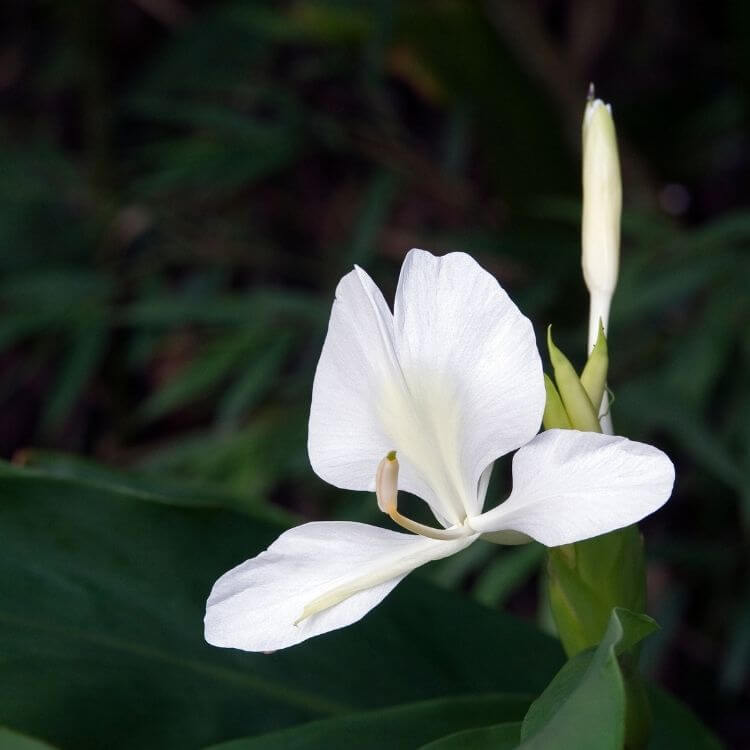
National flower of Cuba is Butterfly Jasmine. It has white, fragrant petals that float in tropical gardens. It represents purity and elegance. Cubans celebrate this flower as a symbol of their vibrant culture.
22. Cyprus: Cyprus Cyclamen
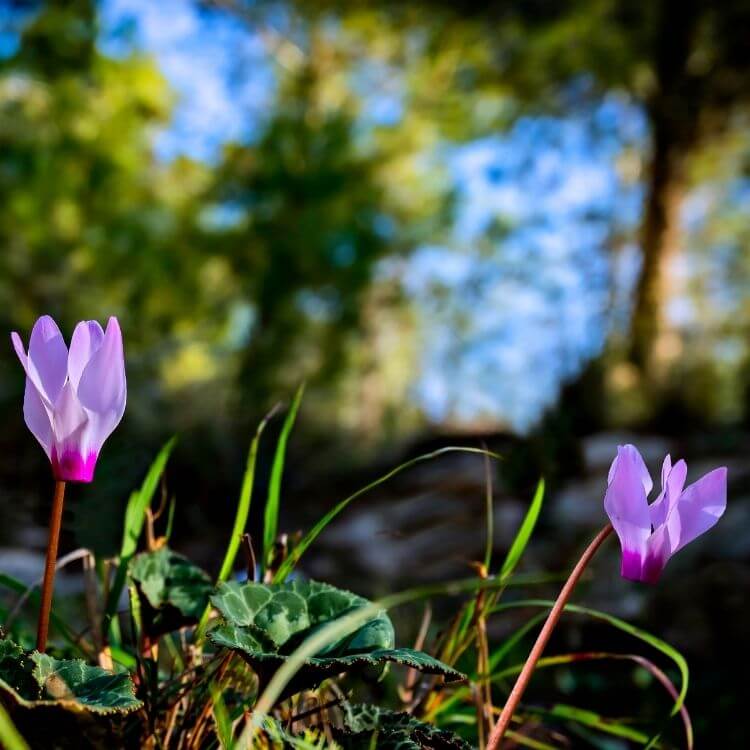
The Cyprus Cyclamen is the national flower of Cyprus, known for its pink and white blossoms. It grows in rocky areas and represents beauty and endurance. This flower is admired for its connection to the island’s heritage.
23. Denmark: Marguerite Daisy
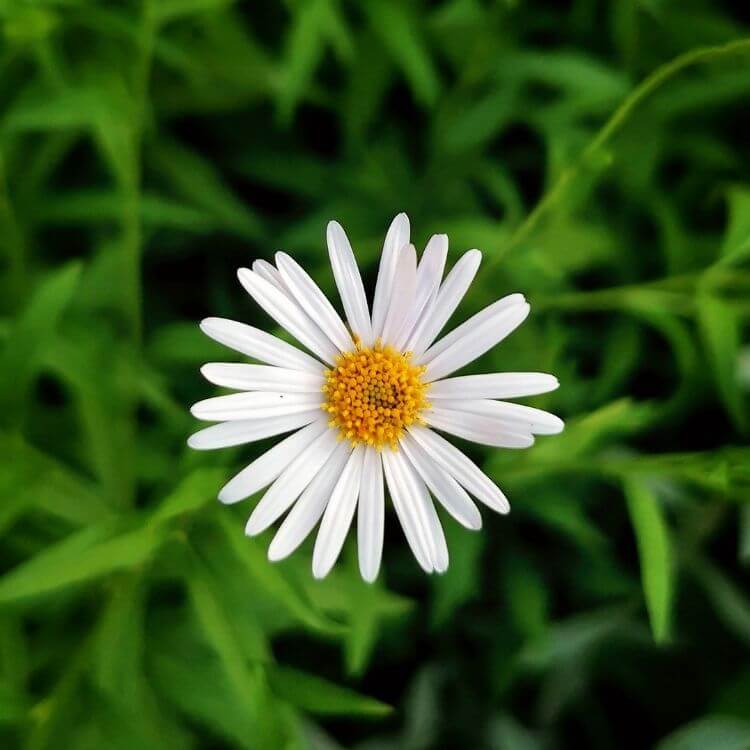
The Marguerite Daisy is Denmark’s national flower, with its cheerful white petals. It grows in fields and gardens, symbolizing simplicity and charm. The flower reflects Danish love for nature and pastoral landscapes.
24. Dominica: Carib Wood
The Carib Wood flower is Dominica’s national symbol, with unique petals representing resilience. It grows in the island’s forests and is treasured for its cultural and natural significance. Locals view it as a symbol of national pride.
25. Dominican Republic: Bayahibe Rose
The Bayahibe Rose is the national flower of the Dominican Republic. Its delicate pink petals bloom in tropical climates, symbolizing beauty and heritage. It is celebrated for its rarity and cultural importance.
26. Ecuador: Chuquiragua
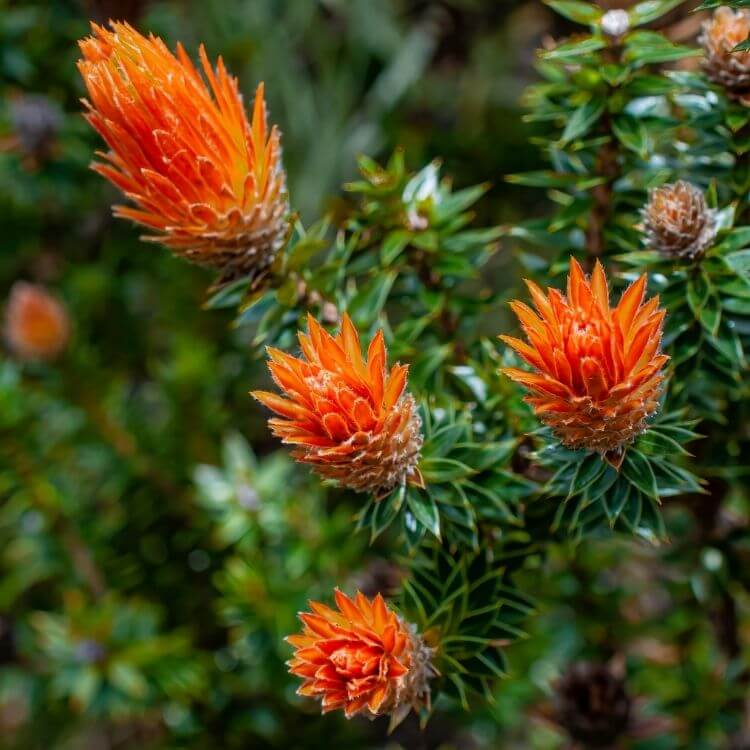
Ecuador’s national flower is the Chuquiragua. Its bright orange petals bloom in highland areas, symbolizing strength and adaptability. The flower represents Ecuador’s vibrant landscapes and traditions.
27. Egypt: Egyptian Lotus
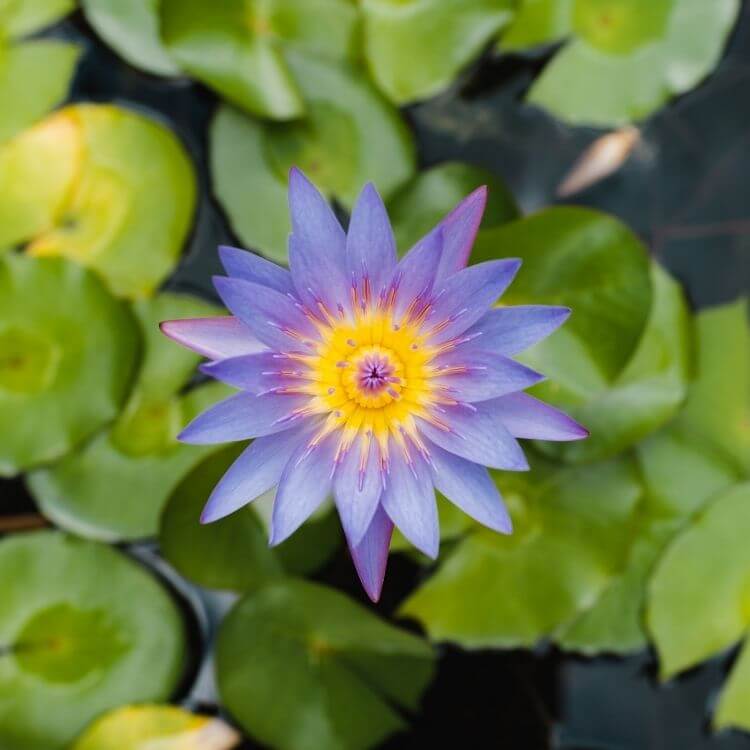
The Egyptian Lotus is Egypt’s national flower and an ancient symbol of life. It grows along the Nile and has delicate petals that represent purity and rebirth. The flower is deeply tied to Egyptian art and culture.
28. El Salvador: Flor de Izote
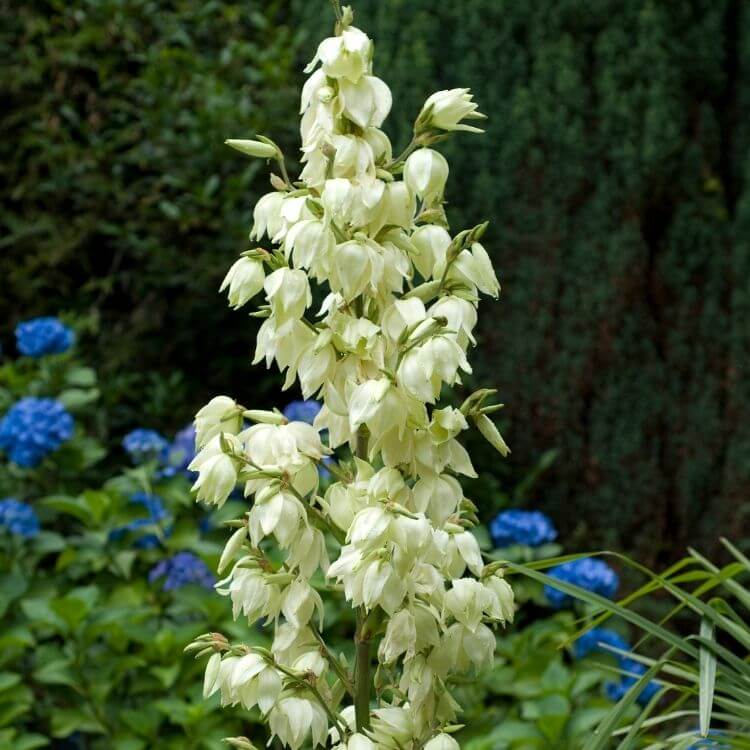
El Salvador’s national flower, the Flor de Izote, grows on tall trees with white blossoms. It symbolizes resilience and natural beauty. This flower is part of local traditions and a national emblem.
29. Estonia: Cornflower
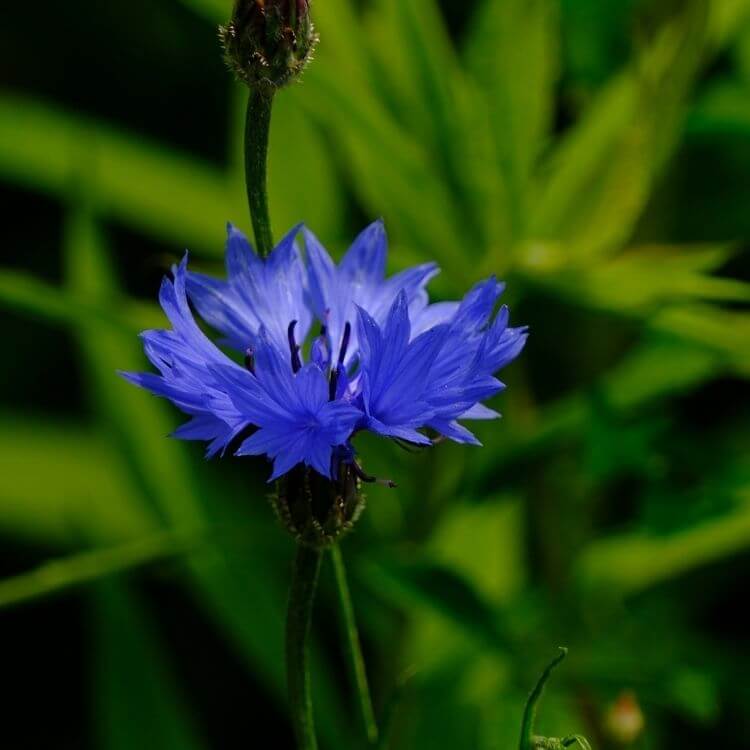
Estonia honors the Cornflower as its national flower with blue petals that dot the fields. It represents hope and national pride. The flower is a familiar sight during spring and cultural celebrations.
30. Ethiopia: Calla Lily
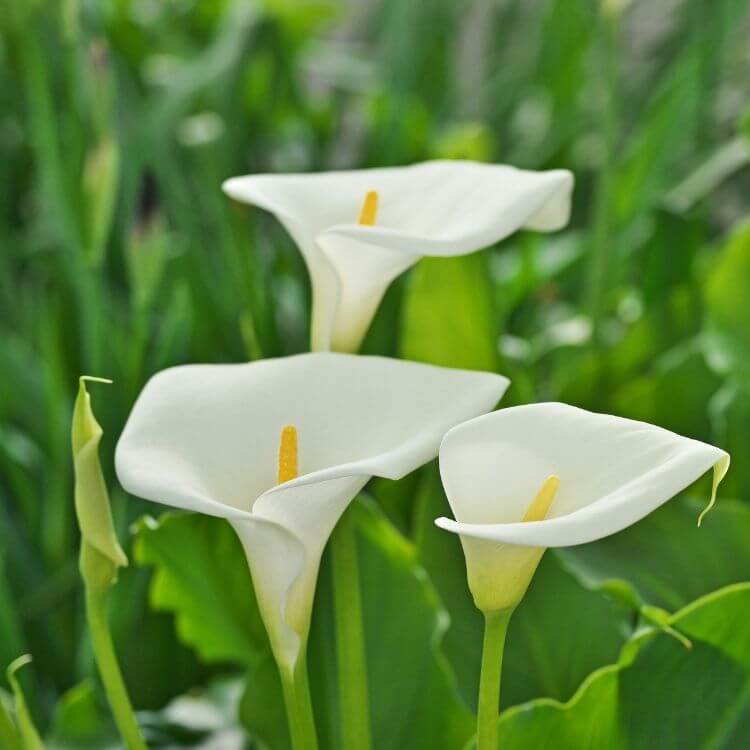
Ethiopia’s national flower is the Calla Lily, admired for its elegant white blooms. It grows in gardens and valleys, symbolizing peace and beauty. The flower is part of Ethiopia’s cultural and natural identity.
31. Finland: Lily-of-the-valley
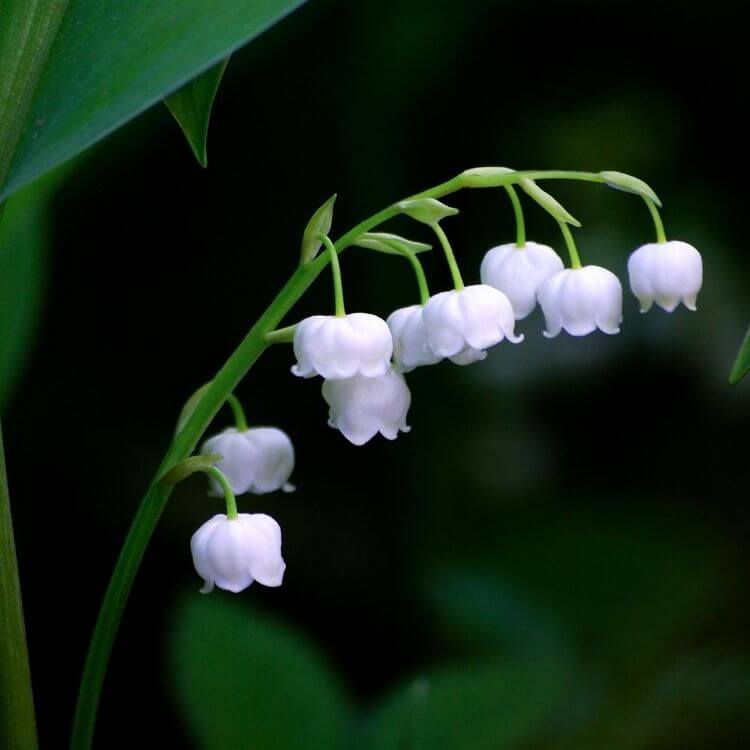
The Lily-of-the-valley is Finland’s national flower. Its small white bell-shaped flowers bloom in forests and gardens. It represents purity, modesty, and the serene beauty of Finnish nature.
32. France: Iris
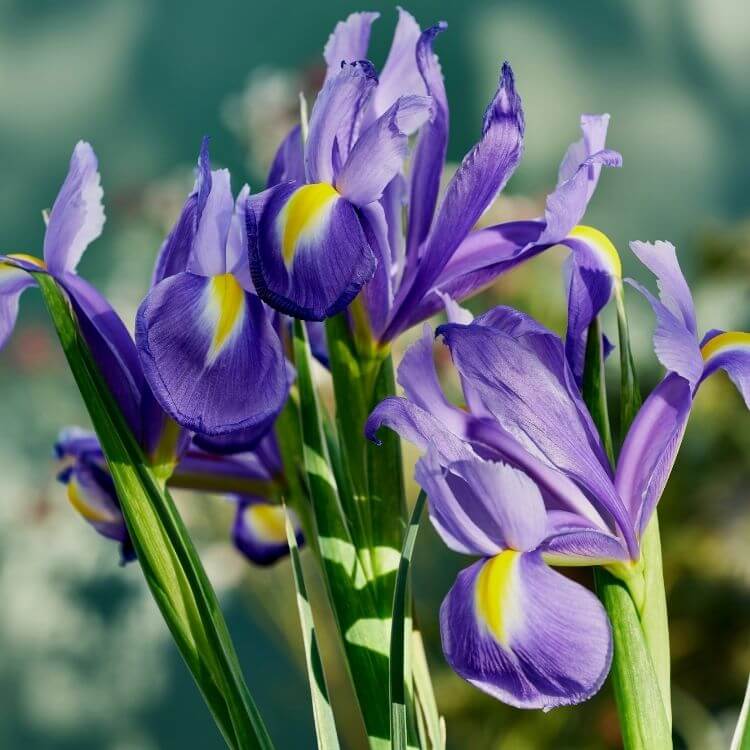
The Iris holds the distinction of being France’s national flower, famous for elegant petals in shades of blue and purple. It symbolizes power and heritage. The Iris is often connected to French art and history.
33. Gabon: African Tulip
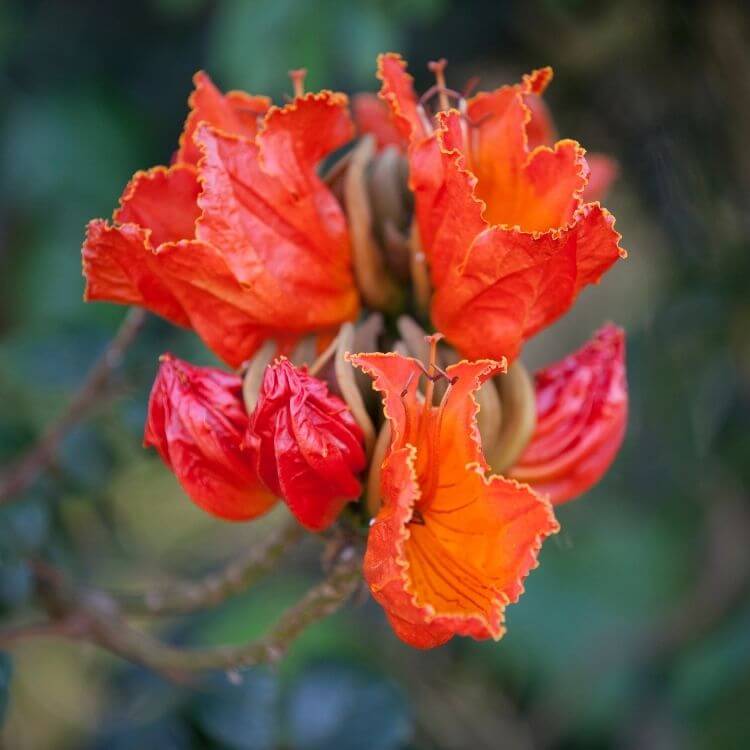
Gabon’s national flower, the African Tulip, has large orange-red blooms. It grows in tropical forests and represents vitality and natural beauty. The flower is admired for its brightness and national significance.
34. Gambia: White Orchid
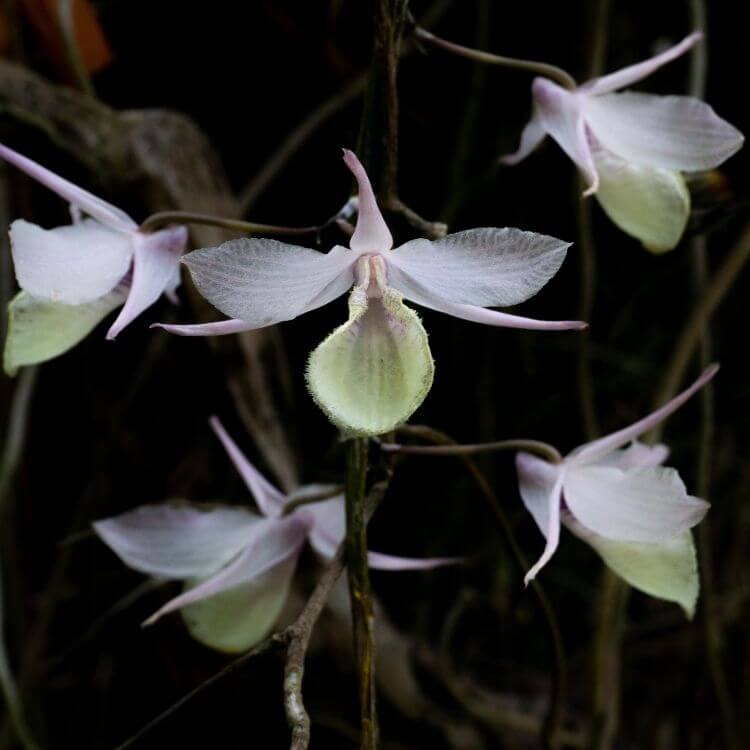
The White Orchid is the national flower of Gambia. Its pure white petals symbolize peace and elegance. This flower grows in gardens and wild areas, reflecting the country’s natural charm.
35. Georgia: Rose
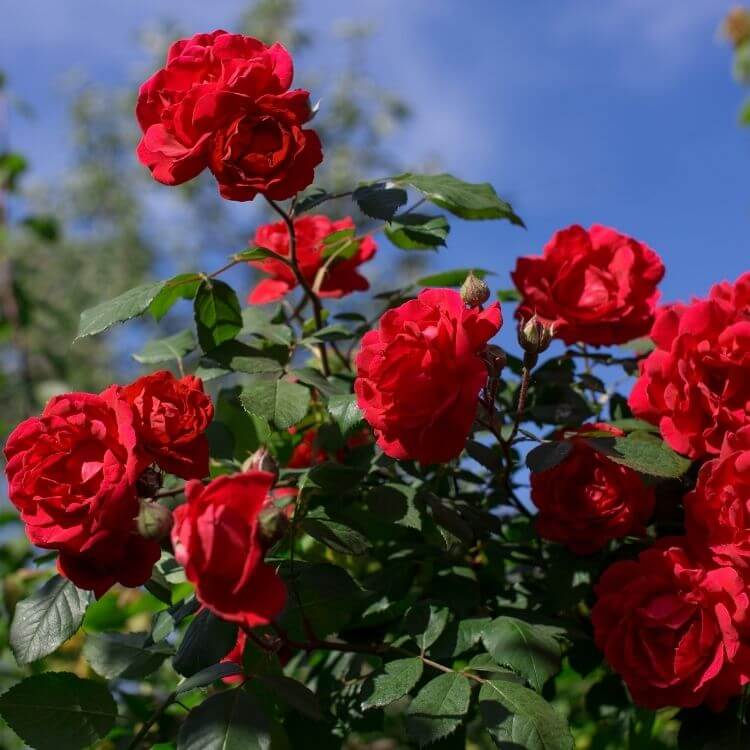
The national flower of Georgia is the Rose. This beautiful bloom has long symbolized love, strength, and national identity. In Georgian culture, the rose reflects grace and resilience, and it has appeared in art, poetry, and even historical symbols. Its elegant form represents both beauty and endurance, deeply connected to the country’s traditions and pride.
36. Germany: Cornflower
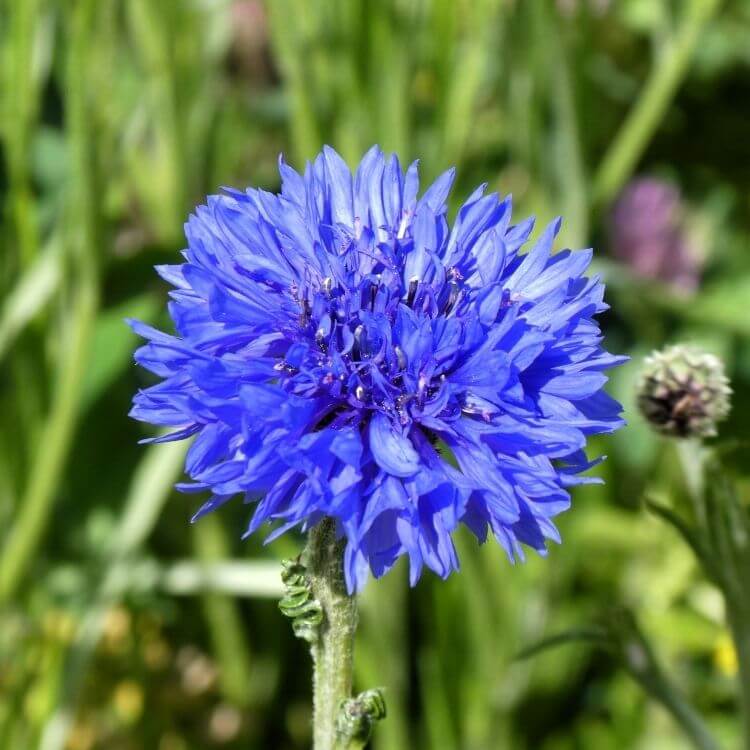
National flower of Germany is the Cornflower, known for its vivid blue petals. It grows in fields across the country and represents hope and tradition. The flower has historical significance in German culture.
37. Greece: Bear’s Breech
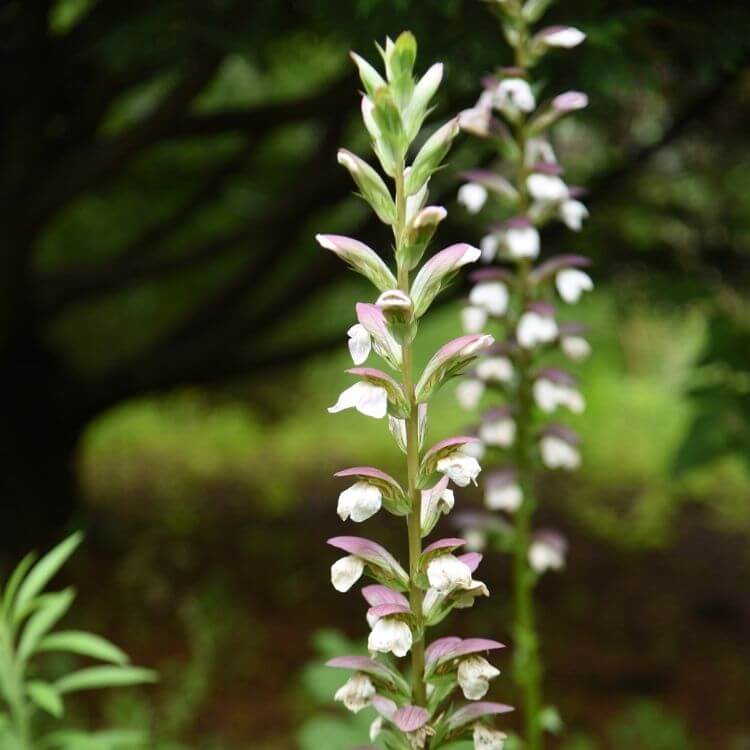
The Bear’s Breech is Greece’s national flower with striking green leaves and tall flower spikes. It symbolizes resilience and natural beauty. The flower is often found in traditional Greek landscapes.
38. Grenada: Bougainvillea
The national flower of Grenada is the vibrant Bougainvillea. Its bright pink blooms flourish in tropical gardens, symbolizing joy and color. The flower reflects the island’s warm climate and lively culture.
39. Guatemala: White Nun Orchid
The White Nun Orchid is Guatemala’s national flower. Its elegant white petals grow in forests and gardens, representing beauty and peace. The bloom is cherished in local traditions and celebrations.
40. Haiti: Hibiscus
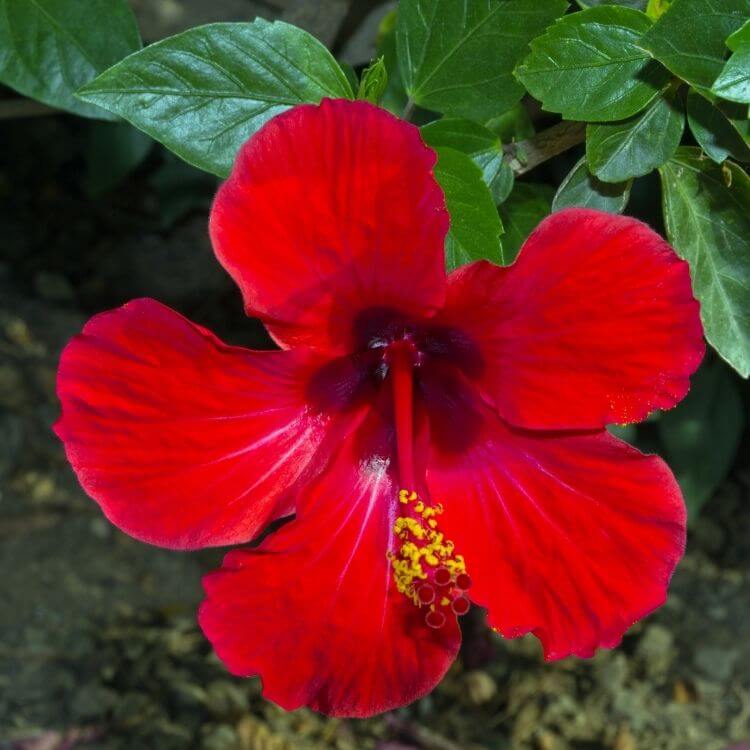
National flower of Haiti is the vibrant and graceful Hibiscus. Its bright red or pink petals thrive in tropical conditions, symbolizing strength and vitality. The flower is an important part of Haitian gardens and identity.
41. Honduras: Rhyncholaelia digbyana
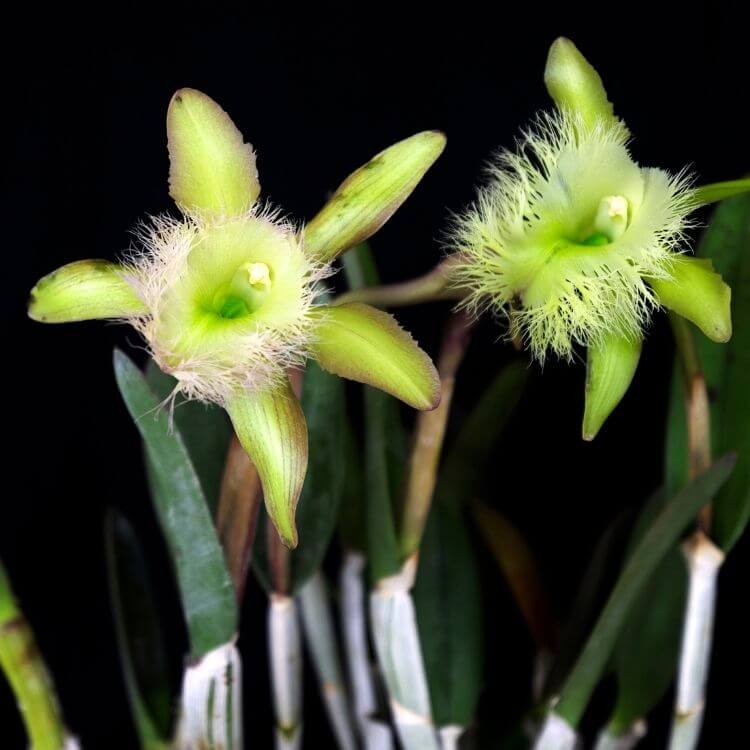
Honduras’ national flower, Rhyncholaelia digbyana, is a rare orchid with creamy white petals. It represents elegance and cultural pride. Locals view this bloom as a symbol of natural heritage.
42. Hungary: Tulip
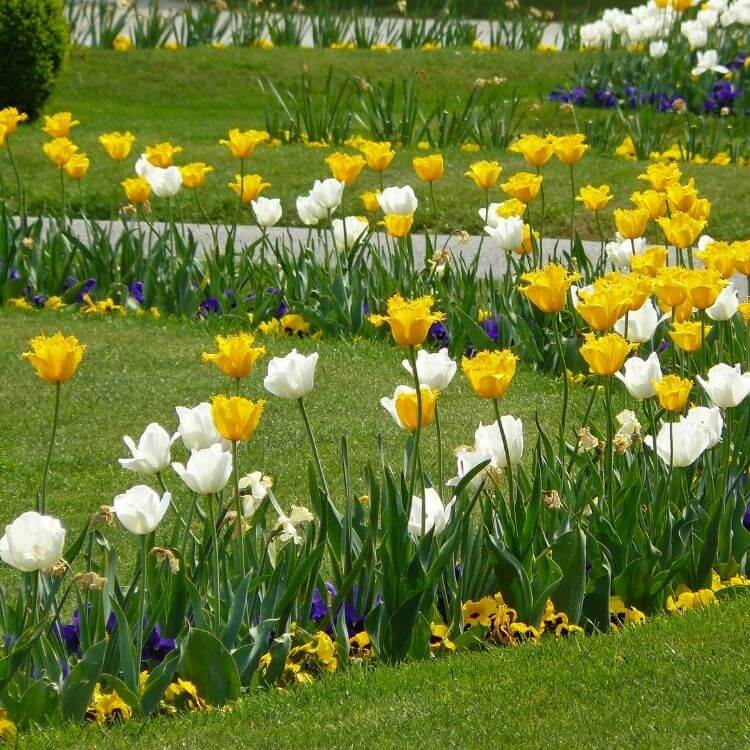
The Tulip is national flower of Hungary. Admired for its bold colors and variety. It grows across gardens and parks, symbolizing beauty and tradition. The flower is celebrated in Hungarian festivals each spring.
43. Iceland: Mountain Avens
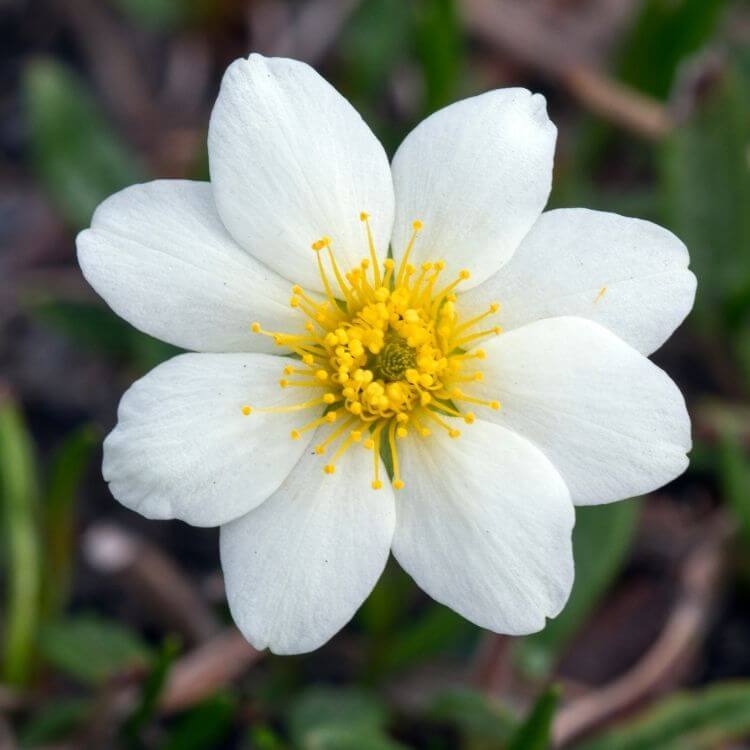
The Mountain Avens represents Iceland as its official national flower. Its white blooms thrive in rugged landscapes, symbolizing endurance and purity. The flower reflects the simplicity and strength of Icelandic nature.
44. India: Lotus
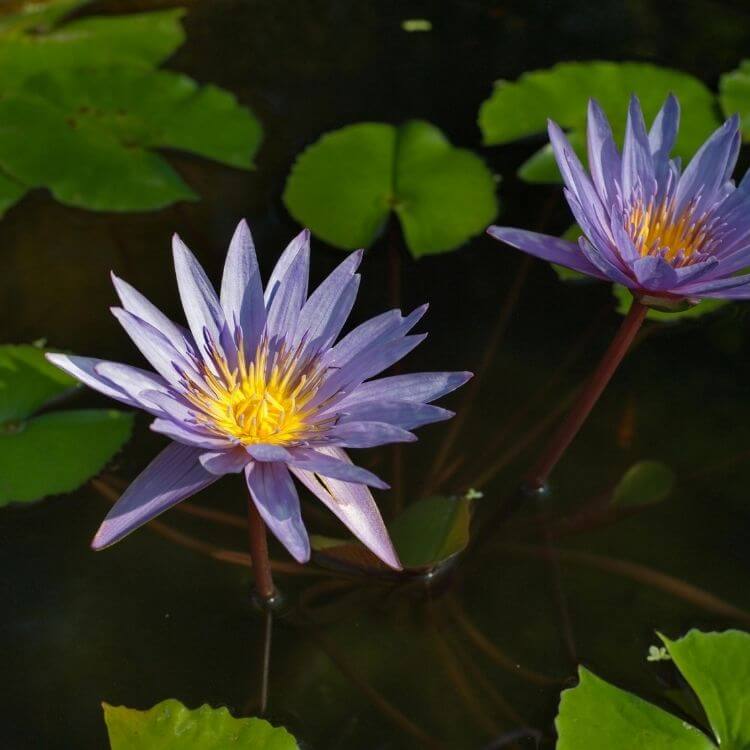
National flower of India is the Lotus. Floats gracefully in lakes and ponds. Its pink petals symbolize purity and spiritual beauty. The flower is deeply woven into Indian culture, art, and history.
45. Indonesia: Jasmine, Moon Orchid, Padma
Indonesia has three national flowers: Jasmine, Moon Orchid, and Padma. Jasmine represents purity, Moon Orchid symbolizes beauty, and Padma reflects spiritual significance. Together, they celebrate Indonesia’s diversity and heritage.
46. Iran: Damask Rose
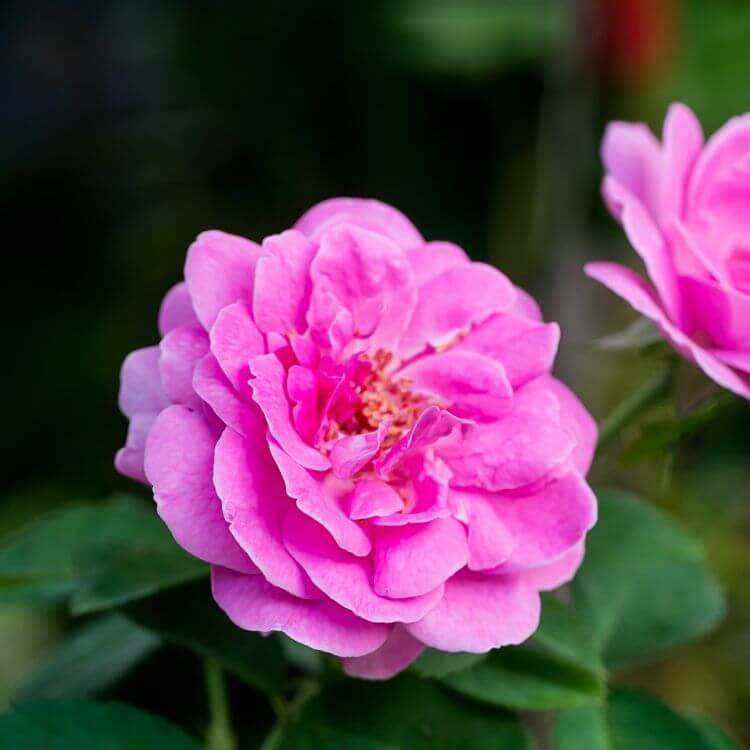
The fragrant Damask Rose blooms as Iran’s national flower. Its fragrant pink blooms are grown in gardens and valleys. The flower is valued for beauty, history, and its role in traditional culture.
47. Iraq: Rose
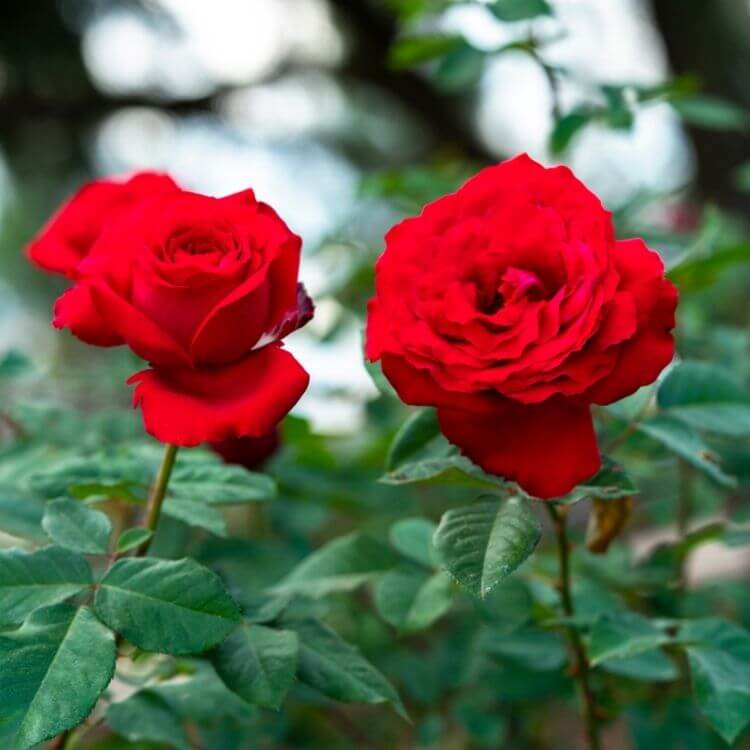
The Rose is Iraq’s national flower, admired for its classic beauty. It grows in gardens and symbolic spaces. This flower represents elegance and is tied to cultural heritage.
48. Ireland: Shamrock
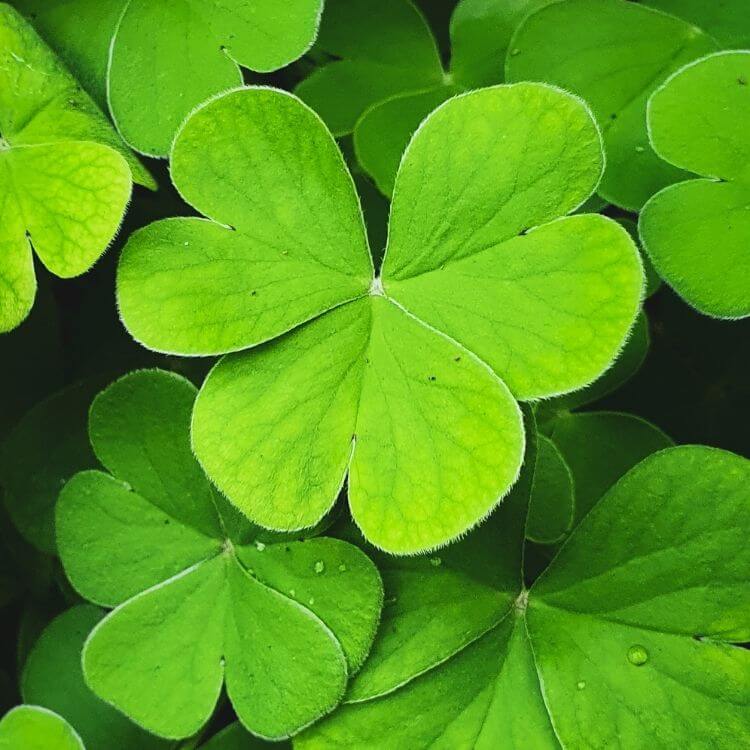
Ireland’s national flower, the Shamrock, has small green leaves. It symbolizes luck, faith, and Irish identity. The plant is widely recognized as a cultural emblem across the country.
49. Italy: White Lily
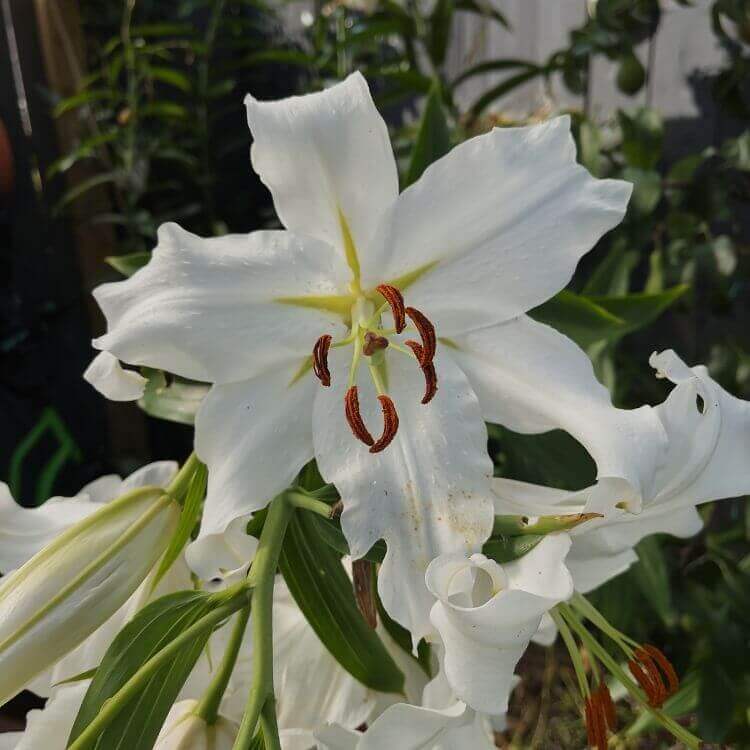
The White Lily has been chosen to symbolize Italy as its national flower. Its pure petals symbolize virtue and tradition. The flower has appeared in art and literature throughout Italian history.
50. Jamaica: Lignum Vitae
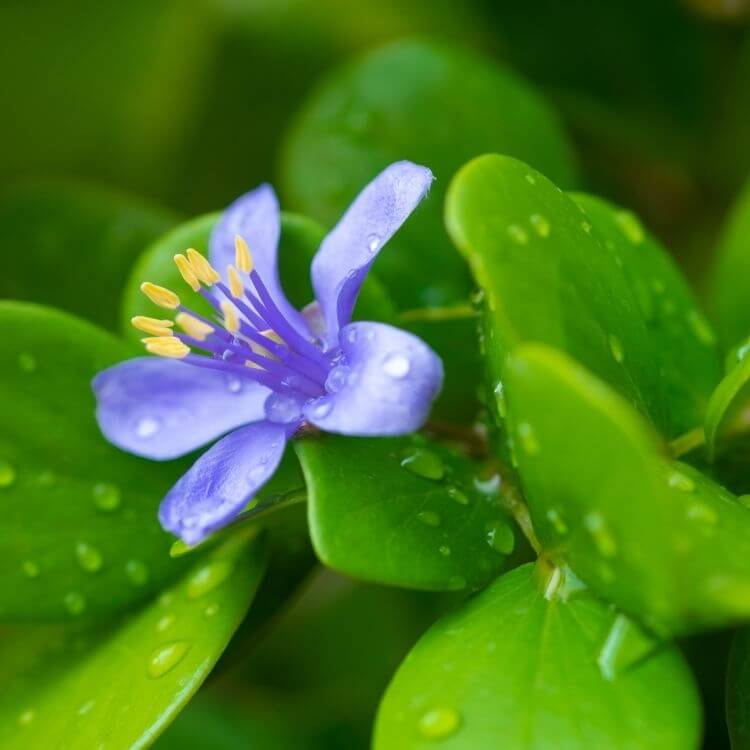
National flower of Jamaica is the Lignum Vitae, with bright yellow petals. It grows in tropical forests and symbolizes strength and beauty. The flower reflects Jamaica’s rich natural heritage.
51. Japan: Cherry Blossom & Chrysanthemum
Japan has two national flowers: the Cherry Blossom and Chrysanthemum. Cherry Blossoms bloom briefly in spring, symbolizing the fleeting beauty of life. Chrysanthemums represent longevity and imperial tradition.
52. Jordan: Black Iris
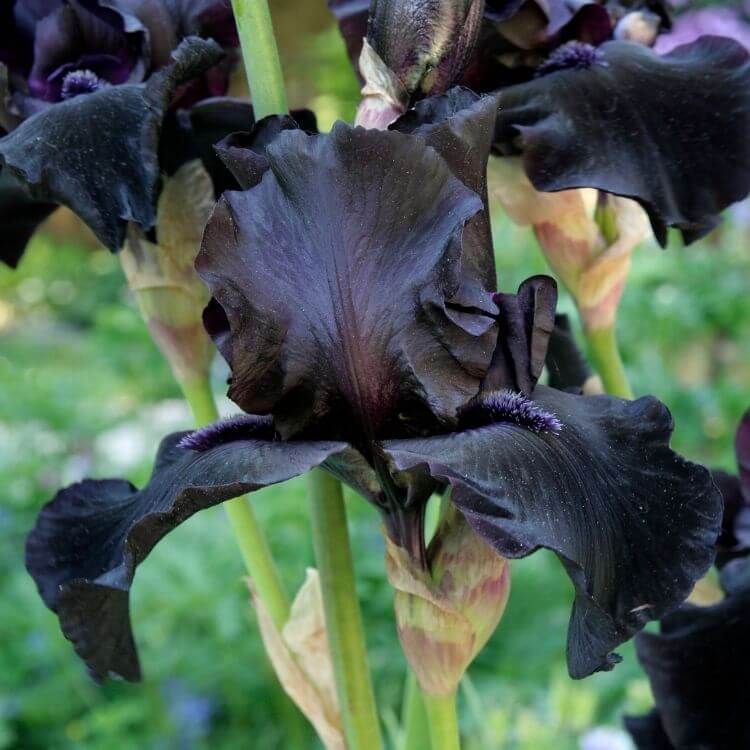
The Black Iris has been chosen to represent Jordan as its national flower. Its deep purple petals grow in highland areas. The flower symbolizes resilience and beauty in the country’s landscapes.
53. Kazakhstan: None
Kazakhstan does not officially have a national flower. However, wild blooms like tulips and native orchids are admired in cultural and natural contexts. Flowers are still part of local traditions.
54. Kenya: Orchid
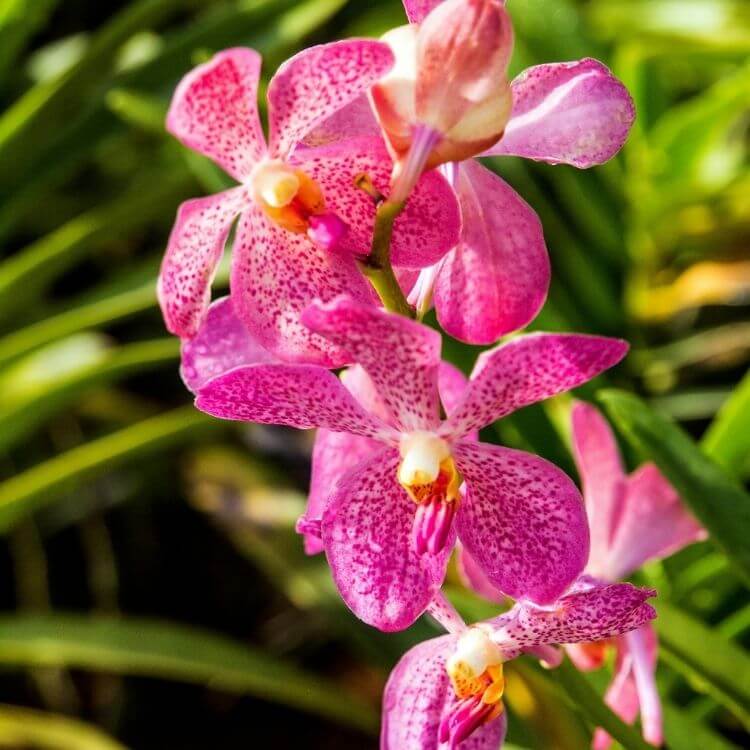
Kenya has variety of native orchids as its national symbol. Their exotic shapes and colors reflect the country’s biodiversity. Orchids are admired in gardens and national parks.
55. Kuwait: Arfaj
The Arfaj, Kuwait’s national flower, has yellow blossoms. It grows in arid areas and symbolizes endurance and beauty. The flower is part of Kuwait’s cultural and natural identity. It blooms in spring and is well adapted to Kuwait’s dry desert climate.
56. Kyrgyzstan: Aigul (Moon Flower)
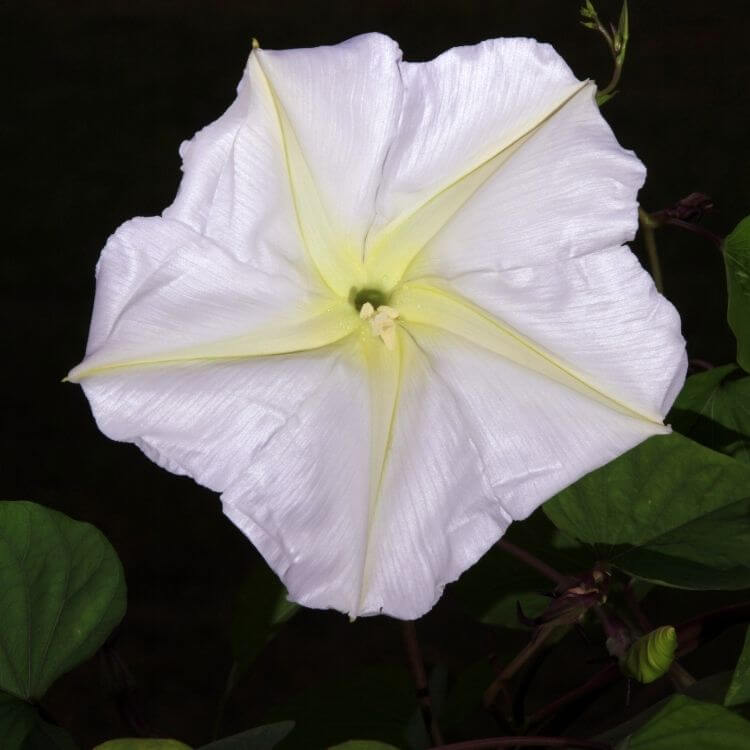
Kyrgyzstan’s national flower is the elegant Aigul, popularly known as the Moon Flower. Its pale petals bloom at night, representing purity and serenity. The flower is admired for its unique beauty across the country.
57. Lebanon: Lebanon Cyclamen
National flower of Lebanon is the Cyclamen. Has pink petals with delicate patterns. It grows in mountainous areas and symbolizes grace and resilience. The bloom is linked to Lebanese cultural identity.
58. Luxembourg: Rose
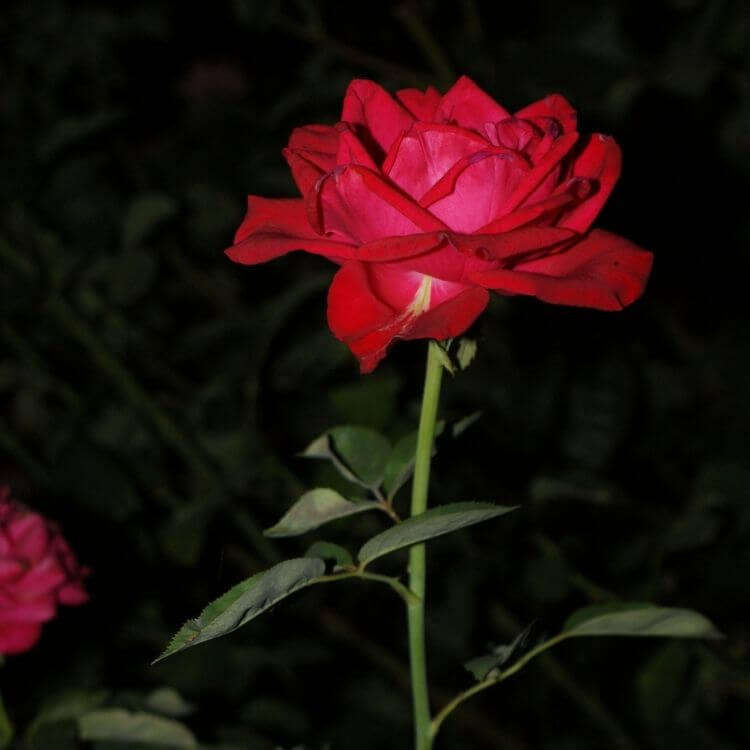
The Rose is Luxembourg’s national flower, admired for its elegance and charm. Its colorful petals thrive in gardens and parks. The flower represents beauty, tradition, and national pride.
59. Madagascar: Poinciana
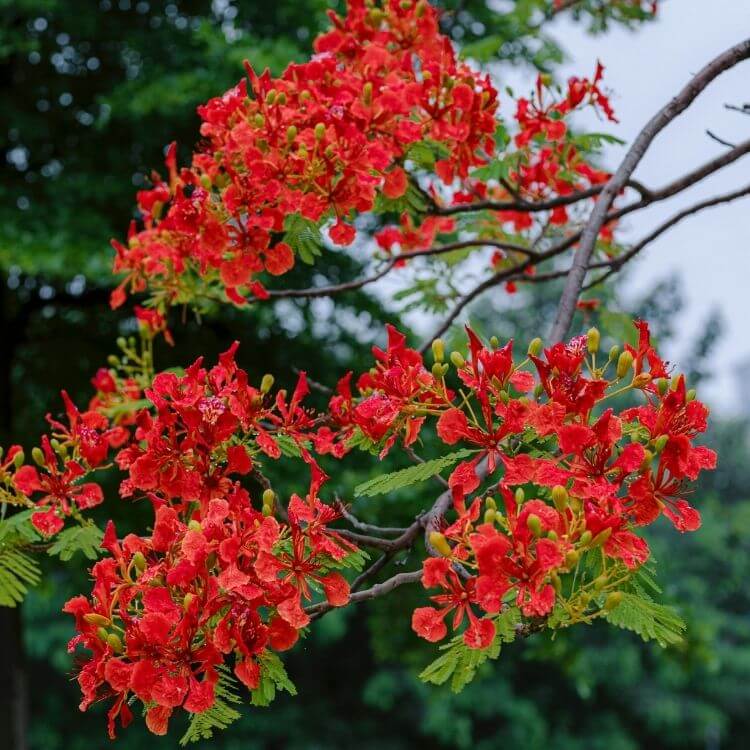
Madagascar honors the Poinciana with fiery red-orange blossoms. It thrives in tropical regions and symbolizes vibrancy and life. The flower is a vivid part of Madagascar’s natural beauty.
60. Malaysia: Hibiscus
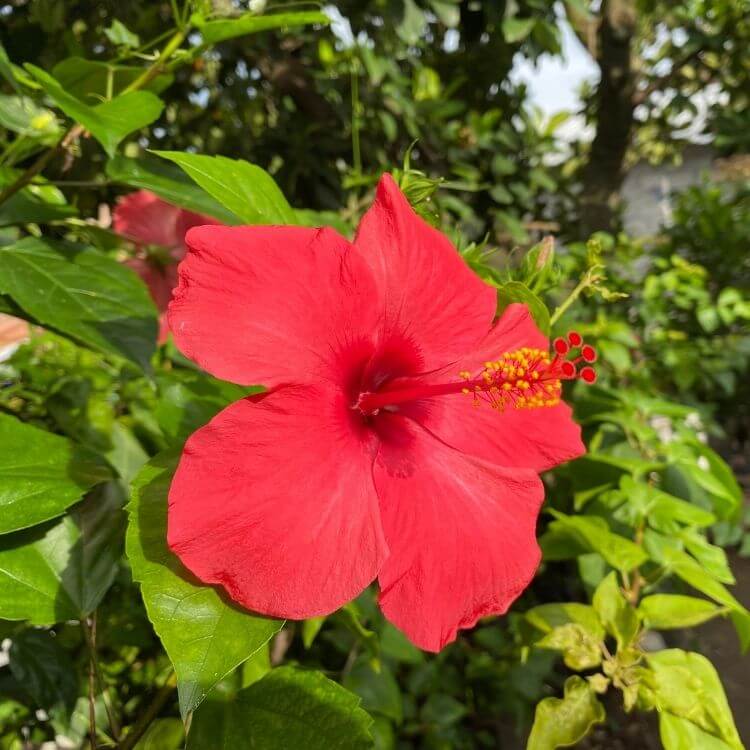
Malaysia’s national flower, the Hibiscus, has bright red petals. It represents courage and vitality. The bloom is widely planted across the country and is celebrated in national ceremonies.
61. Maldives: Pink Rose
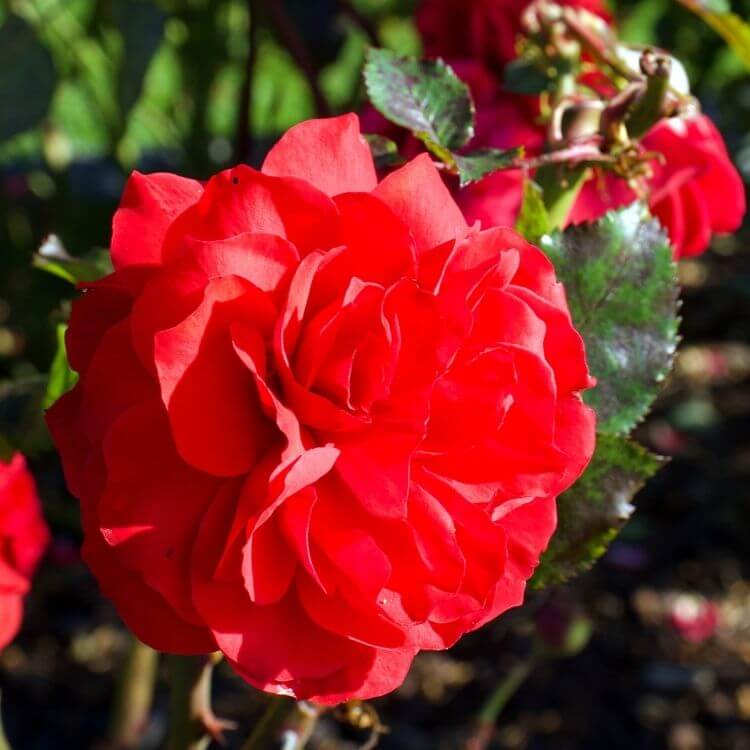
The Pink Rose is the Maldives’ national flower. Its soft pink-red petals reflect beauty and serenity. The flower is treasured in local gardens and cultural symbolism.
62. Malta: Maltese Centaury
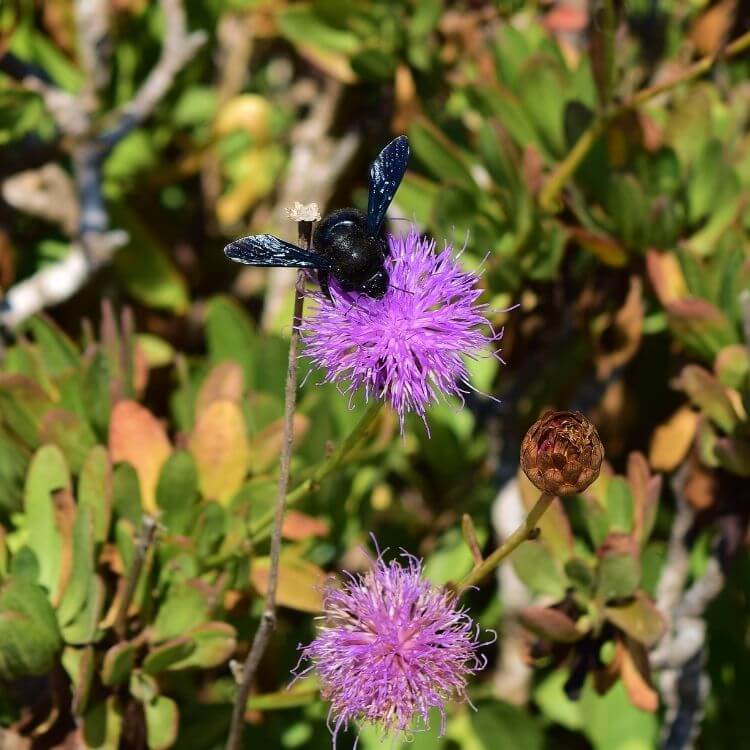
Malta’s national flower is the charming Maltese Centaury. Its small pink blooms grow in rocky terrains and symbolize resilience. The flower reflects Malta’s unique landscapes.
63. Mexico: Dahlia
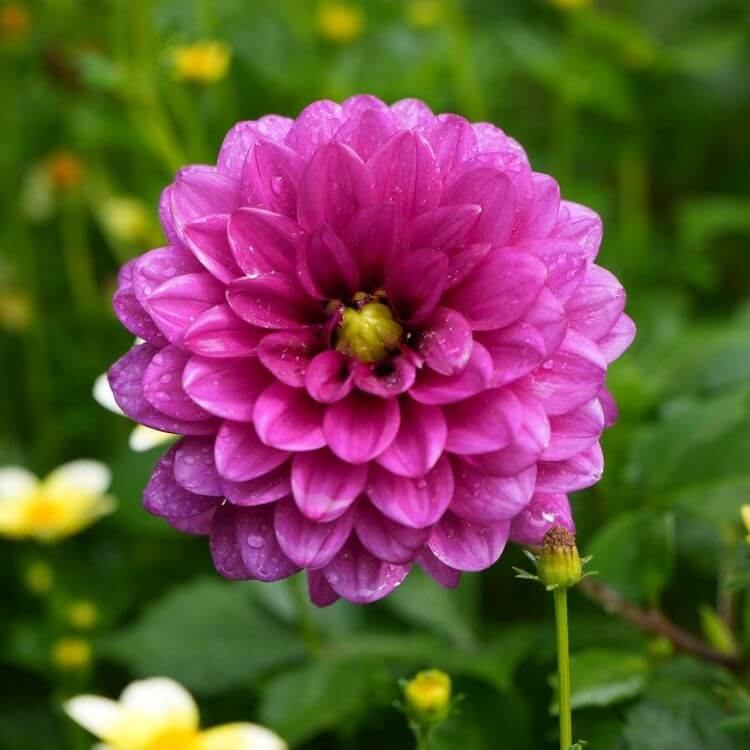
Mexico’s national flower, the Dahlia, has vibrant petals in various colors. It thrives in gardens and symbolizes elegance and cultural richness. The bloom is featured in festivals and traditional art.
64. Mongolia: Scabiosa comosa
Mongolia celebrates the Scabiosa comosa as its national flower. Its delicate petals bloom in open fields, representing purity and simplicity. The flower reflects Mongolia’s vast landscapes.
65. Morocco: Damask Rose
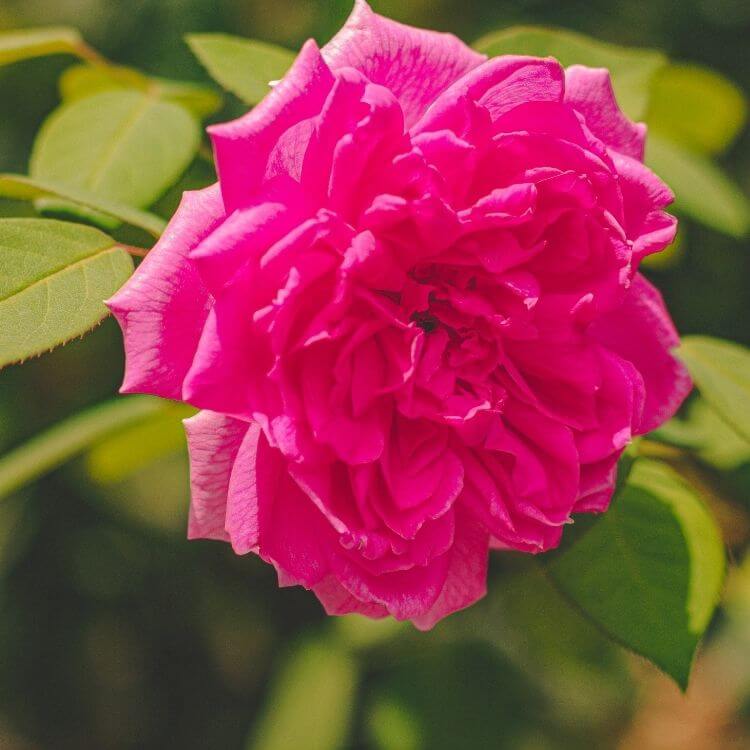
Morocco honors the Damask Rose as its national flower. Its fragrant blooms grow in valleys and gardens. Roses are celebrated in festivals and are part of the country’s cultural heritage.
66. Myanmar: Padauk
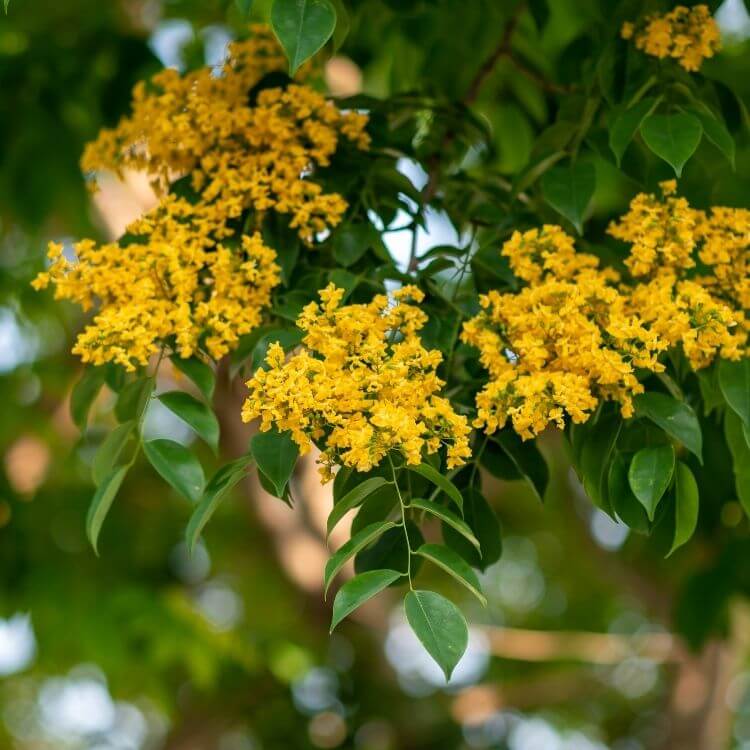
National flower of Myanmar is the Padauk blooms. with bright yellow petals in spring. It symbolizes strength and renewal. The flower is widely admired in local traditions and festivals.
67. Namibia: Welwitschia
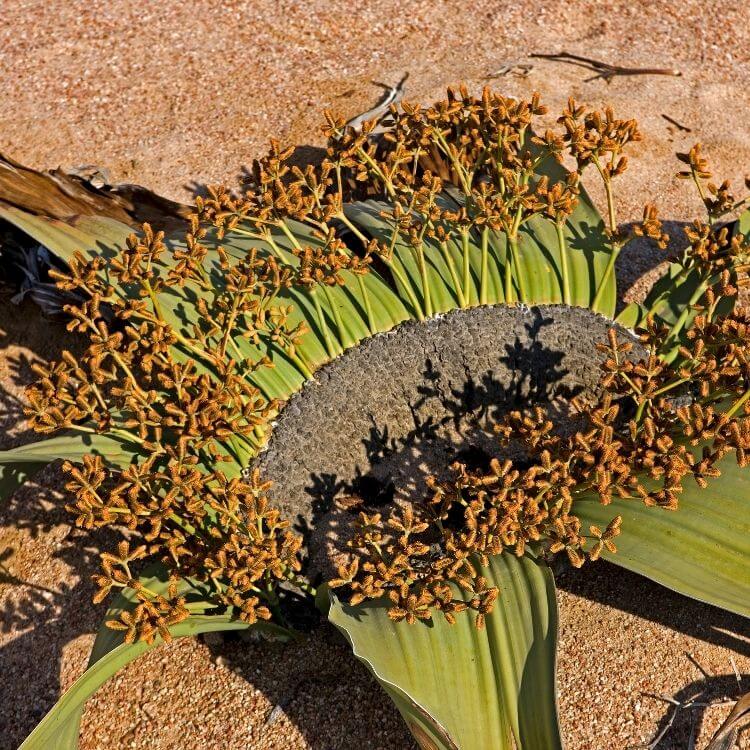
Namibia celebrates the Welwitschia as its national flower. This unique plant grows in deserts and can live for centuries. It represents resilience and the harsh beauty of Namibia’s environment.
68. Nepal: Tree Rhododendron
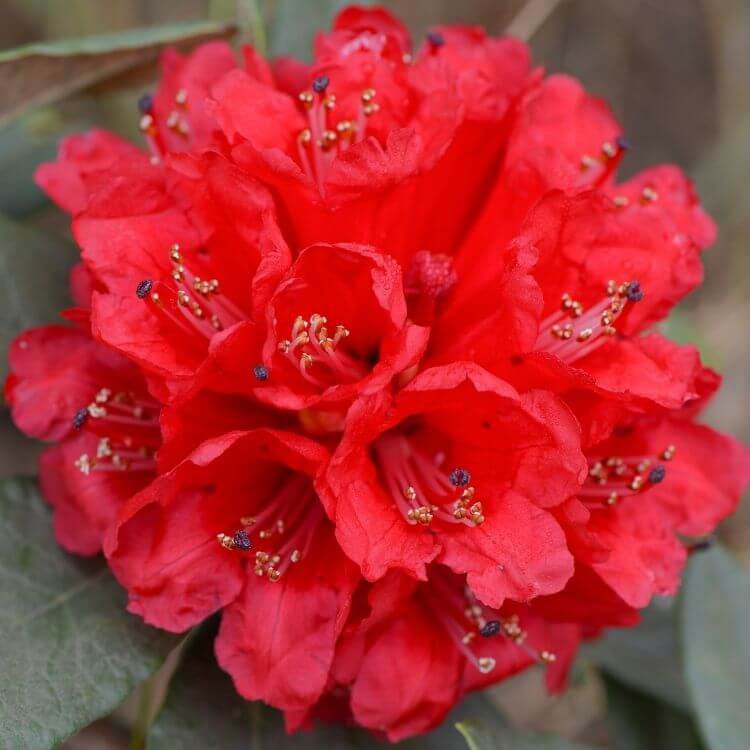
The Tree Rhododendron, with its striking red flowers, stands as Nepal’s official floral emblem. It thrives in mountainous regions and represents natural beauty and national pride. The flower is part of local festivals and traditions.
69. Netherlands: Daisy
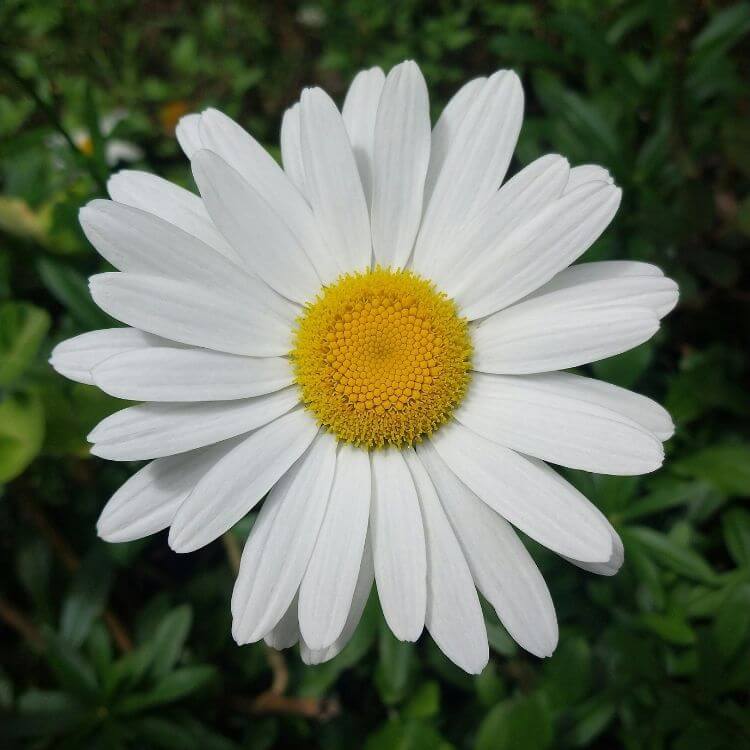
The Daisy is the Netherlands’ national flower, known for its white petals with yellow centers. It grows in fields and gardens, symbolizing simplicity and cheerfulness. The flower is part of Dutch cultural identity.
70. New Zealand: Kōwhai
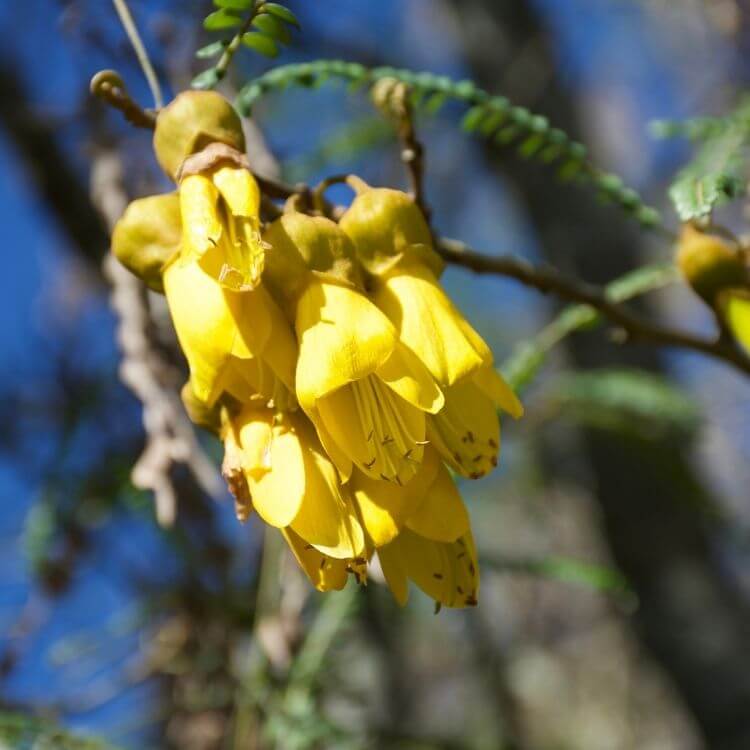
New Zealand celebrates the Kōwhai as its national flower. Its bright yellow blossoms appear in spring and symbolize resilience and beauty. The flower is common in forests and gardens across the country.
71. Nicaragua: Sacuanjoche
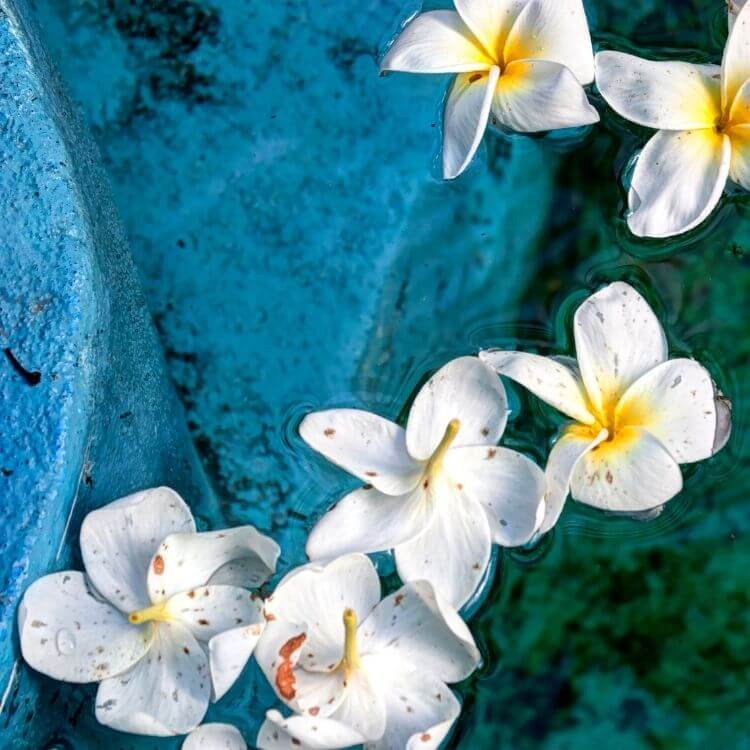
Nicaragua’s national flower, Sacuanjoche, has delicate white petals and a soft fragrance. It represents peace and national pride. The bloom is cherished in gardens and cultural celebrations.
72. Nigeria: Yellow Trumpet
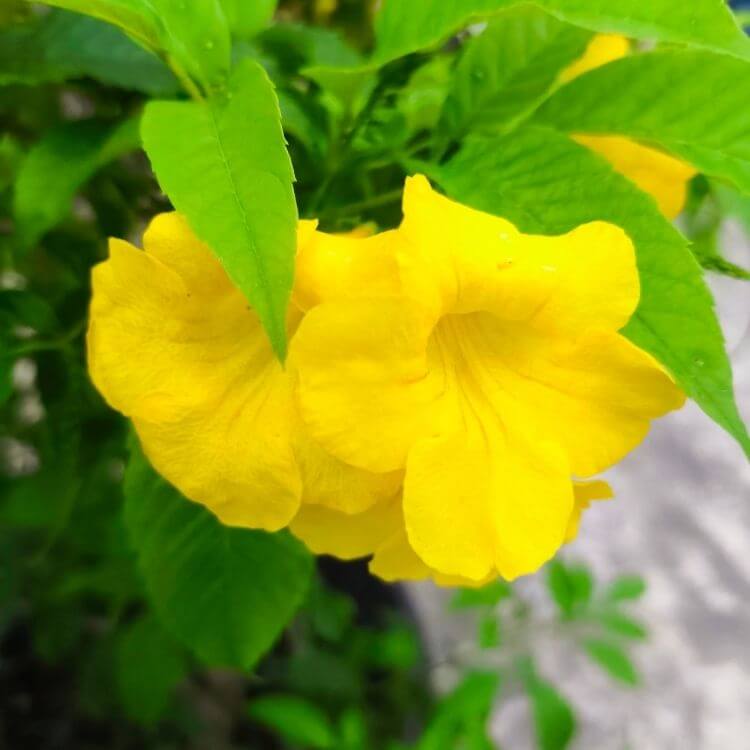
Nigeria’s national flower is the bright and striking Yellow Trumpet. Its yellow blooms flourish in tropical climates. The flower symbolizes vitality and the rich natural beauty of the country.
73. North Korea: Korean Magnolia
North Korea’s national flower, the Korean Magnolia, has white blossoms with a soft fragrance. It represents purity, dignity, and national pride. The flower is widely celebrated in gardens and cultural symbolism.
74. Norway: Pyramidal Saxifrage / Purple Heather
Norway recognizes the Pyramidal Saxifrage and Purple Heather as national flowers. Saxifrage blooms in alpine regions, while Purple Heather covers moorlands. Both flowers symbolize resilience and the rugged beauty of Norway.
75. Pakistan: Jasmine
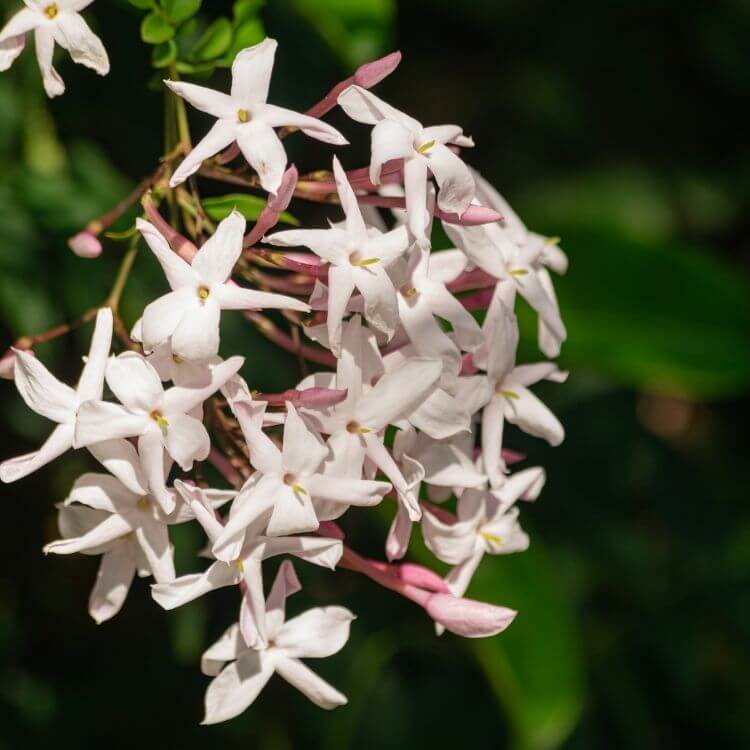
Pakistan honors Jasmine as its national flower. Its fragrant white petals bloom across gardens and fields. The flower symbolizes purity, beauty, and national pride.
76. Panama: Holy Ghost Orchid
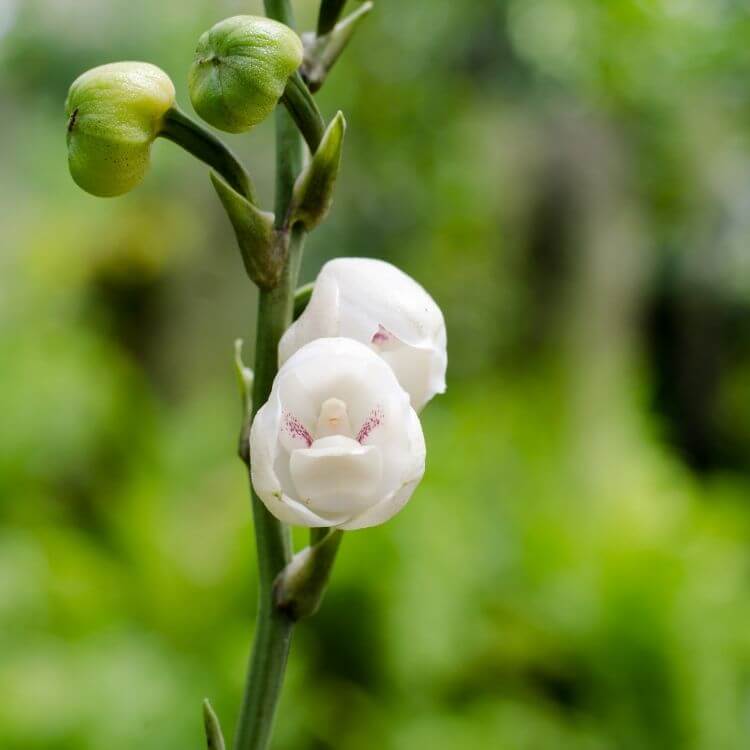
Panama’s national flower, the Holy Ghost Orchid, has delicate white petals. It grows in tropical forests and represents elegance and natural beauty. The bloom is rare and highly cherished.
77. Paraguay: Passion Flower
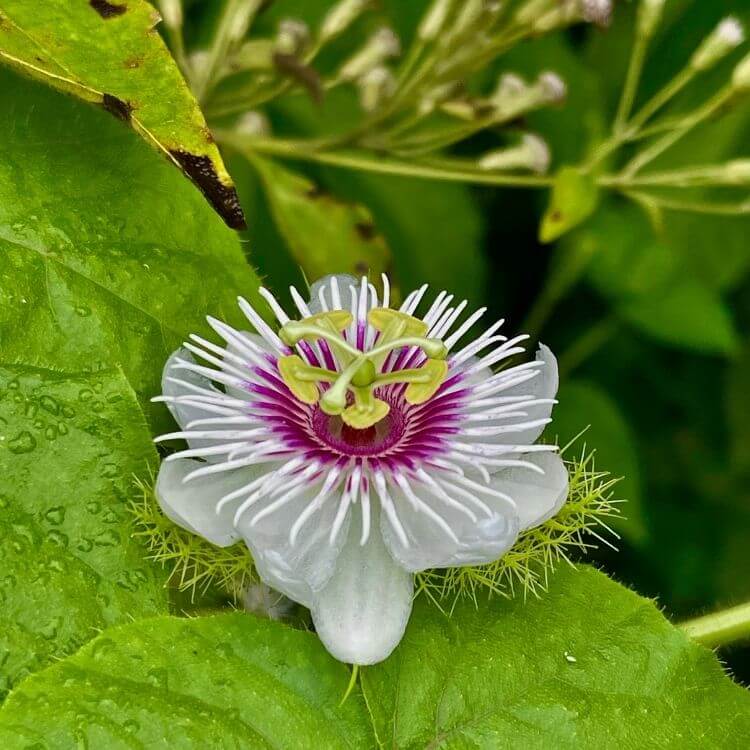
The Passion Flower is Paraguay’s national flower. Its intricate petals and vibrant colors symbolize creativity and life. It is a prominent part of local gardens and cultural traditions.
78. Philippines: Sampaguita
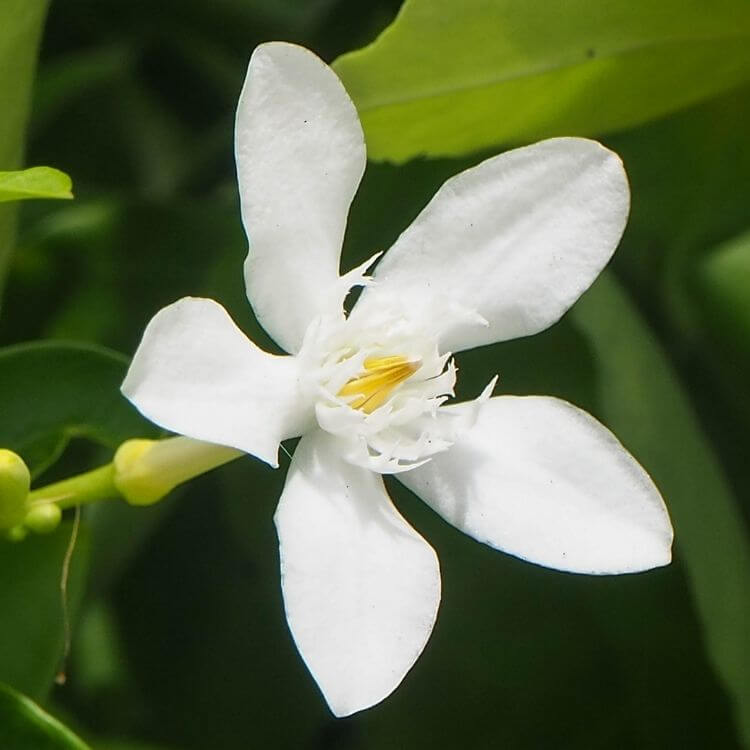
The Sampaguita, with its small white blossoms, is the Philippines’ national flower. Its sweet fragrance symbolizes purity and devotion. It is widely grown in homes and celebrated in cultural festivals.
79. Qatar: Qataf
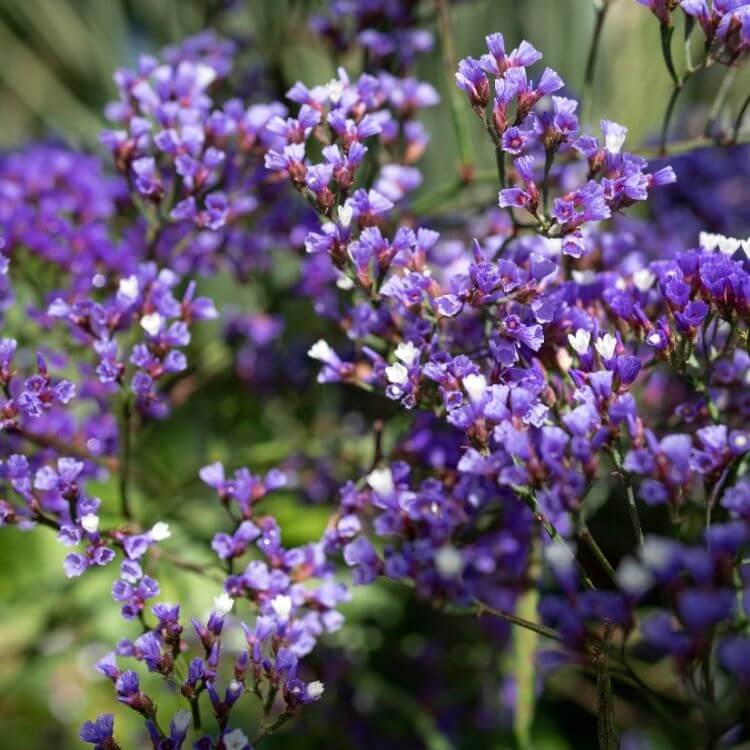
Qatar recognizes the Qataf as a symbol of its national identity. It produces small purple to lavender flowers, which bloom in desert and coastal saline areas. The flower represents beauty and endurance in the desert landscape.
80. Romania: Peony
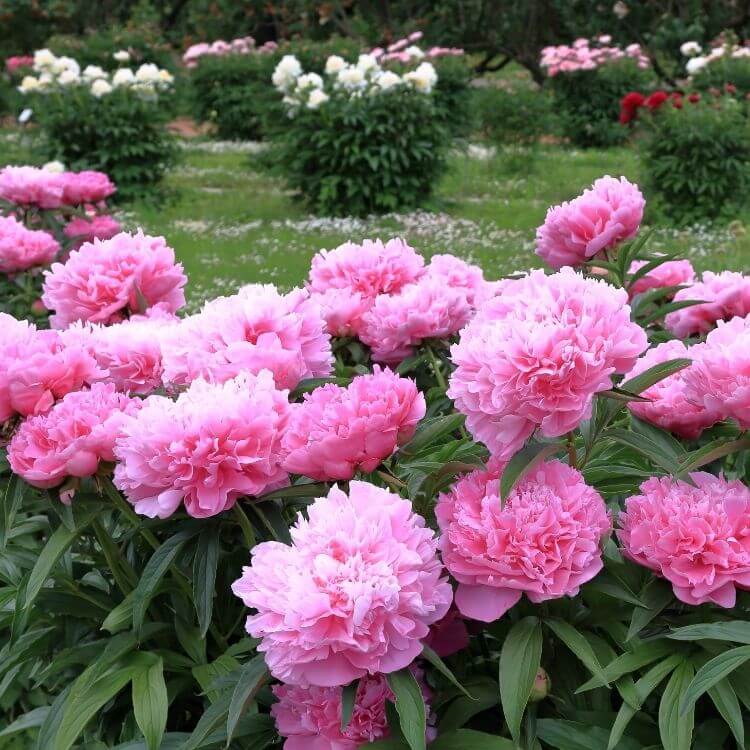
Romania’s national flower is the Peony, with lush pink blossoms. It grows in gardens and fields, symbolizing wealth, beauty, and tradition. The flower is part of Romanian cultural and artistic heritage.
81. Russia: Chamomile
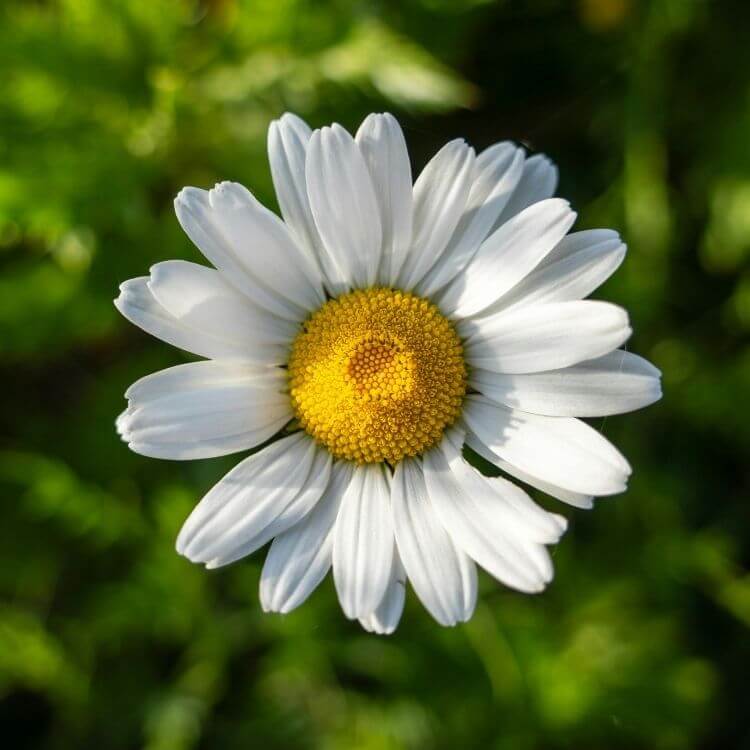
Russia celebrates the Chamomile as its national flower. Its simple white petals with yellow centers grow in fields and gardens. The flower symbolizes humility, purity, and connection to the land.
82. Sri Lanka: Blue Water Lily
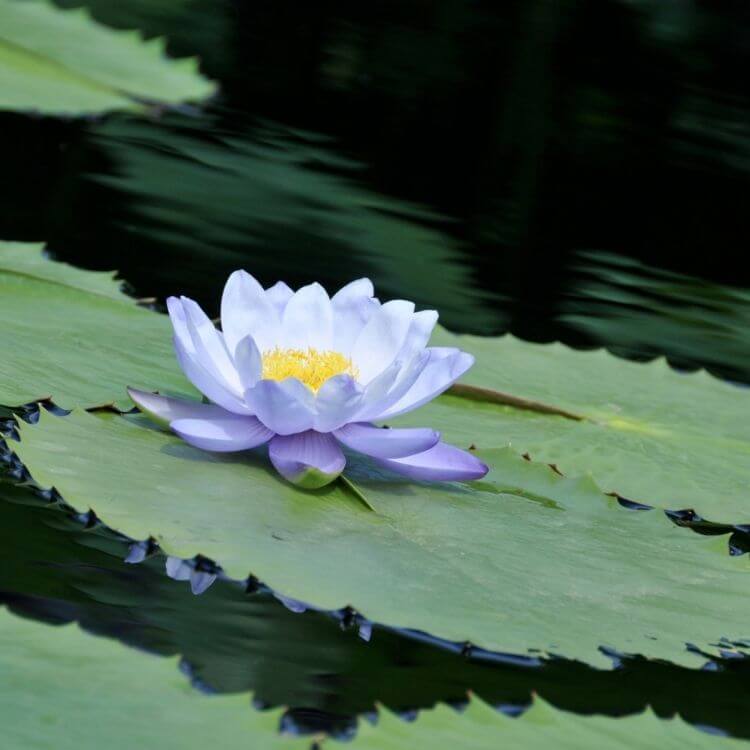
Sri Lanka’s national flower, the Blue Water Lily, floats gracefully in lakes. Its blue petals symbolize tranquility and beauty. The flower is highly admired and part of the island’s cultural identity.
83. Singapore: Vanda Miss Joaquim
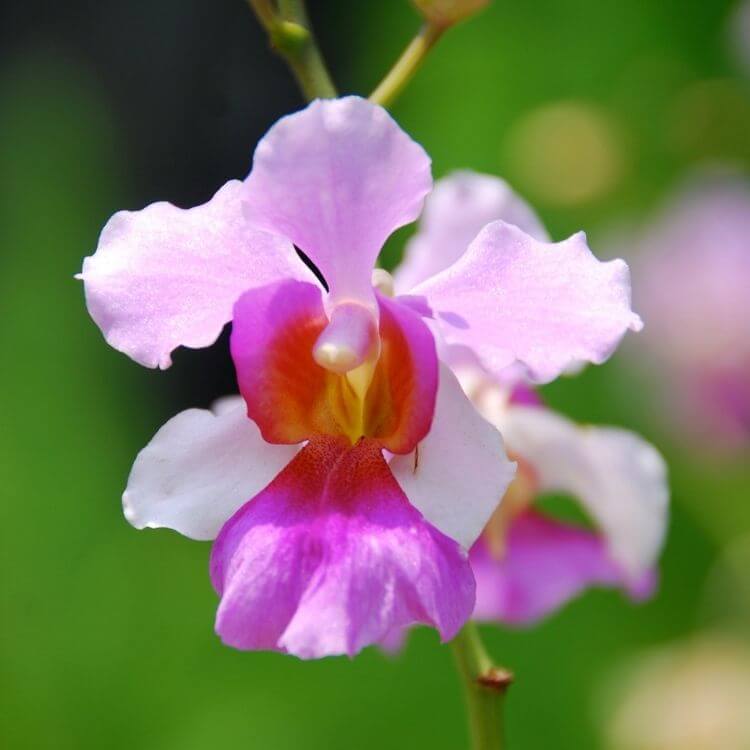
Singapore’s national flower, Vanda Miss Joaquim, is a hybrid orchid with bright colors. It symbolizes resilience and uniqueness. The bloom represents Singapore’s growth and national identity.
84. South Africa: King Protea
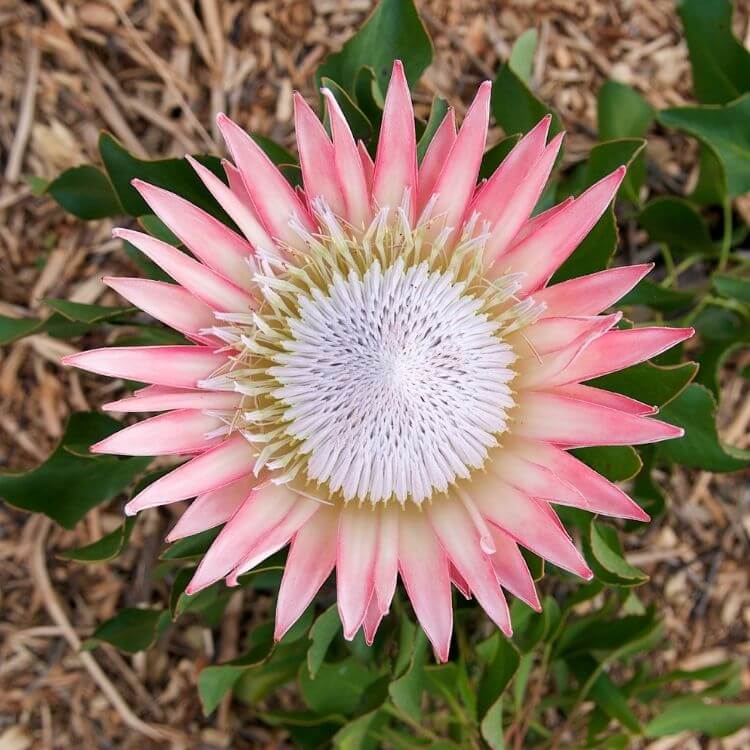
The King Protea is South Africa’s national flower, known for its large striking blossoms. It symbolizes courage, transformation, and natural beauty. The flower grows across diverse landscapes in the country.
85. South Korea: Mugunghwa
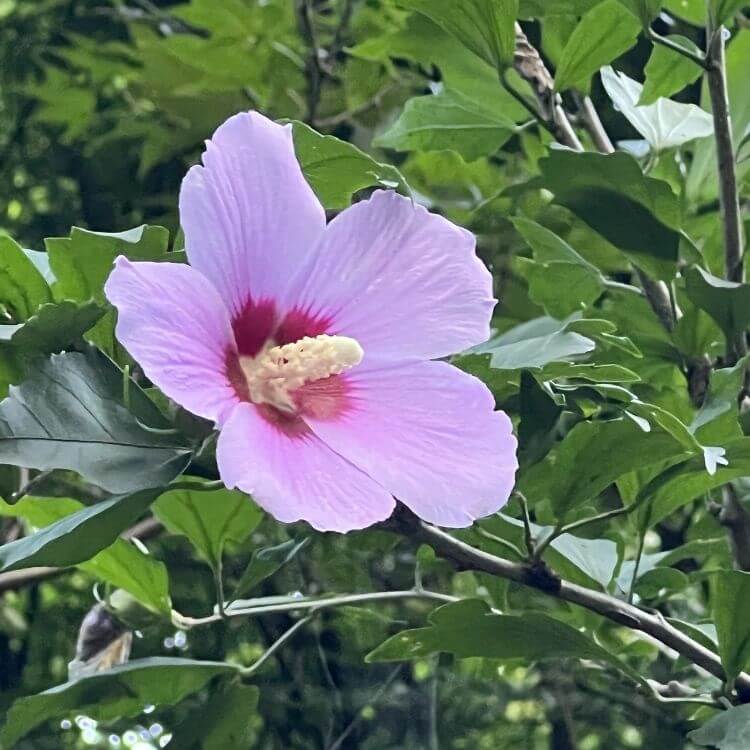
The national flower of South Korea is the Mugunghwa flower. Embodies strength and beauty. Its pink blooms appear in gardens and parks, symbolizing perseverance and resilience. The flower is part of Korean history and culture.
86. Thailand: Ratchaphruek
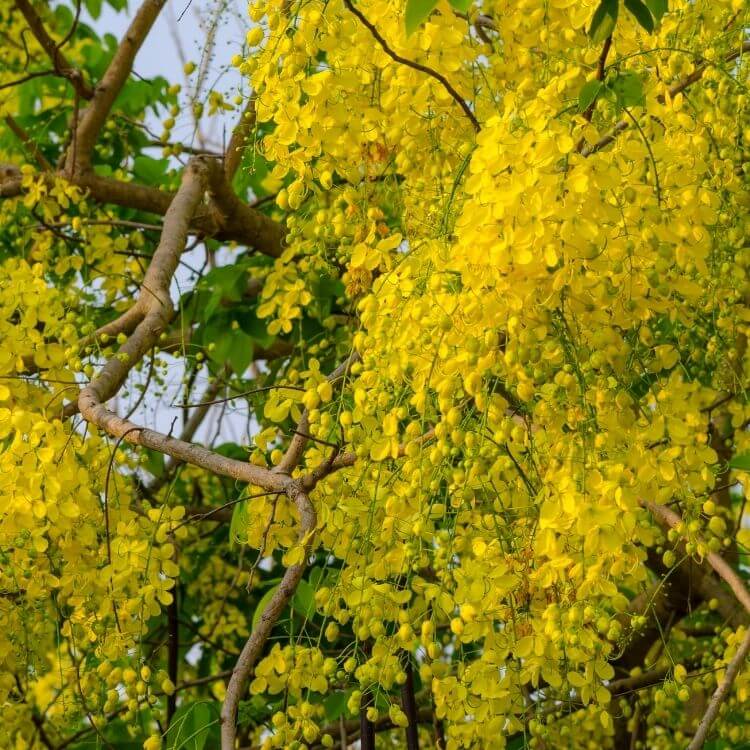
The national flower of Thailand is Ratchaphruek. Its scientific name is Cassia fistula, commonly known as the Golden Shower Tree. This tree produces bright yellow hanging clusters of flowers that bloom beautifully in summer. It symbolizes unity, prosperity, and the glory of Thailand.
87. Ukraine: Sunflower
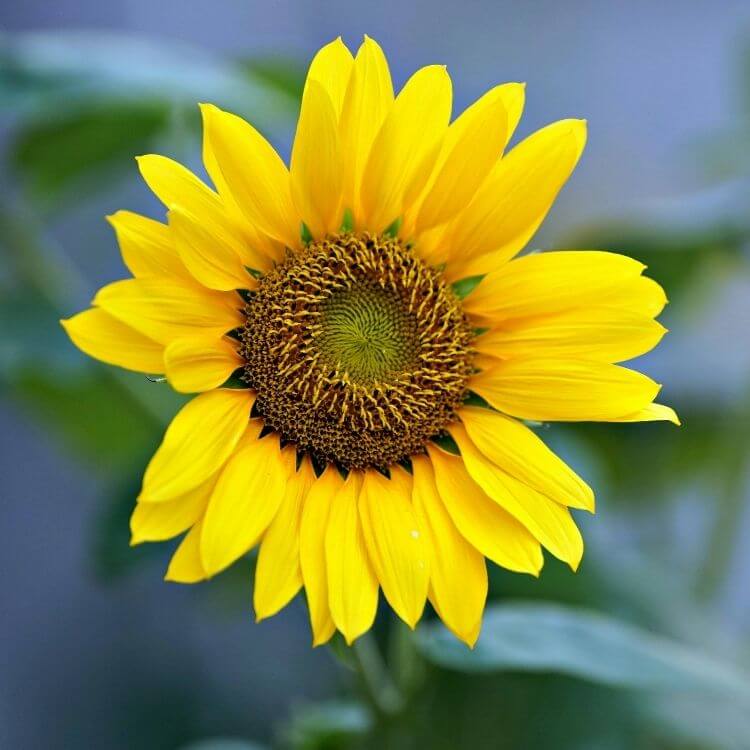
Ukraine celebrates the Sunflower as its national flower. Its tall golden blooms reflect sunlight and energy. The flower represents warmth, pride, and connection to the land.
88. United Kingdom: Rose / Thistle / Daffodil / Flax Flower
The United Kingdom recognizes 4 national flowers: Rose, Thistle, Daffodil and Flax Flower. Each represents a country within the UK. Roses symbolize England, Thistles represent Scotland, and Daffodils stand for Wales and Flax Flower is the national flower of Northern Ireland.
89. United States: Rose
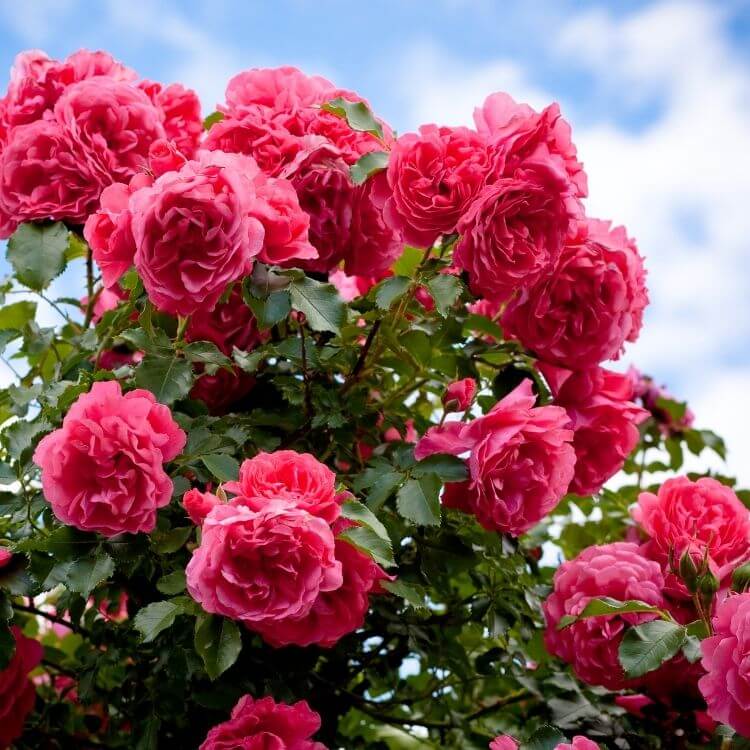
The Rose is the United States’ national flower, admired for its classic beauty. It grows in gardens across the country. The bloom symbolizes love, honor, and national pride.
90. Vietnam: Pink Lotus
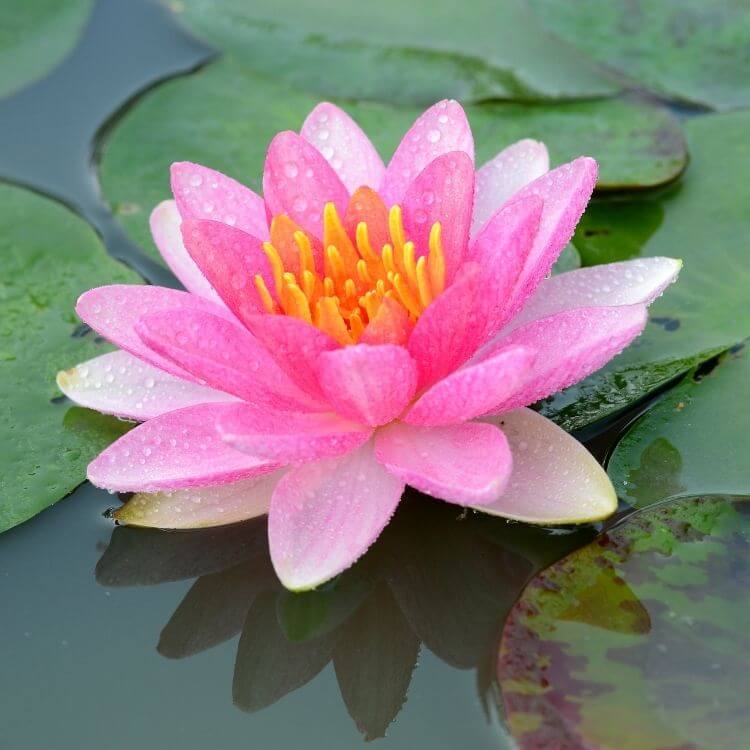
Vietnam’s national flower, the Pink Lotus, floats in ponds and rivers. Its soft petals symbolize purity and enlightenment. The flower is a key part of Vietnamese culture and tradition.
91. Venezuela: May Flower Orchid
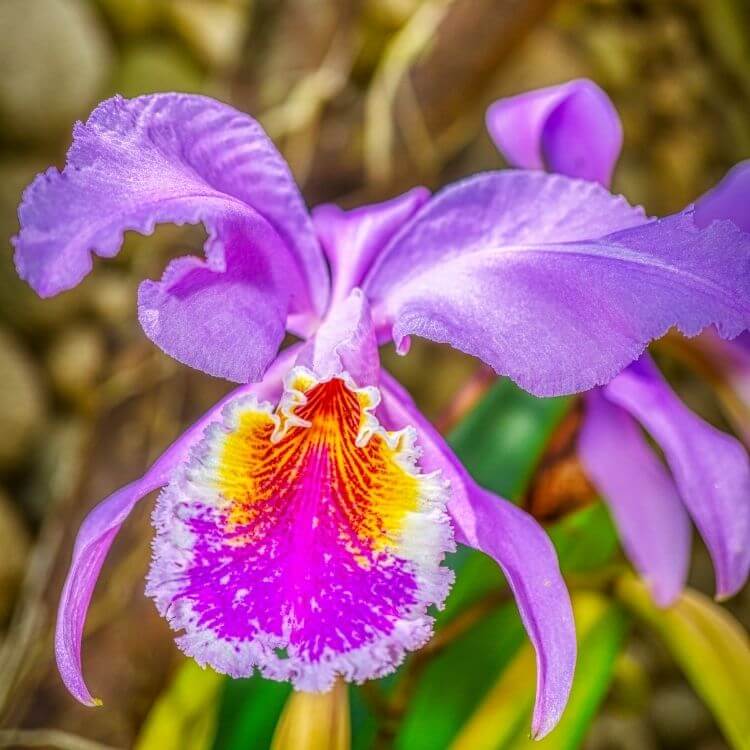
The May Flower Orchid is national flower of Venezuela. Its delicate blooms appear in tropical forests and symbolize beauty and uniqueness. The flower is celebrated in local culture and gardens.
92. Vatican City: Madonna Lily
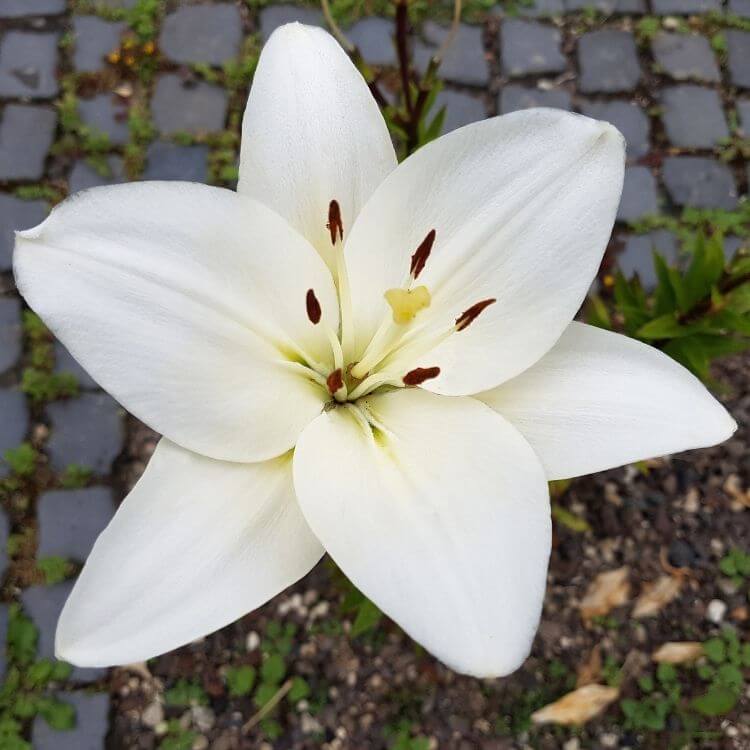
The Madonna Lily is the national flower of Vatican City. Its white blossoms symbolize purity and spirituality. The flower is tied to religious symbolism and the city’s heritage.
93. Zimbabwe: Flame Lily
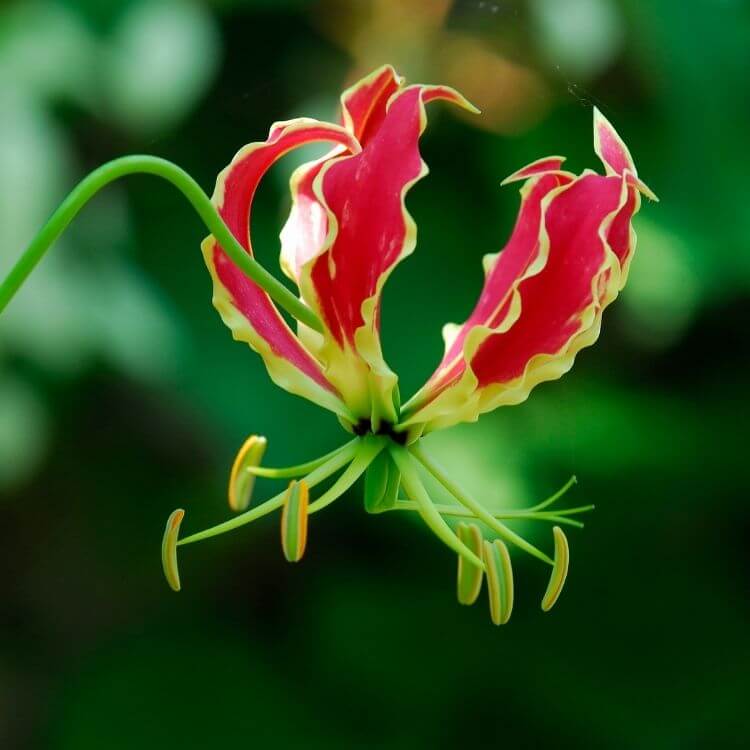
National flower of Zimbabwe is the Flame Lily. It has vibrant red petals that climb and bloom in gardens. It symbolizes strength and beauty. The flower is widely admired and an important national symbol.
Did You Know These Fascinating Floral Facts?
- In Japan, the Cherry Blossom blooms only for a short time in spring. People celebrate this with the Hanami festival, gathering under the trees to enjoy the petals and reflect on the fleeting nature of life. The Chrysanthemum is also significant in Japan, representing the Imperial family, royalty, and longevity.
- In China, the Peony is called the King of Flowers and symbolizes wealth, honor, and prosperity. The Plum Blossom blooms even in freezing winters, making it a symbol of resilience, endurance, and strength in adversity.
- Bhutan’s Blue Poppy grows only in the high Himalayas. Its rare, bright blue petals are seen as a symbol of purity and the unique natural beauty of the country.
- Nepal’s Tree Rhododendron, also called Lali Gurans, grows on steep Himalayan slopes. Its ability to survive harsh weather conditions represents strength, resilience, and national pride.
- Iceland’s Mountain Avens bloom in cold, windy landscapes where few other plants can survive. They show how nature can flourish even in the toughest conditions.
- Azerbaijan’s Khari Bulbul is another rare flower with a fragile presence. Protected by the government, it is celebrated as a national treasure and a symbol of the country’s natural heritage.
Most Contested National Flowers
Some countries have more than one flower that could claim the title of national flower. In China, people have long debated whether the Peony or the Plum Blossom should be the official choice. The Peony represents beauty, wealth, and good fortune, while the Plum Blossom reflects resilience and purity. Both flowers are deeply rooted in Chinese culture, art, and history, which makes the decision very complicated. Japan is another country with two national flowers. The Cherry Blossom is loved by everyone for its delicate petals and short blooming period, symbolizing the fleeting moments of life and natural beauty. On the other hand, the Chrysanthemum has a long-standing connection with the Imperial family and appears on official documents, seals, and government buildings. Contested national flowers reveal how history, tradition, and symbolism can shape a country’s identity and show that sometimes a single flower is not enough to represent everything a nation stands for.
Flowers Representing Resilience
Some national flowers are chosen not only for their beauty but also for their strength and ability to survive in tough conditions. The African Protea, for example, grows in rocky and dry lands and still blooms with bold, colorful petals. Its ability to survive harsh environments makes it a perfect representation of resilience for the continent. Iceland’s Mountain Avens is another flower that reflects endurance. It grows in cold, windy areas where few plants can survive, yet it thrives and blooms every summer, symbolizing strength in adversity. Nepal’s Tree Rhododendron, known locally as Lali Gurans, blooms on high Himalayan slopes where the weather is harsh and unpredictable. This flower has become a symbol of national pride and the spirit of the Nepalese people who live in challenging landscapes. These resilient flowers remind us that beauty does not always mean fragility. Sometimes the strongest flowers are the ones that bloom in the toughest places.
FAQs About National Flowers of The World
What is a national flower?
A national flower is a floral emblem that represents the cultural identity, history, and heritage of a specific country. It is often officially designated by a government to symbolize national values, such as the Jasmine in Pakistan for purity or the Rose in the US for love.
Which countries have the Rose as their national flower?
The Rose is the most common national flower in the world. It is the official floral emblem of the United States, the United Kingdom (specifically England), the Maldives, and Iraq. It is chosen for its universal symbolism of beauty and strength.
What are the 4 flowers of the UK nations?
The United Kingdom is represented by four distinct floral symbols: the Tudor Rose for England, the Thistle for Scotland, the Daffodil (or Leek) for Wales, and the Shamrock for Northern Ireland.
How many countries have the Lotus as their national flower?
The Lotus is a sacred symbol for several nations. It is the national flower of India and Vietnam. In India, it symbolizes divinity and fertility, while in Vietnam, it represents purity and commitment to the future.
What is the national flower of Pakistan and its local significance?
The national flower of Pakistan is the Jasmine (Jasminum officinale). Locally known as 'Chambeli,' it was chosen because its fragrance and white color symbolize the peaceful and modest nature of the Pakistani people.
Which European country is most famous for its flowers?
The Netherlands (Holland) is globally famous for its flowers, particularly the Tulip. While the Tulip is its unofficial national symbol, Denmark's national flower is the Marguerite Daisy, and England's is the Rose.
What are the national flowers of China, Australia, and Canada?
China’s national flower is the Plum Blossom (symbolizing resilience); Australia’s is the Golden Wattle (Acacia pycnantha); and Canada is officially represented by the Maple Leaf, though many consider the Bunchberry or Trillium as iconic floral emblems.
Do all countries have a national flower?
While most countries have officially designated a flower via royal decree or government act, some have 'unofficial' flowers that have become symbols through popular culture and history, such as the Peony and Plum Blossom in China.
Final Thoughts on National Flowers
National flowers are the symbols that tell the story of a country’s history, culture, and values. Some flowers show beauty, some represent resilience, and some hold deep cultural or spiritual meanings. They can be rare, contested, or widely loved. From the delicate Cherry Blossoms of Japan to the resilient Tree Rhododendron of Nepal, every flower has its own story and reason for being chosen as a national emblem. Studying these flowers gives us a unique way to explore the world, learn about different countries, and understand the pride people feel for their natural heritage. If a flower is officially declared by law or recognized by culture and tradition, it represents the heart of a nation. National flowers connect us to nature, history, and the stories that shape our world. By appreciating them, we can see how beauty, strength, and symbolism come together to define the identity of a country and its people.