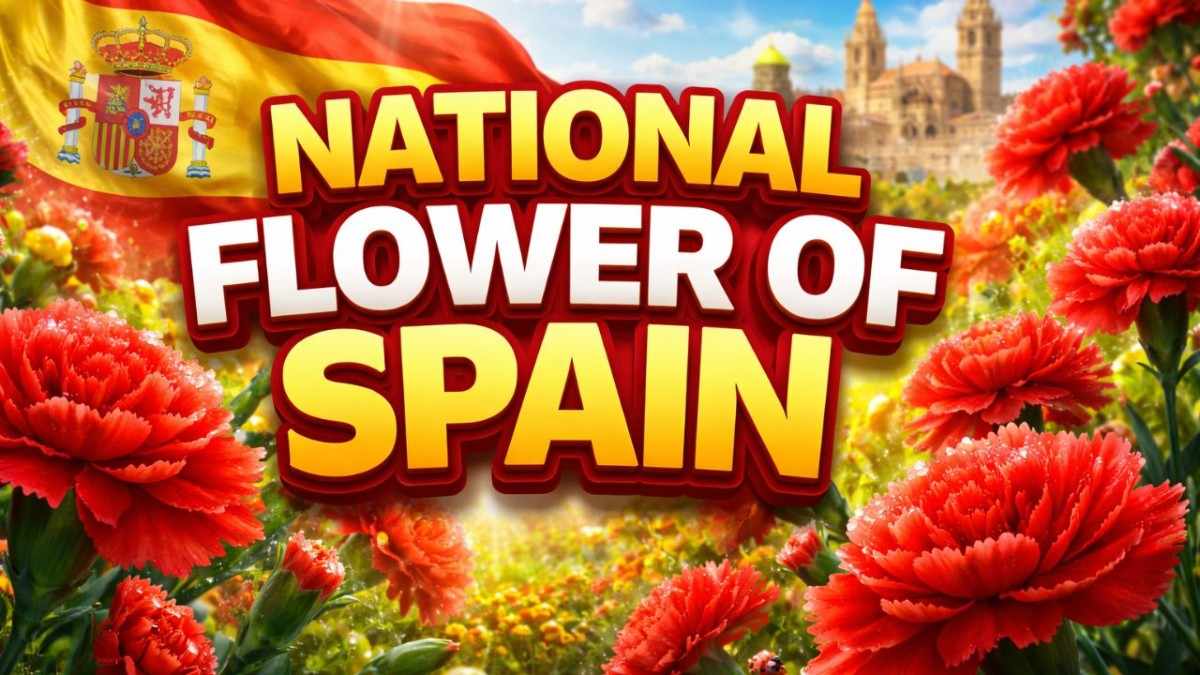

The National Flower of Spain, the vibrant Carnation (Dianthus caryophyllus), is much more than a colorful garden bloom. Deeply rooted in Spanish traditions, festivals, and everyday life, this flower has become a lasting symbol of love, passion, and national pride. From flamenco costumes to cultural celebrations, carnations appear throughout Spain in meaningful ways that many people never notice. In this article, you’ll learn the fascinating history of the National Flower of Spain, explore four deep facts about its symbolism and cultural importance, and learn why the carnation continues to represent the heart and spirit of Spain.
What Is the National Flower of Spain?
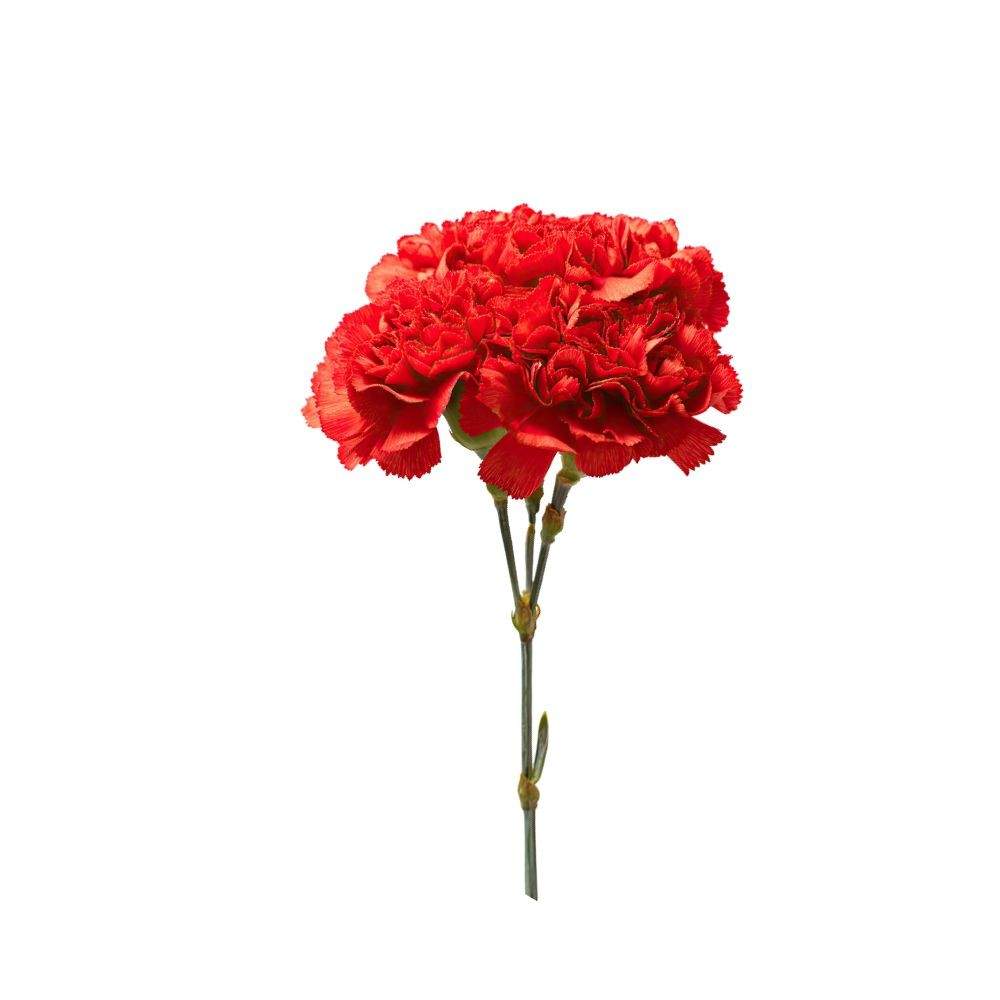
The carnation is widely recognized as the national flower of Spain.
Spain does not have a single law officially declaring it, which causes confusion. Still, culturally, historically, and socially, the red carnation holds this role.
You will see it:
- In traditional Spanish festivals
- In flamenco hairpieces
- In religious events
- In national celebrations
Why the Red Carnation Became Spain’s National Flower
The red carnation did not become important by accident. Its rise is tied to history, emotion, and public life.
Key reasons include:
- Red represents passion, strength, and pride, values deeply tied to Spanish identity
- Carnations grow well in Spain’s climate, making them accessible to everyone
- The flower became popular during major historical periods, including royal ceremonies and public movements
4 Facts to Know About National Flower of Spain
1. The Symbol of Passion and Flamenco
In Spain, the red carnation (known as el clavel) is the ultimate symbol of passion. It is the iconic flower worn by flamenco dancers in their hair and is often clenched between the teeth of performers to symbolize intensity and desire.
2. A Religious “Flower of God”
The scientific name, Dianthus caryophyllus, literally translates to “Flower of the Gods” (from the Greek Dios for Zeus and anthos for flower). In Spanish Catholic tradition, it is believed the first carnations grew from the tears of the Virgin Mary, linking the flower to deep, motherly love.
3. More Than Just Red
While red is the national color, different shades carry “secret” meanings in Spanish culture:
- Red: Deep passion and romantic love.
- White: Purity and good luck (often used in weddings).
- Pink: Gratitude and “I’ll never forget you.”
- Yellow: Historically used to express disappointment or rejection (avoid these for romance!).
4. It’s Edible and Medicinal
The clavel isn’t just for looking at. Its petals are edible and are often used in Spain to garnish salads or flavor traditional spirits and syrups. Historically, Spaniards also used carnation tea as a remedy to help reduce stress and soothe the nerves.
The Carnation Is Still Evolving
Here’s something rarely discussed. The carnation in Spain is changing with younger generations.
Today:
- Young Spaniards use carnations in modern art and fashion
- Festivals blend tradition with contemporary styles
- Tourists adopt the symbol, spreading it globally
I find this important because it shows the flower is not frozen in time. It adapts. That’s why it remains relevant. Many national symbols fade because they stop evolving. The carnation hasn’t.
Using Carnations Correctly in Spain
If you’re traveling, gifting, or buying flowers in Spain, this matters.
Helpful tips:
- Red carnations are safe for celebrations and cultural events
- Avoid assuming carnations are only romantic
- Giving carnations during festivals is appreciated and understood
For travelers, wearing a carnation during local festivals is often seen as respectful, not touristy, if done simply.
Why the Carnation Still Represents Spain in Modern World
Spain is modern, fast, and global. Still, the carnation remains.
Why?
- It is affordable and accessible
- It carries emotion without words
- It belongs to everyone, not a single class
That combination keeps it alive.
According to official archives from the Spanish Ministry of Culture, preserving these visible traditions is what keeps a national identity alive and vibrant. You can explore this perspective through the government’s dedicated resources on : Spanish cultural heritage and traditions
FAQs About National Flower of Spain
What flower symbolizes Spain?
The carnation symbolizes Spain. It represents passion, pride, and deep emotional expression, values strongly linked with Spanish culture and traditions.
What is the symbol of the Spanish flower?
The Spanish flower symbol stands for love, strength, and national pride. The red carnation, in particular, reflects Spain’s bold spirit and cultural intensity.
What is the famous Spanish flower?
The most famous Spanish flower is the carnation. It is widely seen in festivals, flamenco performances, and traditional celebrations across Spain.
What is Spain's favorite flower?
The carnation is considered Spain’s favorite flower. It is popular because it is affordable, culturally meaningful, and commonly used in everyday life and ceremonies.
What is flower in Spanish slang?
In Spanish slang, “flor” can describe someone lucky or favored by fate. Saying a person “tiene flor” means things often go their way.
Next Step For You
The national flower of Spain is not just the carnation. It is the story behind it. Four deep facts show us this flower represents passion, history, daily life, and evolution. It connects the past with the present. If you’re exploring national flowers, cultural symbols, or planning travel-related content, Spain’s carnation is a powerful example of how living traditions survive.
Explore how other countries express identity through flowers and use these insights to create deeper, more meaningful content.