
Why Flowers That Attract Insects Are Important
Flowers that attract insects are not just beautiful. They help in:
- Pollination of crops and fruits
- Supporting bee and butterfly populations
- Maintaining ecological balance
- Improving garden productivity
These flowers release nectar, color, and scent that naturally draw insects.
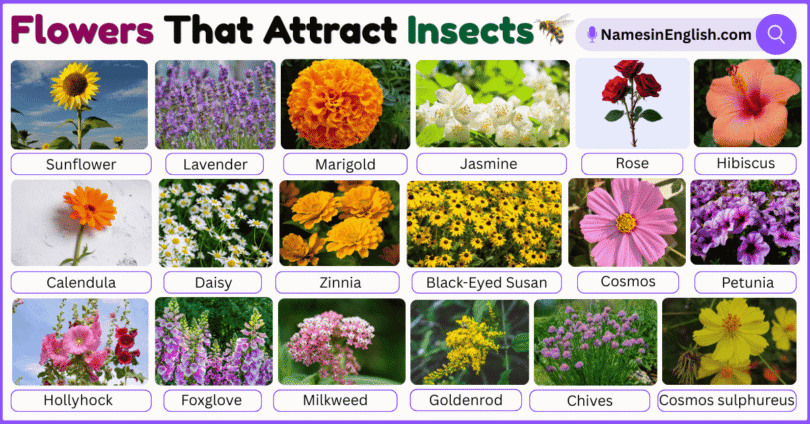
List of 40 Flowers That Attract Insects with Names
- Sunflower
- Lavender
- Marigold
- Rose
- Jasmine
- Hibiscus
- Daisy
- Zinnia
- Cosmos
- Petunia
- Calendula
- Coneflower
- Snapdragon
- Aster
- Sweet Alyssum
- Phlox
- Lantana
- Verbena
- Nasturtium
- Morning Glory
Names of Flowers that Attract Insects with Pictures
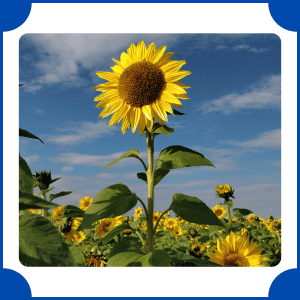
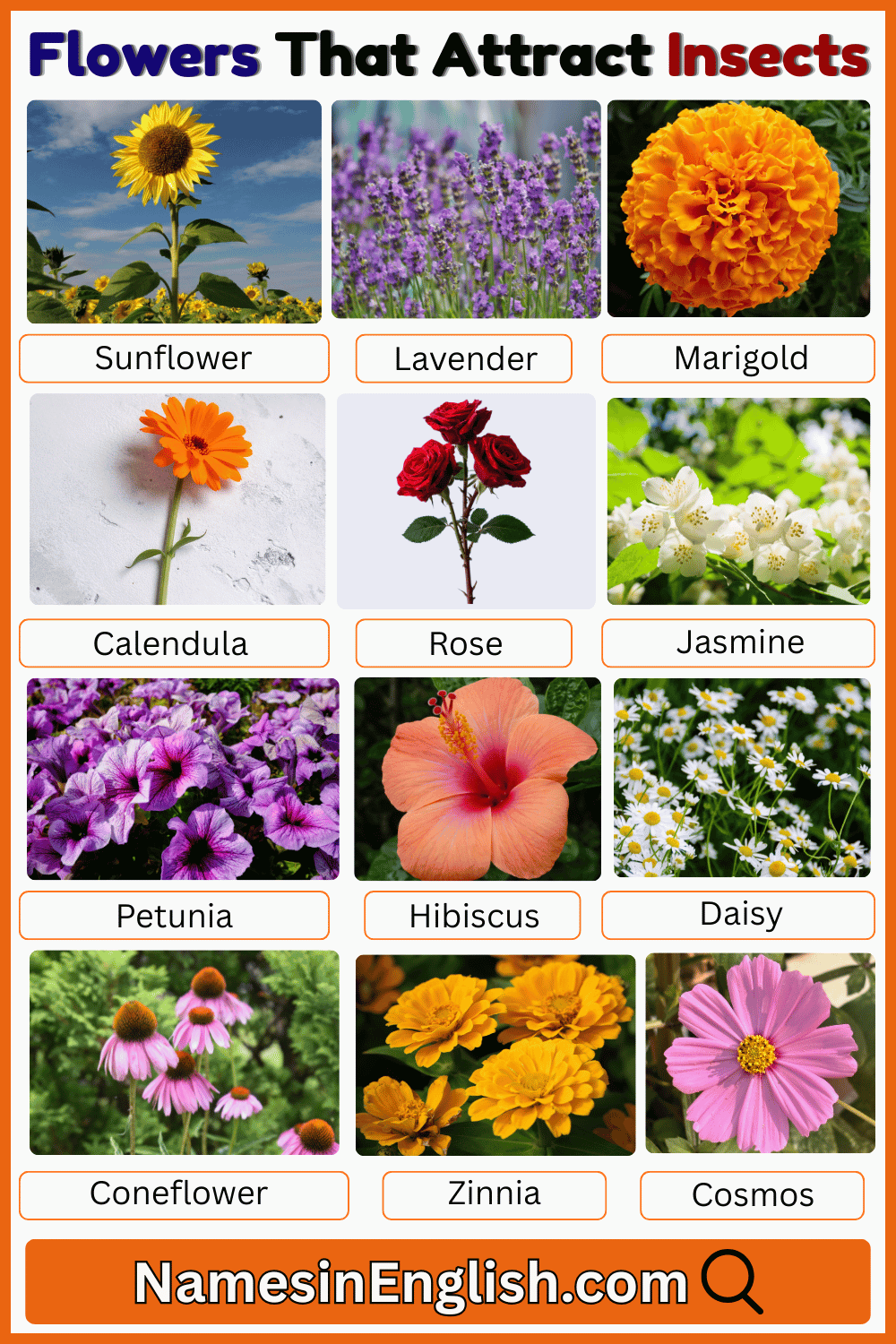
- Sunflower
Sunflower is a tall yellow flowering plant known for its large round head that follows sunlight. It is commonly found in fields and gardens and mainly attracts bees, butterflies, and beetles for pollination due to its rich nectar and pollen.

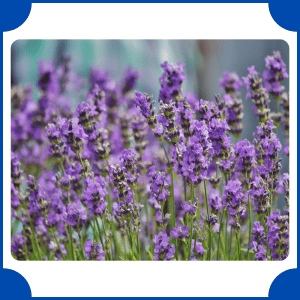
- Lavender
Lavender is a purple flowering plant with a strong sweet fragrance. It grows in dry, sunny areas and gardens. It is well known for attracting bees, butterflies, and hoverflies because of its highly scented nectar-rich purple flower spikes.

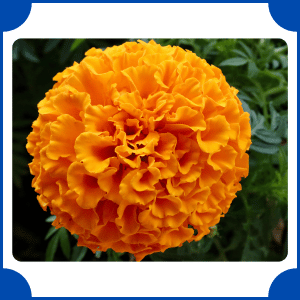
- Marigold
Marigold is a bright orange or yellow flower commonly grown in gardens and farms. It is easy to grow and widely known for attracting bees, butterflies, and ladybugs, which visit its strong-smelling and nectar-rich flowers for feeding and pollination.

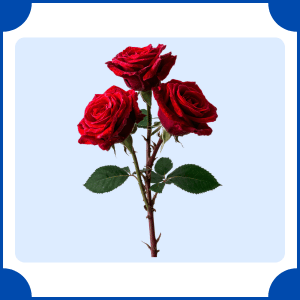
- Rose
Rose is a popular flowering plant with layered petals and many colors like red, pink, and white. It grows in gardens worldwide and attracts bees, ants, and beetles due to its soft fragrance and nectar found inside its blooms.

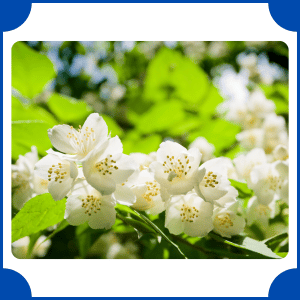
- Jasmine
Jasmine is a small white or yellow flower known for its strong sweet smell. It mostly blooms at night or evening and attracts moths, bees, and butterflies that are drawn to its fragrance and nectar-rich tiny clustered flowers.

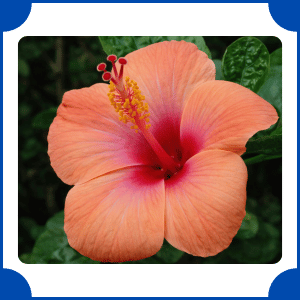
- Hibiscus
Hibiscus is a large colorful flower with five petals often found in tropical regions. It attracts bees, butterflies, and hummingbirds because of its deep nectar source and bright colors that make it highly visible in gardens and natural areas.

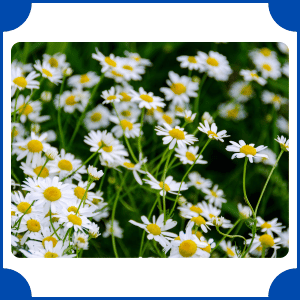
- Daisy
Daisy is a simple white flower with a yellow center commonly found in grasslands and gardens. It attracts bees, small flies, and butterflies that feed on its pollen and nectar, making it an important wildflower for pollination support.

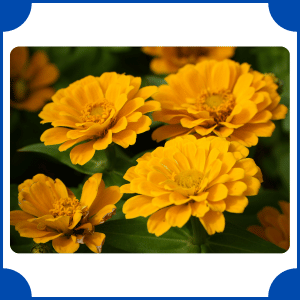
- Zinnia
Zinnia is a bright, colorful garden flower that blooms in red, pink, orange, and yellow shades. It is known for attracting butterflies, bees, and moths due to its long-lasting nectar-rich blooms that support pollination in warm weather conditions.

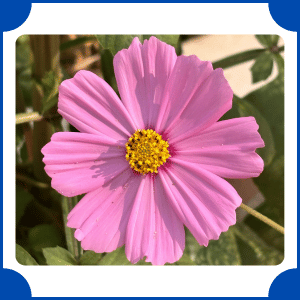
- Cosmos
Cosmos is a light and delicate flower with thin petals that bloom in pink, white, and purple shades. It grows in gardens and wild areas and attracts bees, butterflies, and hoverflies that feed on its soft nectar and pollen.

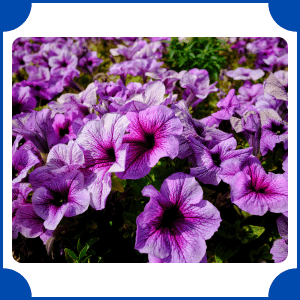
- Petunia
Petunia is a funnel-shaped flower that blooms in many bright colors like purple, red, and white. It is commonly grown in hanging pots and gardens and attracts bees, butterflies, and hummingbirds because of its sweet nectar and open bloom shape.

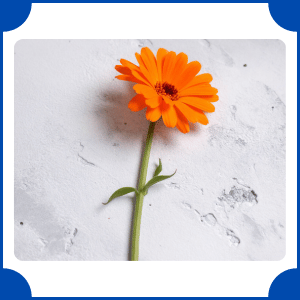
- Calendula
Calendula is a yellow or orange medicinal flower often grown in gardens. It is known for attracting bees, butterflies, and hoverflies that visit its bright petals and nectar-rich center, helping in natural pollination and supporting healthy garden ecosystems.

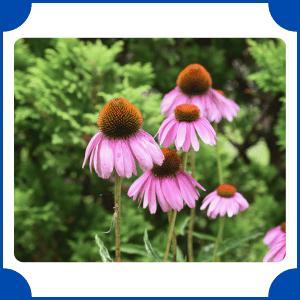
- Coneflower
Coneflower is a tall purple-pink flower with a cone-shaped center. It is commonly found in wild gardens and prairies and attracts bees, butterflies, and beetles that feed on its nectar and pollen, making it important for pollinator support.

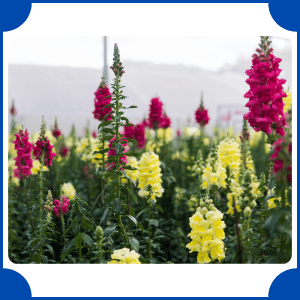
- Snapdragon
Snapdragon is a unique flower shaped like a dragon’s mouth that opens when squeezed. It grows in gardens and attracts bees, especially bumblebees, which enter its flower structure to collect nectar and assist in natural pollination processes.

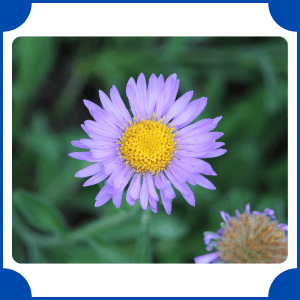
- Aster
Aster is a star-shaped flower that blooms in purple, pink, and white shades. It is commonly found in gardens and wild fields and attracts bees, butterflies, and moths due to its rich nectar and late-season blooming nature.

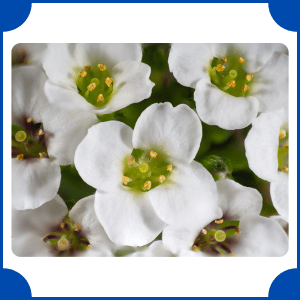
- Sweet Alyssum
Sweet Alyssum is a small clustered flower with a sweet fragrance. It grows in garden borders and pots and attracts tiny bees, hoverflies, and butterflies that feed on its nectar while helping in natural garden pollination activities.

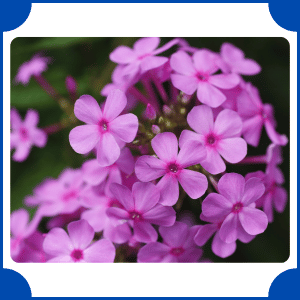
- Phlox
Phlox is a colorful flowering plant with clusters of pink, white, or purple blooms. It grows in gardens and natural areas and attracts butterflies, bees, and moths that are drawn to its sweet nectar and soft floral fragrance.

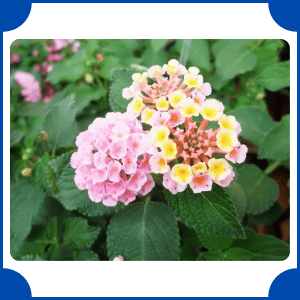
- Lantana
Lantana is a small clustered flower that changes colors like yellow, orange, and pink. It grows in warm regions and strongly attracts butterflies, bees, and moths that feed on its nectar-rich flowers, supporting continuous pollination activity.

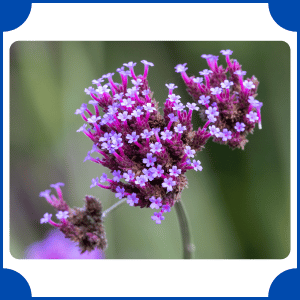
- Verbena
Verbena is a low-growing flowering plant with small clustered blooms in purple, pink, or white colors. It attracts butterflies, bees, and hoverflies that feed on its nectar and help in pollination, especially in sunny garden environments.

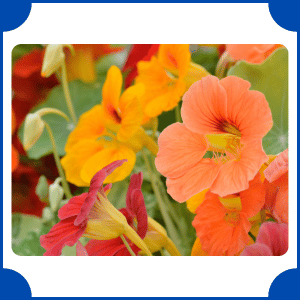
- Nasturtium
Nasturtium is a bright orange, yellow, or red edible flower found in gardens. It attracts bees, butterflies, and aphids, along with beneficial insects like ladybugs that help control pests while feeding on its nectar-rich blooms.

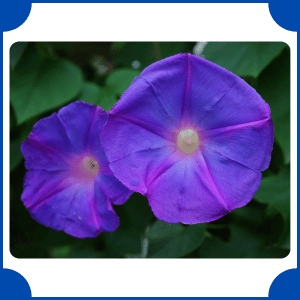
- Morning Glory
Morning Glory is a climbing flower that opens in the morning and closes later in the day. It has trumpet-shaped blooms and attracts bees and butterflies that visit for nectar, especially during early sunlight hours in gardens.

Names of Flowers that Attract Insects with Pictures
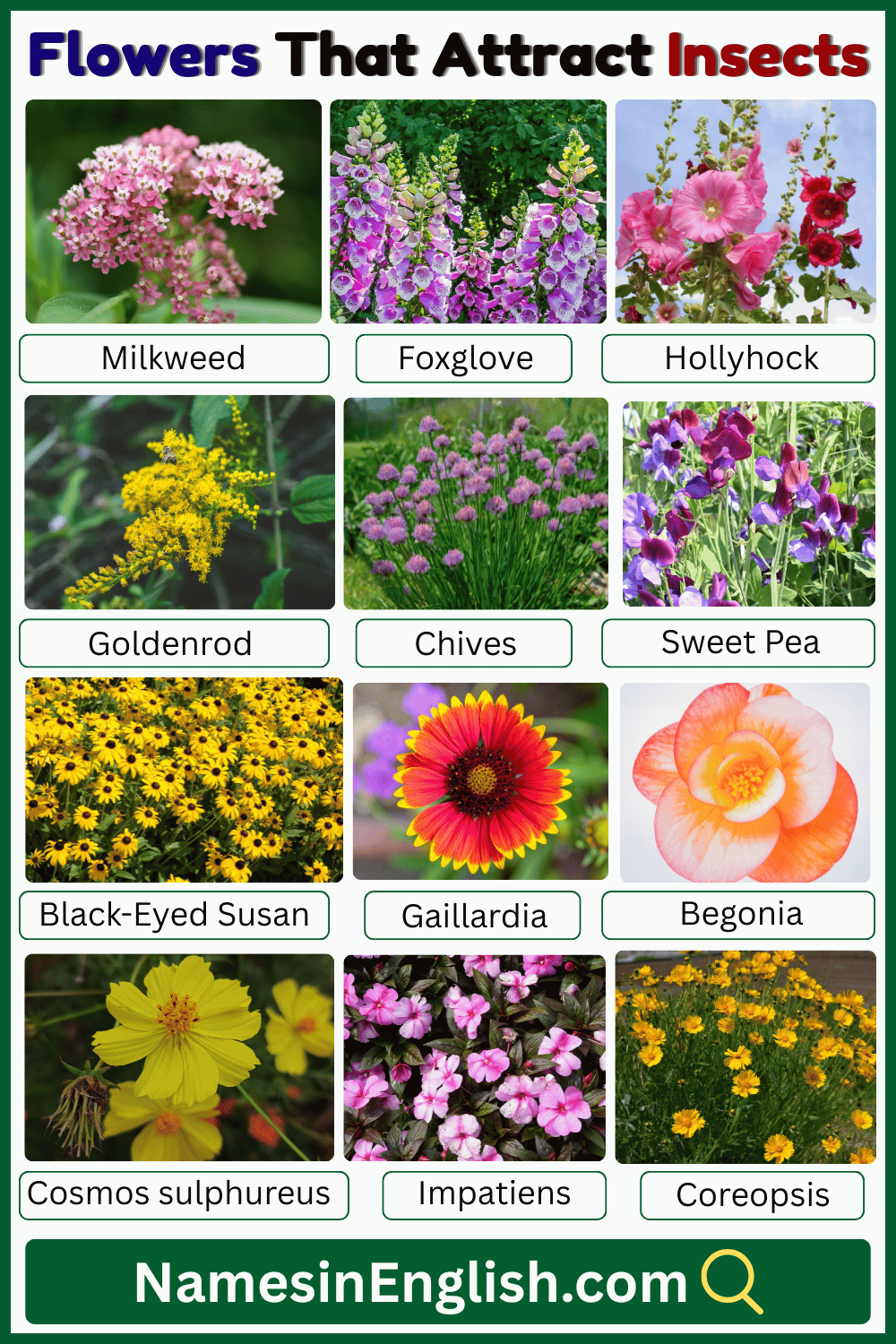
Examples of Flowers that Attract Pollinating Insects
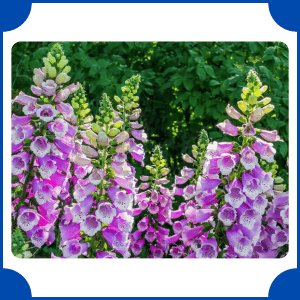
- Foxglove
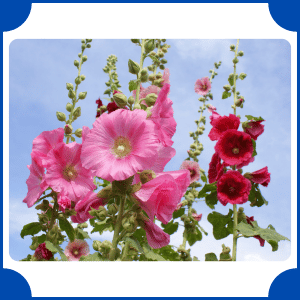
- Hollyhock
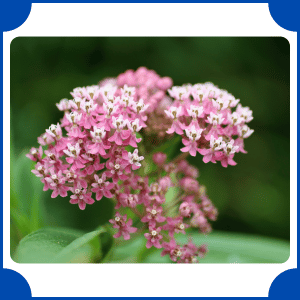
- Milkweed
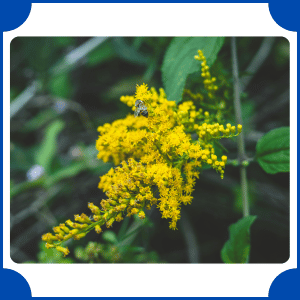
- Goldenrod
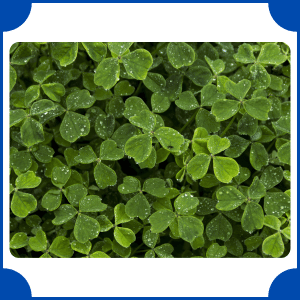
- Clover
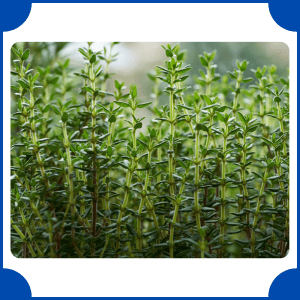
- Thyme
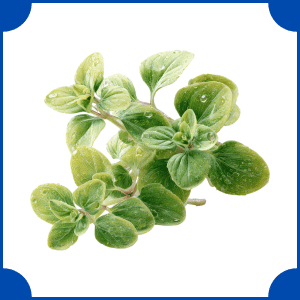
- Oregano
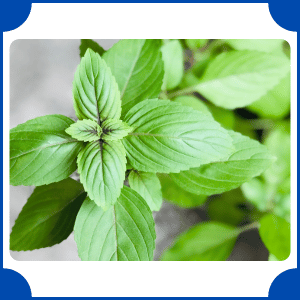
- Basil
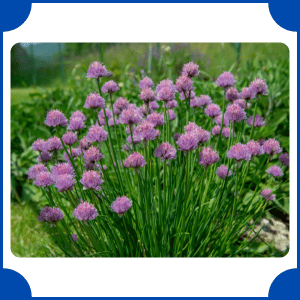
- Chives
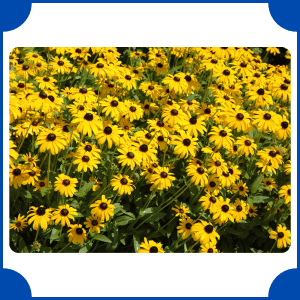
- Black-Eyed Susan
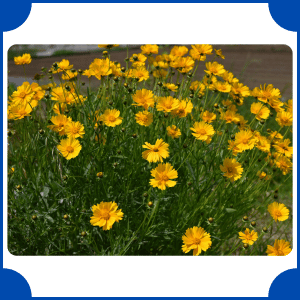
- Coreopsis
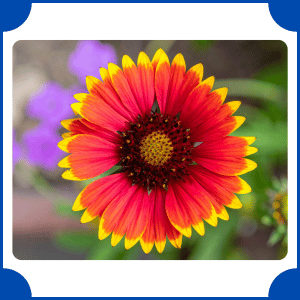
- Gaillardia
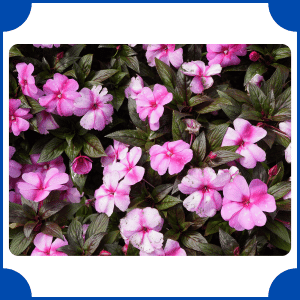
- Impatiens
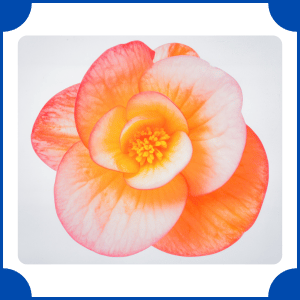
- Begonia
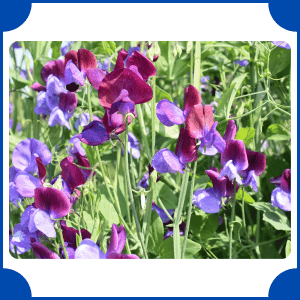
- Sweet Pea
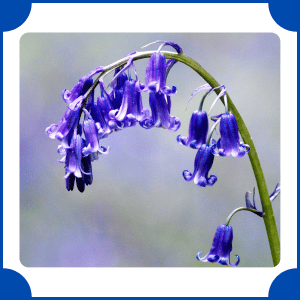
- Bluebell
- Borage
- Yarrow
- Sedum
- Cosmos sulphureus
Common Flowers That Attract Insects with Names and Images
Categories of Flowers That Attract Insects Names
1. Nectar-Rich Flowers
These include sunflower, lavender, and cosmos. They produce high nectar levels.
2. Fragrant Flowers
Examples are jasmine, rose, and sweet pea. Their scent attracts insects from far away.
3. Bright-Colored Flowers
Marigold, zinnia, and hibiscus fall in this group. Color plays a major role in attraction.
4. Wild and Native Flowers
Milkweed, goldenrod, and clover support natural insect populations.
Learn More Helpful Articles