
What Is the Alaska State Animal?
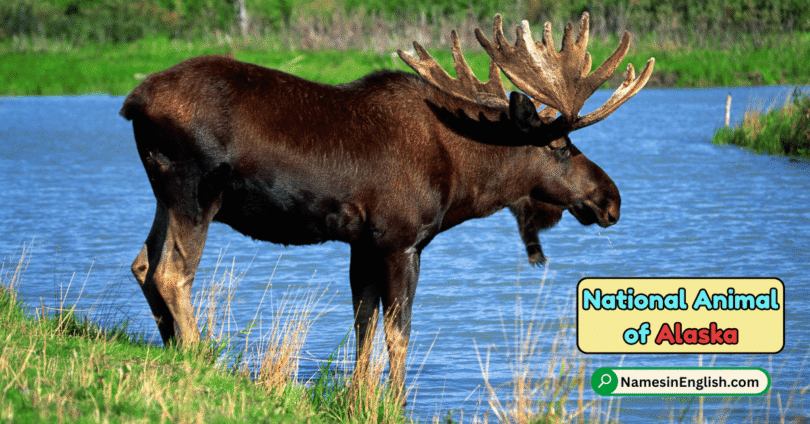
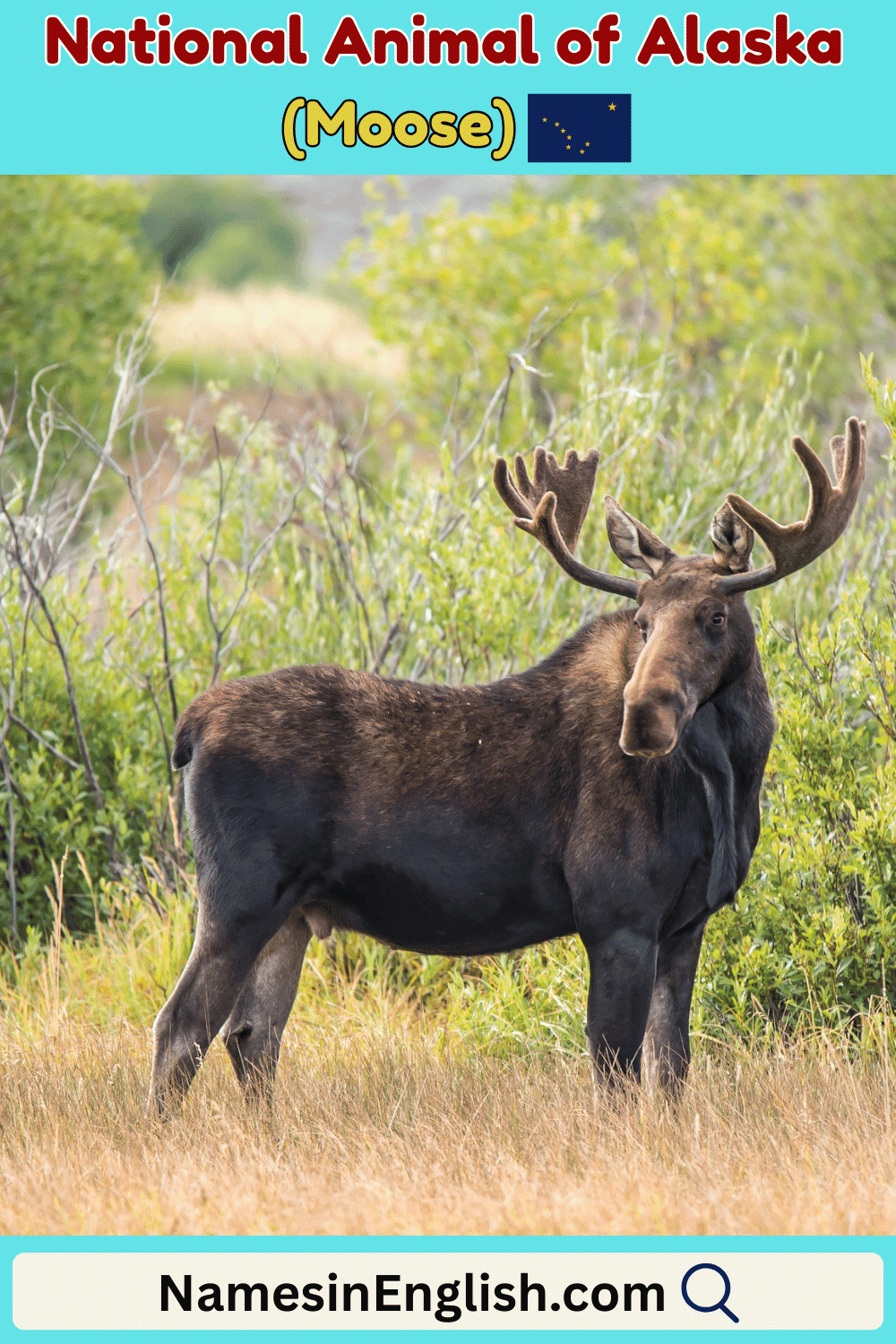
The moose is Alaska’s official state land mammal. It was officially adopted in 1998 to recognize its importance to Alaska’s wildlife, history, and outdoor heritage. The Alaska moose is a subspecies known as Alces alces gigas, which is the largest moose subspecies in the world. It thrives in Alaska’s cold climate and is well adapted to survive harsh winters and deep snow.
Why Was the Moose Chosen as Alaska’s State Animal?
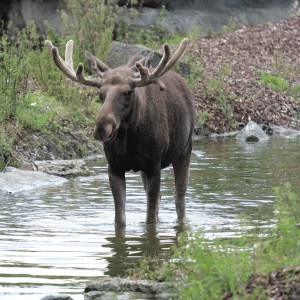
The moose was chosen as Alaska’s official state land mammal because it is one of the state’s most recognizable and widespread wild animals. Its strength, size, and ability to survive in Alaska’s harsh climate make it a perfect symbol of the state’s rugged wilderness. The moose also plays an important role in Alaska’s culture, wildlife, and outdoor heritage.
History of moose in Alaska
The moose was officially designated as the Alaska State Land Mammal in 1998 through state legislation. Long before receiving official recognition, it had been an important part of Alaska’s natural environment and Indigenous traditions for centuries. Today, it remains one of the state’s most celebrated wildlife symbols.
Symbolic Meaning of moose
The moose symbolizes strength, resilience, independence, and the untamed beauty of Alaska. Its ability to thrive in extreme weather reflects the endurance and determination often associated with the people of Alaska. It also represents the state’s commitment to protecting its rich wildlife and natural landscapes.
Physical Characteristics of Moose
The Alaska moose is famous for its enormous size and powerful appearance.
Size
- Height: Up to 7 feet (2.1 meters) at the shoulder
- Length: Around 8–10 feet (2.4–3 meters)
- Weight:
- Bulls (males): 1,200–1,600 pounds (540–725 kg)
- Cows (females): 800–1,300 pounds (360–590 kg)
Color
Their coat ranges from dark brown to nearly black, helping them blend into forest environments.
Antlers
Only male moose grow antlers. Mature bulls can have antlers spreading over 6 feet (1.8 meters) across, making them among the largest antlers of any living deer species.
Habitat and Distribution
Moose are found throughout most of Alaska, especially in forests, wetlands, river valleys, and shrub-covered areas. They prefer habitats with plenty of vegetation and access to freshwater, where they can find food year-round. Alaska is home to one of the largest and healthiest moose populations in North America.
What Does the Alaska State Animal Eat?
The Alaska moose is a herbivore that feeds mainly on leaves, twigs, shrubs, willow, birch, and aquatic plants. During the summer, it eats fresh vegetation, while in winter it survives by browsing on woody branches and bark. Its plant-based diet helps maintain the balance of forest ecosystems.
Baby Moose
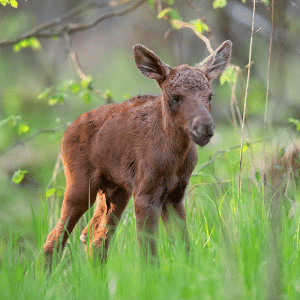
A baby moose is called a calf, and it is usually born in late spring after about eight months of pregnancy. Most female moose give birth to one calf, although twins are fairly common. The calf stays close to its mother for protection and learns essential survival skills during its first year.
Behavior and Adaptations
Moose are generally solitary animals, except during the breeding season or when mothers are raising calves. Their long legs and broad hooves help them travel through deep snow, wetlands, and rough terrain with ease. Thick fur keeps them warm during Alaska’s long, freezing winters, while their strong swimming ability allows them to cross lakes and rivers.
Life Span of Moose
In the wild, Alaska moose typically live between 15 and 20 years, although many do not reach their maximum lifespan due to predators, accidents, or harsh environmental conditions. Females often live slightly longer than males because bulls face greater risks during the breeding season. Healthy habitats and effective wildlife management help support stable moose populations.
Natural Predators
Adult moose have few natural predators because of their massive size and strength. However, wolves and brown bears are capable of hunting adult moose, while black bears often prey on young calves. Predators help maintain a balanced ecosystem by naturally regulating moose populations.
Role in Alaska’s Ecosystem
Moose play a vital role in Alaska’s ecosystems by feeding on shrubs and young trees, which influences plant growth and forest structure. They also provide an important food source for large predators such as wolves and bears. Their presence contributes to healthy biodiversity and ecological balance across the state.
Educational Value
The Alaska moose is widely used to teach students about wildlife biology, ecology, and conservation. It helps people understand food chains, animal adaptations, and the importance of protecting natural habitats. Learning about the moose also encourages greater appreciation for Alaska’s unique wildlife and environment.
Tourism and Wildlife Watching
Moose are among the most popular animals that visitors hope to see when traveling in Alaska. They can often be spotted in national parks, wildlife refuges, and along scenic highways, making wildlife viewing a major attraction. Their presence supports Alaska’s tourism industry by drawing photographers, nature lovers, and outdoor enthusiasts from around the world.
Conservation Status
The Alaska moose is currently not endangered, and its population remains generally stable across much of the state. Wildlife agencies actively monitor moose numbers, manage hunting regulations, and protect important habitats to ensure healthy populations. Ongoing conservation efforts also address challenges such as habitat loss, climate change, and disease.
Interesting Facts About the Moose
- The Alaska moose is the largest moose subspecies in the world.
- Bull moose shed and regrow their antlers every year.
- Moose are excellent swimmers and can dive underwater to feed on aquatic plants.
- Their powerful sense of smell is much stronger than their eyesight.
- Adult bulls can weigh more than some small cars.
- Moose are often seen wandering near roads and residential areas in parts of Alaska.
Name of National Animal of Alaska
Learn More Helpful Articles