
Animals eat different kinds of food depending on their species, habitat, and natural diet. Some animals eat grass, leaves, fruits, or seeds, while others eat insects, fish, meat, or a mixture of different foods. Learning animals and their food names is a simple way to build English vocabulary while also discovering what different animals eat. From cows eating grass and rabbits eating vegetables to lions eating meat and monkeys enjoying fruits, each animal has its own diet. In this article, you will learn animals and their foods names with pictures, helping kids, students, teachers, and English learners easily recognize animals and understand their common foods.
What Are Animal Foods?
Animal food means the plants, animals, or other materials that an animal naturally eats or is commonly fed. Different animals have different diets because their bodies, teeth, digestive systems, habitats, and nutritional needs are different.
For example:
- Cow — Grass and hay
- Lion — Meat
- Rabbit — Grass and leafy plants
- Panda — Bamboo
- Frog — Insects
- Eagle — Fish and small animals
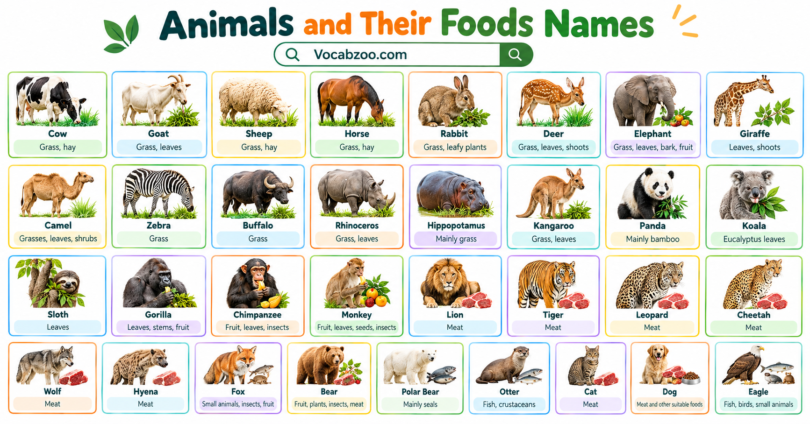
Animals and Their Foods Names in English
| Animal Name | Food Name |
|---|---|
| Cow | Grass, hay |
| Goat | Grass, leaves |
| Sheep | Grass, hay |
| Horse | Grass, hay |
| Rabbit | Grass, leafy plants |
| Deer | Grass, leaves, shoots |
| Elephant | Grass, leaves, bark, fruit |
| Giraffe | Leaves, shoots |
| Camel | Grasses, leaves, shrubs |
| Zebra | Grass |
| Buffalo | Grass |
| Rhinoceros | Grass, leaves |
| Hippopotamus | Mainly grass |
| Kangaroo | Grass, leaves |
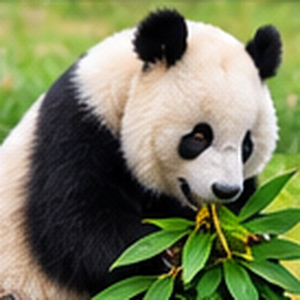
| Panda | Mainly bamboo |
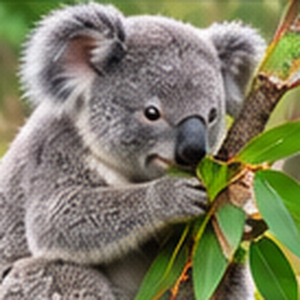
| Koala | Eucalyptus leaves |
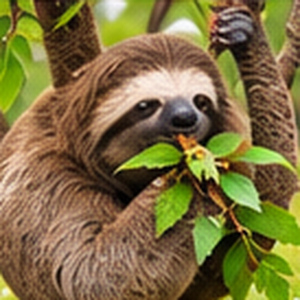
| Sloth | Leaves |
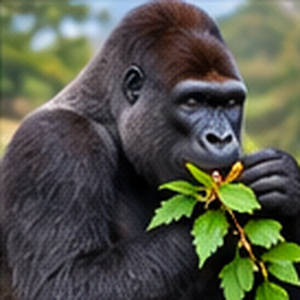
| Gorilla | Leaves, stems, fruit |
| Chimpanzee | Fruit, leaves, insects |
| Monkey | Fruit, leaves, seeds, insects |
| Lion | Meat |
| Tiger | Meat |
| Leopard | Meat |
| Cheetah | Meat |
| Wolf | Meat |
| Hyena | Meat |
| Fox | Small animals, insects, fruit |
| Bear | Fruit, plants, insects, meat |
| Polar Bear | Mainly seals |
| Otter | Fish, crustaceans |
| Cat | Meat |
| Dog | Meat and other suitable foods |
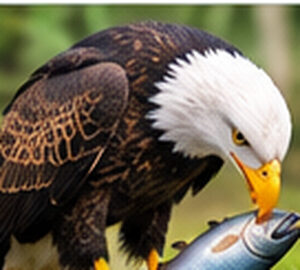
| Eagle | Fish, birds, small animals |
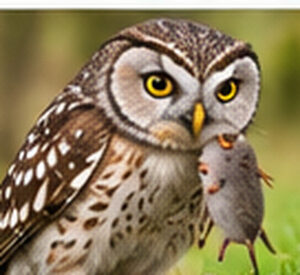
| Owl | Rodents, insects, small animals |
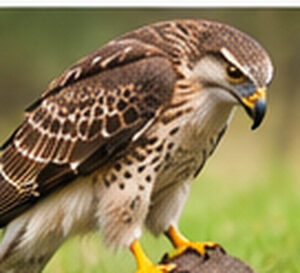
| Hawk | Small animals, birds |
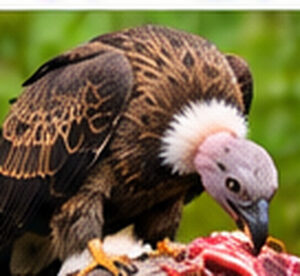
| Vulture | Carrion |
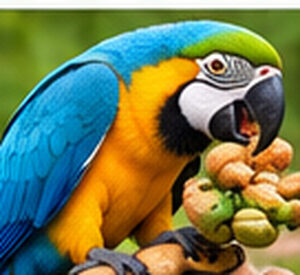
| Parrot | Fruit, seeds, nuts |
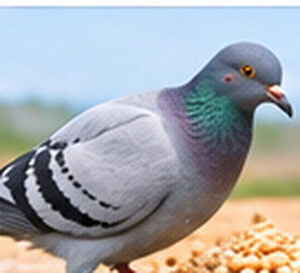
| Pigeon | Seeds, grains |
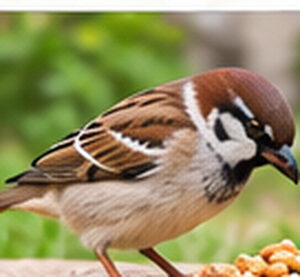
| Sparrow | Seeds, insects |
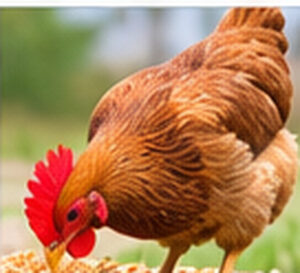
| Chicken | Seeds, grains, insects |
| Duck | Aquatic plants, insects, small animals |
| Goose | Grass, aquatic plants |
| Swan | Aquatic plants, small aquatic animals |
| Peacock | Seeds, insects, plants |
| Woodpecker | Insects, seeds, fruit |
| Hummingbird | Nectar, small insects |
| Frog | Insects and other small animals |
| Snake | Rodents, birds, eggs, other prey |
| Crocodile | Fish, birds, mammals |
| Turtle | Plants and/or animals, depending on species |
| Tortoise | Mainly grasses and leafy plants |
| Lizard | Insects, plants, or small animals, depending on species |
| Shark | Fish and other marine animals |
| Dolphin | Fish, squid |
| Whale | Krill, plankton, or fish, depending on species |
| Octopus | Crabs, shellfish, fish |
| Penguin | Fish, krill, squid |
| Seal | Fish, squid |
| Crab | Algae, plants, small animals |
| Butterfly | Nectar |
| Bee | Nectar and pollen |
| Grasshopper | Leaves and grasses |
| Spider | Insects and other small prey |
| Ant | Seeds, nectar, fungi, insects, depending on species |
Animals and Their Foods Names and Pictures
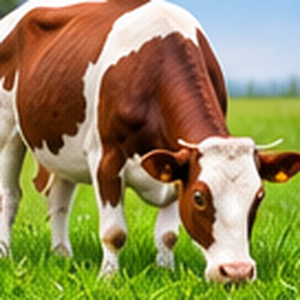
- Cow
A cow is a large domesticated mammal commonly raised for milk, meat, and other agricultural purposes. It is a herbivore that mainly eats grass, hay, silage, and specially prepared livestock feed.

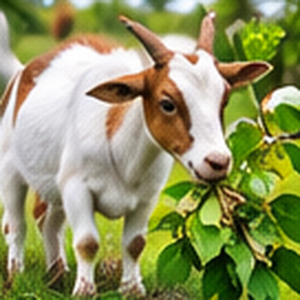
- Goat
A goat is a hardy domesticated mammal known for its agility and ability to live in varied environments. It mainly feeds on grasses, leaves, shrubs, hay, and other suitable plant material.
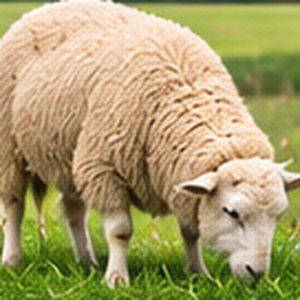
- Sheep
A sheep is a domesticated grazing mammal commonly raised for wool, meat, and milk. It is a herbivore that mainly consumes grass, hay, herbs, and other nutritious plant-based livestock feed.
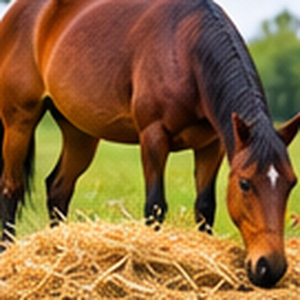
- Horse
A horse is a strong, fast domesticated mammal historically used for transport, farming, sport, and recreation. As a herbivore, it mainly eats grass, hay, and appropriately balanced grain or formulated feeds.
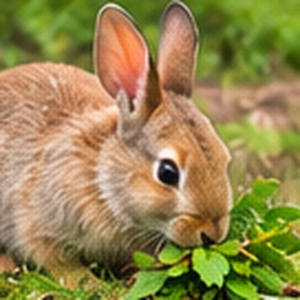
- Rabbit
A rabbit is a small herbivorous mammal recognized by its long ears, powerful hind legs, and continuously growing teeth. Its natural diet consists mainly of grasses, leafy vegetation, and other fibrous plant material.
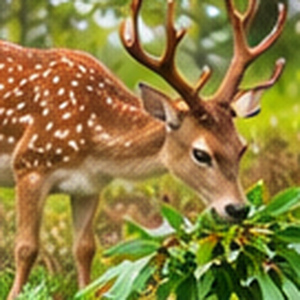
- Deer
A deer is a graceful herbivorous mammal found in forests, grasslands, mountains, and other habitats worldwide. Depending on the species and season, it eats grasses, leaves, shoots, twigs, fruits, and other vegetation.
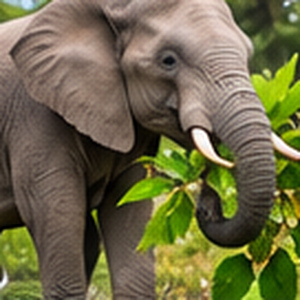
- Elephant
An elephant is the largest living land mammal, recognized by its trunk, tusks, and enormous body. This herbivore consumes large quantities of grasses, leaves, bark, roots, twigs, and fruits each day.
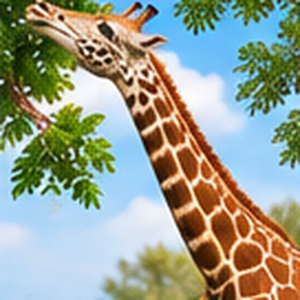
- Giraffe
A giraffe is the tallest living land animal, easily recognized by its exceptionally long neck and patterned coat. It is a browser that mainly feeds on leaves, shoots, flowers, and fruits from trees.
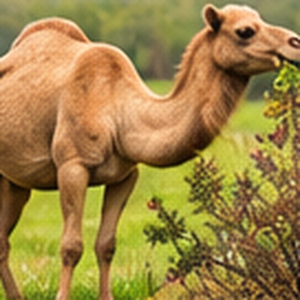
- Camel
A camel is a large mammal specially adapted to survive in dry and desert environments. It feeds on grasses, leaves, shrubs, thorny vegetation, and other available plants that many animals may avoid.
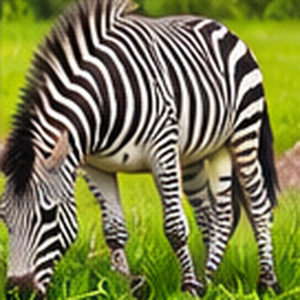
- Zebra
A zebra is an African grazing mammal famous for its distinctive black-and-white striped coat. Closely related to horses, it is primarily a herbivore and spends much of its time feeding on grasses.
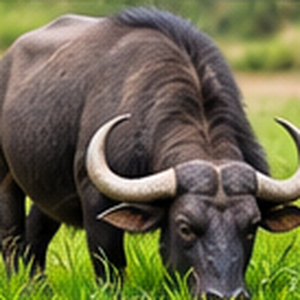
- Buffalo
Buffaloes are large, powerful herbivorous mammals found in different regions of Africa and Asia. Depending on the species and habitat, they mainly graze on grasses and may also consume herbs and aquatic vegetation.
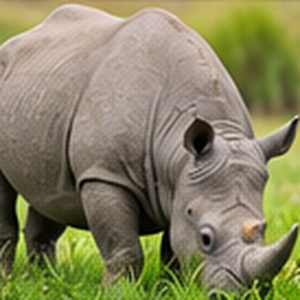
- Rhinoceros
A rhinoceros is a large, thick-skinned herbivorous mammal distinguished by one or two horns on its snout. Depending on the species, rhinos mainly eat grasses, leaves, shoots, twigs, and other vegetation.
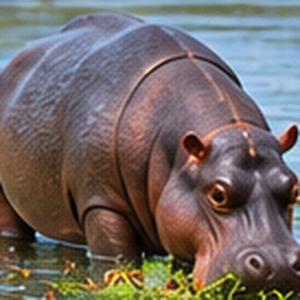
- Hippopotamus
A hippopotamus is a massive semi-aquatic African mammal that spends much of the daytime in rivers or lakes. Despite its size, it is primarily herbivorous and usually feeds on grasses, especially at night.
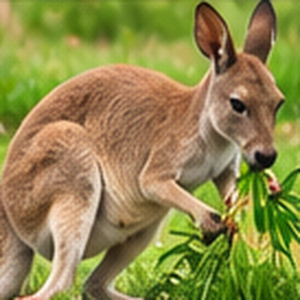
- Kangaroo
A kangaroo is an Australian marsupial recognized by its powerful hind legs, long tail, and distinctive hopping movement. It is herbivorous and primarily grazes on grasses, while some species also consume leaves.
- Panda
The giant panda is a distinctive black-and-white bear native to mountainous regions of China. Although biologically classified among carnivorans, its diet consists overwhelmingly of bamboo, including its leaves, stems, and shoots.
- Koala
A koala is a tree-dwelling Australian marsupial adapted to spending much of its life in eucalyptus trees. It has a highly specialized diet consisting mainly of leaves from selected species of eucalyptus.
- Sloth
A sloth is a slow-moving, tree-dwelling mammal native to tropical forests of Central and South America. Most sloths primarily consume leaves, while some species may also eat fruits, flowers, and other plant material.
- Gorilla
A gorilla is the largest living primate and inhabits forests of central Africa. Its diet is mainly plant-based, consisting of leaves, stems, shoots, fruits, and bark, though some populations also consume small invertebrates.
- Chimpanzee
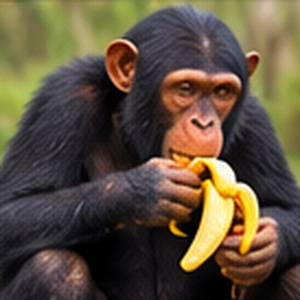
A chimpanzee is an intelligent African great ape known for complex social behavior and tool use. Its varied omnivorous diet includes fruits, leaves, seeds, flowers, insects, eggs, and occasionally meat from other animals.
- Monkey
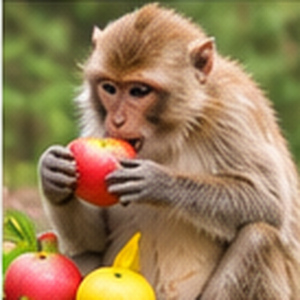
Monkeys are diverse primates found mainly in tropical and subtropical regions. Their diets vary greatly among species and may include fruits, leaves, seeds, nuts, flowers, insects, eggs, and occasionally small animals.
- Lion
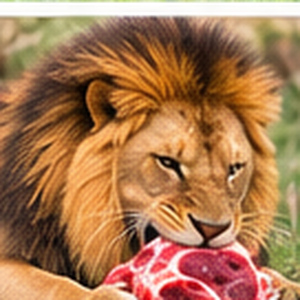
A lion is a large social cat native mainly to African grasslands and savannas, with a small population surviving in India. It is carnivorous and hunts animals such as antelopes, zebras, and wildebeest.
- Tiger
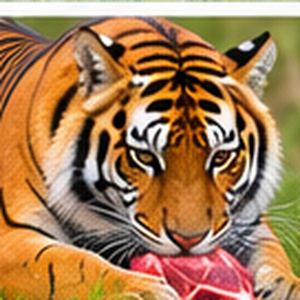
A tiger is the largest living cat species, recognized by its orange coat and dark vertical stripes. This powerful carnivore mainly hunts deer, wild pigs, and other medium-to-large mammals within its natural habitat.
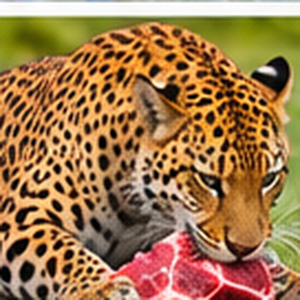
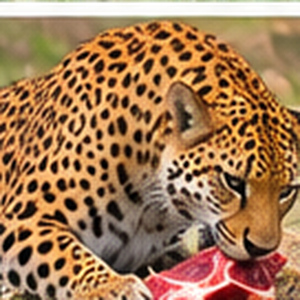
- Leopard
A leopard is a powerful and adaptable wild cat recognized by its spotted coat and excellent climbing ability. It is carnivorous and feeds on various prey, including antelopes, monkeys, rodents, birds, and other animals.
- Cheetah
A cheetah is a slender African and Asian wild cat famous for being the fastest land animal over short distances. It primarily hunts small-to-medium animals, particularly gazelles, impalas, and other hoofed mammals.
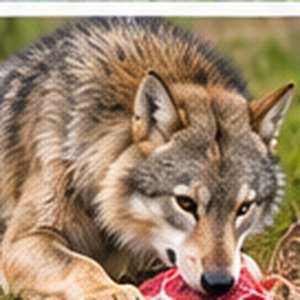
- Wolf
A wolf is a highly social wild canine that commonly lives and hunts in family groups called packs. Its carnivorous diet mainly includes deer and other hoofed mammals, although smaller animals are also eaten.
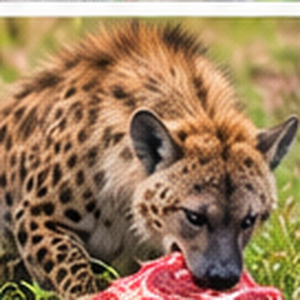
- Hyena
A hyena is a powerful carnivorous mammal native to Africa and parts of Asia. Depending on the species, hyenas hunt live prey, scavenge animal carcasses, and may also consume insects, fruits, or other available foods.
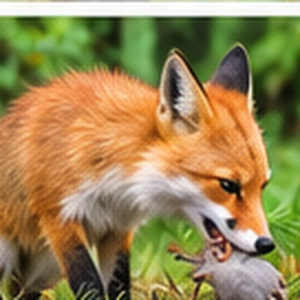
- Fox
A fox is a small-to-medium member of the dog family known for its adaptability and bushy tail. It is omnivorous, eating rodents, rabbits, birds, insects, eggs, fruits, berries, and other available foods.
- Bear
Bears are large mammals found across parts of North America, South America, Europe, and Asia. Diet varies by species, with many eating fruits, roots, nuts, insects, fish, and meat, while some are specialized feeders.
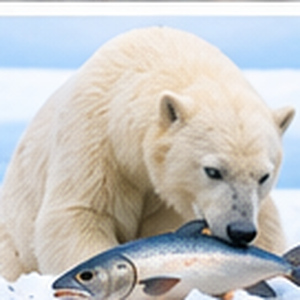
- Polar Bear
A polar bear is a large Arctic bear specially adapted to life on sea ice and in extremely cold environments. It is highly carnivorous and primarily hunts seals, particularly ringed and bearded seals.
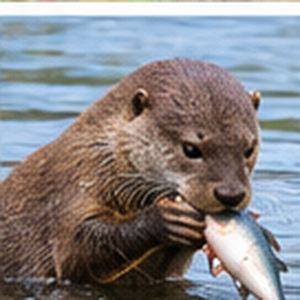
- Otter
An otter is a semi-aquatic mammal known for its streamlined body, dense fur, and playful behavior. Depending on the species, it commonly eats fish, crustaceans, mollusks, amphibians, and other small aquatic animals.
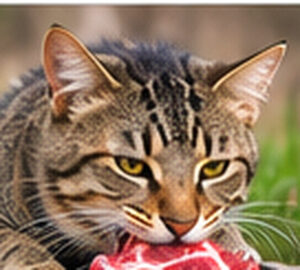
- Cat
A domestic cat is a small, agile companion animal known for sharp retractable claws and excellent hunting instincts. Cats are obligate carnivores and require animal-derived nutrients, normally supplied through nutritionally complete cat food.

- Dog
A dog is a domesticated canine that has lived alongside humans for thousands of years as a companion and working animal. Dogs are nutritionally flexible and can thrive on properly balanced, species-appropriate formulated diets.
- Eagle
An eagle is a large bird of prey equipped with powerful talons, keen eyesight, and a hooked beak. Depending on the species, eagles hunt fish, mammals, birds, reptiles, and other suitable animal prey.
- Owl
An owl is a predatory bird recognized by its forward-facing eyes, hooked beak, and highly adapted hearing. Most species feed on rodents, insects, birds, reptiles, amphibians, or other small animals, usually hunting at night.

- Hawk
A hawk is a bird of prey with sharp talons, excellent vision, and a hooked beak for tearing food. Depending on the species, it hunts rodents, birds, reptiles, insects, and other small animals.

- Vulture
A vulture is a large scavenging bird that plays an important ecological role by helping remove dead animals. Its diet consists primarily of carrion, although feeding habits differ somewhat among the various vulture species.

- Parrot
Parrots are colorful, intelligent birds recognized by their curved bills and strong feet. Wild diets vary among species and can include fruits, seeds, nuts, flowers, nectar, buds, and other available plant materials.
- Pigeon
A pigeon is a highly adaptable bird found in cities, farmland, cliffs, and other habitats worldwide. Its natural diet consists mainly of seeds and grains, although some pigeons also consume fruits and small invertebrates.
- Sparrow
Sparrows are small, active birds commonly found near human settlements, grasslands, and farmland. Their diets vary by species and season but commonly include seeds, grains, insects, and other small invertebrates.

- Chicken
A chicken is a domesticated bird widely raised for eggs and meat throughout the world. It is naturally omnivorous and consumes seeds, grains, plants, insects, worms, and appropriately formulated poultry feed.
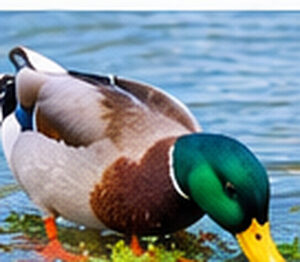
- Duck
Ducks are water-associated birds found in freshwater, coastal, and wetland habitats around the world. Depending on the species, they eat aquatic plants, seeds, insects, worms, mollusks, crustaceans, and other small aquatic organisms.

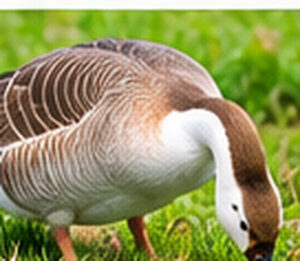
- Goose
A goose is a large waterbird known for strong seasonal movements in many wild species and for living in flocks. Geese primarily graze on grasses and also consume leaves, seeds, grains, and aquatic vegetation.

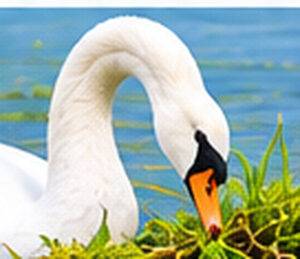
- Swan
A swan is a large, graceful waterbird recognized by its long neck and powerful body. It mainly feeds on aquatic vegetation but may also consume algae, insects, mollusks, and other small aquatic organisms.

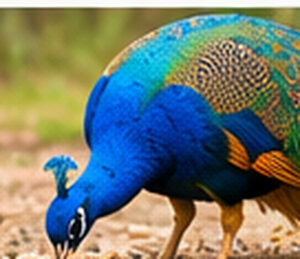
- Peacock
A peacock is the male peafowl, famous for its spectacular train of colorful feathers used in courtship displays. Peafowl are omnivorous and consume seeds, fruits, plants, insects, worms, and small animals.
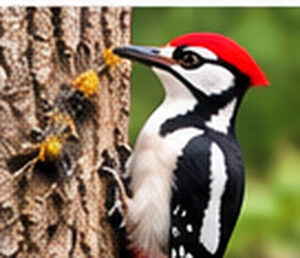
- Woodpecker
A woodpecker is a specialized bird known for using its strong bill to peck and probe wood. Depending on the species, it eats insects, larvae, ants, seeds, nuts, fruits, and tree sap.

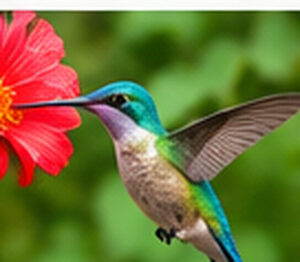
- Hummingbird
A hummingbird is a tiny bird famous for rapid wingbeats and the ability to hover while feeding. It obtains energy mainly from flower nectar while also catching small insects and spiders for essential nutrients.
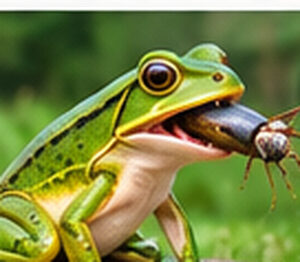
- Frog
A frog is an amphibian with powerful hind legs and a life cycle commonly involving aquatic tadpoles. Most adult frogs are predators that consume insects, spiders, worms, and other small animals they can capture.
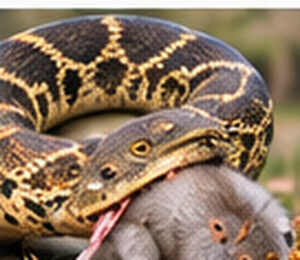
- Snake
A snake is a legless reptile found in diverse habitats around the world. All living snake species are carnivorous, feeding on prey such as rodents, birds, eggs, amphibians, fish, reptiles, or invertebrates.

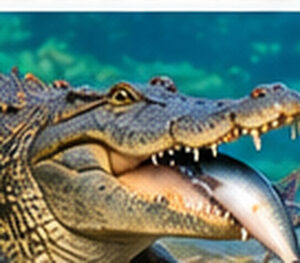
- Crocodile
A crocodile is a large semi-aquatic reptile with powerful jaws and a muscular tail. It is carnivorous and feeds on fish, birds, reptiles, and mammals, with prey size varying according to the crocodile’s size.

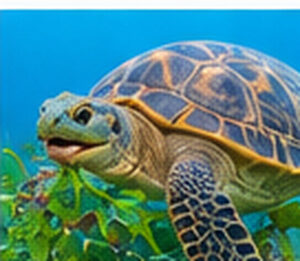
- Turtle
Turtles are reptiles protected by hard shells and found in freshwater, marine, and terrestrial environments. Their diets vary greatly by species and may include aquatic plants, algae, insects, mollusks, fish, jellyfish, and other foods.
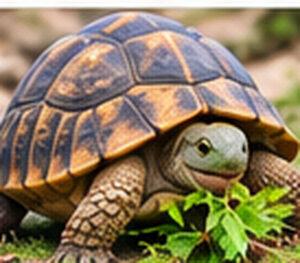
- Tortoise
A tortoise is a land-dwelling turtle recognized by its sturdy shell and slow movement. Most species are primarily herbivorous, feeding on grasses, leaves, flowers, weeds, and other vegetation available in their habitats.
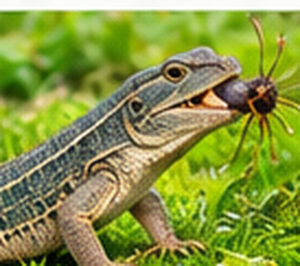
- Lizard
Lizards are a highly diverse group of reptiles found in many habitats worldwide. Depending on the species, they may eat insects, spiders, plants, fruits, small vertebrates, eggs, or a combination of these foods.

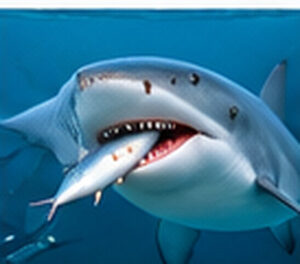
- Shark
Sharks are cartilaginous fish found in oceans worldwide and range greatly in size and feeding behavior. Depending on the species, they consume fish, squid, crustaceans, marine mammals, plankton, or other marine organisms.

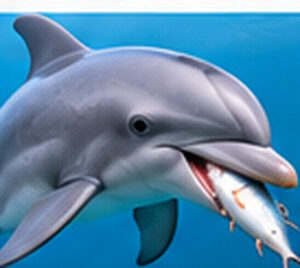
- Dolphin
Dolphins are intelligent aquatic mammals known for social behavior, streamlined bodies, and sophisticated communication. Most species are active predators that feed mainly on fish and squid, while some also consume crustaceans or other prey.

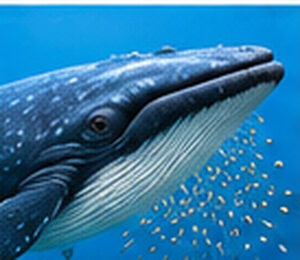
- Whale
Whales are large marine mammals divided broadly into baleen and toothed groups. Baleen whales commonly consume krill or small fish, while toothed whales may hunt fish, squid, and sometimes other marine animals.
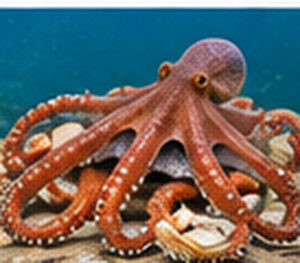
- Octopus
An octopus is an intelligent marine mollusk with eight flexible arms, excellent camouflage, and complex behavior. It is a predator that commonly eats crabs, shrimp, shellfish, fish, and other small marine animals.
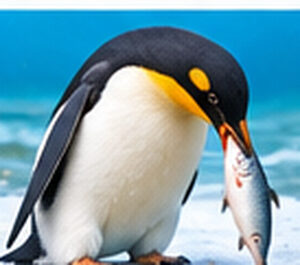
- Penguin
Penguins are flightless seabirds adapted for swimming and living mainly in the Southern Hemisphere. Their diets vary by species but generally include fish, krill, squid, and other small marine animals captured underwater.

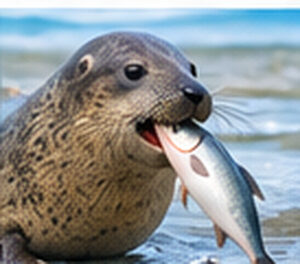
- Seal
Seals are marine mammals with streamlined bodies and flippers adapted for efficient swimming. Depending on the species and habitat, they commonly eat fish, squid, crustaceans, mollusks, and other available marine animals.
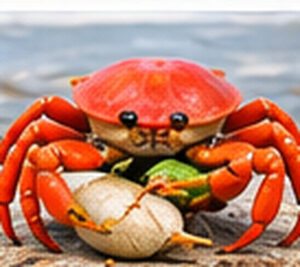
- Crab
Crabs are crustaceans recognized by their hard exoskeleton, ten limbs, and prominent claws. Their diets vary widely, with many species eating algae, plant material, mollusks, worms, smaller animals, and decaying organic matter.

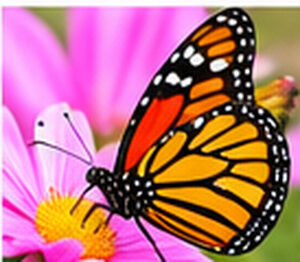
- Butterfly
A butterfly is a winged insect known for colorful scales and a life cycle involving caterpillar and adult stages. Most adults primarily drink flower nectar, although some species also consume tree sap or rotting fruit juices.
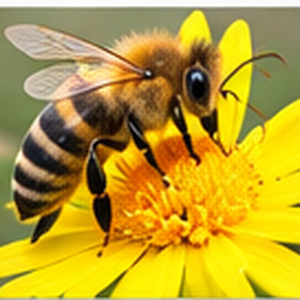
- Bee
Bees are important pollinating insects found in diverse habitats around the world. Most adult bees obtain energy from flower nectar and collect pollen as a major source of protein and other nutrients for their young.
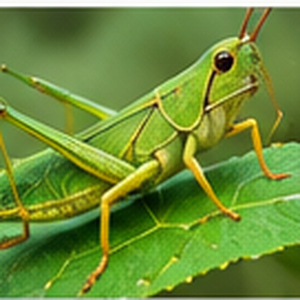
- Grasshopper
A grasshopper is a jumping insect with powerful hind legs and chewing mouthparts. Most species are herbivorous and feed primarily on grasses, leaves, stems, and other plant material found in their habitats.
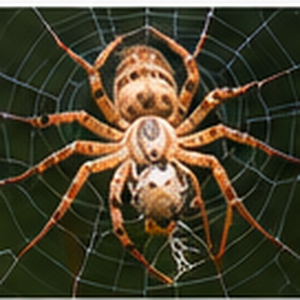
- Spider
Spiders are eight-legged arachnids rather than insects and occur in almost every terrestrial habitat. Most are predators that capture insects and other small animals, using venom, webs, ambush, or active hunting techniques.
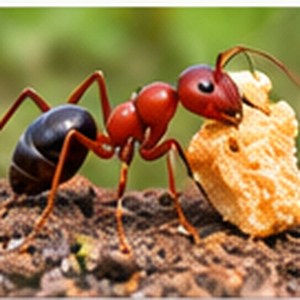
- Ant
Ants are highly social insects that live in organized colonies with specialized members. Their diets vary greatly by species and may include nectar, seeds, fungi, insects, honeydew, and other plant or animal materials.

Herbivorous Animals and Their Foods
Herbivores are animals whose diets consist mainly of plant material. They may eat grass, leaves, stems, bark, roots, seeds, or fruits.
| Herbivorous Animal | Common Foods |
|---|---|
| Cow | Grass, hay |
| Horse | Grass, hay |
| Sheep | Grass |
| Goat | Grass, leaves |
| Giraffe | Leaves, shoots |
| Zebra | Grass |
| Deer | Leaves, grass, shoots |
| Elephant | Grass, leaves, bark, fruit |
| Rabbit | Grass, leafy plants |
| Panda | Bamboo |
| Koala | Eucalyptus leaves |
| Kangaroo | Grass, leaves |
| Buffalo | Grass |
| Tortoise | Grasses, leafy plants |
| Rhinoceros | Grass or leaves, depending on species |
Herbivores do not all eat the same plants. Their diets depend on their species and natural habitats.
Carnivorous Animals and Their Foods
Carnivores are animals that obtain most or all of their food from other animals.
Some hunt live prey, while others may eat animals that are already dead.
| Carnivorous Animal | Common Foods |
|---|---|
| Lion | Antelope, zebra and other prey |
| Tiger | Deer, wild pigs and other prey |
| Cheetah | Gazelles and other small to medium prey |
| Leopard | Mammals, birds |
| Wolf | Deer and other animals |
| Polar Bear | Mainly seals |
| Eagle | Fish, birds, small mammals |
| Owl | Rodents, insects |
| Crocodile | Fish, birds, mammals |
| Snake | Rodents, birds, eggs or other prey |
| Shark | Fish and marine animals |
| Dolphin | Fish, squid |
| Seal | Fish, squid |
| Octopus | Crabs, shellfish, fish |
| Frog | Insects and other small prey |
Omnivorous Animals and Their Foods
Omnivores eat foods from both plant and animal sources.
| Omnivorous Animal | Common Foods |
|---|---|
| Bear | Fruit, plants, insects, animals |
| Chimpanzee | Fruit, leaves, seeds, insects, occasional meat |
| Fox | Small animals, insects, fruit |
| Chicken | Seeds, grains, insects |
| Duck | Plants, insects, small aquatic animals |
| Crow | Seeds, fruit, insects, small animals |
| Pig | Roots, fruit, plants, insects, animal matter |
| Mouse | Seeds, grains, fruit, insects |
| Raccoon | Fruit, nuts, insects, eggs, aquatic animals |
Being an omnivore does not mean an animal eats every kind of food. Each species still has its own nutritional requirements and natural feeding behavior.
Farm Animals and Their Foods
Farm animals are animals raised by people for purposes such as milk, eggs, wool, transport, companionship, or food production.
| Farm Animal | Common Food |
|---|---|
| Cow | Grass, hay, suitable feed |
| Goat | Grass, leaves, hay |
| Sheep | Grass, hay |
| Horse | Grass, hay |
| Chicken | Grains, seeds, insects, formulated feed |
| Duck | Plants, insects, grains, suitable feed |
| Pig | Formulated feed and suitable plant foods |
| Rabbit | Hay, grass, leafy plants |
Domestic animals need a balanced diet appropriate to their species, rather than simply one food shown in a vocabulary list.
Wild Animals and Their Foods
Wild animals obtain food from their natural habitats.
| Wild Animal | Food |
|---|---|
| Lion | Meat |
| Tiger | Meat |
| Elephant | Grass, leaves, bark, fruit |
| Giraffe | Leaves |
| Zebra | Grass |
| Deer | Grass, leaves |
| Panda | Bamboo |
| Gorilla | Leaves, stems, fruit |
| Cheetah | Meat |
| Wolf | Meat |
| Bear | Plants and animal foods |
| Rhinoceros | Grass or leaves |
| Hippopotamus | Mainly grass |
| Hyena | Meat |
| Kangaroo | Grass, leaves |
Pet Animals and Their Foods
Pets should be given food that meets the nutritional requirements of their particular species.
Dog
Dogs are domesticated animals with nutritional needs that can be met through properly formulated dog food and other veterinarian-approved foods.
Example: The dog is eating its food.
Cat
Cats are obligate carnivores, meaning they require nutrients naturally associated with animal tissues. Complete cat food is formulated to meet these nutritional requirements.
Example: The cat is eating its meal.
Rabbit
Rabbits are herbivores. Their diet should contain plenty of suitable fibrous plant material, particularly grass or hay.
Example: The rabbit is eating hay.
Parrot
Parrot diets vary by species and may include fruit, seeds, nuts, flowers, and other plant material. Pet parrots require an appropriately balanced diet rather than seeds alone.
Example: The parrot is eating fruit.
Birds and Their Foods
Different bird species have very different diets.
| Bird Name | Food |
|---|---|
| Eagle | Fish, birds, small mammals |
| Owl | Rodents, insects |
| Parrot | Fruit, seeds, nuts |
| Pigeon | Seeds, grains |
| Sparrow | Seeds, insects |
| Hummingbird | Nectar, small insects |
| Woodpecker | Insects, seeds, fruit |
| Vulture | Carrion |
| Peacock | Seeds, insects, plants |
| Duck | Aquatic plants, insects |
| Goose | Grass, aquatic vegetation |
| Penguin | Fish, krill, squid |
A bird’s beak shape, habitat, and feeding behavior are often closely related to the food it eats.
Sea Animals and Their Foods
Marine animals obtain food from oceans and other saltwater environments.
| Sea Animal | Food |
|---|---|
| Shark | Fish and marine animals |
| Dolphin | Fish, squid |
| Blue Whale | Mainly krill |
| Orca | Fish or marine mammals, depending on population |
| Octopus | Crabs, shellfish, fish |
| Seal | Fish, squid |
| Sea Turtle | Diet varies by species |
| Crab | Algae, plants, small animals |
| Lobster | Mollusks, worms, other marine material |
| Jellyfish | Plankton and small aquatic animals |
Not all whales eat the same food. Baleen whales commonly filter small prey such as krill, while toothed whales eat fish, squid, or other animals.
Insects and Their Foods
Insects also have specialized diets.
| Insect | Common Food |
|---|---|
| Butterfly | Nectar |
| Honey Bee | Nectar, pollen |
| Grasshopper | Leaves, grasses |
| Caterpillar | Leaves and other plant material |
| Mosquito | Nectar; females of many species also take blood meals |
| Aphid | Plant sap |
| Termite | Cellulose-rich material |
| Ladybird | Aphids and other small insects |
| Dragonfly | Other insects |
| Praying Mantis | Insects and other small prey |
Animals That Eat Grass
Animals that commonly eat grass include:
- Cow
- Horse
- Sheep
- Goat
- Zebra
- Buffalo
- Kangaroo
- Hippopotamus
- Rhinoceros
- Deer
Animals that eat mainly grasses and other plant material are generally described as herbivores.
Animals That Eat Leaves
Many animals feed on leaves as an important part of their diet.
Examples include:
- Giraffe
- Koala
- Elephant
- Goat
- Gorilla
- Sloth
- Deer
- Caterpillar
A giraffe uses its long neck and tongue to reach leaves from trees, while koalas specialize heavily on eucalyptus foliage.
Animals That Eat Fruits
Fruit forms part of the natural diet of many animals, including:
- Chimpanzees
- Many monkeys
- Gorillas
- Fruit bats
- Parrots
- Toucans
- Orangutans
- Some bears
Animals that eat fruit and help move seeds from one location to another can play an important role in seed dispersal.
Animals That Eat Insects
Animals that feed heavily on insects are often described as insectivorous.
Examples include:
- Frogs
- Anteaters
- Bats of many species
- Lizards of many species
- Spiders
- Woodpeckers
- Swallows
- Dragonflies
Some animals eat almost entirely insects, while others include insects as only one part of a wider diet.
Animals That Eat Meat
Meat-eating animals include:
- Lion
- Tiger
- Leopard
- Cheetah
- Wolf
- Crocodile
- Eagle
- Owl
- Snake
- Polar Bear
These animals obtain nutrients by consuming other animals, although their hunting and feeding behaviors vary considerably.
Animals and Their Favorite Food
The phrase “favorite food” is common in children’s vocabulary activities, but it is more accurate to say common food or typical diet when discussing animals scientifically.
For example:
| Animal | Commonly Associated Food |
|---|---|
| Panda | Bamboo |
| Koala | Eucalyptus leaves |
| Cow | Grass |
| Giraffe | Leaves |
| Rabbit | Grass and hay |
| Lion | Meat |
| Frog | Insects |
| Hummingbird | Nectar |
| Blue Whale | Krill |
| Anteater | Ants and termites |
This avoids the misleading idea that every individual animal has one single “favorite” food.
Types of Animals According to Food
Animals can be grouped according to what they eat.
| Diet Type | Meaning | Examples |
|---|---|---|
| Herbivore | Mainly eats plants | Cow, deer, giraffe |
| Carnivore | Mainly eats animals | Lion, tiger, wolf |
| Omnivore | Eats plant and animal foods | Bear, pig, crow |
| Insectivore | Eats mainly insects | Anteater, some bats |
| Frugivore | Eats mainly fruit | Many fruit bats |
| Granivore | Eats mainly seeds | Many seed-eating birds |
| Nectarivore | Feeds mainly on nectar | Hummingbirds |
| Piscivore | Eats mainly fish | Many kingfishers, some seals |
These categories can overlap. For example, an omnivorous animal may also eat large quantities of fruit or insects.
Herbivores vs Carnivores vs Omnivores
| Herbivores | Carnivores | Omnivores |
|---|---|---|
| Mainly eat plants | Mainly eat animals | Eat plants and animals |
| Cow | Lion | Bear |
| Giraffe | Tiger | Pig |
| Zebra | Cheetah | Crow |
| Rabbit | Wolf | Chicken |
| Deer | Leopard | Chimpanzee |
This is one of the simplest ways for beginners to understand animal feeding groups.
Food Chains and Animal Food
A food chain shows how energy and nutrients pass from one organism to another through feeding.
A simple example is:
Grass → Grasshopper → Frog → Snake → Eagle
Here:
- Grasshopper eats grass or plant material.
- Frog eats the grasshopper.
- Snake may eat the frog.
- Eagle may prey on the snake.
Real ecosystems are usually more complicated than a single chain. Many interconnected feeding relationships form a food web.
Why Do Different Animals Eat Different Foods?
Animals have evolved different ways of obtaining and digesting food.
Their diets are influenced by:
- Teeth
- Jaws
- Beaks
- Digestive systems
- Body size
- Habitat
- Hunting ability
- Seasonal food availability
- Nutritional requirements
For example, a lion has teeth and digestive adaptations suited to consuming animal tissue, while a cow has a specialized digestive system that helps it obtain nutrients from fibrous plant material.
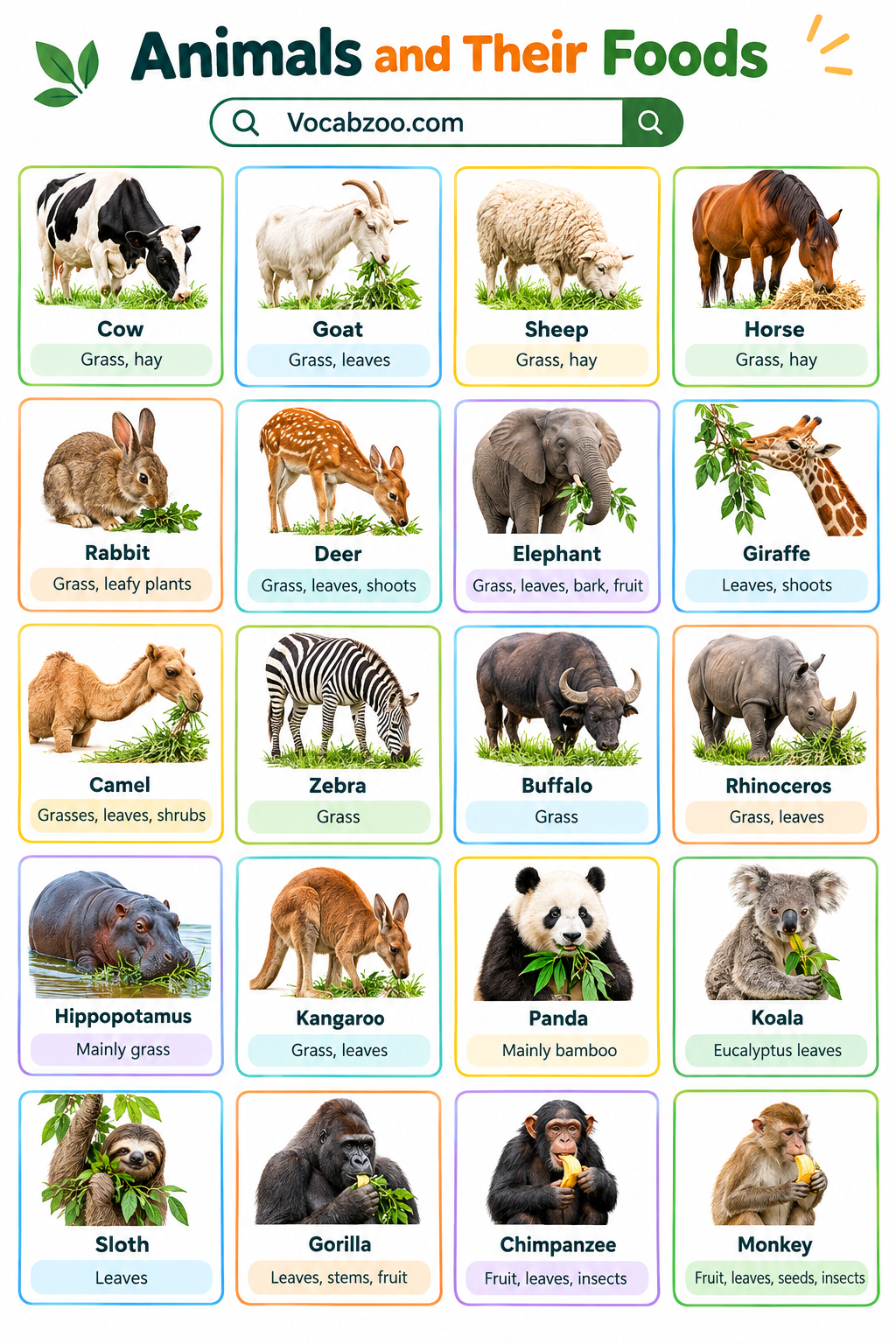
Animals and Their Foods names
Learn more helpful articles