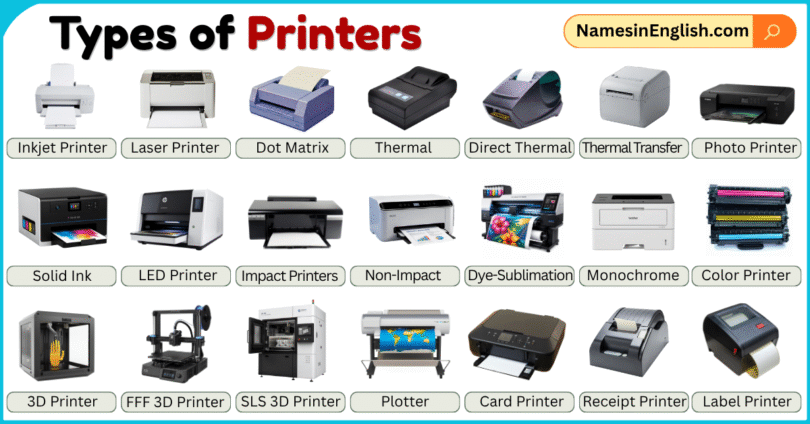

Printers are useful electronic devices that produce physical copies of text, images, documents, and designs from digital files. They come in many varieties, including inkjet, laser, thermal, photo, dot matrix, and 3D printers, each designed for different printing needs and applications. Learning the names of different types of printers is a practical way to improve English and technology vocabulary while understanding common printing devices. In this article, you will learn printer types and names in English with clear pictures, helping students, teachers, office workers, beginners, and English learners easily identify, understand, compare, remember, and use these printer names with confidence.
What Is a Printer?
A printer is an electronic device that converts digital text, images, or other information from a computer or phone into a physical copy, usually on paper. Printers are commonly used in:
- Homes
- Schools
- Offices
- Shops
- Hospitals
- Libraries
- Factories
- Banks
- Warehouses
- Photography businesses
Types of Printers and Their Uses
| Printer category | Common examples | Typical use |
|---|---|---|
| Inkjet printers | Standard inkjet, photo inkjet | Homes, photos, school work |
| Laser printers | Monochrome, color laser | Offices, documents |
| Dot matrix printers | Impact dot matrix | Forms, invoices, older business systems |
| Thermal printers | Direct thermal, thermal transfer | Receipts, labels |
| Dye-sublimation printers | Photo printers, card printers | Photos and ID cards |
| Solid ink printers | Solid-ink office printers | Color office printing |
| LED printers | Monochrome and color LED | Office documents |
| Large-format printers | Plotters, wide-format printers | Posters, drawings, signs |
| 3D printers | FDM, resin, other technologies | Physical 3D objects |
Types of Printers by Printing Technology
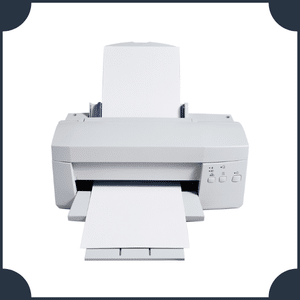
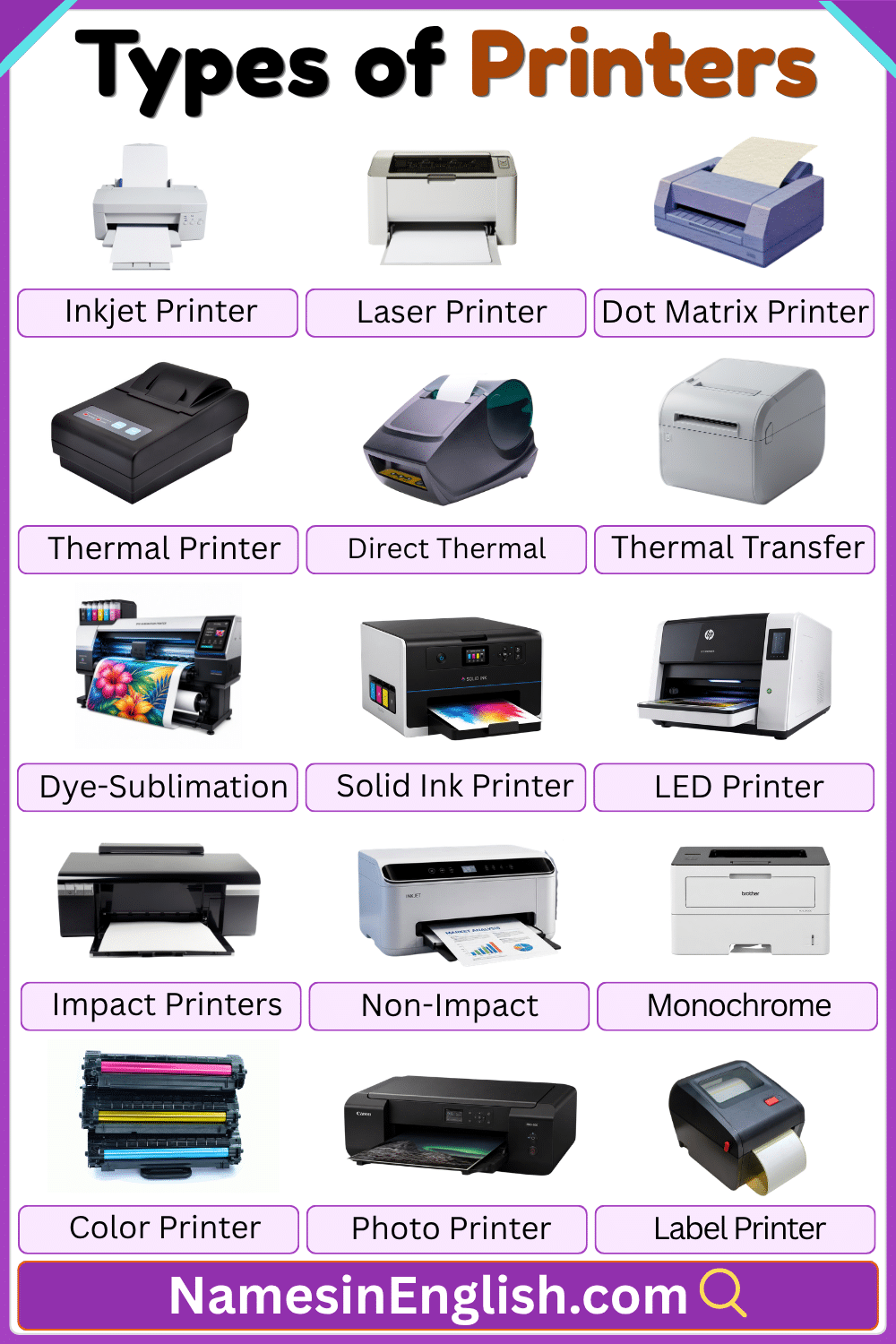
Inkjet Printer
An inkjet printer sprays tiny droplets of liquid ink onto paper, making it suitable for colorful documents, photographs, school projects, greeting cards, and everyday home printing.
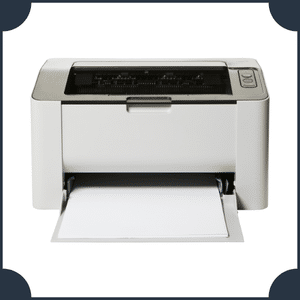
Laser Printer
A laser printer uses toner, an imaging system, and heat to produce sharp pages quickly, making it useful for offices, reports, invoices, letters, and high-volume printing.
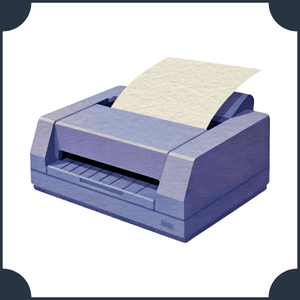
Dot Matrix Printer
A dot matrix printer uses small pins to strike an ink ribbon, creating characters from dots. It is useful for multipart forms and continuous paper printing.
Thermal Printer
A thermal printer uses heat to create printed information and commonly produces receipts, labels, tickets, barcodes, and other business documents without conventional liquid ink.
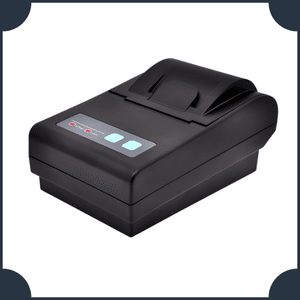
Direct Thermal Printer
A direct thermal printer heats specially coated paper to create text and images, making it common for receipts, temporary labels, parking tickets, and shipping information.
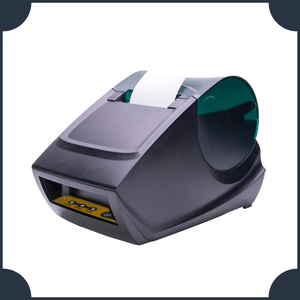
Thermal Transfer Printer
A thermal transfer printer uses heat to move ink from a ribbon onto labels or other materials, producing durable prints for products, barcodes, shipping, and industrial applications.
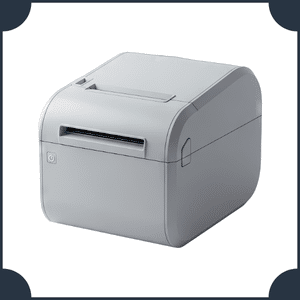
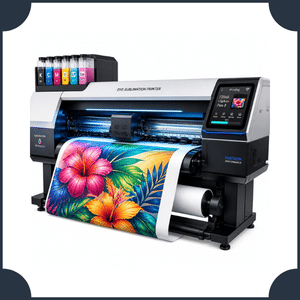
Dye-Sublimation Printer
A dye-sublimation printer uses heat to transfer dye onto specially designed materials, producing smooth colors and detailed images for photographs, photo booths, identification cards, and event cards.
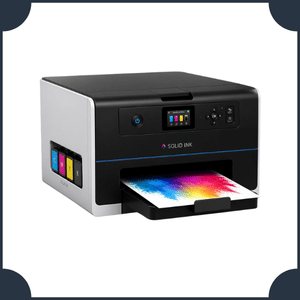
Solid Ink Printer
A solid ink printer melts solid ink blocks during printing and transfers the melted material onto paper. This technology has mainly appeared in specialized office printing systems.
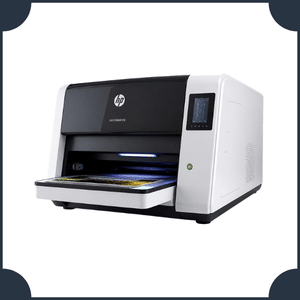
LED Printer
An LED printer uses toner and light-emitting diodes to create images on an imaging drum, providing printing similar to laser printers for documents and office work.
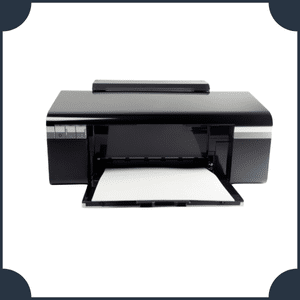
Types of Printers by Printing Method
Impact Printers
An impact printer creates printed characters by physically striking an ink ribbon or printing surface, making it useful for multipart forms and continuous paper.
Non-Impact Printers
A non-impact printer creates printed text or images without physically striking the paper, offering quieter operation and including common technologies such as inkjet, laser, LED, and thermal printing.
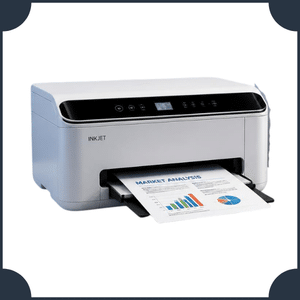
Types of Printers by Color
Monochrome Printer
A monochrome printer normally uses black ink or toner to produce text and simple graphics, making it practical for reports, letters, forms, invoices, and notes.
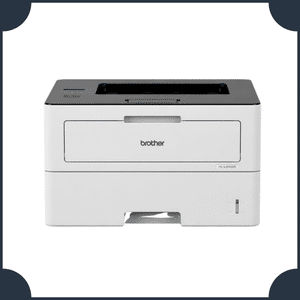
Color Printer
A color printer combines different inks or toners to produce multiple colors, making it useful for photographs, presentations, charts, posters, school projects, and marketing materials.
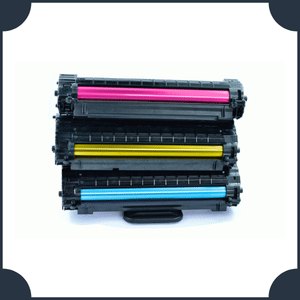
Types of Printers by Purpose
Photo Printer
A photo printer is designed for producing detailed, high-quality photographs, often supporting specialized photo paper and technologies such as inkjet or dye-sublimation printing.
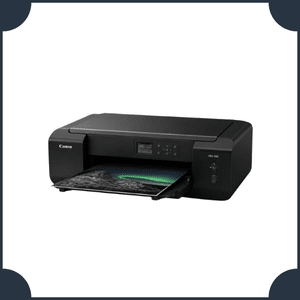
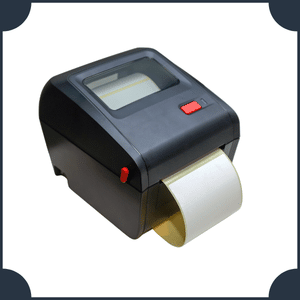
Label Printer
A label printer is designed specifically for producing labels, including product, address, barcode, shipping, and storage labels used by businesses, shops, offices, and sellers.
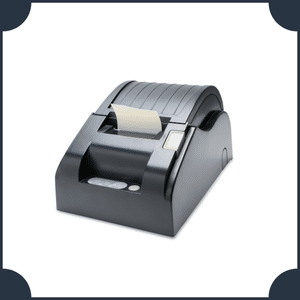
Receipt Printer
A receipt printer produces small printed receipts for customers, commonly using direct thermal technology because it provides fast printing without traditional ink cartridges for everyday transactions.
Card Printer
A card printer produces information and graphics on plastic cards, commonly creating employee identification, student, membership, and access cards for organizations and businesses.
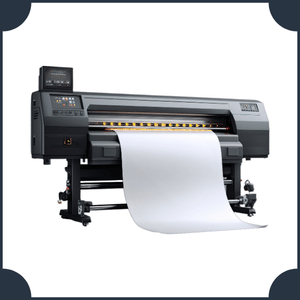
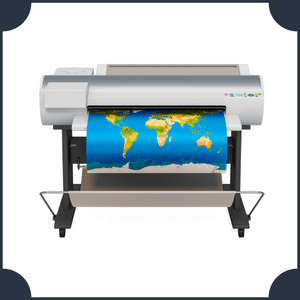
Large-Format Printer
A large-format printer produces unusually wide prints for posters, banners, maps, signs, technical drawings, and advertising graphics, with output size defining its category.
Plotter
A plotter traditionally creates precise drawings using pens or physical tools, while modern plotters often use inkjet technology for architecture, engineering, maps, and graphics.
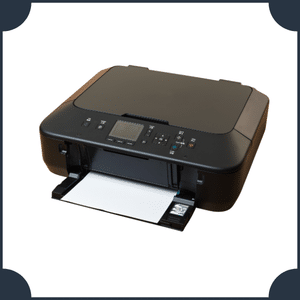
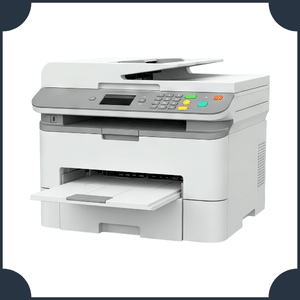
Multifunction Printer
A multifunction printer combines printing with scanning, copying, and sometimes faxing, making it convenient for homes, schools, and offices needing several document-related tasks.
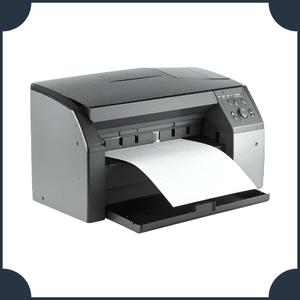
Single-Function Printer
A single-function printer mainly performs printing without built-in scanning or copying, making it suitable for users who need straightforward document printing only.
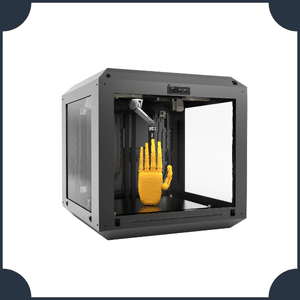
3D Printer
A 3D printer creates physical three-dimensional objects layer by layer instead of printing on paper, using materials such as plastic, resin, or powdered substances.
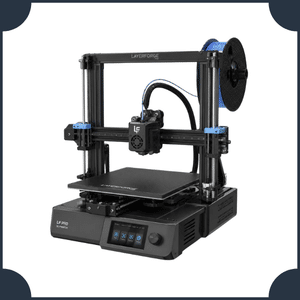
FDM or FFF 3D Printer
An FDM or FFF printer melts thermoplastic filament and deposits it layer by layer, making it useful for prototypes, models, educational projects, replacement parts, and hobbies.
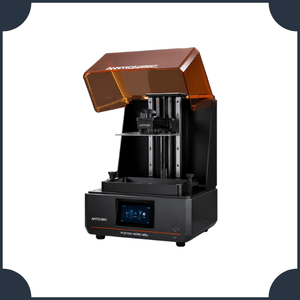
Resin 3D Printer
A resin 3D printer uses liquid photosensitive resin that hardens when exposed to light, producing highly detailed objects for miniatures, jewelry prototypes, models, and product development.
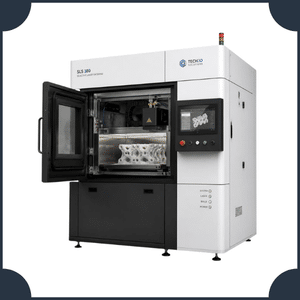
SLS 3D Printer
An SLS 3D printer uses a laser to fuse powdered material layer by layer, creating complex and functional parts commonly used for engineering, prototypes, and product development.
What Is Printer Resolution?
Printer resolution describes the amount of detail a printer can reproduce. It is often expressed in dots per inch (DPI). A higher DPI number does not automatically mean that every print will look better. Print quality also depends on the printer’s technology, paper, ink or toner, image quality, and other factors.
What Is Duplex Printing?
Duplex printing means printing on both sides of a sheet of paper. Some printers can perform this automatically, while others require the user to turn the paper manually.
Wired and Wireless Printers
USB Printer
A USB printer connects directly to a computer or another compatible device using a USB connection. This can be useful when a direct connection is preferred.
Network Printer
A network printer can be connected to a local network so multiple authorized devices can use it. This is common in offices, schools, and other shared environments.
Wireless Printer
A wireless printer can communicate with compatible devices through wireless technologies such as Wi-Fi. Wireless printing can make it easier to print from laptops, phones, and tablets without connecting each device with a cable.
Which Type of Printer Is Best for Home Use?
Inkjet printers are useful for schoolwork, photos, and colorful documents, while monochrome laser printers are better for frequent black-and-white printing. Photo printers are designed for high-quality photographs, while thermal printers are suitable for receipts and labels.
Which Type of Printer Is Best for an Office?
Frequently Asked Questions About Types of Printers
What are the main types of printers?
The main types include inkjet, laser, dot matrix, thermal, LED, dye-sublimation, large-format, and 3D printers. Each uses different technology or is designed for a different purpose.
Which printer is best for home use?
There is no single best printer for every home. An inkjet printer can be useful for color documents and photos, while a laser printer can be a good choice for frequent text printing.
What is the difference between inkjet and laser printers?
An inkjet printer uses liquid ink, while a laser printer normally uses toner powder. Inkjet printers are often popular for color and photo printing, while laser printers are commonly used for fast, high-volume document printing.
Which printer is used for receipts?
A thermal printer, especially a direct thermal printer, is commonly used for receipts because it can print quickly without traditional liquid ink.
What is a dot matrix printer used for?
A dot matrix printer is mainly used in specialized situations such as multipart forms, continuous forms, invoices, and some older business systems.
What is a 3D printer?
A 3D printer creates physical three-dimensional objects rather than printing ordinary text and pictures onto paper. It usually builds an object layer by layer.
What is a multifunction printer?
A multifunction printer, or MFP, combines printing with other functions such as scanning and copying. Some models also include faxing.
Are laser and LED printers the same?
They are not exactly the same. Both commonly use toner and similar electrophotographic processes, but a laser printer uses a laser-based imaging system, while an LED printer uses an array of light-emitting diodes. Their practical uses can be very similar.
Conclusion
There are many types of printers, and each one is designed for particular needs. Inkjet printers are popular for color documents and photos, while laser printers are commonly used for fast document printing. Thermal printers are useful for receipts and labels, dot matrix printers remain useful for certain multipart forms, and large-format printers handle oversized graphics and drawings. A 3D printer is different because it creates physical objects instead of ordinary paper documents. Understanding the printing technology, purpose, speed, color options, paper requirements, and running costs can help you choose the right printer for your needs.
Learn More Helpful Articles