Flowers

30 Flowers That Repel Mosquitoes with Names and Pictures

30 Flowers That Repel Mosquitoes with Names and Pictures
Written by Operra Jerry

Mosquitoes are a common problem in homes, gardens, and outdoor spaces, especially during warm and humid weather.  A simple and natural way to deal with them is by using flowers that repel mosquitoes. These plants release scents that mosquitoes do not like, helping to keep your home and garden more comfortable. In this article, you will learn a list of mosquito-repelling flowers, along with their names, clear details, and why they are effective in reducing mosquito activity.

Scientific Reason Behind Mosquito Repelling

The scientific reason behind mosquito-repelling flowers is linked to their natural chemical compounds and how mosquitoes detect their targets. Mosquitoes use smell receptors to find humans by sensing carbon dioxide, body heat, and sweat. Many plants produce essential oils such as citronellal, linalool, eugenol, and thymol, which interfere with these smell signals. Their key features include strong aromatic compounds that mask human scents and confuse mosquito navigation.

Why Natural Repellents Are Better Than Chemicals

Natural repellents, such as flowers that repel mosquitoes, are often a safer and more practical choice than chemical products. They work without releasing harsh or toxic substances into the air, which makes them suitable for daily use around people, pets, and food areas. Unlike chemical sprays and coils that can cause irritation, breathing issues, or strong artificial odors, natural plants provide a gentle and pleasant fragrance while still helping to keep mosquitoes away.

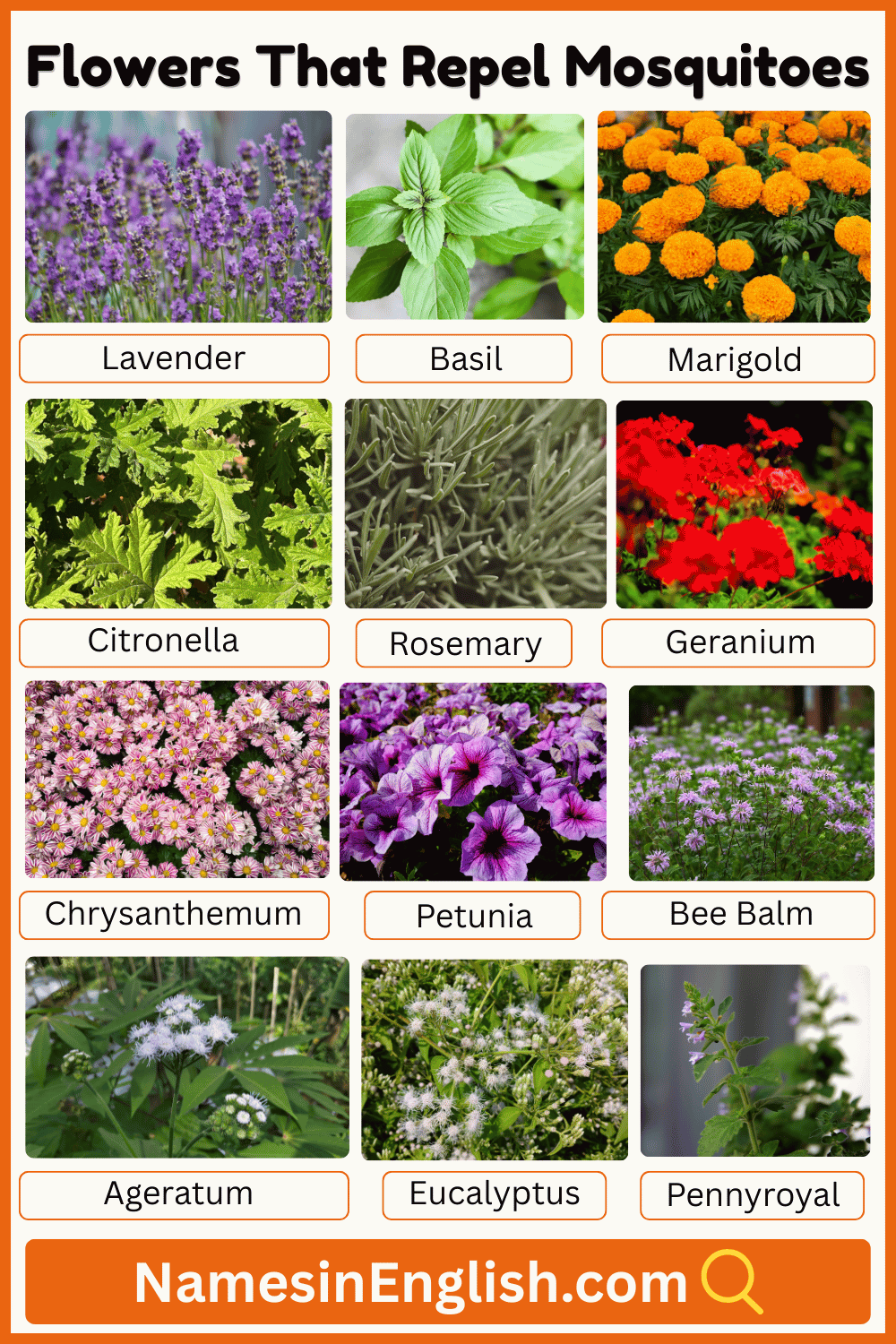
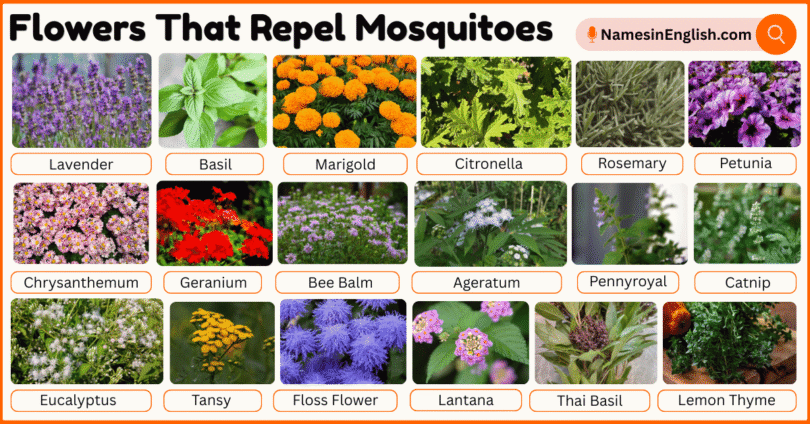
30 Flowers That Repel Mosquitoes with Names

LavenderMarigoldCitronellaBasilMint
RosemaryGeraniumChrysanthemumPetuniaBee Balm
AgeratumEucalyptusPennyroyalLemon BalmAllium

Flowers That Repel Mosquitoes with their names and pictures

  • Lavender
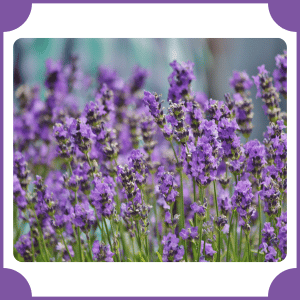
    Lavender is a small flowering plant known for its soft purple blooms and calming fragrance. It grows mainly in warm regions like the Mediterranean. Its key features include a strong scent and natural oils that help repel mosquitoes and other insects.
    Lavender | Flowers That Repel Mosquitoes
  • Marigold
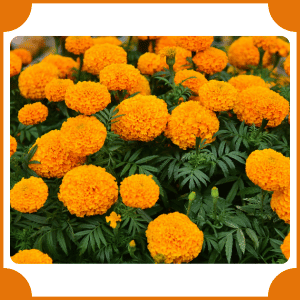
    Marigold is a bright orange or yellow flower commonly found in gardens. It grows easily in sunny areas and is popular worldwide. Its key features include a strong smell and natural compounds that help keep mosquitoes and harmful insects away.
    Marigold | Flowers That Repel Mosquitoes
  • Citronella
    Citronella is a grass-like flowering plant known for its fresh lemon scent. It is mainly grown in tropical parts of Asia. Its key features include powerful natural oils that are widely used to repel mosquitoes and protect outdoor spaces.
    Citronella | Flowers That Repel Mosquitoes
  • Basil
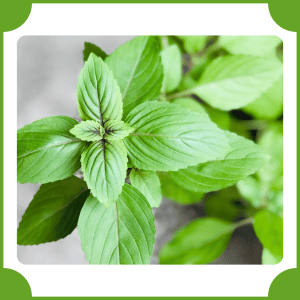
    Basil is a green leafy plant that produces small white flowers and grows well in warm climates. It is widely used in cooking. Its key features include a strong herbal scent that naturally helps repel mosquitoes and other insects.
    Basil | Flowers That Repel Mosquitoes
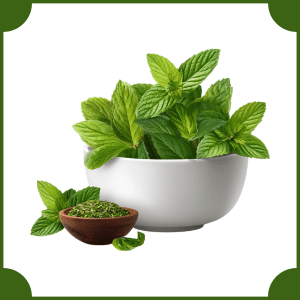
  • Mint
    Mint is a fast-growing plant with small purple or white flowers and fresh green leaves. It is found in many regions around the world. Its key features include a cool, strong smell that helps keep mosquitoes and insects away.
    Mint | Flowers That Repel Mosquitoes
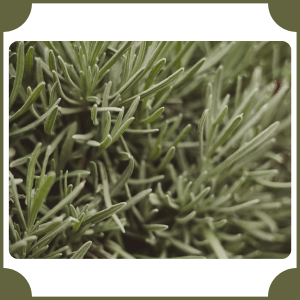
  • Rosemary
    Rosemary is an evergreen plant with needle-like leaves and small blue flowers. It grows well in warm, dry regions. Its key features include a woody fragrance and natural oils that help repel mosquitoes and support a healthy garden environment.
    Rosemary | Flowers That Repel Mosquitoes
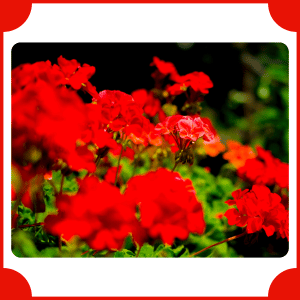
  • Geranium
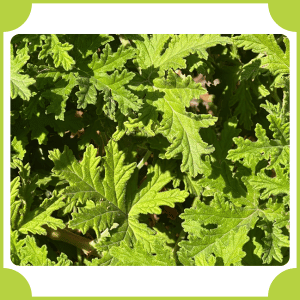
    Geranium is a colorful flowering plant that produces pink, red, or white blooms. It is widely grown in gardens and pots. Its key features include a lemon-like scent that works as a natural repellent against mosquitoes and other insects.
    Geranium | Flowers That Repel Mosquitoes
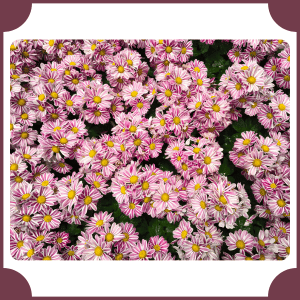
  • Chrysanthemum
    Chrysanthemum is a popular flowering plant with large, layered blooms in different colors. It is commonly found in Asia and Europe. Its key features include natural compounds that act as insect repellents and help keep mosquitoes away effectively.
    Chrysanthemum | Flowers That Repel Mosquitoes
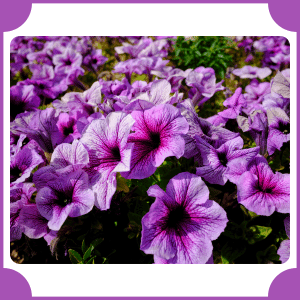
  • Petunia
    Petunia is a soft flowering plant with trumpet-shaped blooms in bright colors. It grows well in sunny gardens and containers. Its key features include a mild scent and natural ability to repel certain insects, including mosquitoes, in outdoor spaces.
    Petunia | Flowers That Repel Mosquitoes
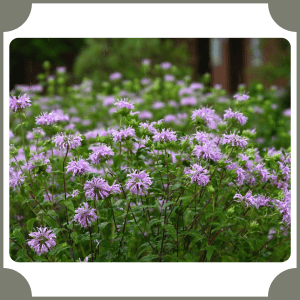
  • Bee Balm
    Bee Balm is a flowering plant with bright red or pink blooms that attract pollinators. It grows mainly in North America. Its key features include a strong minty fragrance that helps repel mosquitoes while adding beauty to gardens.
    Bee Balm | Flowers That Repel Mosquitoes
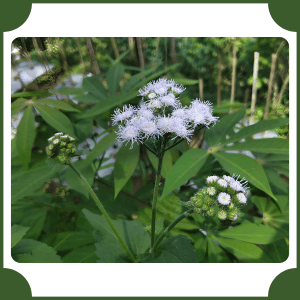
  • Ageratum
    Ageratum is a small flowering plant with soft blue or purple blooms. It is often used in garden borders and beds. Its key features include natural compounds that release a scent which helps repel mosquitoes and other small insects.
    Ageratum | Flowers That Repel Mosquitoes
  • Eucalyptus
    Eucalyptus is a tall plant or tree with small white flowers and long green leaves. It is native to Australia. Its key features include a strong, fresh scent and natural oils that are widely known for repelling mosquitoes effectively.
    Eucalyptus | Flowers That Repel Mosquitoes
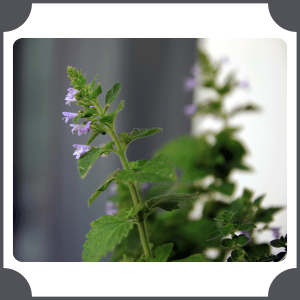
  • Pennyroyal
    Pennyroyal is a low-growing plant with small purple flowers and a strong mint-like smell. It is found in Europe and parts of Asia. Its key features include a powerful scent that naturally helps keep mosquitoes and insects away.
    Pennyroyal | Flowers That Repel Mosquitoes
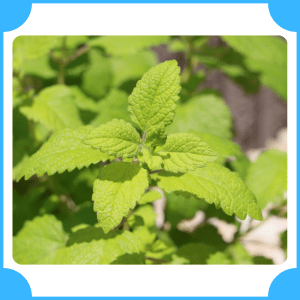
  • Lemon Balm
    Lemon Balm is a leafy plant with small white flowers and a light citrus scent. It grows well in many regions. Its key features include a fresh lemon fragrance that helps repel mosquitoes and makes the surroundings smell pleasant.
    Lemon Balm | Flowers That Repel Mosquitoes
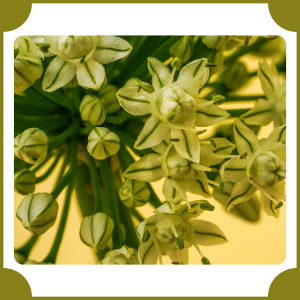
  • Allium
    Allium is a flowering plant related to onions and garlic, with round clusters of purple or white flowers. It grows in many climates. Its key features include a strong smell that naturally helps repel mosquitoes and garden pests.
    Allium | Flowers That Repel Mosquitoes
Flowers That Repel Mosquitoes with their names and pictures
Flowers That Repel Mosquitoes with their names and pictures
Plants That Repel Mosquitoes with their names in English

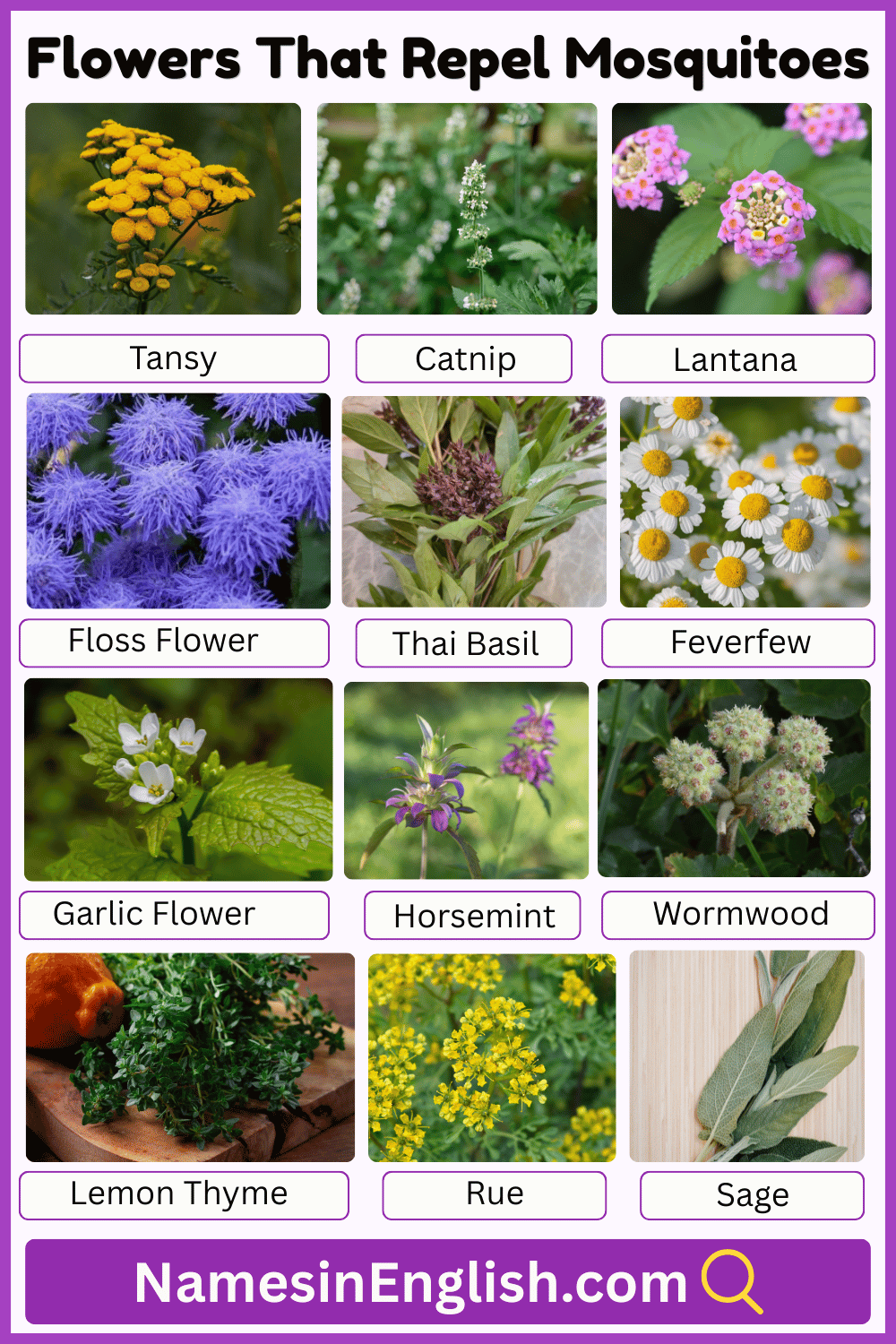
CatnipTansyFloss FlowerLantanaThai Basil
SageLemon ThymeGarlic FlowerWormwoodFeverfew
HorsemintHoly BasilRuePitcher PlantCalendula

Mosquito Repelling Flowers with Names and Pictures

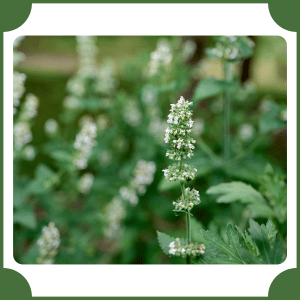
  • Catnip
    Catnip is a green plant with small white or purple flowers, commonly known for attracting cats. It grows in many parts of the world. Its key features include a strong natural compound that is very effective in repelling mosquitoes.
    Catnip | Flowers That Repel Mosquitoes
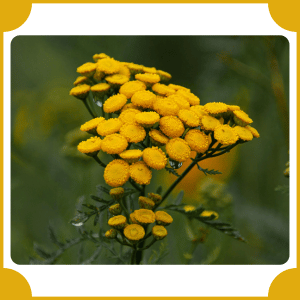
  • Tansy
    Tansy is a flowering plant with small yellow button-like blooms. It is found in Europe and Asia. Its key features include a bitter smell and natural chemicals that help repel mosquitoes and other unwanted insects from the area.
    Tansy | Flowers That Repel Mosquitoes
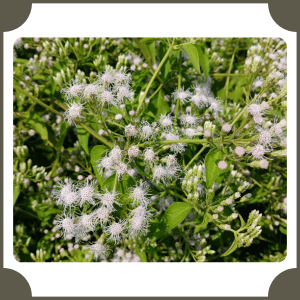
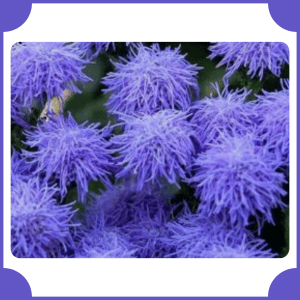
  • Floss Flower
    Floss Flower is a soft plant with fluffy blue or purple blooms. It is commonly grown in gardens for decoration. Its key features include natural compounds that release a scent helping to repel mosquitoes and small flying insects.
    Floss Flower
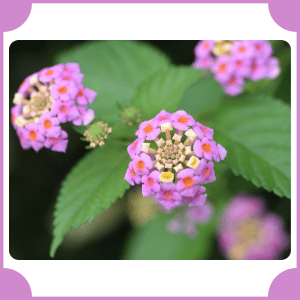
  • Lantana
    Lantana is a colorful flowering plant with small clustered blooms in shades of orange, pink, and yellow. It grows in warm regions. Its key features include a strong scent that helps repel mosquitoes and supports outdoor garden protection.
    Lantana
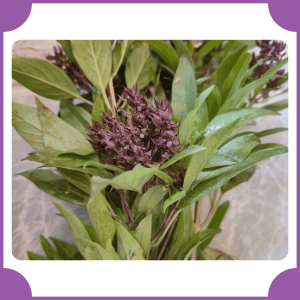
  • Thai Basil
    Thai Basil is a variety of basil with purple stems and small flowers. It is commonly grown in Southeast Asia. Its key features include a spicy, strong fragrance that helps repel mosquitoes while adding a fresh scent to the environment.
    Thai Basil | Flowers That Repel Mosquitoes
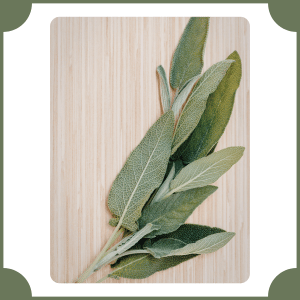
  • Sage
    Sage is a hardy plant with gray-green leaves and small purple flowers. It grows well in dry and sunny areas. Its key features include a strong earthy smell that helps repel mosquitoes and improves air quality around the plant.
    Sage
  • Lemon Thyme
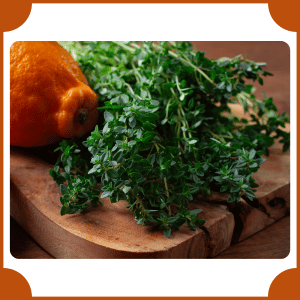
    Lemon Thyme is a small herb with tiny flowers and a fresh citrus scent. It grows well in sunny gardens. Its key features include a lemon-like fragrance that naturally helps repel mosquitoes and adds freshness to outdoor spaces.
    Lemon Thyme
  • Garlic Flower
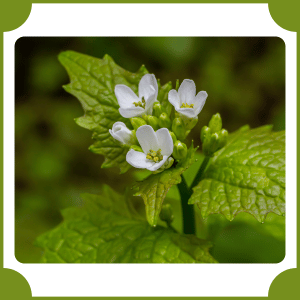
    Garlic Flower comes from the garlic plant and produces small white or pink blooms. It is grown in many regions. Its key features include a strong sulfur-like smell that helps repel mosquitoes and keeps insects away from nearby plants.
    Garlic Flower
  • Wormwood
    Wormwood is a plant with silvery leaves and small yellow flowers. It grows in dry regions of Europe and Asia. Its key features include a bitter, strong scent that naturally repels mosquitoes and other harmful insects.
    Wormwood
  • Feverfew
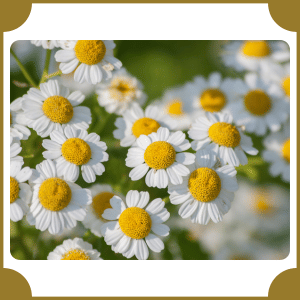
    Feverfew is a small plant with white flowers and yellow centers, similar to daisies. It grows in Europe and nearby regions. Its key features include natural insect-repelling compounds that help keep mosquitoes away from living spaces.
    Feverfew
  • Horsemint
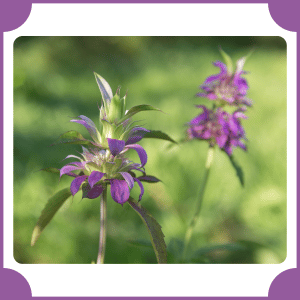
    Horsemint is a wild flowering plant with pale purple or yellow blooms. It grows mainly in North America. Its key features include a sharp, strong fragrance that helps repel mosquitoes and attracts beneficial pollinators to the area.
    Horsemint
  • Holy Basil
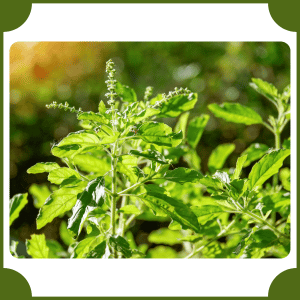
    Holy Basil is a sacred plant with small purple or white flowers, widely grown in India. It has many traditional uses. Its key features include a strong herbal scent that helps repel mosquitoes and purifies the surrounding air.
    Holy Basil
  • Rue
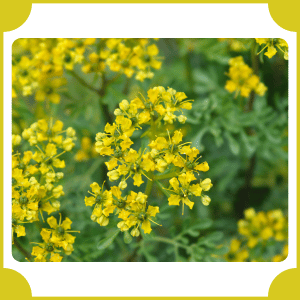
    Rue is a small shrub with yellow flowers and blue-green leaves. It is found in Mediterranean regions. Its key features include a strong, bitter smell that naturally repels mosquitoes and helps protect gardens from pests.
    Rue
  • Pitcher Plant
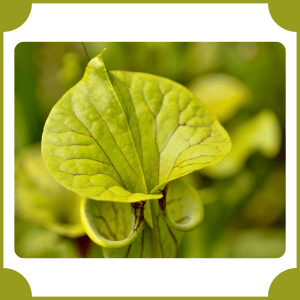
    Pitcher Plant is a unique plant with tube-shaped leaves that trap insects. It grows in tropical areas. Its key features include its ability to catch insects naturally, which helps reduce mosquito presence in its surrounding environment.
    Pitcher Plant
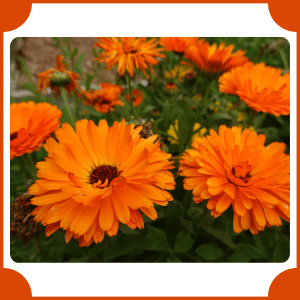
  • Calendula
    Calendula is a bright flowering plant with orange or yellow blooms. It is commonly grown in gardens and pots. Its key features include a mild scent and natural properties that help repel mosquitoes and support a healthy garden space.
    Calendula | Flowers That Repel Mosquitoes
Mosquito Repelling Flowers with Names and Pictures

Mosquito Repelling Flowers with Names and Pictures

Indoor plants that repel mosquitoes

Indoor mosquito-repelling flowers work best in small, closed spaces where their scent can spread easily and stay concentrated. Plants like lavender, basil, mint, lemon balm, and geranium are commonly kept indoors in pots near windows, kitchens, or balconies. Their key features include compact size, easy maintenance, and steady fragrance release, which helps reduce mosquitoes inside rooms without using chemicals.

Outdoor plants that repel mosquitoes

Outdoor mosquito-repelling flowers perform better in open areas where they can receive full sunlight and grow freely. Flowers such as citronella, marigold, rosemary, chrysanthemum, and lantana are widely planted in gardens, lawns, and yard borders. Their key features include strong scent dispersion, larger growth space, and higher resistance to outdoor conditions. In open environments, these plants release more fragrance into the air, creating a natural barrier that helps reduce mosquitoes.

Do Mosquito-Repelling Flowers Attract Other Insects?

Yes, some mosquito-repelling flowers can attract other insects, but this depends on the plant type and its scent strength. Flowers like lavender, marigold, and rosemary mainly repel harmful insects, but they can still attract beneficial pollinators such as bees and butterflies. Their key features include natural nectar production and bright colors, which make them appealing to helpful insects while keeping mosquitoes away.

Are Mosquito-Repelling Flowers Effective in All Regions?

The effectiveness of mosquito-repelling flowers depends on climate, temperature, and humidity. Their key features include how well they produce fragrance and how strongly mosquitoes are active in different environments.

Hot Areas (Tropical & Warm Regions)

In hot regions, mosquito-repelling flowers perform very well because heat increases the release of natural oils and scents. Plants like citronella, marigold, basil, and lantana grow strongly in full sunlight and produce a powerful fragrance in warm conditions.

Cooler Areas (Temperate & Mild Regions)

In cooler areas, these flowers still work but may release weaker scents compared to warm climates. Plants such as lavender, rosemary, mint, and geranium adapt well to mild temperatures and continue to provide protection indoors and outdoors.

Humid Regions (Wet & Rainy Areas)

In humid regions, mosquito activity is very high, and many of these flowers remain effective when properly maintained. Plants like citronella, lemon balm, chrysanthemum, and catnip grow well in moisture-rich environments and help reduce mosquito presence.

Homemade Mosquito Repellent with Flowers

  • Take a handful of mosquito-repelling plants like lavender, basil, or citronella leaves and flowers.
  • Add them to a pot filled with water.
  • Boil the mixture for about 10–15 minutes to release natural oils.
  • Turn off the heat and let the liquid cool completely.
  • Strain the mixture to remove leaves and flower pieces.
  • Pour the liquid into a clean spray bottle.
  • (Optional) Add a few drops of essential oils like lavender or citronella for a stronger effect.
  • Spray the solution around your home, near windows, curtains, and sitting areas.
  • You can lightly apply it on skin, but always do a patch test first.
  • Use regularly for better results.
  • Combine with other methods like removing standing water for maximum effectiveness.

Importance of Using Mosquito-Repelling Flowers

Using mosquito-repelling flowers is a simple and natural way to reduce mosquitoes without relying on harmful chemicals. These plants release strong scents and natural oils that mosquitoes dislike, helping to protect living spaces. Their key features include being safe for humans and pets, easy to grow, and environmentally friendly. They also improve air quality and add beauty to gardens, balconies, and indoor areas. Unlike chemical products, these flowers provide long-lasting benefits while supporting a clean and healthy environment.

Learn More Helpful Articles

About the author

Operra Jerry

Leave a Comment