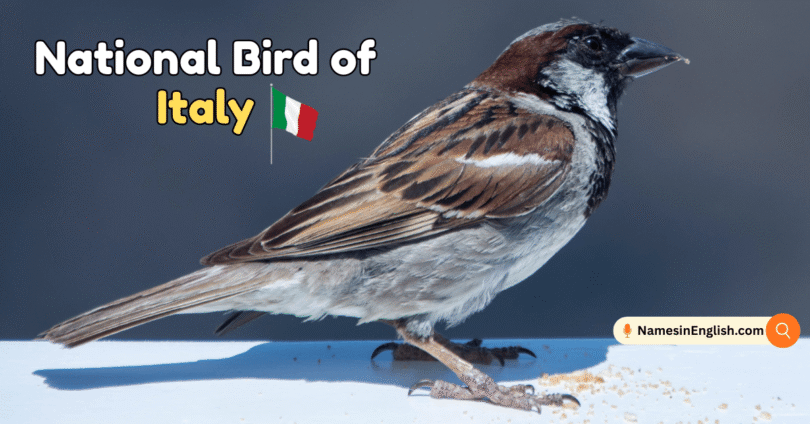
When we talk about the National Bird of Italy, we are exploring a symbol that reflects the country’s natural beauty and everyday wildlife connection. Italy does not have a single officially declared national bird, but the Italian Sparrow is widely recognized as its symbolic national bird due to its strong presence across the country. In this article, you will learn about the national bird of Italy, its name, appearance, habitat, diet, cultural importance, and interesting facts that make it special.
Italy does not officially have a national bird, but the Italian Sparrow is widely regarded as its unofficial national bird. Scientifically known as Italian Sparrow, this small bird is commonly found across Italy and is closely connected to daily life, making it a natural symbol of the country.
History and Background of the Italian Sparrow
Origin of the Species
The Italian Sparrow is believed to have formed naturally in the Mediterranean region many centuries ago. It developed as a hybrid of the house sparrow and the Spanish sparrow, later adapting well to the environment of Italy and nearby areas.
Evolution and Genetic Identity
Scientists have found that the Italian Sparrow has unique genetic features that make it different from its parent species. This gives the bird its own natural identity as a stable and recognized species.
Connection with Italy
The bird is mainly found across Italy and is commonly seen near homes, towns, and farms. Because of its strong connection with daily Italian life, it became closely associated with the country’s natural heritage.
Cultural Recognition Over Time
For centuries, the Italian Sparrow has been part of Italian villages and countryside scenes. Although it was never officially declared a national bird, it gained cultural importance through its regular presence in everyday life.
Symbolic Meaning of the Italian Sparrow
A Symbol of Simplicity and Everyday Life
The Italian Sparrow represents the simple and natural lifestyle connected with Italy. Its common presence in cities, villages, and rural areas makes it a familiar part of everyday life.
Representation of Adaptability
This bird is known for its ability to live in both countryside and urban environments. Its adaptability symbolizes resilience and the ability to adjust to changing surroundings.
Connection Between Humans and Nature
The Italian Sparrow often lives close to people, nesting in buildings and streets. This relationship reflects harmony between humans and nature in daily life.
A Sign of Resilience and Survival
Even with environmental changes and growing cities, the Italian Sparrow continues to survive successfully. Because of this, it is seen as a symbol of endurance and survival.
Reflection of Italian Cultural Identity
The bird’s lively and widespread presence across Italy reflects the spirit of the country itself. It has become a natural cultural symbol of Italy, even without official recognition.
Cultural Importance of Italian Sparrow in Italy
The Italian Sparrow is commonly seen in Italian towns, villages, and city streets. Its close connection with everyday life has made it a quiet cultural symbol of Italy. The bird reflects the simple, lively, and traditional atmosphere of the country’s daily life.
Physical Characteristics of the Italian Sparrow
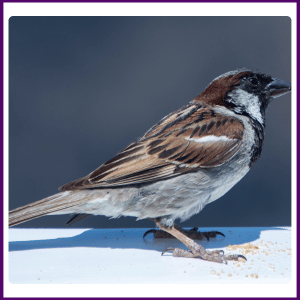
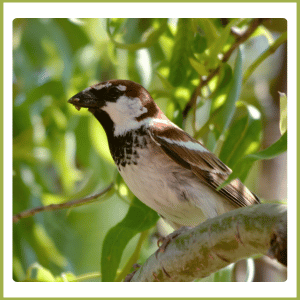
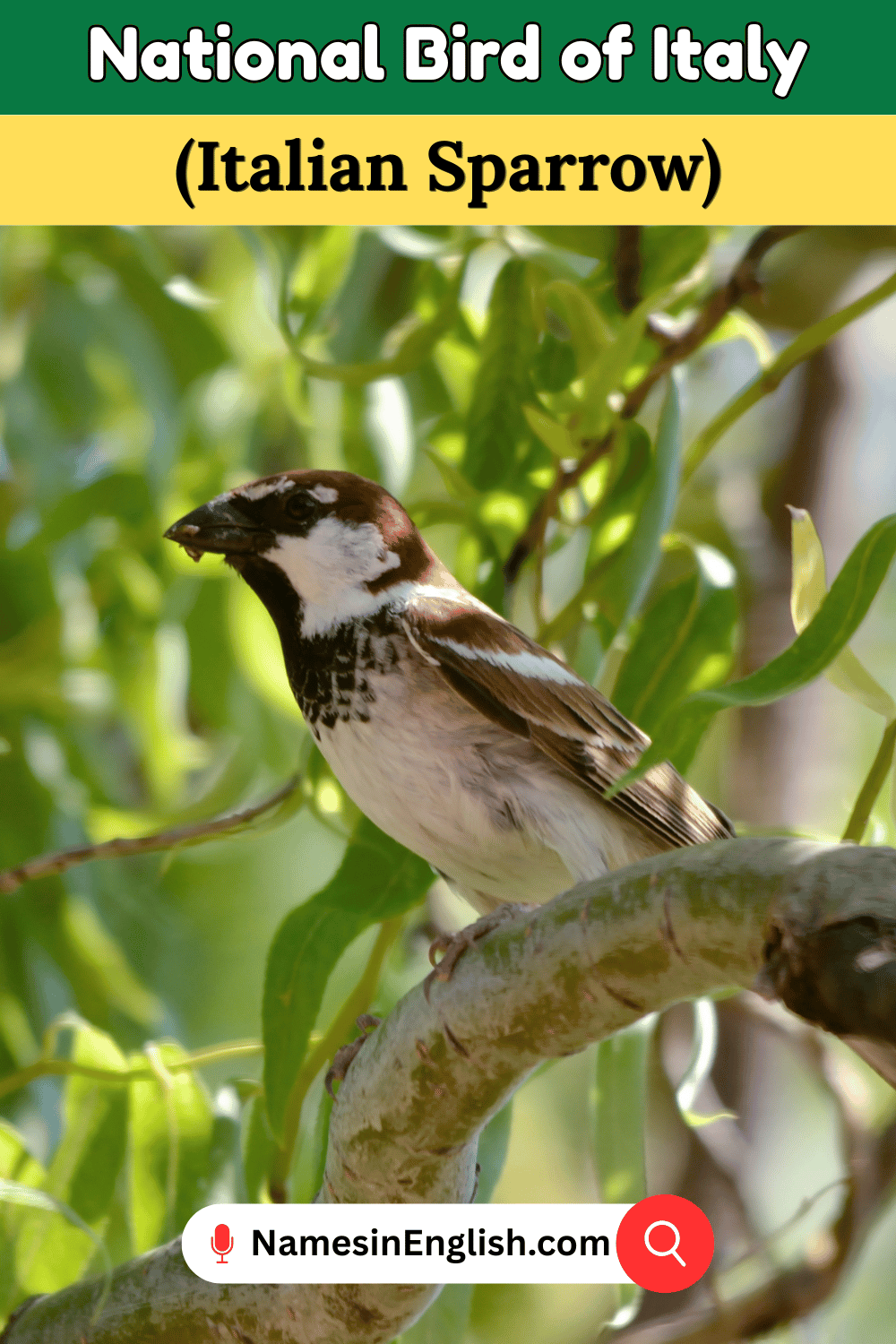
The Italian Sparrow is small but distinctive in appearance:
Compact body size
Brown and gray plumage
Males have darker markings on the throat and head
Short, strong beak adapted for seeds
Agile and fast flyer
Its simple appearance reflects the modest yet lively character often associated with Italian street life.
Baby Italian Sparrows (Reproduction)
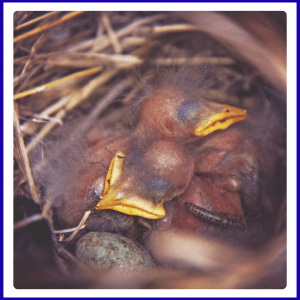
The Italian Sparrow breeds mainly in spring and summer. The female lays 3–5 eggs, which hatch in about 12–14 days. Both parents feed and protect the chicks until they grow strong. The young sparrows usually leave the nest within 2–3 weeks, helping the species maintain a stable population.
What Does the Italian Sparrow Eat?
The Italian Sparrow mainly eats seeds, grains, and small insects. In urban areas, it also feeds on bread crumbs and food scraps, while in natural environments it may eat fruits and other plant materials when available.
Where the Italian Sparrow is Found
The Italian Sparrow is mainly found throughout Italy in cities, towns, villages, and countryside areas. It commonly lives near humans in streets, parks, rooftops, and public spaces. The bird is also seen in some nearby Mediterranean regions, but its largest population is found in Italy.
Environmental Importance
The Italian Sparrow helps maintain ecological balance by controlling insect populations and supporting the food chain. Since it lives close to human settlements, its population also reflects environmental conditions and habitat quality.
Tourism Importance of Italian Sparrow in Italy
The Italian Sparrow is commonly seen in Italian city squares, cafés, and historic places. Its presence adds charm to the atmosphere and gives tourists a natural view of everyday Italian street life.
Educational Value
The Italian Sparrow helps students learn about adaptation, urban wildlife, and ecosystems. Its ability to live in both cities and countryside areas makes it a useful example in biology and environmental studies.
Interesting Facts About the Italian Sparrow
It is genetically distinct from the common house sparrow
Found almost everywhere in Italy, from cities to countryside
It is one of the most human-friendly wild birds in Europe
Often seen around famous landmarks like piazzas and monuments
Its population reflects the health of urban ecosystems