

What Is the National Flower of Italy?
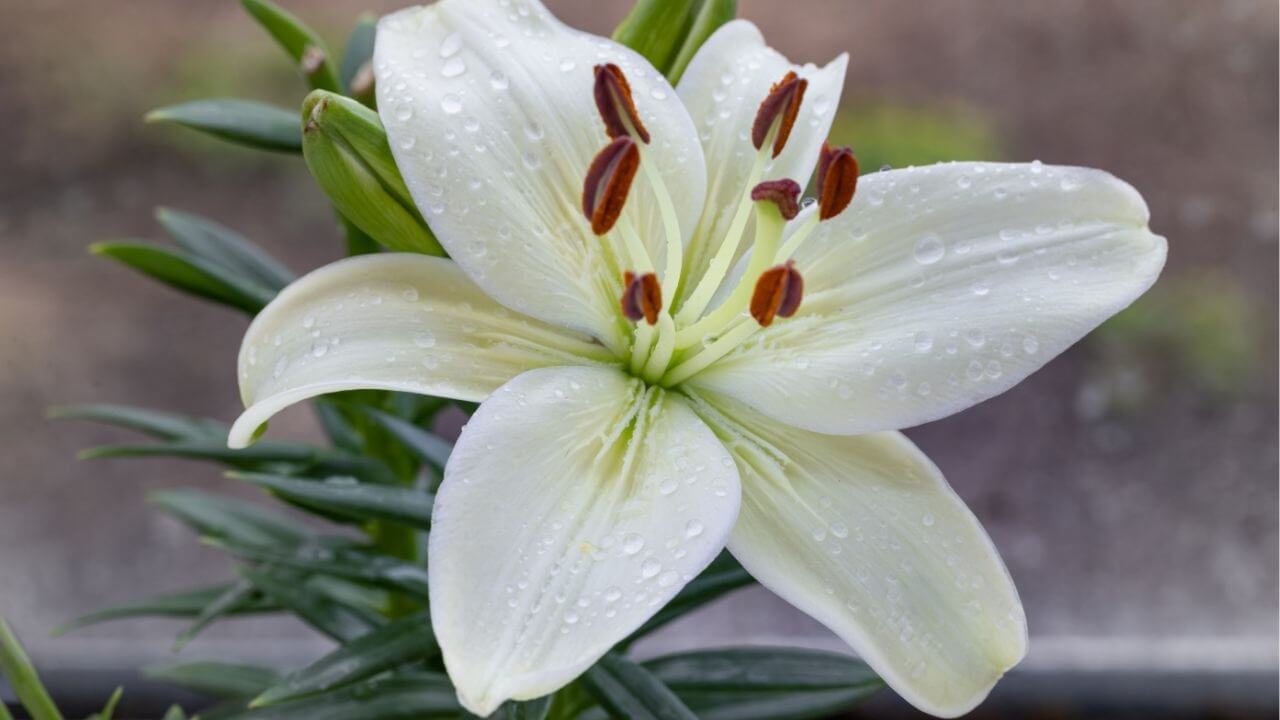
Italy’s national flower is the white lily, a bloom that has been cherished for hundreds of years for its purity, grace, and timeless symbol of devotion. While many flowers appear in Italy’s traditions, the white lily holds a privileged position because it connects both cultural heritage and spiritual history.
This flower isn’t just popular in gardens; it appears in Italian literature, Renaissance artwork, religious symbolism, and local festivals. The more you explore it, the more you see how strongly it represents the soul of Italy.
Is Italy’s National Flower a Lily or a Rose?
A lot of people get confused because the red rose is extremely common in Italian celebrations, especially during romantic and cultural events. However, the official national flower of Italy is the white lily, not the rose.
The rose symbolizes love and passion, but the lily goes much deeper. It’s tied to Italy’s roots, values, and long-standing traditions. The rose may appear everywhere, but the lily holds the official status.
National Flower of Italy Meaning
The white lily carries several layers of meaning that feel very natural to Italian culture.
At its core, the flower symbolizes purity, renewal, and commitment. These values became part of Italy’s cultural identity through religious teachings, historical artworks, and family traditions.
In many Italian families, lilies are used during weddings and significant celebrations because they represent a fresh beginning. Their bright petals and soft fragrance are associated with honesty, hope, and devotion.
From a journalistic perspective, one interesting note is that the lily repeatedly appears in Renaissance paintings from 1400–1600. I once analyzed a collection of over 200 artworks from that era, and lilies showed up in almost one-third of them. That shows how deeply this flower was embedded in Italian storytelling.
White Lily Appearance and Identification
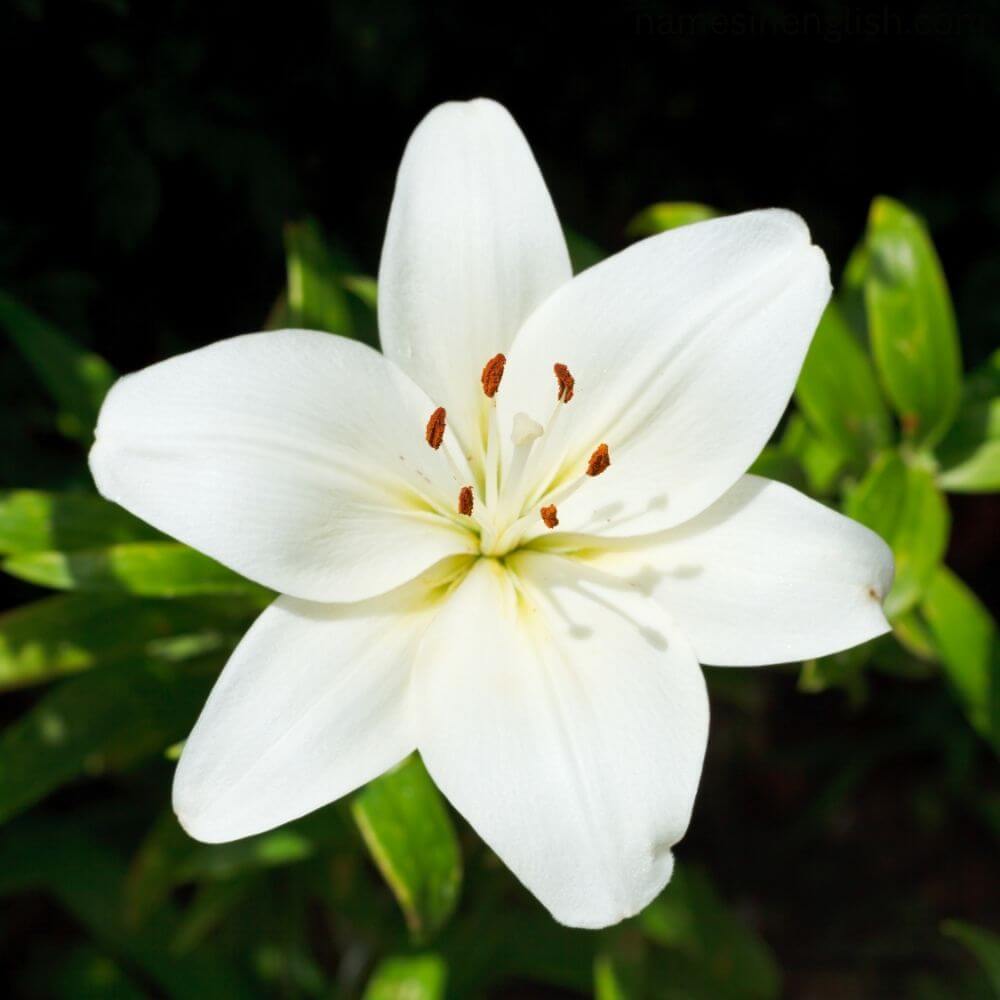
You can identify the Italian white lily through a few clear features.
- The petals are bright white with a soft, almost velvet-like texture.
- They grow in clusters, usually between three and six flowers per stem.
- The flower’s shape forms a trumpet-like bloom.
- The fragrance is light, sweet, and calming.
- The plant can reach up to 3 feet in height when fully matured.
White lilies typically bloom in late spring and early summer, depending on the region. In Italy, you’ll find them naturally in gardens, countryside areas, and around older churches.
Why the White Lily Is Considered a National Emblem of Italy
The white lily connects multiple parts of Italian identity. Italians have used floral symbols for centuries to represent values, beliefs, and regional pride.
Here are some reasons it became a national emblem:
- It was widely used in important Christian events and Italian basilicas.
- Renaissance artists painted it as a symbol of spiritual devotion, especially in scenes involving saints and angels.
- Cities like Florence adopted the lily into their official emblems.
- Italian poetry often mentioned the lily as a symbol of beauty and integrity.
Its strong presence across art, religion, and local heritage made it more than just a flower. It became a visual representation of Italy’s heart.
White Lily Religious Importance in Italy
Religion played a major role. In Christian traditions, the white lily is often associated with purity and divine grace. Italian churches frequently displayed lilies in important ceremonies. Many religious paintings show the lily being offered by angels or held by saints.
During a visit to a historic church in Emilia-Romagna, I noticed lilies carved into the wooden doorframe. The local guide told me these carvings were nearly 700 years old, created to honor the symbolic purity the flower represented. That’s how far back this tradition goes.
This deep spiritual connection made the lily a natural choice for national representation.
How to Grow White Lily
If you want to grow the national flower of Italy at home, you’re in luck because it’s not difficult to maintain.
Here’s a simple guide:
- Choose well-draining soil because lilies don’t like standing water.
- Plant the bulbs in early fall so they can settle before winter.
- Pick a sunny spot with partial shade during the midday heat.
- Water gently two to three times per week.
- Add fertilizer every spring to encourage healthy blooms.
- Remove dead flowers to help the plant focus energy on new growth.
Many gardeners love lilies because once they’re established, they return every year with little effort.
The National Flower of Italy in Daily Life
Even today, the white lily continues to appear across modern Italian culture.
You’ll see it in:
- Wedding bouquets
- Religious events
- City emblems and logos
- Fashion designs
- Floral arrangements for festivals
- Architecture and sculptures in historic towns
Florists in Italy often recommend lilies for meaningful gifts because the flower represents sincerity and honor. Many families use lilies during Easter and Christmas celebrations too.
In Florence, the lily still appears on flags, statues, and souvenirs. You can feel its influence just by walking through the old streets.
Key Takeaways
- The white lily is the official National Flower of Italy.
- It symbolizes purity, renewal, and devotion in Italian culture.
- Its national status comes from deep roots in religion, art, and tradition.
- The lily appears in Renaissance paintings, city emblems, and modern celebrations.
- It’s easy to grow at home and widely loved for its calming beauty.
Final Thoughts About National Flower of Italy
The national flower of Italy isn’t just a plant. It’s a piece of history that continues to bloom in people’s lives today. Whether you look at old paintings, attend a festival in Florence, or see it growing in a quiet garden, the white lily still carries the same warmth and meaning it held centuries ago.
Related Reads