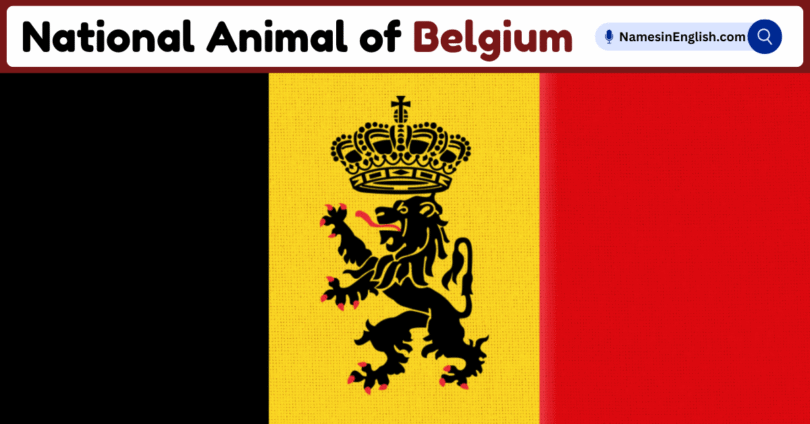

A national animal is a symbolic animal officially or popularly associated with a country. It represents the nation’s identity, culture, history, and values such as strength, courage, peace, or freedom. Many countries choose a national animal to reflect their natural heritage or historical traditions, even if that animal is not commonly found within their borders today. In this article on National Animal of Belgium with Name and Picture, its historical background, why it was chosen, and its cultural importance.
What Is the National Animal of Belgium?
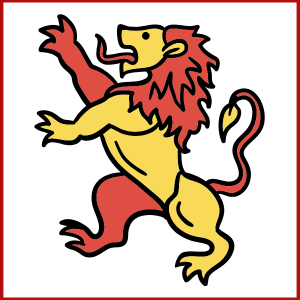
Historical Background of the Belgian Lion
Medieval Origins of the Symbol
The Belgian Lion originated in medieval Europe, where lions were used on shields and coats of arms to represent power, bravery, and royal authority. Over time, the symbol became closely linked with the region that is now Belgium.
The “Leo Belgicus” and Regional Identity
In the 16th and 17th centuries, maps of the Low Countries were often drawn in the shape of a lion, known as the “Leo Belgicus” or “Belgian Lion.” This strengthened the lion’s connection with the region’s cultural and geographic identity.
Role in the Belgian Revolution
During the Belgian Revolution of 1830, the lion became a symbol of courage, resistance, and independence. It represented the country’s struggle for freedom and national pride.
Adoption into National Symbols
Symbolic Meaning of the Belgian Lion
The lion is a universal symbol of power, but in Belgium it carries specific national meanings:
Strength and Courage
The lion reflects the bravery of Belgian people during historical struggles for independence.
Unity in Diversity
Belgium is a multilingual and multicultural country. The lion symbolizes unity among different regions and communities.
Royal Heritage
The lion is closely connected to monarchy and noble heritage, appearing in royal coats of arms.
Cultural Importance of the Belgian Lion in Belgium
National Identity and Pride
The Belgian Lion is an important symbol of courage, unity, and national pride. It reflects Belgium’s history and reminds people of their shared heritage and independence.
Use in Government and Official Symbols
The lion appears on Belgium’s coat of arms, official documents, and government emblems. Its use represents authority, stability, and historical tradition.
Regional Cultural Significance
In Flanders, the Flemish Lion is a strong regional symbol connected with local identity and cultural pride. It holds importance both regionally and nationally.
Presence in Sports and Public Life
Environmental and Educational Value
While the lion is not native to Belgium’s wildlife, its symbolic use plays an important educational role:
- Teaches students about national history and identity
- Helps preserve medieval European cultural heritage
- Encourages understanding of heraldic traditions
It also indirectly supports awareness of real lions in wildlife conservation by keeping the symbol culturally relevant.
Tourism Relevance of the Belgian Lion
Symbol in Historic Landmarks
The Belgian Lion is seen in many historic buildings, castles, and city halls across Belgium, especially in cities like Brussels, Bruges, and Antwerp. It helps tourists connect with the country’s medieval heritage.
Attraction in Museums and Heritage Sites
Museums display coats of arms, artworks, and “Leo Belgicus” maps featuring the lion. These exhibits attract visitors interested in Belgium’s history and cultural identity.
Cultural Experience for Visitors
Tourists also encounter the lion symbol during festivals and guided tours. It helps them understand Belgium’s values of courage, unity, and independence in an engaging way.
Strengthening National Image Abroad
Interesting Facts About the Belgian Lion
- The “Leo Belgicus” map shaped Europe’s view of the region for centuries
- The Flemish Lion flag is one of the most recognizable regional symbols in Europe
- The lion is shared in symbolism with many European royal families
- It represents both historical unity and regional identity in Belgium
Name of National Bird of Belgium
Learn More Helpful Articles