
A National Bird is a bird species that is officially or popularly chosen to represent a country’s natural identity, culture, and values. It is not just selected for beauty, but for what it symbolizes about the nation’s environment, history, and heritage. In many countries, the national bird reflects important qualities such as freedom, strength, peace, or connection with nature. In this article, you will learn what the National Bird of Norway is, its habitat, diet, cultural meaning, environmental importance, and interesting facts that make it such a special species in Norway’s natural heritage.
What is the National Bird of Norway?
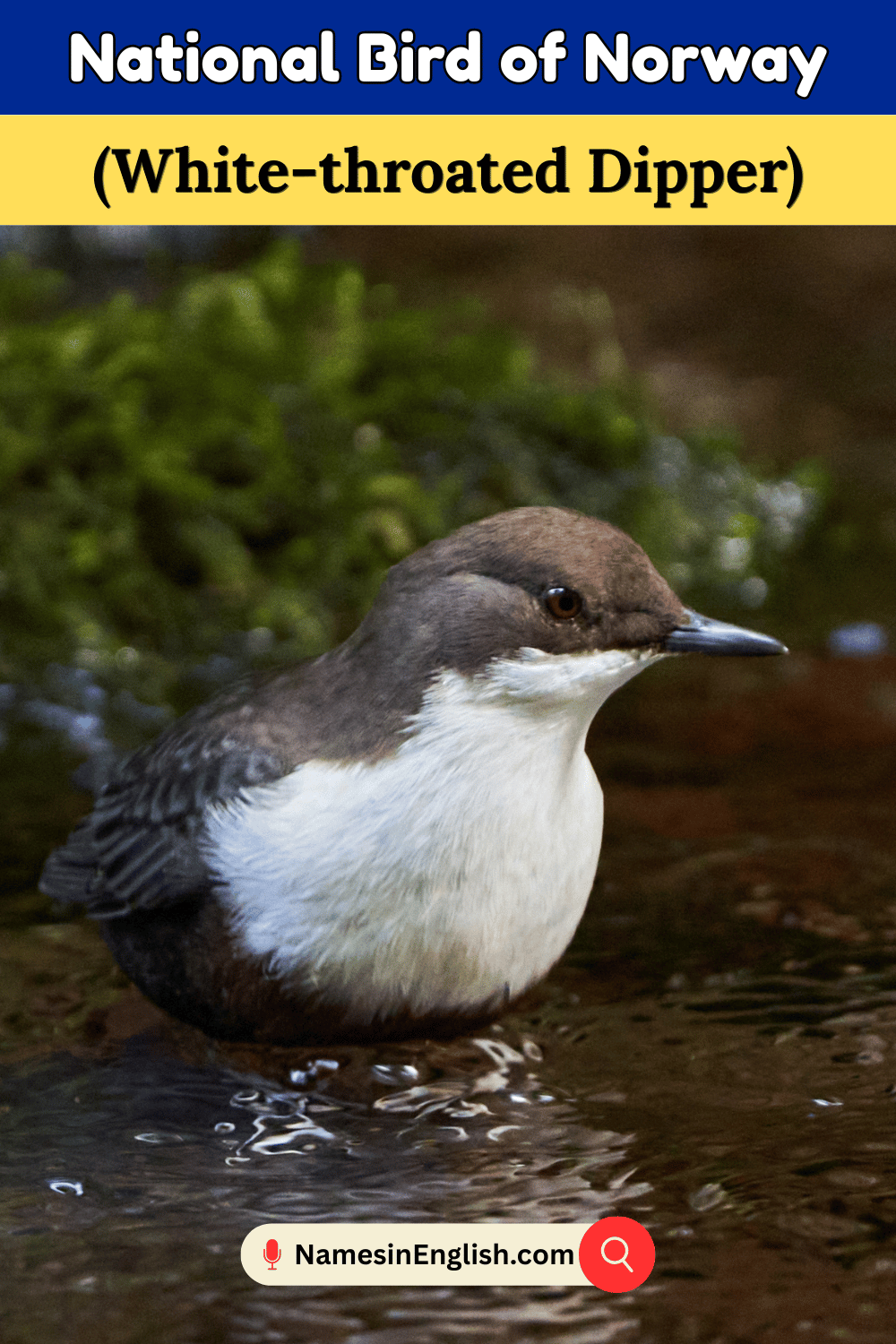
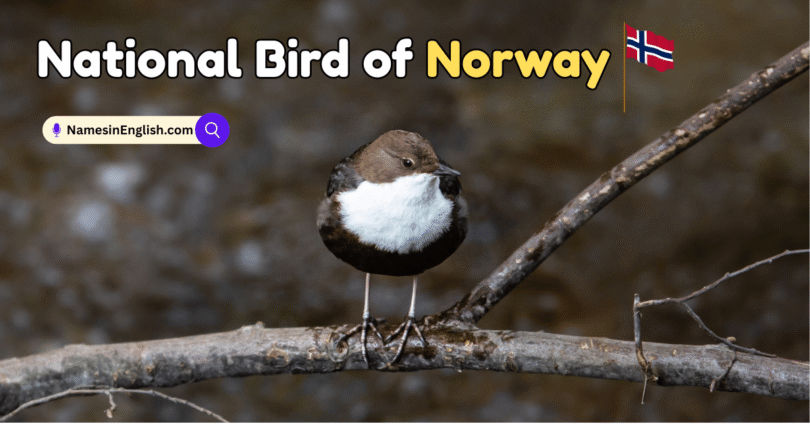
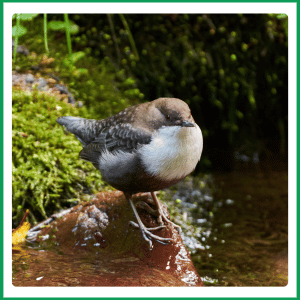
The official national bird of Norway is the White-throated Dipper, scientifically known as Cinclus cinclus. It is a small, compact bird that belongs to the dipper family and is specially adapted to life in cold, fast-moving freshwater rivers. This bird is unique because it can swim and walk underwater while searching for food something very rare among small songbirds.
Official Name and Scientific Identity
- Common Name: White-throated Dipper
- Scientific Name: Cinclus cinclus
- Category: River bird / aquatic songbird
Historical Background of the National Bird of Norway
The White-throated Dipper has a long and meaningful connection with Norway’s natural history. Its presence in cold rivers and mountain streams has made it an important part of the country’s ecological identity for centuries.
Early Natural Presence in Norwegian Rivers
The White-throated Dipper has been living in the freshwater systems of Norway since ancient times. Early communities often noticed this small bird near fast-flowing rivers and waterfalls, where it constantly moved in and out of water while searching for food. Its unusual behavior made it a familiar yet remarkable sight in rural landscapes.
Observations in Traditional Rural Life
In traditional Norwegian villages, people had a close relationship with nature, and the White-throated Dipper was part of everyday observations. Farmers, fishermen, and mountain dwellers associated its presence with clean and healthy water sources. Because it only lived in unpolluted streams, it naturally became a silent indicator of environmental purity long before scientific studies existed.
Growing Recognition in Natural History Studies
During the development of modern natural history in Norway and Europe, scientists began documenting the White-throated Dipper more carefully. Its ability to dive underwater and walk along riverbeds fascinated early researchers. These studies helped establish the bird as one of the most unique freshwater species in the region, increasing its importance in scientific records and educational material.
Emergence as a National Symbol
Over time, the White-throated Dipper became more than just a common river bird. Its strong connection to Norway’s landscapes, rivers, and environmental health made it a natural symbol of the nation. Rather than being chosen in a single official event, it gained recognition gradually through cultural acceptance, education, and public awareness.
Modern Conservation and National Identity
In the modern era, the bird’s importance has grown even further due to environmental conservation efforts. Today, it is widely used as an indicator of clean water and healthy ecosystems. Its presence continues to reflect the ecological quality of Norway’s rivers, strengthening its role as a living symbol of natural balance in Norway.
Symbolic Meaning of the National Bird of Norway
The White-throated Dipper is more than just a bird found in rivers. it carries deep symbolic meaning for the people and natural identity of Norway
Symbol of Purity and Clean Nature
The White-throated Dipper is closely linked with pure and unpolluted water. It can only survive in clean rivers, which makes it a natural symbol of environmental purity. In Norway, its presence is often seen as proof that the water ecosystem is healthy and untouched. This connection has made the bird a living reminder of the importance of protecting nature.
Representation of Strength and Resilience
This small bird lives in fast-flowing, cold rivers where conditions are often harsh and unpredictable. Despite this, it survives and thrives with remarkable skill. Because of this, it symbolizes strength, endurance, and the ability to adapt to difficult environments—qualities that reflect the spirit of Norway’s natural landscapes.
Connection Between Land and Water
Unlike most birds, the White-throated Dipper moves effortlessly between land and water. It walks along riverbeds and even dives underwater to find food. This rare ability symbolizes harmony between different natural elements and highlights the balance present in Norway’s ecosystems.
Indicator of Environmental Health
The bird also represents environmental awareness in a practical sense. Its survival depends entirely on clean freshwater systems, so it indirectly symbolizes ecological responsibility. If the bird is present, it shows that the environment is in good condition, making it a natural symbol of conservation in modern times.
Cultural Identity and Natural Heritage
Over time, the White-throated Dipper has become a quiet but powerful symbol of Norwegian identity. It reflects the country’s deep respect for nature, water systems, and wildlife protection. Its connection to rivers and mountains makes it an important part of Norway’s natural heritage and cultural pride in Norway.
Physical Appearance
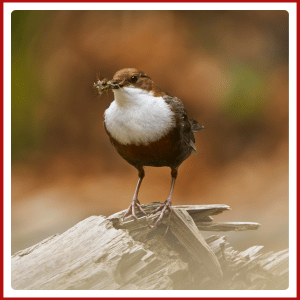
The White-throated Dipper is a small but sturdy bird with:
- Dark brown or black body
- White throat and chest patch (distinctive feature)
- Short wings and tail
- Strong legs for gripping rocks underwater
Its compact body helps it withstand strong water currents while feeding.