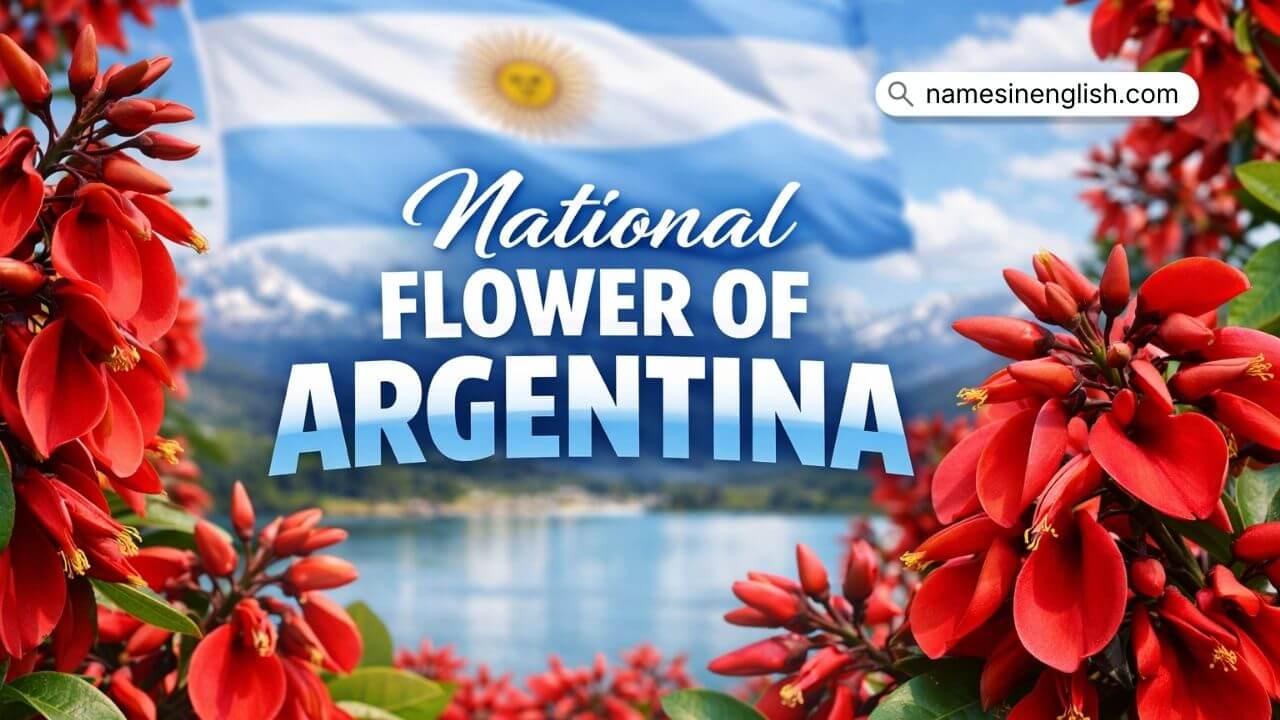

The National Flower of Argentina, the vibrant Ceibo, is one of the country’s most treasured natural symbols. Famous for its brilliant red blossoms and deep connection to the Legend of Anahí, this remarkable flower represents courage, resilience, and national pride. In this article, you will learn the fascinating story behind the National Flower of Argentina, learn why it was chosen, explore the legend of Anahí, uncover its symbolic meaning, and find interesting facts that make this iconic flower truly unforgettable.
What Is the National Flower of Argentina?
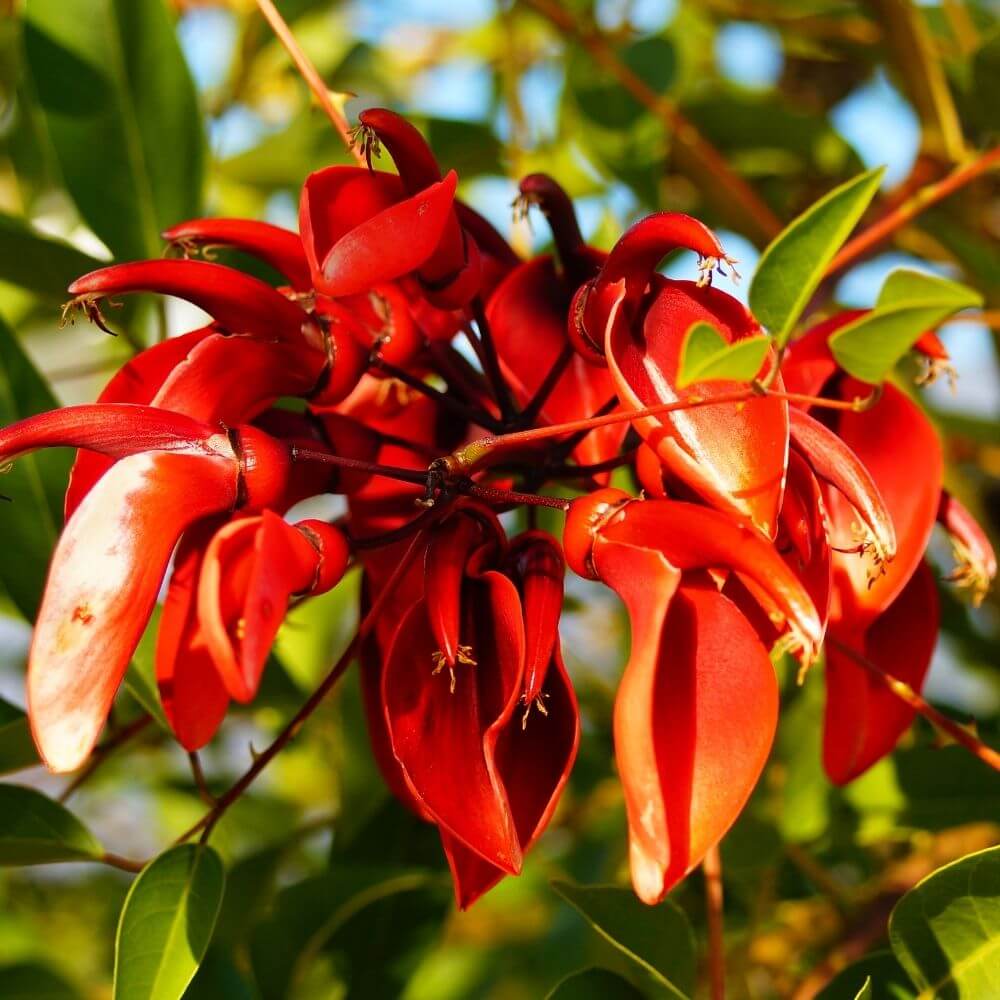
The national flower of Argentina is the ceibo, scientifically known as Erythrina crista-galli. It is a tree-like flowering plant famous for its vivid red blossoms and strong cultural connection to Argentine history, folklore, and national identity.
National Flower of Argentina in English and Scientific Terms
In English, the national flower of Argentina is called the ceibo flower or cockspur coral tree flower. Locally, it is known simply as Ceibo, a name deeply rooted in everyday language, songs, and school lessons.
Botanically, Erythrina crista-galli belongs to the legume family. It thrives in wetlands and riverbanks, especially along the Paraná and Uruguay rivers. This natural setting matters. The ceibo grows where water and land meet, much like Argentina’s cultural roots, shaped by both Indigenous heritage and colonial history.
Why Is Ceibo the National Flower of Argentina?
Many people ask, why is ceibo the national flower of Argentina, and the answer goes beyond appearance.
The ceibo was officially declared Argentina’s national flower in 1942. The decision was influenced by three powerful factors:
- Its wide natural presence across the country
- Its deep connection to Indigenous legend
- Its symbolism of courage, sacrifice, and resilience
The flower’s intense red color is often associated with bravery and remembrance. Unlike imported symbols, the ceibo is native. It belongs to the land in a very literal sense.
According to Argentina’s Ministry of Culture, the ceibo was chosen specifically because it represents native identity rather than colonial influence, a point often overlooked in short articles.
The Legend of Anahí: Myth, Resistance, and Memory
At the heart of the ceibo’s meaning lies one of Argentina’s most enduring legends.
Who Was Anahí in Argentine Indigenous Lore?
Anahí was a young Guaraní woman, remembered not for beauty alone but for her spirit. During the early Spanish conquest, she was captured for resisting colonial forces. The legend tells that she was sentenced to death by fire.
As the flames rose, Anahí sang. By morning, the fire had transformed her body into a ceibo tree, its red flowers blooming like living embers.
This story is still taught in Argentine schools today, not as history, but as cultural truth. The ceibo becomes Anahí’s voice, rooted yet unbroken.
National Flower of Argentina Meaning Across Cultures
The national flower of Argentina meaning shifts depending on who is telling the story.
For Indigenous communities, the ceibo symbolizes:
- Resistance against oppression
- Spiritual transformation
- Connection to land and ancestry
In modern Argentina, it also represents:
- National pride
- Cultural continuity
- Memory of Indigenous voices
Artists and poets often use the ceibo as a metaphor for silent strength. You see it in murals, children’s books, and even political art. Its meaning has expanded, but it has not weakened.
Ceibo in Argentine History, Art, and Public Life
You don’t need to search hard to find the ceibo in everyday Argentina.
- It appears in public parks and along riverbanks
- It features on postage stamps and school emblems
- It is referenced in folk songs and regional poetry
In Buenos Aires and Rosario, ceibo trees are often planted near cultural landmarks. This is not accidental. Urban planners and educators view the tree as a living classroom, reminding people that history is not only written in books.
National Tree of Argentina vs National Flower
A common point of confusion involves the national tree of Argentina, which is the Quebracho Colorado.
The difference matters.
- The ceibo represents emotion, legend, and identity
- The quebracho symbolizes endurance, labor, and industry
One speaks through myth. The other through material strength. Together, they tell a complete national story, one emotional, one practical.
National Flower of Argentina Benefits: Ecological and Cultural
When people search for national flower of Argentina benefits, they often expect medicinal uses. While traditional remedies exist, the real benefits are broader.
Ecologically, the ceibo:
- Supports native pollinators like hummingbirds
- Stabilizes wetland ecosystems
- Improves biodiversity along riverbanks
Culturally, it benefits society by preserving memory. UNESCO has repeatedly emphasized that living cultural symbols strengthen national identity, especially when tied to Indigenous narratives. The ceibo does exactly that.
Scientific and Botanical Insights About the Ceibo Plant
Botanical research from the Missouri Botanical Garden shows that Erythrina crista-galli thrives in flooded wetlands and nutrient-poor soils, a rare trait among flowering trees. This natural resilience mirrors the ceibo’s cultural symbolism of endurance.
While traditional South American medicine has used ceibo parts for calming effects, modern sources classify these uses as ethnobotanical, not clinically proven, and advise caution.
Authoritative plant data is available through the Missouri Botanical Garden’s Erythrina crista-galli profile:
Learn More
Ceibo as a Symbol of Quiet Resistance
Here’s something most top-ranking articles miss.
The ceibo is not a loud symbol. It does not dominate flags or monuments. Instead, it grows quietly, often near water, often unnoticed.
That subtlety matters.
Unlike national flowers chosen for beauty alone, the ceibo represents survival without conquest. It does not rise above the land. It becomes part of it. In a world that often celebrates power, the ceibo celebrates persistence.
I find this especially relevant today, as many cultures revisit Indigenous histories with fresh honesty.
FAQs About National Flower of Argentina
Does Argentina have a national flower?
Yes, Argentina’s national flower is the ceibo (Erythrina crista-galli). It was officially designated in 1942 for its deep cultural and historical significance.
What is the most popular flower in Argentina?
The ceibo is considered the most iconic and popular flower in Argentina due to its native origin, bright red blooms, and connection to national identity.
What does ceibo mean?
Ceibo represents resilience, sacrifice, and Indigenous resistance. Its meaning is strongly tied to the Guaraní legend of Anahí and Argentina’s native cultural roots.
What is Argentina's flower?
Argentina’s flower is the ceibo, a native flowering tree known for its vivid red blossoms and powerful symbolism in folklore and national history.
Final Thoughts on the National Flower of Argentina
The national flower of Argentina is not just the ceibo you see blooming each spring. It is Anahí’s memory, Indigenous resilience, ecological balance, and national identity woven into a living symbol.
If you’re exploring Argentina through history, myth, or travel, start by noticing the ceibo. Learn its story. Share it. and explore more about flowers: