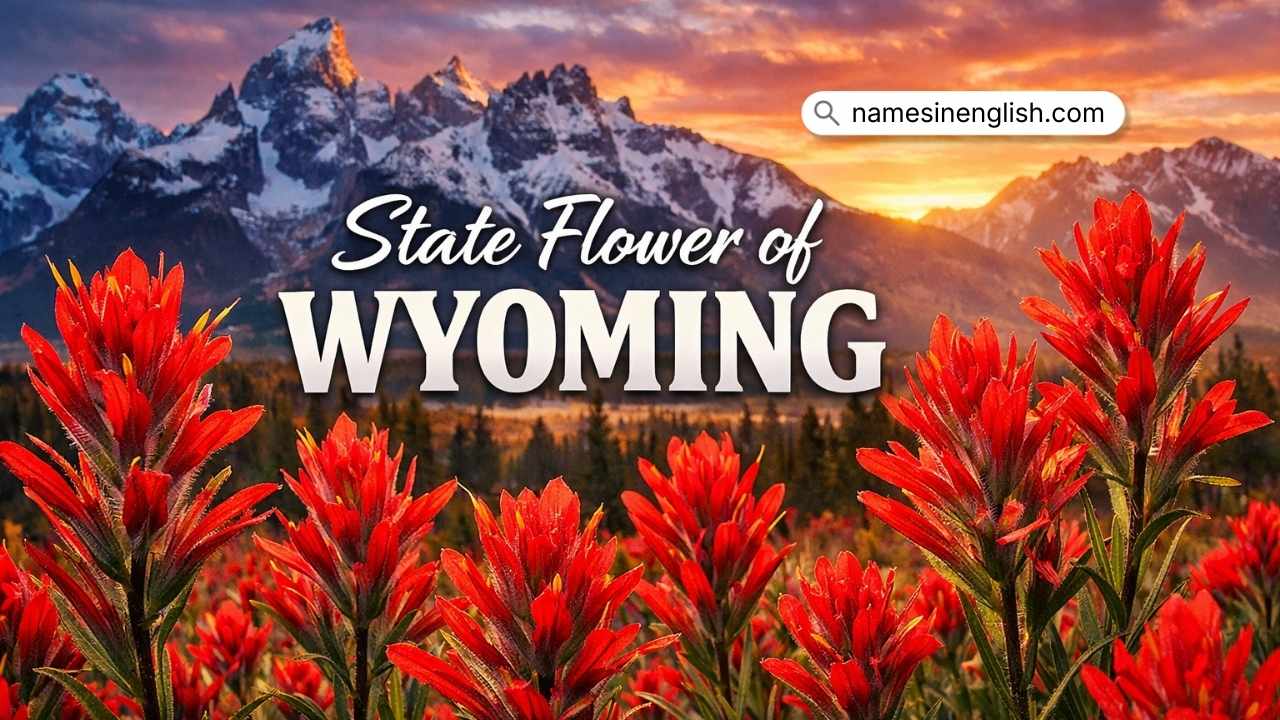

The State Flower of Wyoming, the striking Indian Paintbrush, is one of the most eye catching wildflowers in the American West. With its bright red blooms covering hillsides and open plains, this native flower is a proud symbol of Wyoming’s rugged beauty and natural heritage. In this article, you will learn why the State Flower of Wyoming was selected, whether it is truly toxic, its history, symbolic meaning, interesting facts, and essential growing tips. By the end, you will have a clear understanding of this unique and colorful wildflower.
A Wildflower That Reflects Wyoming’s Spirit
The State Flower of Wyoming is Castilleja linariifolia, a native wildflower found across the Rocky Mountains and western plains. Wyoming officially adopted it in 1917, not because it was delicate, but because it was everywhere. It survives cold winds, dry soil, and high elevations where many plants fail.
For hikers and tourists, Indian Paintbrush often becomes the flower they remember most. For students and fact-seekers, it raises a surprising question. Why would a state choose a flower that’s toxic?
What Is the State Flower of Wyoming?
The State Flower of Wyoming is the Indian Paintbrush, scientifically known as Castilleja linariifolia. It was designated in 1917 and represents resilience, strength, and adaptation in harsh environments.
Meet the Indian Paintbrush Up Close
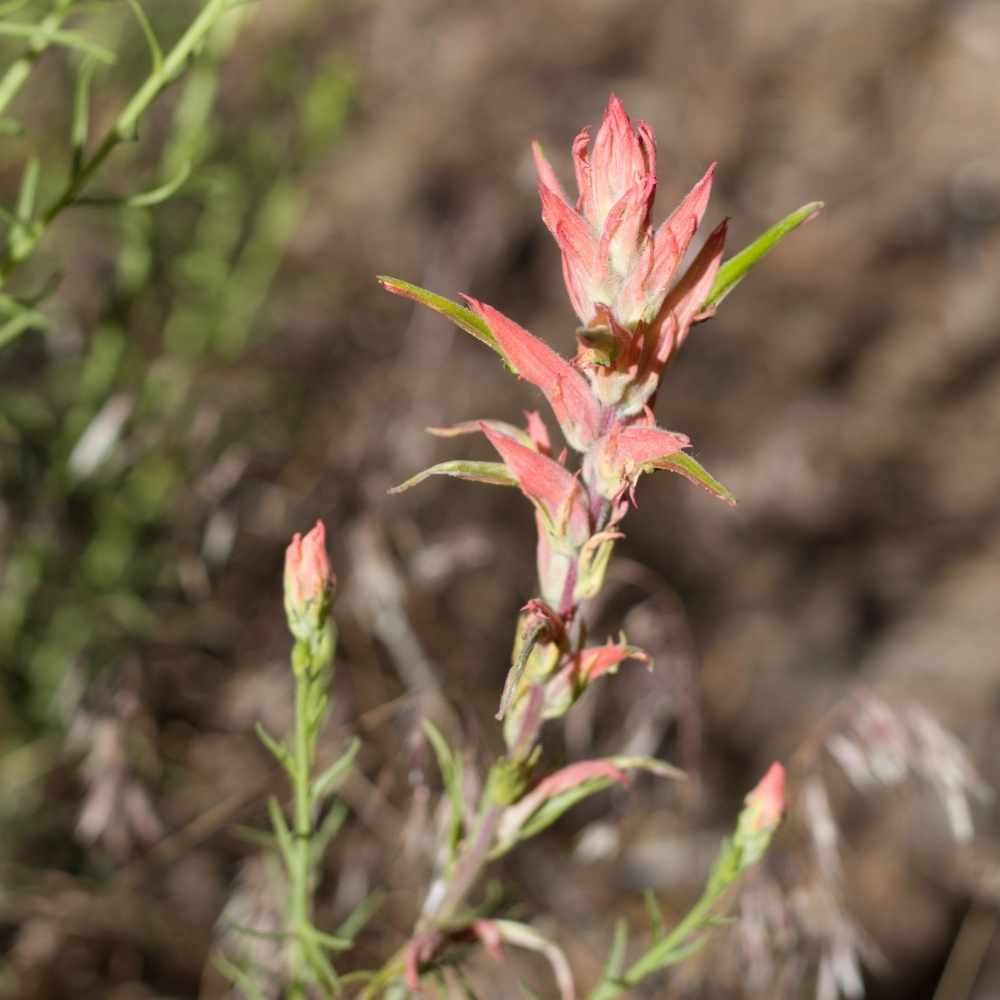
Indian Paintbrush stands out because of its color. What looks like petals are actually brightly colored leaf-like structures called bracts. The real flowers are small and tucked inside.
You’ll commonly see:
- Fiery red and orange shades
- Occasional yellow, salmon, or pink varieties
- Dense clusters rising above grasslands
It blooms from late spring through summer, depending on elevation.
Why It Grows Where Others Don’t
Indian Paintbrush is a hemiparasite. That means it partially relies on nearby plants for nutrients by attaching to their roots. This strategy allows it to survive in poor soil where nutrients are scarce. It’s not weakness. It’s adaptation.
The Toxic Side of the State Flower of Wyoming
Yes, the State Flower of Wyoming is toxic, and that fact is well-documented.
Indian Paintbrush absorbs selenium from the soil. Selenium is a mineral that can be dangerous in high amounts. When the plant stores it, the toxicity becomes a real concern.
This matters most for:
- Grazing livestock like sheep and cattle
- Pets that may chew on plants
- Humans if consumed in quantity
Symptoms of selenium poisoning in animals can include hair loss, hoof damage, and nervous system issues. Ranchers in the American West have known about this risk for generations.
Touching the plant is not dangerous. The risk comes from ingestion.
Is Indian Paintbrush Dangerous for Humans?
For most people, the danger is low if common sense is used.
Here’s what’s important to know:
- Touching or photographing the flower is safe
- Small accidental contact causes no harm
- Eating the plant is strongly discouraged
Children should be taught not to taste wild plants, no matter how colorful they look. That advice applies far beyond Wyoming.
Medicinal Use of Indian Paintbrush
This is where history and modern science need to be clearly separated.
Some Native American tribes historically used certain Castilleja species in traditional remedies. These uses were limited, carefully prepared, and guided by deep plant knowledge passed down through generations.
Reported traditional uses included:
- Poultices for bruises or swelling
- Infusions for mild pain relief
- External applications only in most cases
However, and this matters, modern medical science does not recommend Indian Paintbrush for self-treatment. Because selenium levels vary by soil, dosage cannot be controlled safely.
According to the U.S. Forest Service’s botanical profile, Indian Paintbrush species contain toxic properties that make them unsafe for casual medicinal consumption.
You can read more in their plant profile on the Indian Paintbrush at the U.S. Forest Service website:
Indian Paintbrush species profile by the U.S. Forest Service
Traditional knowledge deserves respect, but it should not be copied without context, training, or scientific safeguards.
Where You’ll See the State Flower of Wyoming
If you’re exploring Wyoming, chances are you’ll encounter Indian Paintbrush without trying.
Common locations include:
- Grand Teton National Park
- Yellowstone’s open meadows
- High-elevation trails and foothills
- Dry plains mixed with sagebrush
Best viewing months are usually June through August.
Photographers love it because the colors pop against Wyoming’s wide skies and rugged terrain.
Bright Color as a Warning
There’s an idea in nature called aposematism. Bright colors warn animals that something may be toxic or unpleasant to eat. We often associate this with frogs or insects, but plants do it too.
Indian Paintbrush doesn’t hide its toxicity. It announces itself.
That vivid red may not just attract humans. It may also tell grazing animals to stay away. Beauty, in this case, acts as a warning label.
Once you notice this pattern, you start seeing it everywhere in the wild.
Why Wyoming Chose This Flower
The State Flower of Wyoming is not chosen for softness or fragrance. It was chosen because it survives.
It represents:
- Endurance in harsh climates
- Independence from ideal conditions
- Strength without delicacy
Wyoming’s landscapes are not easy. Neither is this flower. That connection feels intentional.
Key Facts About the State Flower of Wyoming
- Scientific name: Castilleja linariifolia
- Common name: Indian Paintbrush
- Official since: 1917
- Toxic: Yes, if ingested
- Habitat: Plains, foothills, mountains
- Bloom season: Late spring to summer
FAQs About the State Flower of Wyoming
Is the Indian Paintbrush poisonous to humans?
Yes, the Indian Paintbrush can be toxic if eaten because it absorbs selenium from the soil. Touching or handling the plant is safe, but ingestion should always be avoided.
Why is the State Flower of Wyoming toxic?
The State Flower of Wyoming becomes toxic due to its ability to accumulate selenium, a mineral that is harmful in high amounts. This natural trait helps protect it from grazing animals.
Can Indian Paintbrush be used for medicine?
Historically, some Native American tribes used certain Indian Paintbrush species in limited traditional remedies. Modern experts do not recommend medicinal use due to unpredictable toxicity levels.
Where does the State Flower of Wyoming grow naturally?
The State Flower of Wyoming grows in plains, foothills, and mountainous regions across the state. It thrives in dry soils and high elevations from late spring to summer.
Is Indian Paintbrush safe to touch or photograph?
Yes, Indian Paintbrush is safe to touch and photograph during hikes or outdoor activities. The risk only exists if the plant is consumed, not from casual contact.
A Final Thought for Explorers and Learners
The State Flower of Wyoming teaches a quiet lesson. Not everything beautiful is harmless, and not everything harsh lacks value. Indian Paintbrush survives where others fade. It doesn’t ask for perfect soil or gentle weather.
If you hike Wyoming’s trails, admire it. Photograph it. Learn from it. Just don’t try to consume it.
Explore more cultural histories and floral emblems from around the world. Each one reveals how people turn nature into meaning: