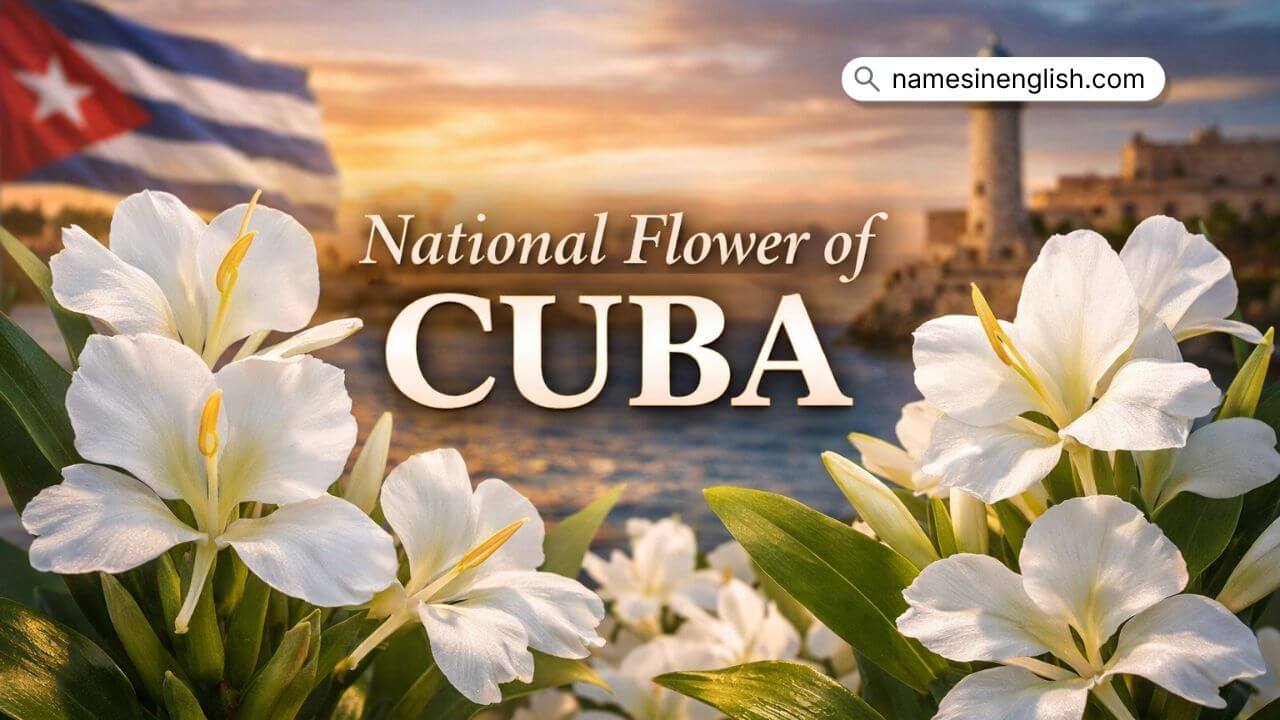

The National Flower of Cuba is the beautiful Mariposa, a fragrant white flower that represents purity, freedom, and the strong spirit of the Cuban people. Beyond its elegant appearance, this flower is also linked to a hidden wartime story that makes it even more meaningful. Learning about the Mariposa helps you understand Cuba’s history, culture, and national identity in a simple and interesting way. In this article, you’ll learn why the National Flower of Cuba is so special, explore its hidden war message, learn about its symbolism, and find fascinating facts that make this flower truly unforgettable.
What Is the National Flower of Cuba?
The National Flower of Cuba is the white ginger lily, locally called Mariposa. Its scientific name is Hedychium coronarium. Cuba officially declared it the national flower in 1936 because it represents purity, peace, and the Cuban people’s struggle for independence.
You’ll often see Mariposa flowers growing near rivers, gardens, and rural homes across the island. Their fragrance is strong but pleasant, especially in the evening.
The Mariposa Flower at a Glance
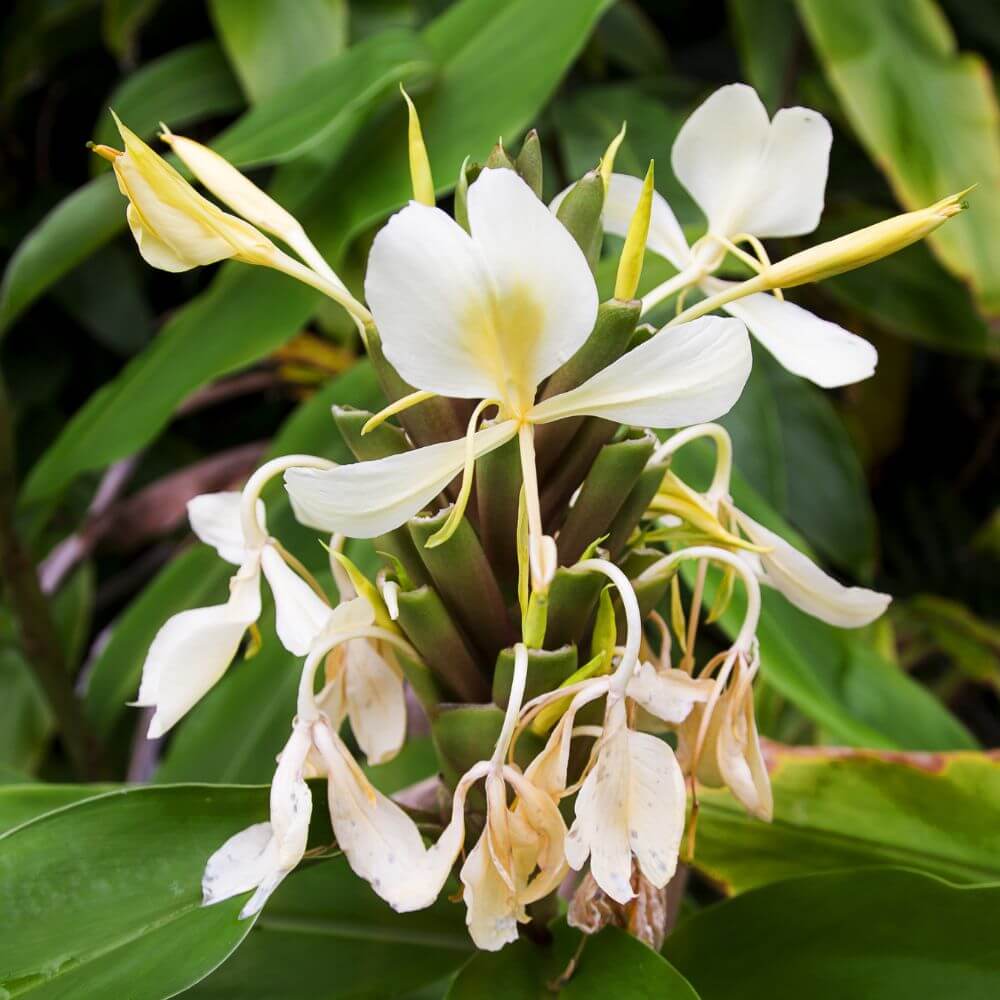
Before diving into history, it helps to understand the flower itself.
- Common name: Mariposa
- Scientific name: Hedychium coronarium
- Color: White
- Scent: Sweet and intense, strongest at night
- Blooming season: Summer to early autumn
- Native range: Asia, later naturalized in Cuba
Although it did not originally come from Cuba, the flower became deeply rooted in Cuban soil and culture over time.
Why Cuba Chose the Mariposa as Its National Flower
Cuba had many native plants to choose from, yet the Mariposa stood out. The decision was not random or purely aesthetic.
The flower symbolized qualities Cubans admired in themselves:
- Clean white petals reflected moral strength
- Resilience matched the Cuban spirit under colonial rule
- Grace without weakness, a quiet but firm presence
During the early 20th century, Cuba was shaping its national identity. Choosing the Mariposa helped express hope and unity after years of struggle.
The Hidden War Message Inside a Flower
This is where the story becomes extraordinary.
During Cuba’s wars of independence against Spanish rule in the 19th century, women played a dangerous and often overlooked role. They used Mariposa flowers to pass secret messages to rebel fighters.
Here’s how it worked:
- Women hid written notes inside bouquets of Mariposa flowers
- The white petals made the bundles look innocent
- Spanish soldiers rarely suspected flowers carried military intelligence
These messages included troop movements, meeting points, and warnings. Carrying them was extremely risky. If discovered, punishment was severe.
One Cuban historian described the Mariposa as “a silent soldier.” It did not fight, but it protected those who did.
Women, Resistance, and the Mariposa
The Mariposa became closely associated with Cuban women, especially those involved in the independence movement.
Many women:
- Gathered intelligence in towns and markets
- Used everyday activities as cover
- Carried flowers as symbols of domestic life
In reality, they were part of a resistance network. The Mariposa helped them move unnoticed.
This is a perspective missing from many top-ranking articles. They mention symbolism but often overlook how gender and resistance intersected. The flower was not only a national emblem. It was a tool that allowed women to participate in war without weapons.
Cultural Meaning of the Mariposa Today
Today, the Mariposa still holds emotional value for Cubans, both on the island and abroad.
You’ll find it:
- In Cuban poetry and songs
- Woven into wedding decorations
- Used in religious offerings, especially in Afro-Cuban traditions
The flower often represents:
- Peace after conflict
- Memory of sacrifice
- Quiet strength rather than loud power
- For Cuban immigrants, the Mariposa can also symbolize longing for home.
Scientific and Historical Confirmation
The historical role of the Mariposa is well documented in Cuban archives and academic research.
According to historical summaries compiled from Cuban sources, Hedychium coronarium became a national symbol due to its strong cultural presence and long-standing association with Cuban identity. Its recognition grew during the late 19th and early 20th centuries, when national symbols played an important role in shaping Cuba’s sense of unity and heritage.
White Ginger Lily (Mariposa) and Its Role in Cuban History:
Leanr More on Wikipedia
This source confirms both the plant’s origin and its symbolic evolution within Cuban society.
Where You’ll See Mariposa in Cuba
If you’re visiting Cuba, keep an eye out.
You’re most likely to find Mariposa flowers:
- Near rivers in rural areas
- In private home gardens
- Around memorial sites linked to independence heroes
Locals may not always point them out, but when they do, it’s often with quiet pride rather than tourist enthusiasm.
Not Native, Yet Truly Cuban
Some critics argue that because the Mariposa is not native to Cuba, it should not represent the nation. I see it differently.
Cuba itself is a blend of Indigenous, African, and European histories. A flower that arrived from elsewhere and took root fits that reality perfectly. Its meaning comes from what people did with it, not where it started.
That human choice is what turned a simple plant into the National Flower of Cuba.
A Fragrant Legacy of Resistance
Symbols survive only if they remain relevant. The Mariposa does because its message still speaks.
It reminds us that:
- Resistance does not always look aggressive
- Small, careful actions can change history
- Beauty and bravery can coexist
These ideas resonate far beyond Cuba.
FAQs About National Flower of Cuba
What flowers represent Cuba?
The mariposa flower is the strongest floral symbol of Cuba and represents peace, purity, and resistance. Other flowers appear locally, but mariposa holds national and historical importance.
Why is the white mariposa the national flower of Cuba?
The white mariposa was chosen because it symbolized purity and hope during Cuba’s independence wars. Women secretly used it to carry messages for rebel fighters.
What is the white ginger flower in Cuba?
The white ginger flower in Cuba is called mariposa and is scientifically known as Hedychium coronarium. It is valued for its fragrance and cultural symbolism.
What is the official flower of Cuba?
The official flower of Cuba is the mariposa, also known as the white ginger lily. It was officially declared the national flower in 1936.
What flower is native to Cuba?
Many flowers grow naturally in Cuba, but the mariposa itself is not native to the island. It was introduced from Asia and later became deeply rooted in Cuban culture.
Final Thoughts
The Mariposa is more than a fragrant white flower. It is a quiet witness to courage, especially the courage of women who carried a nation’s hopes in their hands.
If you enjoy uncovering the hidden stories behind national symbols, explore more cultural histories and floral emblems from around the world. Each one reveals how people turn nature into meaning.