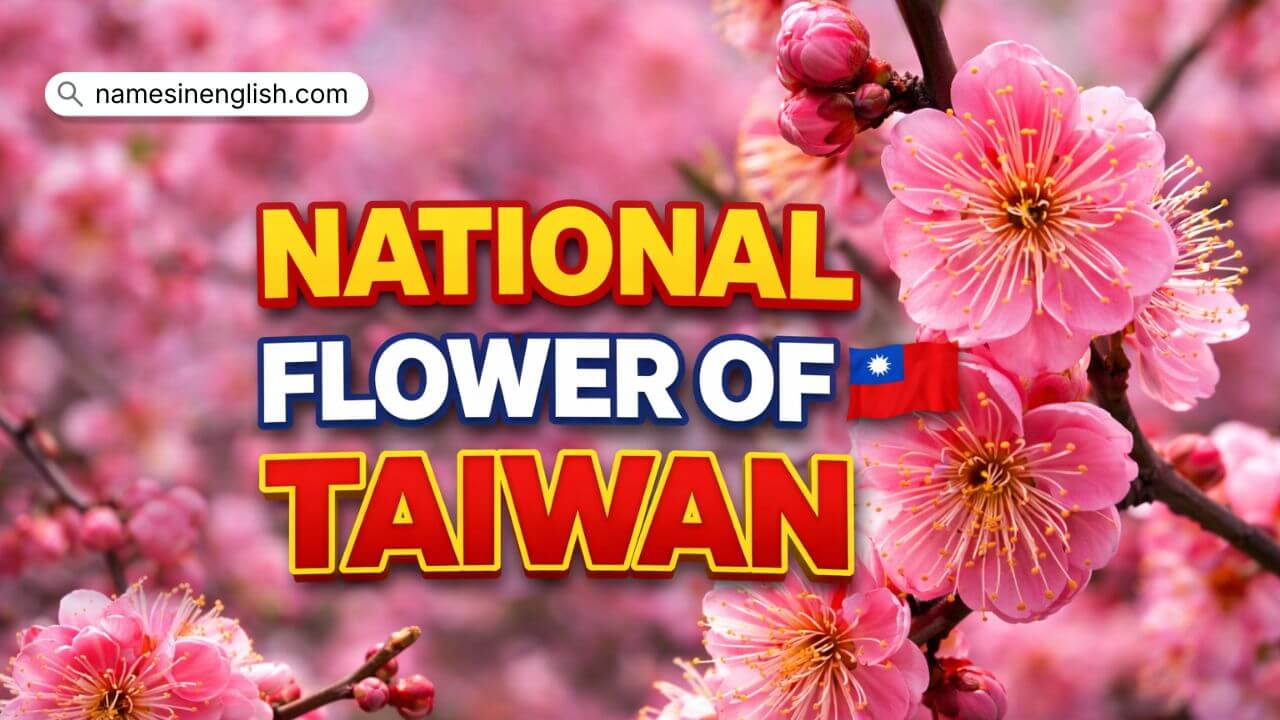

The National Flower of Taiwan, the beautiful Plum Blossom, is more than just a seasonal bloom—it is a powerful symbol of strength, hope, and resilience. Famous for blooming during the cold winter when many other plants cannot survive, it represents courage in the face of hardship and the promise of new beginnings. In this article, you’ll learn why the National Flower of Taiwan holds such an important place in Taiwanese culture, explore its history, symbolism, unique characteristics, and learn why people often say the plum blossom “thrives in death” as a symbol of endurance rather than defeat.
What Is the National Flower of Taiwan?
The National Flower of Taiwan is the plum blossom, also known as Prunus mume.
It was officially adopted in 1964. The choice was deliberate. Taiwan wanted a national symbol that reflected strength, survival, and moral resolve, not beauty alone.
The plum blossom is admired for:
- Blooming in harsh winter conditions
- Standing firm against snow and frost
- Representing perseverance during hardship
This answer alone often appears in featured snippets, but the story goes much deeper.
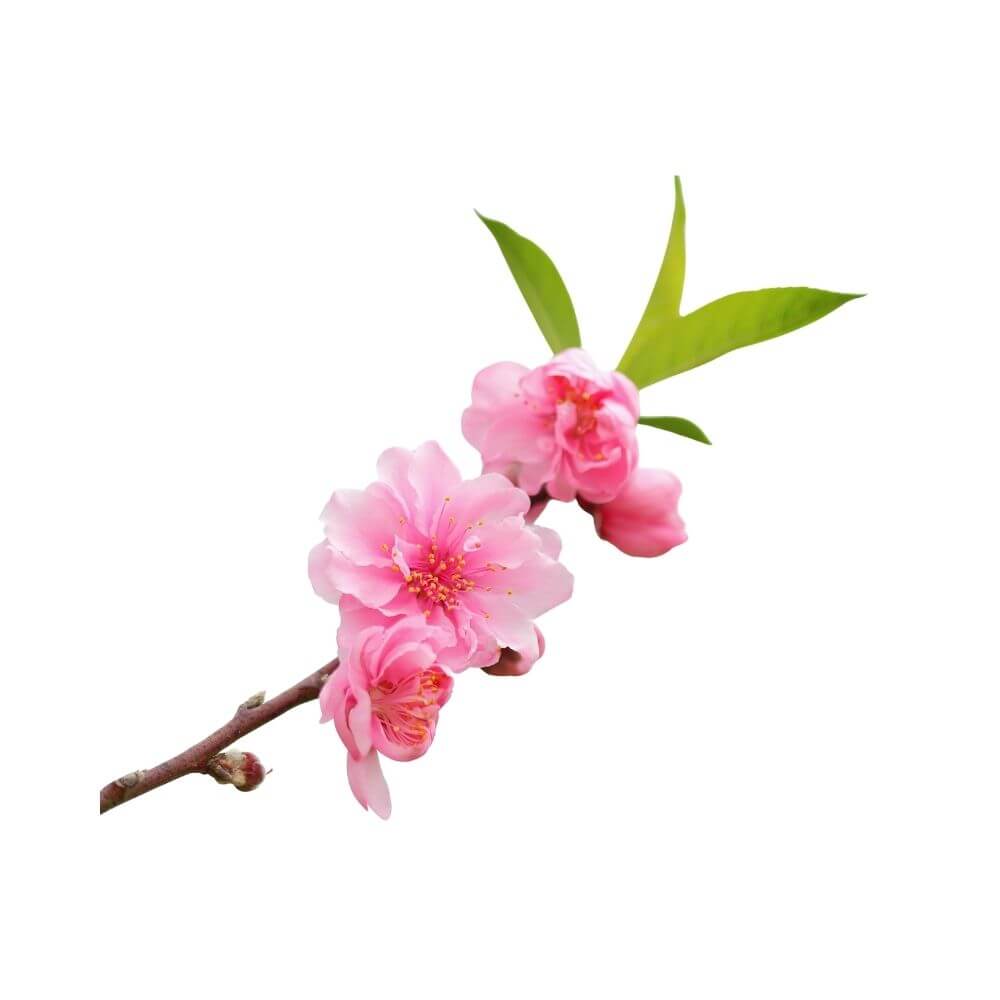
The Plum Blossom Explained
The plum blossom is not the same as cherry blossom. Many people confuse them.
Here’s the clear version:
- Scientific name: Prunus mume
- Native to East Asia
- Blooms from January to February
- Flowers appear before leaves
It looks delicate.
It is not.
The tree survives freezing temperatures that would kill most flowering plants.
Why the Plum Blossom Thrives Where Others Die
Most flowers depend on warmth. The plum blossom does the opposite. It uses cold dormancy to trigger blooming. Frost does not weaken it. In many cases, cold strengthens the flowering cycle.
This is rare in the plant world. Botanists often describe it as a stress-adapted species. That makes it a natural metaphor for resilience.
The Deeper Meaning Behind Taiwan’s Plum Blossom
In Taiwanese culture, the plum blossom carries layered meaning.
It stands for:
- Endurance without complaint
- Integrity under pressure
- Renewal after loss
These meanings didn’t come from marketing. They came from centuries of observation.
Classical scholars admired the plum blossom because it bloomed alone. No audience. No applause.
A Symbol Forged by History, Not Decoration
Taiwan’s history includes colonization, war, displacement, and political tension. National symbols here carry weight.
The plum blossom became important because:
- It survived political transitions
- It symbolized moral steadiness
- It reflected cultural continuity
During difficult decades, the image of a flower blooming in cold became a quiet reassurance.
Strength could exist without noise.
Plum Blossom in Modern Taiwan
This symbol is not locked in history books.
You still see it today:
- On Taiwanese coins
- In military insignia
- In school emblems
- In public parks and mountains
Plum blossom festivals are held every winter. People walk among trees blooming against gray skies. It feels intentional.
What Most Guides Miss About Taiwan’s National Flower
Many guides repeat surface symbolism.
Few explain why the symbolism is structured so precisely.
The plum blossom was officially designated as the National Flower of Taiwan on July 21, 1964, by the ROC Executive Yuan. This was not a poetic choice. It was intentional and ideological.
Each part of the flower carries meaning:
- Three stamens (one long, two short) represent Sun Yat-sen’s Three Principles of the People
- Five petals symbolize the five branches of the ROC government
- Winter blooming reflects resilience under pressure
This turns the plum blossom into more than a cultural metaphor. It becomes a visual system of national values.
According to the official explanation published by Taiwan’s Office of the President, the plum blossom was chosen specifically because it endures harsh winters while maintaining form and fragrance. That endurance mirrors how the nation defines moral strength and governance stability.
Source: Taiwan Office of the President
This isn’t abstract symbolism.
It’s identity design, embedded into a living organism.
Lessons We Learn From the Plum Blossom
This flower teaches without speaking.
Real lessons include:
- Growth doesn’t need perfect timing
- Strength can look fragile
- Waiting for comfort delays progress
Resilience seekers often miss this. They wait for motivation. The plum blossom does not.
How Taiwan’s Plum Blossom Compares to Other National Flowers
Many countries choose flowers tied to beauty or abundance.
Examples:
- Japan’s cherry blossom celebrates impermanence
- India’s lotus symbolizes purity
- England’s rose reflects power
Taiwan chose survival.
That choice is unusually honest.
FAQs About National Flower of Taiwan
What flowers are native to Taiwan?
Taiwan is home to native flowers like the plum blossom, Taiwan lily, Formosan cherry, and Rhododendron formosanum. These species thrive in Taiwan’s diverse climate, from coastal plains to high mountains.
What does 108 roses mean in Taiwan?
In Taiwan, 108 roses symbolize a sincere and lifelong commitment, often linked to marriage or deep devotion. The number carries spiritual weight, influenced by Buddhist tradition.
What flower represents Taiwan?
The plum blossom represents Taiwan as its official national flower. It symbolizes resilience, integrity, and endurance because it blooms during harsh winter conditions.
Why is the plum blossom important to Taiwan?
The plum blossom reflects Taiwan’s cultural values and political identity. Its five petals and three stamens symbolize the structure of the ROC government and Sun Yat-sen’s principles.
When does the plum blossom bloom in Taiwan?
Plum blossoms typically bloom between January and February in Taiwan. They appear before leaves grow, often during cold weather when few other flowers survive.
Final Thoughts
The plum blossom doesn’t wait for spring. It blooms anyway. That’s why it remains the National Flower of Taiwan. Not because it’s beautiful, but because it’s truthful. If you’re drawn to stories of resilience, explore more national flowers shaped by hardship, history, and survival. You’ll notice a pattern. The strongest symbols are rarely loud.