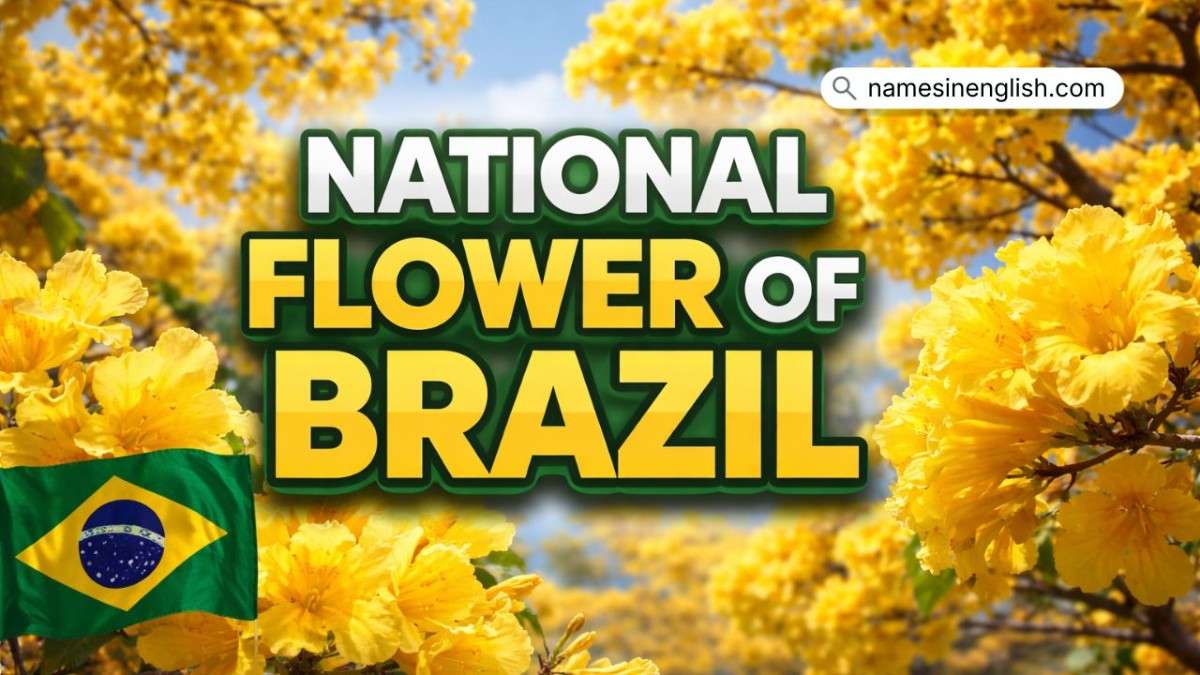

The National Flower of Brazil, the magnificent Golden Trumpet Tree, is a stunning symbol of the country’s vibrant landscapes and rich natural heritage. Known for its brilliant yellow blossoms that brighten forests and city streets, this native tree reflects Brazil’s beauty, strength, and diversity. In this article, you will learn why the National Flower of Brazil holds such an important place in the country, explore its history and symbolic meaning, discover interesting facts, and find simple growing tips to better appreciate this remarkable flowering tree.
What Is the Native Golden Trumpet Tree?
The Golden Trumpet Tree, scientifically called Handroanthus albus (formerly Tabebuia alba), is a deciduous tree native to Brazil’s Cerrado and Atlantic Forest regions. It bursts into bloom with bright golden-yellow flowers that light up landscapes every spring.
- Height: Typically 20 to 30 feet tall
- Leaves: Compound with 3 to 5 leaflets
- Flowering season: Late winter to early spring (August to September in Brazil)
- Lifespan: Can live for several decades in natural settings
This tree isn’t just ornamental; it plays a vital role in local ecosystems by providing nectar for bees and birds, contributing to biodiversity. You can explore its detailed botanical profile here: Handroanthus albus plant profile on Earthpedia
What is the National Flower of Brazil?
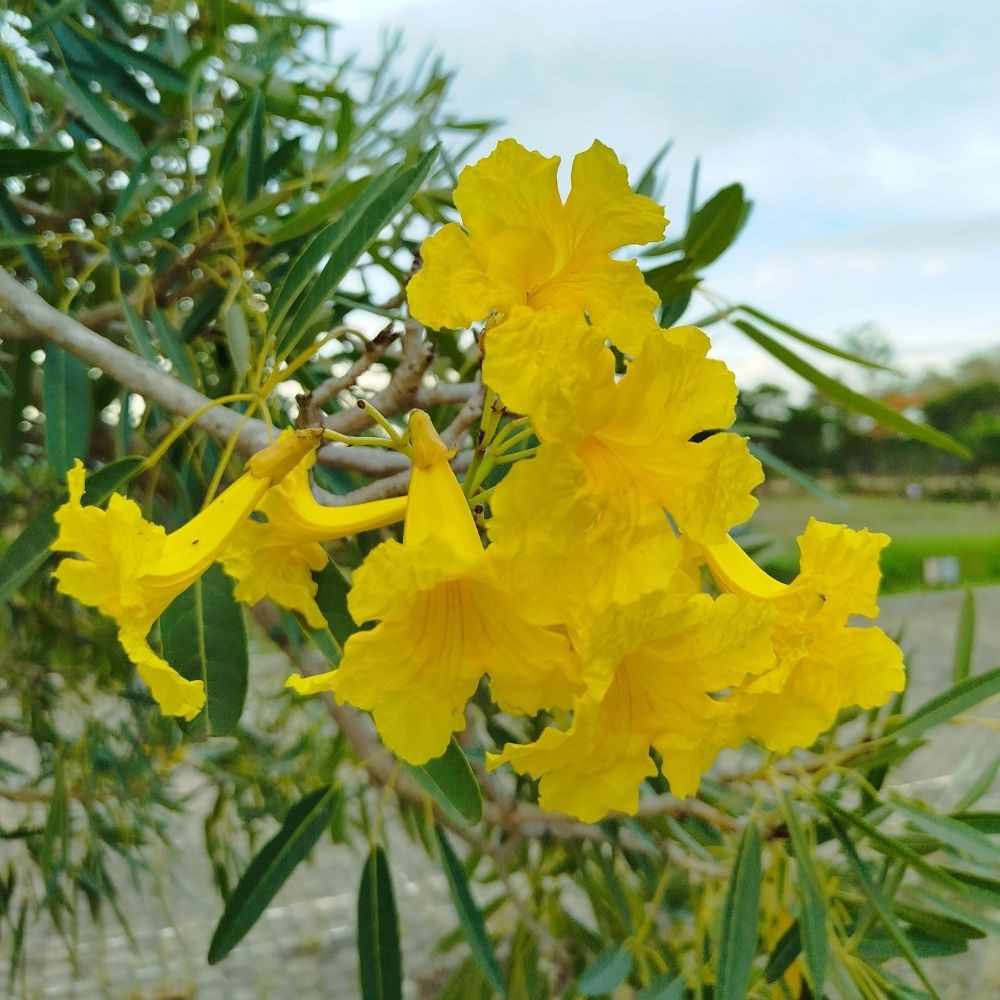
The National Flower of Brazil is the Golden Trumpet Tree (Handroanthus albus). It features bright yellow trumpet-shaped flowers, blooms in late winter to early spring, and symbolizes resilience and natural beauty in Brazilian culture. Officially declared in 1973, it grows mainly in Brazil’s Cerrado and Atlantic Forest regions and supports local wildlife and ecosystems.
Golden Trumpet Tree:
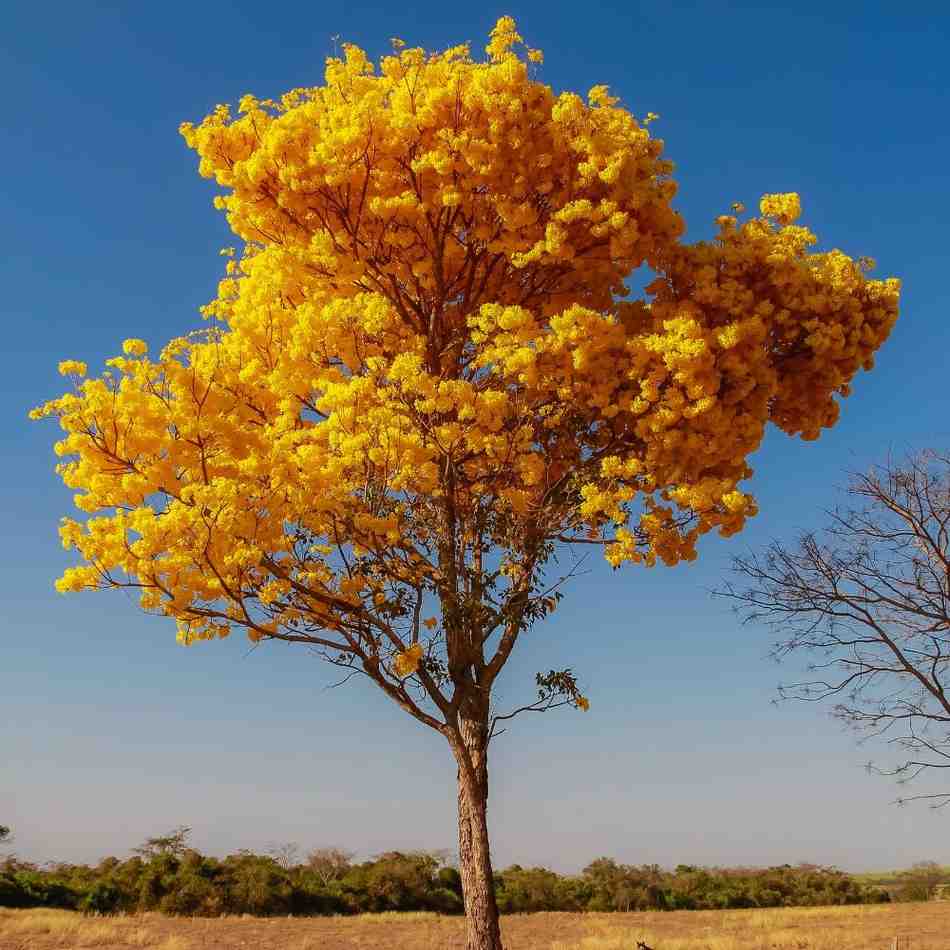
Close-up of Golden Trumpet Tree Flowers:
Why Is It Brazil’s National Flower?
Choosing the Native Golden Trumpet as the National Flower of Brazil wasn’t just about its dazzling look. It symbolizes resilience, beauty, and Brazil’s unique natural heritage.
- The flower thrives in diverse climates, from dry savannas to moist forests, showing adaptability.
- Its golden-yellow color reflects warmth and optimism, qualities that resonate with Brazilian culture.
- The tree’s blooming marks the change of seasons and new beginnings, a powerful metaphor for growth and renewal.
In 1973, the Brazilian government officially declared this tree the national flower, cementing its place as a symbol of the country’s rich flora.
Ecological Importance and Conservation
The Golden Trumpet Tree is more than just a pretty sight. It supports local wildlife and helps maintain healthy ecosystems.
- Pollinators: Its flowers attract bees, hummingbirds, and butterflies, which aid in pollination.
- Soil health: The tree’s root system helps prevent erosion in fragile habitats.
- Climate resilience: Studies show it tolerates drought and seasonal changes well, making it important for climate adaptation strategies.
However, habitat loss threatens its natural populations. Efforts by environmental groups focus on protecting these native trees, especially in the Cerrado, one of the world’s most biodiverse but endangered ecosystems.
Medicinal Uses of the Golden Trumpet Tree
Interestingly, the Native Golden Trumpet Tree has traditional medicinal applications, mostly among indigenous communities.
- The bark contains compounds believed to have anti-inflammatory and antimicrobial effects.
- Traditional remedies include decoctions from bark or leaves used to treat infections and digestive issues.
- Modern phytochemical research, such as a 2024 study published in the Journal of Ethnopharmacology, confirms some of these antibacterial properties, opening doors for pharmaceutical exploration.
While promising, these uses require further scientific validation before widespread medical application.
Using the Golden Trumpet in Sustainable Urban Gardens
Most articles focus on the tree’s natural beauty and symbolism. But here’s an underexplored tip: the Golden Trumpet Tree can be an excellent choice for sustainable urban gardening in tropical and subtropical cities.
- Its drought tolerance reduces watering needs, saving precious resources.
- The bright flowers attract pollinators even in city parks or backyards, supporting urban biodiversity.
- The tree’s moderate size fits well in small to medium green spaces without overwhelming them.
We believe incorporating this native species in urban landscapes not only honors Brazil’s heritage but also promotes eco-friendly gardening practices.
Growing and Caring for Brazil National Flower
For gardeners inspired to plant this tree, here are practical tips:
- Climate: Prefers warm climates but can tolerate short dry spells.
- Soil: Well-drained soil is essential; it does not like waterlogged roots.
- Sunlight: Full sun encourages the best flowering.
- Pruning: Minimal pruning needed, mainly to shape the tree or remove dead branches.
- Propagation: Usually grown from seeds, which germinate best when fresh.
For a complete technical breakdown of soil tolerances and wind protection, refer to the University of Florida’s detailed management guide for the Golden Trumpet Tree.
With proper care, it can thrive for decades, rewarding gardeners with a stunning floral display each spring.
FAQs About National Flower of Brazil
What is the most famous flower in Brazil?
The most famous flower in Brazil is the Native Golden Trumpet Tree (Handroanthus albus), known for its vibrant yellow blooms and status as the national flower.
Why is the Golden Trumpet Tree Brazil’s national flower?
It symbolizes resilience, natural beauty, and Brazil’s diverse ecosystems. The tree’s bright yellow flowers and adaptability made it a cultural and ecological icon.
Where does the Native Golden Trumpet Tree naturally grow?
It grows mainly in Brazil’s Cerrado savanna and Atlantic Forest regions, thriving in warm climates with seasonal rainfall.
Can the Golden Trumpet Tree be grown in urban gardens?
Yes, it’s drought-tolerant, attracts pollinators, and fits well in medium-sized urban spaces, making it a great choice for sustainable gardening.
Are there medicinal uses for the Native Golden Trumpet Tree?
Traditional medicine uses its bark and leaves for anti-inflammatory and antimicrobial purposes, though scientific research is ongoing to confirm these benefits.
Final Thoughts
The Golden Trumpet Tree is more than just Brazil’s national flower. It’s a living symbol of the country’s vibrant nature and cultural spirit. Whether you’re a gardener, a nature lover, or simply curious, appreciating this tree brings a deeper connection to Brazil’s rich biodiversity.