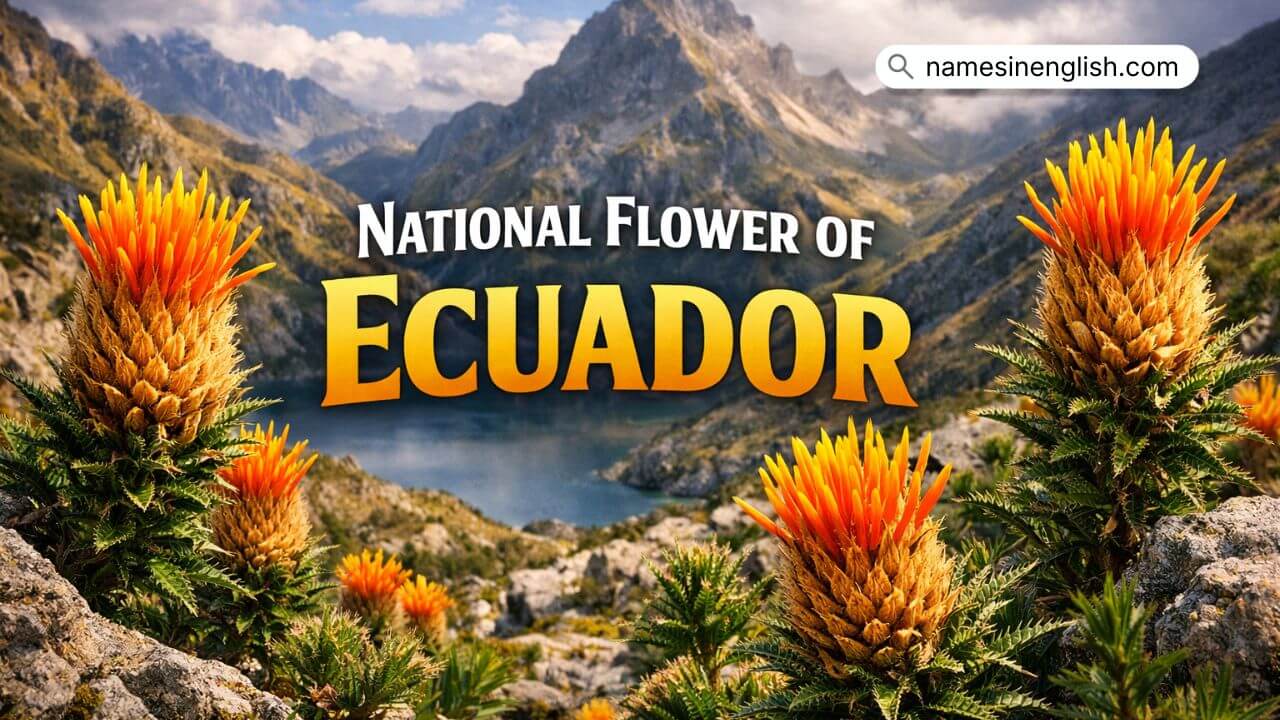

The National Flower of Ecuador, the remarkable Chuquiragua, is a tough mountain flower that thrives in the harsh conditions of the Andes, earning its reputation as a true volcano survivor. More than just a beautiful wildflower, it symbolizes resilience, strength, and Ecuador’s rich natural heritage. In this article, you’ll learn why the National Flower of Ecuador is so special, explore its history, cultural meaning, unique habitat, fascinating facts, and the reasons it continues to be one of the country’s most treasured native plants.
What Is Chuquiragua and Why Ecuador Chose It
Chuquiragua, scientifically known as Chuquiraga jussieui, is a thorny, orange-flowering plant native to Ecuador’s páramo regions. It thrives between 3,200 and 4,800 meters above sea level. Few plants can tolerate that combination of UV exposure, freezing nights, volcanic soil, and relentless wind. Chuquiragua does.
Ecuador named it its national flower not for beauty alone, but for symbolism. It represents resilience, endurance, and quiet strength. Qualities deeply woven into Ecuadorian identity, especially among Andean communities.
Key identifiers you’ll notice immediately:
- Fiery orange, spiky blossoms
- Thick, leathery leaves to prevent moisture loss
- Low, compact growth hugging the ground for protection
This is not a delicate flower. It’s a survivor.
What Is National Flower of Ecuador?
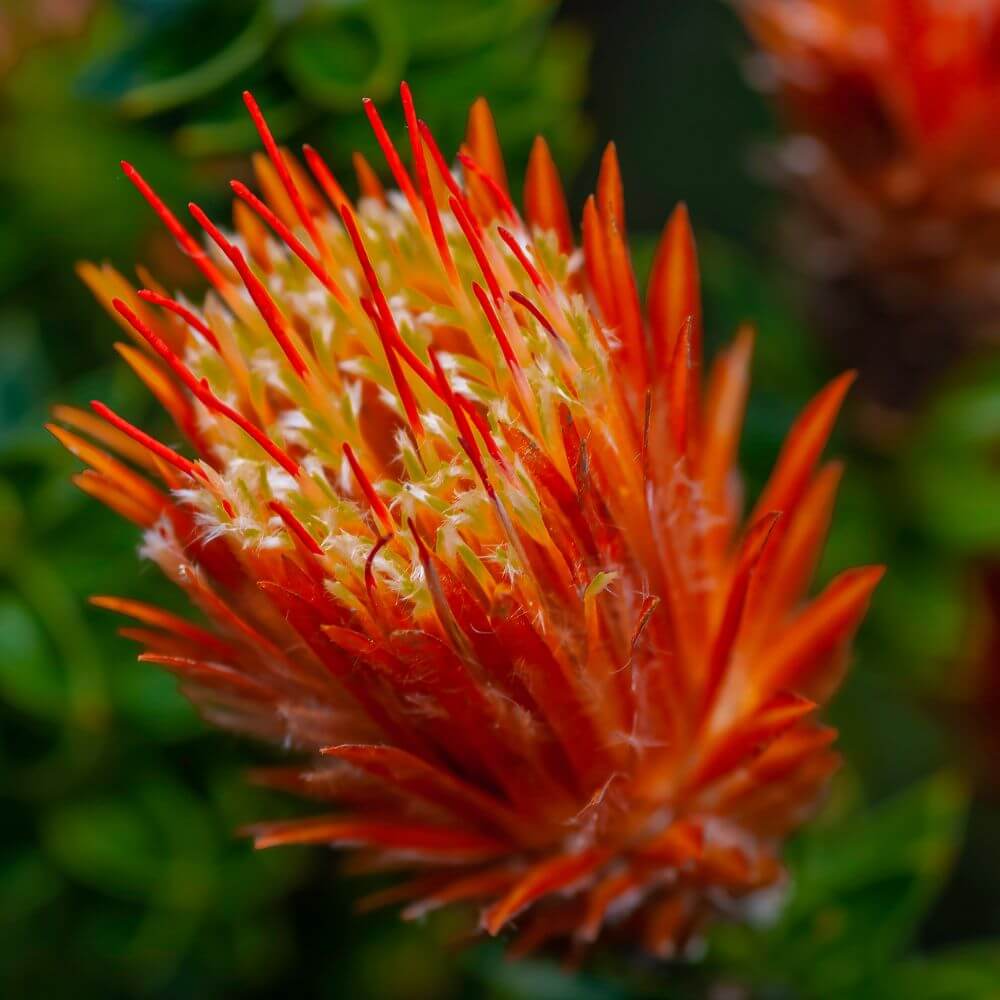
Chuquiragua is the national flower of Ecuador because it naturally grows in extreme high-altitude conditions where few plants survive. It symbolizes resilience, strength, and national pride, while also playing a vital ecological role by sustaining hummingbirds and other pollinators in the Andean páramo.
A Volcano Survivor Rooted in Fire
Chuquiragua often grows on volcanic slopes, including areas surrounding Cotopaxi and Chimborazo. These soils are mineral-rich but unstable. Most plants fail to establish roots here. Chuquiragua adapts by developing deep, anchoring root systems that resist erosion and store nutrients efficiently.
The Chuquiragua is widely recognized by botanists as a pioneer species. Its ability to thrive in nutrient-poor volcanic ash allows it to stabilize loose soil and create ‘islands of fertility.’ This process is crucial for Andean ecology, as it paves the way for other native plants to return to the slopes after landslides or volcanic activity.
In simple terms, this flower helps damaged land heal itself.
The Hummingbird Connection: A Fragile Partnership
One detail many articles overlook is how specialized Chuquiragua’s relationship with hummingbirds is. Its tubular, spiny flowers are perfectly shaped for long-billed Andean hummingbirds such as the Ecuadorian hillstar.
Here’s the critical part. At extreme altitudes, Chuquiragua is often the only reliable nectar source available. Without it:
- Hummingbird populations drop sharply
- Pollination of other high-altitude plants collapses
- Insect diversity declines soon after
This isn’t poetic exaggeration. It’s ecological math. Remove one keystone species, and the system follows. Chuquiragua isn’t just surviving up there. It’s holding the line.
Traditional Healing and Medicinal Reputation
Among indigenous Andean communities, Chuquiragua has long been associated with strength and recovery. It’s commonly brewed as a tea, especially for people facing physical exhaustion. In many local legends, because the flower is a ‘Volcano Survivor’ that never wilts, drinking the tea is symbolically believed to transfer that same ‘unbreakable’ spirit to the patient.
Traditional uses include:
- Fatigue relief during high-altitude travel
- Supporting respiratory comfort
- Post-illness weakness
However, this is where responsible storytelling matters. Modern science has not fully validated these medicinal claims. Chuquiragua contains antioxidant compounds, improper dosage may cause digestive irritation.
So the cultural respect remains, but blind consumption shouldn’t. I believe that balance is part of honoring traditional medicine, not dismissing it.
For a deeper look at the ancestral significance of this species, a 2021 ethnobotanical study by the Technical University of Cotopaxi explores its vital role within the Panzaleo communities.
Healing Properties: Myth, Meaning, and Measured Reality
Many climbers swear by Chuquiragua tea before attempting peaks like Chimborazo. Is it a miracle plant? No. Is it meaningless folklore? Also no.
What research suggests so far:
- Presence of flavonoids linked to antioxidant activity
- Mild anti-inflammatory potential
- Possible stimulation of circulation
What research does not support yet:
- Guaranteed altitude sickness prevention
- Rapid physical recovery claims
This gap between belief and evidence is important. Chuquiragua’s power may be as much psychological as biochemical. Ritual, belief, and preparation matter when the body is pushed to extremes.
Conservation Over Commercialization
Here’s something rarely discussed. The rising global interest in Chuquiragua as a “natural energy herb” could become its greatest threat. Overharvesting in fragile páramo ecosystems risks destabilizing soil and reducing nectar availability for pollinators.
We believe Chuquiragua should never be mass-commercialized like common herbal supplements. Its value lies in place, not packaging. Sustainable protection matters more than global marketing.
Ecuador’s Ministry of Environment has already warned about páramo degradation due to plant extraction. Respecting Chuquiragua means leaving most of it where it belongs.
Chuquiragua in Modern Ecuadorian Culture
Today, Chuquiragua appears in:
- National symbolism and tourism imagery
- Mountaineering traditions
- Local festivals in Andean regions
Climbers often carry it as a token of respect, not consumption. That distinction matters. It’s a reminder that strength comes from preparation, not shortcuts.
FAQs About National Flower of Ecuador
What flower is native to Ecuador?
Chuquiragua (Chuquiraga jussieui) is one of the most iconic flowers native to Ecuador. It naturally grows in the high Andean páramo at extreme altitudes where few plants can survive.
What is Ecuador’s national flower?
Ecuador’s national flower is Chuquiragua, often called the “flower of the Andes.” It symbolizes resilience and strength because it thrives in harsh volcanic and high-mountain conditions.
What flowers is Ecuador known for?
Ecuador is known for Chuquiragua, orchids, roses, and heliconias. The country has one of the highest orchid diversities in the world, with thousands of native species.
Why is Chuquiragua important to Ecuador?
Chuquiragua is important because it represents national identity and ecological balance. It also supports high-altitude pollinators like hummingbirds in fragile páramo ecosystems.
Does Chuquiragua have medicinal or traditional uses?
Traditionally, Chuquiragua has been used in herbal teas by Andean communities. It is believed to support stamina and recovery, though modern science advises cautious use.
Final Thoughts About National Flower of Ecuador
Chuquiragua doesn’t chase attention. It doesn’t bloom for comfort. It stands where survival itself becomes an achievement. As the national flower of Ecuador, it reflects resilience shaped by land, altitude, and history.
If there’s one takeaway, let it be this. Some of the world’s most powerful natural systems survive quietly, asking only to be respected.
If you’re a climber, let Chuquiragua remind you to prepare wisely. If you’re drawn to traditional medicine, approach it with curiosity and caution. And if you care about ecosystems, support conservation efforts that protect the páramo before it’s altered beyond repair.
Read how other iconic flowers reflect their land and culture: