The National Flower of Cambodia is not chosen for spectacle or size. It’s chosen for feeling. Romduol is small, pale yellow, and quietly fragrant, yet for Cambodians, it carries memory, identity, and an unmistakable sense of home. If you’ve ever walked through Phnom Penh in the evening and caught a soft, sweet floral scent in the air, chances are it was Romduol.
This article explores why Romduol holds that honor, how it fits into Cambodian culture, and why its story matters not only to travelers and cultural enthusiasts but also to researchers interested in botany and sustainability.
What Is the National Flower of Cambodia?
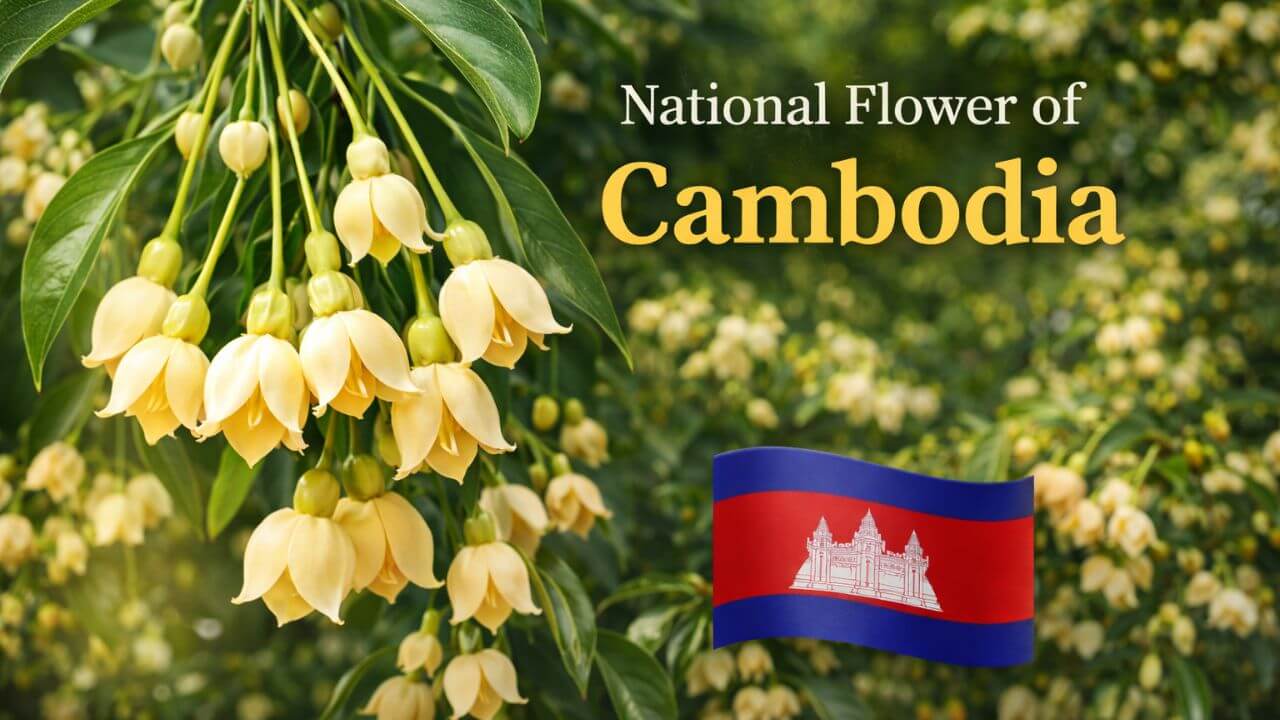
The National Flower of Cambodia is Romduol (Sphaerocoryne affinis).
It is a small, yellow, highly fragrant flower native to Southeast Asia and officially designated as Cambodia’s national flower in 2005. Romduol symbolizes gentleness, purity, and traditional Khmer femininity and is commonly used in perfumes, ceremonies, and home gardens.
This section is designed to answer the main query clearly and quickly for readers and search engines alike.
Romduol: A Flower That Speaks Softly
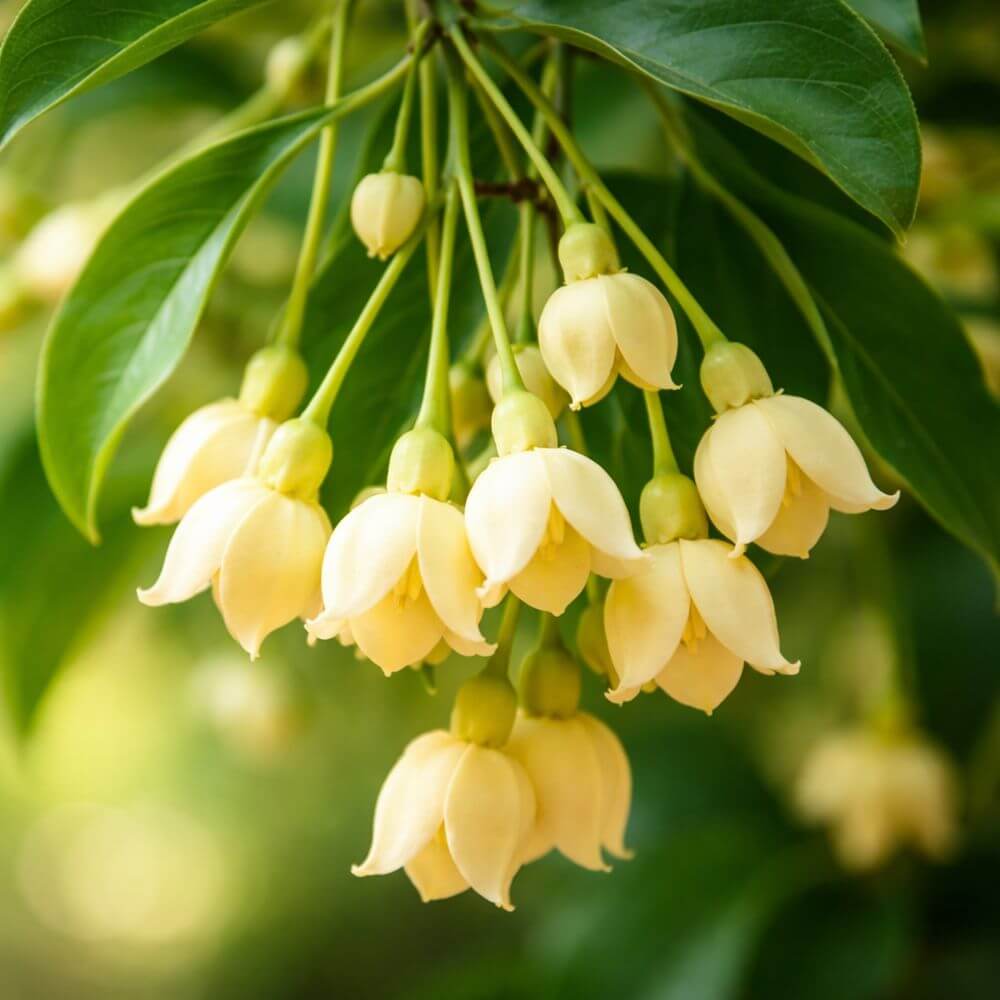
Romduol does not shout for attention. Its petals are modest, its color understated. What sets it apart is scent. A warm, sweet fragrance that grows stronger in the evening.
Botanically, Romduol belongs to the Annonaceae family, the same family as ylang-ylang and custard apple. Its scientific name is Sphaerocoryne affinis, though older texts sometimes list it as Melodorum fruticosum.
Key characteristics include:
- Small, pale yellow to cream-colored petals
- Strong natural fragrance, especially at dusk
- Evergreen shrub or small tree
- Native to Cambodia, Thailand, Laos, and Vietnam
Unlike roses or lotuses, Romduol thrives quietly in village gardens and temple grounds. That everyday presence is part of why it resonates so deeply.
Why Cambodia Chose Romduol as Its National Flower
Cambodia officially declared Romduol its national flower in 2005. The decision was not driven by rarity or grandeur but by cultural alignment.
Romduol reflects Khmer values:
- Gentleness over dominance
- Inner beauty over outward show
- Familiarity over foreign influence
In traditional Cambodian poetry and songs, Romduol often symbolizes a young woman’s grace and moral character. The comparison is subtle and respectful, which mirrors how beauty is traditionally expressed in Khmer culture.
I find this choice refreshing. Many countries pick flowers that impress tourists. Cambodia chose one that comforts its own people first.
Romduol in Cambodian Culture and Daily Life
Romduol is woven into daily Cambodian life in ways that visitors sometimes miss.
Traditional Perfumes and Hair Scents
Romduol flowers are commonly used to scent hair oils and natural perfumes. Women often place the blossoms behind the ear or weave them into hair for weddings and festivals. The fragrance is never overpowering. It’s meant to be discovered, not announced.
Ceremonial and Religious Use
You’ll see Romduol in offerings at pagodas, especially during Buddhist holidays. Its scent is believed to create a calm, respectful atmosphere suitable for prayer and reflection.
Literature and Music
Khmer songs and poems frequently reference Romduol as a metaphor for quiet love or moral beauty. It’s not dramatic romance. It’s enduring affection.
Botanical and Ecological Significance
From a research perspective, Romduol offers more than symbolism.
Floral scent plays a critical role in pollination ecology, particularly among nocturnally fragrant plants whose volatile compounds attract night-active pollinators such as moths. Scientific studies on night-blooming species show that strong evening floral fragrance correlates closely with pollination by nocturnal insects. Source: MDPI.com
Romduol’s ecological strengths include:
- Low water requirements once established
- Adaptability to tropical climates
- Minimal need for chemical fertilizers
These traits make Romduol a strong candidate for sustainable landscaping in urban Southeast Asia.
Sustainability and Conservation Context
Cambodia’s rapid urban growth is putting pressure on native plants. While Romduol is not currently endangered, its natural habitats are shrinking due to expanding cities.
Studies show that native plants, including important ornamental species like Romduol, are increasingly replaced by imported decorative plants in urban developments. This trend can harm biodiversity and weaken cultural connections to native flora. Source: Nature.com
Promoting Romduol in:
- Public parks
- School gardens
- Hotel landscapes
can help protect Cambodia’s ecological balance and preserve its cultural heritage.
In this way, cultural pride quietly supports sustainability.
Other Southeast Asian National Flowers
Many Southeast Asian nations chose bold, visually striking flowers:
- Thailand: Ratchaphruek, bright and ceremonial
- Laos: Dok Champa, vibrant and symbolic
- Vietnam: Lotus, large and deeply spiritual
Cambodia’s choice stands apart. Romduol does not dominate a landscape. It invites closeness.
That contrast tells you something important about national identity. Cambodia values softness, restraint, and emotional depth over spectacle.
Romduol Is Part of Daily Life, Not Just a Symbol
Most top-ranking articles stop at symbolism. Here’s the overlooked angle.
Romduol succeeds as a national flower because it is lived, not just displayed.
You can grow it at home. You smell it in everyday spaces. Children recognize it. Elders remember it. Tourists encounter it accidentally, not in curated photo spots.
From a cultural continuity standpoint, that matters more than visual impact. A national symbol that stays in daily life survives political shifts, tourism trends, and modernization.
In my experience studying national symbols, those rooted in ordinary routines tend to last longest.
Practical Tips for Travelers and Researchers
For Cultural Travelers
- Visit local markets in the evening. Vendors sometimes sell fresh Romduol blossoms.
- Pay attention to scent, not color. That’s how locals experience it.
- Ask hotel staff about traditional flowers. You’ll often get personal stories, not rehearsed answers.
For Botany and Sustainability Researchers
- Study Romduol as a case of culturally driven conservation.
- Examine its role in supporting nocturnal pollinators.
- Consider its use in low-maintenance urban greening projects.
The National Flower of Cambodia in a Modern Context
The National Flower of Cambodia holds a prominent place in contemporary cultural life. It is commonly referenced in educational settings, where children learn about its significance. Artisans often incorporate its image and motifs into traditional and modern designs, while writers and artists continue to use it as a symbol of national identity and cultural pride.
The designation of this flower as a national symbol reflects Cambodia’s broader efforts to preserve indigenous heritage in the face of rapid globalization. This emphasis on native symbols aligns with regional initiatives aimed at safeguarding intangible cultural heritage alongside physical landmarks and monuments.
FAQs About National Flower of Cambodia
What is the national flower of Cambodia?
The national flower of Cambodia is the Rumduol (Sphaerocoryne affinis). It was officially designated by a royal decree in 2005.
What does the Rumduol flower represent in Cambodian culture?
The Rumduol represents beauty and virtue. Historically, it has been used as a metaphor for the grace of Khmer women due to its alluring scent and elegant appearance.
What is the meaning and scent of Rumduol?
Rumduol is famous for its distinct, heavy fragrance that becomes particularly strong in the evening. Its name is synonymous with fragrance in the Khmer language.
How is the Rumduol flower used in daily Cambodian life?
Beyond its beauty, the Rumduol tree is functional; its wood is used for construction and its essential oils are often used to create traditional Khmer scented lip waxes (Krayong).
Is the Rumduol flower related to the Jasmine flower?
No. While both are prized for their fragrance, Rumduol belongs to the Annonaceae family and grows on a large tree, whereas Jasmine (Pakistan's national flower) is a vine or shrub.
Where can you find the Rumduol flower in Cambodia?
It is a common sight across Cambodia, frequently planted in public parks, along streets, and in the gardens of many households for its shade and evening aroma.
Final Thoughts About Cambodia’s National Flower
Romduol doesn’t try to impress. It doesn’t need to. As the National Flower of Cambodia, it reminds us that cultural symbols don’t have to be loud to be powerful. They just have to be true.
If you’re traveling through Cambodia, pause when you catch that sweet evening scent. If you’re researching regional botany, look beyond visuals and study how plants live within people’s routines.
And if you’re building a deeper understanding of Southeast Asian culture, start with Romduol. It’s a small flower, but it opens a surprisingly wide door.
If you found this helpful, explore our other national flower articles to see how plants quietly shape identity across the world.