
The National Flower of the Philippines is the beautiful Sampaguita (Jasminum sambac), a small white flower admired for its sweet fragrance, purity, and timeless beauty. More than just a lovely blossom, Sampaguita is a cherished symbol of humility, loyalty, and the warm spirit of the Filipino people. In this article, you’ll learn about the history and meaning of the National Flower of the Philippines, why Sampaguita was chosen as the country’s floral emblem, its cultural importance, and the unique characteristics that make this fragrant flower so special.
What Is the National Flower of Philippines?
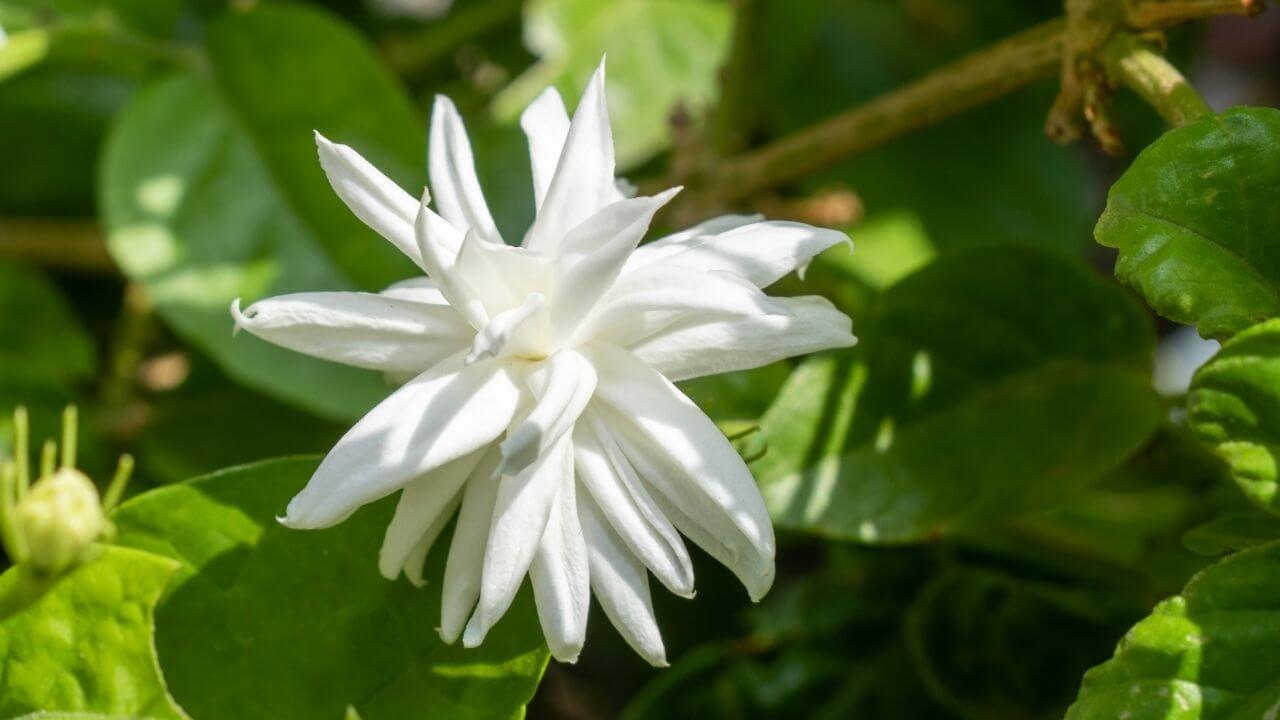
The National Flower of Philippines is Sampaguita, scientifically known as Jasminum sambac. It is a small white jasmine flower known for its sweet fragrance. Sampaguita symbolizes purity, humility, devotion, and respect. It was officially declared the national flower in 1934.
This clear answer often appears in searches like national flower of philippines wikipedia, and for good reason. But the real story goes much deeper.
Sampaguita Flower: Description and Natural Beauty
The Sampaguita flower may look simple, but its details are beautiful.
Here is a clear national flower of philippines description in easy words:
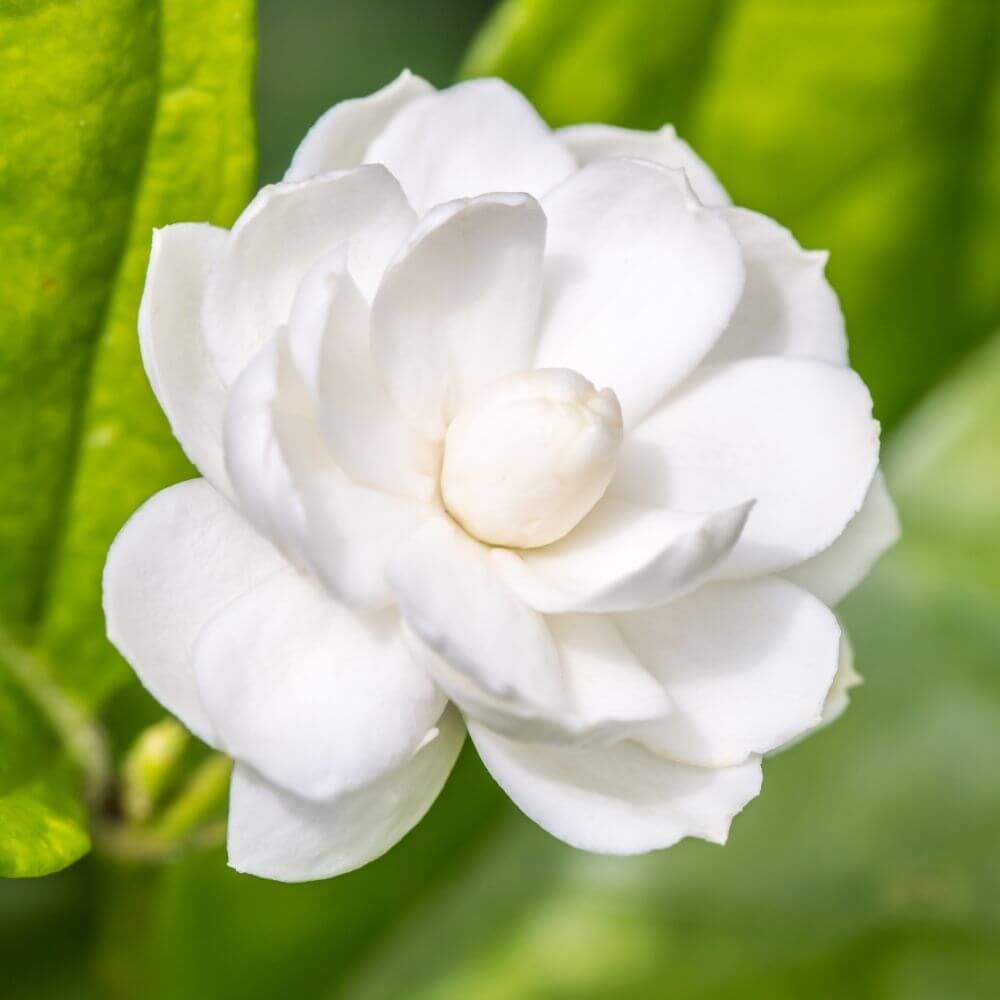
- Small, white petals arranged in a star-like shape
- Strong, sweet fragrance, especially at night
- Grows as a shrub or vine
- Blooms all year in warm climates
- Native to South and Southeast Asia
Because of its scent, Sampaguita is often compared to jasmine used in perfumes. In fact, Jasminum sambac is also used in jasmine tea and essential oils in many Asian countries.
National Flower of Philippines Meaning in Daily Life
The national flower of philippines meaning is closely tied to Filipino values.
Sampaguita represents:
- Purity: The white color reflects clean intentions and honesty
- Humility: The flower is small and modest, not flashy
- Devotion: Commonly offered in churches and religious events
- Respect: Used in garlands to honor guests and elders
In Filipino culture, symbols are not loud. They are lived quietly. Sampaguita fits perfectly into this mindset.
How Filipinos Use Sampaguita in Real Life
This flower is not locked in history books. It is part of everyday life.
You can see Sampaguita in:
- Church offerings: Garlands placed near statues of saints
- Weddings: Used in hair, bouquets, and decorations
- Welcoming ceremonies: Flower garlands for honored guests
- Homes: Planted near windows for natural fragrance
One common street scene in Manila is children selling Sampaguita garlands outside churches in the evening. It’s a small act, but it shows how deeply this flower is woven into daily life.
Why Sampaguita Became the National Flower
In 1934, the Philippine government officially declared Sampaguita as the national flower. The reason was not political. It was cultural.
Leaders believed the flower reflected the Filipino character:
- Gentle but strong
- Simple yet meaningful
- Deeply spiritual
Unlike roses or orchids, Sampaguita does not demand attention. It earns respect quietly. That choice alone says a lot about national identity.
Sampaguita and Science
Beyond culture, Sampaguita also has scientific value.
Research available from the National Center for Biotechnology Information (NCBI) shows that Jasminum sambac flower extracts have antioxidant activity. This study found that the plant’s natural compounds help reduce oxidative stress, which is a type of damage inside cells caused by harmful molecules. These antioxidant effects support why jasmine scents and extracts are often linked to calm feelings and traditional wellness uses.
You can read the study here: pmc.ncbi.nlm.nih.gov
National Flower of Philippines Images and Visual Identity
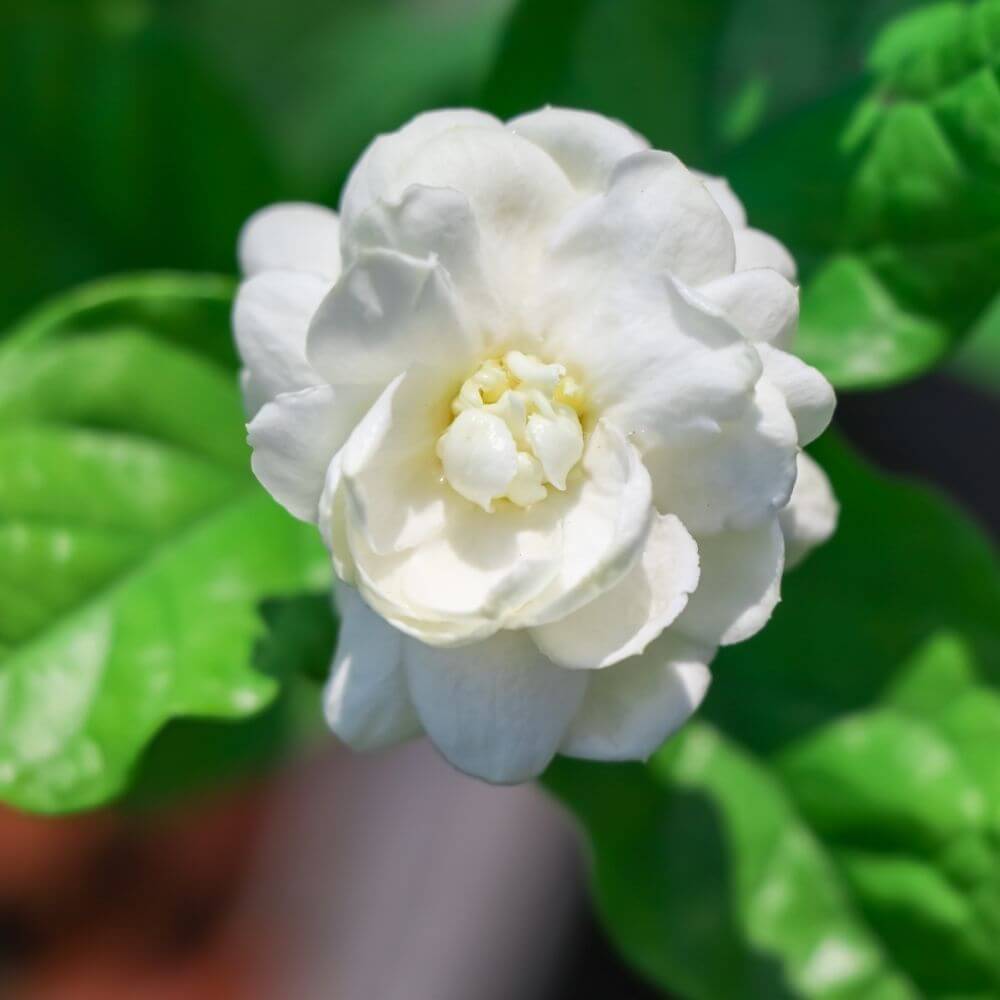
If you search for national flower of philippines images, you’ll notice a pattern. Almost all photos show:
- Pure white flowers
- Simple green leaves
- Natural, unedited settings
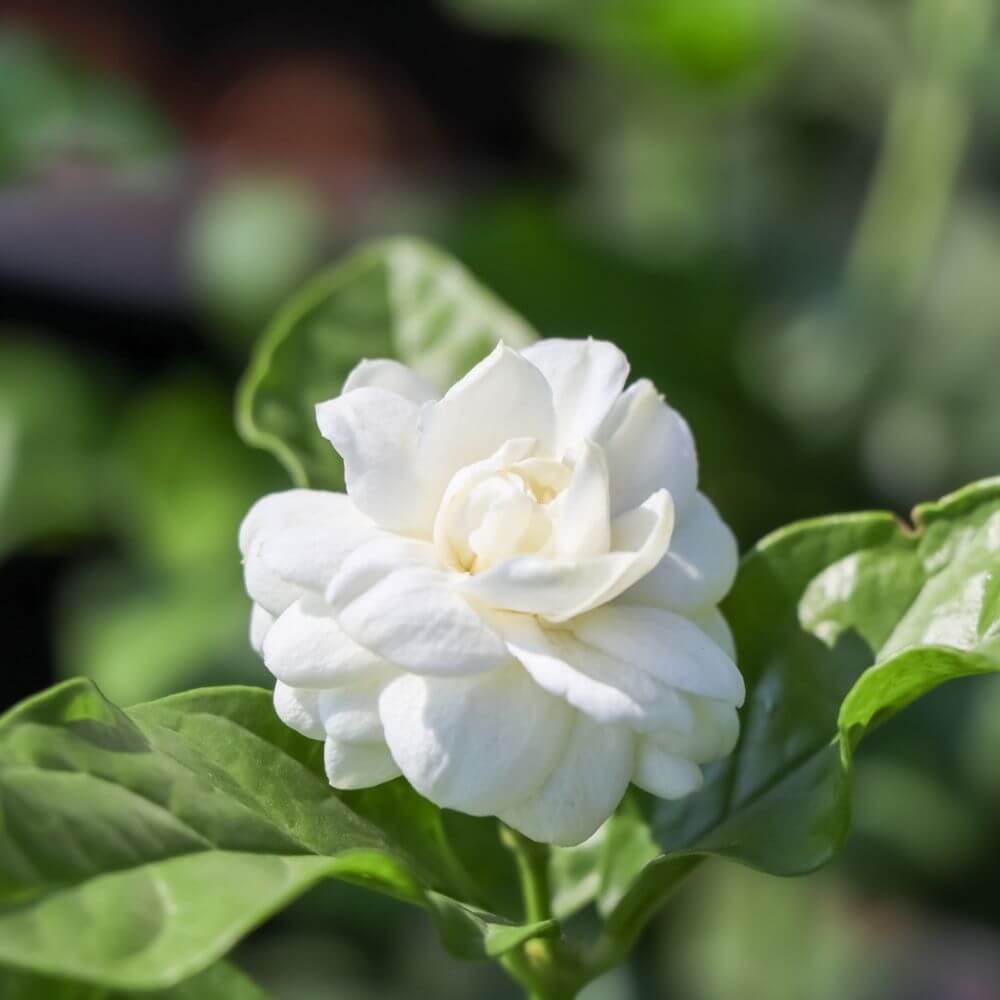
This is important. The flower is rarely over-styled. Even in official seals and school books, Sampaguita is shown in its natural form. That visual honesty strengthens its meaning.
Sampaguita In Modern World
Here’s something most guides don’t talk about.
In a modern world focused on speed, fame, and noise, Sampaguita feels almost rebellious. It reminds people that value doesn’t always come from size or attention.
I believe this is why the National Flower of Philippines still matters today, especially to younger generations. It offers a quiet counter-message:
- You don’t need to be loud to be meaningful
- Beauty can be simple
- Respect is earned through actions, not display
In a way, Sampaguita is a lesson, not just a symbol.
Common Questions on National Flower of Philippines
People searching online often ask:
The national flower of Philippines is Sampaguita, scientifically called Jasminum sambac. It was officially declared the national flower in 1934 because it represents purity, humility, and respect in Filipino culture.
Yes, Sampaguita is a type of jasmine flower. Its scientific name is Jasminum sambac, which is the same jasmine species used in perfumes, teas, and traditional practices across Asia.
In English, Sampaguita is commonly called Arabian jasmine or jasmine. It is known for its small white petals and strong, sweet fragrance.
In the Philippines, Sampaguita symbolizes purity, devotion, humility, and faith. Its white color reflects sincerity and good intentions, which are highly valued in Filipino culture.
No, Sampaguita is not only found in the Philippines. It also grows in other parts of South and Southeast Asia, but it holds special national and cultural importance in the Philippines.
Sampaguita is associated with religion because it is commonly offered in churches and used in prayer rituals. Filipinos use its garlands as a sign of devotion, respect, and faith.What is the national flower of Philippines?
Is Sampaguita the same as jasmine?
What is Sampaguita flower in English?
What is the meaning of Sampaguita in the Philippines?
Is Sampaguita only found in the Philippines?
Why is Sampaguita associated with religion?
Final Thoughts on the National Flower of Philippines
The National Flower of Philippines is more than a white jasmine bloom. Sampaguita reflects how Filipinos see themselves and how they wish to be remembered. Gentle. Respectful. Grounded.
As cultures change, symbols often lose meaning. Sampaguita hasn’t. It continues to live in homes, streets, churches, and memories.
If you’re learning about Filipino culture, start with this flower. It tells the story quietly, but clearly.
Want to explore more national flowers and their meanings?
Keep reading related cultural guides and build a deeper understanding of how nature shapes national identity.