For decades, the tulip has been the flower most people associate with the Netherlands. Its vibrant fields and famous festivals seem to embody Dutch culture. However, in 2023, the Dutch surprised many by officially choosing the daisy as their national flower. This choice invites us to rethink Dutch identity and nature beyond the tulip. Let’s explore why the daisy won, what it symbolizes, and why this matters.
What is the National Flower of Netherlands?
The official national flower of the Netherlands is the daisy, following a 2023 public vote by over 53,000 Dutch participants. While the tulip remains a powerful cultural symbol worldwide, the daisy reflects the Netherlands’ native flora and commitment to sustainability.
Why The Daisy Won Over The Tulip
The national flower selection happened through a poll run by the Dutch radio program Vroege Vogels.
Key reasons the daisy won:
- Native Status: The daisy is a native wildflower, thriving naturally across Dutch meadows, parks, and gardens.
- Everyday Presence: Unlike tulips, which are mostly cultivated, daisies are seen everywhere in daily life.
- Tulip Exclusion: Tulips were not included in the poll since they are not native to the Netherlands (they originated from Central Asia via the Ottoman Empire).
Experts praised the choice for:
- Highlighting true Dutch natural heritage.
- Connecting people to local ecology and biodiversity.
This was the first time the Netherlands formally adopted a national flower through public involvement.
Cultural Icon vs. Official Flower
The tulip’s story in the Netherlands is legendary:
- Introduced in the 16th century, it sparked the famous Tulip Mania in the 1600s, one of the earliest economic bubbles.
- Tulips symbolize wealth, beauty, and the Dutch Golden Age.
- Every spring, millions visit the Netherlands to see tulip fields.
- Tulips feature heavily in Dutch art, souvenirs, and branding.
Why Tulips are not the official national flower:
- Tulips are not native to the region.
- Officially, tulips are national flowers in other countries like Turkey and Hungary.
Summary:
| Flower | Status | Significance |
|---|---|---|
| Tulip | Cultural & Economic Icon | Tourism & Dutch heritage |
| Daisy | Official National Flower | Native, ecological symbol |
Tulip vs Daisy Pictures
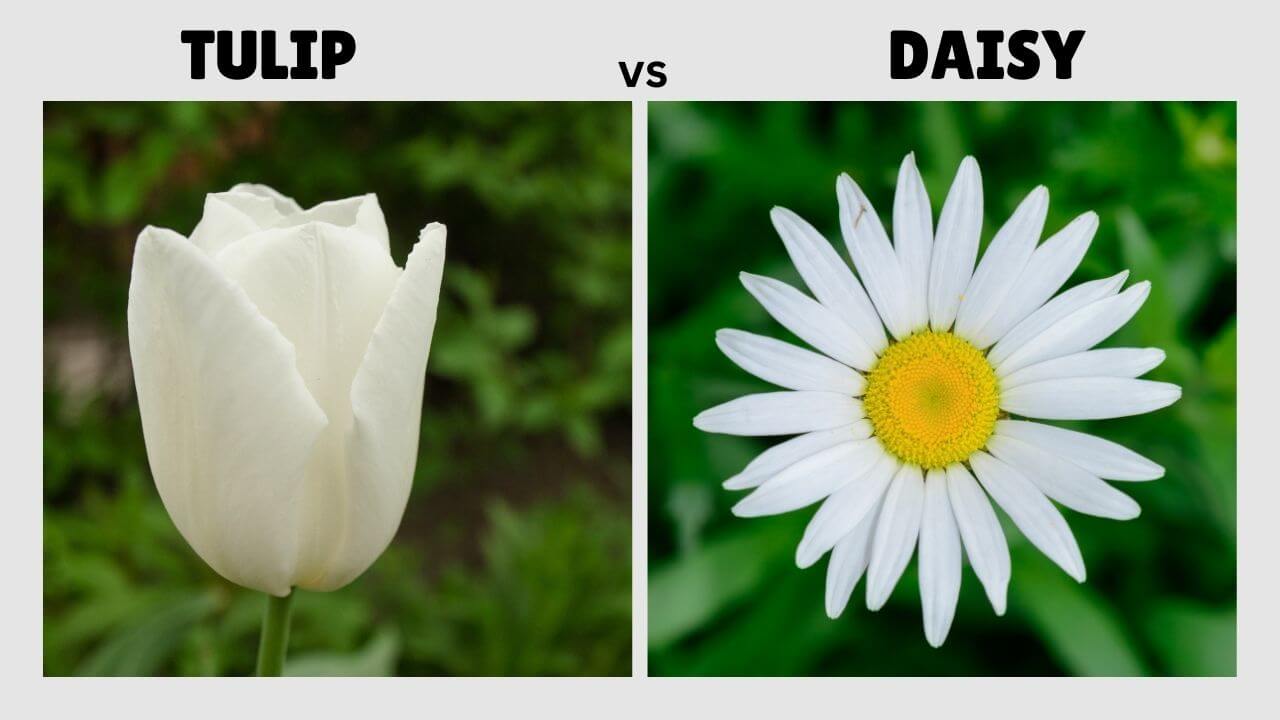
Both flowers represent different aspects of Dutch identity and history.
What the Daisy Symbolizes in Dutch Culture and Nature
The daisy (Madeliefje) holds deep meaning in the Netherlands:
Ecological Importance:
- Supports native pollinators such as bees and butterflies.
- Indicates healthy biodiversity in local environments.
Cultural Role:
- Appears in folk tales, children’s songs, and crafts.
- Evokes childhood memories and everyday simplicity.
- Represents modesty, resilience, and connection to the land.
The daisy’s humble beauty aligns with modern Dutch values like environmental care and community.
Why This Matters Beyond Beauty and Tradition
Choosing the daisy as the national flower is more than a botanical decision. It signals a broader cultural and environmental awareness taking root in the Netherlands. By embracing a native wildflower over the famous tulip, the Dutch public expressed a desire to highlight sustainability, native biodiversity, and ecological responsibility.
This shift matters for Dutch branding and tourism, too. It invites visitors and locals alike to explore natural landscapes beyond the tulip fields, promoting eco-tourism and nature conservation efforts. Urban planners are increasingly inspired to incorporate native plants like daisies into green spaces, enhancing biodiversity even in cities.
Locally, the daisy has sparked conversations about identity, pride, and what it means to belong to the land. It reminds us that national symbols can evolve to reflect contemporary values. Valuing resilience and authenticity over spectacle.
The Daisy as a Symbol of Everyday Dutch Life
Here’s a fresh take: while the tulip dazzles with its grandeur and global fame, the daisy tells a quieter, but no less important story. It is the flower of everyday life. Growing wild in schoolyards, along canals, and in neighborhood parks.
Expats and nature lovers in the Netherlands often notice how the humble daisy punctuates the landscape, a constant and reassuring presence amid urban bustle. It invites us to appreciate nature’s simplicity and resilience, qualities essential to Dutch culture.
This perspective challenges the traditional narrative of national symbols being grand or exclusive. Instead, the daisy offers a welcoming, accessible identity that resonates on a personal level with people who live and breathe the Dutch landscape every day.
FAQs About National Flower of Netherlands
What is the Dutch symbol flower?
The tulip is widely recognized as the Dutch symbol flower due to its historical significance and global association with the Netherlands. It represents Dutch culture, heritage, and the famous tulip festivals that attract millions every spring. Despite its symbolic status, it is not the official national flower, which is the daisy. The tulip remains a powerful icon in art, tourism, and Dutch identity.
What are the traditional Dutch flowers?
Traditional Dutch flowers include tulips, daffodils, hyacinths, and crocuses, all of which bloom beautifully in the spring and have been cultivated for centuries in the Netherlands. These flowers are integral to Dutch horticulture and festivals, especially tulips, which sparked the famous Tulip Mania in the 1600s. Daisies are also native and now hold official status as the national flower. Together, these flowers reflect the country’s rich floral heritage.
What is the national symbol of the Netherlands?
The national symbol of the Netherlands extends beyond flowers and includes elements like the lion from the coat of arms, the orange color representing the royal House of Orange, and iconic windmills. In terms of flora, the official national flower is the daisy, chosen for its native presence and ecological importance. The tulip, while culturally iconic, serves more as an informal symbol associated with Dutch identity and tourism.
What is the Netherlands favorite flower?
The tulip is generally considered the favorite flower in the Netherlands because of its deep cultural roots and worldwide fame, attracting visitors and inspiring countless artworks. However, with the recent official recognition of the daisy as the national flower, many Dutch people are also embracing this modest wildflower as a favorite symbol of native beauty and sustainability. Both flowers hold a special place in Dutch hearts.
Why is the daisy important in the Netherlands?
The daisy is important in the Netherlands because it is a native wildflower that supports local biodiversity and symbolizes natural resilience and simplicity. Its official status as the national flower highlights the country's focus on sustainability and ecological health. Culturally, the daisy evokes everyday life and childhood memories, connecting people to nature in a humble yet meaningful way.
How did the tulip become associated with the Netherlands?
The tulip became associated with the Netherlands after being introduced from Central Asia in the 16th century, quickly gaining popularity for its beauty and rarity. The flower's economic impact peaked during Tulip Mania in the 1600s, making it a symbol of Dutch wealth and cultural flourishing. Over time, tulips became deeply woven into Dutch identity, festivals, and tourism, even though it is not a native species.
Conclusion
The daisy’s election as the official national flower of the Netherlands represents more than a change in botanical status. It reflects a national embrace of native nature, sustainability, and a fresh cultural identity grounded in everyday resilience. Meanwhile, the tulip remains the dazzling cultural icon it has been for centuries, beloved worldwide as a symbol of Dutch heritage.
If you’re planning a visit or looking to celebrate Dutch nature, consider exploring wildflower meadows beyond the tulip fields. And for those inspired by this story, the national flower of Netherlands tattoo featuring the daisy is becoming a meaningful way to honor this new symbol. Explore more of guides about flowers below: