
The North Dakota State Flower, the beautiful Prairie Rose, is a hardy wildflower that reflects the state’s natural beauty and strong prairie heritage. Blooming across grasslands and open fields, this delicate pink flower has become a lasting symbol of North Dakota’s landscape and history. In this article, you’ll learn the North Dakota State Flower, learn why the Prairie Rose was chosen, explore four key reasons it represents the state, and find interesting facts about its appearance, habitat, symbolism, and importance.
What Is the North Dakota State Flower?
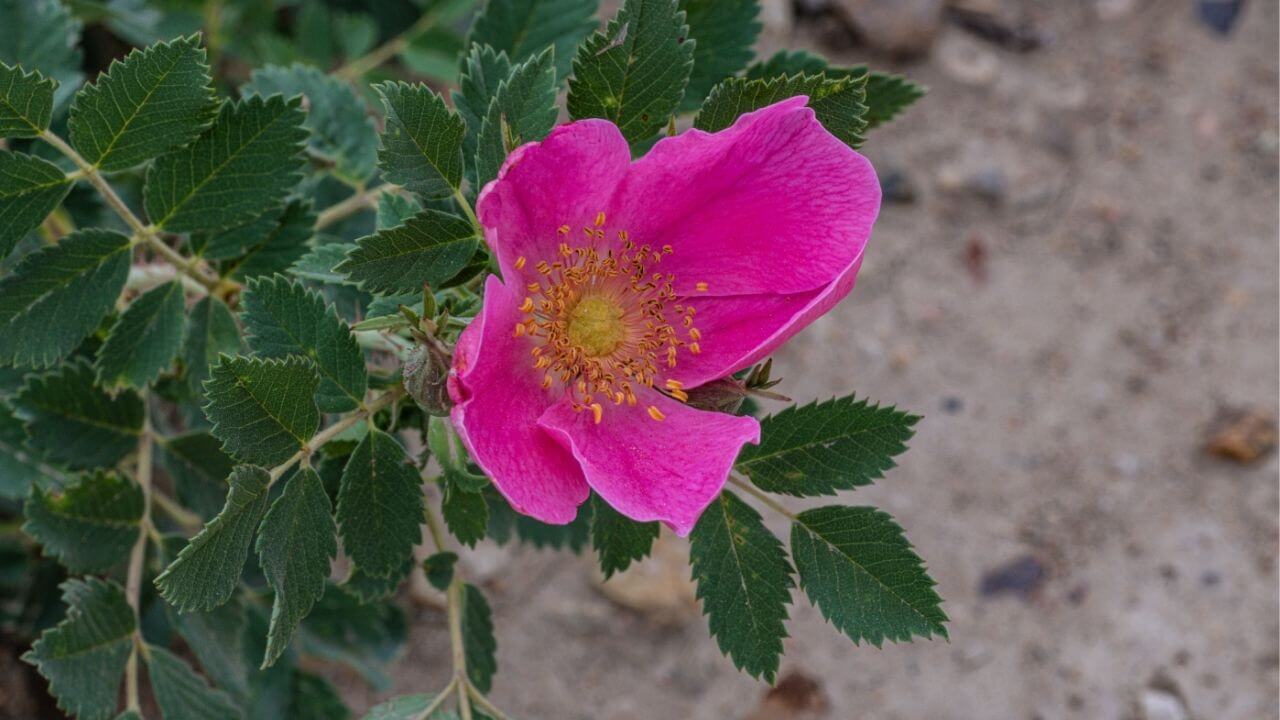
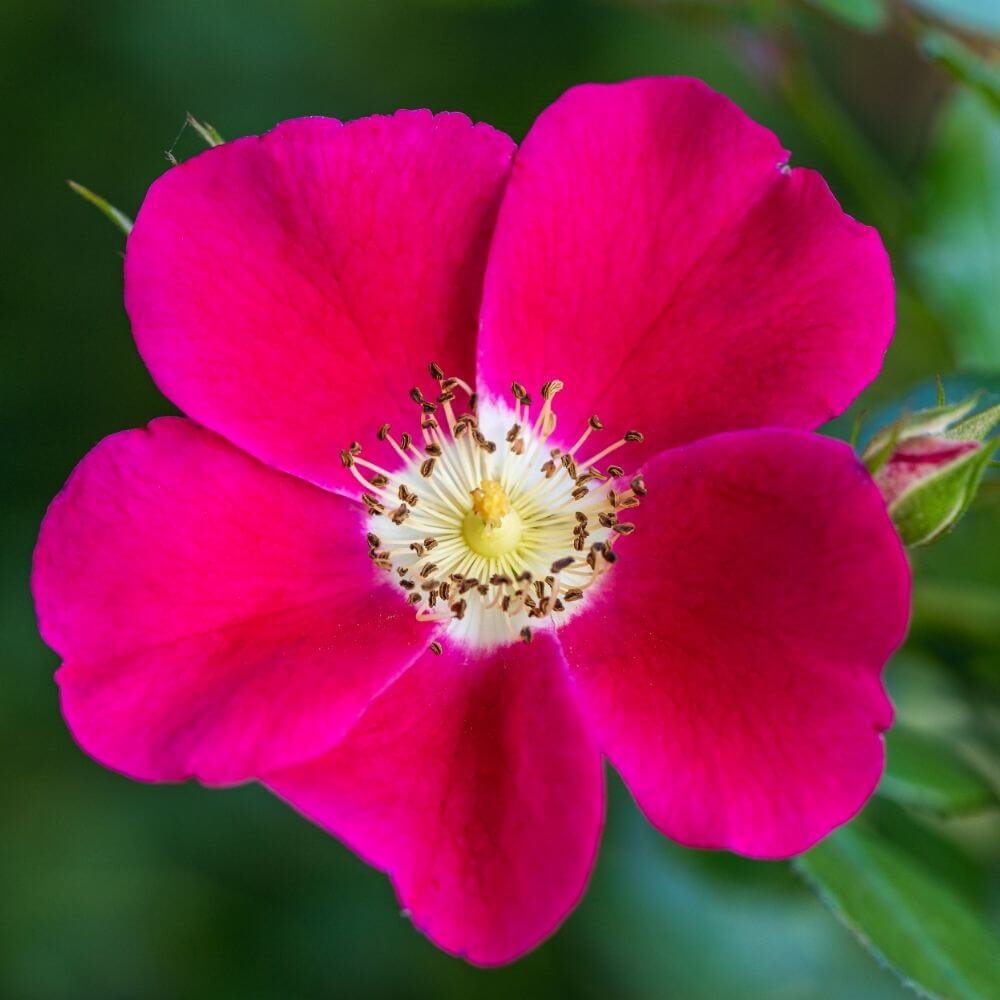
The North Dakota State Flower is the Wild Prairie Rose, also known by its scientific name Rosa arkansana. It was officially adopted as the state flower in 1907 and is native to the prairies of North Dakota. This flower grows naturally across the state and blooms in early summer with soft pink petals and a yellow center.
In some botanical circles, the “Wild Prairie Rose” in North Dakota is also associated with Rosa blanda (the Smooth Rose). While Arkansana is the primary one cited, acknowledging that several wild rose species look similar.
Learn more about the history and significance of the Wild Prairie Rose on the North Dakota Studies website: https://www.ndstudies.gov/gr4/citizenship/part-5-symbols/section-10-wild-prairie-rose?
4 Reasons the Prairie Rose Represents North Dakota So Well
To understand why the Prairie Rose was chosen, you have to think beyond decoration. This flower was part of everyday life. People saw it growing near homes, schools, and open land. It survived the same harsh conditions they did.
That connection becomes clear through four strong reasons.
1. A Historic Vote by the People
In 1898, the North Dakota Federation of Women’s Clubs organized a statewide vote to choose a flower that best represented the state. What makes this moment important is who participated.
Thousands of schoolchildren took part in the vote.
The Prairie Rose won by an overwhelming margin. This was not a political shortcut or a decision made behind closed doors. It was a public choice that reflected what people already felt connected to.
Nearly ten years later, in 1907, the North Dakota Legislature made that choice official. The flower did not gain meaning after becoming a symbol. It became a symbol because it already had meaning.
2. The University of North Dakota Connection
Even before the Prairie Rose was officially named the state flower, it had already shaped North Dakota’s identity.
In 1889, the first graduating class of the University of North Dakota selected pink and green as their school colors. They described these colors as representing green prairies and rosy prospects.
Those rosy prospects were inspired by the wild roses growing naturally around them.
This matters because it shows the Prairie Rose was not forced into symbolism later. It was already part of how people described their home and their future. Education, land, and optimism were tied together through a plant that students saw every day.
3. Built for the Plains
The Prairie Rose is tough. That is not opinion. It is biology.
This plant has a strong, spreading root system that allows it to survive wildfires, drought, and extreme cold. North Dakota winters regularly reach temperatures that kill less adapted plants. The Prairie Rose survives and returns.
After prairie fires, it often regrows from its roots while other plants disappear.
That resilience mirrors the experience of the people who settled and stayed. Farming failures, fires, long winters, and isolation were common realities. Survival required persistence, not perfection. The Prairie Rose reflects that mindset better than any delicate or exotic flower ever could.
4. A Plant That Sustained Life on the Plains
Before it became a symbol, the Prairie Rose was useful.
The fruit of the plant, called rose hips, is naturally rich in vitamin C. Native American tribes used rose hips to make teas and remedies, especially during winter when fresh food was limited. Early settlers learned and adopted the same practices.
This flower was not just admired. It helped people stay healthy.
That practical value sets it apart from many other state flowers. The Prairie Rose was part of survival on the plains, not just scenery.
Why the State Flower of North Dakota Remains Important
The Prairie Rose remains important for education, conservation, and local identity. It is used in lessons about native plants, prairie ecosystems, and state history. Gardeners value it for being hardy and low maintenance.
For North Dakotans, it remains a quiet reminder that strength does not always stand out. Sometimes it grows low to the ground and keeps coming back.
Symbolism That Came From Real Life
- Many state symbols are chosen to look good on flags or brochures. The Prairie Rose was chosen because people lived with it.
- It grew where they walked. It survived what they survived. It provided something useful when resources were limited.
- That is why the Prairie Rose still feels authentic today. It was not assigned meaning. It earned it.
FAQs About State Flower of North Dakota
What is the state flower of North Dakota?
The state flower of North Dakota is the Wild Prairie Rose, scientifically known as Rosa arkansana. It was officially adopted in 1907 after strong public support. The flower is native to North Dakota and grows naturally across the prairies. Its hardiness and local presence made it a natural symbol of the state.
Why is the prairie rose North Dakota’s state flower?
The Prairie Rose was chosen because it represented the people, land, and resilience of North Dakota. It won a statewide vote in 1898 involving schoolchildren and civic groups. The flower survives harsh winters, drought, and prairie fires. Its deep roots and usefulness made it more than just a decorative choice.
What does a prairie rose symbolize?
The Prairie Rose symbolizes resilience, simplicity, and quiet strength. It reflects survival in harsh conditions and steady growth rather than showy beauty. For North Dakota, it also represents community choice and connection to the land. The flower stands for endurance and optimism rooted in reality.
Is the prairie rose edible?
Yes, parts of the Prairie Rose are edible, especially its fruit called rose hips. Rose hips are rich in vitamin C and were traditionally used in teas and remedies. Native American tribes and early settlers relied on them during long winters. The petals themselves are sometimes used for flavoring but are less common.
Is the prairie rose native to North Dakota?
Yes, the Prairie Rose is native to North Dakota and the surrounding Great Plains region. It grows naturally without human planting or cultivation. This native status strengthens its symbolic value. It reflects the natural landscape of the state.
When does the prairie rose bloom in North Dakota?
The Prairie Rose typically blooms from late May through July in North Dakota. Peak blooming usually occurs in early summer. The flowers appear as soft pink blossoms with yellow centers. Bloom time can vary slightly depending on weather conditions.
A Flower That Truly Belongs
The North Dakota State Flower is the Prairie Rose for four clear reasons. It was chosen by the people. It shaped early educational identity. It survives extreme conditions. And it once helped sustain life on the plains.
This is not just a flower you memorize for a test. It is a reflection of North Dakota’s character.
If you are teaching, learning, or simply curious about the state, the Prairie Rose tells you more than you might expect. Sometimes the most honest symbols are the ones that were always there. I want you to read more of my others flower guides, like state flowers, national flowers by different countries and about flowers in general: